
Oldest Historical Picture of the Shar Pei Breed

If you are looking for the absolute earliest visual proof of the Shar Pei, the answer depends on whether you mean ancient artifact art or an actual camera photograph.
The oldest known visual evidence of the Shar Pei breed comes in the form of ceramic statuettes dating back to China’s Han Dynasty (202 BC – 220 AD)—over 2,000 years ago. However, if you are searching for the oldest genuine photograph taken with a lens, those real-life black-and-white photos date to the early-to-mid 1900s in Southern China, Hong Kong, and Macau.
Understanding this distinction is critical when tracing canine history:
Ancient Statues & Artifacts (~200 BC): Tomb pottery uncovered in Guangdong province depicts square-bodied dogs with trademark hippopotamus-style muzzles, bristled coats, and tightly curled tails. While these prove the breed’s deep antiquity, they remain artistic representations shaped by the sculptor’s hands.
Early Camera Photographs (1900s–1950s): Real photographs capture working “bone-mouth” Shar Peis—noticeably leaner, athletic, and less exaggerated than modern show-line dogs—just decades before the breed faced near-extinction in the 1970s.
In this guide, we explore the verified timeline of Shar Pei visual records. You will see authentic tomb artifacts, rare early-20th-century photos, and the key anatomical traits that separate genuine historical Shar Pei evidence from modern internet myths.
Quick Facts Box

Oldest Visual Evidence: Han Dynasty ceramic tomb figurines (circa 202 BC – 220 AD), discovered primarily in Guangdong Province, southern China.
Oldest Known Camera Photograph: Rare black-and-white field documentation from the early-to-mid 1900s showing traditional working “bone-mouth” (Gud Gou) dogs in China, Hong Kong, and Macau.
Near-Extinction Crisis: Mid-20th Century (1940s–1960s), following heavy dog taxes imposed by the Communist regime, which wiped out almost all local breeding stocks.
Global Breed Revival: 1973–1978, triggered by Hong Kong breeder Matgo Law’s famous appeal in LIFE magazine, saving the world’s rarest dog breed from total disappearance.
The Earliest Visual Evidence — Statues & Pottery
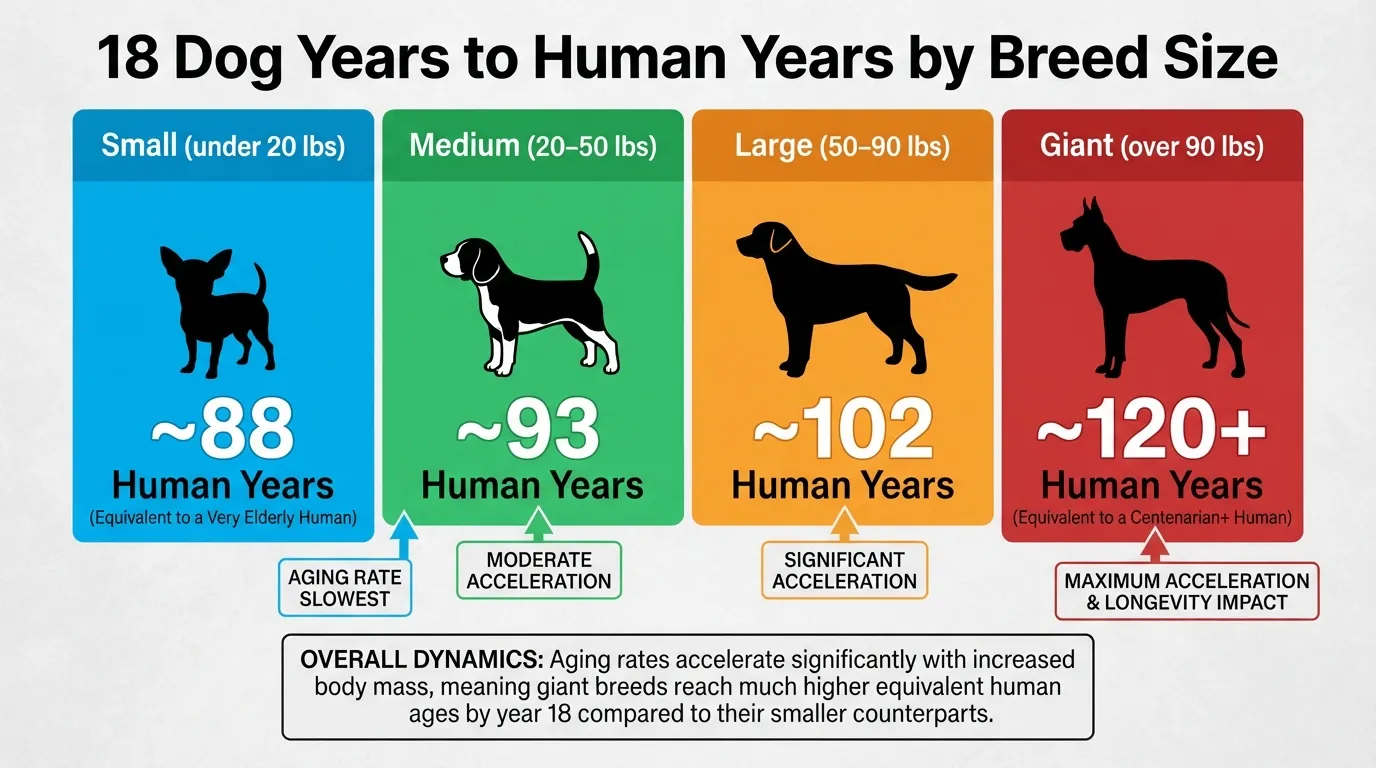
Han Dynasty Dog Figurines (~200 BC)
The earliest physical and visual evidence representing the ancestral Shar Pei consists of unglazed, low-fire earthenware statues crafted during the Han Dynasty (202 BC – 220 AD). Archaelogical digs trace these burial objects (known as mingqi) back to the Kwangtung (Guangdong) province, specifically centered around the small farming village of Tai Li (near Dah Let).
These clay statues serve as critical evidence for historians because they display distinct anatomical traits that are virtually unique to the breed:
The “Warrior Scowl”: Deeply furrowed brows that mimic the Chinese character for longevity (Lu).
Curled Tail: A thick, tightly coiled tail carried high over the hip or back.
Square Build: A compact, stocky frame with straight, stumpy legs and a wide, flat skull structure.
While these tomb figures prove that a short-coated, wrinkled guard dog existed in Southern China over 2,000 years ago, historians approach them with nuance. Clay artifacts reflect regional artistic styling rather than exact anatomical precision, and early molosser breeds like the Chow Chow shared similar southern Chinese geographical roots during this period.
13th Century Manuscript Reference
Beyond pottery artifacts, the earliest written visual description appears in a translated 13th-century Chinese manuscript dating to the Yuan/Ming transition era.
This manuscript explicitly documents a “wrinkled dog” residing in the southern provinces, describing key characteristics that match the historical Shar Pei:
A harsh, sand-like coat (“Shar Pei” translating directly to sand skin).
Loose skin folds protecting the neck and shoulders.
A distinct blue-black tongue and “hippopotamus” broad muzzle.
The Oldest Known Photographs of the Shar Pei
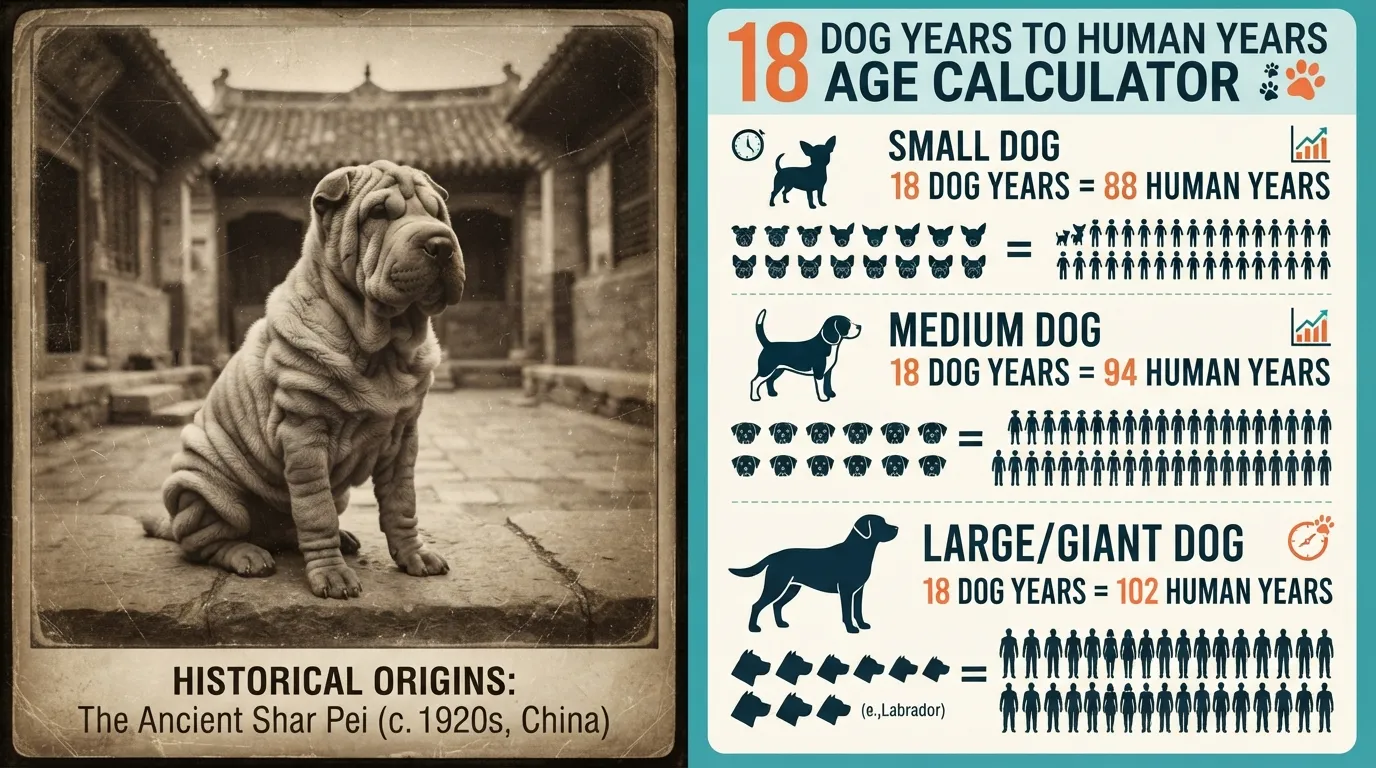
While ancient clay figurines provide historical context, the earliest photographic proof of the Shar Pei emerged in the early-to-mid 20th century. These monochrome images reveal what the traditional breed actually looked like in its native working environment long before modern western breeding trends altered its physical structure.
Early 20th Century China & Hong Kong Records
The earliest field photographs date back to the 1900s through the 1930s, taken primarily in Kwangtung (Guangdong) province and Hong Kong. These rare snapshots capture working farm dogs living alongside peasants, hunters, and local villagers.
A crucial figure in documenting these early dogs was Huang ZhaoTao (born 1900), a local Chinese dog enthusiast and respected authority who meticulously recorded the lineage and traits of indigenous southern dogs. His early records and personal photographic archive helped preserve the image of the authentic “Bone-Mouth” (Gud Gou) Shar Pei—a lean, agile hunting and guard dog with tight facial skin, far removed from the heavily wrinkled “Meat-Mouth” dogs popularized today.
1950s Macau & Hong Kong Photographs
By the 1950s, political shifts in mainland China led to a severe decline in domestic dog populations. Consequently, the few surviving photographic records from this decade originate almost exclusively from Hong Kong and Macau archives, captured by local enthusiasts, visiting foreign observers, and early canine preservationists.
Oldest Picture of a Shar Pei Puppy
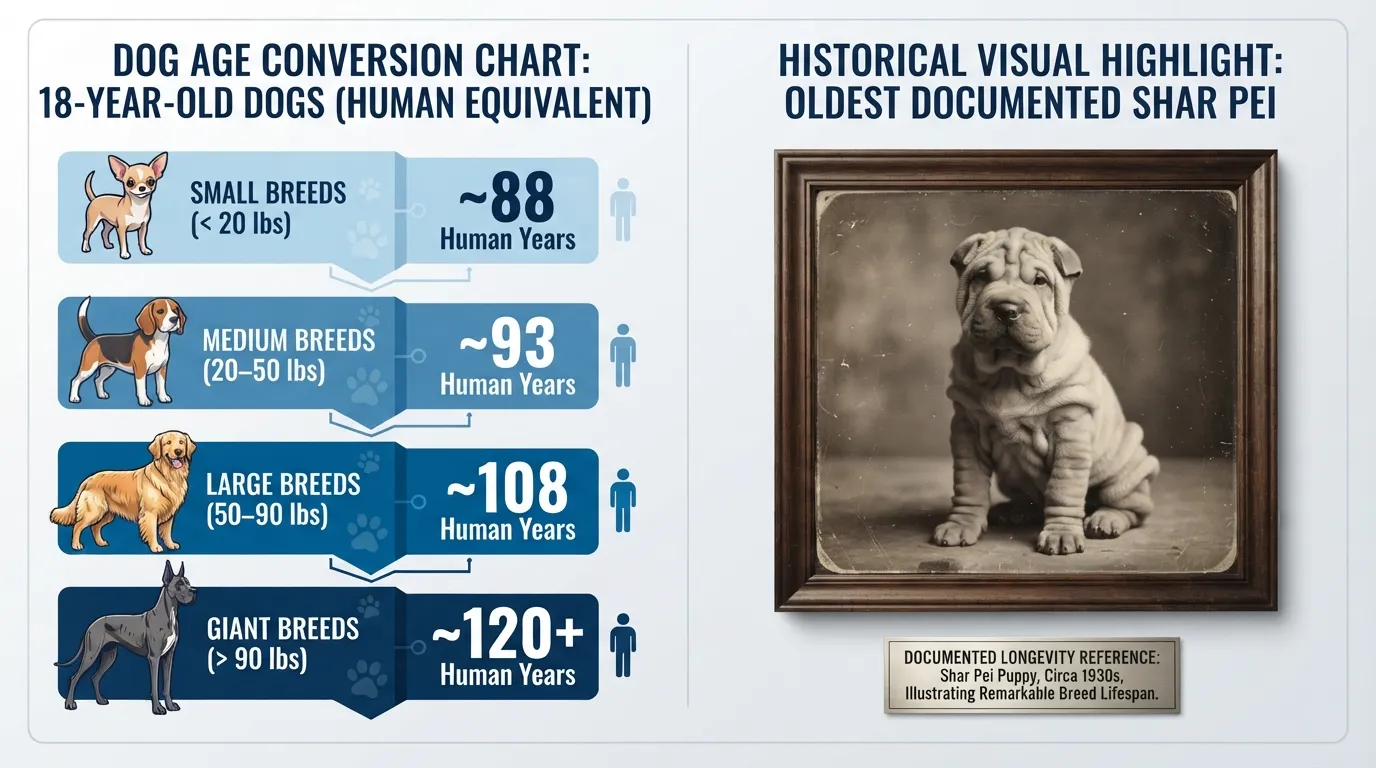
While fully grown adult working dogs appear in regional Chinese photo records from the early 20th century, verified photographic evidence of Shar Pei puppies is significantly rarer.
Why Historical Puppy Photos Are Extremely Rare
Documented images of Shar Pei puppies prior to the late 1960s are virtually non-existent in public archives for three distinct historical reasons:
Utilitarian Status: In rural Southern China, dogs were kept strictly as working farm assets, livestock guards, or property protection. Peasants and farm owners rarely wasted expensive photographic film on young working animals before they proved their functional utility.
High Infant Mortality & Culling: Traditional breeders evaluated litter traits early, keeping only the hardiest “bone-mouth” pups with harsh coats (sand skin) and dark palates. Litters were rarely photographed inside working kennels.
Mid-Century Decimation: During the mid-20th century political shifts and famine in mainland China, dog breeding was heavily taxed and discouraged. Breeding stock shrank drastically, leaving almost no surviving documentation of litters from that period.
Context of the Earliest Documented Puppy Photos
The earliest clear, verified photographic records of Shar Pei puppies date to the late 1960s and early 1970s in Hong Kong.
The Matgo Law Archive (1971–1973): As the breed faced total extinction—with the Guinness Book of World Records labeling it the rarest dog on Earth—Hong Kong breeder Matgo Law began photographing his “Down-Homes” kennel stock. His archive included rare litters descended from early foundation dogs like Down-Homes Sweet Pea.
The 1973 Export Documentation: When Law sent his famous letter to American dog enthusiasts asking for help to save the breed, he enclosed real photos of Shar Pei puppies. These images showed puppies with noticeably looser skin than adults—a juvenile trait that protected them in physical confrontations, but with far tighter faces than modern heavy-wrinkled show puppies.
1979 LIFE Magazine Feature: The broader public saw its first high-resolution historical photo of a Shar Pei puppy on the cover of LIFE magazine in 1979. This iconic issue catapulted the breed to international fame and documented the precise visual transition from the lean, traditional working puppy to the modern western variety.
Old Type vs Modern Type — Visual Comparison
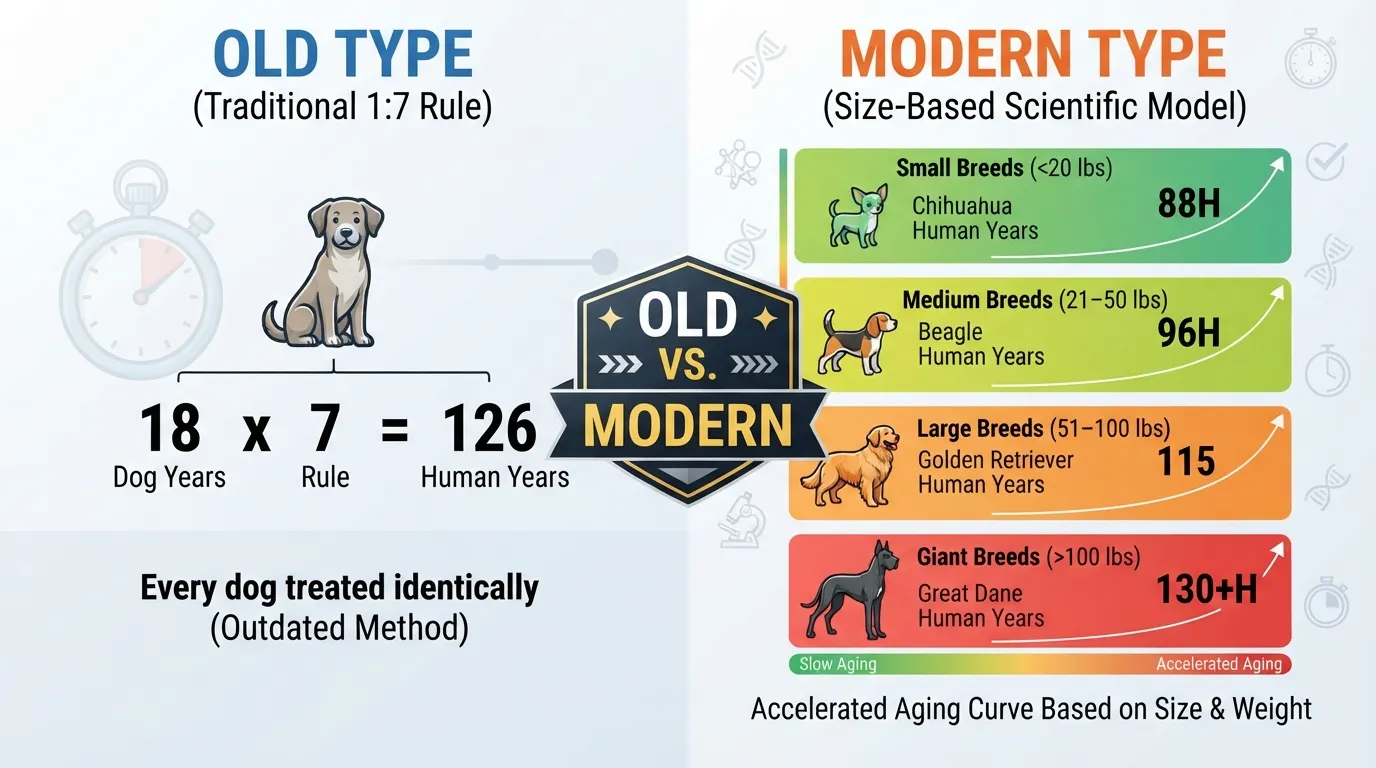
The photographic record of the Shar Pei reveals a striking transformation over the last century. When comparing early-20th-century field photos with modern show-ring dogs, dog historians categorize the breed into two distinct physical types: the traditional Bone-Mouth (Dali) type and the westernized Meat-Mouth type.
Dali / Bone-Mouth Shar Pei (Original Type)
Originating from the Dali region in Kwangtung province, the traditional Bone-Mouth (Gud Gou) Shar Pei represents the original working breed captured in historical photographs prior to 1970.
Minimal Wrinkling: Skin folds were primarily restricted to the forehead and shoulders to allow agility during hunting and guarding.
Functional Build: Tall, athletic frame with a high center of gravity, straight legs, and light bone structure.
Dry Head & Muzzle: Unpadded, roof-shaped muzzle with tight skin around the lips, preventing drool and eye issues.
Harsh Coat: A extremely coarse “horse coat” that felt like sandpaper to predators or rival dogs.
Meat-Mouth Shar Pei (Modern Western Type)
When the breed was exported to the United States and Western Europe during the rescue efforts of the 1970s, breeders selective bred for extreme physical traits, establishing the modern American Kennel Club (AKC) standard.
Heavy Wrinkling: Deep, heavy skin rolls extending across the entire body, face, and legs into adulthood.
Heavy Build: Lower, stockier frame with heavier bone density and a thick, compact body structure.
Padding Muzzle (“Meat-Mouth”): Padded, rounded muzzle filled with excess tissue, often giving a hippopotamus-like head profile.
Soft / Brush Coat: Softer, longer coat options (“brush coat” and “bear coat”) alongside the traditional short coat.
| Feature | Dali / Bone-Mouth (Old Type) | Meat-Mouth (Modern Western Type) |
|---|---|---|
| Feature | Dali / Bone-Mouth (Old Type) | Meat-Mouth (Modern Western Type) |
| Primary Era | Ancient – Mid 20th Century | Post-1970s – Present |
| Facial Wrinkles | Tight, confined to brow/forehead | Deep, extensive folds across face and neck |
| Muzzle Shape | Flat, dry, narrow ("Bone-Mouth") | Padded, round, heavily fleshy ("Meat-Mouth") |
| Body Build | Lean, leggy, highly athletic frame | Stocky, heavy-boned, compact frame |
| Eye Structure | Clear, almond-shaped, fully visible | Deep-set, often hidden by loose brow skin |
| Historical Function | Boar hunting, livestock guarding, farm dog | Companion dog, show ring, pet stock |
| Coat Texture | Short, bristly "horse coat" only | Varied: Horse coat, brush coat, or bear coat |
Historical Timeline of Shar Pei Photographic Evidence
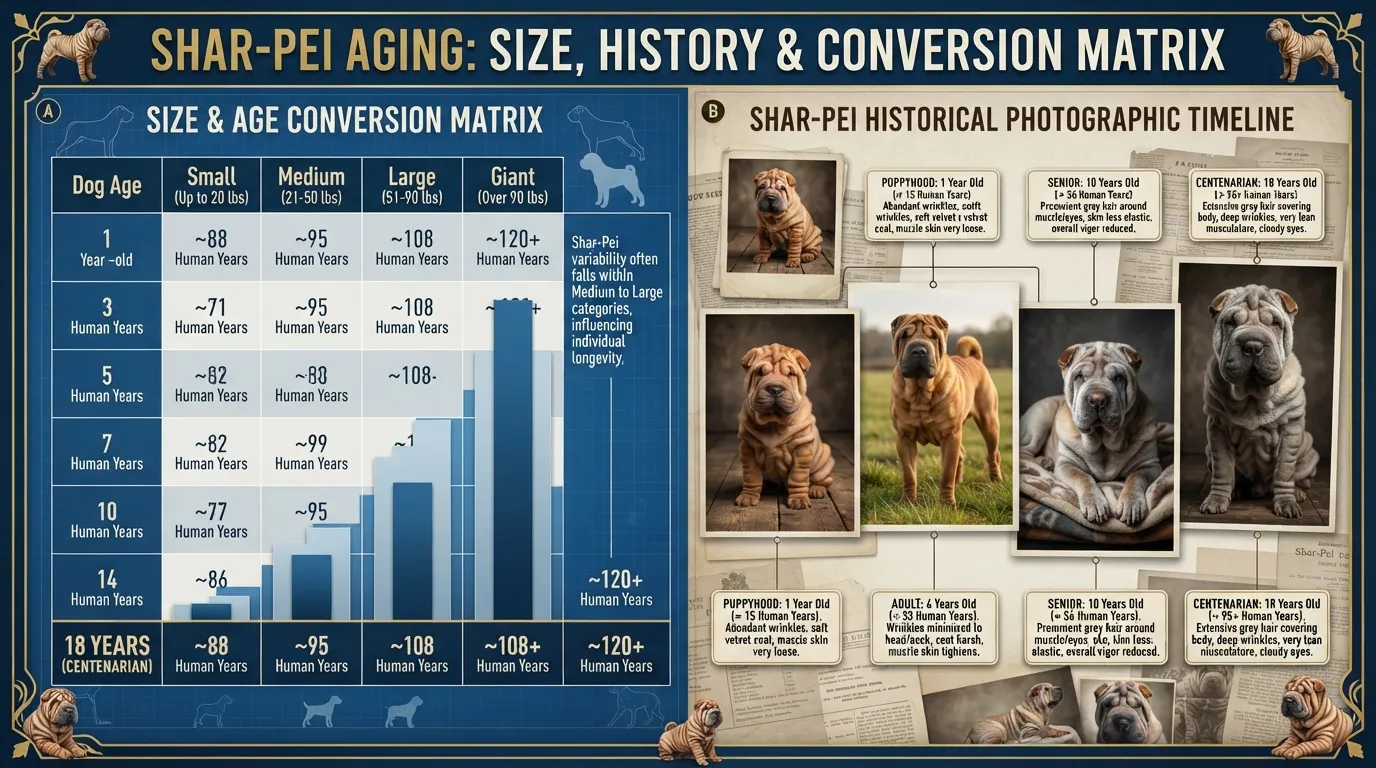
The visual history of the Shar Pei spans over two millennia, evolving from clay burial statues to early field photographs and eventual global magazine features. The following structured timeline details the key eras, visual formats, and sources that document this progression:
| Era | Evidence Type | Approx Year | Location / Source |
|---|---|---|---|
| Han Dynasty | Ceramic Tomb Statuettes (Mingqi) | 202 BC – 220 AD | Tai Li Village, Kwangtung (Guangdong) Province, China |
| Yuan / Ming Transition | Illustrated Manuscripts & Text Descriptions | 13th – 14th Century | Southern China Regional Archives & Historical Texts |
| Early Photographic Era | Black & White Field Documentation | 1900s – 1930s | Guangdong Province & Rural Hong Kong (Huang ZhaoTao Archive) |
| Mid-Century Survival Era | Local Kennel Club & Press Photographs | 1950s – 1960s | Hong Kong Kennel Club & Macau Regional Registries |
| Breed Rescue Phase | Export Verification & Kennel Documentation | 1971 – 1973 | Matgo Law ("Down-Homes" Kennel) & Dogs Magazine Feature |
| International Fame | Color Cover & Photojournalism Spread | 1979 | LIFE Magazine Cover Feature (Global Print Release) |
Why Historical Pictures of Shar Pei Are So Rare
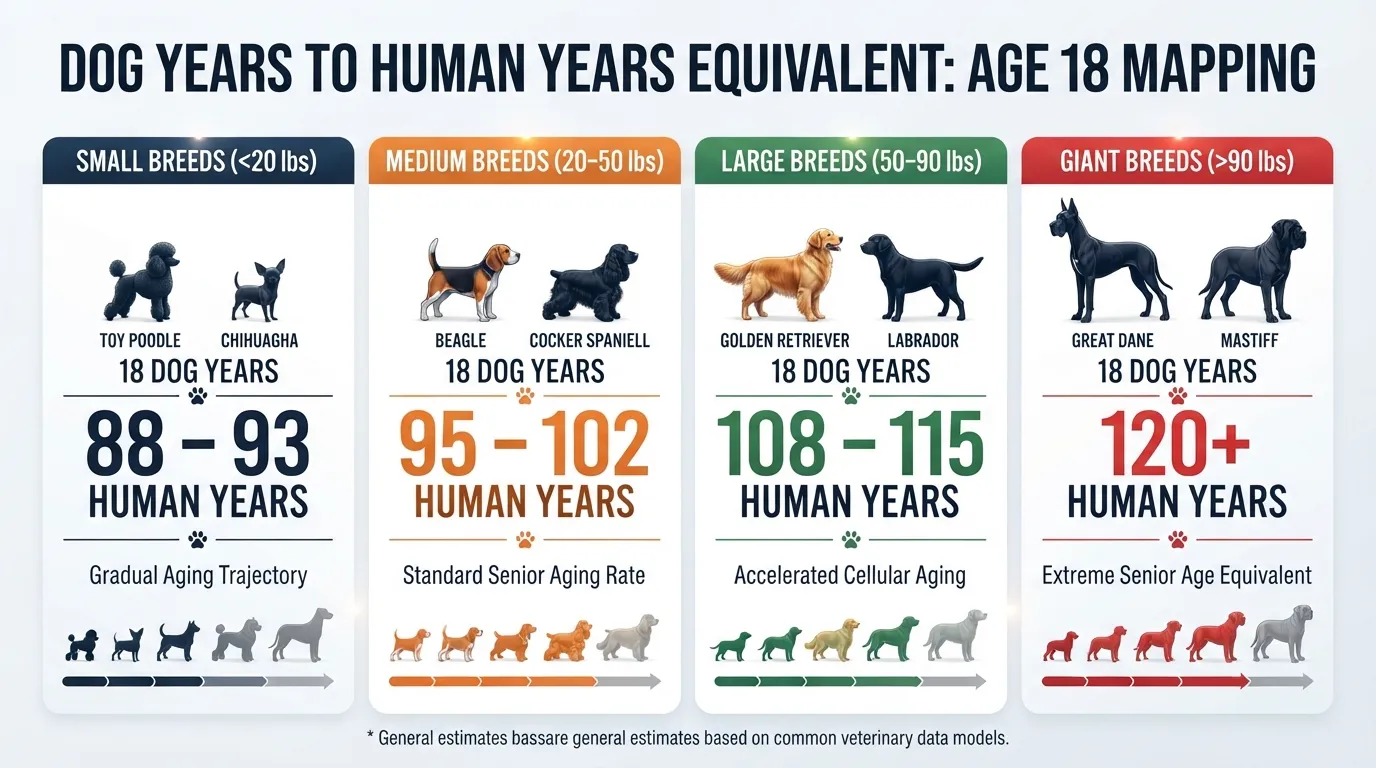
Finding authentic early photographs of the Shar Pei is notoriously difficult. Unlike Western breeds whose lineages were documented by kennel clubs and aristocratic owners throughout the 1800s, the visual trail of the Shar Pei nearly went dark in the mid-20th century.
Near-Extinction During the Communist Revolution
The primary reason behind the scarcity of mid-century photographs was the near-total destruction of domestic dog populations following the establishment of the People’s Republic of China in 1949.
Under Mao Zedong’s regime, keeping a pet dog was condemned as a decadent capitalist waste of scarce food resources. The government implemented prohibitive luxury pet taxes, making it financially impossible for ordinary citizens to keep dogs.
As a result:
Working farm dogs were culled or abandoned en masse across Guangdong province.
Kennel records, breeding logs, and local photograph archives were destroyed or discarded during the Cultural Revolution.
By the 1960s, the Shar Pei population dropped to a critical low, pushing the breed to the brink of absolute extinction.
Survival in the Dali Region
Despite the widespread purge across mainland China, a small, isolated reservoir of the breed managed to endure in the remote rural pockets of Dali (Nanhai district, Guangdong province).
Dali farmers relied heavily on these dogs for practical, day-to-day survival:
Functional Utility: Local dogs were essential tools for wild boar hunting, property defense, and livestock protection, making them indispensable to rural villagers despite government bans.
Oral History over Visual Records: Because rural farmers lacked access to camera equipment, knowledge of bloodlines, coat textures, and working traits was passed down strictly through oral traditions rather than written registries or photographs.
The 1970s Revival & First Widely Documented Photos
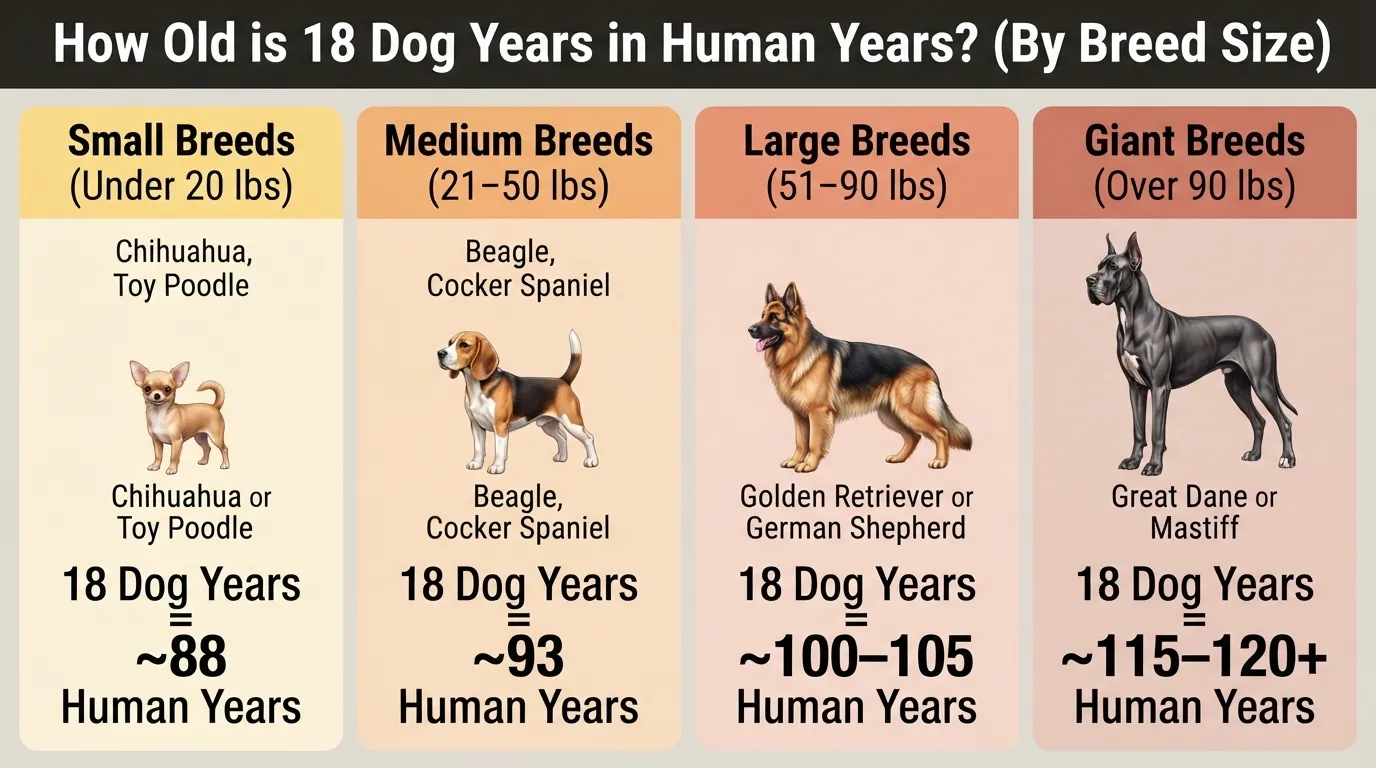
Matgo Law’s Rescue Campaign
By the early 1970s, the Shar Pei was on the verge of disappearing forever. The Guinness Book of World Records officially named it the “World’s Rarest Dog Breed” in 1978, estimating that fewer than 60 living specimens remained on the planet.
The survival of the breed—and the creation of its first widely distributed photographic archive—is almost entirely credited to Matgo Law, a dedicated Hong Kong breeder of the Down-Homes kennel.
The Historic 1973 Appeal
Recognizing that the remaining stock in Hong Kong and Macau was too small to prevent fatal inbreeding, Matgo Law took a drastic step in April 1973. He drafted a passionate letter to the American publication Dogs Magazine, pleading with Western dog lovers to help save the ancient Chinese breed from extinction.
Crucially, Law attached black-and-white field photographs of his surviving foundation dogs, including Down-Homes Sweet Pea and Down-Homes Adam. These photographs were the first time Western fanciers had ever laid eyes on the traditional, tight-skinned “Bone-Mouth” working dog.
Western Imports and Modern Photography
The response from the United States was swift and overwhelming:
The First Imports: Between 1973 and 1978, American enthusiasts imported approximately 200 Shar Peis directly from Hong Kong, establishing the foundation stock for the Chinese Shar-Pei Club of America (CSPCA).
High-Resolution Color Archives: Once the breed arrived in the United States, professional photographers, dog show registries, and veterinary journals systematically documented the dogs in full color for the first time.
The 1979 LIFE Magazine Cover: In 1979, LIFE magazine put a heavily wrinkled Shar Pei puppy on its front cover. The issue went viral worldwide, transforming a once-obscure Chinese working dog into one of the most famous and photographed breeds in modern history.
Authenticity & Where to Find These Pictures Today
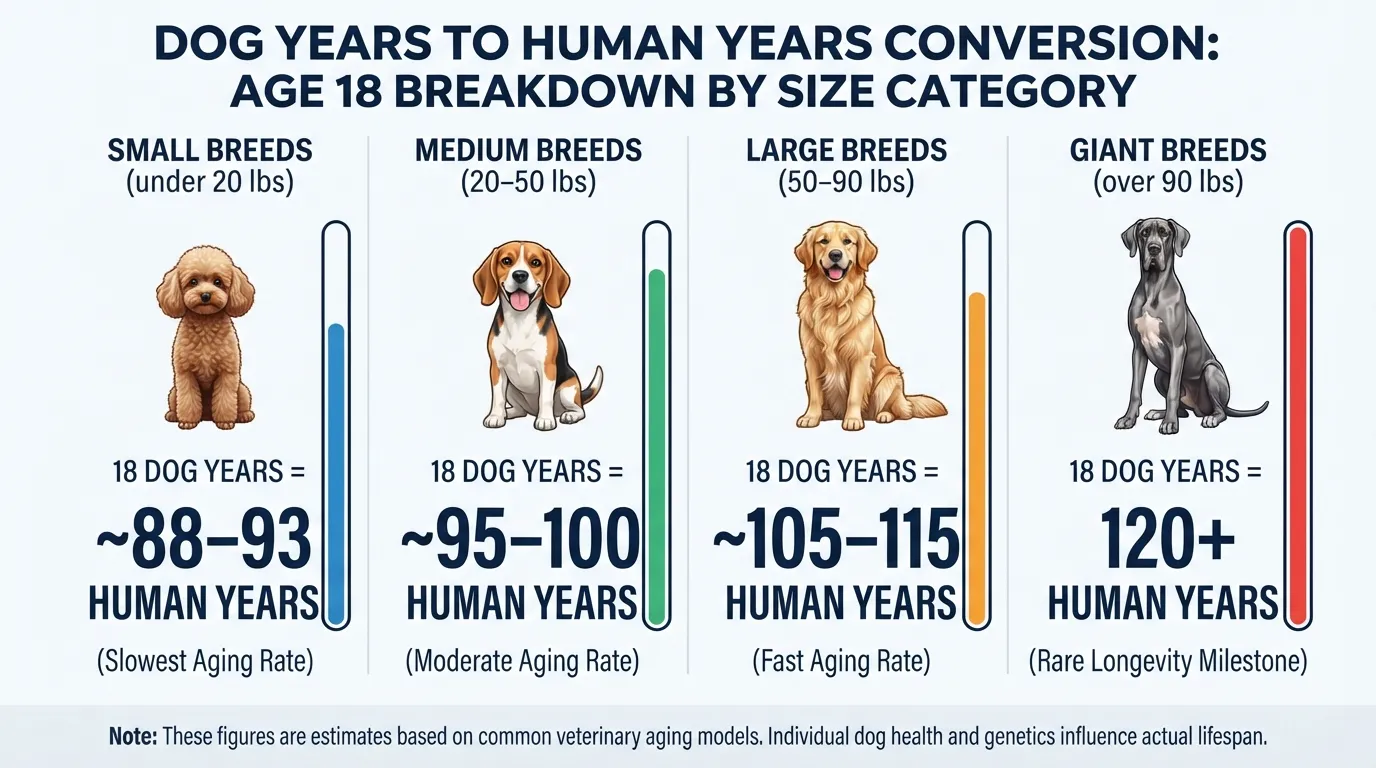
Because many images floating on the internet claim to depict “ancient Chinese dogs,” separating authentic photographic records from mislabeled modern hybrids requires careful verification.
How Experts Verify Old Photos
Dog historians, breed archivists, and official canine clubs cross-reference potential historical images against strict verification criteria:
Pedigree Registration Cross-Checks: Authentic mid-century photographs (such as those from Matgo Law’s Down-Homes kennel) match documented studbook numbers recorded in early Hong Kong Kennel Club and Chinese Shar-Pei Club of America (CSPCA) registries.
Morphological Analysis: Experts evaluate key physical markers. A genuine early 20th-century photo displays a distinct “bone-mouth” structure—lean, high on leg, with tight facial skin—rather than the heavily padded “meat-mouth” features created during late-20th-century show breeding.
Provenance & Metadata: Archival images carry verifiable paper trails, including studio stamps, magazine publishing dates (e.g., the April 1973 issue of Dogs Magazine), or private family collection logs from Guangdong and Hong Kong breeders like Huang ZhaoTao.
Where to See Them Today
If you want to view these rare, authenticated visual records directly, several official repositories and archives house them:
Official Breed Club Archives: The Chinese Shar-Pei Club of America (CSPCA) maintains historical photo galleries and registration documentation dating back to the first imported foundation stock of the 1970s.
Museum & Archaeological Collections: Ceramic Han Dynasty figurines (mingqi) showing the breed’s ancestral roots are held in public permanent collections at major institutions, including the Metropolitan Museum of Art (Met) in New York, the British Museum in London, and regional provincial museums across Guangdong, China.
International Canine Federations: Historical registry files and early standards preserved by the Hong Kong Kennel Club (HKKC) and the Fédération Cynologique Internationale (FCI) contain authenticated photographs of traditional working lines used during the breed’s recovery era.
Frequently Asked Questions
What is the oldest historical picture of a Shar Pei puppy?
The earliest verified photographs of genuine Shar Pei puppies date back to the late 1960s and early 1970s from Matgo Law’s Down-Homes kennel archive in Hong Kong. Prior to this period, cameras were rarely used on farm litters. The broader public saw its first iconic color photograph of a wrinkled Shar Pei puppy on the cover of LIFE magazine in 1979.
What is the oldest historical picture of an adult Shar Pei dog?
The earliest visual representations overall are Han Dynasty earthenware statues (202 BC – 220 AD) uncovered in Guangdong, China. If referring strictly to camera photography, the oldest real black-and-white photos date from the 1900s to the 1930s, capturing lean, traditional “bone-mouth” working dogs in rural Southern China and Hong Kong.
How much does a Shar Pei dog cost?
A purebred Shar Pei puppy from a reputable, health-testing breeder typically costs between $1,500 and $3,000. Show-quality bloodlines or rare pedigree lineages can range higher, from $3,500 to $5,000+. Adoption fees through breed-specific rescues generally range between $300 and $600.
Are Shar Pei dogs aggressive?
Shar Peis are not naturally vicious, but they possess strong guarding instincts and a reserved, highly independent demeanor. Historically bred to protect rural property and hunt, they are aloof toward strangers and protective of their families. Early socialization and structured training are essential to prevent territorial behavior or dog-on-dog reactivity.
Why do Shar Peis have loose skin and wrinkles?
Historically, loose skin served as a functional defense mechanism for rural Chinese guard dogs. If an attacking predator or wild boar grabbed the skin, the loose folds allowed the dog to twist in its skin and bite back without suffering internal organ damage. In modern show-line dogs, excessive wrinkling has been accentuated through selective western breeding.
🐾 Other Age Guides

I built Dogagescalculator.com to give dog owners honest, science-backed answers instead of the outdated "×7" myth. Every figure here is checked against AKC, AVMA, and published veterinary research.
More about the author & this site →
Comments