Cavapoo Cuts: The Complete Guide to Every Haircut Style
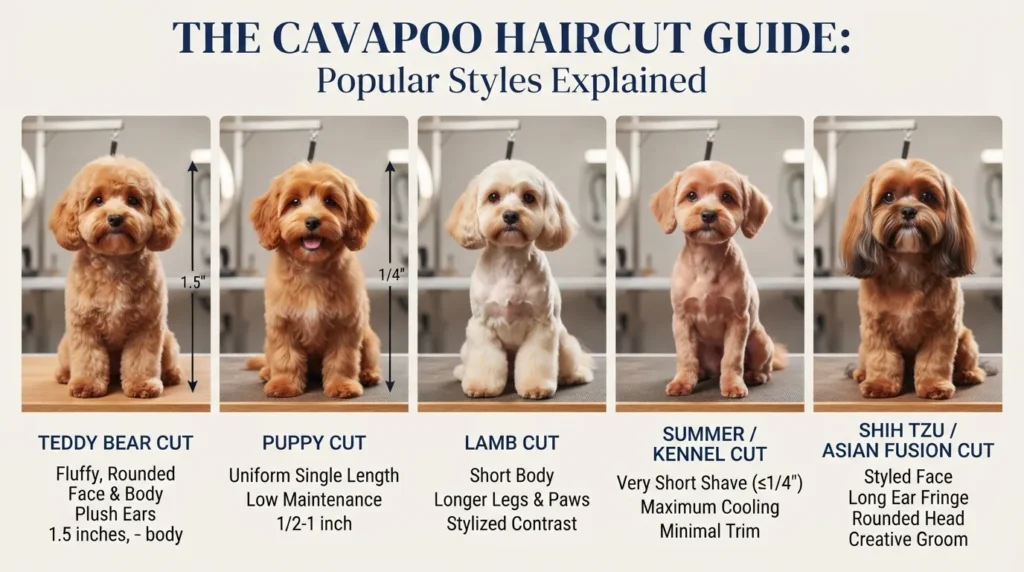
A Cavapoo cut is any custom grooming style designed to manage the soft, wavy-to-curly coat of a Cavalier King Charles Spaniel and Poodle cross. Popular styles include the classic Teddy Bear cut, practical Puppy/Summer cut, sleek Kennel cut, fluffy Lamb cut, and rounded Asian Fusion cut.
Having spent over a decade standing at the grooming table clipping and scissoring Doodle coats, I know how easily these fine hairs turn into tight mats without the right trim. This complete guide walks you through every Cavapoo haircut style, recommended guard lengths, average grooming costs, home maintenance schedules, and practical fixes for tear stains and tangles.
Why Cavapoos Need Regular Haircuts
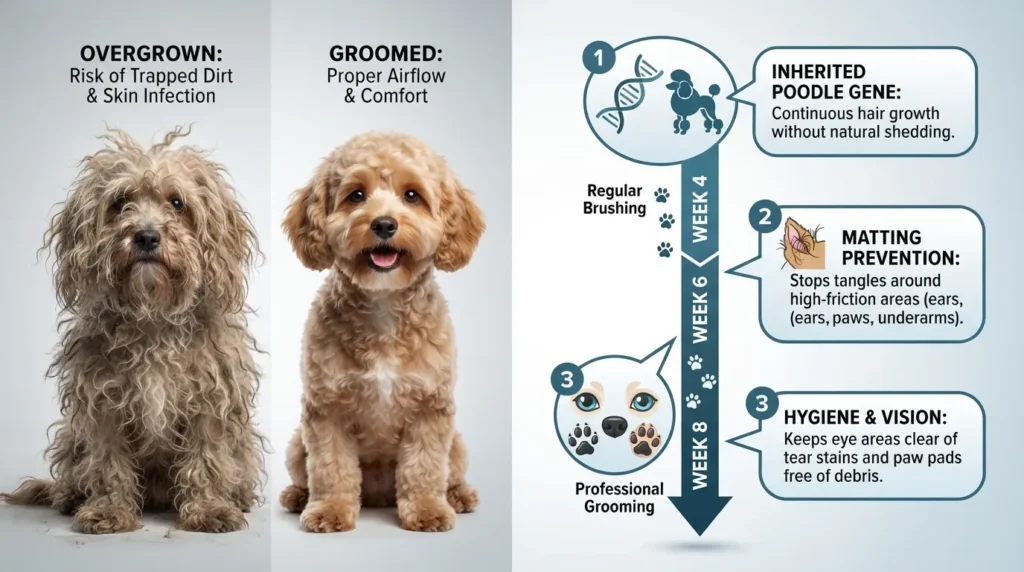
Because Cavapoos inherit continuous-growth hair from their Poodle lineage, they do not blow an undercoat seasonally like traditional shedding breeds. Without professional trims every 4 to 8 weeks, that fine, wavy hair continues growing until it forms tight, painful mats against the skin, traps heat, and completely obscures their vision with overgrown facial hair.
9 Best Cavapoo Haircut Styles
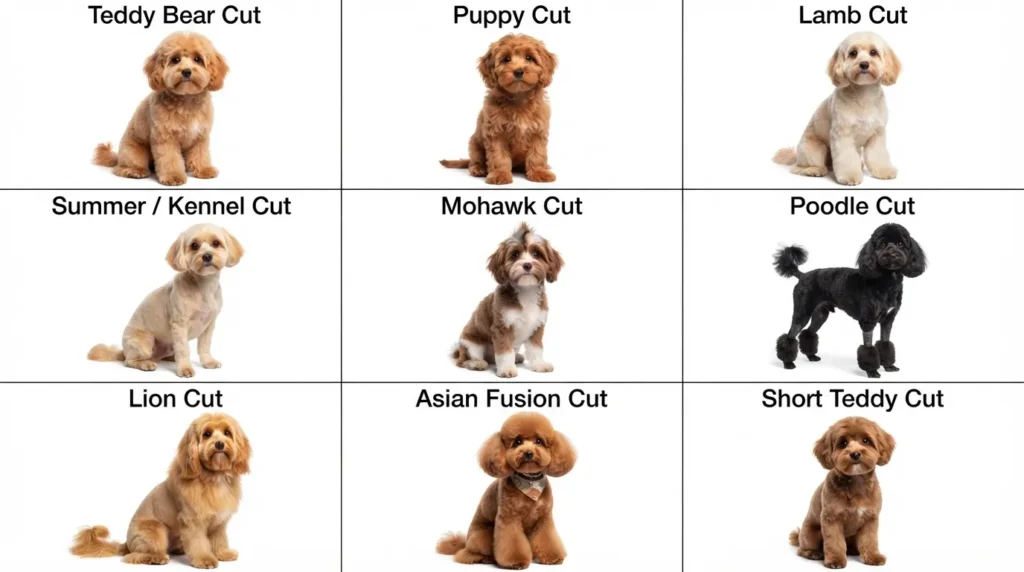
Every Cavapoo’s coat sits on a spectrum between soft, sweeping Cavalier waves and dense, springy Poodle curls. Because no two coats are identical, choosing the right style comes down to balancing your dog’s specific hair texture with your personal lifestyle and willingness to brush at home.
1. Teddy Bear Cut
The Teddy Bear cut is the undisputed favorite among Cavapoo owners, and for good reason. It gives your dog that soft, plush-toy aesthetic by maintaining a uniform coat length of roughly 1 to 2 inches across the entire body, paired with meticulous hand-scissoring around the face to create a round, adorable muzzle.
To pull this off safely, groomers typically run a 3/4-inch or 1-inch snap-on comb over the torso and legs, then spend significant time hand-trimming the eye corners, visor, and chin. It works beautifully on both wavy and curly coats, but it requires daily combing with a steel Greyhound comb to prevent the longer leg hair from matting.
2. Puppy Cut
Despite its name, the Puppy Cut isn’t just for young dogs. It is a straightforward, functional style where the hair is clipped to one single, even length—usually between 1/2 inch and 1 inch—from the neck all the way down to the tail and paws.
This cut removes the excess bulk that traps burrs and dirt on trail walks while leaving enough length to feel velvety soft. It requires significantly less daily brushing than the Teddy Bear cut, making it ideal for high-energy Cavapoos who love outdoor adventures and owners who prefer a low-maintenance home routine.
3. Kennel Cut
The Kennel Cut (often referred to as a utility trim) is designed purely for convenience, hygiene, and low maintenance. Using a #5 or #7FC blade, the body coat is taken down to a very short 1/8 to 1/4 inch, leaving just a touch of length on the ears and tail.
While it trades away some of the fluffy “doodle” look, it is a total lifesaver during humid summer months or for senior Cavapoos who dislike long brushing sessions. It completely eliminates body matting and extends the time between professional salon visits to 8 or 10 weeks.
4. Lamb Cut
The Lamb Cut is a classic breed-style trim borrowed directly from Poodle grooming traditions. It features a short, clean clip along the torso and back (usually trimmed with a 3/8-inch guard), while the legs are left noticeably longer and scissored into smooth, cylindrical pillars that blend seamlessly into the shoulders and hips.
This style delivers an elegant, balanced profile that highlights your Cavapoo’s athletic build. However, because the leg hair remains longer and rubs together during movement, you must brush out the armpits and inner thighs at least 3 to 4 times a week to prevent severe friction tangles.
5. Show / Winter Cut
The Show or Winter Cut keeps your Cavapoo’s coat as close to its natural length as possible—typically 2 inches or longer. Rather than taking off length with clippers, the groomer strictly performs “sanitary tidying,” which includes trimming the paw pads, clearing the eye corners, rounding the paws, and clipping the private areas for hygiene.
This style provides maximum insulation during cold winter months and looks stunningly fluffy on fleece-coated Cavapoos. The trade-off is extreme high maintenance: if you do not perform a thorough line-brushing session every single day, damp winter snow and rain will quickly transform this long coat into a felted mat.
6. Summer Cut
The Summer Cut is engineered to keep your dog comfortable when temperatures climb. Groomers take the body hair down short—typically using a #4 or #5 blade (about 1/4 inch)—while neatly scissoring the ears, tail, and face to keep the signature Cavapoo expression intact.
Contrary to popular belief, taking a Cavapoo short in the summer won’t ruin their coat like it might on a double-coated breed like a Husky. Because single-coated Doodle hair grows continuously, a close summer clip sheds bulk, prevents heat retention, and makes drying off after lake swims or bath time incredibly quick.
7. Lion Cut
For owners looking for a playful, head-turning statement, the Lion Cut is a bold choice. The groomer shaves the hindquarters, belly, and back legs down close to the skin, while leaving a dense, full mane of hair around the head, neck, and chest, finished off with a distinct tuft of hair at the tip of the tail.
While undeniably fun, it isn’t a style for every dog. The full mane section demands frequent combing to avoid dense knots, and because large areas of skin are shaved close, you need to monitor lighter-colored Cavapoos for sunburn during bright outdoor play.
8. Full Shave / Clip Cut (For Severe Matting)
A full shave is a mandatory reset button used when pelted mats pull tightly against the skin, and it should strictly be reserved for severe matting where brushing out the coat would cause unnecessary pain; for a deep breakdown of when this is needed, see our Matting & Tangles section below.
9. Puppy vs. Adult Coat — Does the Cut Change?
When your Cavapoo is a young puppy (under 6 months), their coat is exceptionally soft, thin, and single-layered. Early puppy grooms are not about dramatic style changes—they are gentle “introductory visits” focused on trimming paw pads, tidying sanitary areas, and clearing hair from the eyes so your dog gets used to the sound of clippers and the feel of the grooming table.
Between 6 and 12 months of age, your Cavapoo goes through a coat transition where their adult coat begins coming in. During this phase, the soft puppy fluff sheds out into the incoming adult hair, causing a temporary spike in severe matting. You will need to bring them in for shorter, more frequent haircuts during this 6-month window to prevent tight knots while their mature coat texture establishes itself.
| Cut Name | Maintenance Level | Best Climate | Best Coat Type | Time Between Grooms |
|---|---|---|---|---|
| Teddy Bear Cut | High | Moderate / Cold | Wavy or Curly | 4–6 Weeks |
| Puppy Cut | Moderate | All Climates | Any Texture | 6–8 Weeks |
| Kennel Cut | Low | Warm / Hot | Thick or Tight Curls | 8–10 Weeks |
| Lamb Cut | Moderate–High | Moderate | Wavy or Curly | 5–7 Weeks |
| Show / Winter Cut | Extreme | Cold | Wavy / Fleece | 3–4 Weeks (Tidying) |
| Summer Cut | Low | Hot / Humid | Any Texture | 6–8 Weeks |
| Lion Cut | High | Moderate | Dense Curly | 4–6 Weeks |
| Full Shave | Low (Post-Shave) | Any | Severely Matted | Reset (As Needed) |
How to Choose the Right Cut for Your Cavapoo
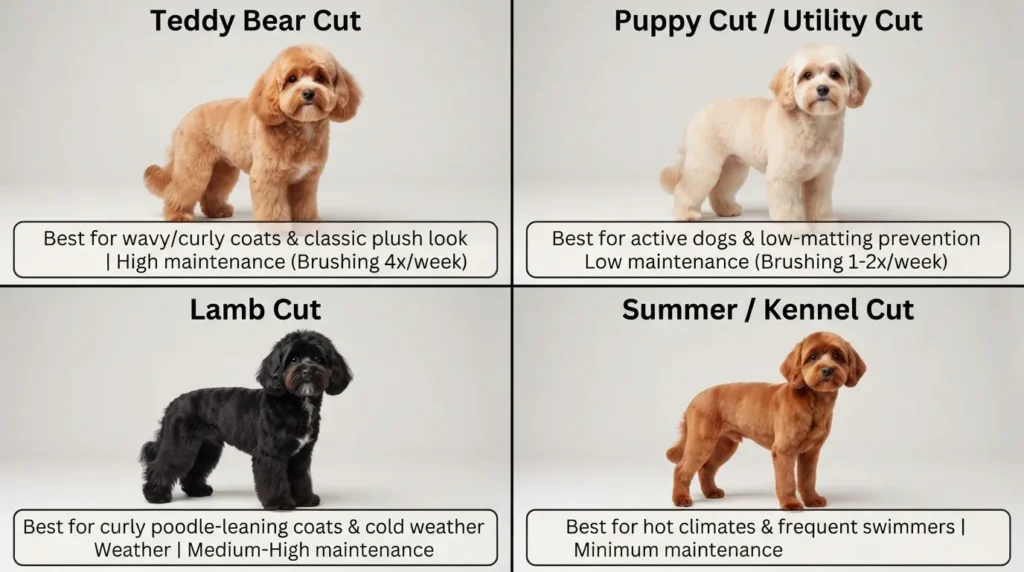
Selecting the perfect haircut is less about photos on social media and more about your dog’s specific hair texture and your everyday routine. Before handing instructions to your groomer, weigh these four practical factors to find a style that keeps your Cavapoo both comfortable and mat-free.
Coat Type: Wavy or fleece coats are more forgiving with length, making them ideal candidates for longer styles like the Teddy Bear or Lamb Cut. Tight, curly Poodle-leaning coats trap loose hair easily, so shorter styles like the Puppy or Kennel Cut prevent severe tangling with far less daily effort.
Climate: Match the length to your local seasons. A close Summer Cut (1/4 inch) keeps dogs from overheating during humid months and prevents wet coat smell, while a longer Winter Cut offers insulation against cold winds as long as you dry them thoroughly after rain or snow.
Dog Activity Level: If your Cavapoo spends their days hiking, swimming, or racing through brush, opt for a uniform, short trim like the Puppy Cut. Long leg hair on Lamb or Show cuts acts like a magnet for burrs, mud, and wet leaves, requiring extensive cleanup after every walk.
Your Personal Schedule: Be honest about how much time you can dedicate to home grooming. Longer styles demand 10 to 15 minutes of line-brushing every single day. If your weekly schedule is packed, choosing a low-maintenance Kennel Cut protects your dog from painful matting and saves you hours at the grooming table.
How Often Should You Groom a Cavapoo?
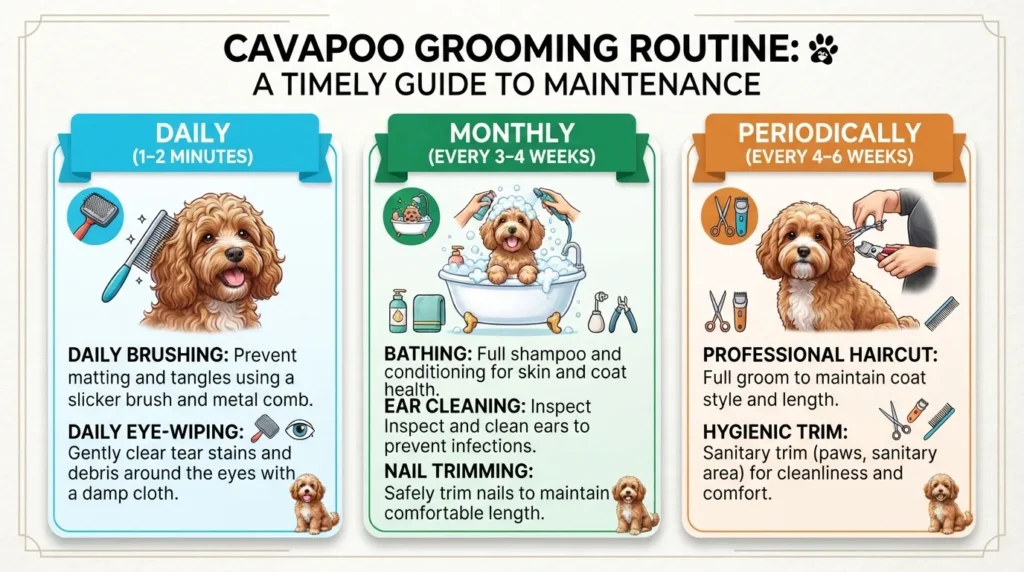
Professional Cavapoo haircuts belong on a recurring calendar every 4 to 6 weeks, though the exact timeframe depends heavily on the coat length you maintain. Cavapoos kept in longer, plush styles like a Teddy Bear or Lamb Cut need a salon visit every 4 weeks before the growth causes tangling at the root. Shorter trims, like a Kennel or Summer Cut, give you more breathing room and can comfortably stretch to 6 or 8 weeks between full professional grooms.
At home, daily brushing with a slicker brush and metal comb is non-negotiable for longer cuts, while shorter utility trims can get by with a thorough combing every other day. Skipping home maintenance for even a week allows friction areas—like the armpits, collar line, behind the ears, and inner thighs—to weave into tight knots that no groomer can safely brush out.
At What Age Should a Cavapoo Get Their First Haircut?
A Cavapoo puppy should have their first “puppy intro” grooming visit between 12 and 16 weeks of age, immediately after they complete their full set of vaccinations.
This initial visit isn’t about taking off body length. Instead, it introduces your pup to the sights, sounds, and sensations of a salon: standing on the table, feeling bath water, hearing the high-velocity dryer, and experiencing the vibration of clippers. The groomer will simply trim the hair around their eye corners, clear out the paw pads, clip private areas for hygiene, and round the paws so your puppy builds a relaxed, positive relationship with grooming from day one.
Cavapoo Grooming Cost
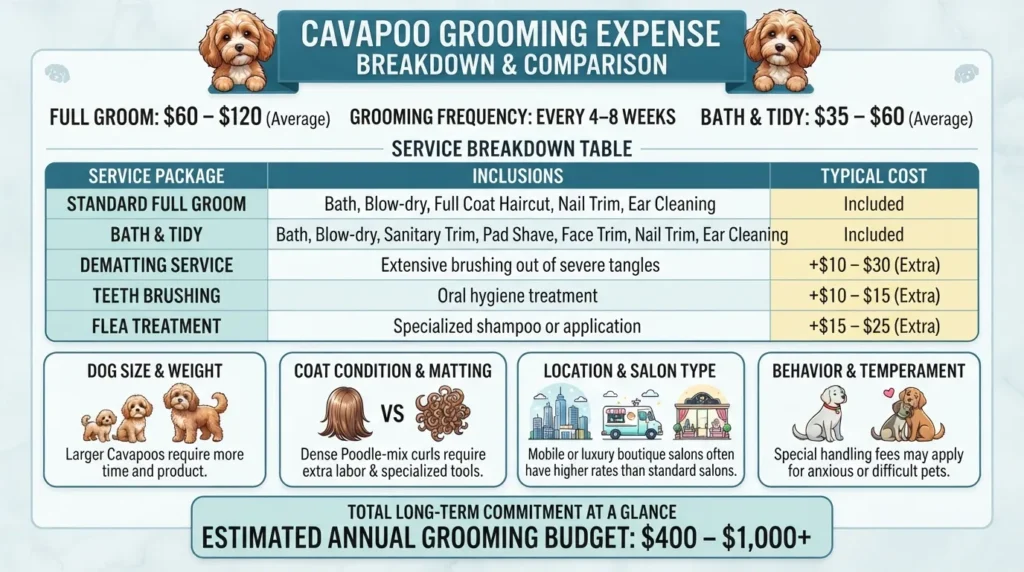
Professional grooming for a Cavapoo generally runs between $65 and $120 per session, depending on where you live, your dog’s weight, and the condition of their coat. If your dog comes in heavily matted or requires specialized treatments like a soothing oatmeal bath or hand-scissored detail work, expect the price to lean toward the higher end of that range. Given the standard 4-to-6-week haircut cycle, maintaining a Cavapoo professionally costs roughly $600 to $1,000 annually in basic salon fees.
Setting up a complete DIY home-grooming station requires a one-time investment of roughly $150 to $250. A proper setup includes professional-grade clippers with detachable snap-on comb guards, a pair of curved and thinning shears for detailed facial work, a heavy-duty steel Greyhound comb, a slicker brush, nail grinders, and high-velocity dryer attachments. While the upfront cost of quality gear can feel steep, the kit pays for itself after just two home haircut sessions.
Professional Groomer vs. DIY — Which Is Right for You?
Handing your Cavapoo over to a professional groomer guarantees precision hand-scissoring, clean edges around sensitive areas, and a stress-free experience for you. Salons have heavy-duty hydraulic tables and commercial-grade dryers that blow out the coat straight, making it infinitely easier to get that round, flawless “teddy bear” look. If you have limited physical strength, lack patience for fine detail work, or simply don’t want to spend two hours cleaning up flying hair in your bathroom, a professional is worth every penny.
On the flip side, home grooming gives you complete control over your schedule and saves you hundreds of dollars each year. It is also a fantastic option for anxious Cavapoos who get overwhelmed by cage dryers, barking dogs, and the busy salon environment. However, taking the DIY route requires a real time commitment and a steep learning curve. You must be comfortable handling sharp shears around a wriggling dog, learning proper line-brushing techniques, and accepting that your first few attempts at home may look a little uneven until your technique improves.
How to Prepare Your Cavapoo for a Haircut
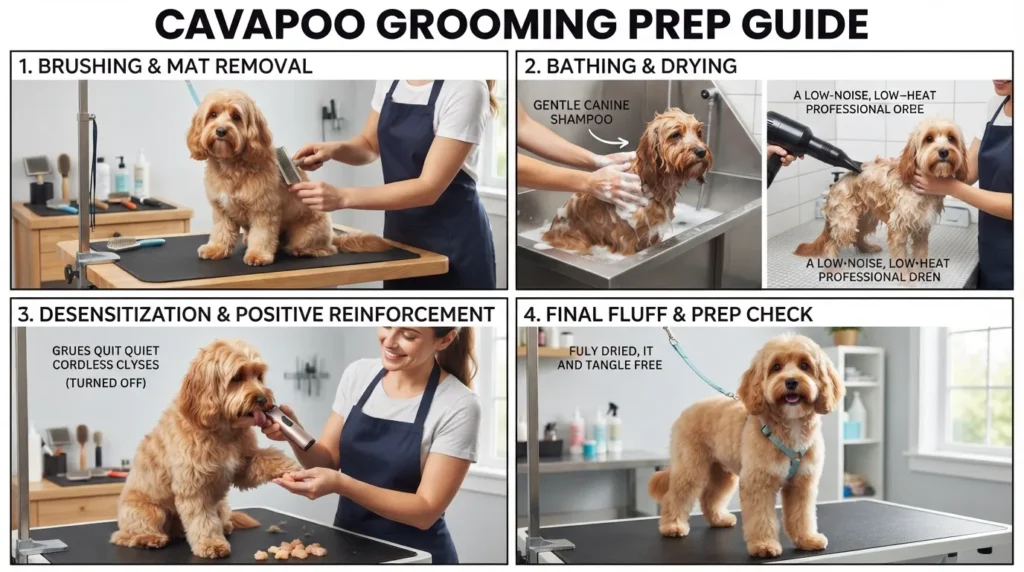
Proper preparation makes the salon experience faster, safer, and far less stressful for both your dog and your groomer. Taking a few simple steps at home before your appointment ensures your groomer can focus on shaping a beautiful style rather than managing prep work on the table.
Brush out all mats before your appointment: Work through your Cavapoo’s coat with a slicker brush and metal comb to clear minor tangles beforehand. Groomers cannot run clipper blades or comb guards through matted fur, so bringing in a mat-free coat is the only way to ensure your dog gets the length and style you actually want.
Bathe your dog 1 to 2 days prior (not the same day): Wash your Cavapoo a day or two before their visit so their coat is clean, free of grit, and thoroughly dry. Avoid bathing them the morning of the appointment, as clipping damp hair clogs equipment, creates uneven cut lines, and pulls at the skin.
Specify length and facial style when dropping off: Communicate your exact expectations clearly instead of asking for a generic “short cut.” Tell your groomer the specific guard length you want on the torso (e.g., “1/2 inch all over”) and clarify your facial preference—whether that is a rounded teddy bear muzzle, a neat mustache trim, or a long, natural face wash.
Essential Tools for DIY Cavapoo Grooming
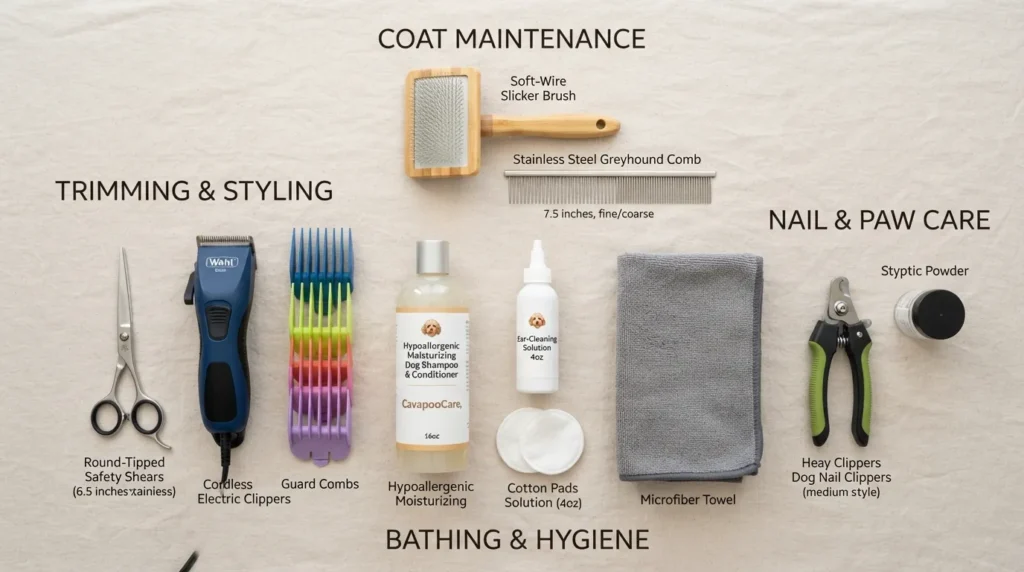
To groom a Cavapoo safely at home and achieve clean, salon-style results, you need tools designed specifically for dense, wavy, and curly Doodle coats. Human clippers or cheap plastic pet brushes will snag, pull, and burn out quickly.
Professional-Grade Clippers: Invest in a cordless, 2-speed clipper that accepts A5 detachable blades. Pair it with a #10 blade (for sanitary areas and paw pads) and a set of stainless steel snap-on guard combs (ranging from 1/4 inch to 1 inch) for consistent body lengths.
Rounded-Tip Safety Shears: You need a 3-piece scissor kit containing straight shears for basic edging, curved shears for shaping round muzzles and paws, and thinning shears to blend harsh clipper lines. Always use rounded safety tips when working near the eyes, ears, and groin.
Slicker Brush with Firm Pins: Look for an ergonomic slicker brush featuring long, bent wire pins that reach straight down to the skin without scratching. This lifts the coat and removes loose undercoat hair before you touch a clipper to the body.
Steel Greyhound Comb: A heavy-duty, dual-sided metal comb is your ultimate diagnostic tool. If the metal teeth cannot pass smoothly through the hair from skin to tip, the coat is not ready to be clipped.
Leave-In Detangling Spray: Alcohol-free conditioning sprays add slick to the hair shafts, making it much easier to work out minor knots with a comb without breaking the coat.
Guarded Nail Clippers & Styptic Powder: Pincer-style clippers with a safety guard prevent over-cutting. Always keep a tub of styptic powder (like Kwik Stop) on hand to quickly halt bleeding if you accidentally hit the quick.
pH-Balanced Ear Cleaner & Cotton Balls: Cavapoos have dropped, hair-filled ears that trap moisture. A gentle, liquid ear cleaner breaks down wax buildup and prevents yeast infections after bath time.
Step-by-Step: How to Trim a Cavapoo at Home Safely
Mist your Cavapoo’s coat light with detangling spray. Line-brush every inch using your slicker brush, followed immediately by the steel comb to ensure there are no lingering knots. Bathe your dog with a moisturizing dog shampoo, rinse thoroughly, and blow-dry the coat straight using a high-velocity dryer or a hand dryer on a cool setting. Clipping dirty or damp hair dulls clipper blades and creates choppy, uneven lines.
Place your dog securely on a non-slip table mat. Using a #10 clipper blade held flat against the skin, carefully scoop hair out from between the bottom paw pads. Gently lift the hind legs to clear hair around the rectum and groin areas for basic hygiene. Keep the blade parallel to the skin at all times—never dig the teeth in directly.
Attach your desired snap-on guard comb (a 1/2-inch or 3/4-inch guard works best for beginners) onto your clippers. Starting at the base of the skull, slide the clippers down the neck, back, flanks, and chest, always moving in the direction of hair growth. Continue down the outside of the legs toward the paws. Keep your non-dominant hand flat on the dog’s ribcage to hold them steady.
Lift each foot and brush the leg hair straight down over the paws. Using your curved safety shears angled downward, trim a neat ring around the edge of the foot to create a tidy, rounded “cat paw” shape. Use thinning shears to blend the leg hair smoothly into the torso so there are no hard ridges.
Comb all face hair forward over the eyes. Place your thumb over the dog’s eyes to protect them, then use your rounded-tip shears to cut a small “V” notch between the eyes to clear their vision. Comb the muzzle hair outward and use curved shears to round the chin and beard into a plush sphere. Lightly trim the bottom edges of the ears to remove stringy ends, ensuring you know exactly where the real ear leather ends before cutting.
How to Choose the Right Professional Groomer
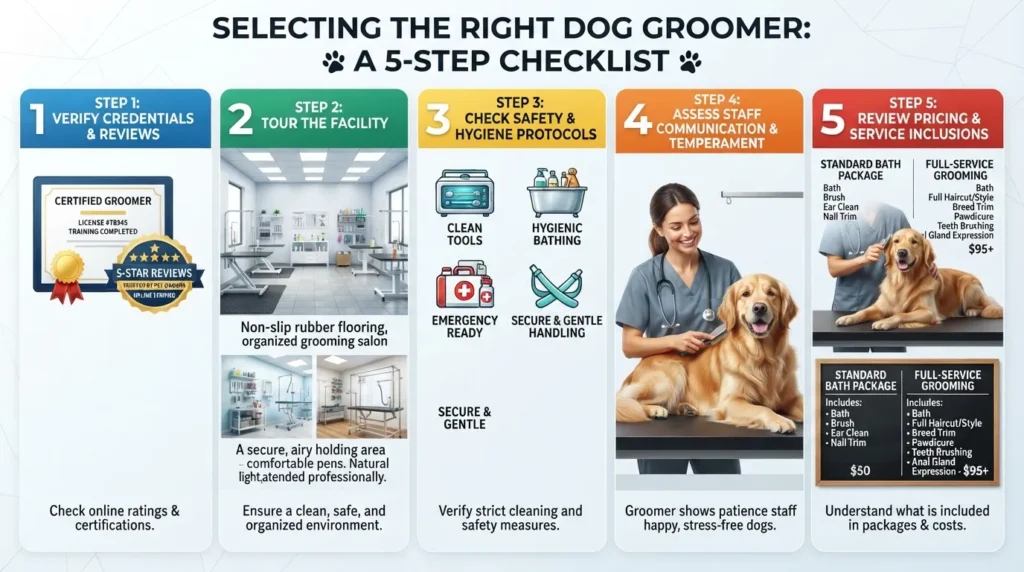
Finding a groomer who truly understands Doodle-mix coats makes all the difference between a head-turning haircut and a traumatic experience for your dog. Because the pet grooming industry is largely unregulated in many areas, taking the time to vet prospective salons ensures your Cavapoo receives safe, expert care.
Key Questions to Ask
“How much experience do you have with Cavapoos and Doodle breeds?” You want a groomer who understands the unique coat spectrum of Cavalier and Poodle mixes, including how to handle coat transitions and density without resorting to an unnecessary shave.
“Can I see examples of your previous work with Cavapoos?” A confident groomer will gladly show you a portfolio or active social media page featuring clean face-shaping, well-blended legs, and rounded feet.
“How do you dry the dogs after a bath?” Ensure they use hand-held high-velocity blowers or monitored dryer setups. Cage dryers with high heat settings pose a serious safety risk for small, flat-faced, or heat-sensitive breeds.
“What is your protocol if my dog gets nervous or matted?” Look for a professional who prioritizes dog safety and comfort over speed, willing to break a stressful appointment into shorter sessions or stop if the dog reaches their limit.
Red Flags to Avoid
Reluctance to show you the facility: While health codes may keep you out of the actual bathing area, a groomer should never hesitate to let you see where dogs are housed while waiting.
Overcrowded, loud, or chaotic waiting areas: A salon that packs too many dogs into tight spaces creates an unnecessarily stressful environment that can make your Cavapoo dread future visits.
Guaranteed prices over the phone without seeing the coat: Experienced groomers know that pricing depends entirely on coat condition, temperament, and size. Anyone offering a low, flat guarantee sight-unseen may rush through the groom or add surprise fees later.
Unwillingness to discuss equipment safety or handling techniques: If a groomer dismisses your questions about handling methods or seems impatient before the groom even starts, look elsewhere.
Why Cavapoos Need Regular Haircuts
Unlike double-coated breeds that shed seasonally, Cavapoos have continuously growing coats that trap loose dander, dirt, and moisture. Regular trims prevent painful mats, skin infections, and eye irritation while keeping their coat soft and manageable.
9 Best Cavapoo Haircut Styles (With Pictures)
1. Teddy Bear Cut
How to Keep Your Cavapoo Calm During Grooming
Getting a Cavapoo to relax on a grooming table isn’t about physical restraint—it’s about managing their sensory threshold. Cavapoos inherit the Cavalier’s gentle, sensitive nature alongside the Poodle’s high intelligence, which means loud high-velocity dryers, slippery tables, and sudden leg lifts can easily trigger fear if introduced incorrectly.
Start desensitization at home weeks before their first professional appointment. Practice handling their feet, separating their toe pads, and holding their chin beard firmly but gently for a few seconds at a time. To get them used to salon sounds and vibrations, run the handle end of an electric toothbrush or electric razor along their legs and face while feeding high-value rewards like freeze-dried liver or plain boiled chicken.
During a grooming session, taking micro-breaks makes a massive difference. Professional groomers who specialize in Doodle breeds will groom in targeted bursts—trimming a foot, letting the dog shift weight, then moving to the face. Using low-noise clippers with ceramic blades keeps operational heat and buzzing sounds to a minimum, which prevents the dog from feeling trapped by the equipment.
For severe separation anxiety or dogs that panic around other barking pets, a mobile or at-home groomer is often the best solution. Mobile vans park right in your driveway, eliminating the noisy waiting room and cage time that builds anticipation stress. The quiet, one-on-one setup allows the groomer to move at your dog’s pace and build a single, trusting relationship over time.
Step-by-Step: How to Trim a Cavapoo at Home Safely
Common Cavapoo Grooming Problems
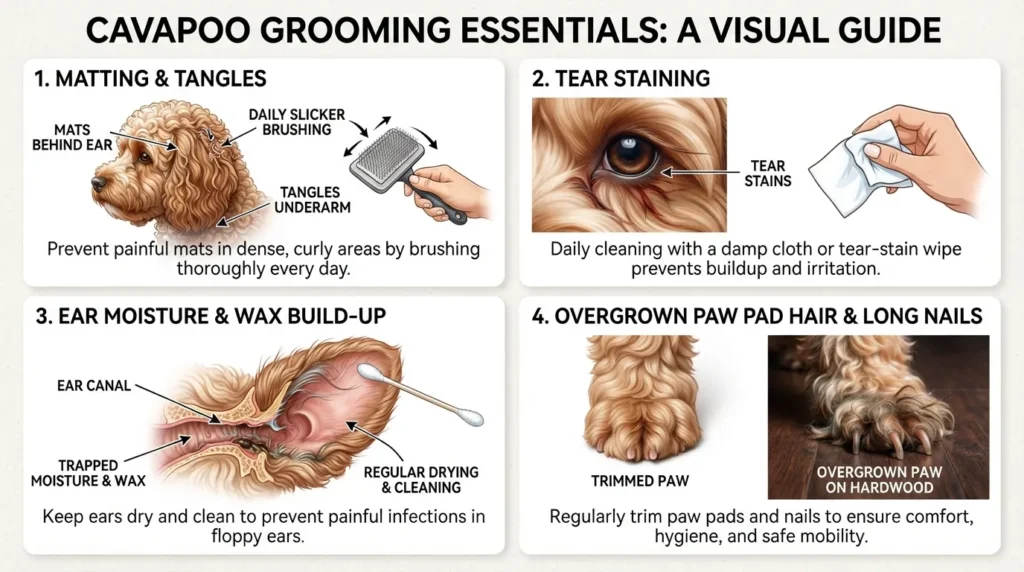
Matting & Tangles
Matting is hands-down the single biggest challenge Cavapoo owners face. Because these dogs have a hybrid coat—mixing the soft, dense undercoat of a Cavalier King Charles Spaniel with the continuously growing, curly single coat of a Poodle—loose hair doesn’t fall to the floor when it sheds. Instead, it gets trapped inside the surrounding curls. Add everyday friction from collar straps, harnesses, belly rubs, and wet paws, and those loose hairs quickly twist together into tight knots.
The golden rule of preventing mats is simple: never bathe a matted Cavapoo. Water acts like a shrink-wrap on tangles, tightening loose knots into a felt-like pelt right against the skin. Always perform a thorough line-brushing session before any bath time.
Line-brushing is the essential technique every Doodle owner must master:
Lift a section of hair upward with your non-dominant hand to expose the bare skin.
Using a long-pin slicker brush, pull a small layer of hair downward, brushing smoothly from root to tip.
Work across the body in systematic lines, never skipping the high-friction “danger zones”—the armpits, behind the ears, the inner thighs, and right under the collar.
Finish by gliding a metal greyhound comb flat through the coat all the way to the skin. If the comb catches anywhere, you have found a hidden tangle.
When severe matting forms close to the skin, aggressive dematting pulls painfully on delicate tissue and can easily cause skin tears. In those cases, the safest and most humane choice is a clean shave-down to let the coat reset healthy and fresh.
Tear Stains Under the Eyes
Reddish-brown streaks running down a Cavapoo’s inner eyes are caused by porphyrins—iron-containing molecules found in tear fluid that oxidize and turn dark when exposed to air and light. Because Cavapoos often inherit shallow eye sockets from their Cavalier lineage, tears frequently overflow onto the facial fur instead of draining properly through the tear ducts.
To control tearing, keep the hair around the inner corners of the eyes trimmed short using small, blunt-tipped safety shears. Wipe the eye area daily with a warm, damp microfiber cloth or pet-safe eye wipes to prevent fluid from crusting. Additionally, switching your dog from tap water to filtered water and feeding from stainless steel or ceramic bowls—rather than plastic, which harbors bacteria—frequently reduces staining naturally.
Ear Hair & Infections
With long, floppy, heavily-furred ears, Cavapoos create a dark, warm, and humid microclimate where yeast and bacteria easily thrive. Poodle genetics also mean hair often grows directly inside the ear canal, trapping moisture and wax runoff.
Check your Cavapoo’s ears weekly for warning signs: a sour, yeasty odor, dark brown debris, redness, or frequent head shaking. Instead of aggressively plucking deep ear canal hair—which causes micro-tears in the delicate skin and can trigger inflammation—ask your groomer to neatly trim excess hair around the outer ear opening to maximize airflow. Clean the outer canal as needed with an alcohol-free, drying ear cleanser, especially after baths or swimming.
What If You Don't Like the Haircut?
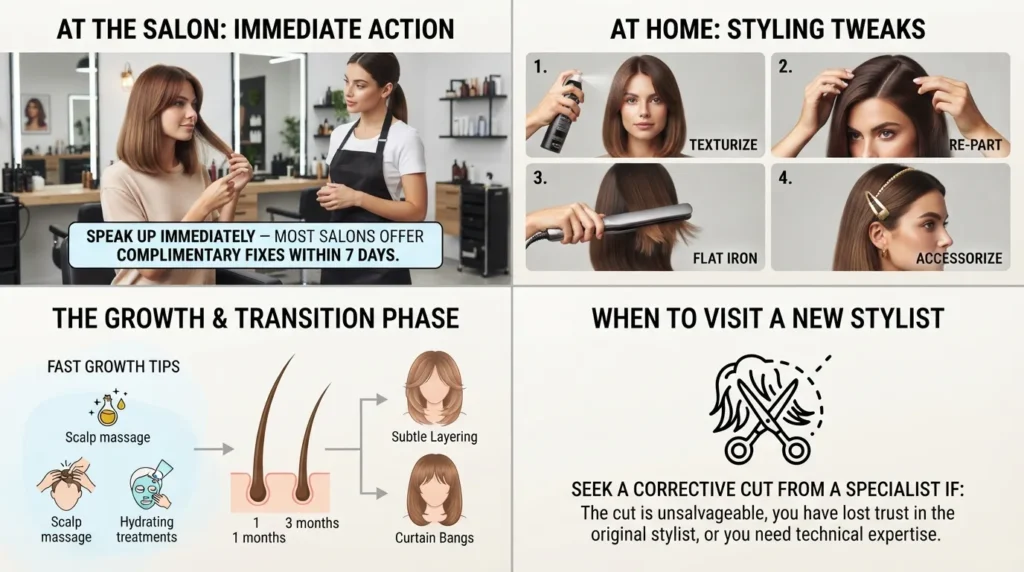
It happens to almost every Cavapoo owner at least once. You head to the salon expecting a plush, velvety teddy bear trim, and you pick up a dog that looks completely unrecognizable—sometimes clipped down short due to hidden matting, or styled with a face shape you didn’t ask for.
First, take a breath and remember that a bad haircut is temporary. Hair grows, skin health comes first, and a clean slate gives you a fresh starting point for your next visit.
How Long Does It Take for Cavapoo Hair to Grow Back?
A Cavapoo’s coat grows at an average rate of 1/4 inch to 1/2 inch per month, though growth speed varies slightly depending on their genetics, diet, and age.
The first 2–3 weeks: The hair will look tight and sharp. This is the awkward phase, but the sharp edges of the clipper work soften quickly as the coat naturalizes.
At 4–6 weeks: The coat fills out significantly. Your Cavapoo will regain their signature fluffy appearance, and you’ll have enough length to reshape the face and paws.
At 8–12 weeks: The coat is usually back to a full, long teddy bear length, ready for a fresh, properly styled trim.
How to Communicate Better With Your Groomer Next Time
Miscommunication is the primary cause of disappointing haircuts. What an owner calls a “puppy cut,” a groomer might interpret as a short #4 blade shave-down. To ensure you and your groomer are on the same page next time:
Bring clear photos: Show 2 to 3 photos of Cavapoo cuts you actually like, as well as photos of lengths or face shapes you explicitly want to avoid.
Specify measurements in inches, not guard numbers: Ask for “leave 1 inch of hair on the body” or “keep the ears trimmed right at the jawline” rather than using generic terminology.
Ask about coat condition early: At drop-off, ask the groomer to run a metal comb through your dog’s coat in front of you. If they spot matting, you can discuss acceptable length compromises before any clipping begins.
Temporary Styling Fixes While It Grows Out
While you wait for the coat to fill back in, a few quick at-home adjustments can soften a cut you aren’t thrilled with:
Use a coat conditioner or fluffing spray: A leave-in conditioning spray adds volume to flat, short hair, making the coat look less harsh and more natural.
Rethink accessories: A simple bandana or cute collar draws visual focus away from a short body clip or an uneven neck trim.
Bathe after 7 to 10 days: A gentle bath followed by a hand blow-dry helps fluff out tight clipper lines and accelerates that softer, lived-in look.
Frequently Asked Questions
What is the best cut for a Cavapoo?
What are the tear marks on Cavapoos?
Should Cavapoos get haircuts?
What is the best cut for a Cavoodle?
Is a Cavapoo cut the same as a Cavoodle cut?
How much does a Cavapoo haircut cost?
Can I cut my Cavapoo's hair myself?
How do I stop my Cavapoo's hair from matting?
🐾 Other Age Guides

I built Dogagescalculator.com to give dog owners honest, science-backed answers instead of the outdated "×7" myth. Every figure here is checked against AKC, AVMA, and published veterinary research.
More about the author & this site →
Comments