Basset Hound New England: Complete Guide to Adoption, Rescue, Breeders & Care 2026
With their velvety long ears, heavy bone structure, and famously soul-searching eyes, finding a Basset Hound in New England puts you right in the middle of one of the country’s most dedicated regional dog communities. From annual waddle walks in Massachusetts to tight-knit rescue networks spanning Connecticut, Maine, and New Hampshire, Northeastern owners share a distinct passion for these easygoing yet stubborn scent hounds.
Navigating life with a low-rider in the Northeast comes with unique rewards and specific regional challenges—like protecting long ears from muddy spring trails and keeping short legs warm during harsh winters.
This comprehensive guide breaks down everything prospective and current owners need to know about bringing home a Basset Hound in New England. Below, you will find trustworthy insights on navigating local rescue adoption, finding ethical regional breeders, budgeting for real-world ownership costs, managing climate-specific grooming, and understanding expected lifespan and health needs.
What Does "Basset Hound New England" Mean?
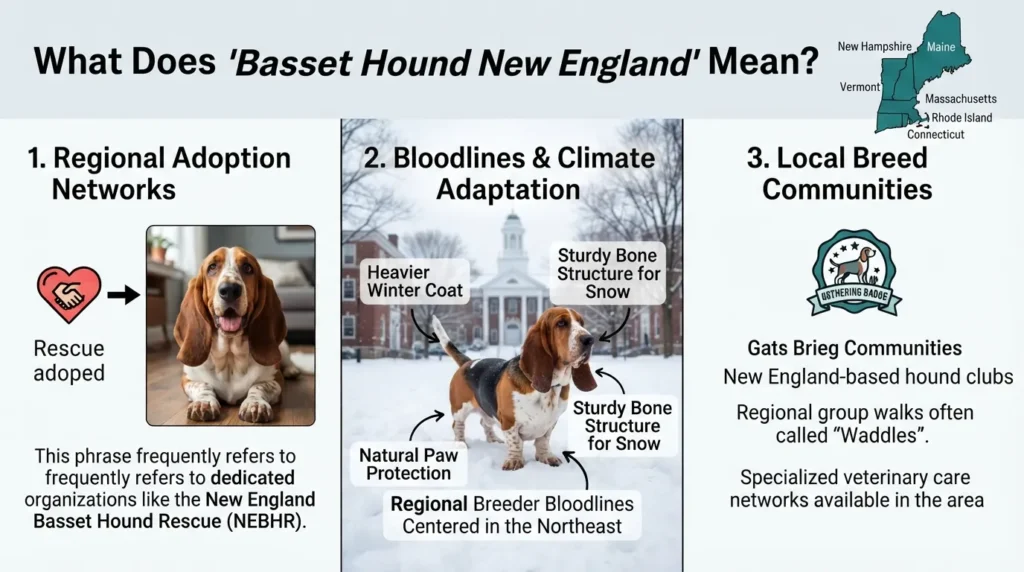
Searching for a Basset Hound in New England usually means looking for local adoption pipelines, reputable regional breeders, or community networks across Massachusetts, Connecticut, Rhode Island, Vermont, New Hampshire, and Maine. It isn’t a separate regional variety or special bloodline, but rather a hub of active hound owners and dedicated rescue groups working within the Northeastern states.
However, as you browse breeders and rescues throughout the region, you will quickly notice people referencing different “types” of Basset Hounds. Understanding how these terms are used locally ensures you set realistic expectations for a dog’s health, grooming needs, and physical size.
Breed Type or Region-Based Term?
“Basset Hound New England” is strictly a geographic term, not an official breed classification. Every purebred Basset Hound belongs to the same single breed recognized by the American Kennel Club (AKC) and the Basset Hound Club of America (BHCA).
The regional phrase simply connects local families with state-specific adoption networks, regional specialty vets, and local hound clubs like the New England Basset Hound Rescue (NEBHR). Whether a Basset is rescued in rural Maine or bought from a breeder in suburban Connecticut, it shares the exact same standard origin.
American vs English Basset Hound — What’s the Difference?
While major kennel clubs register all Basset Hounds under one standard, breeders often use “American” and “English” (or European) to describe two different physical builds within the breed:
American Basset Hound: Tends to reflect a slightly leaner, working-style build. They still possess heavy bone structure and a low center of gravity, but they carry less excess, droopy skin, tighter eye rims, and fewer facial wrinkles. They typically weigh between 45 and 65 pounds, making them a bit more agile for outdoor activities.
English / European Basset Hound: Traces back to traditional European show lines that emphasize heavier features. These hounds carry massive bone density, very deep chests, and extensive loose skin with prominent facial folds and extra dewlap around the neck. They frequently weigh between 65 and 85 pounds and require more diligent skin-fold hygiene.
Despite these physical differences, both styles share the classic Basset personality: incredibly gentle, stubbornly independent, and deeply driven by their noses.
| Feature | American Basset Hound | English / European Basset Hound |
|---|---|---|
| Build | Medium-heavy bone structure, athletic frame (45–65 lbs) | Extremely heavy bone mass, deep-set body (65–85+ lbs) |
| Ears & Skin Folds | Long, velvety ears with moderate, clean skin folds | Very long, heavy ears with deep facial wrinkles and pronounced dewlap |
| Coat & Maintenance | Dense, smooth coat; minimal skin fold cleaning required | Dense, smooth coat; requires regular cleaning inside deep facial folds |
| Temperament | Friendly, patient, scent-focused, mildly active | Calm, easygoing, highly affectionate, low-energy |
| American | Medium-heavy bone structure, athletic frame (45–65 lbs) |
| English/Euro | Extremely heavy bone mass, deep-set body (65–85+ lbs) |
| American | Long, velvety ears with moderate, clean skin folds |
| English/Euro | Very long, heavy ears with deep facial wrinkles and pronounced dewlap |
| American | Dense, smooth coat; minimal skin fold cleaning required |
| English/Euro | Dense, smooth coat; requires regular cleaning inside deep facial folds |
| American | Friendly, patient, scent-focused, mildly active |
| English/Euro | Calm, easygoing, highly affectionate, low-energy |
Basset Hound Breed Overview
Basset Hounds stand out immediately with their heavy bones, low bodies, and famously droopy, soulful expression. Despite their stubborn streak, they are exceptionally gentle family companions with a rich history as working scent hounds.
Origin & History
The breed originated in 16th-century France, where the word bas literally translates to “low” or “short”. French monks bred these low-slung hounds to track small game, like badgers and rabbits, under dense brush where hunters could easily follow them on foot.
In the late 19th century, English breeders crossed imported French bassets with Bloodhounds. This cross refined their massive head structure, long velvety ears, and deep scenting capabilities, establishing the modern standard recognized by the American Kennel Club today.
What Are the 6 Types of Basset Hounds?
When canine historians refer to the six French Basset breeds, they mean the distinct short-legged hound varieties recognized internationally by the Fédération Cynologique Internationale (FCI):
Basset Hound: The heaviest and most widespread variant, famous for its massive bone structure, droopy eyes, and long ears.
Basset Artésien Normand: The lighter-boned French ancestor closest to the original working line.
Basset Bleu de Gascogne: A striking blue-mottled scent hound hailing from southwestern France.
Basset Fauve de Bretagne: A rough-coated, fawn-colored hound with wire hair built for rough terrain.
Grand Basset Griffon Vendéen (GBGV): A larger, rough-coated hunting breed with an active, athletic build.
Petit Basset Griffon Vendéen (PBGV): A smaller, wire-haired hound with a merry, energetic disposition.
Physical Characteristics
For their height—typically standing just 11 to 15 inches at the shoulder—Basset Hounds carry immense weight, often ranging between 45 and 75 pounds. Their heavy bone structure makes them surprisingly heavy to lift.
Their physical features serve specific scent-tracking purposes:
Long Ears: Trailing ears brush the ground, sweeping scents upward toward the nostrils.
Loose Skin & Dewlap: Wrinkles along the face and neck trap air particles, carrying scents directly to their nose.
Short Legs: Caused by dwarfism (achondroplasia), their short legs keep their nose low to the dirt without straining their back.
Temperament & Personality
Basset Hounds are famous for being calm, patient, and deeply affectionate family pets. They get along famously with children, strangers, and other dogs, making them popular additions to multi-pet homes.
However, their scent-driven breeding makes them fiercely independent. Once their nose catches an interesting scent, their selective hearing kicks in, meaning off-leash reliable recall is almost non-existent. They also voice their feelings through distinct, resonant bays rather than standard barks.
Are Basset Hounds a Rare Breed?
No, Basset Hounds are not considered a rare breed. The AKC consistently ranks them in the top 40 most popular breeds in the United States, meaning they are widely available through both ethical regional breeders and breed-specific rescues.
Rare color variations do exist—such as solid mahogany, lemon and white, or rare blue coats—but standard tri-color (black, white, and tan) and bi-color (red and white) remain the most common.
What Are Basset Hounds Famous For?
Basset Hounds are world-famous for their incredible sense of smell, trailing only the Bloodhound in scenting capability. Their olfactory bulb contains over 220 million scent receptors, allowing them to track weeks-old trails across miles of terrain.
In pop culture, their droopy faces and charmingly slow gait have made them iconic mascots—most notably as the face of Hush Puppies shoes, Fred Basset comics, and Lieutenant Columbo’s beloved dog “Dog” in the classic TV series Columbo.
Where to Adopt a Basset Hound in New England
Adopting a Basset Hound in the Northeast means working with dedicated volunteer networks that prioritize placing hounds in homes equipped for their unique traits. Because breed-specific rescues understand everything from stubborn tracking behavior to chronic ear maintenance, going through a regional rescue ensures you receive full transparency about a dog’s health history and temperament before bringing them home.
New England Basset Hound Rescue (NEBHR) — Overview
New England Basset Hound Rescue (NEBHR) serves as the primary non-profit rescue organization dedicated exclusively to rescuing, rehabilitating, and rehoming Basset Hounds across the entire Northeast region.
Founded & Operational Model: Established in 2001, NEBHR is an all-volunteer, 501(c)(3) non-profit organization. It operates without a physical shelter facility; instead, every rescued hound lives in a private, vetted foster home where its personality, house manners, and medical needs are carefully evaluated.
New England Basset Hound Rescue+ 1Territory Covered: NEBHR active operations cover all six New England states—Massachusetts, Connecticut, Rhode Island, New Hampshire, Vermont, and Maine.
Contact Information:
Mailing Address: P.O. Box 321, Rutland, MA 01543
New England Basset Hound RescuePhone: (508) 243-3622
New England Basset Hound RescueEmail: adoptions@newenglandbassethoundrescue.org (Adoption Inquiries) | info@newenglandbassethoundrescue.org (General Inquiries)
New England Basset Hound Rescue
How the Adoption Process Works
NEBHR uses a thorough screening process to protect both the adopter and the hound. Bassets often end up in rescue due to vocalization, mobility issues, or stubborn behavior, so matching the right dog to the right home environment is critical.
Step 1: Application: Submit a detailed adoption application online detailing your household structure, living space, fencing situation, existing pets, and daily schedule.
New England Basset Hound RescueStep 2: Phone Interview & Checks: Volunteers review your submission, conduct a phone interview, and verify veterinary references for any current or past pets, along with landlord approvals if renting.
New England Basset Hound RescueStep 3: Home Visit: An experienced NEBHR volunteer conducts an in-person or virtual home visit to evaluate safety factors, such as secure yard fencing, slippery hardwood floors, or steep staircases that could pose risks to a short-legged hound.
New England Basset Hound RescueStep 4: Meet & Greet: Once approved, the rescue matches your home profile with an available foster dog. You will meet the Basset alongside their foster family to observe how the dog interacts with your family and any current resident pets.
New England Basset Hound RescueStep 5: Adoption Fee: Upon signing the adoption contract, you pay a standardized adoption fee, which directly offsets veterinary intake exams, spay/neuter surgery, microchipping, and required vaccinations. NEBHR adoption fees generally range as follows:
New England Basset Hound RescuePuppies (0–2 years): $550
New England Basset Hound RescueAdults (2–8 years): $350
New England Basset Hound RescueSeniors (8+ years): $250
New England Basset Hound Rescue
Rescues & Resources by State (ME, NH, VT, MA, RI, CT)
While NEBHR handles the majority of breed-specific rescues across all six states, prospective adopters should monitor local state networks for stray intakes or owner surrenders:
Massachusetts (MA): NEBHR’s central mailing address and heavy foster network sit right in central MA. Additionally, large humane shelters like the MSPCA-Angell (Boston, Nevins Farm) and Northeast Animal Shelter (Salem) occasionally pull Bassets and hound mixes from municipal shelters.
Connecticut (CT): The Connecticut Humane Society (locations in Newington, Waterford, and Westport) regularly processes hound intakes. Regional adopters in southern CT also cross-reference Mid-Atlantic Basset Hound Rescue, which operates nearby in NJ/NY.
Rhode Island (RI): Due to the small geographical footprint, RI residents are fully integrated into NEBHR foster networks. Local hubs like the Risky Dog Rescue network and Potter League for Animals (Middletown) occasionally intake Basset mixes.
New Hampshire (NH): NEBHR keeps strong volunteer density in NH. Local general shelters like the NHSPCA (Stratham) and Pope Memorial SPCA (Concord) frequently work with regional hound rescues when Bassets need specialized foster care.
Vermont (VT): Foster networks in VT assist rural hound surrenders. Adopters should also check Central Vermont Humane Society (East Montpelier) and Humane Society of Chittenden County (South Burlington).
Maine (ME): Given Maine’s expansive rural acreage, scent hounds sometimes wander off tracks. Adopters should check NEBHR alongside the Animal Refuge League of Greater Portland and Kennebec Valley Humane Society (Augusta).
Other New England Rescue Options
If NEBHR does not currently have a match for your household, consider these additional regional avenues:
Basset Hound Club of America (BHCA) Rescue Network: The national parent club maintains a rescue referral directory connecting local enthusiasts with official state-sanctioned foster volunteers across New England.
All-Breed & Hound Rescues: Multi-breed rescues frequently save Bassets and hound mixes. Organizations like the Animal Rescue Network of New England (ARNNE) and Northeast Hound Rescue routinely pull scent hounds from high-kill partner shelters down South and transport them to New England foster homes.
Petfinder & Adopt-a-Pet: Set tailored alerts on these national databases filtered specifically for “Basset Hound” within a 100- to 200-mile radius of your ZIP code to catch local municipal shelter listings in real time.
How to Get Involved: Foster, Volunteer & Donate
You don’t need to adopt to make a real difference in the New England Basset Hound community. Rescue organizations rely entirely on dedicated lovers of the breed to keep their operations moving, providing critical care, transport, and temporary housing to hounds in transition.
Fostering a Basset Hound
Because major regional groups like New England Basset Hound Rescue (NEBHR) run without a physical shelter facility, foster homes serve as the vital backbone of their rescue pipeline. Fostering means opening your doors to give a displaced Basset a safe, calm environment while they wait for their forever home.
What Rescues Provide: The rescue covers all veterinary costs, prescription medications, heartworm preventatives, food, crates, and necessary supplies.
Your Role: You provide daily care, basic house training, exercise, and love. Crucially, foster families help evaluate a dog’s real-world temperament—learning how they handle cats, children, stairs, and alone time—which guarantees a successful permanent placement.
Requirements: A safe living space, approval from your landlord (if renting), and vet references showing your current or past pets are up to date on core vaccines and care.
Volunteering Opportunities
If you can’t foster, rescue groups always need hands-on help behind the scenes. Volunteering fits a wide range of schedules and skill sets across all six New England states:
Transport Drivers: Help run “rescue relays,” driving a hound across state lines—such as picking up a dog in Connecticut and transport-delivering them to a foster family in Massachusetts or New Hampshire.
Home Visit Evaluators: Visit prospective adoptive homes in your local town to conduct safety checks and verify fencing.
Event & Fundraiser Support: Assist with annual community events like regional waddle walks, pet expos, awareness booths, and online auctions.
Administrative & Media Work: Lend skills in application processing, reference checking, photography, content writing, or managing social media channels.
How to Donate
Rescuing low-riders isn’t cheap. Basset Hounds often enter rescue with costly health issues—including chronic ear infections, severe skin allergies, dental disease, or spinal problems that demand specialized veterinary attention before adoption.
Direct Monetary Donations: One-time or recurring monthly donations help cover routine intake exams, spay/neuter procedures, microchips, and emergency surgeries. Tax-deductible donations can usually be made directly via PayPal, check, or online donor portals.
Sponsor a Senior or Special Needs Hound: Directly sponsor a long-term sanctuary hound or senior Basset whose medical care needs prevent them from being easily placed in traditional homes.
Wishlist Items & Supplies: Donate essential supplies directly, such as high-quality grain-free dog food, orthopedic beds, heavy-duty harnesses, ear cleaning solutions, crate pads, and durable chew toys.
Where to Find Basset Hound Breeders in New England
Finding a healthy Basset Hound puppy in the Northeast takes patience. Because Bassets are prone to complex structural and eye issues, choosing an ethical preservation breeder over a commercial seller makes a massive difference in your dog’s long-term quality of life and your future vet bills.
Regional clubs like the Pilgrim Basset Hound Club and the national parent organization, the Basset Hound Club of America (BHCA), serve as the best official starting points for locating vetted litters in Massachusetts, Connecticut, and surrounding states.
Traits of a Reputable Breeder
Ethical breeders focus on preserving breed health, temperament, and structural soundness rather than churning out volume for profit. When researching local New England kennels, look for these key standards:
Comprehensive Health Testing: They screen sire and dam lines according to BHCA health guidelines. This includes OFA or PennHIP evaluations for elbow and hip dysplasia, patellar luxation checks, thrombopathia (a genetic bleeding disorder) testing, and eye clearances through the Canine Eye Registration Foundation (CERF) or OFA Eye Scheme.
Basset Hound Club of AmericaLifetime Take-Back Guarantee: A responsible breeder writes a mandatory clause into their contract stating that if you can ever no longer care for the hound—at any age—the dog comes straight back to them rather than entering a shelter or rescue system.
Involvement in Dog Sports: Reputable breeders actively participate in AKC conformation shows, scent work, tracking, or obedience trials to prove their breeding stock meets functional breed standards.
spectrumbassethounds.netHome-Raised Socialization: Puppies are raised inside the breeder’s home using structured early enrichment protocols rather than being kept in outdoor kennels or barns.
Transparency & Waitlists: They maintain rigorous application processes, interview prospective buyers, and often have waitlists lasting anywhere from six months to a year.
Red Flags to Avoid
Commercial breeding operations and back-yard breeders frequently target impulse buyers searching online for available puppies. Avoid sellers who display any of these warning signs:
No Verifiable Health Testing: Claiming a vet gave the parents a “clean check-up” is not the same as official OFA or genetic health registry test results.
Always Having Puppies Available: Reputable kennels rarely have litters ready for immediate pickup year-round.
Advertising “Rare” European Sizes or Colors: Marketing “oversized 100-lb giant European Bassets” or unapproved colors (like blue or solid black) at inflated prices usually indicates poor structural selection prioritizing fad traits over health.
Refusing Home Visits: Never buy from someone who insists on meeting you in a public parking lot or refuses to let you see where the puppies were whelped and raised.
Selling Puppies Under 8 Weeks: In states like Massachusetts and Connecticut, separating puppies from their mother and littermates before 8 weeks is not only harmful to their behavioral development—it is illegal.
How to Vet a Breeder Before Buying
Protect yourself and ensure you bring home a healthy puppy by asking direct questions during your initial consultation:
“Can I see the OFA/Orthopedic and genetic testing records for both parents?” Cross-reference the official registration names or numbers on the Orthopedic Foundation for Animals (OFA) online database at OFA.org.
“May I meet the mother and tour the living environment?” Observing the dam’s temperament gives you a realistic view of how your puppy will mature.
“What health guarantee comes with the puppy contract?” Look for a clear, written contract covering genetic defects for at least 2 years.
“How do you socialize puppies before they leave for their new homes?” Listen for specific protocols like early neurological stimulation, exposure to household noises, and surface socialization.
“Can you provide references from previous litter buyers or your primary veterinarian?” Established breeders gladly share references to confirm their reputation across the New England dog community.
Is a Basset Hound Right for You?
Determining whether a Basset Hound fits your lifestyle comes down to matching your household’s energy level and living environment with their distinct temperamental traits. While these low-slung scent hounds are notoriously gentle and loving, their stubborn streak, vocal habits, and unique physical build mean they aren’t the right match for every family.
Good with Kids & Families?
Basset Hounds are exceptionally patient, affectionate, and easygoing, making them outstanding companions for households with children. Their calm demeanor and heavy, sturdy frame mean they rarely get easily startled or reactive during rough-and-tumble play.
However, their long spine makes them vulnerable to back injuries like Intervertebral Disc Disease (IVDD). Children must be taught never to sit on, ride, or pick up a Basset Hound without supporting both their chest and rear end simultaneously.
Apartment Living Suitability
Bassets can thrive in apartment settings thanks to their low indoor energy levels—often happily spending most of the day sleeping on the couch. They do not require miles of high-intensity running, making moderate daily neighborhood walks more than sufficient to keep them healthy.
The biggest hurdle for apartment living is their potential for vocalization. Basset Hounds possess a deep, booming howl and bay that can easily disturb close neighbors if they develop separation anxiety or get bored. Additionally, navigating multiple flights of stairs daily puts severe stress on their joints, so elevator access or ground-floor units are ideal.
Basset Hound vs Beagle: What’s the Difference?
While both breeds belong to the hound group and share classic tri-color coats with long ears, their size, energy levels, and body structures set them completely apart.
Physical Build: Beagles are compact, proportional, and athletic, usually weighing 20 to 30 pounds. Basset Hounds are dwarf-limbed (achondroplastic) with massive bone density, sitting low to the ground and weighing between 45 and 75 pounds.
Energy Levels: Beagles are high-energy dogs that require active exercise and outdoor play to burn off stamina. Bassets are far more laid-back indoors, preferring short sniff walks followed by long naps.
Ears & Features: A Basset Hound’s ears are significantly longer and velvety, often dragging near the ground, accompanied by heavy facial skin folds and a loose dewlap that Beagles lack.
| Feature | Basset Hound | Beagle |
|---|---|---|
| Average Weight | 45–75 lbs (Heavy bone structure) | 20–30 lbs (Proportional build) |
| Energy Level | Low to moderate; relaxed indoors | High; requires active daily exercise |
| Grooming Needs | High (Ear cleaning & facial fold care) | Moderate (Standard coat brushings) |
| Bark / Vocalization | Deep, resonant bay and howl | High-pitched bark and bay |
| Basset Hound | 45–75 lbs (Heavy bone structure) |
| Beagle | 20–30 lbs (Proportional build) |
| Basset Hound | Low to moderate; relaxed indoors |
| Beagle | High; requires active daily exercise |
| Basset Hound | High (Ear cleaning & facial fold care) |
| Beagle | Moderate (Standard coat brushings) |
| Basset Hound | Deep, resonant bay and howl |
| Beagle | High-pitched bark and bay |
Basset Hound Cost in New England
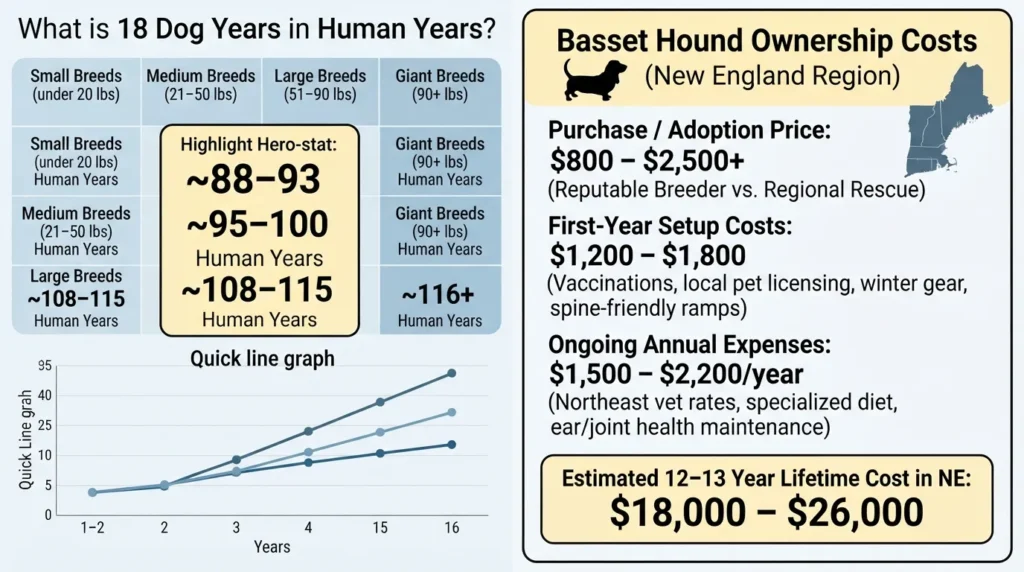
Bringing home a Basset Hound in New England involves both upfront acquisition fees and ongoing care expenses tailored to regional pricing. Veterinary care, high-quality nutrition, and grooming in the Northeast run higher than national averages, making accurate budgeting essential before committing.
Rescue Adoption Fees: $250 to $550 (Seniors cost around $250, adults $350, and puppies under two years average $550 through groups like New England Basset Hound Rescue).
Reputable Breeder Prices: $1,500 to $3,500+ (Prices vary across New England based on lineage, AKC registration, and comprehensive OFA health clearances).
Hidden Costs (Vet, Food, Grooming)
Beyond the initial purchase or adoption fee, owning a Basset Hound comes with recurring costs specific to their physical needs and structural build:
Veterinary Care & Health Insurance: Routine annual exams, vaccines, and heartworm/flea preventatives run $400 to $800 annually in New England clinics. However, due to high risks of bloat (GDV), ear infections, and joint issues, emergency vet funds or pet insurance policies ($50 to $90/month) are highly recommended.
Specialized Nutrition: Basset Hounds require high-quality, weight-managed dog food to protect their joints and spine from strain. Budget $60 to $100 per month for feeding a mature 50-to-70-pound hound.
Grooming & Health Maintenance: While their short coat is easy to brush at home, professional grooming runs $60 to $90 per visit. You will also need dedicated home supplies, including veterinary-grade ear cleaners, skin fold wipes, and heavy-duty nail grinders ($50 to $100 annually).
Caring for Your Basset Hound
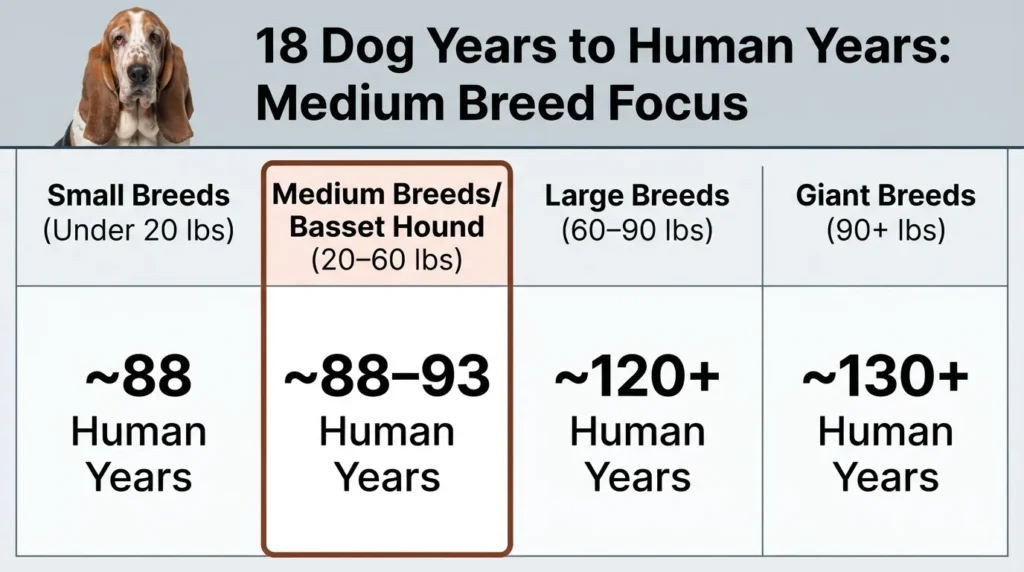
Caring for a Basset Hound requires a proactive approach centered on joint protection, ear hygiene, and strict weight control. Because their dwarfed limbs carry a surprisingly heavy frame, keeping a low-rider healthy means adapting daily care routines to their specific physical structure.
Feeding & Weight Management
Obesity is the single greatest threat to a Basset Hound’s health and lifespan. Every extra pound places direct strain on their long spine and short joints, sharply increasing the risk of painful mobility issues.
Feed a high-quality, age-appropriate diet measured out into two distinct meals daily rather than free-feeding. Keep treats under 10% of their daily caloric intake, and regularly check their body condition—you should be able to easily feel their ribs beneath a light layer of fat, with a clear waistline visible from above.
Exercise Needs
Despite their reputation as lazy couch potatoes, Basset Hounds need regular daily exercise to maintain muscle tone and prevent weight gain. Two 20-to-30-minute moderate walks every day are ideal for keeping them fit without overexerting their joints.
Because scent hound minds need work too, incorporate “sniffaris”—walks where you let them follow scent trails at their own pace—or use puzzle feeders and snuffle mats at home for mental stimulation. Always keep them on a leash or within a securely fenced yard, as an enticing scent will quickly cause them to tune out your commands.
Grooming & Ear Care
While their short, dense coat sheds moderately and requires only a weekly brushing, their ears, skin folds, and nails demand daily attention.
Ear Cleaning: Long, heavy ear flaps trap moisture, dirt, and yeast inside the ear canal. Clean their ears weekly using a veterinarian-approved flushing solution, thoroughly drying the outer flap to prevent painful ear infections.
Skin Fold Care: Wipe down facial wrinkles, lip flews, and the deep chest dewlap daily using damp, gentle wipes to prevent yeast build-up and red, inflamed skin.
Nail Trimming: Trim nails every 2 to 3 weeks. Long nails alter their foot structure and force extra impact back up into their low joints.
Health Conditions Basset Hounds Are Prone To
Understanding breed-specific health risks allows owners to spot symptoms early and seek timely veterinary intervention:
Intervertebral Disc Disease (IVDD): Their long spine and short legs make them highly susceptible to herniated or ruptured spinal discs. Avoid letting them jump off high furniture or tackle steep staircases; consider using dog ramps around couches and beds.
Gastric Dilation-Volvulus (Bloat): Deep-chested breeds like Bassets are at risk for bloat, where the stomach fills with gas and twists. Prevent this life-threatening emergency by using slow-feeder bowls, avoiding vigorous exercise right after meals, and splitting food into two daily portions.
Obesity: A slowed metabolism combined with an endless appetite makes weight gain a constant struggle, aggravating secondary joint issues like elbow dysplasia.
Ear Infections (Otitis Externa): Chronic yeast and bacterial ear infections occur frequently if the ear canal isn’t kept clean and dry.
Elbow & Hip Dysplasia: Abnormal joint development in heavy bone frames causes early-onset arthritis and lameness. Ensure puppies are evaluated with OFA or PennHIP joint clearances.
Basic Training Tips
Basset Hounds were bred to work independently miles away from their handlers, making them notoriously stubborn during traditional obedience training.
Succeeding with a Basset requires patience, consistency, and positive reinforcement. High-value treats (like freeze-dried liver or plain cooked chicken) work best to capture their interest. Keep training sessions brief—around 5 to 10 minutes—to prevent them from losing focus, and never use harsh physical corrections, which only cause this sensitive hound breed to shut down completely.
Basset Hound Lifespan & Aging
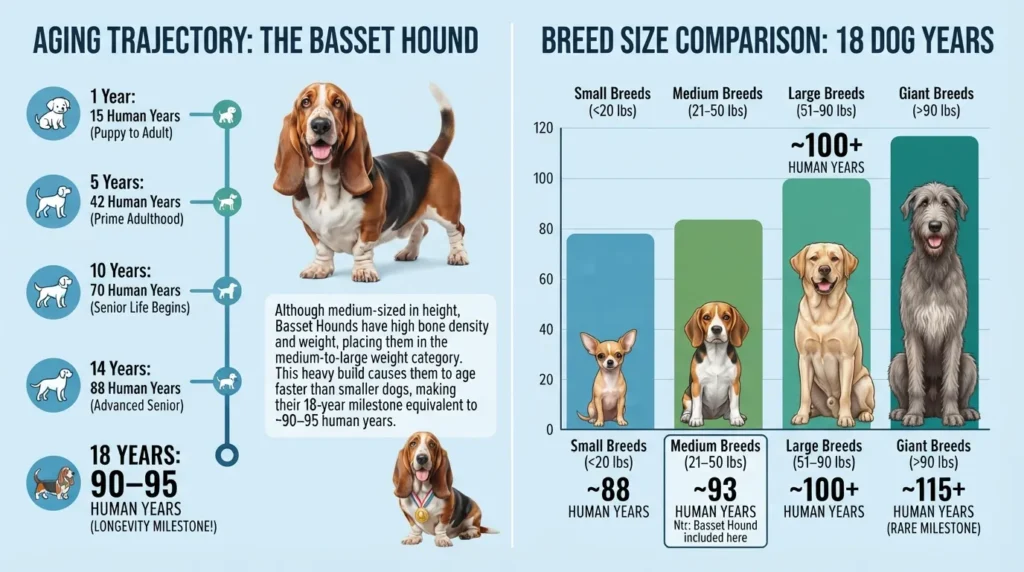
Understanding your Basset Hound’s expected lifespan and biological aging curve helps you make informed decisions about their preventive healthcare, nutritional needs, and daily routine. While their low frame and heavy bone structure present unique physical challenges as they grow older, proactive care can help them stay comfortable well into their golden years.
Average Lifespan
The average lifespan of a Basset Hound typically ranges between 10 and 12 years. With attentive veterinary management, balanced nutrition, and strict weight control, many Bassets live to 13 or 14 years old.
Because Basset Hounds carry a large-breed mass on dwarf-limbed joints, keeping them lean is the single most critical factor in extending their life. Preventing extra weight minimizes wear and tear on their spinal discs, hips, and elbows, directly reducing the risk of mobility complications as they age.
Basset Hound Age in Human Years
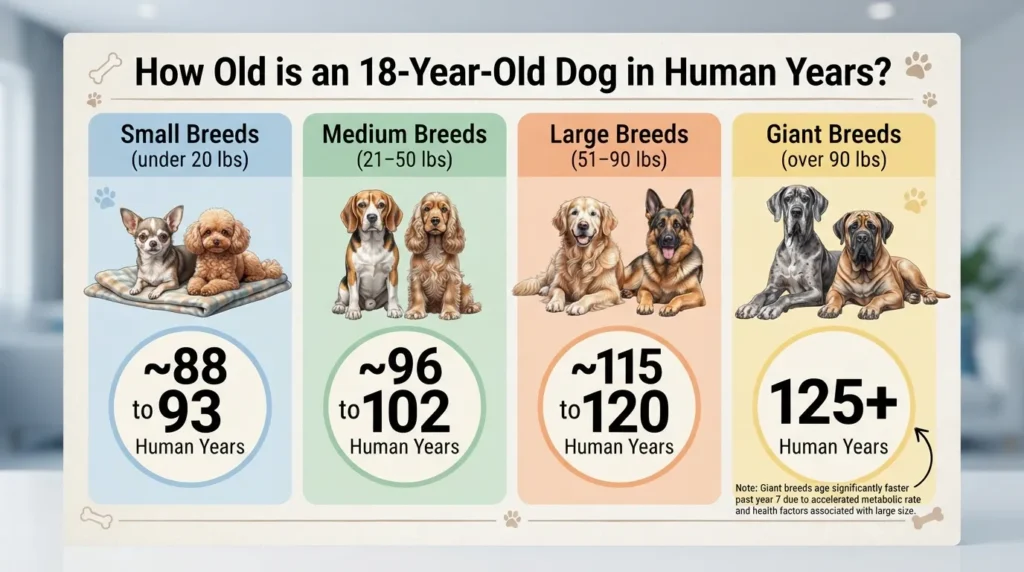
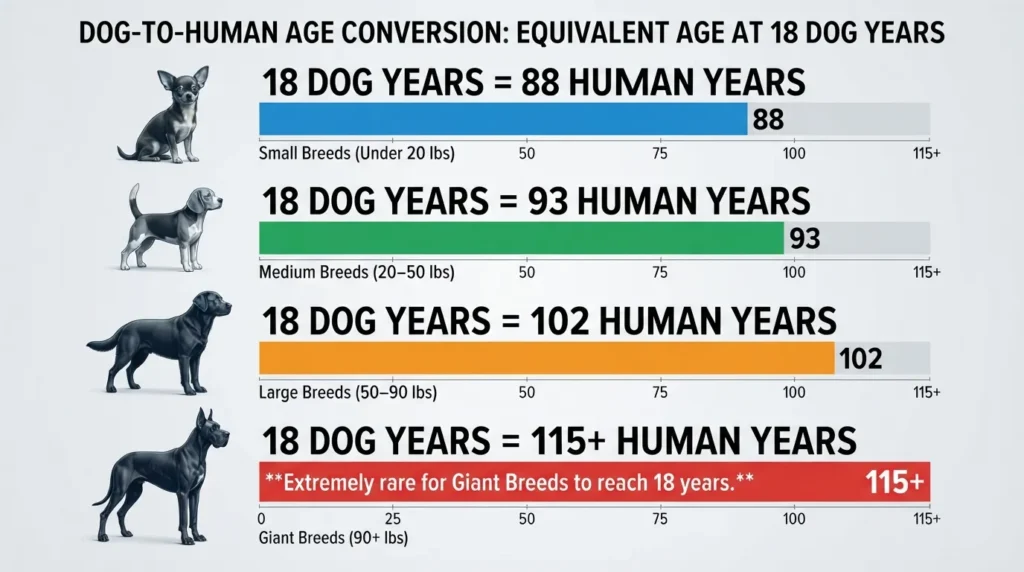
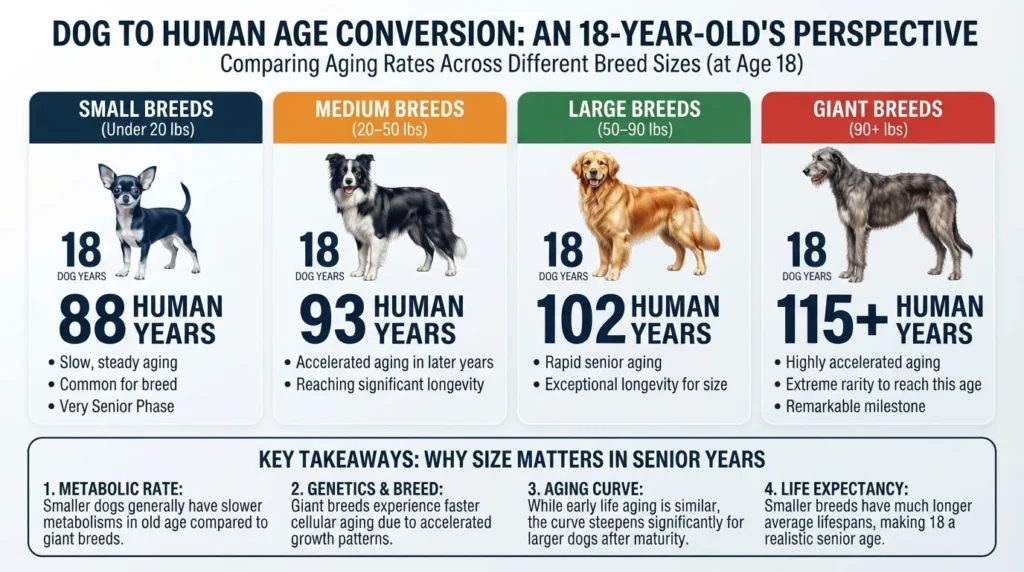
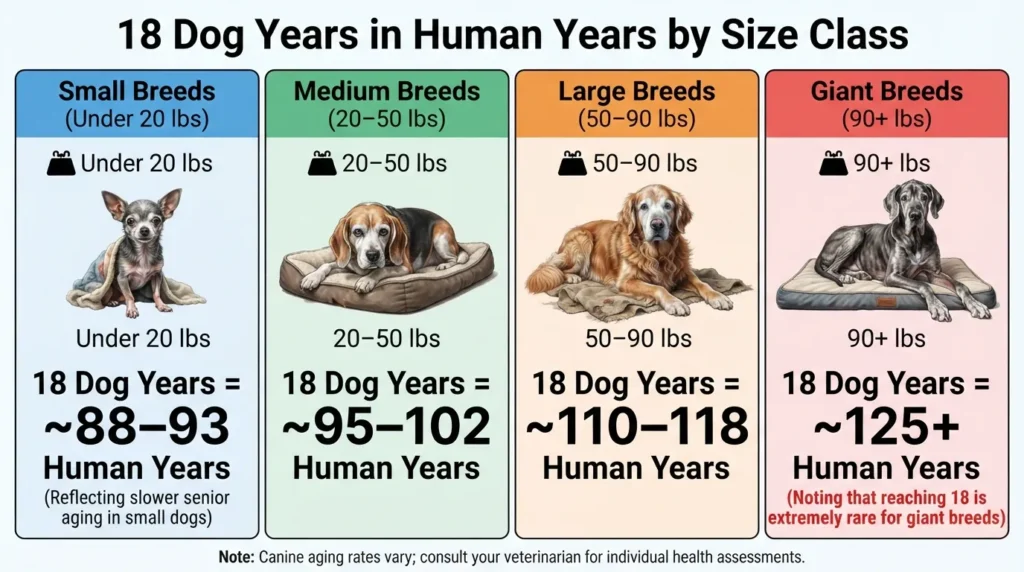
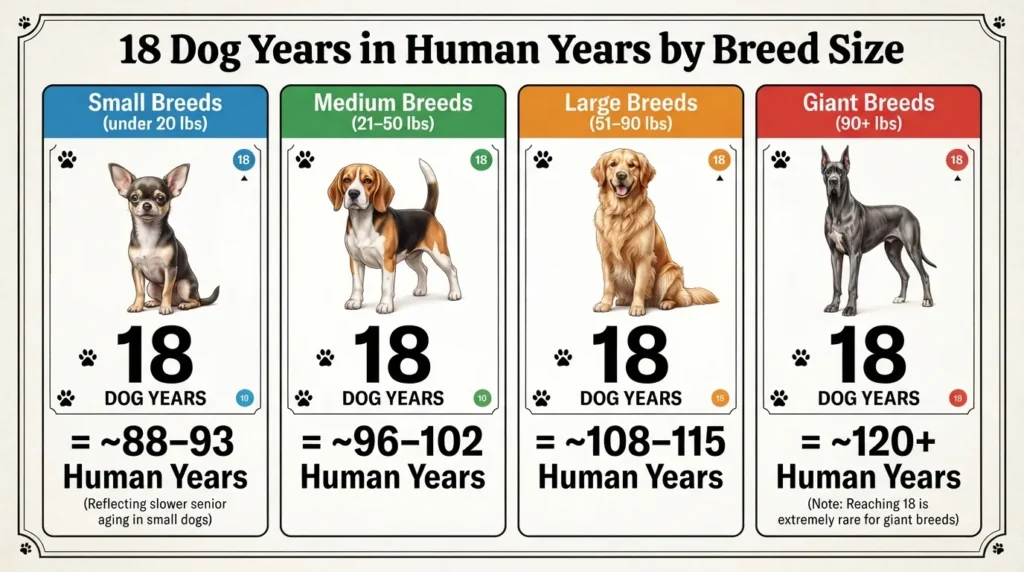
The old rule of multiplying a dog’s age by seven is largely outdated, especially for heavy-boned breeds like Basset Hounds. Dogs mature rapidly during their first two years, then settle into a steadier rate of biological aging.
During their first year, a Basset Hound reaches the equivalent of roughly 15 human years. By age two, they are biologically around 24 years old in human terms. After that, every calendar year equals roughly 5 to 6 human years, and most veterinarians classify a Basset as a “senior” starting around 7 years of age.
To get an accurate, instant breakdown of your hound’s biological age and developmental stage based on their exact breed traits, use our interactive Dog Age Calculator Tool.
Signs of Aging in Basset Hounds
As your Basset Hound enters their senior years, their physical and mental needs will gradually change. Watching for these common age-related shifts allows you to adapt their living space and care routine early:
Joint Stiffness & Slower Mobility: You may notice hesitating before stepping outside, slower movement when getting up from a nap, or difficulty navigating steps—often indicating early-stage arthritis or spinal degeneration.
Cloudy Eyes & Vision Changes: Nuclear sclerosis (a natural bluish haze in the lens) or cataracts frequently develop in senior hounds, affecting their depth perception and night vision.
Greying Muzzle & Skin Changes: The rich black, tan, and red pigmentation around their muzzle, eyes, and brow will slowly turn white or silver. Their skin may also lose elasticity, making facial folds more prone to dryness or irritation.
Hearing Loss: Senior Bassets often experience partial or complete hearing loss, which can easily be mistaken for their typical stubborn “selective hearing.”
Changes in Sleep & Activity: Older hounds sleep significantly more throughout the day and may show lower enthusiasm for long walks, preferring short, gentle strolls focused on light sniffing.
Basset Hound Events & Community in New England
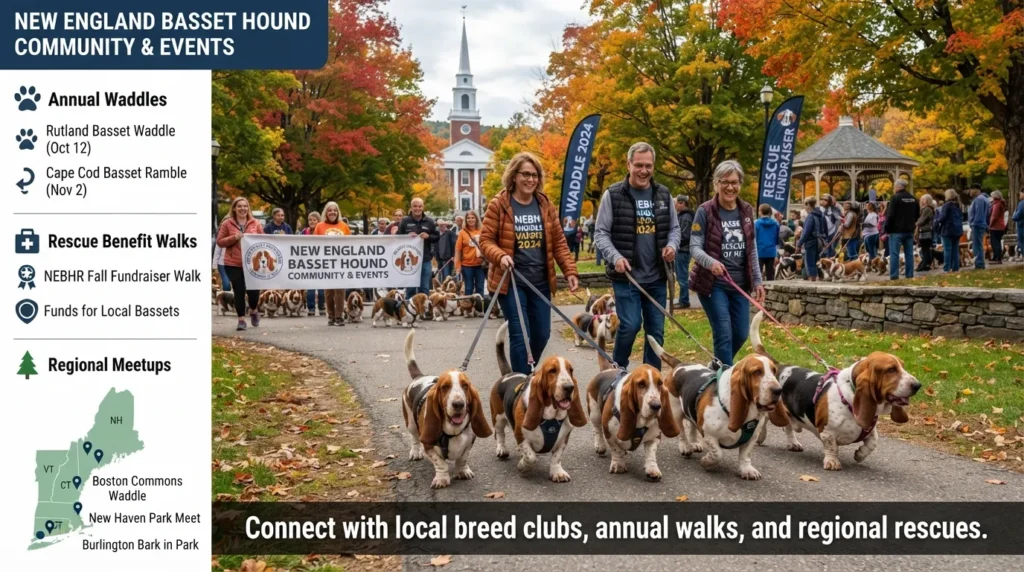
One of the best perks of owning a Basset Hound in the Northeast is gaining immediate access to a warm, welcoming network of fellow owners and breed enthusiasts. Basset owners are a famously social group, and regional events make it easy to swap advice, socialize your hound, and celebrate everything that makes low-riders special.
Local Meetups & Waddle Events
Regional gathering places and seasonal festivals bring together hundreds of hounds and their families from across Massachusetts, Connecticut, New Hampshire, Maine, Vermont, and Rhode Island:
Bassetpalooza (NEBHR’s Annual Gathering): Hosted every autumn by the New England Basset Hound Rescue—frequently at locations like the Lancaster Fairgrounds in Massachusetts—Bassetpalooza stands as the largest single-day hound gathering in the region. The event features costume contests, games, raffles, vendor booths, and a massive group parade of local rescue alumni and family pets.
New England Basset Hound RescueRegional Basset Waddles & Walks: Local breed clubs and informal social groups host seasonal “Waddles”—casual group walks designed specifically for short legs and slow paces. These gatherings often coincide with fall foliage walks, spring park meetups, or local town parades, giving hounds a safe environment to explore scent trails together.
New England Basset Hound RescuePilgrim Basset Hound Club Specialty Shows: For those interested in conformation, agility, or performance events, the Pilgrim Basset Hound Club hosts regional specialty shows and educational days across Southern New England, connecting prospective owners with experienced breeders and handlers.
Online Communities & Playgroups: Local Facebook groups (like the NEBHR community page) and regional dog park meetups coordinate casual weekend gatherings at dog-friendly spaces, such as dog-friendly state parks, coastal beaches in the off-season, and private rental play yards like Sniffspot.
Frequently Asked Questions
What Is the Calmest Hound Breed?
The Basset Hound is widely considered one of the calmest and most relaxed hound breeds in existence. Unlike high-energy sighthounds or tireless hunting coonhounds, Bassets exhibit a notoriously easygoing, patient, and quiet indoor demeanor.
Once their daily walk and sniffing needs are met, they spend the vast majority of their day sleeping or lounging near their owners. This gentle, slow-paced temperament makes them exceptionally well-suited for families with children, seniors, and multi-pet households.
Do Basset Hounds Drool a Lot?
Yes, Basset Hounds drool significantly more than most other dog breeds. Their heavy facial skin folds, loose lip flews, and dangling upper lips prevent them from retaining saliva inside their mouths, especially right after drinking water, eating meals, or smelling an intense scent.
Experienced New England owners keep “drool rags” strategically placed near water bowls and living room seating to wipe their mouth before they jump up or shake their head.
Can Basset Hounds Swim or Go Near Water?
No, Basset Hounds are naturally very poor swimmers and can easily drown if left unsupervised near deep water. Their physical structure—carrying up to 70% of their total body weight in their front limbs, combined with extremely short legs, massive bone density, and a long body—makes it almost impossible for them to keep their head above water for long.
If you live near New England lakes, ponds, or coastal beaches, or if you have a home swimming pool, your Basset should always wear a fitted canine life jacket with a top handle for emergency retrieval.
Are Basset Hounds Hard to Housebreak?
Basset Hounds can be more challenging to housebreak than eager-to-please breeds like Golden Retrievers or German Shepherds. Their stubborn streak, scent-driven nature, and slow response to traditional discipline require owners to be exceptionally patient and consistent.
Using crate training paired with high-value treat rewards right after they eliminate outside works best. During New England winters, build a cleared, covered spot in the snow near the door to prevent them from resisting trips outside in the cold.
Conclusion
Bringing a Basset Hound into your life means opening your home to a deeply affectionate, patient, and charmingly stubborn companion. Whether you choose to adopt through a dedicated network like New England Basset Hound Rescue or purchase a puppy from an ethical regional breeder, success with this breed comes down to understanding their distinct needs. From managing joint health and ear hygiene to keeping up with strict weight control, proper care ensures your low-rider stays happy and comfortable through every season in the Northeast.
Ready to learn more about your hound’s developmental stage and lifetime care needs? Explore our interactive Dog Age Calculator Tool to see how your Basset Hound’s age compares to human years, or jump over to our rescue directory to connect with local adoption resources across New England today!
🐾 Other Age Guides

I built Dogagescalculator.com to give dog owners honest, science-backed answers instead of the outdated "×7" myth. Every figure here is checked against AKC, AVMA, and published veterinary research.
More about the author & this site →
Comments