
Australian Cattle Dog Blue Heeler Labrador Retriever Mix: Complete Owner's Guide

The Australian Cattle Dog Blue Heeler Labrador Retriever mix—commonly known as the Labraheeler—is a highly energetic and intelligent hybrid breed created by crossing a purebred Labrador Retriever with an Australian Cattle Dog.
Combining the friendly, eager-to-please nature of the Lab with the intense work ethic and loyalty of the Blue Heeler, this mix is built for active lifestyles. The Labraheeler thrives as a devoted companion for hiking, running, and outdoor adventures, making it ideal for owners who can meet its high physical and mental exercise needs.
Optimized Breed Snapshot
| Trait | Details |
| Temperament | Loyal, highly intelligent, affectionate, and protective |
| Average Size | 35–65 lbs |
| Lifespan | 10–15 years |
| Best Suited For | Active owners, outdoor enthusiasts, and experienced handlers |
What Is a Blue Heeler Lab Mix Called?
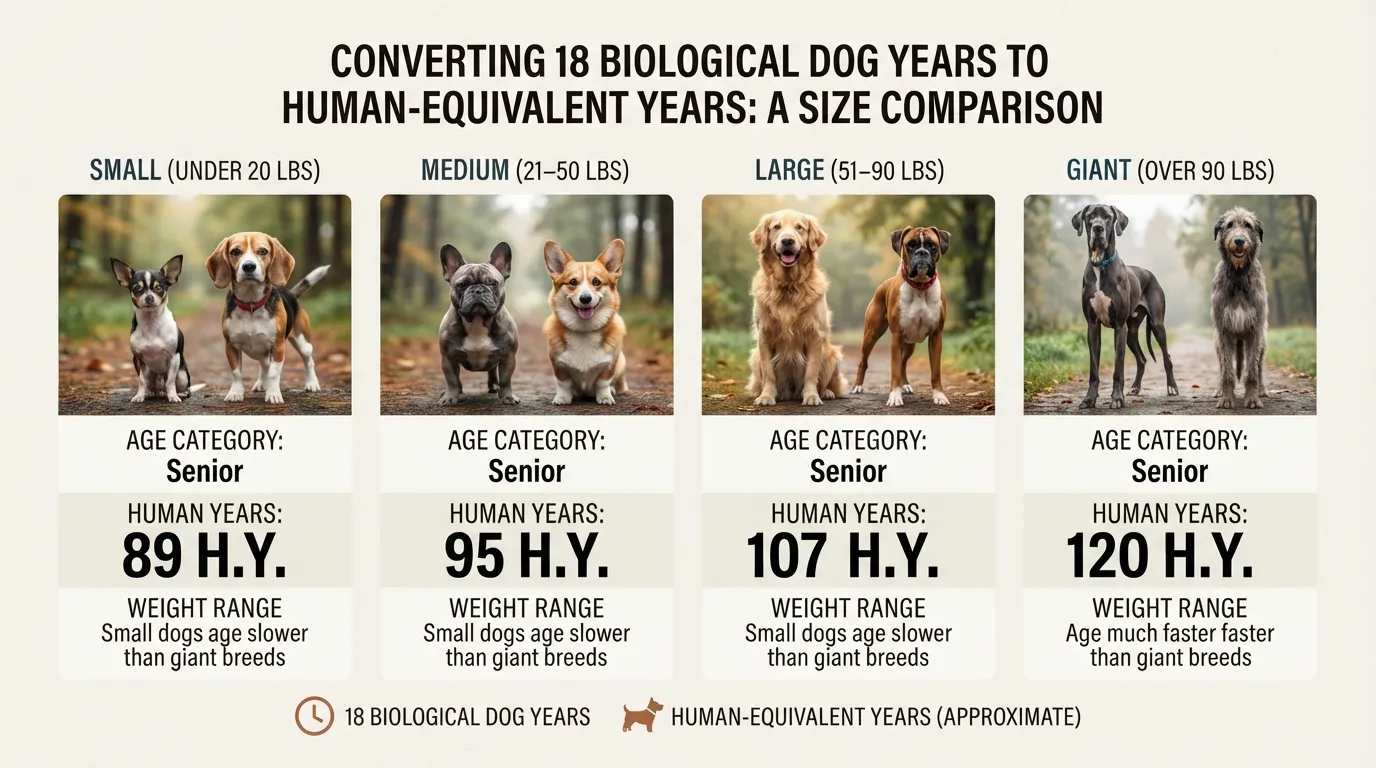
The Australian Cattle Dog Blue Heeler Labrador Retriever mix is most commonly known as the Labraheeler. Depending on who you ask, you will also hear this energetic crossbreed called a Lab Heeler, Blue Heeler Lab, Heeler Lab, or Cattle Dog Lab Mix.
Common Names & Aliases
Labraheeler: The official portmanteau and most widely recognized name for this hybrid, used by designer dog registries and enthusiast groups.
Lab Heeler: A casual, shortened variation often used by owners, breeders, and dog trainers.
Blue Heeler Lab: A descriptive name frequently applied when the puppy inherits the signature blue-speckled coat of its Australian Cattle Dog parent.
Heeler Lab: A simplified shorthand that highlights the working and herding heritage.
Cattle Dog Lab Mix: The formal term preferred by shelters, rescue organizations, and veterinarians on official medical records.
H2: Where Does This Mix Come From? (Origin)
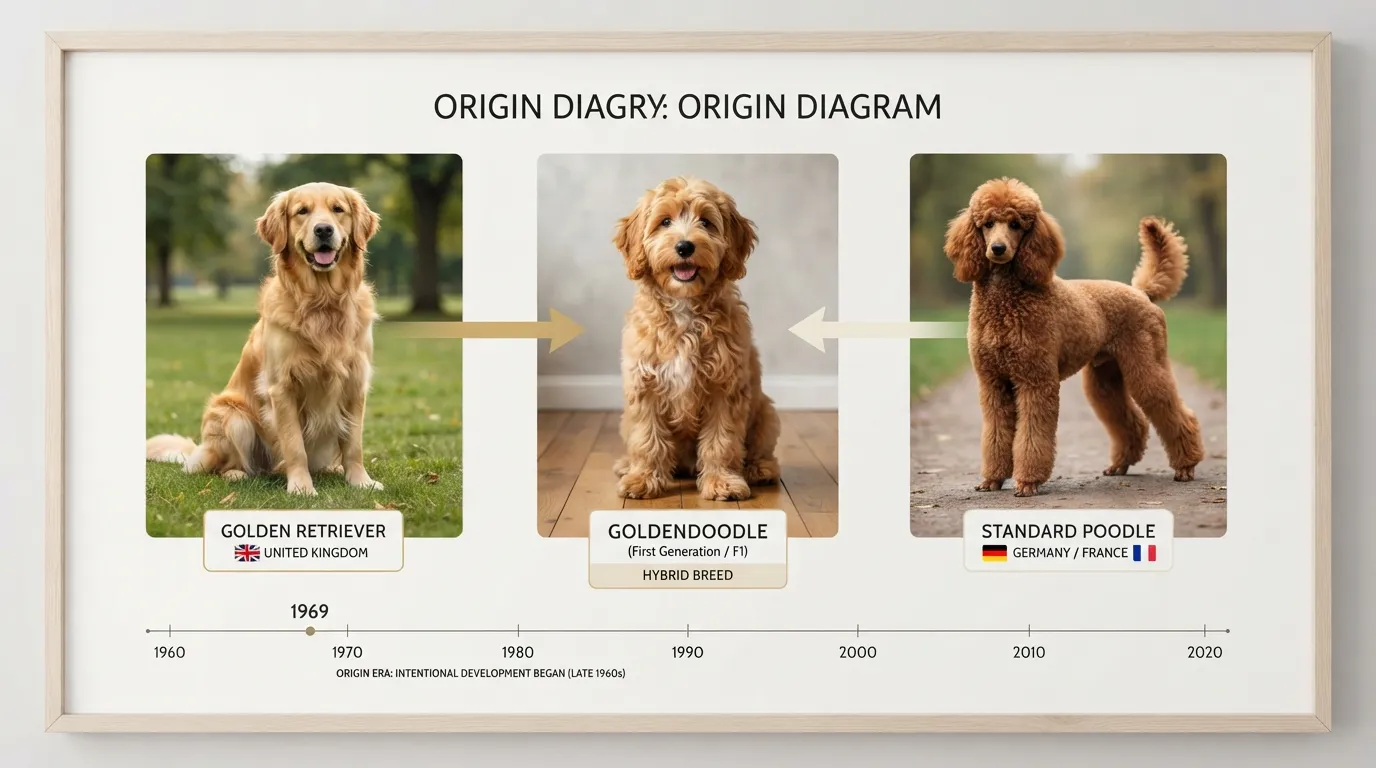
Every hybrid dog inherits a unique blend of traits from its family tree, and this mix is no exception. While we don’t need a deep history dive into each individual lineage, the key to understanding this hybrid lies in its roots: both parent breeds were originally developed as hardworking, task-driven working dogs. Because both sides of the family tree were bred for stamina and sharp problem-solving, this mix naturally inherits a powerhouse combination of high energy and sharp intelligence. They aren’t content just sitting on the couch—their ancestral working drive means they truly thrive when given consistent physical exercise, engaging mental challenges, and a clear job to do every single day.
H2: What Does a Blue Heeler Lab Mix Look Like? (Appearance)
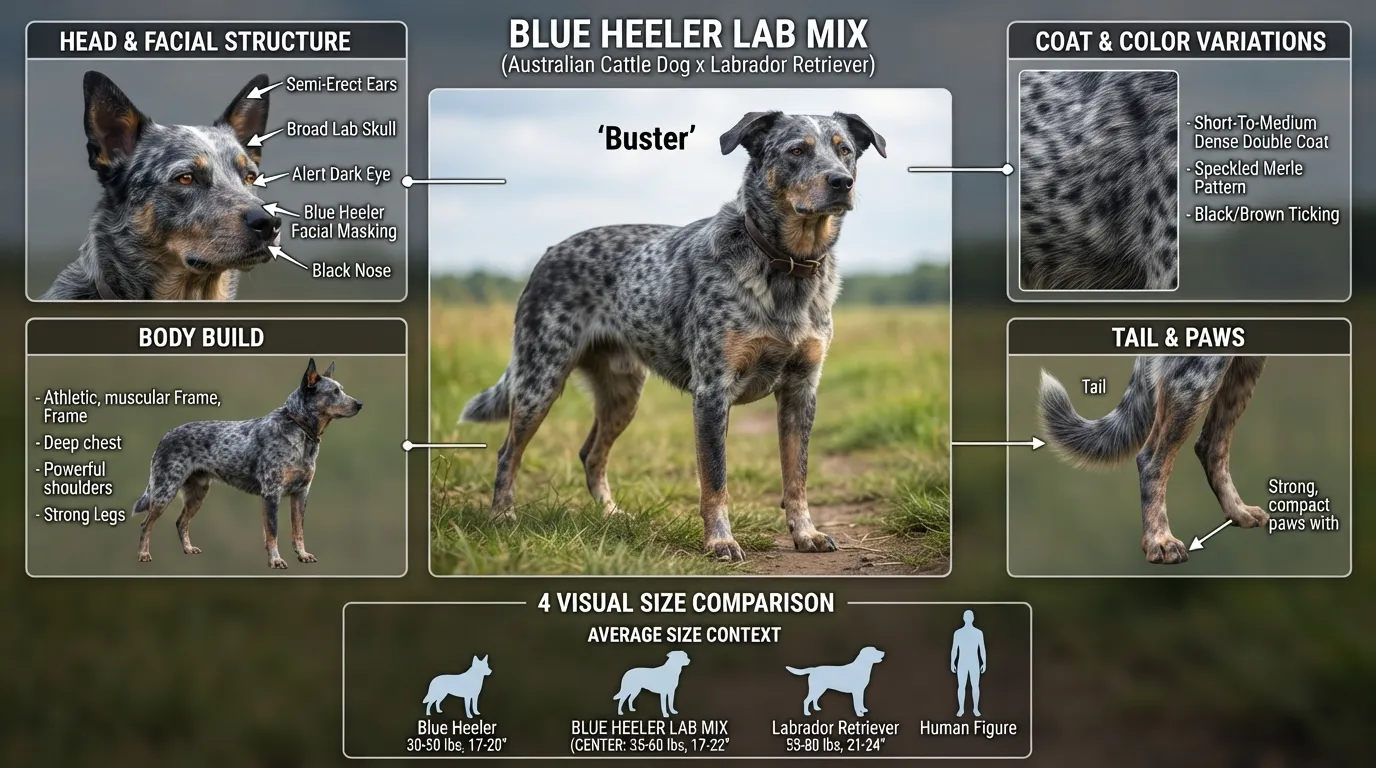
The Blue Heeler Lab mix (often called a “Labraheeler”) blends the sturdy, athletic build of a Labrador Retriever with the distinctive working frame of an Australian Cattle Dog. Because it is a crossbreed, physical appearance can vary significantly even within the same litter, though most inherit a rugged, medium-to-large stance built for speed and endurance.
H3: Coat Colors & Patterns
The coat is usually short, dense, and weather-resistant, requiring minimal grooming. Coloring is often the most striking feature of this mix, showcasing a blend of both parent breeds:
Classic Lab Shades: Solid black, chocolate, or yellow bases.
Heeler Patterns: Blue or red mottled patches across the body or face.
Ticking: Fine specks or flecks of white mixed with black, brown, or red hair across the chest, legs, and muzzle.
H3: Ears, Eyes & Build
Ears: Can either stand upright like a Blue Heeler’s or flop forward like a Labrador’s—sometimes settling into a charming “semi-erect” position.
Eyes: Typically warm brown or hazel, expressing a sharp, attentive, and friendly gaze.
Build: Muscular, deep-chested, and compact, usually weighing between 35 to 80 pounds depending on which parent breed traits dominate.
Distinguishing Physical Traits
Short, dense double coat that sheds moderately year-round
Broad Labrador-style head often paired with Heeler facial mask markings
Strong, athletic legs designed for high agility and endurance
Tapered tail that may carry a subtle white tip or feathering
H2: How Big Will a Blue Heeler Lab Mix Get? (Size & Weight)
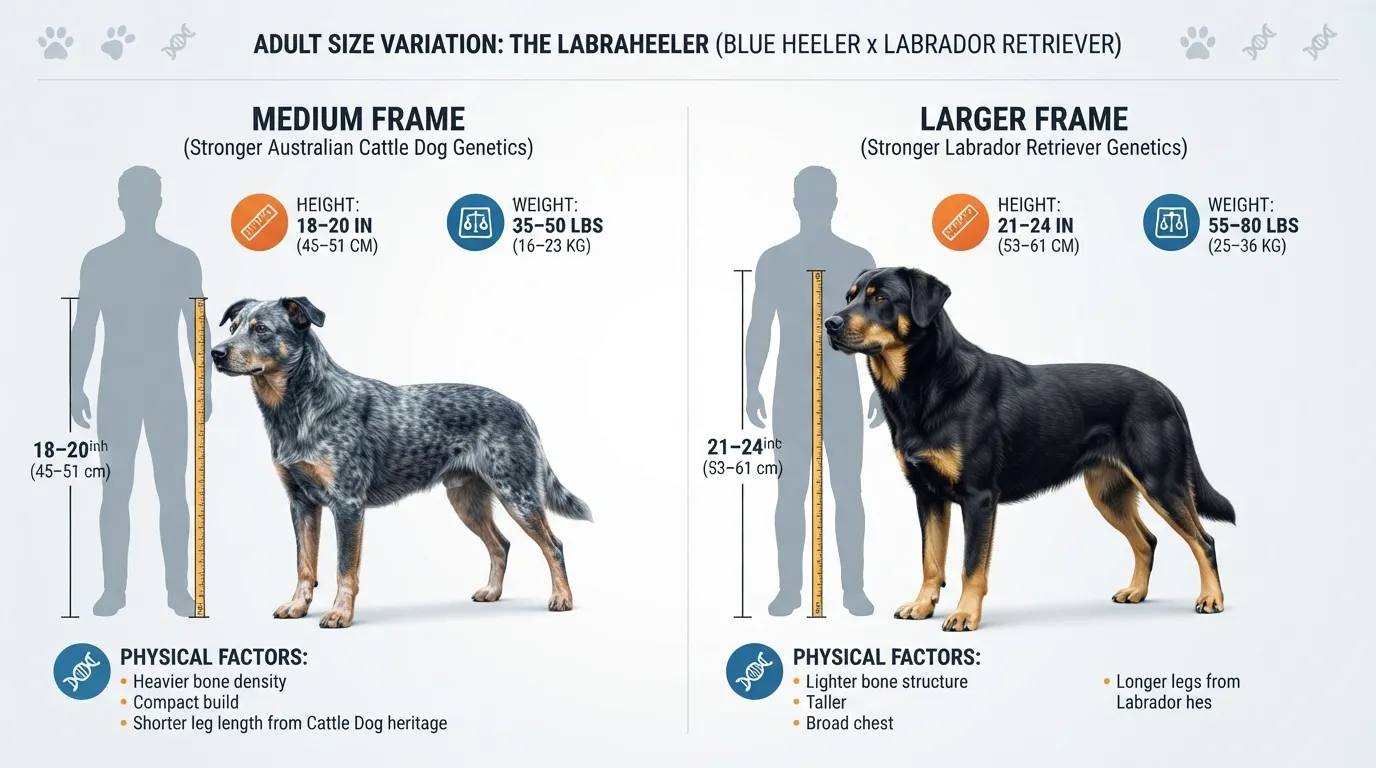
Because the Blue Heeler Lab mix combines a medium-sized Australian Cattle Dog (35–50 lbs) with a larger Labrador Retriever (55–80 lbs), your dog’s final size depends on which parent’s genetics dominate. Most Labraheelers fall right in the middle—producing a sturdy, medium-to-large canine frame built for activity.
Quick Stats Summary
Height: 18 – 24 inches at the shoulder
Weight: 35 – 80 pounds
Lifespan: 10 – 15 years
H3: Height & Weight Chart (Male vs Female)
Males generally lean toward the broader, stockier build of the Labrador, while females tend to be slightly more compact, reflecting the sleeker frame of the Blue Heeler.
| Gender | Height Range | Weight Range | Frame & Build Characteristics |
|---|---|---|---|
| Male | 20 – 24 inches | 45 – 80 lbs | Broad chest, heavier bone structure, larger head |
| Female | 18 – 22 inches | 35 – 65 lbs | Sleeker profile, slightly shorter stance, agile frame |
Temperament & Personality
Are Blue Heelers Bark a Lot?
Blue Heeler Lab mixes aren’t constant nuisance barkers, but they are far from quiet. Australian Cattle Dogs were bred to use sharp, single barks to command cattle, while Labs tend to express excitement or alert their owners with vocalizations. Your mix will likely bark to alert you when someone approaches the door, during intense games of fetch, or when feeling understimulated. Boredom is the biggest trigger—if an ACD Lab mix doesn’t get enough mental or physical output, they will quickly find their voice to let you know.
Herding Instinct & Heel-Nipping Behavior
Because the Australian Cattle Dog was bred to drive stubborn livestock by nipping at their heels, this hardwired instinct often surfaces in a Blue Heeler Lab mix. You’ll notice it most when children or other pets run past them. The dog may sprint alongside, stay low to the ground, and attempt to bump or lightly bite ankles to control the movement. While this isn’t aggression, it can startle young kids or hurt if left uncorrected.
Managing this requires consistent boundary-setting from day one:
Interrupt and redirect immediately: As soon as your dog starts fixedly watching running feet or crouching into a drive position, redirect their focus to a high-value toy or a “sit-stay” command before they commit to the chase.
Stop moving when nipped: Teach children that running and screaming fuels the drive. Turning into a “tree”—standing still with arms folded—removes the reward of chasing a moving target.
Provide structured outlets: Channel that instinct into healthy work using herding balls (large, hard-plastic balls they can push with their chest) or high-intensity games like flirt poles and agility work.
Core Personality Traits
Intensely Loyal and Devoted: They form deep, lasting bonds with their main handler and like to stay in the same room as their human family members, earning them a reputation as “shadow” dogs.
High Drive with a Playful Edge: The high-octane energy of the ACD blends with the eager-to-please, happy-go-lucky nature of the Labrador Retriever, creating a dog that works hard and plays harder.
Naturally Suspicious of Strangers: Unlike a purebred Lab that views everyone as a potential best friend, the Blue Heeler side brings a protective, observant nature that makes them reserved around new faces until properly introduced.
Incredibly High Intelligence: They pick up new commands in just a few repetitions, but their sharp minds also mean they will outsmart you or invent their own work if you don’t keep them occupied.
Is This Mix Good with Families & Other Pets?
With Children
A Blue Heeler Lab mix can make a fantastic, deeply loyal companion for active families, especially those with older kids who love running, hiking, or playing endless games of fetch. Their Labrador side brings a tolerant, playful attitude to family life, while their Australian Cattle Dog parentage gives them a protective, watchful eye over “their” kids.
However, because of the heel-nipping and chasing tendencies natural to this mix, living with toddlers or young children requires active management. Young kids who run unpredictably and make high-pitched noises can trigger your dog’s drive to control movement.
Set ground rules early: Teach children how to read your dog’s body language, and insist on calm interactions—no disturbing the dog while eating, sleeping, or resting in their crate.
Never leave interactions unsupervised: Always maintain active adult supervision when young children and your dog are in the same space, even if your pup has never shown mouthy behavior before.
Give your dog a safe exit zone: Provide a crate, bed, or separate room where your mix can retreat when family life gets too loud or overstimulating.
With Other Dogs/Pets
How well an ACD Lab mix gets along with other animals largely depends on early socialization and which parent’s traits dominate. The Labrador side usually gets along well with other dogs, while the Cattle Dog side can make them more selective, reactive, or dominant, especially around unfamiliar dogs of the same sex.
With other dogs in the home, they generally thrive if socialized properly from puppyhood, though they can be bossy in play styles. When it comes to cats and smaller pets (like rabbits or pocket pets), their high prey drive and herding motivation mean they will often chase small animals that run.
Introduce new dogs on neutral ground: Walk them side-by-side on leashes outdoors before bringing a new dog into your home or yard to prevent territorial tension.
Manage small pet interactions closely: Keep cats and small animals strictly separated until you have established total off-leash control and a rock-solid “leave it” command.
Supervise communal resources: Feed dogs in separate areas and pick up high-value toys or bones to prevent resource guarding, which can pop up from the Heeler side.
Can a Blue Heeler Lab Mix Live in an Apartment?

Yes, a Blue Heeler Lab mix can live in an apartment, but it takes serious work and dedication from the owner. While they are medium-sized dogs (typically weighing 35 to 65 lbs) that physically fit fine into smaller square footage, their high energy levels and working-dog genetics make apartment living challenging without a strict daily routine.
Living in an apartment with a Labraheeler only works smoothly if you meet specific daily conditions:
Non-negotiable exercise (60–90+ minutes daily): You cannot rely on opening a backdoor into a fenced yard to let them blow off steam. You must commit to at least two long, brisk walks or runs every day, paired with intense off-leash play like fetch in a secure dog park or open field.
Heavy mental stimulation inside: Physical exercise alone won’t tire out a Blue Heeler mix’s sharp mind. You will need to use puzzle toys, lick mats, hidden treat games, and daily indoor obedience sessions to prevent destructive chewing or pacing in a confined space.
Proactive noise and alert-barking management: Apartments mean shared walls, hallway foot traffic, and slamming doors. Because the Australian Cattle Dog side is naturally alert and protective, you’ll need to train a solid “quiet” command early and use white noise machines to prevent nuisance alert barking that frustrates neighbors.
Frequent bathroom and leash breaks: Without quick yard access, you must be prepared to walk down hallways or ride elevators multiple times a day—regardless of bad weather—to keep up with potty routines and prevent indoor accidents.
Trainability & Exercise
Trainability
Training an Australian Cattle Dog Blue Heeler Labrador Retriever mix is a rewarding experience because both parent breeds are exceptionally smart, but you must tailor your approach to their working instincts. The Labrador side brings eager-to-please enthusiasm, while the Blue Heeler side brings an independent, problem-solving mindset. If you aren’t clear and consistent, your Labraheeler will gladly take charge.
To get the best results, structure your training around these breed-specific strategies:
Redirect ankle-nipping early: Keep a high-value rope or rubber toy in your pocket during training and play sessions. The moment your dog attempts to nip heels or grab clothing, immediately place the toy in their mouth and reward them for biting the object instead of you.
Channel prey drive into structured retrieve work: Harness their natural instinct to chase by teaching a formal fetch routine. Instead of mindless ball throwing, turn it into an obedience game by requiring a “sit,” “stay,” and steady eye contact before you release them to pursue the ball.
Use scent games for mental focus: Tap into the Labrador’s powerful tracking nose to drain mental energy. Hide kibble, scented toys, or high-value treats around the yard or house, teaching them a “find it” command that forces them to rely on their brain rather than physical speed.
Daily Exercise Requirements
An ACD Lab mix requires 60 to 90 minutes of vigorous daily exercise at a minimum. A slow neighborhood stroll on a 6-foot leash won’t be enough for this working crossbreed—they need opportunities to run hard, jump, and engage their muscles.
For young, healthy adult dogs (ages 1 to 7), splitting this time into two distinct sessions works best: a 45-minute morning routine involving cardio or off-leash running, followed by a 45-minute evening session combining physical play with mental exercise. Without this daily outlet, you risk dealing with destructive chewing, fence-line barking, and extreme restlessness in the house.
Best Activities
Because both parent breeds excel in athletic, working roles, this hybrid shines when given an actual job or sport to focus on. Mixing up their routine keeps them engaged and prevents boredom.
Agility Training: Navigating weave poles, tunnels, and jump hurdles taps into the Heeler’s quick directional shifts and tight body control.
Extreme Fetch & Frisbee: Long-distance fetch using a ball launcher or flying disc satisfies their relentless urge to sprint and track airborne objects.
Hiking & Trail Running: Their sturdy build and endurance make them perfect trail partners capable of handling rocky terrain and multi-mile treks.
Dock Diving: If your mix inherits the Labrador’s signature love for water, launching off a ramp into a pool after a floating toy offers high-impact cardio that is easy on their joints.
Scent Work & Barn Hunt: Searching out hidden scents in controlled environments exercises their nose while giving them a satisfying task to complete.
Do Labraheelers Get Separation Anxiety?
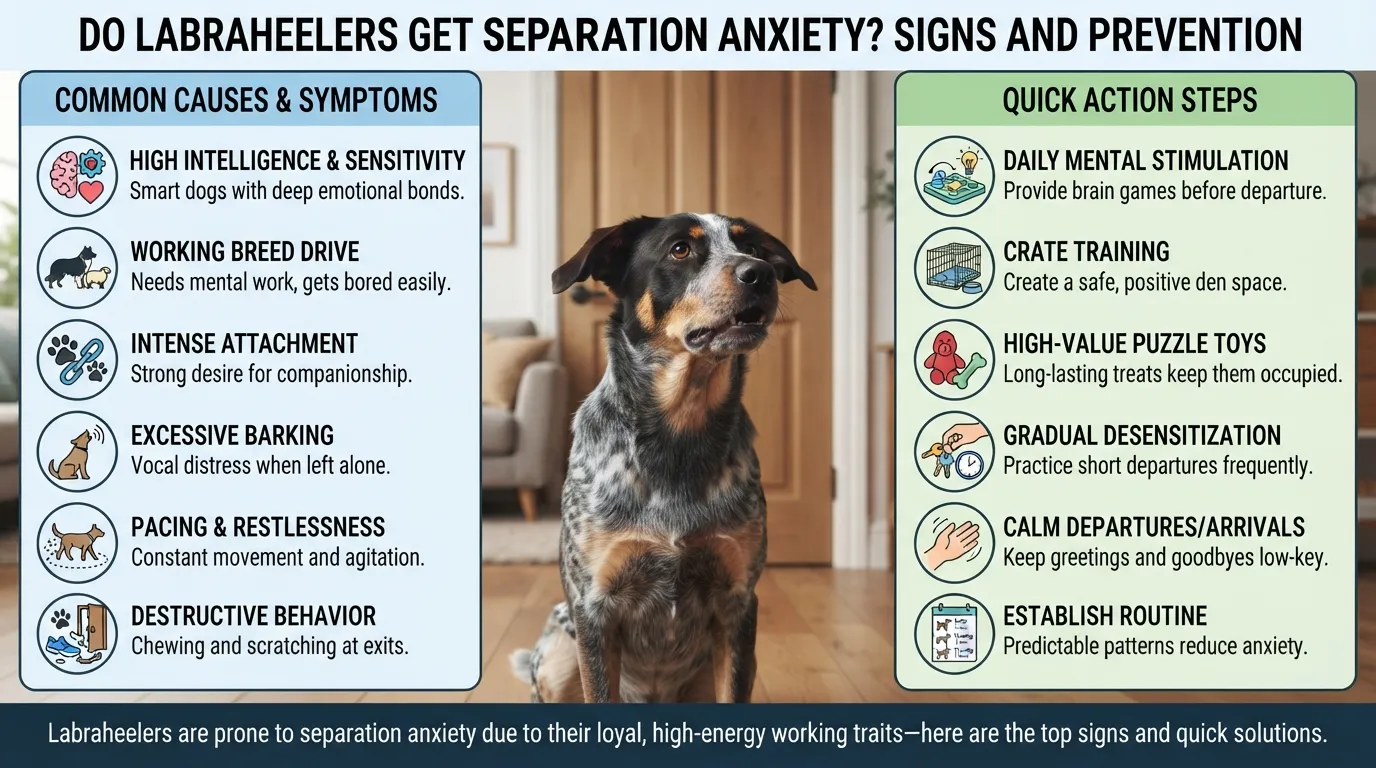
Yes, Labraheelers are prone to developing separation anxiety. This crossbreed combines the Australian Cattle Dog’s intense velcro-dog attachment to their main handler with the Labrador Retriever’s highly social, family-oriented nature. When left alone for extended stretches without proper preparation, their high intelligence and working drive can quickly spiral into stress and panic.
Symptoms
Separation anxiety in an ACD Lab mix goes beyond mild whines or a single accident during housebreaking. It manifests as a persistent distress response that begins the moment you start preparing to leave.
Watch for these clear indicators:
Destructive Chewing and Digging: Targeting exit points like doorframes, window blinds, or front door trim in a desperate attempt to follow you out.
Persistent Vocalization: Continuous, high-pitched barking, howling, or whining that starts minutes after you shut the door and lasts for hours.
Pacing and Excessive Drooling: Frantic, repetitive walking back and forth, often accompanied by heavy panting or drool puddles on the floor caused by acute stress.
Loss of House Training: Defecating or urinating indoors shortly after your departure, even if they were fully pottied right before you left.
Frantic Greeting Behaviors: Over-the-top, hyperactive jumping, whining, and inability to settle for 10 to 15 minutes when you step back inside.
Solutions
Managing separation distress in a high-energy mix requires a multi-pronged approach that pairs physical exercise with mental conditioning. You want your departures to signal calm predictability rather than panic.
Establish Crate Training as a Positive Den: Introduce a heavy-duty crate gradually using high-value treats and meals so your dog views it as a safe space rather than a punishment zone. A cozy, den-like crate prevents destructive chewing of household items and helps restrict panicked pacing.
Rotate Long-Lasting Enrichment Toys: Give your mix a frozen stuffed KONG, a safe lick mat, or a puzzle feeder 5 minutes before you walk out the door. The physical act of licking and chewing lowers heart rates, while the mental focus distracts them during your initial departure.
Utilize Doggy Daycare or Pet Sitters: If you work 8 to 10 hours away from home, a mid-day dog walker or enrolling your pup in doggy daycare 2–3 times a week burns off social energy and breaks up long blocks of isolation.
Desensitize Departure Cues: Pick up your keys, put on your coat, or touch the door handle multiple times throughout the day without actually leaving. This breaks the automatic anxiety trigger associated with your departure routine.
Consult Professionals for Severe Cases: If your mix harms themselves trying to escape or shows extreme panic, work alongside a certified professional dog trainer or veterinary behaviorist [EXTERNAL LINK NEEDED: DACVB referral directory] to implement a structured systematic desensitization plan.
Health & Lifespan

Average Lifespan
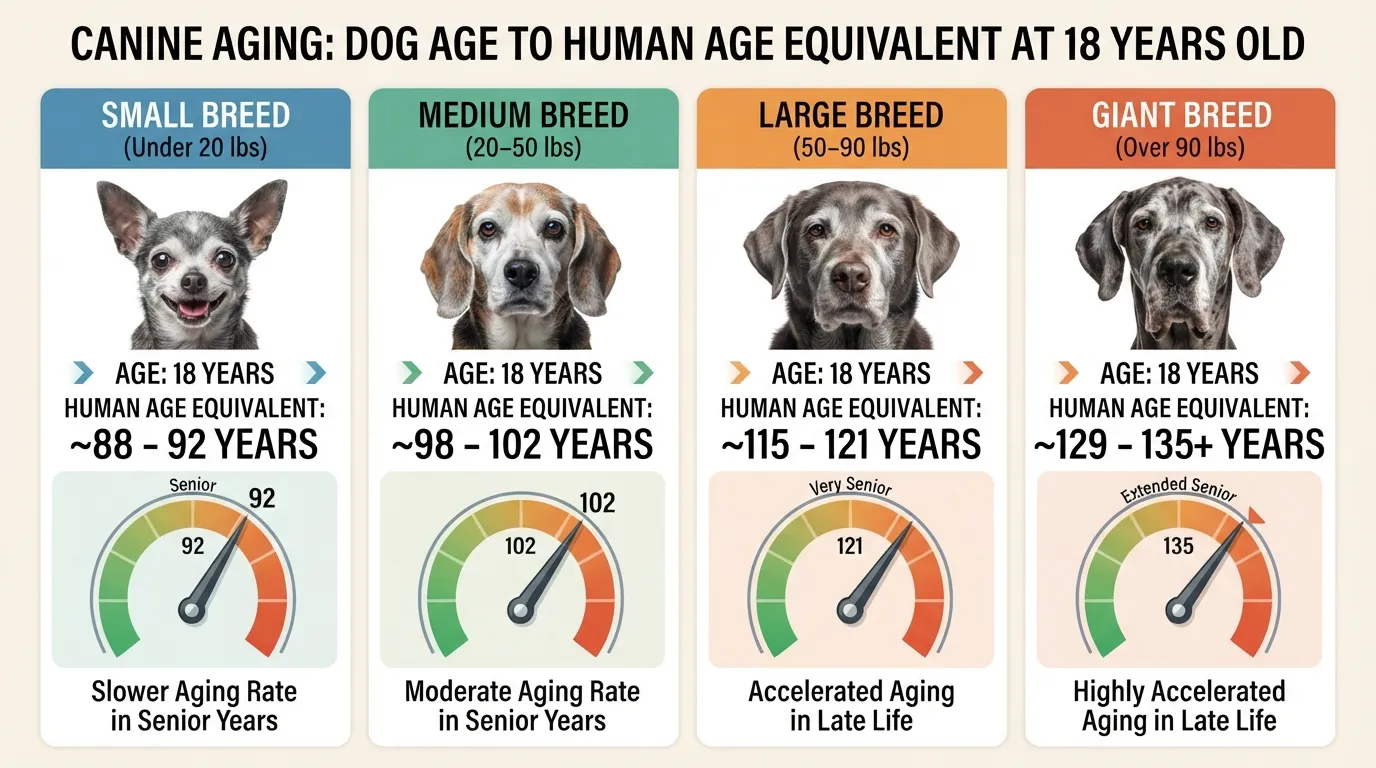
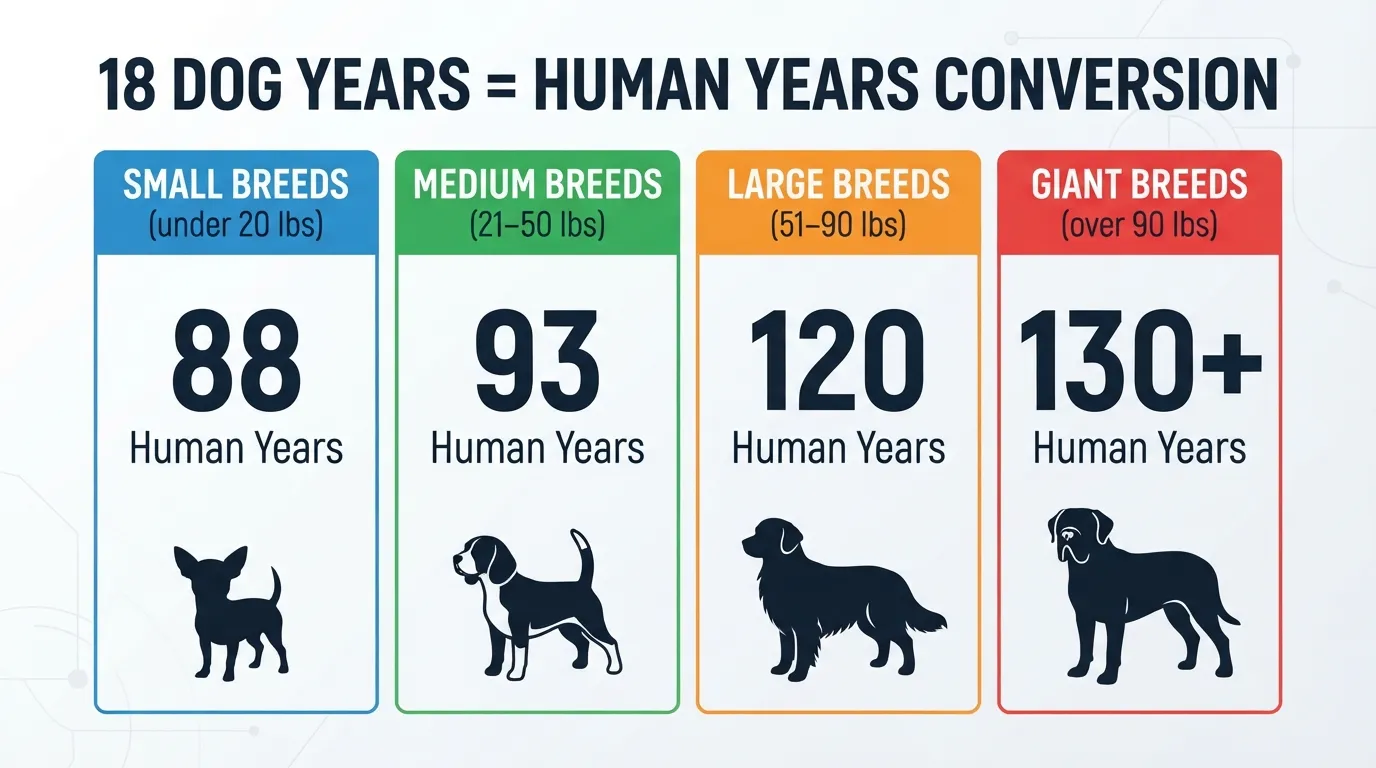
The Australian Cattle Dog Blue Heeler Labrador Retriever mix is generally a hardy, athletic crossbreed with an average lifespan of 12 to 15 years. Thanks to the hybrid vigor often seen in first-generation crosses—and the sturdy longevity of the Australian Cattle Dog parent, which regularly reaches 13 to 15+ years—this mix outlives many purebred dogs of similar medium-to-large size. Providing daily exercise, joint support, and preventative veterinary care ensures your Labraheeler stays active well into their senior years.
Common Health Issues
While mixed breeds tend to inherit a broader genetic pool, an ACD Lab mix can still be susceptible to hereditary conditions common to both parent lines. Responsible breeders test parent dogs through organizations like the Orthopedic Foundation for Animals [EXTERNAL LINK NEEDED: OFA health testing standards] to screen for these conditions before breeding.
Hip & Elbow Dysplasia: Both parent breeds carry risks for abnormal joint development, where the ball and socket don’t fit smoothly together. Over time, this malformation causes painful arthritis, stiffness after exercise, and lameness in the hindquarters or front legs.
Progressive Retinal Atrophy (PRA): A genetic eye disorder causing the gradual deterioration of the retina. It usually starts with night blindness in young adulthood and slowly progresses to complete vision loss, though dogs typically adapt well if their living environment remains consistent.
Epilepsy: Idiopathic epilepsy can appear in both Heelers and Labs, typically surfacing between 1 and 5 years of age. Affected dogs experience unprovoked seizures, which are manageable with long-term daily anticonvulsant medications prescribed by your vet.
Thyroid Dysfunction (Hypothyroidism & Hyperthyroidism): Hypothyroidism (an underactive thyroid) is far more common in dogs, leading to unexplained weight gain, lethargy, cold intolerance, and skin infections. While hyperthyroidism (overactive thyroid) is rare in dogs unless tied to thyroid carcinoma, routine senior blood panels help monitor hormone balances.
Deafness Risk
Congenital hereditary sensorineural deafness is a well-documented genetic trait inherited directly from the Australian Cattle Dog side. This form of deafness is linked to the piebald gene responsible for white coat pigmentation in Heelers. It can affect one ear (unilateral) or both ears (bilateral), and is often present from birth.
If you are getting a puppy, insist on a BAER (Brainstem Auditory Evoked Response) test from the breeder to confirm hearing capability before bringing them home. Unilaterally deaf dogs live completely normal lives without special accommodations, while bilaterally deaf Labraheelers require hand-signal training, vibrating collar cues, and careful leash safety to navigate their environment securely.
Weight Management & Feeding Note
Labrador Retrievers are famous for their endless appetites—partly due to a common genetic mutation in the POMC gene that disrupts brain signals telling them when they are full. If your mix inherits this craving for food combined with the Cattle Dog’s stocky frame, obesity can set in quickly, placing intense pressure on their hips and knees.
Match calorie intake to activity: Highly active working dogs burning energy on hikes or agility courses need roughly 1,200 to 1,600 calories daily (about 2.5 to 3.5 cups of high-protein kibble split into two meals). Older or couch-potato dogs require far less to avoid packing on weight.
Ditch the free-feeding routine: Measure out precise daily meals using a standard measuring cup rather than eyeballing portions, and account for training treats in their daily calorie allowance.
Use the rib test: You should easily feel your dog’s ribs under a thin layer of skin without pressing hard, and see a distinct waistline tucking in behind the ribcage when looking down at them from above.
Grooming & Shedding
Brushing & Coat Care
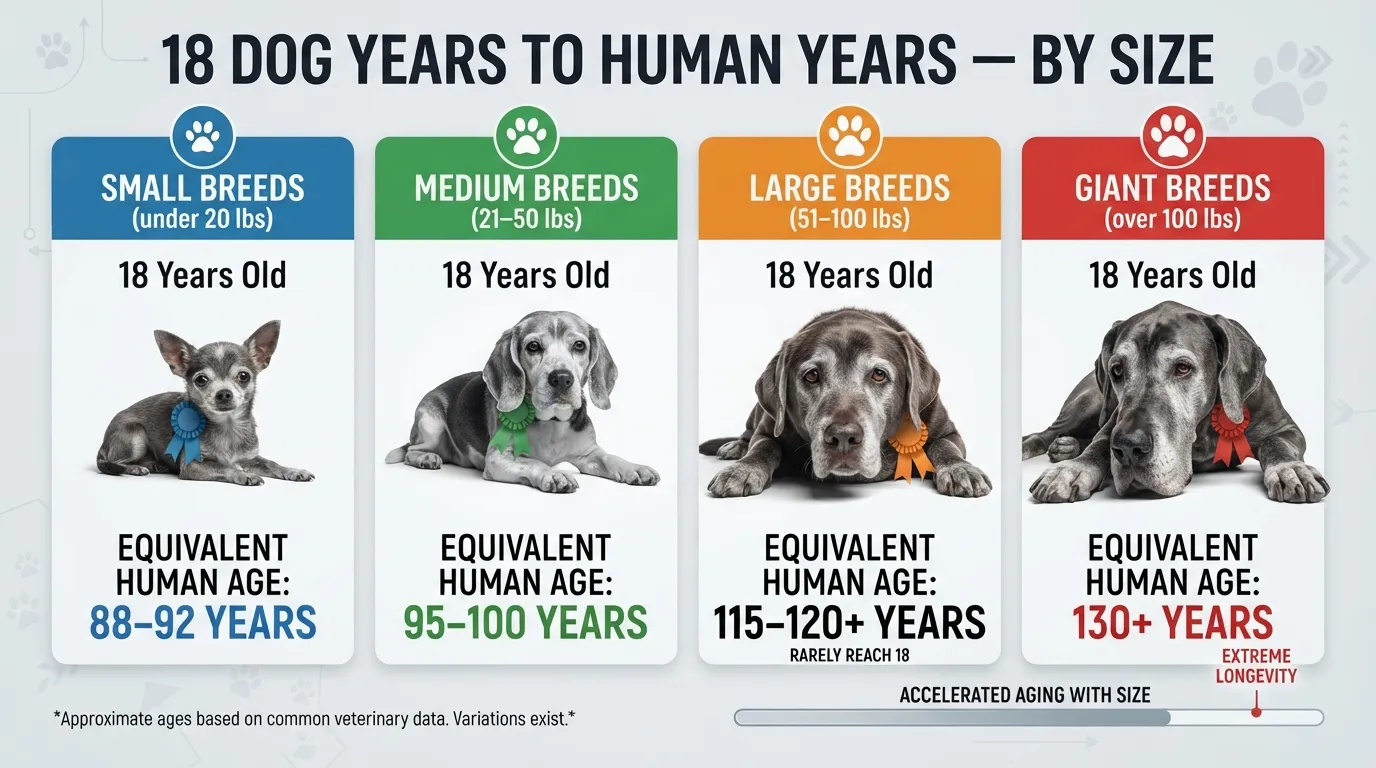
Both the Australian Cattle Dog and the Labrador Retriever carry thick, weather-resistant double coats—meaning your Labraheeler will inherit one too. Their fur consists of a dense, soft undercoat for insulation and a coarser, water-repellent topcoat. Keeping this coat healthy doesn’t require professional grooming haircuts, but it does demand regular maintenance to prevent loose hair from taking over your furniture.
A simple weekly grooming routine keeps their coat in top shape:
Brush 2 to 3 times a week: Use a medium-bristle brush or a rubber curry brush to strip away dead hair, distribute natural skin oils, and clear out dirt after trail runs.
Bathe sparingly: Their weather-resistant coat naturally repels mud once it dries. Limit baths to once every 6 to 8 weeks—or when they roll in something foul—using a gentle, soap-free oatmeal shampoo to avoid stripping their natural coat oils.
Incorporate routine upkeep: Trim their quick-growing nails every 3 to 4 weeks using a heavy-duty dog nail clipper, and brush their teeth several times a week with dog-safe toothpaste to prevent tartar buildup.
Shedding Season Tips
If you’re looking for a low-shedding dog, this crossbreed isn’t it. A Blue Heeler Lab mix sheds moderate amounts year-round, but they “blow coat” twice a year—once in spring as they shed their heavy winter undercoat, and again in autumn as they prepare for cold weather. During these 2- to 4-week seasonal shedding spikes, you will see tufts of undercoat coming out daily.
To manage heavy seasonal shedding without losing your sanity:
Upgrade your brush arsenal: Switch to an undercoat rake or a slicker brush during peak shedding months. These tools reach deep beneath the topcoat to hook and pull out loose undercoat fur before it falls onto your rugs.
Use an undercoat rake outdoors: Take your dog onto the porch or into the yard for daily 10-minute brushing sessions during shedding season so the airborne fur stays out of your house.
Try a high-velocity dog dryer: After a bath, using a high-velocity pet dryer blows out huge amounts of trapped, dead undercoat in minutes, drastically cutting down on indoor shedding.
Ear Cleaning
Depending on which parent breed your puppy takes after, they may inherit upright radar ears from the Heeler, classic drop ears from the Labrador, or something in between. If your mix gets the floppy Labrador ears, their risk for ear infections skyrockets. Drop ears fold down over the ear canal, trapping moisture, heat, and wax—creating the perfect environment for yeast and bacteria to thrive.
Prevent painful ear infections by building a proactive ear care routine:
Check ears weekly: Lift the ear flap to inspect the inner canal. Healthy ears look light pink and clean, while red skin, dark brown buildup, or a sweet/musty odor indicates an early infection or yeast buildup.
Clean after swimming and baths: Moisture is the primary trigger for ear infections in Lab mixes. Whenever your dog goes for a swim or finishes a bath, thoroughly dry the insides of their ears with a soft cotton ball or microfiber cloth.
Use a vet-approved ear cleanser: Squirt a veterinary ear cleaning solution [EXTERNAL LINK NEEDED: VCA ear cleaning guide] into the canal, gently massage the base of the ear for 30 seconds to break up debris, and let your dog shake their head before wiping away excess liquid. Never insert cotton swabs deep into the ear canal.
Getting a Blue Heeler Lab Mix — Cost, Puppies & Adoption
Puppy Cost & Lifetime Cost of Ownership
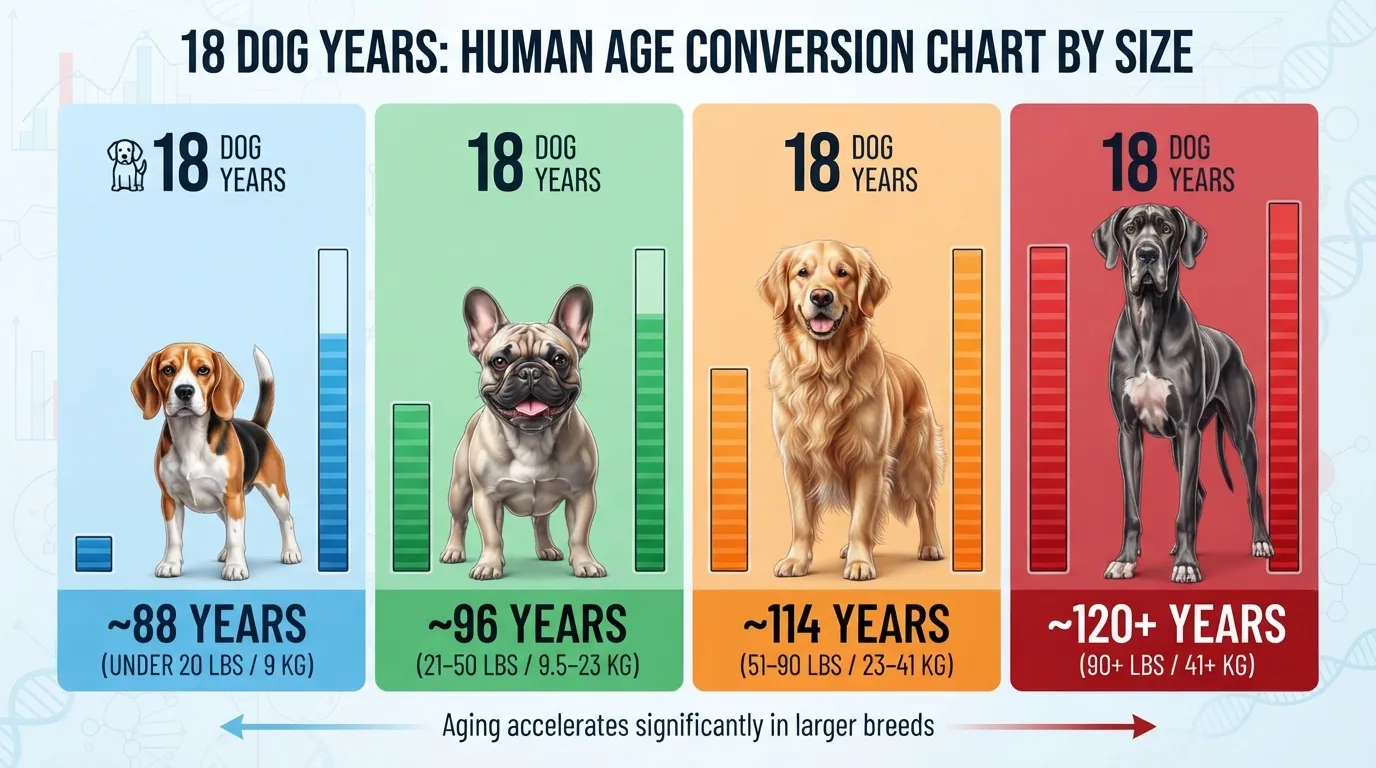
Because the Australian Cattle Dog Blue Heeler Labrador Retriever mix is a crossbreed rather than a standardized, kennel-club-registered purebred, initial purchase prices stay relatively accessible. However, factoring in first-year setup expenses alongside recurring medical, dietary, and activity supplies is essential for long-term budgeting.
| Expense Category | Estimated Cost | Details & Context |
|---|---|---|
| Initial Acquisition | $150 – $800 | Adoption fees from rescues run $150–$400; mixed puppy prices from private rehoming run $300–$800. |
| First-Year Essentials | $450 – $800 | Heavy-duty crate, crate pad, chew-proof leash/harness set, stainless bowls, grooming brushes, and high-value training gear. |
| Initial Vet & Preventatives | $350 – $700 | Puppy vaccination series, spay/neuter surgery, microchipping, and initial heartworm/flea/tick prevention. |
| Annual Food & Treats | $500 – $900 | High-protein kibble formulated for active medium/large dogs (approx. 30–45 lbs of food monthly). |
| Annual Vet & Preventatives | $300 – $600 | Annual wellness checkup, core vaccine boosters, routine bloodwork, and year-round parasite preventatives. |
| Toys & Mental Enrichment | $100 – $250 | Heavy-duty rubber toys (KONGs, Goughnuts), herding balls, and puzzle feeders to satisfy working drive. |
| Estimated Lifetime Total | $12,000 – $20,000 | Over a typical 12- to 15-year lifespan, including routine gear replacement and minor medical care. |
Pros and Cons of Owning a Blue Heeler Lab Mix
Pros
Unmatched Outdoor Companion: Their built-in stamina and athletic build make them ideal partners for long-distance trail running, multi-day backpacking trips, and demanding dog sports like agility or dock diving.
Sharp, Quick-Learning Mind: Inheriting top-tier working intelligence from both parent lines means they master obedience commands fast and thrive on complex puzzle games or job-based training.
Fiercely Devoted Family Protector: They form an intense, protective bond with their immediate household, blending the affectionate warmth of a Retriever with the watchful alertness of a Cattle Dog.
Hardy Health Profile & Strong Longevity: Thanks to hybrid vigor and sturdy parentage, this mix frequently enjoys a long, energetic life spanning 12 to 15 years with fewer purebred genetic bottlenecks.
Cons
Relentless Energy Demands: They require a non-negotiable 60 to 90 minutes of high-intensity physical and mental exercise daily; otherwise, they quickly channel bored energy into destructive chewing, pacing, or digging.
Strong Herding Instincts: Their hardwired drive to control moving targets often leads to ankle-nipping or chasing running children and smaller household pets if not carefully managed and redirected early.
High Potential for Separation Anxiety: Combining a Heeler’s velcro-like attachment with a Lab’s social nature means they struggle when left alone for long stretches, often leading to frantic alert barking or escape attempts.
Heavy Seasonal Shedding: Their thick double coat drops loose fur year-round and completely blows out twice a year, requiring consistent brushing and vacuuming to manage the hair.
Watch: Blue Heeler Lab Mix in Action (Video Guide)
Reading about a Blue Heeler Lab mix is one thing, but seeing their athletic build, expressive coat markings, and high-octane energy in motion gives you a far better sense of what to expect in real life. These videos highlight real Labraheelers showing off their physical traits, intelligence during obedience work, and playful social dynamics.
An overview of the Labrador Cattle Dog's physical build, distinct coat patterns, and signature high-energy personality.
Watch Revan, a young Blue Heeler Lab mix, work through a professional board-and-train program to channel his high working drive into structured commands.
A look at the athletic play style and energetic social dynamics typical of Cattle Dogs and Labradors during outdoor play.
Australian Cattle Dog vs Labrador Retriever vs the Mix
When you cross an Australian Cattle Dog with a Labrador Retriever, you get a hybrid—often called a Labraheeler—that sits right in the middle of two distinctly different working dogs. The Blue Heeler is a intense, ultra-focused herder built for stamina and sharp decision-making. The Labrador is a friendly, eager-to-please gun dog engineered for retrieving, water work, and social adaptability.
Your ACD Lab mix inherits a blend of these genetics. They typically tone down the Heeler’s sharp, suspicious edge with the Lab’s gentle, forgiving nature. However, they also combine the high working drive of both breeds, meaning this mix is rarely a couch potato. Understanding how the individual parent breeds compare to the cross helps set realistic expectations for your home.
Side-by-Side Comparison Table (size, energy, trainability, grooming, kid-friendliness, bark level)
| Feature | Australian Cattle Dog (Blue Heeler) | Labrador Retriever | Australian Cattle Dog Lab Mix (Labraheeler) |
|---|---|---|---|
| Height | 17–20 inches | 21.5–24.5 inches | 18–22 inches |
| Weight | 35–50 lbs | 55–80 lbs | 40–65 lbs |
| Energy Level | Extremely High; intense physical & mental drive | High; enthusiastic, athletic, loves active play | High to Very High; requires 60–90 min daily exercise |
| Trainability | High; independent thinker, stubborn if challenged | Exceptional; eager to please, highly motivated by food/praise | High; smart and fast-learning, benefits from clear boundaries |
| Grooming Needs | Low-Moderate; dense double coat, seasonal blowout | Moderate; dense water-resistant double coat, heavy shedding | Moderate; weekly brushing, heavy shedding twice a year |
| Kid-Friendliness | Moderate; cautious with strangers, strong herding/nipping instinct | Excellent; patient, tolerant, naturally social with children | Good to Excellent; softer than a Heeler, but needs early social training |
| Vocal / Bark Level | Moderate to High; sharp, piercing bark used to control movement | Low to Moderate; alerts to intruders, generally quiet indoors | Moderate; may alert bark or vocalize when bored or playing |
| Height | 17–20 inches |
| Weight | 35–50 lbs |
| Energy Level | Extremely High; intense physical & mental drive |
| Trainability | High; independent thinker, stubborn if challenged |
| Grooming Needs | Low-Moderate; dense double coat, seasonal blowout |
| Kid-Friendliness | Moderate; cautious with strangers, strong herding/nipping instinct |
| Vocal / Bark Level | Moderate to High; sharp, piercing bark used to control movement |
| Height | 21.5–24.5 inches |
| Weight | 55–80 lbs |
| Energy Level | High; enthusiastic, athletic, loves active play |
| Trainability | Exceptional; eager to please, highly motivated by food/praise |
| Grooming Needs | Moderate; dense water-resistant double coat, heavy shedding |
| Kid-Friendliness | Excellent; patient, tolerant, naturally social with children |
| Vocal / Bark Level | Low to Moderate; alerts to intruders, generally quiet indoors |
| Height | 18–22 inches |
| Weight | 40–65 lbs |
| Energy Level | High to Very High; requires 60–90 min daily exercise |
| Trainability | High; smart and fast-learning, benefits from clear boundaries |
| Grooming Needs | Moderate; weekly brushing, heavy shedding twice a year |
| Kid-Friendliness | Good to Excellent; softer than a Heeler, but needs early social training |
| Vocal / Bark Level | Moderate; may alert bark or vocalize when bored or playing |
Real Owner Experiences

Community Insights and Common Owner Observations
Spend any time in rescue groups or online forums like Reddit’s r/AustralianCattleDog, and you’ll notice a distinct trend among people raising an Australian Cattle Dog Blue Heeler Labrador Retriever mix. Owners almost unanimously describe this cross as an intensely loyal “velcro” companion—a dog that physically glues itself to your hip and insists on being in whichever room you occupy.
The “Velociraptor” Puppyhood: Between 4 and 18 months, the mix of Heeler mouthiness and Lab puppy energy tests your patience. Owners frequently report mouthy behavior, ankle-nipping during play, and relentless attempts to herd family members.
The Age 2 “Mallow” Shift: Most owners agree that around the two-year mark, your Labraheeler settles into a far more manageable daily rhythm. They transition from constant, frenetic hyperactivity to being content with 45–60 minutes of focused exercise followed by long couch naps.
The Food Motivation Hack: While purebred Heelers can sometimes be stubborn or indifferent to treats during training, the Labrador genetic inheritance usually brings a massive drive for food. Owners find that using high-value treats makes teaching basic obedience and impulse control remarkably fast.
Wary Stranger Guarding: Unlike a typical Golden or Lab that loves every stranger on sight, the ACD Lab mix often retains the Heeler’s watchful eye. They aren’t inherently aggressive, but they usually alert bark at the doorbell and take a few minutes to observe visitors before inviting pets.
Living with a Blue Heeler Labrador mix means embracing a dog that takes its “job” as your personal shadow seriously. When you channel their intellect into daily fetch sessions, puzzle toys, and clear routine boundaries, owners consistently report having one of the most trainable, affectionate, and capable companions they’ve ever owned.
FAQs
Are Blue Heeler Lab mix good dogs?
Yes, the Blue Heeler Lab mix makes an exceptional companion for the right household. They combine the fierce, “velcro-dog” loyalty of the Cattle Dog with the eager-to-please, goofy nature of the Labrador. However, their definition of “good” depends entirely on your lifestyle. Because they are working hybrids, they need at least 60 minutes of daily exercise and consistent mental stimulation to prevent destructive chewing or digging.
What is a Blue Heeler Lab mix called?
This crossbreed goes by a few different designer nicknames. The most widely accepted term is the Labraheeler. Depending on the breeder or rescue organization, you will also see them listed as an ACD Lab mix, a Cattleador, or simply a Blue Heeler Labrador mix.
What is an Australian Cattle Dog mixed with a Labrador Retriever?
An Australian Cattle Dog mixed with a Labrador Retriever is a hybrid working dog designed to blend two very different canine skill sets. Breeders typically cross these dogs to soften the Heeler’s intense herding drive and natural suspicion of strangers with the Lab’s outgoing, highly adaptable temperament. The result is a rugged, athletic dog that is slightly more easygoing than a purebred Cattle Dog.
How big will a Blue Heeler Lab mix get?
You can expect a fully grown Labraheeler to weigh between 40 and 65 pounds, standing 18 to 22 inches tall at the shoulder. Females generally stay on the lighter end of that scale (around 40 to 50 pounds). Males can easily push past 60 pounds, especially if they inherit the Labrador Retriever’s broader chest and blockier skull structure.
Do Blue Heelers bark a lot?
Purebred Blue Heelers are moderately vocal, often using a sharp, piercing bark to control stubborn livestock or alert owners to territory breaches. When mixed with a Lab, this vocal tendency usually mellows out. Your ACD Lab mix will absolutely alert bark when the Amazon delivery driver pulls into the driveway, but they rarely develop into nuisance barkers as long as you keep them physically active.
Is a Labraheeler hypoallergenic?
No, the Labraheeler is far from hypoallergenic. Both the Labrador and the Cattle Dog possess thick, weather-resistant double coats. Your mix will shed consistently year-round, leaving hair on your furniture and floors. They also go through a massive seasonal blowout twice a year (spring and fall) where they drop their undercoat in heavy clumps.
How long do Labraheelers live?
A healthy Australian Cattle Dog Blue Heeler Labrador Retriever mix generally lives between 10 and 14 years. Because they benefit from hybrid vigor—the expanded gene pool that comes from crossing two different breeds—they often bypass some of the closed-line genetic issues found in purebreds. Keeping your dog at a lean, athletic weight is the single best way to protect their joints and maximize that lifespan.
Conclusion — Is This Mix Right for You?
Quick Decision-Helper Summary
Bringing an Australian Cattle Dog Blue Heeler Labrador Retriever mix into your home isn’t just adopting a dog—it’s taking on an active partner. The Labraheeler shines best with owners who thrive on outdoor activities, structure, and daily engagement.
This mix is ideal for you if:
You want a loyal, highly intelligent companion who follows you everywhere.
You have an active lifestyle and can commit to 60+ minutes of daily exercise and brain games.
You want a capable dog for hiking, running, agility, or working on a farm.
You don’t mind heavy shedding and regular grooming upkeep.
You should pass on this mix if:
You work long hours away from home and want a low-maintenance, quiet dog.
You live in a strict, high-density apartment with limited access to outdoor space.
You are unprepared to handle strong working-breed instincts like nipping, herding, or alert barking.
Ready to Welcome a Labraheeler?
If you have the time, energy, and dedication to guide this high-drive hybrid, you’ll gain one of the most devoted, talented, and versatile dogs on the planet. Start by checking local shelters and breed-specific rescues—many Cattle Dog and Labrador rescues frequently have these wonderful mixes looking for their forever homes.
🐾 Other Age Guides

I built Dogagescalculator.com to give dog owners honest, science-backed answers instead of the outdated "×7" myth. Every figure here is checked against AKC, AVMA, and published veterinary research.
More about the author & this site →
Comments