
How Long Do Chihuahuas Live in Human Years? Complete 2026 Guide
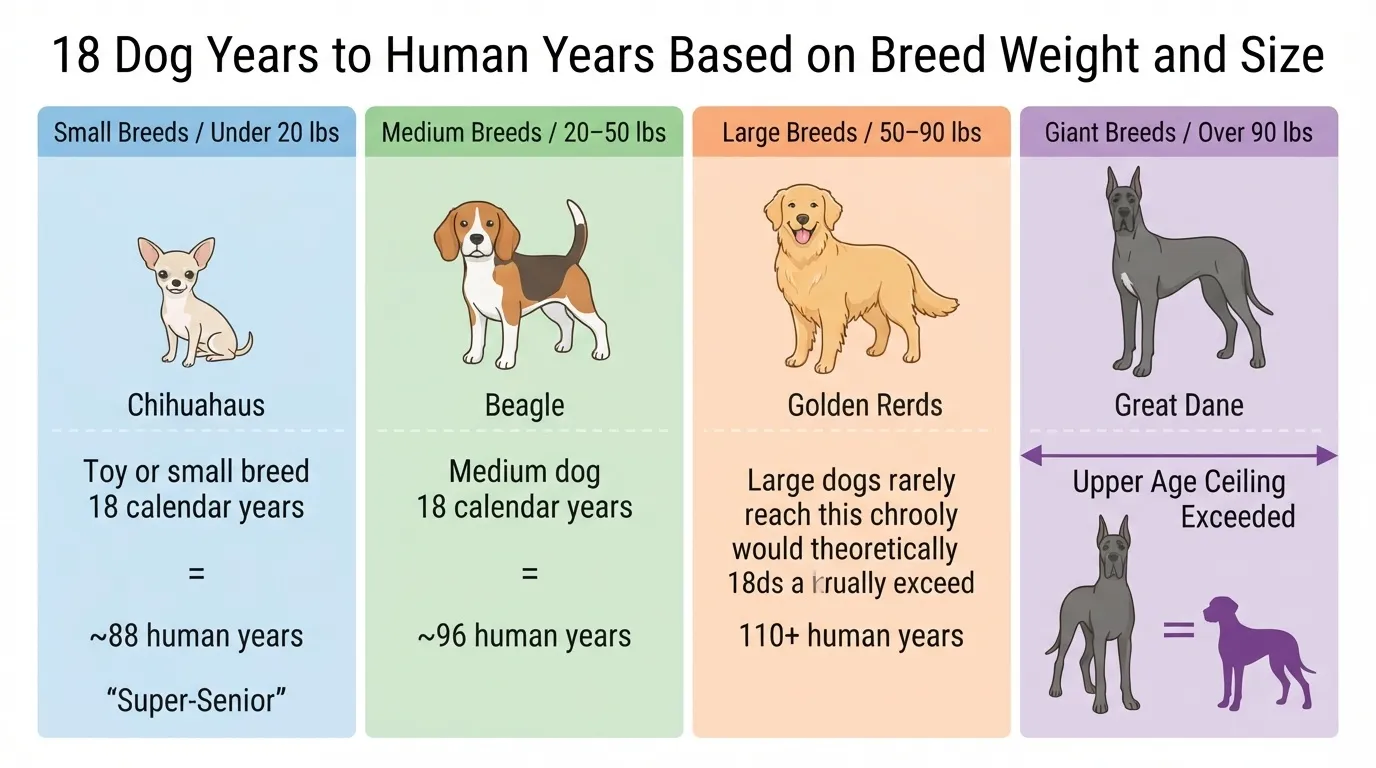
If you’re wondering about Chihuahua years to human years, there is no simple 7-to-1 conversion. Chihuahuas are a small breed that generally age quickly during their first two years and more slowly later in life.
A Chihuahua that is 11 years old is roughly comparable to a human in their 60s, while older Chihuahuas can reach human-age equivalents well beyond 70 or 80 years. The exact comparison depends on the dog’s age, size, breed characteristics, and overall health.
In this guide, you’ll learn how to calculate your Chihuahua’s age in human years, see a simple age chart, and understand what different life stages mean for your dog’s health and care.
Quick Answer
Chihuahua age in human years: The old “multiply by 7” rule is not accurate. A Chihuahua’s human-age equivalent changes significantly with age, especially during the first two years.
For example:
| Chihuahua Age | Approx. Human Age |
|---|---|
| 1 year | ~15 years |
| 2 years | ~24 years |
| 5 years | ~36 years |
| 10 years | ~56 years |
| 11 years | ~60 years |
| 14 years | ~72 years |
| 16 years | ~80 years |
| 18 years | ~88 years |
Important: These are approximate life-stage comparisons, not exact biological ages. Individual Chihuahuas can age differently because of genetics, health, nutrition, and lifestyle.
Chihuahua Lifespan at a Glance
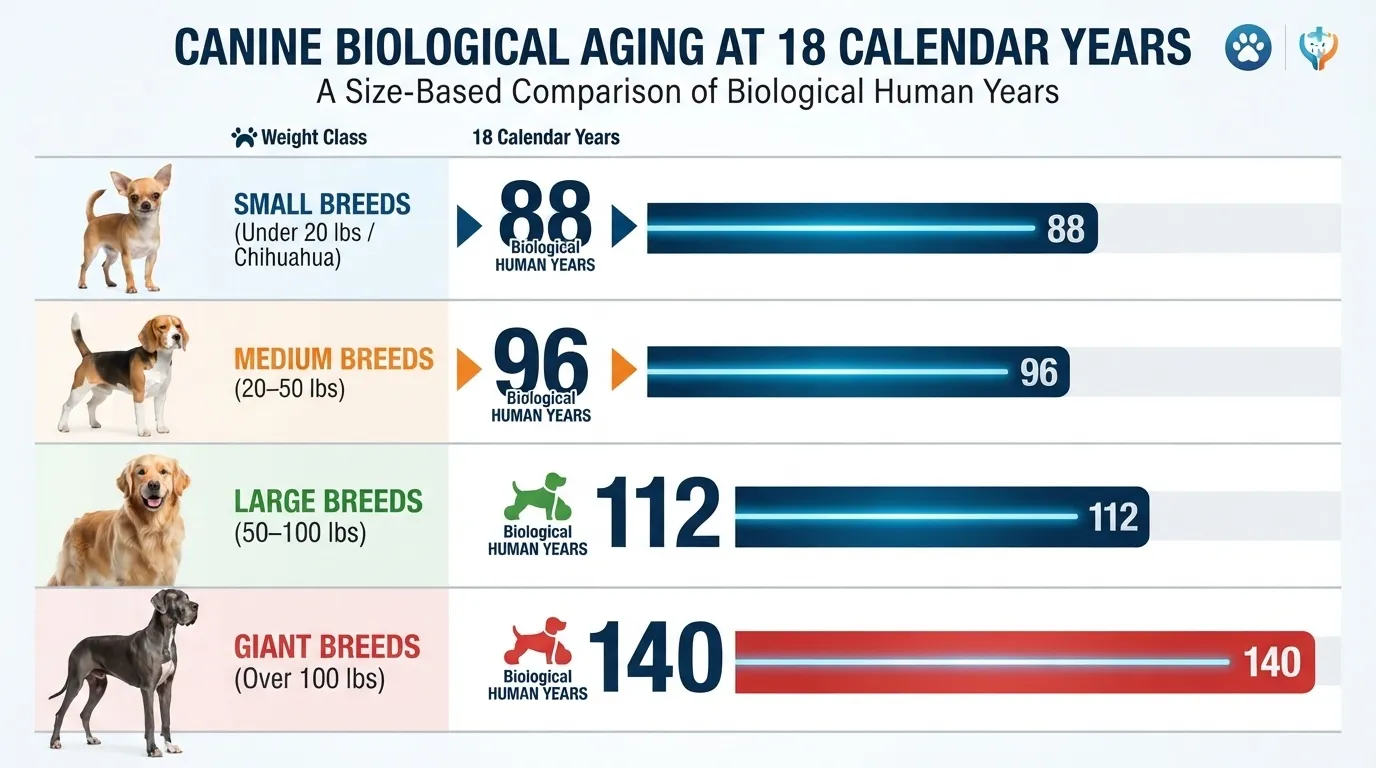
Chihuahuas typically live between 14 to 16 years, though it is not uncommon for healthy individuals to reach 18 or even 20 years of age. In human terms, a Chihuahua’s average lifespan translates to roughly 72 to 86 human years, making them one of the longest-living dog breeds in the world.
Here is a quick breakdown of their baseline longevity metrics:
Average Lifespan: 14–16 years (frequently stretching to 18–20 years with proper care).
Equivalent Human Age: Approximately 72–86 years at the end of their typical life expectancy.
Official Senior Status: Chihuahuas enter their senior years much later than larger breeds, usually around 10 to 11 years old.
The Record Holder: The oldest reliably recorded Chihuahua was “Megabyte,” who passed away in 2014 at the incredible age of 20 years and 265 days.
Because their biological aging process slows down dramatically after their first two years, standard “seven dog years for every human year” formulas simply do not apply to this breed. To see exactly how your own dog’s age translates based on current small-breed canine science, you can plug their age into a specialized dog age calculator tool to get an accurate, real-time calculation.
Chihuahua Age to Human Years – The Calculation Method
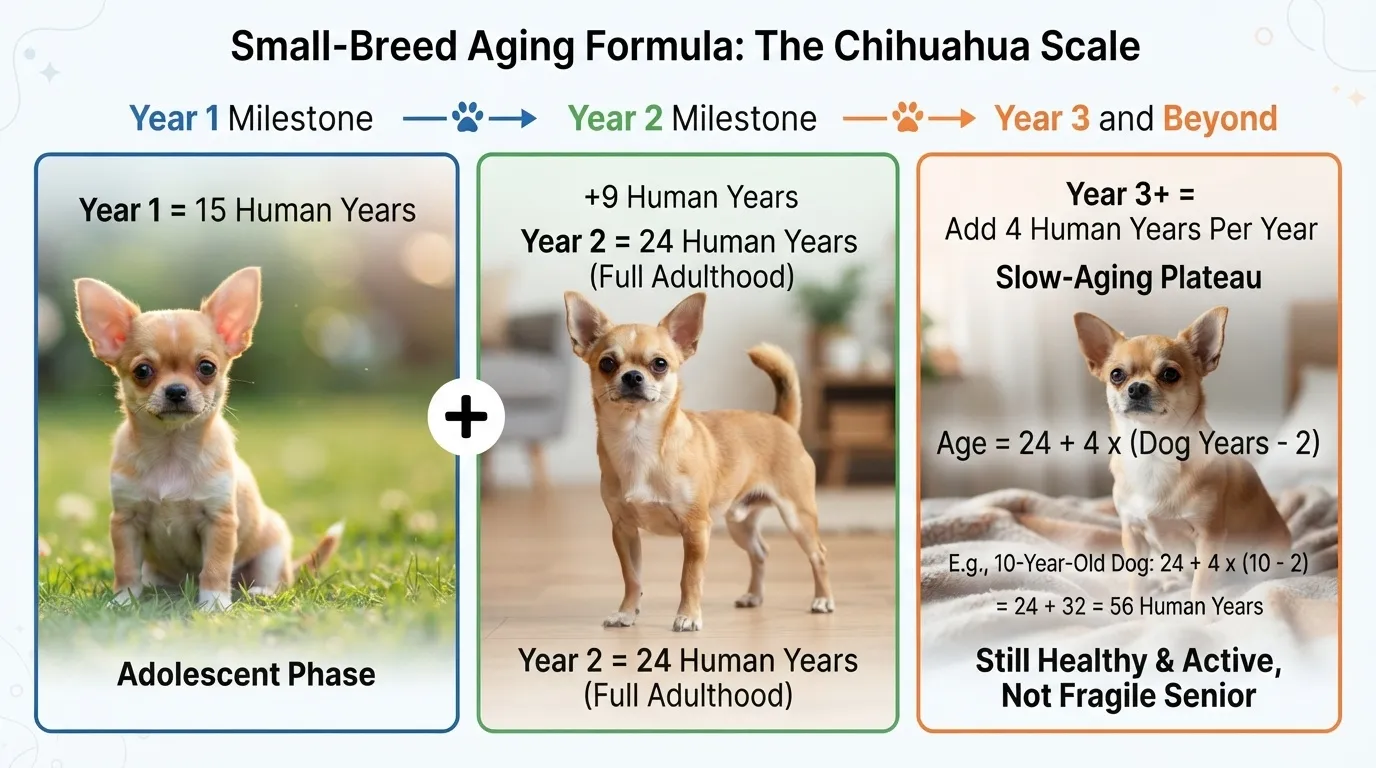
Traditional “multiply by 7” rules do not accurately reflect how small breeds age. Modern veterinary science shows that Chihuahuas mature rapidly during their first two years, but their biological aging slows down significantly for the rest of their lives.
Here is the precise mathematical breakdown used by veterinarians to calculate a small breed’s true biological age:
Year 1 (Juvenile Stage): Equals 15 human years (Rapid growth and skeletal maturity)
Year 2 (Adult Stage): Adds 9 human years (Total: 24 human years)
Year 3 and Beyond (Annual Aging): Adds just 4 human years for every calendar year
Why This Formula Matters
Because of this unique, non-linear growth curve, a 10-year-old Chihuahua is biologically equivalent to a 56-year-old human—not the 70-year-old senior that traditional calculations would lead you to believe.
This dramatic deceleration of cellular aging after their second year is the primary reason why tiny breeds routinely outlive larger dogs. By understanding this specific timeline, you can better align your dog’s changing nutritional and life-stage care with their actual biological needs.
How This Is Different From the "1 Dog Year = 7 Human Years" Myth
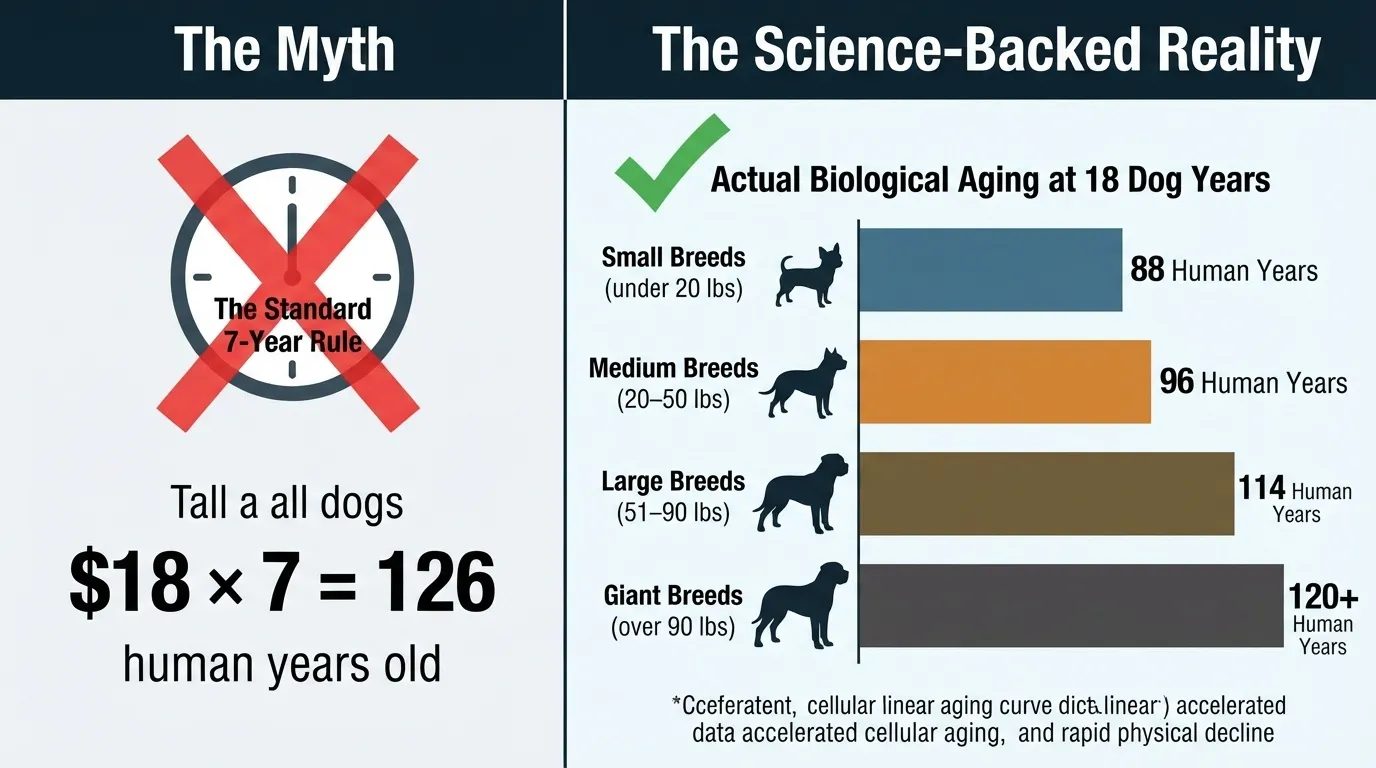
The traditional “one dog year equals seven human years” rule is a statistical myth that traces back to the mid-20th century, created simply by dividing average human life expectancy by average canine longevity. Modern veterinary science completely rejects this linear model because dogs do not age at a steady, predictable pace throughout their lives.
A Chihuahua reaches near-full skeletal maturity and reproductive capability by 12 months, which aligns with human adolescence (15 years old), not a 7-year-old child. Conversely, once they cross the age of two, their cellular aging slows down dramatically. If the 7-year myth were true, a 15-year-old Chihuahua would be 105 in human terms, but biologically, their organ function and cellular health more closely mirror a human in their mid-70s.
Why Do Sources Give Different Lifespan Numbers? 12–18 vs 14–16 vs 20+
When researching how long Chihuahuas live, you will encounter wildly varying ranges across major pet portals—some quote 12–18 years, others narrow it to 14–16 years, and forum threads frequently claim milestones of 20 or more. These discrepancies exist because different sources pull from different data pools, combining broad veterinary insurance statistics with self-reported owner anecdotes.
The wider 12–18 year estimate generally accounts for the global population, factoring in various congenital issues and varying qualities of veterinary care. The tighter 14–16 year window represents the median baseline often cited by organizations like the American Kennel Club (AKC) for a healthy, well-bred dog. Exceptional cases of Chihuahuas reaching 20 or older are entirely real, but they represent the upper statistical ceiling—exceptions driven by a perfect storm of genetics, dental health, and pristine care rather than the baseline norm.
Purebred vs Mixed Breed Data
Data from large-scale epidemiological studies shows a distinct shift in longevity trends when comparing purebred Chihuahuas to “Chigi” or “Chipoo” mixes. Purebred Chihuahuas benefit from predictable size and traits, but they carry a higher genetic predisposition to specific breed-related conditions like mitral valve disease (a degenerative heart issue) and luxating patellas (floating kneecaps).
Mixed breed Chihuahuas often benefit from a biological concept known as hybrid vigor, which occurs when a wider gene pool reduces the expression of recessive, harmful genetic mutations. When a Chihuahua is crossed with another small, long-lived breed, the resulting offspring frequently show improved resilience against specific inherited diseases, pushing their average life expectancy toward the higher end of the standard breed spectrum.
Indoor vs Outdoor Lifestyle Impact
The physical environment plays a massive role in where a Chihuahua falls within those conflicting lifespan statistics. Because of their tiny size—often weighing just 2 to 6 pounds—and their thin coats, Chihuahuas are uniquely poorly equipped for unsupervised outdoor living.
| Lifestyle Factor | Impact on Chihuahua Longevity |
| Strictly Indoor | Eliminates predation risks, prevents hypothermia/heatstroke, lowers parasitic loads, and ensures rapid identification of subtle illness signs. |
| Outdoor/Unsupervised | Drastically reduces life expectancy due to high vulnerability to predators (including hawks and stray dogs), accidental trauma, and extreme weather stress. |
Which Number We Follow Transparency
For our calculations and guides, we do not lean on extreme statistical outliers or overly optimistic maximums. We base our data models on the widely accepted veterinary consensus of 14–16 years as the realistic, healthy baseline for the breed.
We choose this range because it aligns with large-scale clinical data from the American Veterinary Medical Association (AVMA) and real-world clinical data from major companion animal hospital networks. By tracking this standard median, our dog age calculator tool provides you with a realistic, science-backed framework to monitor your dog’s life stages, nutritional demands, and senior screening milestones accurately.
Why Do Chihuahuas Live So Long? The Science Explained
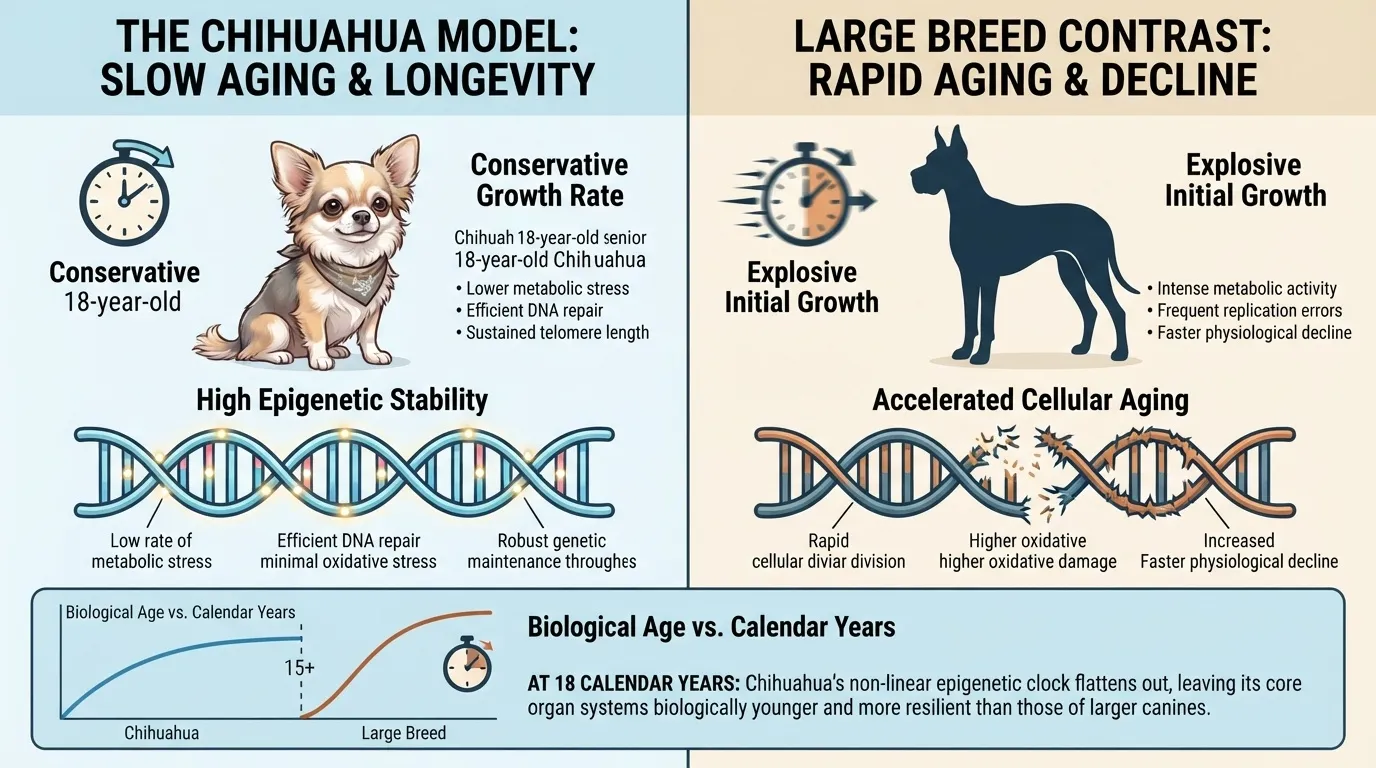
It is an established rule across the animal kingdom that larger mammals (like elephants and whales) outlive smaller ones (like mice). However, domestic dogs completely flip this rule on its head: small breeds live significantly longer than large ones. Because Chihuahuas sit at the absolute smallest end of the canine size spectrum, they possess unique biological advantages that allow their cells to resist the wear and tear of time far better than a Great Dane or a Labrador.
Small Size, Slower Aging
The fundamental reason a Chihuahua can live up to 16 or even 20 years boils down to their rate of cellular growth. Large dog breeds grow from tiny puppies into 100-pound adults in just a little over a year, forcing their cells to divide at an unnaturally rapid pace. This explosive growth rate triggers high oxidative stress and accelerated cellular damage within their tissues.
Because large dogs age at an accelerated physiological pace, their bodies wear out faster, making them highly susceptible to early-onset developmental diseases and age-related cancers. Chihuahuas, on the other hand, experience a slow, steady, and conservative growth trajectory. Their cells divide at a controlled pace, resulting in far fewer genetic copy errors over time, which preserves their organ function well into their second decade.
UC San Diego Epigenetic Study Reference
This unique pacing of canine aging was brilliantly mapped out in a landmark 2020 study conducted by researchers at the University of California, San Diego (UCSD). Led by geneticist Trey Ideker, the study focused on analyzing “epigenetic clocks”—specifically tracking chemical modifications called methyl groups that attach to a dog’s DNA over time. By measuring these DNA methylation patterns, scientists could pinpoint exactly how fast a dog’s genome ages compared to a human genome.
The UCSD research confirmed that canine aging is non-linear. While a small dog or puppy matures incredibly fast during the first year or two of life to achieve reproductive adulthood, their chemical aging curve flattens out dramatically right afterward. For a tiny breed like the Chihuahua, this plateau means that after their initial development, their genetic clock merely ticks along at a slow, stable rate. This groundbreaking epigenetic data provides the exact mathematical foundation behind our dog age calculator tool, proving that your senior Chihuahua’s cells are genuinely biologically younger than those of a larger dog born on the exact same day.
Chihuahua Life Stages Explained Puppy to Senior
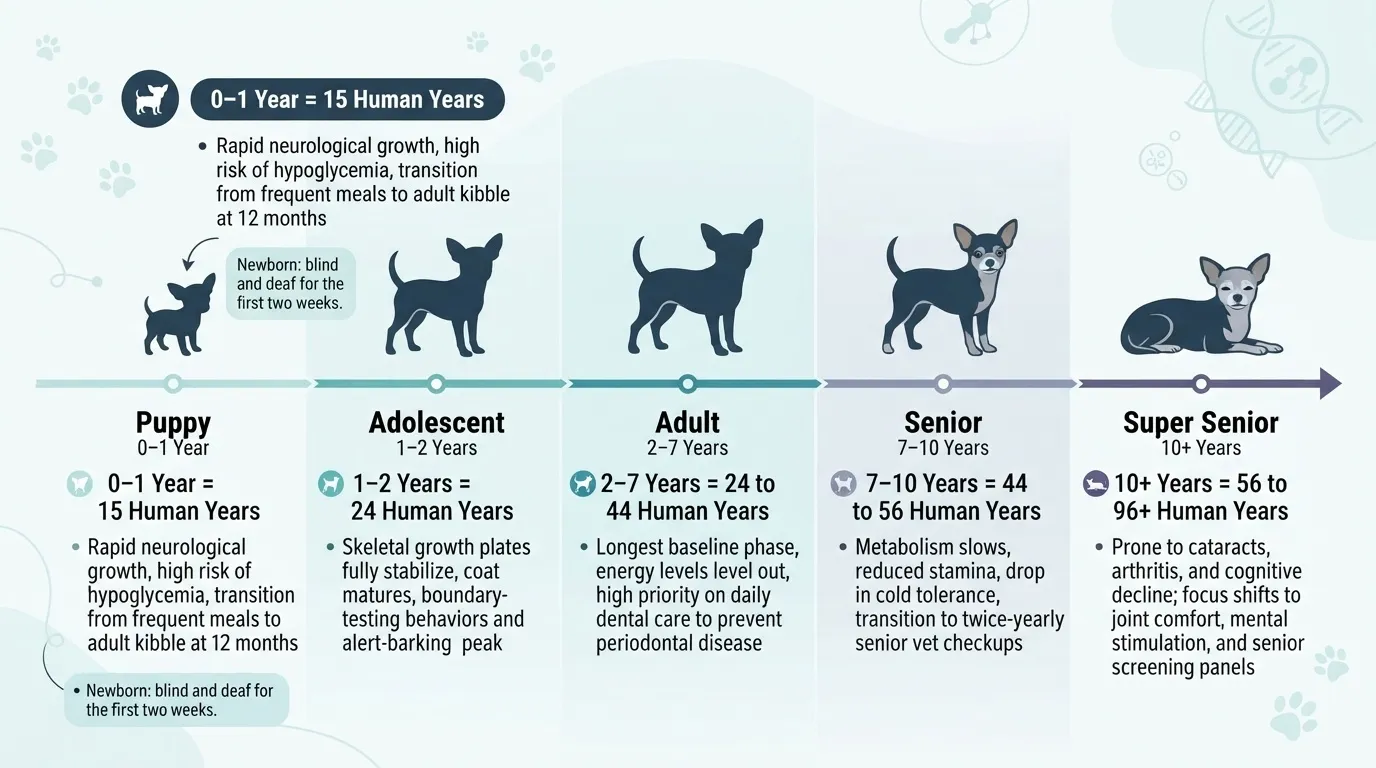
Every dog transitions through distinct physical and behavioral shifts as they age, but a Chihuahua compresses and extends these milestones in a way that is unique to ultra-small breeds. Understanding these shifts helps you align your care, nutrition, and veterinary checkups with their true biological needs.
Puppy 0–1 year
Newborn Note: During their first two weeks, blind and deaf Chihuahua puppies rely entirely on maternal warmth and milk, weighing just a few ounces at birth.
Between two and four months, a rapid burst of neurological development occurs, making early socialization critical to prevent the breed’s natural tendency toward nervous or protective behaviors. Because of their tiny stomachs and incredibly high metabolic rates, puppies in this stage are highly prone to hypoglycemia (a sudden, dangerous drop in blood sugar), requiring small, frequent meals throughout the day. By the time they reach their first birthday, their growth plates close, meaning they have officially achieved full adult skeletal height and have reached the human developmental equivalent of 15 years old.
Adolescent 1–2 years
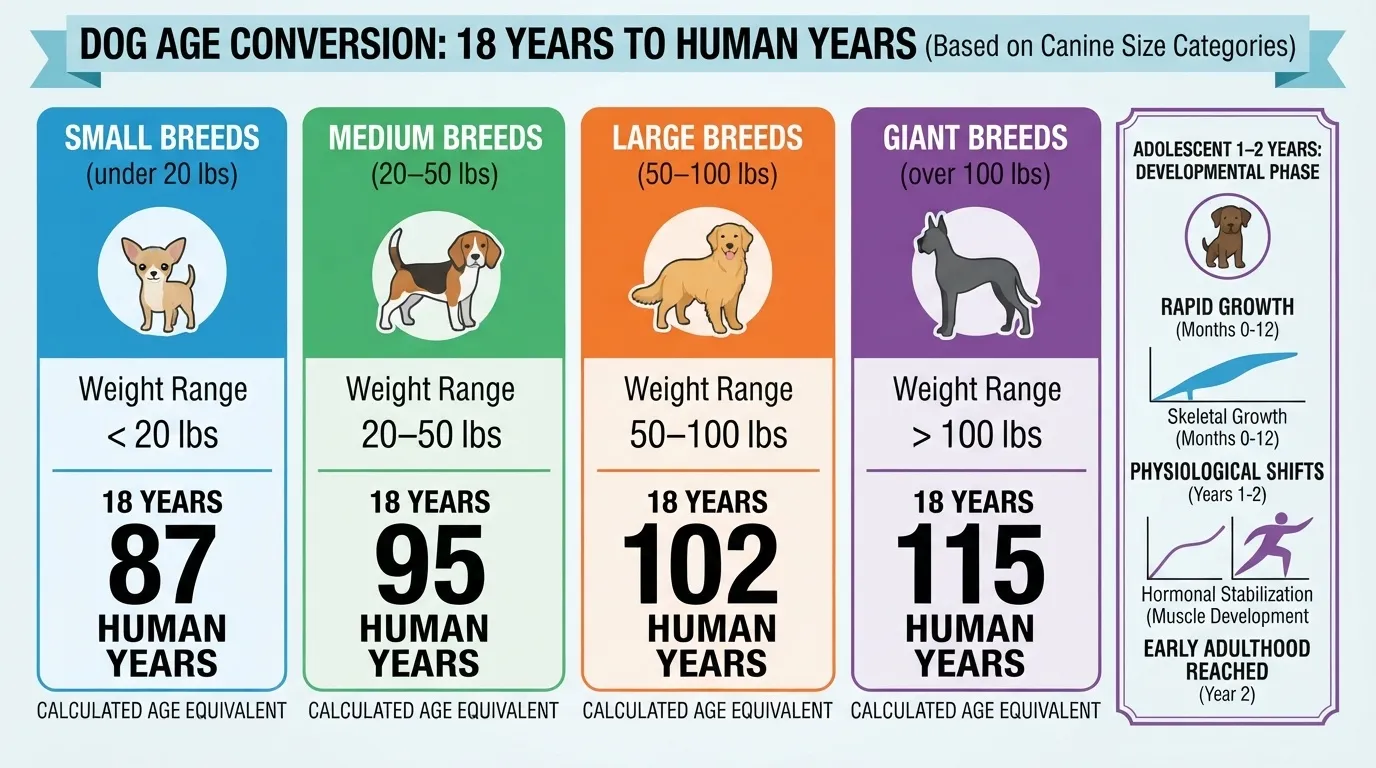
During the adolescent phase, your Chihuahua reaches sexual maturity and transitions into a young adult, moving from 15 to 24 human years in a short 12-month span. Behaviorally, this is often the most challenging stage, as boundary-testing, territorial instincts, and vocal alert-barking tend to peak. Physically, while they won’t get any taller, their chest fills out, their adult coat settles in, and their growth plates fully stabilize, meaning you can safely transition them from calorie-dense puppy kibble to standard adult food.
Adult 2–7 years
The adult years represent the longest, most stable baseline of your Chihuahua’s life, spanning the human equivalents of 24 to 44 years. During this prime window, your dog’s energy levels, personality, and physical health level out into a predictable routine, provided they maintain a healthy weight. The primary health focus shifts almost entirely to preventative maintenance—specifically strict dental care, as a staggering 80% of small breeds show signs of periodontal disease by age three, which can damage their heart and kidneys if left unchecked.
Senior 7–10 years
At age seven, a Chihuahua officially crosses the veterinary threshold into the senior life stage, which mirrors a human entering their mid-40s and 50s. You might notice subtle behavioral shifts during these years, such as a slight drop in overall stamina, longer nap times, and a lower tolerance for cold temperatures or hectic households. This is the critical window to transition them to a senior-specific diet and increase veterinary checkups to twice a year, focusing on baseline bloodwork to catch early signs of kidney issues or heart murmurs before symptoms appear.
Super Senior 10+ years
Crossing the double-digit mark pushes a Chihuahua into the “Super Senior” or geriatric category, mapping to 56 to 96+ human years. Despite their advanced numerical age, many Chihuahuas remain incredibly alert and loving in this phase, though they frequently develop age-related conditions like cataracts, arthritis, or cognitive decline. Keeping their mind active with gentle puzzle toys, protecting their joints with ramps, and tracking their changing life stages using our dog age calculator tool will help you adapt their comfort care to maximize these precious twilight years.
Frequently Asked Questions
A 10-year-old Chihuahua is equivalent to 56 human years. According to the modern small-breed canine aging formula, a Chihuahua ages 24 human years in their first two years of life, and then settles into a steady pace of adding 4 human years for every calendar year thereafter.
The difference comes down to the data pool the source is using. Outlines that quote 12–18 years are usually factoring in a global population that includes dogs with varying levels of medical care and congenital conditions. The tighter range of 14–16 years represents the typical median lifespan for a healthy, well-cared-for purebred Chihuahua as tracked by veterinary networks and the American Kennel Club (AKC).
In general veterinary medicine, spayed female dogs tend to have a slight statistical edge in longevity over intact males, primarily because spaying eliminates the risk of reproductive cancers and uterine infections. However, when both sexes are altered (spayed or neutered), the lifespan difference between a male and female Chihuahua becomes practically negligible.
A Chihuahua officially reaches senior status at 7 years old, which maps to roughly 44 human years. Even though they may still look and act like energetic puppies at this age, their internal metabolism begins to shift, making this the ideal time to start scheduling senior veterinary panels twice a year.
In general veterinary medicine, spayed female dogs tend to have a slight statistical edge in longevity over intact males, primarily because spaying eliminates the risk of reproductive cancers and uterine infections. However, when both sexes are altered (spayed or neutered), the lifespan difference between a male and female Chihuahua becomes practically negligible.
🐾 Other Age Guides

Gulfam Haider Mehdi
Founder & Developer
I built Dogagescalculator.com to give dog owners honest, science-backed answers instead of the outdated "×7" myth. Every figure here is checked against AKC, AVMA, and published veterinary research.
More about the author & this site →📌 Featured Guides
how much does a bernese mountain dog weigh
→
springer spaniel and labrador mix
→
golden retriever puppy feeding guide
→
what is the lifespan of a basset hound
→
how long do shih tzu live in human years
→
oldest french bulldog
→
how much to feed a french bulldog puppy
→
Australian Cattle Dog Blue Heeler Labrador Retriever mix
→
how old should a german shepherd be to breed
→
shih tzu age in human years
→
Comments