
What Is the Lifespan of a Cocker Spaniel?
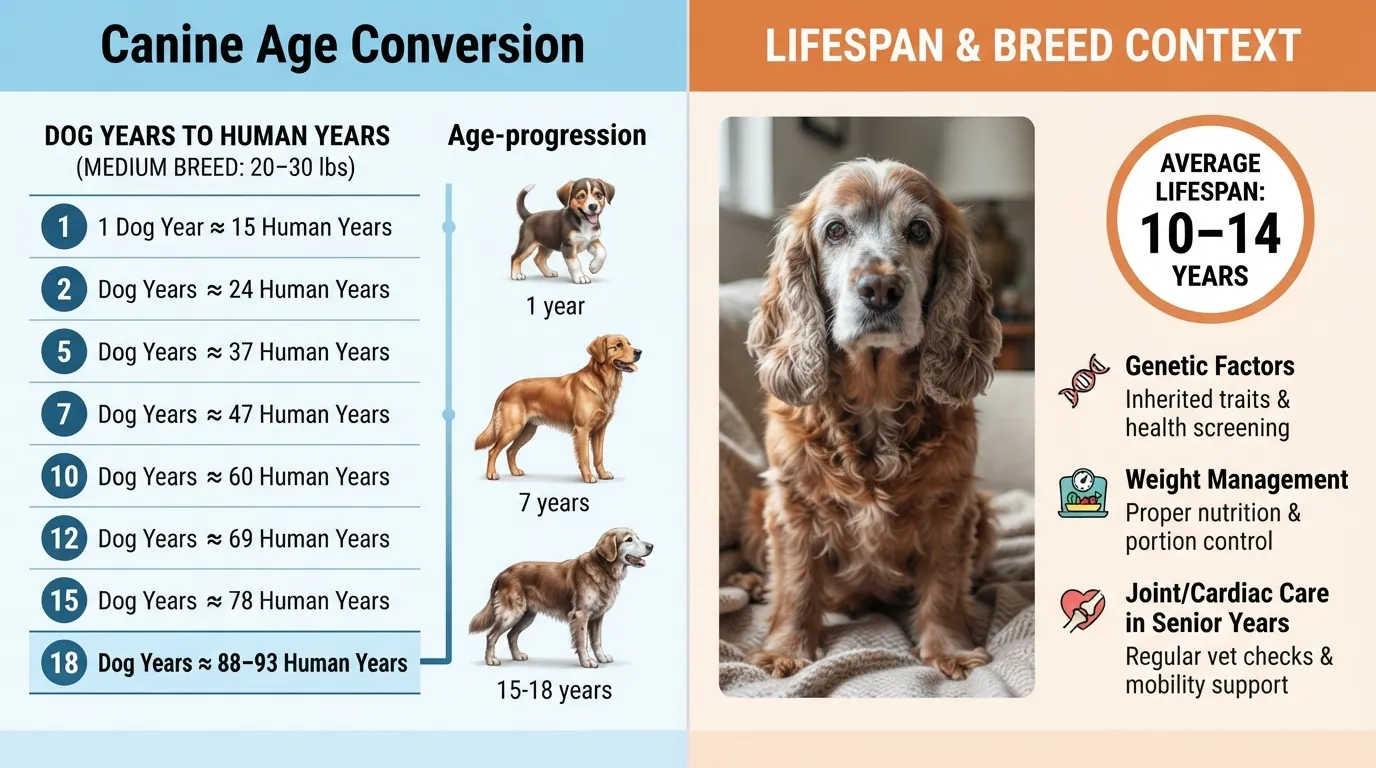
The average Cocker Spaniel lifespan is around 10 to 14 years, although individual dogs may live longer with good genetics, proper nutrition, healthy weight, dental care, exercise, and regular veterinary checkups.
English and American Cocker Spaniels can differ somewhat in their typical longevity and health risks, so breed type matters when estimating how long your dog may live. As Cocker Spaniels enter their senior years, routine health monitoring becomes increasingly important for detecting age-related problems early.
In this guide, you’ll learn how long Cocker Spaniels live, how lifespan can vary between English and American Cockers, when they become seniors, and practical steps that can help your companion enjoy a longer, healthier life.
Average Lifespan of a Cocker Spaniel
On average, a healthy Cocker Spaniel lives between 10 to 14 years.
However, ask any seasoned breeder or veterinarian, and they will tell you that reaching 12 to 15 years is very common when these energetic dogs receive top-tier nutrition, regular joint care, and proactive veterinary attention. In fact, official UK Kennel Club health surveys place the median lifespan of Cocker Spaniels right around 11.5 to 12 years, with exceptional cases living up to 16 or even 17 years.
Understanding your dog’s exact life expectancy depends heavily on whether you own an American or an English Cocker Spaniel, as their genetics, size, and typical health risks differ slightly.
Quick Comparison Table
| Type | Average Lifespan | Typical Height | Typical Weight |
|---|---|---|---|
| American Cocker Spaniel | 10 – 14 Years | 13.5 – 15.5 inches | 20 – 30 lbs |
| English Cocker Spaniel | 12 – 15 Years | 15 – 17 inches | 26 – 34 lbs |
American Cocker Spaniel Lifespan
The American Cocker Spaniel typically lives 10 to 14 years.
Smaller and slightly more delicate in build than their English cousins, American Cockers are famous for their lush, floor-length coats and rounded skulls. Because of their popularity as household pets throughout the late 20th century, selective breeding heavily impacted their gene pool.
To help an American Cocker reach the upper end of their 14-year lifespan, owners need to pay close attention to three specific areas:
Eye Health: Progressive Retinal Atrophy (PRA) and early-onset cataracts are prevalent in this line.
Ear Canal Care: Their long, heavy ears trap moisture easily, leading to chronic otitis externa (ear infections) if not cleaned weekly.
Weight Management: Extra weight puts immediate stress on their small frame, shortening their life expectancy by 1 to 2 years.
English Cocker Spaniel Lifespan
The English Cocker Spaniel enjoys a slightly longer average lifespan of 12 to 15 years.
Built as a working gundog with longer legs and a sturdy frame, the English variety often benefits from a slightly more robust genetic baseline. Working lines that remain active through their adult years tend to maintain excellent cardiovascular health well into senior status.
Key factors influencing an English Cocker’s lifespan include:
Familial Nephropathy (FN): A fatal kidney disorder historically present in the breed, though reputable breeders now screen for it rigorously using modern DNA testing.
Adult Activity Levels: These dogs crave daily physical exercise. A sedentary English Cocker is prone to obesity and cognitive decline earlier in life.
Male vs Female Cocker Spaniel Lifespan
When comparing male and female Cocker Spaniels, there is no significant genetic difference in overall lifespan. Both sexes routinely reach 12 to 14 years when given equal care.
However, reproductive choices and hormonal health play a massive role in actual longevity:
Spayed Females: Spaying female Cocker Spaniels before their second heat cycle eliminates the risk of uterine infections (pyometra) and drastically reduces the incidence of mammary tumors. On average, spayed females outlive intact females.
Neutered Males: Neutering males prevents testicular cancer and significantly lowers the risk of benign prostatic hyperplasia (enlarged prostate) in senior years. Additionally, neutered males are far less likely to roam, reducing the risk of accidental trauma or vehicle accidents.
Temperament Impact: Males tend to be slightly larger and more eager to please, whereas females can be somewhat independent. Neither trait impacts physiological aging directly, but keeping a male’s weight under control as he ages requires a bit more vigilance due to higher food motivation.
Cocker Spaniel Life Stages
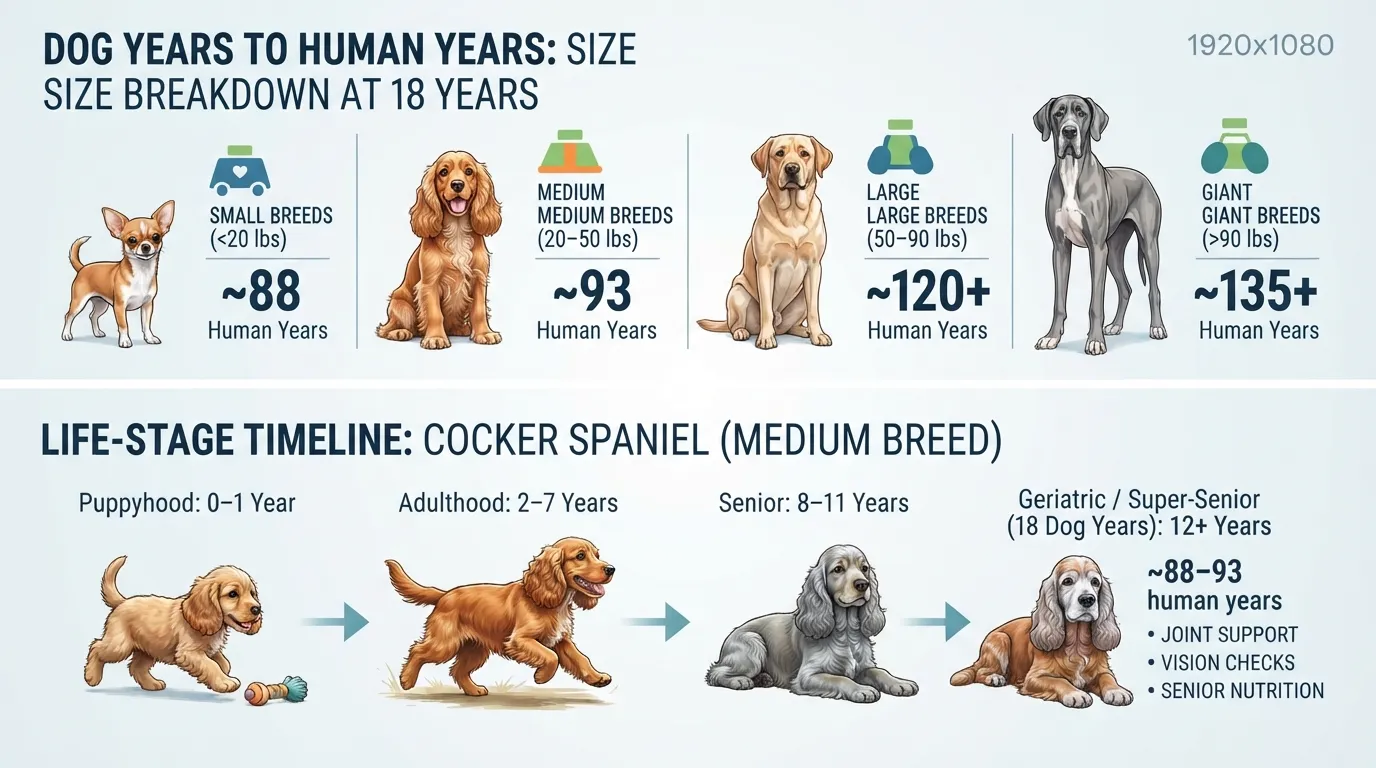
Cocker Spaniels ki life main teen stages me divide hoti hai. Har stage par inki physical, mental, aur nutritional zaruriyat badalti rehti hain.
Puppy Stage 0–1 year
Puppyhood Cocker Spaniel ki zindagi ka sabse energetic aur crucial phasa hota hai. Is stage me inka physical growth speed se hota hai aur inka immune system develop ho raha hota hai.
Growth & Energy: Pehle ek saal me, aapka puppy rapidly grow karega. Is dauran inme behad energy hoti hai, teething (daant nikalna) hoti hai, aur ye har cheez ko explore karna chahte hain.
Nutrition: Inhein high-protein puppy food ki zarurat hoti hai jo inki bones aur muscles ki development me madad kare.
Care Tip: Is stage me vaccination routines complete karna aur early socialization/training dena bohot zaruri hai. Pehle saal ki achi health foundation inki overall lifespan ko directly impact karti hai.
Adult Stage 1–7 years
Jab aapka Cocker Spaniel 1 saal ka ho jata hai, toh wo officially adult stage me enter kar jata hai. Ye inki zindagi ke sabse active, healthy, aur vibrant saal hote hain.
Behavior & Maintenance: Is age me inki personality fully settle ho jati hai. Ye highly energetic hote hain aur inhein daily physical exercise (kam se kam 45-60 mins) ki zarurat hoti hai.
Health Focus: Adult stage me weight management sabse bada challenge hota hai. Cocker Spaniels ko khana bohot pasand hota hai, aur agar inki exercise kam ho toh ye jaldi obese (mote) ho sakte hain. Overweight hone se inki joints par pressure padta hai jo inki umar kam kar sakta hai.
Grooming: Inke silky coat aur lambe kaano (ears) ko daily brush aur cleaning ki zarurat hoti hai taake ear infections se bachaya ja sake—jo is breed me kafi common hain.
Senior Stage 7+ years
7 saal ki umar ke baad, ek Cocker Spaniel senior category me count hone lagta hai. Is stage me aapko unki routine me kuch gentle changes laane ki zarurat padegi.
Slowing Down: Aap notice karenge ke aapka dog ab pehle jitna tez nahi bhaag raha, zyadatar waqt soti hui halat me rehta hai, ya ziada der chalne ke baad thak jata hai.
Health Monitoring: Seniors me joints arthritis, cataracts (aankhon ki bimari), aur heart issues ke chances badh jaate hain. regular vet check-ups (har 6 mahine me ek baar) is stage par compulsory ho jaate hain.
Specialized Care: Inhein easy-to-digest senior dog food par shift karein jisme glucosamine aur chondroitin ho (joint health ke liye). Saath hi, inke liye comfortable orthopedic bed ka arrange karein taake inke sore joints ko relief mile.
Pro Tip: Kya aap janna chahte hain ke aapka Cocker Spaniel human years ke hisab se abhi kitni umar ka hai? Aap hamare Dog Age Calculator Tool ka use karke apne dog ki exact age instant calculate kar sakte hain!
Cocker Spaniel Age in Human Years
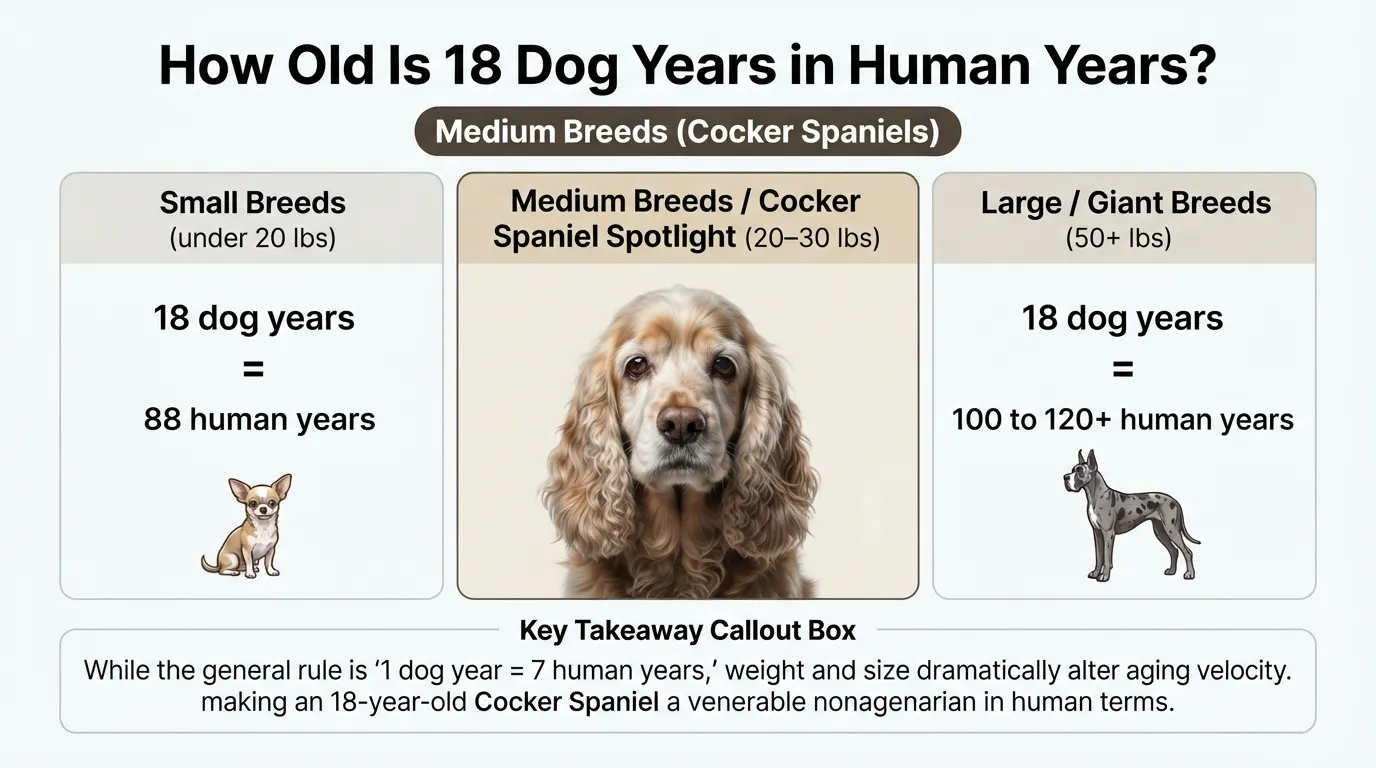
The old “1 dog year equals 7 human years” rule is a total myth — especially for medium-sized sporting breeds like Cocker Spaniels.
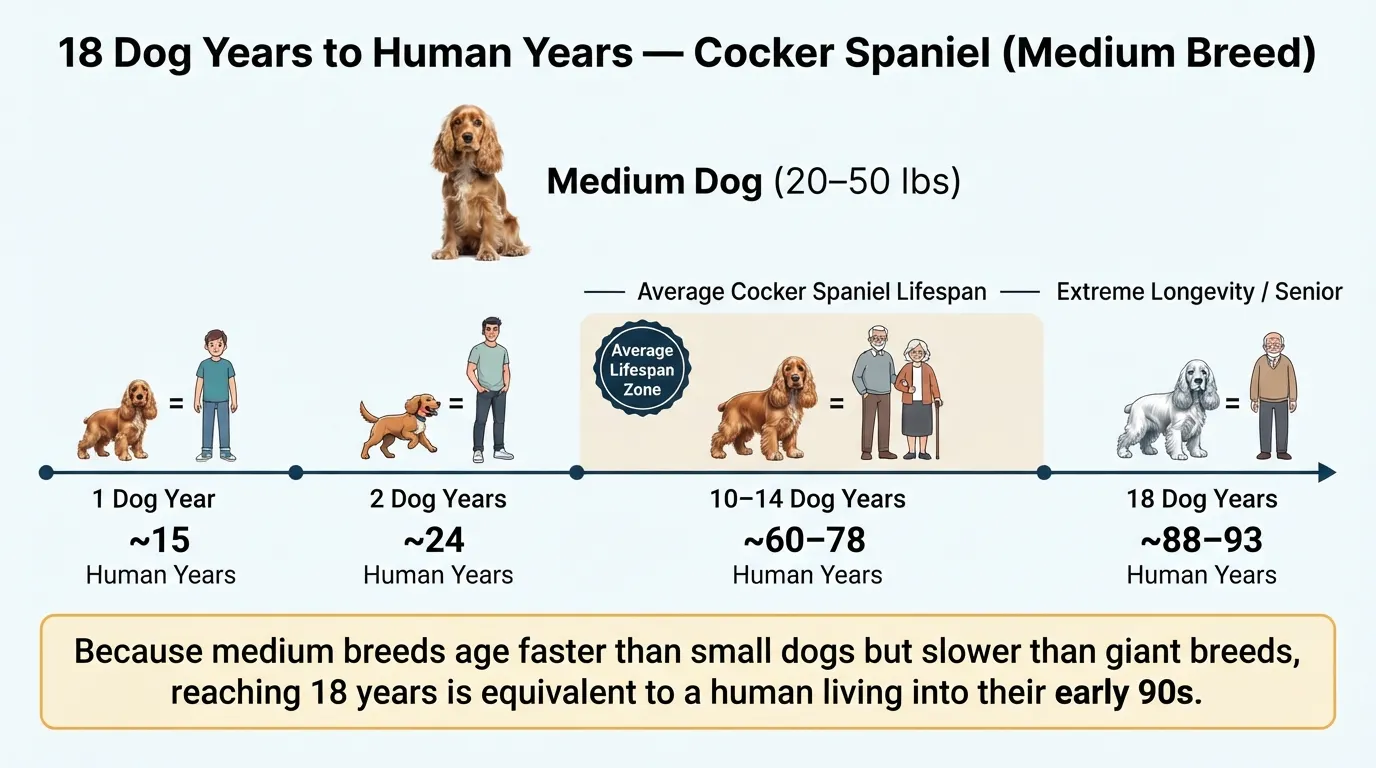
Dogs mature incredibly fast during their first two years, then their physical aging process settles into a steadier pace. According to modern veterinary guidelines from the American Veterinary Medical Association (AVMA) and American Animal Hospital Association (AAHA), a Cocker Spaniel ages about 15 human years in their first 12 months, another 9 human years in year two, and roughly 4 to 5 human years each year after that.
Because American and English Cocker Spaniels typically weigh between 20 to 32 pounds, they fall squarely into the medium dog breed bracket. Here is how a Cocker Spaniel’s chronological age translates to human age across their life stages:
| Cocker Spaniel Age | Equivalent Human Age | Life Stage | What to Expect |
|---|---|---|---|
| 6 Months | ~10 years | Puppy | High energy, teething ending, basic training phase |
| 1 Year | 15 years | Teen / Young Adult | Reaching physical maturity, adult coat filling in |
| 2 Years | 24 years | Young Adult | Physical peak, full muscle growth, settled weight |
| 3 Years | 28 years | Prime Adult | Balanced energy, stable temperament |
| 4 Years | 32 years | Prime Adult | Consistent routine, essential time for dental care |
| 5 Years | 36 years | Middle Age | Slight energy taper, ear check routine is critical |
| 6 Years | 41 years | Middle Age | Watch coat condition and weight maintenance |
| 7 Years | 46 years | Senior Transition | Slowing down slightly; joint supplements can help |
| 8 Years | 51 years | Senior | Graying around the muzzle, biannual vet visits |
| 10 Years | 60 years | Senior | Potential vision or hearing shifts, softer diet |
| 12 Years | 69 years | Golden Years | Low-impact daily walks, extra warmth needed |
| 14 Years | 78 years | Super Senior | Quiet companionship, padded bedding, extra care |
6 Months
Puppy
Human Equivalent:
~10 years
Expect: High energy, teething ending, basic training phase
1 Year
Teen / Young Adult
Human Equivalent:
15 years
Expect: Reaching physical maturity, adult coat filling in
2 Years
Young Adult
Human Equivalent:
24 years
Expect: Physical peak, full muscle growth, settled weight
3 Years
Prime Adult
Human Equivalent:
28 years
Expect: Balanced energy, stable temperament
4 Years
Prime Adult
Human Equivalent:
32 years
Expect: Consistent routine, essential time for dental care
5 Years
Middle Age
Human Equivalent:
36 years
Expect: Slight energy taper, ear check routine is critical
6 Years
Middle Age
Human Equivalent:
41 years
Expect: Watch coat condition and weight maintenance
7 Years
Senior Transition
Human Equivalent:
46 years
Expect: Slowing down slightly; joint supplements can help
8 Years
Senior
Human Equivalent:
51 years
Expect: Graying around the muzzle, biannual vet visits
10 Years
Senior
Human Equivalent:
60 years
Expect: Potential vision or hearing shifts, softer diet
12 Years
Golden Years
Human Equivalent:
69 years
Expect: Low-impact daily walks, extra warmth needed
14 Years
Super Senior
Human Equivalent:
78 years
Expect: Quiet companionship, padded bedding, extra care
Every dog ages on a slightly different curve depending on genetic history, daily activity, and weight management. Want to skip the mental math and get an accurate result for your dog’s exact birthdate?
👉 Calculate your Cocker Spaniel’s exact age in human years using our free tool
Cocker Spaniel Lifespan vs Other Dog Breeds
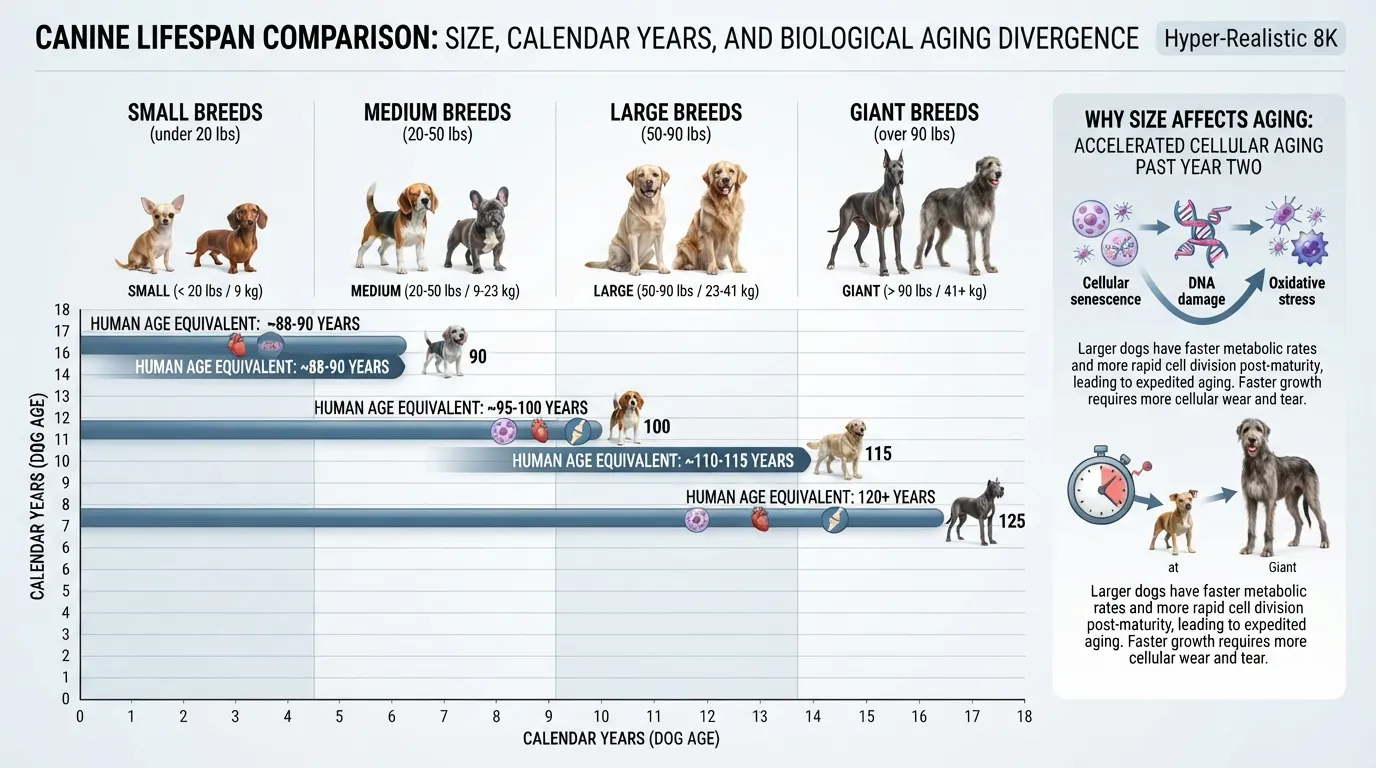
How does the 10-to-14-year average lifespan of a Cocker Spaniel compare to other popular family dogs and fellow gundog breeds?
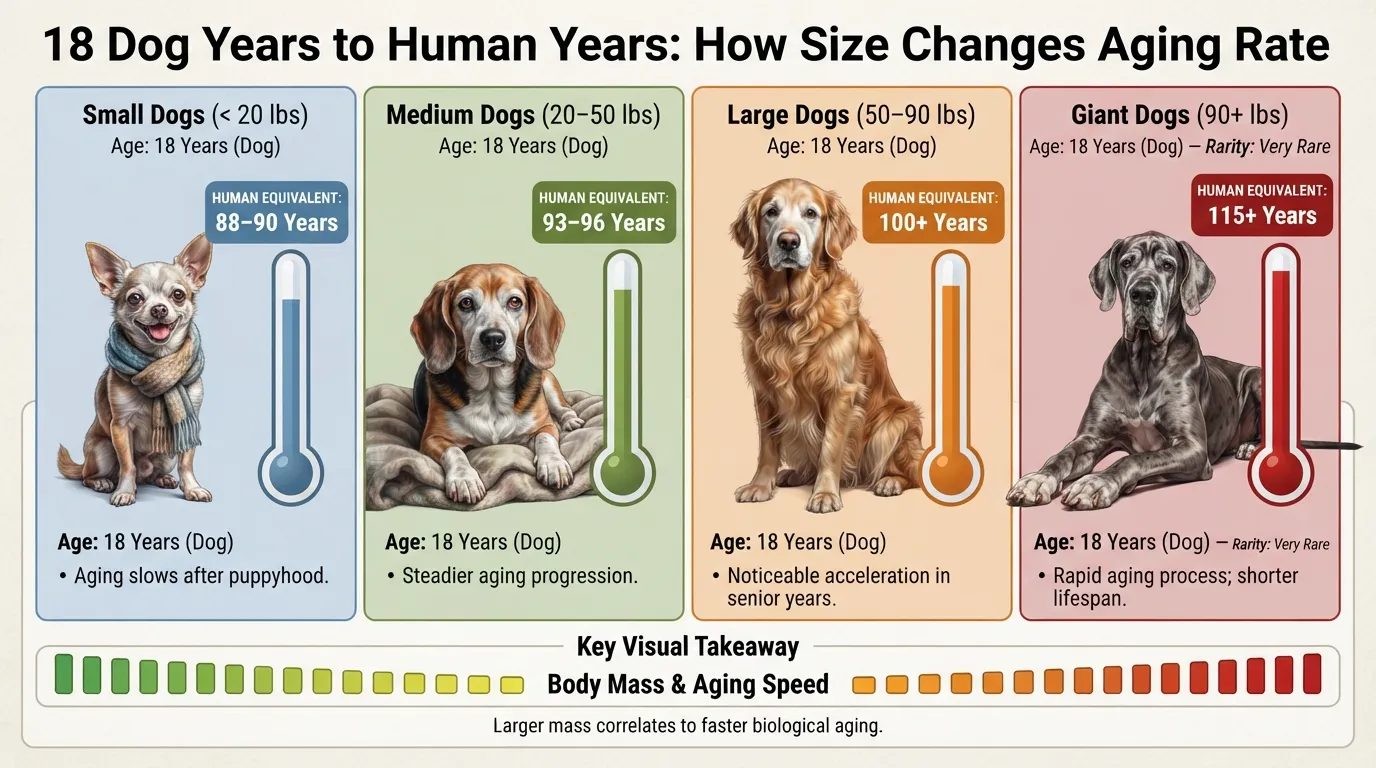
In the canine world, body size is the biggest single indicator of life expectancy — smaller dogs generally outlive giant breeds. Because Cocker Spaniels sit right in that ideal medium-weight sweet spot (around 20 to 32 lbs), they often enjoy a slightly longer run than larger working dogs, though genetic vulnerabilities in specific lines can tip the scales.
Here is how the Cocker Spaniel stacks up against similar popular choices:
Cocker Spaniel (10–14 years): Balanced longevity overall. American Cockers average 10–14 years, while English Cockers frequently push 12–15 years. Their main life-limiting challenges stem from heart issues, kidney conditions, and cancer in their golden years.
English Springer Spaniel (12–14 years): As a slightly larger cousin (35–50 lbs), Springers share a remarkably similar lifespan. Being built for hard field labor, their working genetics often keep them athletic well into age 10, though they face similar joint and eye issues later on.
Cavalier King Charles Spaniel (9–12 years): Despite being smaller toy spaniels (13–18 lbs) — which usually means a longer life — Cavaliers sadly have a shorter average lifespan. This is heavily influenced by breed-wide genetic heart conditions like Mitral Valve Disease (MVD) and neurological disorders.
Labrador Retriever (10–12 years): America’s longtime favorite family pet carries a heavier frame (55–80 lbs). That extra body mass puts more strain on their cardiovascular system and joints over time, causing them to enter senior status about 1 to 2 years earlier than a compact Cocker Spaniel.
Factors That Affect a Cocker Spaniel's Lifespan
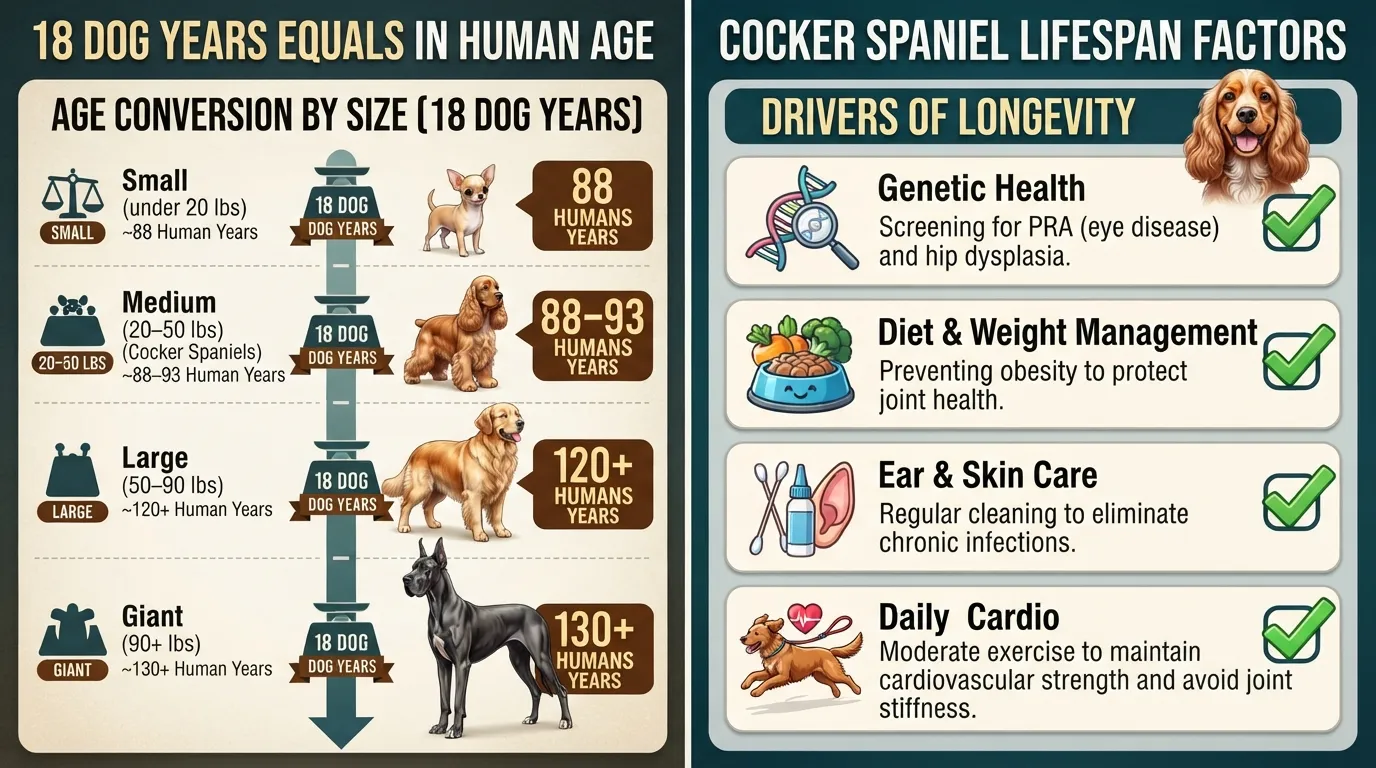
While the average lifespan gives you a general benchmark, no two dogs age at the exact same speed. The difference between a Cocker Spaniel who slows down significantly at age 10 and one who stays active well past 14 usually boils down to three primary foundations.
Genetics & Breeding Line
A dog’s potential for a long life starts long before they are ever born. Backyard breeding and puppy mills often bypass critical health screenings, passing down preventable hereditary conditions that cut lives short.
Ethical breeders actively clear their parent dogs for conditions common to the breed, such as:
Progressive Retinal Atrophy (PRA) & Glaucoma: Inherited eye disorders that cause early vision loss and severe eye pain.
Familial Nephropathy (FN): A fatal, early-onset kidney condition found in certain un-tested lines.
Dilated Cardiomyopathy (DCM): A genetic heart muscle weakness that impairs blood pumping.
Hip & Patella Scores: Ensuring parent dogs have clear joints reduces the risk of painful arthritis early in life.
Always ask breeders for verifiable OFA (Orthopedic Foundation for Animals) or PennHIP clearances, alongside DNA test results for PRA and FN, before bringing a puppy home.
Diet & Nutrition
Cocker Spaniels are notoriously food-motivated. Left unchecked, those big pleading eyes can easily trick owners into overfeeding, making obesity one of the biggest threats to their life expectancy.
Expert Insight: Studies consistently show that maintaining a lean body mass can extend a dog’s lifespan by up to 1.8 to 2 years compared to overweight peers. Excess weight puts immense stress on a Cocker’s spine, hips, and cardiovascular system.
To keep their body condition ideal:
Feed high-quality protein: Choose diets rich in animal protein (chicken, lamb, or salmon) to maintain lean muscle mass.
Watch the calorie density: Cockers have lower metabolic rates once spayed or neutered. Adjust portion sizes rather than guessing.
Add Omega-3 fatty acids: Fish oil supplements support joint fluid, soothe sensitive skin a common Cocker issue, and maintain heart health.
Regular Veterinary Care
Because Cockers are prone to stealth health issues that develop slowly over time, proactive veterinary care is far more effective than reactive treatment.
Three routine vet checks make the biggest impact on longevity:
Ear Health Inspections: Their iconic long, floppy ears trap moisture and airflow, creating a breeding ground for yeast and bacterial infections. Left untreated, chronic ear infections cause severe scar tissue, pain, and systemic inflammation.
Professional Dental Cleanings: Over 80% of dogs show signs of periodontal disease by age three. Bacteria from infected gums enter the bloodstream, causing slow, irreversible damage to the heart valves and kidneys. Daily brushing and routine scaling add years to their life.
Senior Blood Panels Starting at Age 7: Routine biannual blood and urine testing catches early-stage chronic kidney disease, thyroid dysfunction, and liver abnormalities before physical symptoms show up.
Common Health Issues & Leading Causes of Death
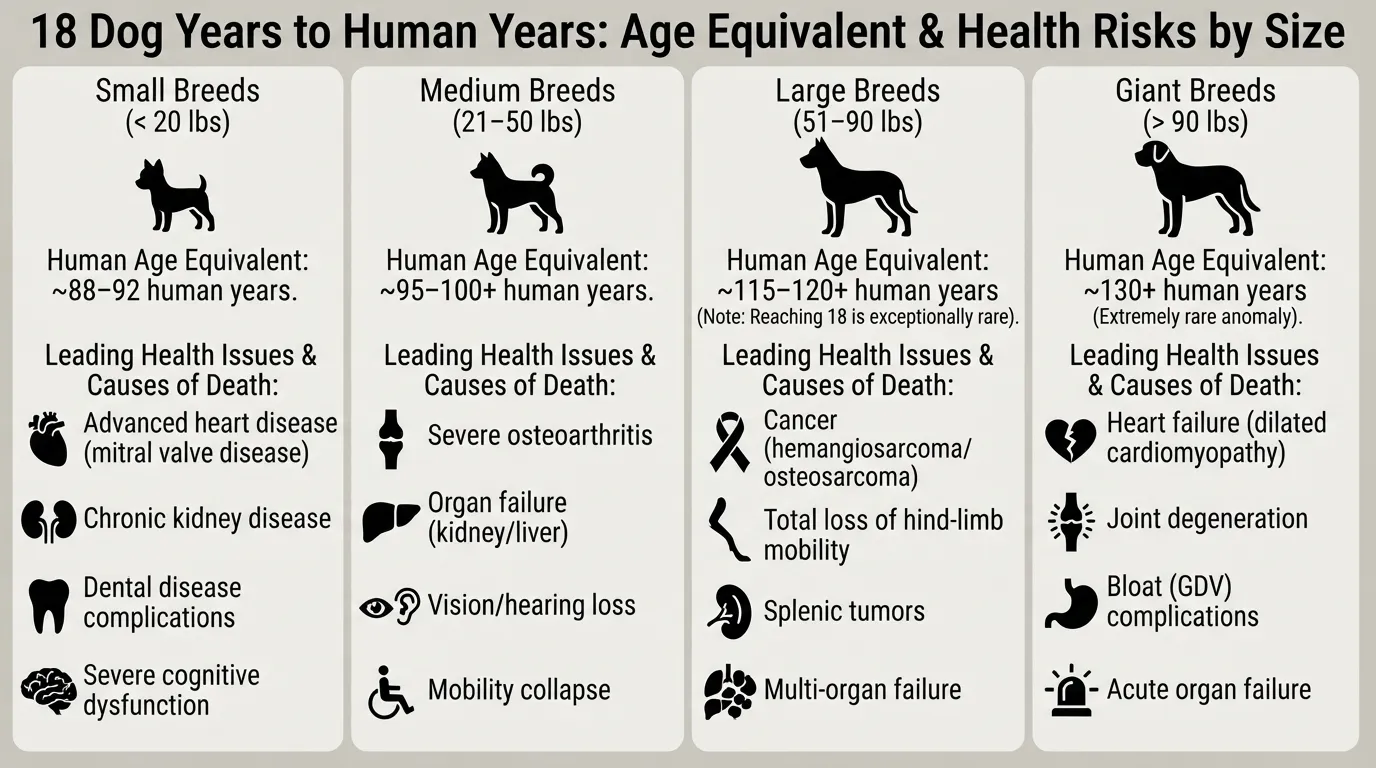
Understanding what health challenges your Cocker Spaniel might face throughout their lifetime gives you a massive advantage. Catching these conditions early can mean the difference between a minor vet visit and a life-threatening crisis.
Primary Health Concerns Impacting Longevity
Ear Infections Otitis Externa: Their long, iconic heavy ears create a dark, warm, and humid environment where yeast and bacteria thrive. While rarely fatal on its own, chronic severe ear disease requires repeated sedation, causes deep tissue scarring, and creates constant systemic stress that lowers an aging dog’s overall quality of life.
Progressive Retinal Atrophy PRA & Eye Diseases: Cockers are notoriously prone to cataracts, glaucoma, and PRA — a genetic condition that gradually deteriorates the retina. Severe, untreated glaucoma creates intense pressure and pain, often requiring surgical eye removal.
Hip Dysplasia & Joint Issues: Although more common in large breeds, this malformation of the hip joint affects a significant percentage of Cockers. As arthritis sets in during senior years, reduced mobility can lead to muscle wasting, weight gain, and tough quality-of-life decisions.
Heart Disease Dilated Cardiomyopathy & Valve Disease: Heart muscle failure (DCM) and mitral valve disease are persistent risks in aging Cockers. Weakened heart function reduces oxygen delivery across the body, leading to fluid buildup in the lungs and eventual cardiac failure.
Obesity-Related Complications: A Cocker’s appetite often outpaces their daily activity level. Carrying even 3 to 5 extra pounds triggers chronic systemic inflammation, accelerates joint degeneration, and increases the risk of metabolic issues like diabetes.
What Do the Statistics Say About Cause of Death?
When looking at broad, peer-reviewed health data — such as the landmark UK Kennel Club Scientific Health Survey and Royal Veterinary College (RVC) VetCompass data — patterns emerge on how purebred Cockers pass away:
Cancer 23% to 27% of deaths: Statistical surveys identify cancer as the single leading cause of death in Cocker Spaniels. English Cockers show a particularly high genetic predisposition to malignant mammary tumors, as well as lymphoma and skin cancers.
Old Age / Organ Failure ~18% of deaths: A significant portion of Cockers simply reach the end of their natural lifespan, experiencing age-related organ decline such as gradual renal failure or natural cardiovascular slowdown.
Cardiac Conditions ~11% of deaths: Heart failure and associated vascular complications represent the third most prevalent mortality factor in mature Cockers.
How to Help Your Cocker Spaniel Live Longer
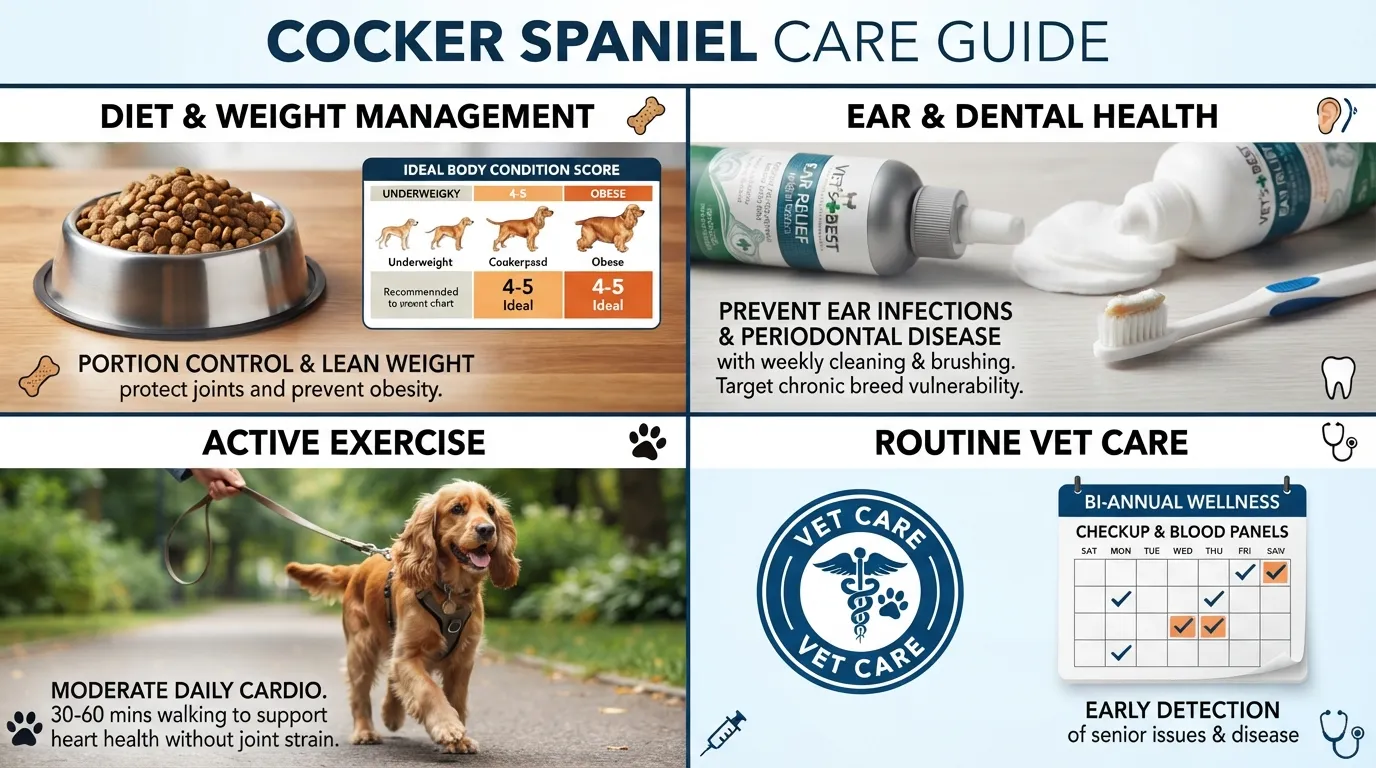
While you can’t rewrite your dog’s DNA, your daily care routine directly influences how gracefully they age. Small, consistent actions build up over a lifetime to prevent premature decline.
Here are five high-impact, actionable steps to give your Cocker Spaniel the best shot at reaching 14 years or beyond: Maintain a Strict Weight Management Protocol: Measure meals using a digital kitchen scale instead of a measuring cup to prevent food creep. You should easily feel their ribs under a thin layer of fat and see an obvious waistline from above. Swap out high-calorie processed dog treats for low-calorie alternatives like fresh blueberries, sliced cucumbers, or green beans.
Provide 45–60 Minutes of Targeted Daily Exercise: Cockers are natural sporting dogs bred for endurance, not couch potatoes. Split their activity into a morning brisk walk and an afternoon game of fetch or scent-work tracking. Regular movement keeps joint fluid circulating, builds supporting muscle mass around hips, and prevents behavioral stress.
Keep Up with Annual Core Vaccines & Parasite Controls: Stay strict on heartworm preventatives, flea/tick control, and core booster shots (distemper, parvovirus, rabies). As Cockers age, tick-borne diseases like Lyme disease cause severe joint inflammation and kidney strain that older organs struggle to handle.
Establish a Weekly Ear Care & Coat Grooming Ritual: Clean the inner ear flap weekly using a pH-balanced, vet-approved ear drying solution — especially after swimming or bathing. Thoroughly comb out the feathering on their legs, chest, and ears 3 times a week to prevent painful mats that pull on skin and trap moisture.
Commit to Daily Brushing & Annual Dental Scaling: Brush their teeth at least 4 to 5 times a week using enzymatic pet toothpaste to prevent plaque hardening into tartar. Schedule a professional veterinary dental cleaning under anesthesia every 12 to 18 months once they turn 3 years old to stop oral bacteria from entering their bloodstream.
Signs of Aging & End-of-Life Care
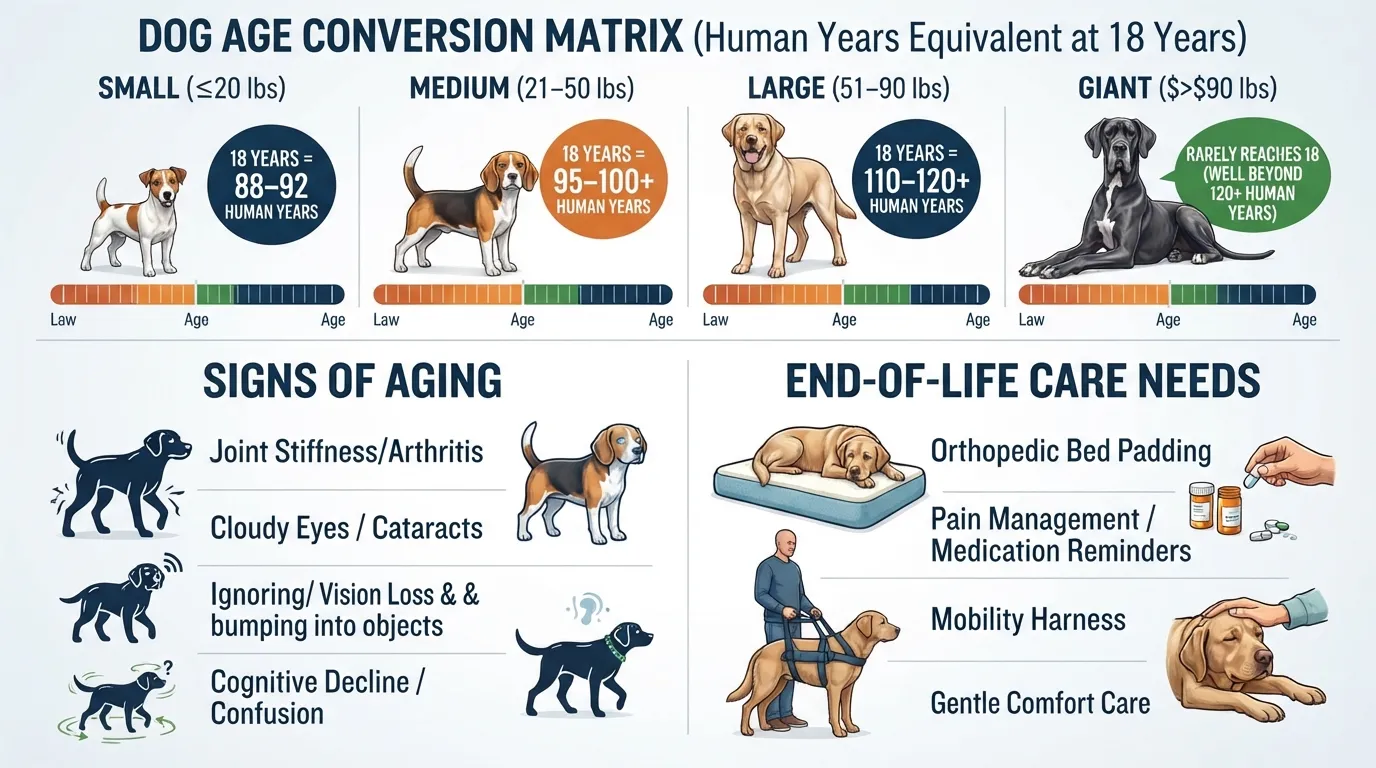
Seeing your lively Cocker Spaniel grow older can feel bittersweet, but recognizing the initial signs of aging allows you to adjust their home environment and keep them thriving comfortably into their golden years.
Common Signs Your Cocker Spaniel Is Aging
Graying Muzzle and Fur: Silvering around the muzzle, eyes, and brow is usually the most visible early marker, often appearing around age 7 or 8.
Reduced Energy and Stamina: They may take longer to wake up in the morning, show less enthusiasm for long games of fetch, or spend more hours sleeping throughout the day.
Joint Stiffness and Mobility Loss: Difficulty climbing onto the couch, hesitating before staircases, or a stiff, stilted stride after lying down points to age-related arthritis or joint wear.
Cloudy Eyes and Hearing Changes: A slight bluish-gray cloudiness in the pupils (nuclear sclerosis) or cataracts can impair night vision. You may also notice them failing to respond to quietly spoken commands or doorbells.
End-of-Life Comfort Care & Knowing When to Consult Your Vet
As your Cocker Spaniel reaches the final stage of their lifespan, the primary goal shifts entirely to comfort and dignity. Simple home modifications—like placing orthopedic memory foam beds near warm spots, laying down non-slip rugs over hardwood floors, and elevating their food bowls—make a massive difference in their daily mobility.
When chronic pain, severe cognitive decline, or continuous loss of appetite begins to overshadow their good days, schedule a dedicated quality-of-life consultation with your veterinarian. They can help you evaluate objective markers using tools like the HHHHHMM Quality of Life Scale to ensure your companion remains comfortable, pain-free, and supported every step of the way.
Frequently Asked Questions
Cancer is the leading cause of death in Cocker Spaniels, accounting for roughly 23% to 27% of all mortalities according to major breed health surveys. Mammary tumors, lymphoma, and skin cancers are among the most frequently diagnosed types. Old age organ failure and heart disease follow as the next most common causes.
Yes, absolutely. While 10 to 14 years is the average lifespan, well-cared-for Cocker Spaniels (particularly English Cocker Spaniels) frequently reach 15, 16, or even 17 years. Achieving this milestones relies heavily on great genetics, strict weight control, routine dental care, and early detection of senior health issues.
Yes, it generally increases life expectancy. Studies show that fixed dogs live longer on average because spaying eliminates the risk of uterine infections (pyometra) and drastically cuts mammary cancer risk if done early. Neutering prevents testicular cancer and reduces prostate disease. However, because altering can slightly lower their metabolic rate, you must monitor food portions to prevent post-surgery weight gain.
No, coat color does not directly impact lifespan. A buff, black, parti-color, or roan Cocker Spaniel all share the same baseline longevity potential. However, certain color-linked genetic issues exist—such as congenital deafness, which is statistically more prevalent in parti-color lines—though these conditions affect quality of life rather than life expectancy itself.
Yes, slightly. English Cocker Spaniels (12–15 years) typically outlive their smaller cousins, the Cavalier King Charles Spaniel (9–12 years), which suffers from high rates of early-onset heart disease. They have a nearly identical lifespan to English Springer Spaniels (12–14 years), but outlive larger spaniel varieties like the Clumber Spaniel (10–12 years).
🐾 Other Age Guides

Gulfam Haider Mehdi
Founder & Developer
I built Dogagescalculator.com to give dog owners honest, science-backed answers instead of the outdated "×7" myth. Every figure here is checked against AKC, AVMA, and published veterinary research.
More about the author & this site →📌 Featured Guides
pug years to human years
→
can a large dog breed with a small dog
→
How much to feed a Great Pyrenees
→
how much does a mini australian shepherd weigh
→
pitbull dog years to human years
→
how old are the puppies
→
Basset Hound New England
→
difference between a springer spaniel and a cocker spaniel
→
Difference Between a Lhasa Apso and a Shih Tzu
→
how long does a lhasa apso dog live
→
Comments