
My Dog Has Been Bitten by a Rat — What to Do Right Now

If your dog was just bitten by a rat, take a deep breath and stay calm. Immediately move your dog away from the rodent to prevent additional injuries. Gently inspect the bite area to evaluate the depth and check for active bleeding. If the wound is bleeding heavily, apply firm pressure with a clean towel. Finally, contact your veterinarian right away for professional guidance, as even minor rat bites carry high infection risks.
Is This an Emergency? Decision Box
Deciding whether your dog needs an emergency room or a same-day appointment comes down to the severity of the bite and secondary exposure risks. When in doubt, always err on the side of caution and call a clinic immediately.
Go to the Vet Immediately If:
Heavy or uncontrolled bleeding: Blood is pulsing or continues to seep after 5–10 minutes of direct, continuous pressure.
Deep puncture wounds near the neck, face, or abdomen: Bites in these areas can easily damage underlying blood vessels, eyes, or internal organs.
Dog swallowed the rat or part of it: Ingesting a wild rodent exposes your dog to intestinal parasites, severe bacterial infections, and potential secondary poisoning.
Signs of shock: Your dog has pale or white gums, rapid shallow breathing, extreme weakness, or collapses.
Known or suspected rat poison in the area: Rodenticides cause internal hemorrhaging and require urgent medical intervention. [LINK SUGGESTION: ASPCA Animal Poison Control page on rodenticide toxicity]
Call Your Vet Same-Day If:
Minor scratch or superficial bite with no active bleeding: The skin is barely broken, but the area still needs professional evaluation to prevent deep tissue infection.
Dog seems normal but you want it checked: Your dog is acting bright and energetic, but you want to confirm if antibiotics or booster shots are necessary.
Unsure if the rat was wild or diseased: You didn’t catch the encounter in real-time, but suspect a wild rat bite based on a fresh mark or dead rodent nearby.
Step-by-Step First Aid for a Rat Bite
If your dog was just bitten by a rat, taking the right immediate first aid steps minimizes the risk of bacterial infection and helps your vet treat the wound effectively.
1. Stay Calm and Restrain Safely
Even the gentlest dog can bite when frightened or in pain. Speak in a quiet, soothing voice and secure your dog with a leash. If necessary, have a second person gently hold them or use a soft muzzle before touching the bite area.
2. Isolate Your Dog from the Rat (and Its Urine/Feces)
Move your dog to a clean, quiet indoor area immediately. Wild rats carry dangerous bacteria like Leptospira in their urine and bodily fluids, so keep your dog well away from where the encounter happened to prevent further exposure or another fight.
3. Clean the Wound with Soap and Water
Flush the bite thoroughly under warm running tap water using a mild antibacterial soap for 5 to 10 minutes. Gently washing the wound physically removes dirty saliva, dirt, and surface bacteria before they settle into deep tissue.
4. Should You Use Hydrogen Peroxide? (Vet-Cautioned Answer)
Do not use hydrogen peroxide or rubbing alcohol on a rat bite. While these household antiseptics kill surface bacteria, they also damage healthy skin cells and delay the natural healing process. Stick strictly to plain water and mild soap.
5. Control Bleeding with Light Pressure
Press a clean cloth or sterile gauze pad directly over the bite and hold gentle, steady pressure for 3 to 5 minutes. Avoid constantly lifting the cloth to check the wound, as this breaks up forming blood clots and restarts bleeding.
6. What NOT to Put on the Wound
No turmeric paste or home remedies: Natural pastes hold in moisture, create a breeding ground for bacteria, and make medical cleaning harder for your vet.
No essential oils: Essential oils like tea tree or eucalyptus irritate open flesh and can be toxic if your dog licks them off.
No human medications or ointments: Never apply human antibiotic creams, pain relievers, or alcohol sprays, which can cause severe side effects if ingested.
7. Note Key Details for the Vet
Before heading to the clinic, quickly write down or memorize these critical details so your veterinarian can make an accurate risk assessment:
Time and location of the bite: Exact time of the incident and where on your dog’s body the bite occurred.
Wild vs. pet rat: Whether the bite came from an urban wild rat, a pet rodent, or a stray animal.
Did your dog ingest the rat? Whether your dog bit back, killed, or swallowed any part of the rodent.
Rat poison nearby: Whether rodenticides or bait stations have been set up in your yard or neighborhood recently.
Vaccination status: Whether your dog is up to date on their rabies and leptospirosis vaccines.
Does Bite Location Matter? (Face, Lip, Paw, Neck, Body)
Yes, bite location significantly affects infection risk and healing. Punctures on the face, lip, or nose bleed heavily and swell quickly, while bites to the paws or legs easily contract soil bacteria and carry high movement friction. Bites near the neck or throat carry the highest risk of internal structure damage, requiring immediate emergency care.
I Already Cleaned the Wound — What Should I Do Next?
If you have already flushed the bite with soap and water, you have handled the most critical first step correctly. Washing out surface saliva and debris significantly reduces the bacterial load in the skin, but it does not make your dog entirely out of the woods.
Rat teeth act like tiny hypodermic needles. They push dangerous oral bacteria deep into the skin, subcutaneous fat, and muscle tissue where surface washing cannot reach.
1. Protect the Area
Keep your dog calm and prevent them from licking, scratching, or chewing at the bite mark. A dog’s mouth carries its own bacteria, and licking introduces fresh contamination while driving existing bacteria deeper into the tissue. If necessary, put an Elizabethan collar (cone) on your dog to protect the area.
2. Keep the Wound Dry and Clean
Do not wrap the wound tightly in an airtight bandage unless your vet specifically instructs you to do so. Deep puncture wounds need to drain, and sealing them with tight dressings creates a dark, moisture-rich environment where anaerobic bacteria thrive. Leave small puncture wounds open to the air after patting them dry with a clean paper towel.
3. Contact Your Vet for Prophylactic Care
Even if the bite looks like a tiny red dot and has stopped bleeding, you should still call your vet clinic the same day. Veterinarians frequently prescribe prophylactic antibiotics for rodent bites to stop aggressive infections before they establish. Your vet will also evaluate whether your dog needs a booster for leptospirosis or tetanus.
4. Monitor for Early Signs of Infection
Over the next 24 to 72 hours, closely inspect the bite site twice daily. Contact your vet immediately if you notice any of these developing signs:
Redness or swelling spreading outward from the bite mark.
Skin around the wound feeling hot or warm to the touch.
Yellow or green discharge oozing from the puncture hole.
Your dog showing sudden pain when the area is lightly touched.
Lethargy, loss of appetite, or a feverish rise in body temperature.
What Happens at the Vet
When you take your dog to the clinic for a rat bite, your veterinarian’s primary goal is to prevent deep tissue infection and address hidden tissue damage. Even a tiny red dot on the surface can mask significant trauma underneath.
Wound Cleaning and Exploration
Rats have sharp, narrow incisors that create deep puncture tracks. Your vet will clip the fur around the bite area and thoroughly flush the wound using a sterile antiseptic solution under pressure.
For deeper punctures, the vet will gently explore the wound track with a probe to check for hidden pockets, dead tissue, or trapped debris. If the damage extends deep into muscle layers, temporary surgical drainage may be required to keep the wound from trapping bacteria.
Antibiotic Treatment
Because rat mouths harbor aggressive bacterial strains like Streptobacillus moniliformis and Pasteurella, oral antibiotics are almost always prescribed—even if the bite looks clean.
Your vet will typically start your dog on a broad-spectrum antibiotic for 7 to 10 days. It is critical to complete the full course of medication, even if the wound appears completely healed after a few days.
Pain and Anti-Inflammatory Medication
Bites cause localized swelling, bruising, and soreness. Your veterinarian may prescribe dog-safe non-steroidal anti-inflammatory drugs (NSAIDs) or analgesics to keep your dog comfortable and reduce tissue inflammation.
Warning: Never give your dog human pain relievers like ibuprofen, acetaminophen, or aspirin. These are toxic to dogs and can cause fatal kidney or stomach complications.
Diagnostic Bloodwork (If Illness Is Suspected)
If your dog shows signs of system-wide illness—such as fever, severe lethargy, or pale gums—or if there is a delay between the bite and the clinic visit, your vet may recommend running blood tests.
Complete Blood Count (CBC): Checks for elevated white blood cell counts that indicate active, spreading infection.
Biochemistry Profile: Evaluates liver and kidney function, which is essential if leptospirosis or rat poison exposure is suspected. [LINK SUGGESTION: AVMA guide on veterinary diagnostic blood tests]
Rabies, Tetanus & Vaccination — What You Need to Know
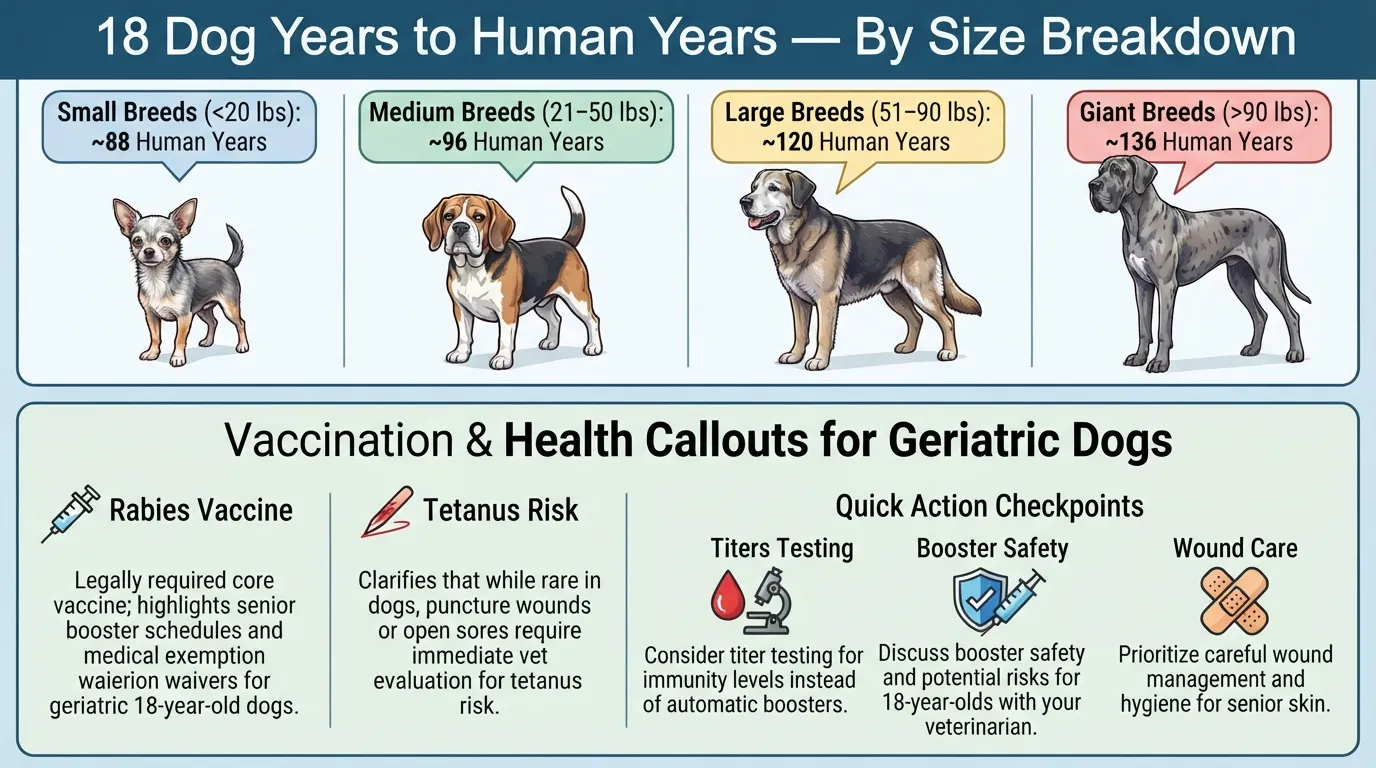
When a wild animal bites a dog, rabies and tetanus are often the first major health concerns that come to mind. Understanding the actual statistical risk helps you respond appropriately without unnecessary panic.
Rabies Risk from Rats (CDC Data)
According to the Centers for Disease Control and Prevention (CDC), small rodents—including rats, mice, squirrels, and chipmunks—are almost never found to be infected with rabies and have not been known to transmit the virus to domestic pets or humans.
Because a small rodent rarely survives an attack by a larger rabid carnivore (like a raccoon, skunk, or fox), they do not serve as typical rabies carriers. While the statistical risk is extremely low, you should still mention the bite to your veterinarian so they can verify your dog’s official vaccination record.
Will My Dog Need a Booster Shot?
Whether your dog needs an immediate booster depends on what vaccine they require and their current medical history:
Rabies Booster: If your dog is up to date on their rabies vaccine, an immediate booster is rarely required for a rat bite, though your vet may administer one if your local regulations require it following any wild animal contact.
Leptospirosis Vaccine: Rats are primary carriers of Leptospira bacteria. If your dog has never received the leptospirosis vaccine or is overdue for their annual booster, your vet will likely recommend updating it promptly.
Tetanus Considerations: Dogs are naturally resistant to tetanus compared to humans, making clinical tetanus from a rat bite exceptionally rare. However, if a puncture wound is deep or contaminated with dirt, your vet will evaluate if antitoxin or supportive therapy is warranted.
My Dog Is Already Vaccinated — Should I Still Worry?
Even if your dog is fully up to date on all core vaccinations, a rat bite still requires professional medical attention. Vaccines protect against specific viral and bacterial pathogens like rabies and leptospirosis, but they do not protect against local tissue infections.
Rats carry heavy loads of opportunistic bacteria in their mouths—such as Pasteurella and Streptobacillus—which can cause severe wound abscesses, cellulitis, or systemic bacterial illness regardless of your dog’s vaccination status.
Unknown Vaccination History? (Rescue/Adopted Dogs)
If you recently adopted your dog or do not have verifiable proof of their vaccine history, inform your veterinarian immediately before your appointment.
In cases with unknown vaccine coverage, your vet may administer a fresh rabies vaccine, initiate a leptospirosis series, and report the bite to local animal health authorities as a standard precaution. Your dog may also need to undergo a brief, home-based observation period depending on local public health guidelines.
Health Risks After a Rat Bite
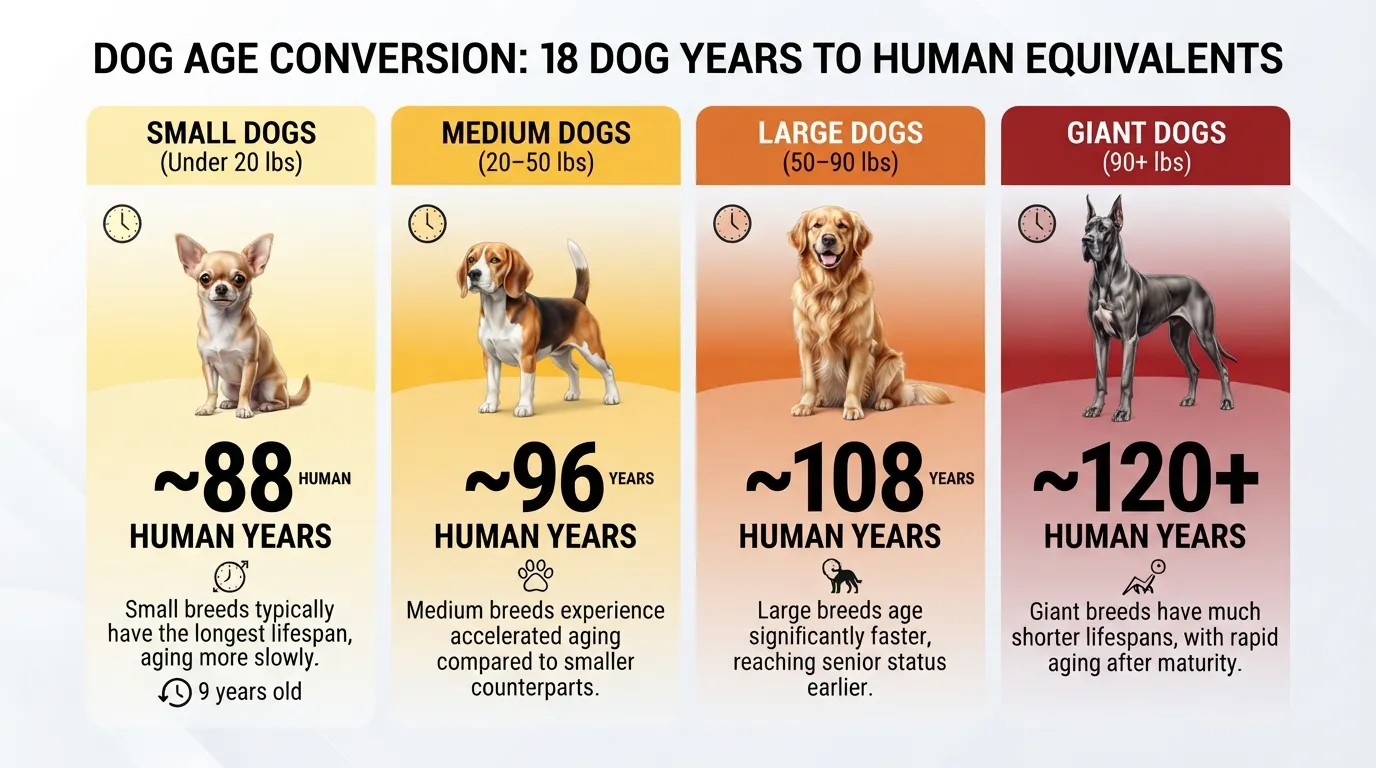
A rat bite introduces specialized oral bacteria directly into your dog’s bloodstream and underlying muscle tissue. Beyond immediate skin infections, wild rodents harbor several systemic diseases that pose significant health risks to dogs and their owners.
Bacterial Infection from the Bite Wound
The primary and most common complication of any rat bite is a localized bacterial infection. Sharp rat teeth push bacteria like Pasteurella multocida and Staphylococcus deep into narrow puncture holes. Because these narrow wounds skin over quickly on the surface, trapped bacteria multiply rapidly in dark, oxygen-deprived tissue, often forming painful abscesses within 24 to 48 hours.
Rat Bite Fever (Streptobacillus moniliformis)
Rat Bite Fever (RBF) is a bacterial infection caused primarily by Streptobacillus moniliformis, a bacterium naturally present in the nasal and oral cavities of up to 100% of wild rats. While infected rats show no signs of illness, the bacteria easily transfer to dogs through a bite or scratch.
Unlike standard localized wound infections, RBF causes systemic symptoms that typically manifest 3 to 10 days after exposure:
Relapsing Fever: Spikes in body temperature that come and go.
Swollen Lymph Nodes: Noticeable lumps near the bite site or under the jaw and armpits.
Joint Pain and Stiffness: Reluctance to walk, limping, or crying when joint areas are touched due to severe arthritis-like inflammation.
Skin Rash: Red, inflamed patches or tiny red dots appearing on the skin, particularly around the chest and belly.
Leptospirosis
Leptospirosis is a serious bacterial infection caused by Leptospira spiral bacteria, which rats shed in large quantities through their urine. Your dog can contract it directly from a bite, through mucosal contact with rat bodily fluids, or by drinking contaminated water where the rat was present.
Symptoms usually develop within 7 to 14 days and require immediate veterinary hospitalization:
Vomiting and Severe Lethargy: Sudden loss of appetite, extreme weakness, and persistent stomach distress.
Jaundice: Yellowing of the gums, eyes, and skin, signaling acute liver failure.
Increased Thirst and Urination: Signs of rapid kidney dysfunction or failure.
Zoonotic Warning: Leptospirosis is a zoonotic disease, meaning it can spread from your infected dog to human family members through contact with infected urine. Handle sick dogs with gloves and wash your hands thoroughly. [LINK SUGGESTION: CDC guidance on Leptospirosis transmission and human prevention]
Tularemia (Rabbit Fever)
Though more commonly associated with rabbits, wild rats can also carry Francisella tularensis, the bacterium responsible for tularemia. Dogs contract tularemia by being bitten by an infected rodent, coming into contact with its blood, or ingesting infected rodent tissue.
Infected dogs often present with a sudden high fever, swollen lymph glands, lethargy, loss of appetite, and painful abdominal swelling. Early antibiotic intervention is critical to prevent organ damage.
Intestinal Parasites (If Dog Ate the Rat)
If your dog killed and ingested the rat—or ate parts of it during the encounter—they are at high risk for internal parasites. Wild rodents serve as intermediate hosts for various intestinal worms that transfer directly to your dog during digestion.
Roundworms (Toxocara): Microscopic larvae encysted in rat muscle tissue mature inside your dog’s intestines, causing pot-bellied appearance, diarrhea, and nutrient deficiencies.
Tapeworms (Taenia): Ingesting rodent tissue leads to adult tapeworms developing in your dog’s digestive tract, often visible as small, rice-like segments around your dog’s rear or in their stool.
Rat Poison: The Hidden Danger After a Rat Bite
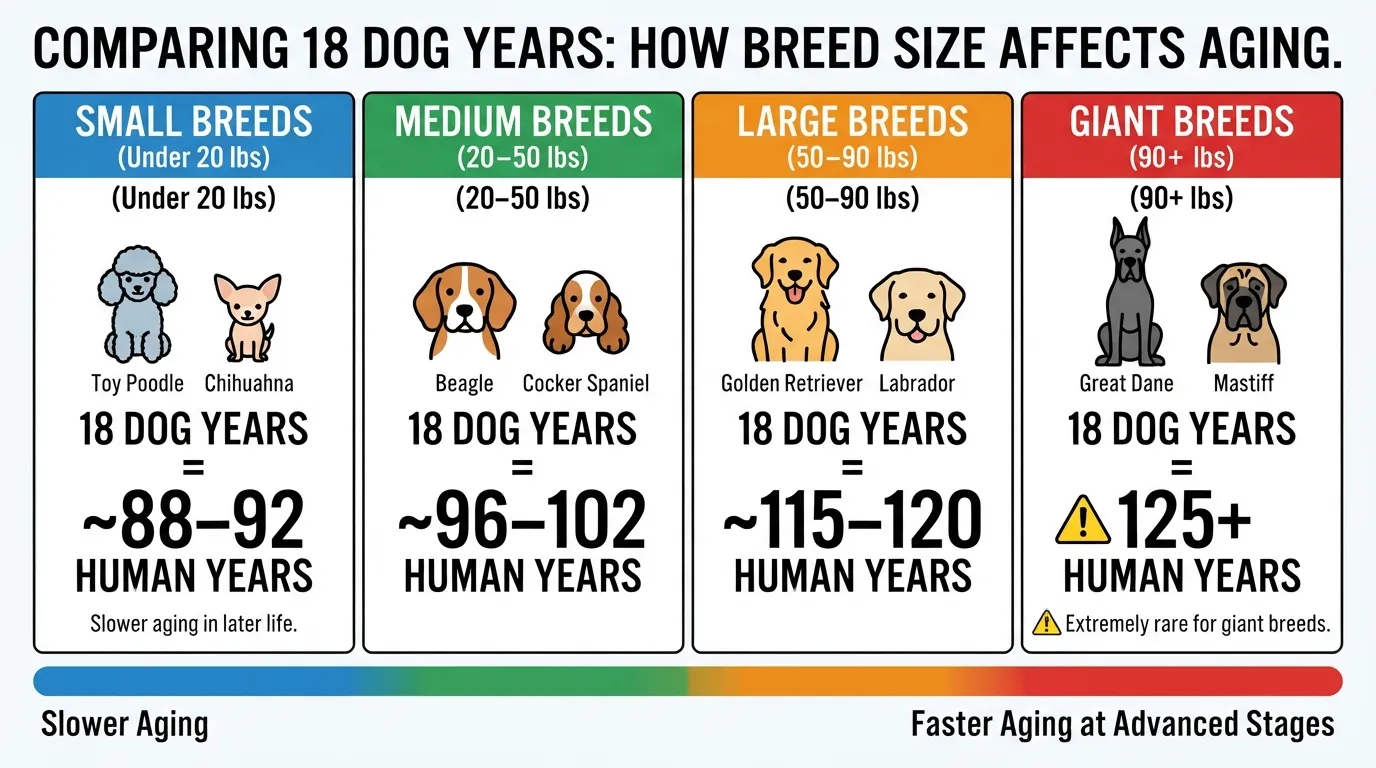
When your dog catches or bites a wild rat, the teeth are not the only threat. A hidden, life-threatening risk comes from secondary poisoning—a scenario that occurs when your dog comes into contact with a rodent that has recently ingested commercial rat poison (rodenticide).
How Secondary Poisoning Happens
Secondary poisoning occurs when your dog eats a poisoned rat, chews on its carcass, or ingests its internal organs where toxic chemicals have concentrated.
Most modern rodenticides use anticoagulants or neurotoxins engineered to kill rats slowly over several days. During this window, a poisoned rat becomes weak, disoriented, and easy prey for a dog. If your dog catches or swallows a sluggish rat, they can easily ingest a dangerous dose of poison alongside the rodent.
First Signs of Rat Poison in Dogs
Signs of rodenticide toxicity rarely appear immediately; they typically manifest 2 to 5 days after exposure as the poison depletes the body’s resources or affects the nervous system. Watch closely for these severe warning signs:
Extreme lethargy and weakness: Your dog seems unusually tired, reluctant to stand, or lacks energy.
Pale or white gums: A clear sign of internal blood loss or severe anemia.
Spontaneous bleeding: Nosebleeds, bleeding from the gums, bloody urine, or dark, tarry stool.
Unexplained bruising: Red or purple spots (petechiae) appearing under the skin, belly, or inside the ears.
Difficulty breathing: Rapid, labored breathing or coughing, often caused by bleeding into the chest cavity or lungs.
Vomiting or seizures: Neurological signs like tremors, loss of coordination, or seizures (common with non-anticoagulant bromethalin poisons).
Can My Dog Survive Rat Poison Without Treatment?
The honest answer is that survival without veterinary intervention is extremely unlikely if a toxic dose was consumed.
Anticoagulant poisons block the body’s ability to recycle Vitamin K, which is essential for producing blood clotting factors. Without emergency treatment, dogs experience catastrophic internal hemorrhaging. Non-anticoagulant baits cause fatal brain swelling or hypercalcemia. Survival entirely depends on the specific chemical type, the amount consumed, your dog’s weight, and how quickly veterinary care begins. [LINK SUGGESTION: ASPCA Animal Poison Control rodenticide reference page]
How Vets Flush Poison Out of a Dog’s System
If you suspect secondary poisoning, immediate veterinary care is critical. Clinic treatments vary depending on how much time has passed since ingestion:
Induced Vomiting (Vet-Supervised Only): If exposure occurred within 2 hours, your vet can safely administer specialized drugs (such as apomorphine) to make your dog empty their stomach contents.
Activated Charcoal: Your vet will administer liquid activated charcoal orally to bind to remaining toxins in the gastrointestinal tract and prevent them from absorbing into the bloodstream.
Prescription Vitamin K1 Therapy: For anticoagulant poisoning, vets prescribe high-dose Vitamin K1 tablets or injections for 30 days to rebuild clotting capabilities.
IV Fluids and Supportive Care: Dogs showing severe signs may require intravenous fluid therapy, oxygen support, or full blood and plasma transfusions to stabilize active bleeding.
Warning: Never attempt to induce vomiting at home using hydrogen peroxide, salt, or home remedies without explicit instruction from a veterinarian. Doing so can cause severe esophageal burns, aspiration pneumonia, or fatal stomach rupture.
Symptom Watch List First 24–72 Hours

Monitoring your dog closely during the initial days following a rat bite is critical. Infections and complications can develop rapidly, so knowing what to look for—and how urgently to react—helps you catch serious issues before they become life-threatening.
| Symptom | Urgency Level | Possible Cause |
|---|---|---|
| Mild localized redness & swelling | Moderate (Call vet same-day) | Early localized tissue inflammation or mild bacterial introduction. |
| Pus, oozing, or foul odor from wound | High (Vet evaluation required) | Bacterial wound abscess (Pasteurella, Staphylococcus). |
| Warm, firm, rapidly expanding skin swelling | High (Vet evaluation required) | Spreading tissue infection or cellulitis. |
| Lethargy, fever, or loss of appetite | Urgent (Same-day vet visit) | Systemic bacterial infection, early Rat Bite Fever, or Leptospirosis. |
| Pale or white gums, weakness, bruising | Emergency (Immediate ER visit) | Secondary rat poison (rodenticide) toxicity or severe internal bleeding. |
| Joint pain, limping, or reluctance to stand | Urgent (Same-day vet visit) | Rat Bite Fever (Streptobacillus moniliformis) causing infectious arthritis. |
| Vomiting, yellowing eyes/gums (jaundice) | Emergency (Immediate ER visit) | Acute Leptospirosis affecting the liver and kidneys. |
How Long Until Symptoms Appear? (Incubation Timeline)
Different pathogens carried by rodents follow distinct timelines. While a localized bacterial wound infection usually shows up within 24 to 48 hours, systemic illnesses have longer incubation periods:
Standard Local Wound Infection: 12–48 hours. Bacterial proliferation causes redness, warmth, swelling, and pus formation around the bite track within the first two days.
Secondary Rat Poison Toxicity: 2–5 days. Symptoms of anticoagulant rodenticide exposure rarely show up immediately; internal bleeding typically manifests several days after ingestion.
Rat Bite Fever (Streptobacillus moniliformis): 2–10 days. Initial signs like fever, joint stiffness, and swollen lymph nodes usually take several days to two weeks to develop. [LINK SUGGESTION: CDC information on Rat-Bite Fever incubation and symptoms]
Leptospirosis: 4–12 days. The incubation period for Leptospira bacteria typically ranges from 4 to 12 days before organ-related symptoms like vomiting and jaundice become apparent.
How to Prevent Future Rat Encounters
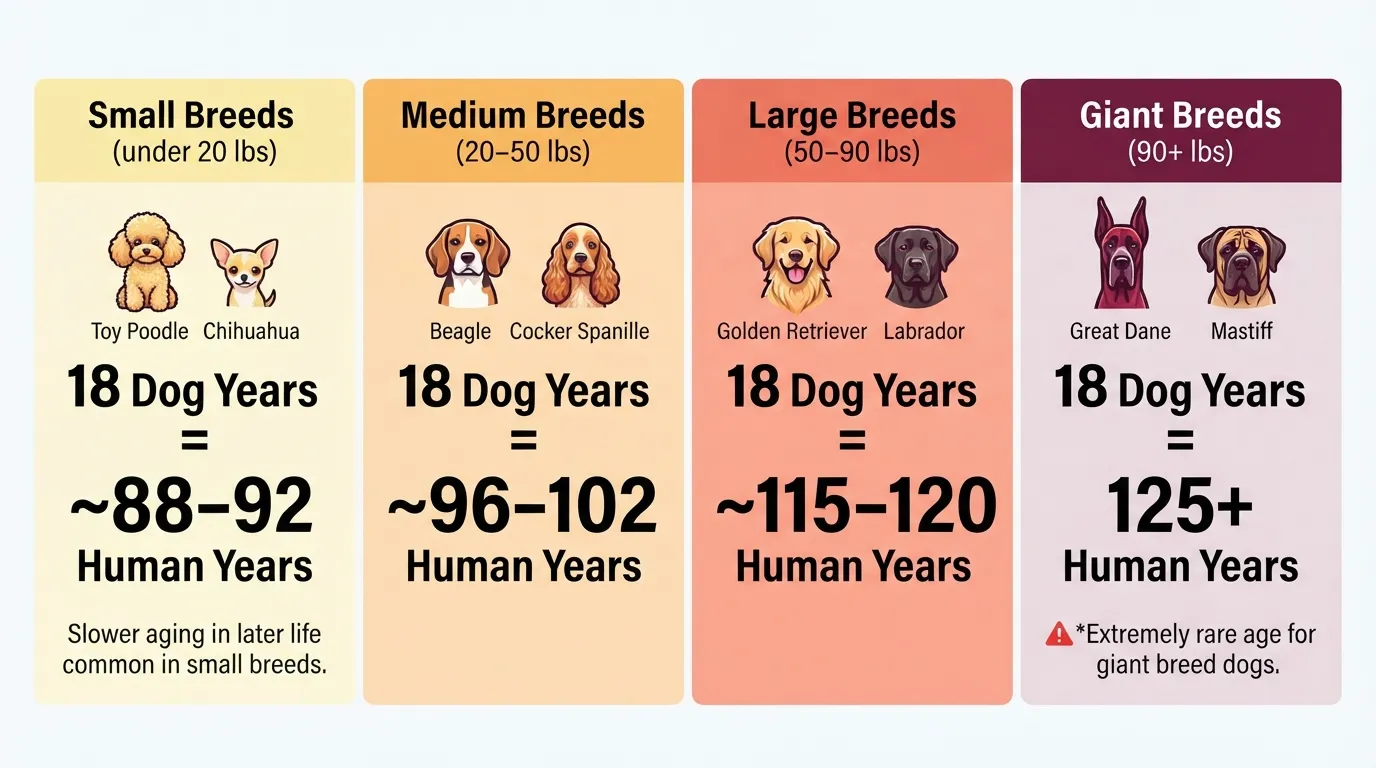
Once your dog has recovered from a rat bite, taking practical precautions around your home and yard reduces the risk of another dangerous encounter.
1. Keep Leptospirosis Vaccines Current
Because wild rats constantly shed Leptospira bacteria in their urine, vaccination is your dog’s strongest defense against severe illness. Ask your vet about adding the annual leptospirosis vaccine to your dog’s regular immunization schedule, especially if rodents are common in your area.
2. Use a Leash During High-Risk Hours
Rats are nocturnal and most active between dusk and dawn. Avoid letting your dog roam off-leash near woodpiles, alleyways, tall grass, or dense shrubs at night. Keeping your dog on a short leash during late walks prevents them from surprising a cornered rat before you can intervene.
3. Practice Pet-Safe Rodent Control
If you must use rat bait stations, choose tamper-resistant, pet-proof stations that lock closed. Never scatter open poison pellets or snap traps in areas your dog can reach. Always opt for pet-safe control methods, and inform your neighbors if you manage shared outdoor spaces.
4. Secure Outdoor Food and Trash
Rats enter yards looking for easy meals. Store pet food, birdseed, and outdoor trash in heavy-duty plastic or metal bins with secure lids. Clean up fallen fruit from trees, pick up leftover pet food immediately after feeding, and trim dense ground cover near fence lines to eliminate hiding spots.
Frequently Asked Questions
What to do if a dog gets bitten by a rat?
If a rat bites your dog, immediately separate your dog from the rodent and keep them calm. Flush the wound under warm running water with mild antibacterial soap for 5 to 10 minutes to clear away surface saliva and debris. Apply light, steady pressure with a clean cloth if there is active bleeding, and contact your veterinarian immediately. Even tiny puncture wounds can push aggressive bacteria deep into muscle tissue, making prompt professional care essential.
Should I be worried if my dog bites a rat?
Yes, you should take action even if your dog shows no immediate signs of injury. Rats carry sharp teeth that inflict narrow, easily infected puncture wounds, as well as bacteria in their mouth and saliva. Furthermore, if your dog bit, killed, or swallowed the rat, they face potential exposure to secondary rat poison (rodenticide toxicity), leptospirosis from rodent urine, and internal parasites like tapeworms. Calling your vet the same day is the safest step.
Can my dog get sick from a rat bite?
Yes, dogs can contract both local wound infections and serious systemic illnesses from a rat bite. Beyond painful bacterial abscesses caused by Pasteurella or Staphylococcus, rats can transmit Rat Bite Fever (Streptobacillus moniliformis), Leptospirosis, and Tularemia. Contact a vet promptly if you notice spreading redness around the bite, swelling, lethargy, fever, limping, or loss of appetite in the days following an encounter.
What are the first signs of rat poisoning in dogs?
The initial signs of secondary rat poisoning typically appear 2 to 5 days after exposure rather than right away. Key symptoms include extreme lethargy, pale or white gums, unexplained bruising under the skin or on the belly, spontaneous bleeding from the nose or gums, blood in the urine or stool, and rapid, labored breathing. If the poison affects the central nervous system, you may also see tremors, loss of coordination, or seizures.
Can my dog survive rat poison without treatment?
Survival without prompt veterinary treatment is extremely unlikely if your dog consumed a toxic dose. Anticoagulant rodenticides drain the body’s store of essential clotting factors, resulting in severe, internal bleeding into tissue and body cavities. Other poison types cause rapid brain swelling or kidney failure. Immediate veterinary intervention—such as prescription Vitamin K1 therapy, IV fluid support, or blood component transfusions—is vital to saving your dog’s life. [LINK SUGGESTION: ASPCA Animal Poison Control page on rodenticide toxicity]
How do you flush poison out of a dog’s system?
Veterinarians use tailored clinical decontamination protocols depending on the toxin type and time elapsed since exposure. If caught within 1 to 2 hours, a veterinarian can safely administer clinical drugs like apomorphine to induce controlled vomiting. Vets also use medical-grade activated charcoal to trap remaining toxins in the gut, high-dose prescription Vitamin K1 to restore blood clotting, and continuous IV fluids to protect internal organ function.
🐾 Other Age Guides

I built Dogagescalculator.com to give dog owners honest, science-backed answers instead of the outdated "×7" myth. Every figure here is checked against AKC, AVMA, and published veterinary research.
More about the author & this site →
Comments