
Mixed Breed Dogs That Look Like a Fox: Complete Guide
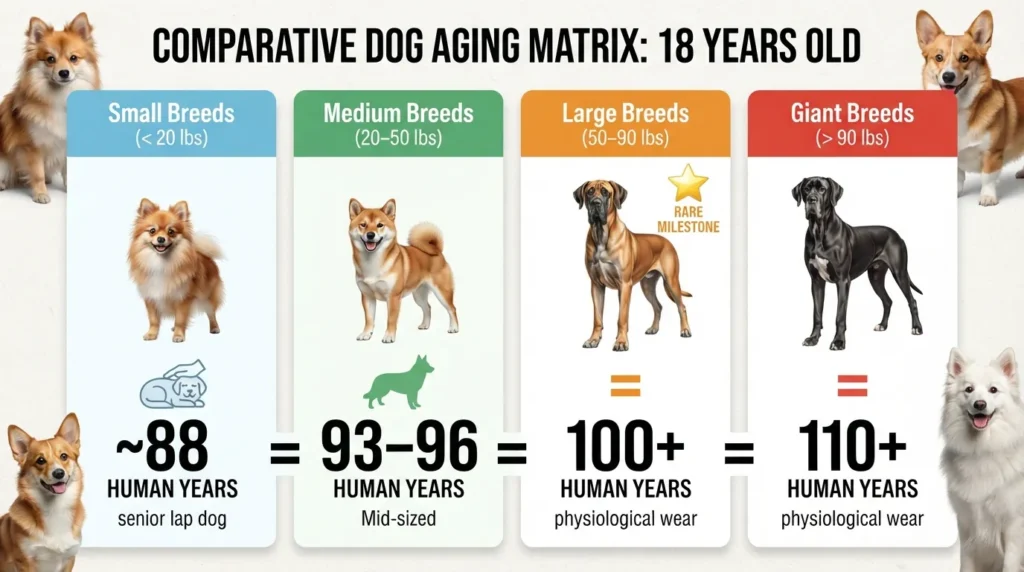
There is something magnetic about a dog that looks like a wild fox. With sharp triangular muzzles, erect ears, and plush bushy tails, fox-like dogs draw attention everywhere they go. It is easy to see why so many owners want to bring a little slice of the wilderness home.
If you are searching for a dog breed that looks like a fox, this guide covers everything you need to know. First, we examine top purebred and designer mixed breeds that naturally mimic the vulpine look—from compact Pomeranian crosses to majestic Spitz breeds. We then explore the science behind dog-fox genetics to answer whether a true dog-fox crossbreed actually exists.
Whether you want to adopt a red-furred companion or simply satisfy your curiosity, here is your complete guide to fox-like dog breeds.
Do Dogs and Foxes Actually Mix? (The Science Explained)
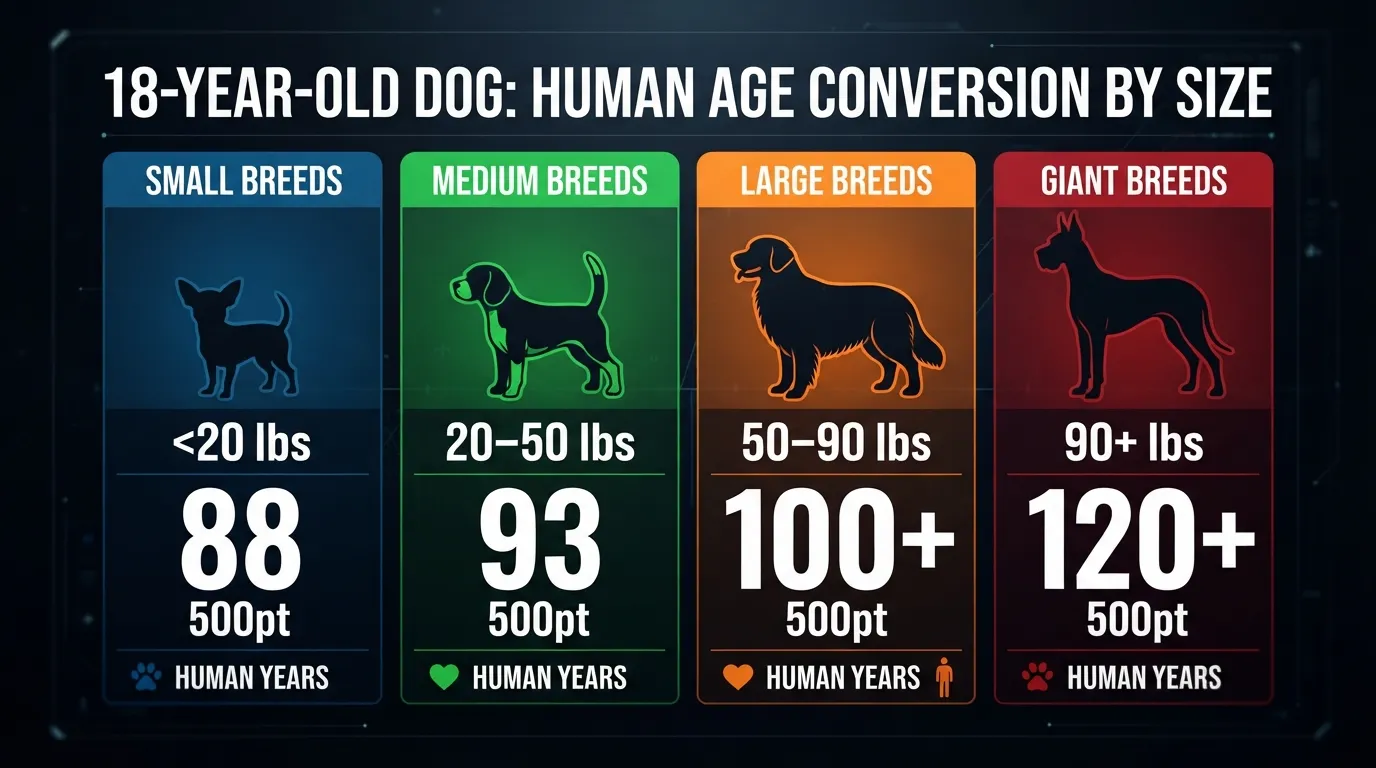
Why Dogs Can’t Naturally Breed With True Foxes
Despite endless internet rumors and convincing photos of fox-faced mutts, domestic dogs cannot naturally mate with true foxes. The reason comes down to basic cellular genetics: a complete chromosome mismatch.
Domestic dogs (Canis lupus familiaris) carry 78 chromosomes (39 pairs). True foxes—like the iconic Red Fox (Vulpes vulpes)—belong to an entirely different genus and carry between 34 to 38 chromosomes. Because their reproductive DNA is arranged so differently, their sperm and egg cells simply cannot combine to create viable embryos. Think of it like trying to fit a USB drive into an HDMI port; the biological code just doesn’t align.
The “Dogxim” Case — World’s First Dog-Fox Hybrid
While true foxes are genetically off-limits, nature threw a massive curveball in 2021 when rescuers in southern Brazil brought in a injured, unusual-looking canine. Dubbed “Dogxim,” tests revealed she was the world’s first documented dog-fox hybrid.
She wasn’t part red fox, though. Dogxim was a cross between a domestic dog and a Pampas fox (Lycalopex gymnocercus)—a South American wild canine that belongs to the Lycalopex genus, which is genetically closer to dogs than European red foxes.
Her genetics and behavior were unlike anything researchers had seen before:
Chromosome Count: She possessed 76 chromosomes—exactly 39 inherited from her domestic dog parent and 37 from her Pampas fox parent.
Unique Behavior: Dogxim barked like a dog and preferred playing with dog toys, yet she refused commercial kibble, insisted on eating live rodents, and remained intensely cautious around humans like a wild fox.
Tragically, Dogxim passed away in early 2023 under mysterious circumstances at a local zoo, prompting an investigation by Brazilian authorities into her care. Her brief life proved that wild canine hybrids can technically happen under rare biological conditions, but they remain extraordinarily uncommon.
Legal Ownership Note: Owning an actual fox or a wild canine hybrid is heavily regulated or strictly illegal in most regions due to rabies risks and wildlife conservation laws. You can learn more about wild canine genetics and history on [LINK: National Geographic].
Pomsky Section ke liye (Video 1)
Shiba Inu Mixes Section ke liye Video 3
Best Mixed Breed Dogs That Look Like Foxes
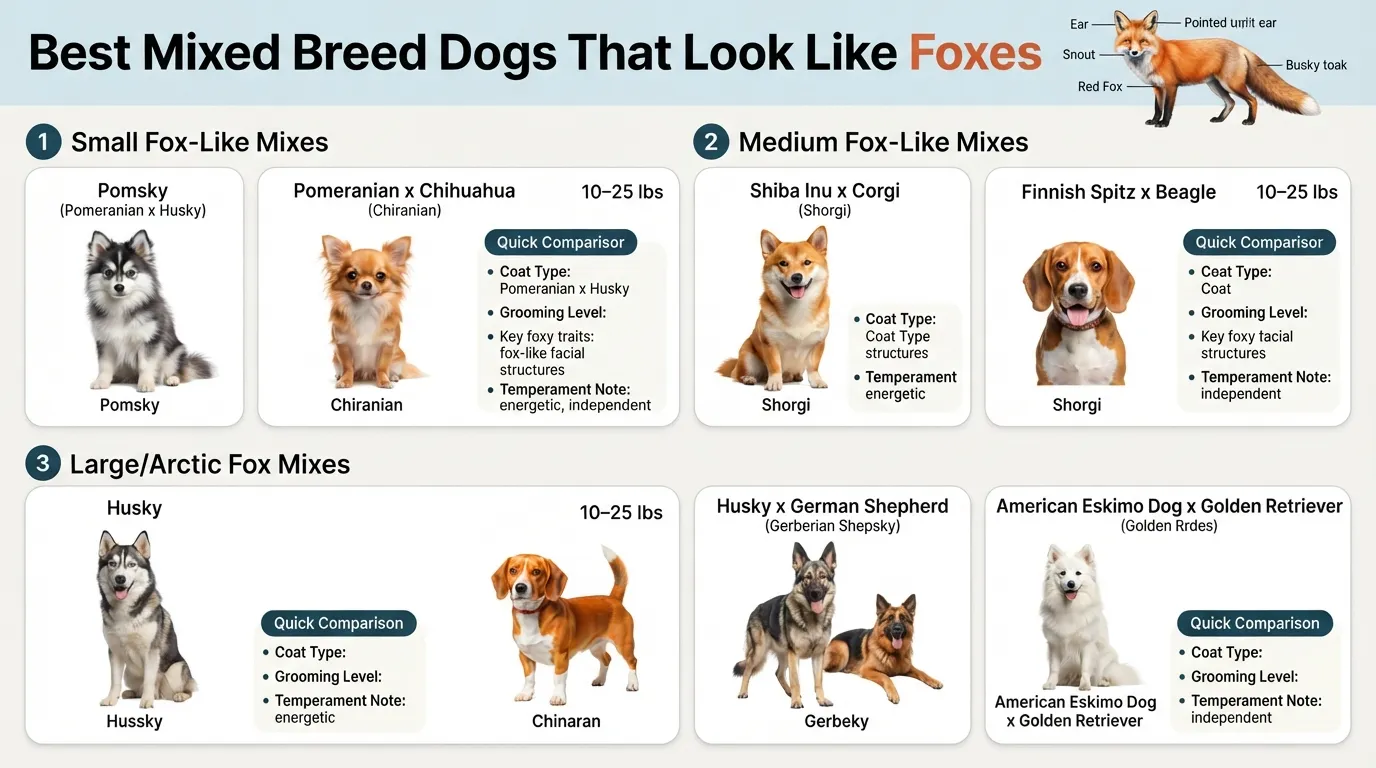
Pomsky (Pomeranian x Siberian Husky)
A cross between a Pomeranian and a Siberian Husky, the Pomsky is essentially a miniature husky with a fluffy coat, distinct facial markings, and an incredibly sharp, fox-like expression. Smaller, reddish-brown Pomskies are often mistaken for mini red foxes thanks to their alert, pointed ears and sweeping curved tails. They inherit high energy from the Husky alongside the bold, playful attitude of the Pomeranian, making them spunky and affectionate companions.
Weight: 20–30 lbs
Height: 10–15 inches
Life Expectancy: 12–15 years
Temperament: Energetic, vocal, playful, highly intelligent
Because smaller breeds age differently than larger dogs, estimating a Pomsky’s real biological age can be tricky. You can check how your mix is aging using our [LINK: Dog Age Calculator].
Shibapoo (Shiba Inu x Poodle)
When you cross a Shiba Inu—Japan’s famous vulpine breed—with a Poodle, you get the Shibapoo. This designer mix typically combines the Shiba’s dark triangular eyes, wedge-shaped head, and reddish coat with the softer, slightly wavy fur of a Poodle. They are far less prone to heavy shedding than purebred Shibas, while keeping that undeniable wild fox silhouette around the face.
Weight: 12–25 lbs
Height: 12–18 inches
Life Expectancy: 12–15 years
Temperament: Loyal, intelligent, occasionally stubborn, affectionate
Corgi Mixes
Pembroke and Cardigan Welsh Corgis naturally share distinct physical traits with red foxes, including foxy elongated snouts, wide erect ears, and rich sable or red coats. When crossed with other small breeds—such as a Chihuahua (Chigi) or a Pomeranian (Corgipom)—these foxy features often become even more pronounced. A mixed breed dog that looks like a fox often traces its lineage back to a Corgi, especially if it combines a classic fox face with a low-slung body and a feisty, alert personality.
Weight: 15–28 lbs (varies by specific mix)
Height: 10–12 inches
Life Expectancy: 12–14 years
Temperament: Alert, playful, herd-oriented, devoted
Alaskan Klee Kai
While technically a purebred recognized by the UKC rather than a mixed breed, the Alaskan Klee Kai deserves a spot on every fox-lookalike list. Developed in Alaska during the late 20th century, this rare breed was engineered specifically to be a companion-sized version of larger Arctic working dogs. While larger ones look like mini wolves, red-and-white Klee Kais closely resemble red or Arctic foxes due to their compact frames, masked faces, and intensely watchful expressions.
Weight: 10–20 lbs
Height: 13–17 inches
Life Expectancy: 13–16 years
Temperament: Shy with strangers, incredibly loyal, agile, high-energy
Chihuahua Mixes
If you’re drawn to the oversized, radar-like ears of desert fennec foxes, Chihuahua mixes fit the bill better than almost any other canine. Crossing a Chihuahua with a Pomeranian (Pomchi) or a Toy Fox Terrier creates a tiny dog with enormous pointed ears, a narrow delicate muzzle, and wide black eyes. Red or fawn-coated Chihuahua mixes look remarkably like juvenile fennec foxes, offering maximum fox charm in a small, apartment-friendly package.
Weight: 5–12 lbs
Height: 6–10 inches
Life Expectancy: 14–18 years
Temperament: Feisty, deeply devoted, alert, quick-witted
Purebred Dogs Often Mistaken for Fox Mixes
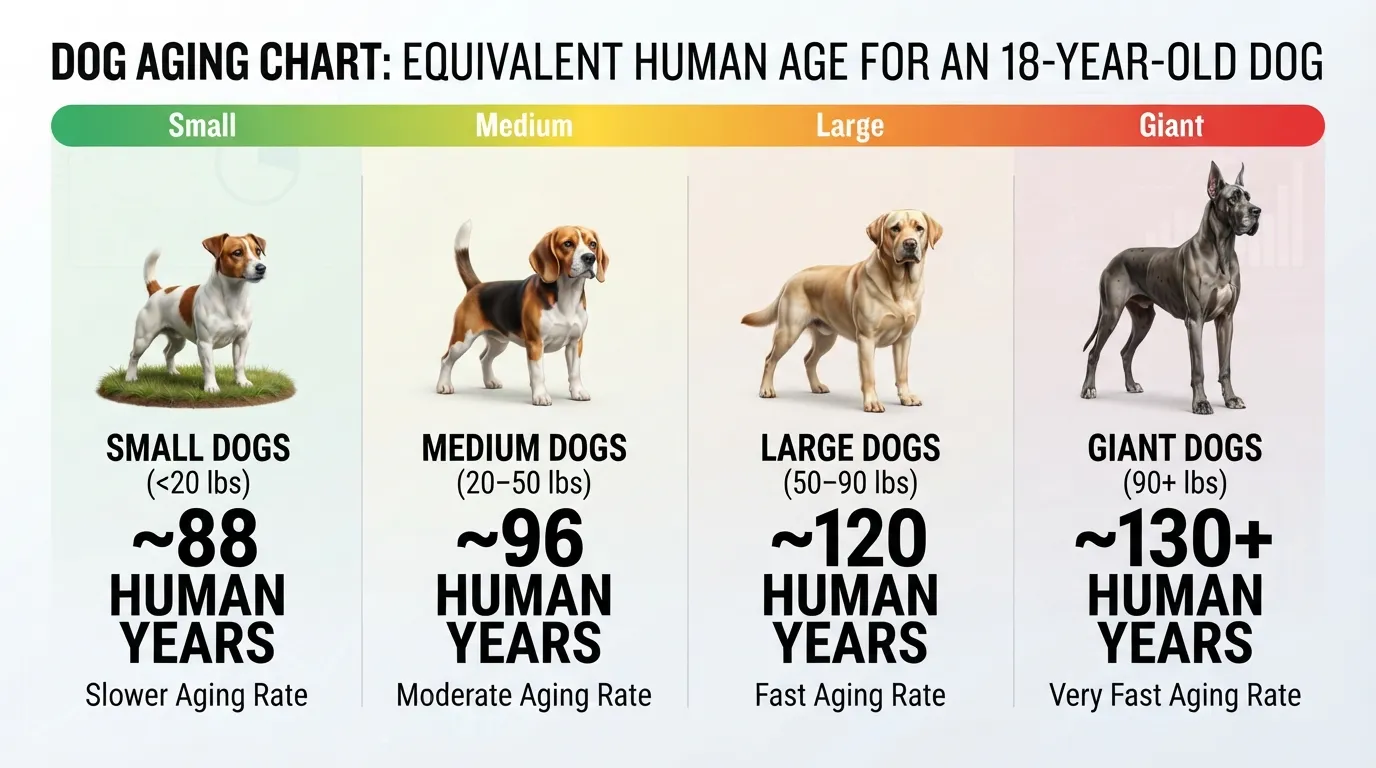
While many mixed breeds naturally take on vulpine features, several established purebred dogs look so strikingly like wild foxes that owners are constantly asked if their pet is part fox.
Shiba Inu — “The Chinese-Looking Fox Dog”
People frequently search for a “Chinese dog that looks like a fox,” but they are usually thinking of the Shiba Inu—an ancient, independent breed that actually originates from Japan, not China.
With their pointed black muzzles, erect triangular ears, and vibrant red coat featuring distinct white chest and face accents (urajiro), a red Shiba Inu is the closest living lookalike to a wild red fox. Beyond their physical features, Shibas carry a notoriouslycat-like, aloof personality that mirrors wild fox behavior.
Weight: 17–23 lbs
Height: 13.5–16.5 inches
Life Expectancy: 13–16 years
Temperament: Independent, keen, deeply loyal to family, confident
Japanese Spitz
Is a Japanese Spitz a real fox? No, the Japanese Spitz is 100% domestic dog with zero fox DNA, despite its uncanny resemblance to an Arctic white fox. Bred in Japan during the 1920s from larger Spitz ancestors, this breed sports a pristine, cloud-like white double coat, a dark ink-black nose, and a tapered, dark-eyed face that easily fools observers.
Unlike actual wild foxes, Japanese Spitzes are exceptionally warm, eager to please, and thrive on human companionship, making them far easier to train than their wild lookalikes.
Weight: 10–25 lbs
Height: 12–15 inches
Life Expectancy: 10–14 years
Temperament: Playful, affectionate, highly adaptable, alert
Finnish Spitz
If you put a Finnish Spitz next to a wild red fox, even experienced outdoorsmen might double-take. National dog of Finland, this ancient hunting breed was intentionally bred to flush game in harsh Nordic forests. They possess a fiery honey-red coat, a lean vulpine silhouette, and a sharp, wedge-shaped head.
Known as the “Barking Bird Dog” in their homeland, Finnish Spitzes are energetic, vocal, and deeply devoted companions that need plenty of room to run.
Weight: 20–33 lbs
Height: 15.5–20 inches
Life Expectancy: 12–14 years
Temperament: Vocal, lively, eager, protective
Volpino Italiano
Literally translating to “Little Italian Fox,” the Volpino Italiano is an ancient Mediterranean Spitz breed that almost went extinct in the late 20th century. Once favored by both Italian nobility and farm guards alike, the Volpino features a bushy tail curled tightly over its back, sharp erect ears, and a fox-like tapering muzzle. While most commonly solid white, red Volpinos exist and look like tiny, miniature red foxes.
Weight: 9–14 lbs
Height: 10–12 inches
Life Expectancy: 14–16 years
Temperament: Watchful, energetic, highly affectionate, vocal
American Eskimo Dog
Often called the “Eskie,” the American Eskimo Dog is a Nordic-type breed that looks remarkably like a snow-covered Arctic fox. Available in toy, miniature, and standard sizes, these dogs feature dense white double coats, coal-black facial points, and erect, triangular ears. Beyond their striking winter-fox aesthetic, Eskies are renowned for their extreme intelligence and history as circus performers.
Weight: 6–35 lbs (Toy to Standard)
Height: 9–19 inches
Life Expectancy: 13–15 years
Temperament: Smart, eager to please, reserved with strangers, playful
Quick Comparison Table ke paasVideo 2 - Short
More Fox-Look-Alike Dogs Section ke liyeVideo 4
Mixed Breed vs Purebred Fox-Look Dogs — Comparison Table
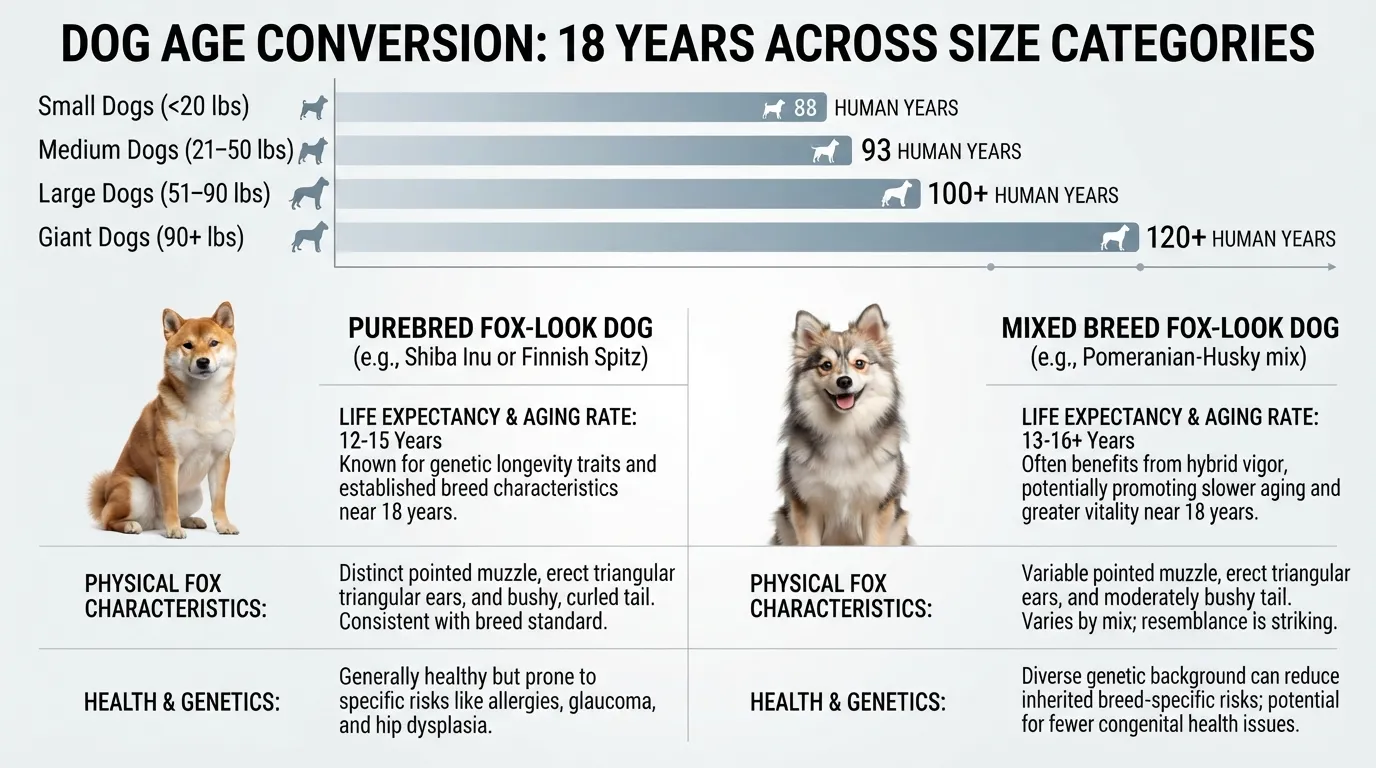
Choosing between a designer mix and an established purebred often comes down to unpredictability versus consistency. While purebreds offer predictable sizes and temperaments, a mixed breed dog that looks like a fox often brings a unique, one-of-a-kind blend of traits.
The table below breaks down how these top fox-like dogs compare side-by-side to help you find the right match for your household.
| Breed | Type | Size | Fox-Similarity Level | Life Expectancy | Best For |
|---|---|---|---|---|---|
| Shiba Inu | Purebred | Small to Medium (17–23 lbs) | Extremely High (Red Fox) | 13–16 years | Experienced owners seeking an independent, cat-like companion |
| Finnish Spitz | Purebred | Medium (20–33 lbs) | High (Classic Red Fox) | 12–14 years | Active families and outdoor enthusiasts who don't mind barking |
| Pomsky | Mixed Breed | Toy to Medium (20–30 lbs) | High (Miniature Red/Cross Fox) | 12–15 years | Households looking for an energetic, vocal, and eye-catching companion |
| Japanese Spitz | Purebred | Small to Medium (10–25 lbs) | High (Arctic White Fox) | 10–14 years | First-time dog owners and apartment dwellers wanting a friendly lapdog |
| Volpino Italiano | Purebred | Small (9–14 lbs) | High (Miniature Fox) | 14–16 years | Owners looking for a vigilant, affectionate watchdog in a small package |
| Shibapoo | Mixed Breed | Small to Medium (12–25 lbs) | Moderate to High (Low-Shed Fox) | 12–15 years | Families wanting Shiba Inu aesthetics with lower shedding |
| Corgi Mixes | Mixed Breed | Small to Medium (15–28 lbs) | Moderate to High (Low-Rider Fox) | 12–14 years | Active owners who love intelligent, herd-oriented dogs |
| Alaskan Klee Kai | Purebred | Toy to Miniature (10–20 lbs) | Moderate (Miniature Grey/Arctic Fox) | 13–16 years | Dedicated owners ready for an agile, highly intelligent working breed |
| Chihuahua Mixes | Mixed Breed | Toy (5–12 lbs) | High (Fennec Fox) | 14–18 years | Apartment living and owners looking for a loyal, portable lapdog |
| American Eskimo Dog | Purebred | Toy to Standard (6–35 lbs) | Moderate to High (Snow Fox) | 13–15 years | Families seeking a highly trainable, energetic dog for tricks and agility |
How Much Does a Fox-Look Mixed Breed Dog Cost?

Price Range by Breed
The price of a fox-like dog varies wildly depending on whether you are buying a trendy designer crossbreed or an established purebred. High-demand mixes like Pomskies command premium prices, while smaller or lesser-known mixes sit at a more moderate price point.
Here is what you can expect to pay on average for a puppy from a breeder:
Pomsky (Pomeranian x Husky): $1,500 – $3,500+ (micro or rare red-coated variants can easily exceed $4,000)
Shibapoo (Shiba Inu x Poodle): $1,000 – $2,200
Corgi Mixes (e.g., Corgipom, Chigi): $800 – $1,800
Chihuahua Mixes (Pomchi, Fox Chihuahua): $500 – $1,200
Shiba Inu (Purebred benchmark): $1,500 – $3,000
Japanese Spitz (Purebred benchmark): $1,000 – $2,000
Beyond the initial purchase price, keep in mind that double-coated breeds need routine professional grooming, high-quality food, and regular vet checkups—all of which add to the long-term cost of ownership.
Adoption vs Breeder — What to Know
If you decide to buy a puppy, finding an ethical breeder is crucial—especially when dealing with designer mixed breeds that look like foxes. Unscrupulous breeders and puppy mills heavily exploit the “mini fox” aesthetic, breeding dogs purely for coat color or facial structure while ignoring genetic health, hip clearance tests, and proper temperament. A responsible breeder will readily share parental health testing, welcome home visits, and never sell a puppy under eight weeks old.
Adoption is another fantastic—and far more affordable—path. Shelter adoption fees typically range from $150 to $400, which almost always covers spaying/neutering, microchipping, and initial vaccinations.
While finding a specific first-generation designer hybrid at a local shelter requires patience, breed-specific rescues (like Shiba Inu, Corgi, or American Eskimo rescues) frequently take in both purebreds and fox-faced mixed breeds looking for a second chance.
Common Health Issues in Fox-Look Mixed Breeds
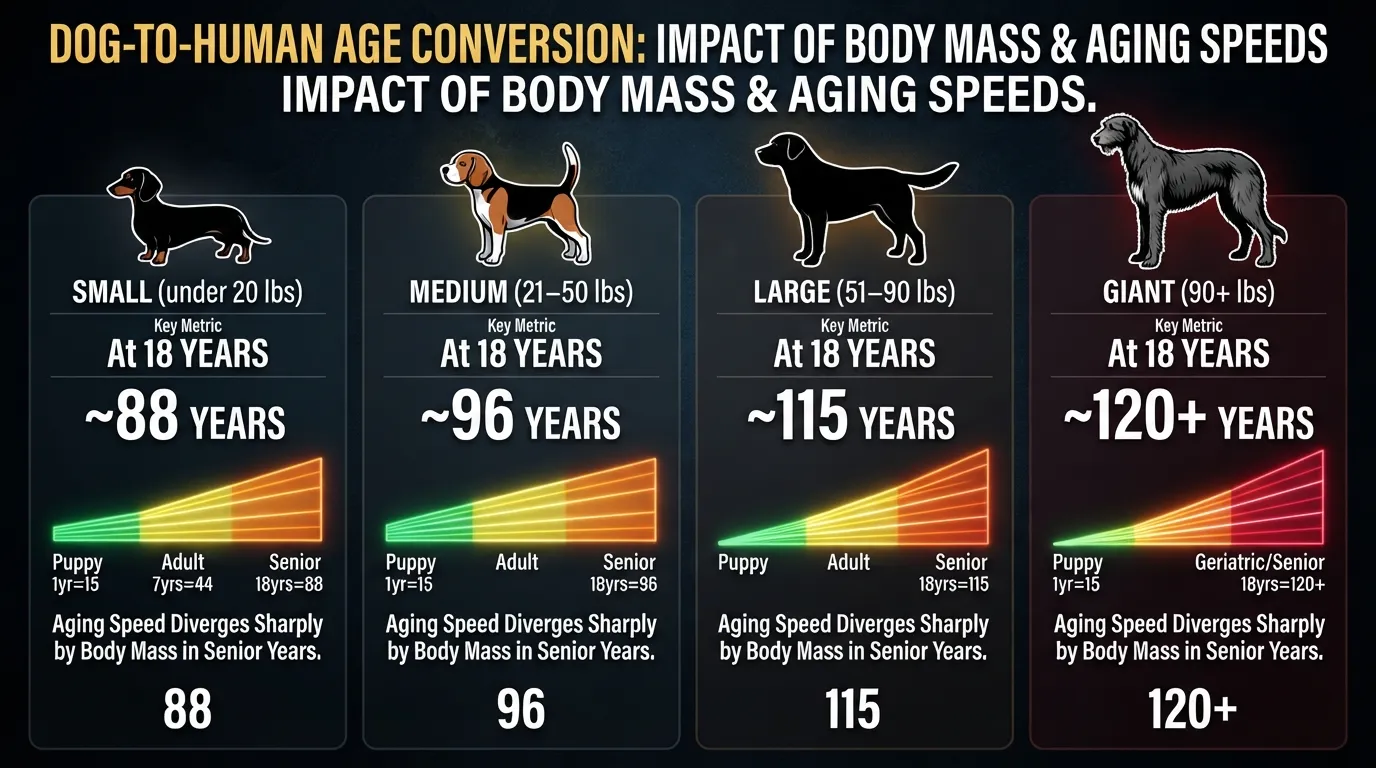
There is a widespread belief that mixed breed dogs are inherently immune to health problems thanks to “hybrid vigor”—the idea that crossing two distinct gene pools produces healthier offspring. While crossing breeds can dilute certain inherited genetic conditions, hybrid vigor is not a magic shield. A mixed breed dog that looks like a fox can still inherit health issues common to both parent breeds.
Understanding these breed-specific risks helps you stay proactive about preventive care:
Spitz & Northern Mixes (Pomskies, Alaskan Klee Kais): Prone to hip dysplasia, progressive retinal atrophy (PRA), and luxating patellas (slipping kneecaps). Double-coated mixes are also susceptible to hypothyroidism and skin allergies.
Small & Toy Mixes (Chihuahua Crosses, Pomchis): Prone to dental overcrowding, tracheal collapse, and heart murmur issues. Their small frames also make them fragile and susceptible to hypoglycemia as puppies.
Long-Backed Mixes (Corgi Crosses): Vulnerable to Intervertebral Disc Disease (IVDD)—a painful spinal condition exacerbated by jumping off furniture or carrying extra weight.
Poodle Crosses (Shibapoos): Higher risk for Addison’s disease, sebaceous adenitis (a rare skin condition), and bloat if the mix leans toward a medium or standard size.
How to Choose the Right Fox-Look Dog for You
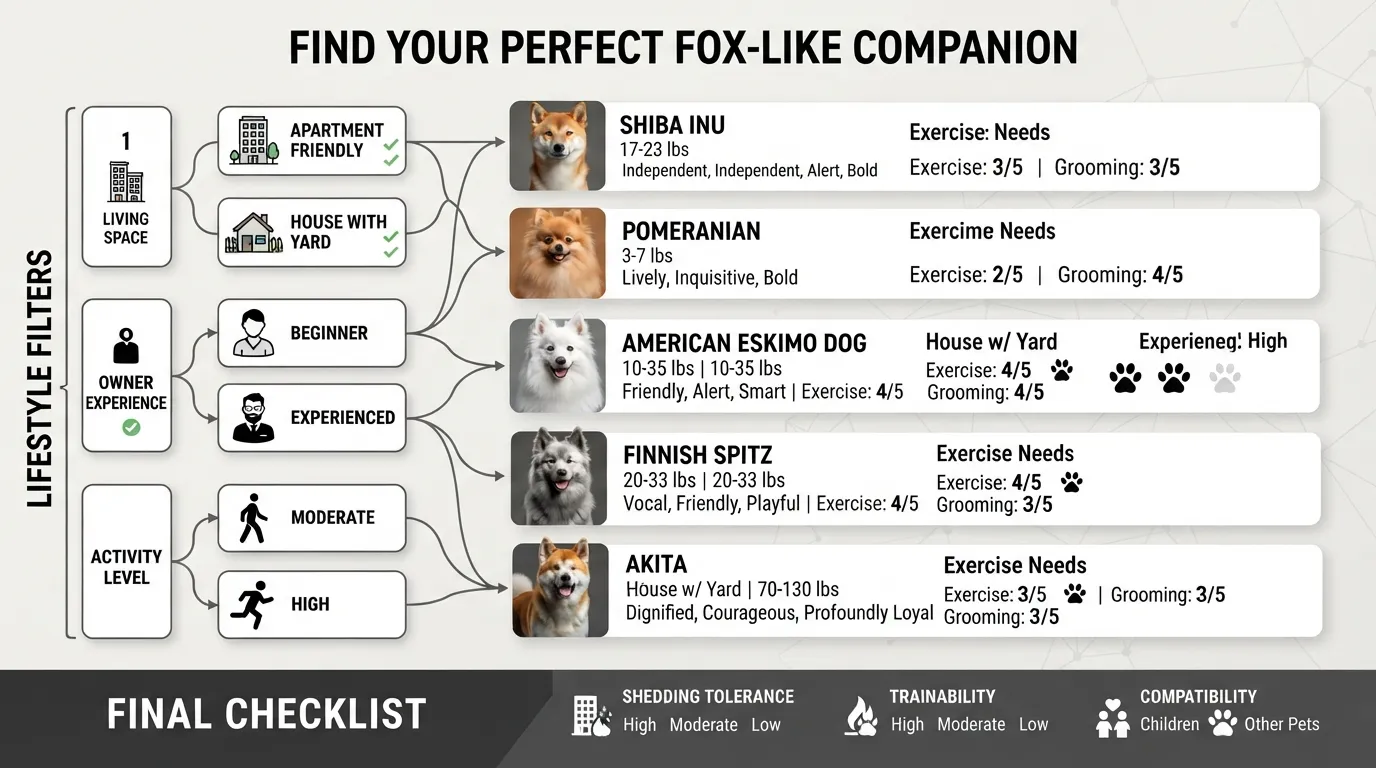
Choosing a canine companion based on their wild, fox-like looks is exciting, but physical appearance should only be the starting point. Vulpine-looking breeds—particularly those with Spitz, Husky, or Terrier lineage—carry unique instincts and energy levels that require the right lifestyle match.
Space & Exercise Needs
Don’t let their plush fur and compact sizes fool you; most fox-faced dogs are high-octane working or hunting descendants at heart. Breeds like the Pomsky, Alaskan Klee Kai, and Corgi mixes pack an incredible amount of athletic drive into small bodies.
Exercise Requirements: Expect to dedicate 45 to 90 minutes daily to physical activity. A quick walk around the block won’t cut it—these dogs need brisk walks, flirt-pole sessions, or agility games to burn off steam.
Living Space: While smaller Chihuahua or Japanese Spitz mixes adapt well to apartment living, high-energy Spitz mixes need consistent mental enrichment. Without adequate outlets, their boredom often manifests as destructive chewing or persistent howling. Securely fenced yards are a massive plus, as many of these breeds retain a strong prey drive and will dart after small animals.
Grooming Requirements
That signature fox look comes with a serious commitment to coat care. Most fox-like dogs possess heavy double coats—a dense, insulating undercoat topped by longer guard hairs—designed to handle harsh weather.
Shedding Cycles: Prepare for year-round light to moderate shedding, along with explosive “coat blowing” seasons twice a year (usually spring and fall). During these times, undercoat fur comes out in tufts, requiring daily brushing with an undercoat rake and slicker brush.
Maintenance Tip: Never shave a double-coated fox mix. Shaving ruins their natural temperature regulation and can lead to permanent coat damage or alopecia. If you prefer a lower-shedding option, a Poodle cross like the Shibapoo offers a more manageable, wavy coat.
Who Should Get a Fox-Look Dog? (Families, Beginners & Kids)
While these dogs are undeniably gorgeous, their fiery personalities mean they aren’t the ideal choice for every household.
First-Time Owners: Beginners should lean toward friendly, eager-to-please breeds like the Japanese Spitz or American Eskimo Dog. In contrast, primitive breeds like the Shiba Inu or independent Pomskies can be stubborn, aloof, and challenging to train for novice handlers.
Families with Young Kids: Smaller, delicate mixes (like Chihuahua-Pomeranian crosses) can be easily injured by rough toddlers and may nip if stepped on. Sturdier mixes like Corgi crosses thrive with respectful children, though their herding instincts might lead them to nip at running heels if not trained early.
Multi-Pet Households: Because many fox-look dogs inherit a strong natural prey drive from their Spitz or hunting ancestors, they require careful, supervised introductions around cats, rabbits, and small pocket pets.
More Fox-Look-Alike Dogs Section ke liyeVideo 5
How Long Do Fox-Like Mixed Breed Dogs Live?
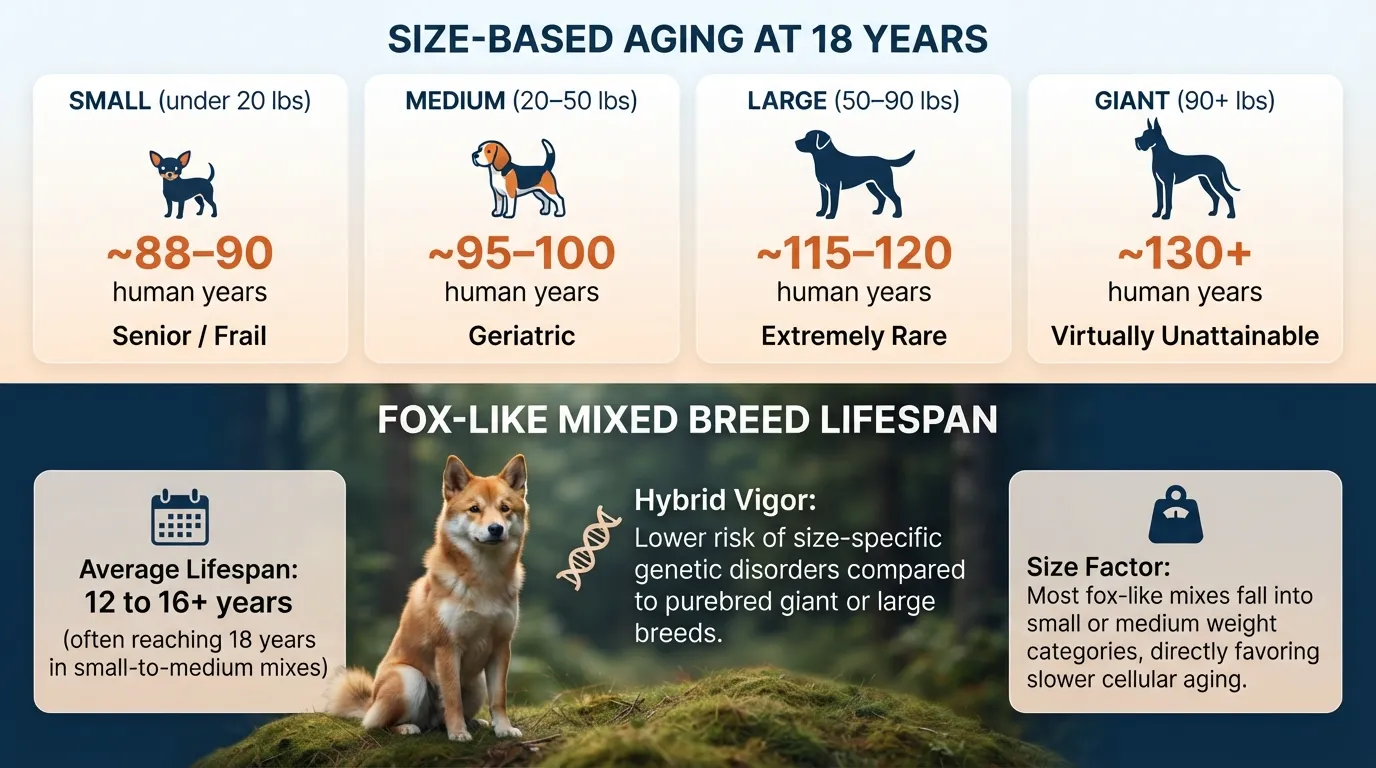
Because most fox-look breeds are compact to medium in size, they generally enjoy longer lifespans than larger, heavy-boned working dogs. On average, you can expect a fox-like dog to live 12 to 16 years with proper nutrition, exercise, and routine veterinary care.
Here is a quick recap of expected lifespans across the most popular vulpine breeds:
Chihuahua Mixes (Pomchis, Chigis): 14–18 years (among the longest-lived small mixes)
Volpino Italiano & Alaskan Klee Kai: 13–16 years
Shiba Inu & Pomsky: 12–15 years
Japanese Spitz & Shibapoo: 10–15 years
Corgi Mixes & Finnish Spitz: 12–14 years
Because smaller dogs mature rapidly during their first two years before settling into a slower aging process, calculating their biological age isn’t as simple as multiplying by seven. Want to see where your pup stands on the human age spectrum? Use our free [LINK: Dog Age Calculator] to find out your fox-look pup’s exact human-year age.
Frequently Asked Questions
What dog breed resembles a fox?
The Shiba Inu, Finnish Spitz, Japanese Spitz, and Volpino Italiano are purebred dogs that most strongly resemble a fox. Among designer crossbreeds, the Pomsky (Pomeranian x Husky), Shibapoo, and various Corgi or Chihuahua mixes are popular choices that look just like a fox thanks to their pointed ears, wedge-shaped muzzles, and fluffy coats.
What dog breed is mixed with a fox?
No standard domestic dog breed is actively mixed with a true wild fox. Domestic crossbreeds that look like foxes—often called “fox dogs”—are simply combinations of two domestic dog breeds (such as a Pomeranian and a Siberian Husky) that naturally share physical traits like pointed muzzles and erect ears.
Is Japanese Spitz a fox?
No, a Japanese Spitz is a 100% domestic dog breed with zero fox DNA. They belong to the Spitz family of dogs, which originated in Japan in the 1920s. Their pure white double coat, dark eyes, and pointed face give them a striking resemblance to an Arctic white fox.
What is the Chinese dog that looks like a fox?
People searching for a “Chinese fox dog” are almost always thinking of the Shiba Inu, which is actually a Japanese breed, not Chinese. While certain mixed mutts native to rural China carry Spitz-like traits, the Japanese Shiba Inu remains the iconic Asian dog that people mistake for a wild red fox.
Can a dog and fox actually mate?
Domestic dogs cannot naturally mate or reproduce with true foxes (like the European Red Fox) due to a major chromosome mismatch. Dogs have 78 chromosomes, while true foxes have between 34 and 38. The only known documented exception was “Dogxim,” a rare hybrid between a dog and a South American Pampas fox.
How much does a fox-look mixed breed cost?
A fox-like mixed breed puppy typically costs between $800 and $3,500 depending on the specific cross. Trendy designer mixes like Pomskies sit on the higher end ($1,500–$3,500+), while Chihuahua and Corgi mixes are generally more affordable ($500–$1,500). Adopting a fox-look mix from a shelter usually costs around $150 to $400.
Conclusion
Finding a mixed breed dog that looks like a fox brings the enchanting aesthetic of wild wildlife straight into your living room—without any of the legal or biological headaches of wild ownership. While true dog-fox hybrids remain a genetic impossibility in nature, domestic options like Pomskies, Corgi crosses, Shiba Inus, and Japanese Spitzes offer all the vulpine charm with the loyal, loving hearts of domestic dogs.
Before bringing one of these striking pups home, remember to look past their sharp ears and bushy tails to ensure their energy level, grooming demands, and temperament fit your everyday lifestyle.
Already lucky enough to share your life with a foxy companion? Head over to our free [LINK: Dog Age Calculator] to instantly convert your pup’s age into human years and track their life stage!
🐾 Other Age Guides

I built Dogagescalculator.com to give dog owners honest, science-backed answers instead of the outdated "×7" myth. Every figure here is checked against AKC, AVMA, and published veterinary research.
More about the author & this site →
Comments