Belgian Malinois Age in Human Years – Free Calculator & Full Chart
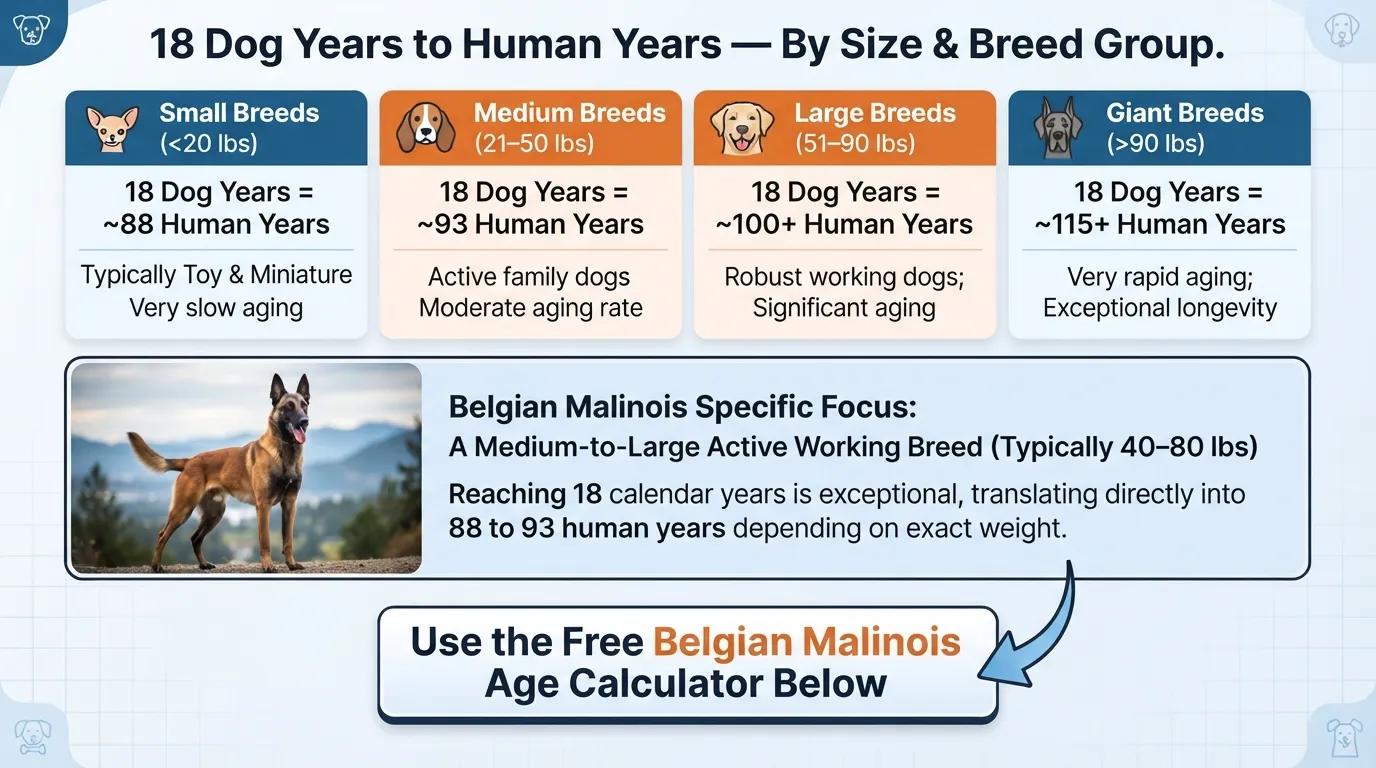
A 3-year-old Belgian Malinois is approximately 29 human years old, not 21. Because Malinois are medium-to-large working dogs (typically 55 to 80 pounds), they age faster during early adulthood than smaller breeds. While the average Belgian Malinois lives 12 to 14 years, their high-octane working drive can mask early signs of aging.
From military K9s like Cairo—the famous Malinois on the 2011 Navy SEAL raid—to high-drive family companions, understanding your dog’s true biological age is essential for tracking joint health, nutrition, and life stage transitions.
Use our free calculator below to instantly convert your Belgian Malinois’s age into human years based on current veterinary epigenetic aging models.Dog Years to Human Years
Belgian Malinois Age Chart – Dog Years to Human Years
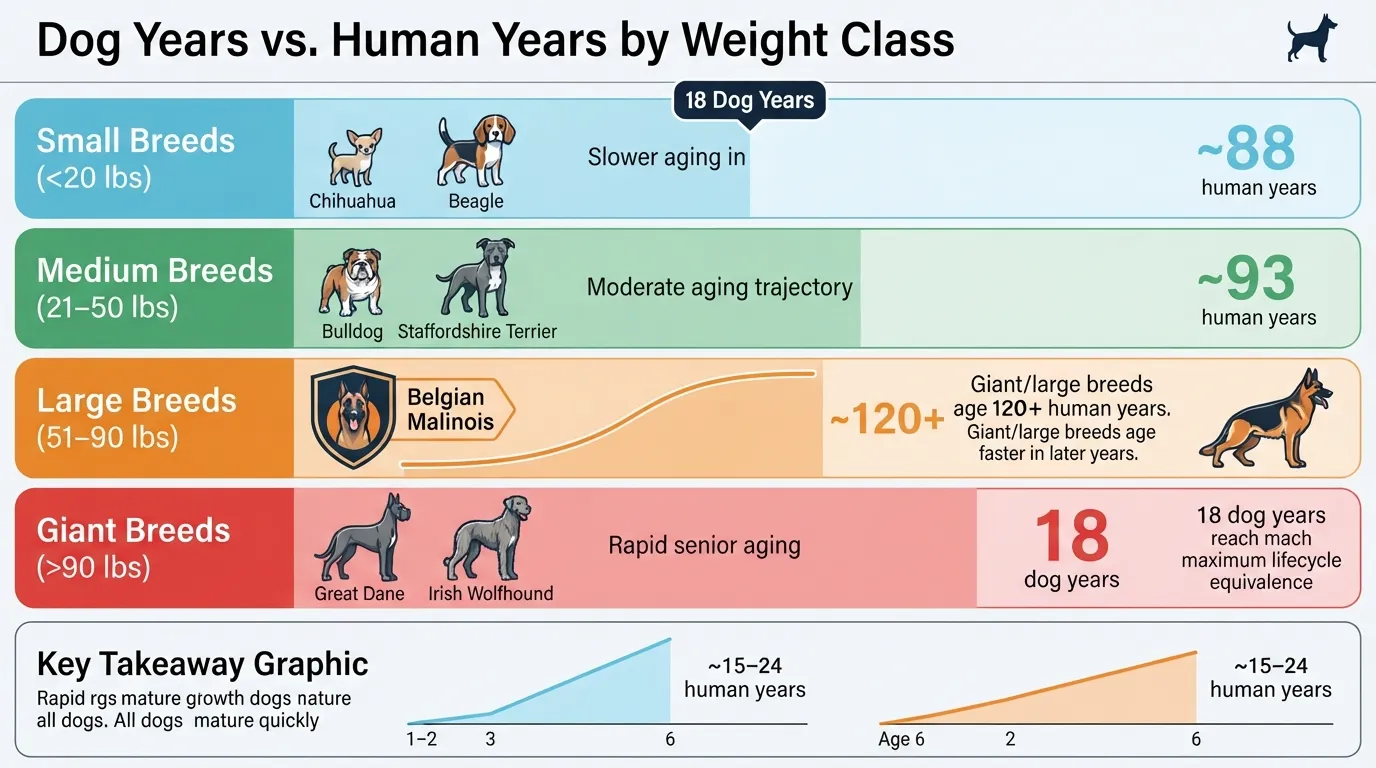
A one-year-old Belgian Malinois is roughly equivalent to a 15-year-old human, having raced through puppyhood and reached physical maturity. By age two, they are around 24 in human years. After that, because Malinois sit in the large/working breed class (typically 55 to 75 lbs), they age about 5 to 6 human years for every calendar year.
The old “multiply by seven” rule fails high-drive working breeds like the Malinois completely. Modern epigenetic studies—including the landmark 2020 UC San Diego DNA methylation research—show that dogs age rapidly in their first two years to establish cellular and skeletal maturity, then their metabolic aging trajectory slows down and settles into a predictable linear curve.
Because male Malinois average 60 to 80 lbs and females 40 to 60 lbs, their athletic frame and intense energy burn keep them leaner than many other large breeds, but their heavy muscular build and high working workload still put them squarely in the large-breed aging bracket.
Here is how your Belgian Malinois’s actual age translates to human years from puppyhood through their senior years:
| Malinois Age (Calendar Years) | Equivalent Human Age | Life Stage & Energy Characteristics |
|---|---|---|
| 1 Year | 15 years | Adolescence; physical height reached, brain still maturing |
| 2 Years | 24 years | Young Adult; full muscular development, peak physical drive |
| 3 Years | 28 years | Prime Adult; maximum working capacity and physical conditioning |
| 4 Years | 33 years | Prime Adult; high athletic output and mental focus |
| 5 Years | 38 years | Mature Adult; peak work ethic, steady temperament |
| 6 Years | 43 years | Mature Adult; slight drop in speed, unchanged work drive |
| 7 Years | 48 years | Early Senior; subtle joint stiffness after heavy workouts |
| 8 Years | 54 years | Senior Stage; requires joint support and proactive recovery |
| 9 Years | 59 years | Senior Stage; transition to lighter physical workloads |
| 10 Years | 65 years | Golden Years; increased rest needs, clear graying on muzzle |
| 11 Years | 71 years | Geriatric Stage; loss of muscle mass, routine vet monitoring |
| 12 Years | 77 years | Geriatric Stage; average upper lifespan threshold for the breed |
| 13 Years | 83 years | Super Senior; requires modified exercise and mobility care |
| 14 Years | 89 years | Super Senior; rare longevity, gentle mental engagement |
| 15+ Years | 95+ years | Exceptional Longevity; specialized senior palliative care |
Key Takeaway for Working Owners: While a 3-year-old Malinois (28 human years) and a 3-year-old Chihuahua (28 human years) share the same chronological human age equivalent, the Malinois’s heavy-impact jumping, bite work, or intense fetch sessions mean their joints absorb far more mechanical wear. Adjusting impact levels around age 7 (48 human years) is critical to preserving mobility into their late teens.
Why the "7 Dog Years = 1 Human Year" Rule Is Wrong
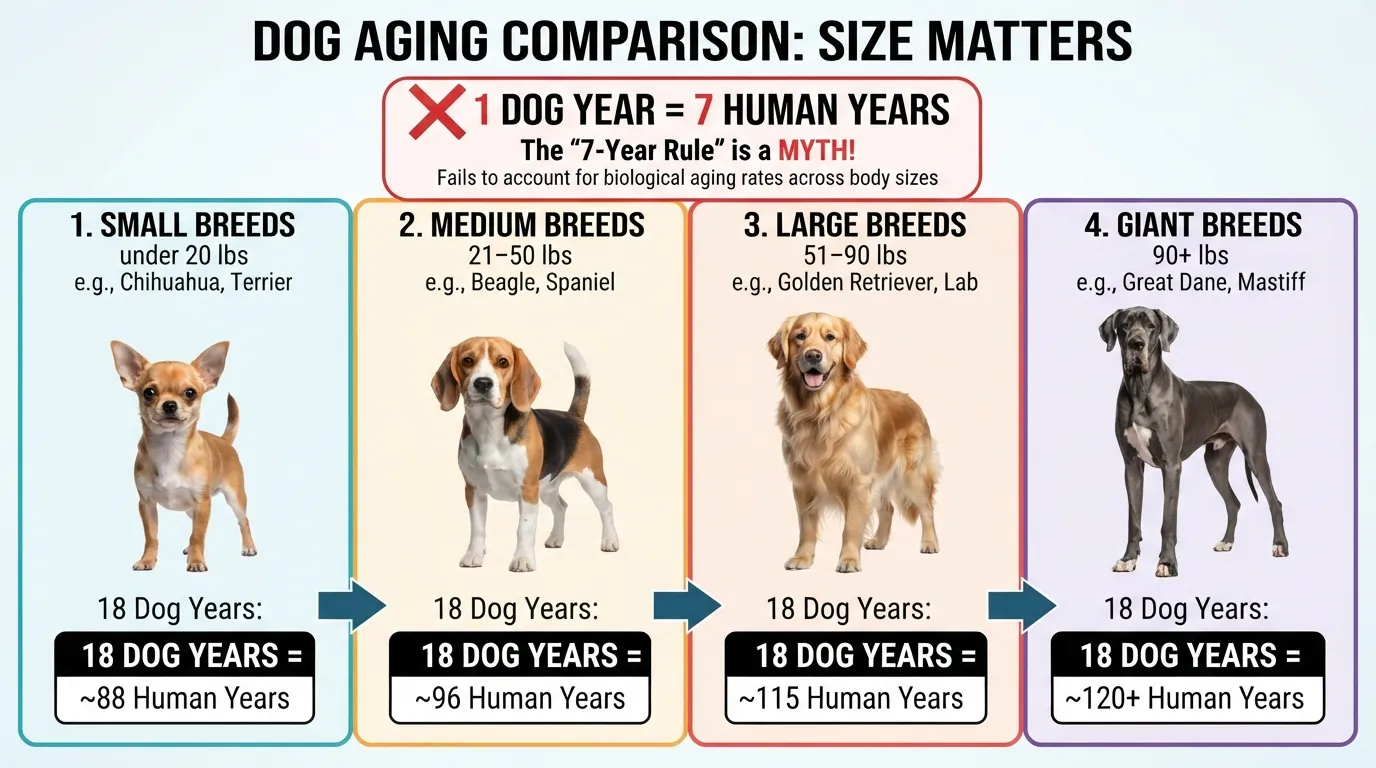
The “multiply by 7” rule is a complete myth, oversimplifying dog biology by assuming that every canine ages at a perfectly steady, linear rate throughout life. In reality, a Belgian Malinois develops rapidly during their first two years—reaching human young-adulthood before their second birthday—and then settles into a much slower, steady aging pace.
This popular rule originated in the mid-20th century, largely as a marketing heuristic used by veterinary practices to encourage annual health checkups. It was based on a simple, flawed mathematical average: dividing the average human lifespan (roughly 70 years) by the average dog lifespan (roughly 10 years). While it made for an easy-to-remember estimate, it completely ignores canine metabolic trajectory, skeletal growth rates, and breed size differences.
Modern canine gerontology uses comparative epigenetic clocks to track actual cellular aging. A landmark 2020 UC San Diego study analyzed DNA methylation markers in dogs and revealed that canine age and human age share a logarithmic relationship, not a linear one.
For a high-drive working breed like the Belgian Malinois (typically 50 to 80 lbs), aging occurs in two distinct phases:
Years 0 to 2 (Rapid Development): During year one, a Malinois races through childhood, puberty, and adolescence, reaching the human equivalent of 15 years old in just 12 months. By year two, at 24 human years, they have reached full skeletal height, sexual maturity, and peak athletic capacity.
Years 3+ (Size-Based Plateau): After age two, cellular aging slows dramatically. Because Malinois belong to the large-breed category, each subsequent calendar year adds approximately 5 to 6 human years, rather than the 7 assumed by the traditional myth.
Understanding this curve matters immensely for Malinois owners. Because their work drive and pain tolerance often mask early signs of wear, tracking their actual biological age—rather than relying on an outdated myth—helps you adjust jump heights, conditioning routines, and joint care before hidden physical stress turns into chronic mobility issues.
Belgian Malinois Life Stages & Care Guide
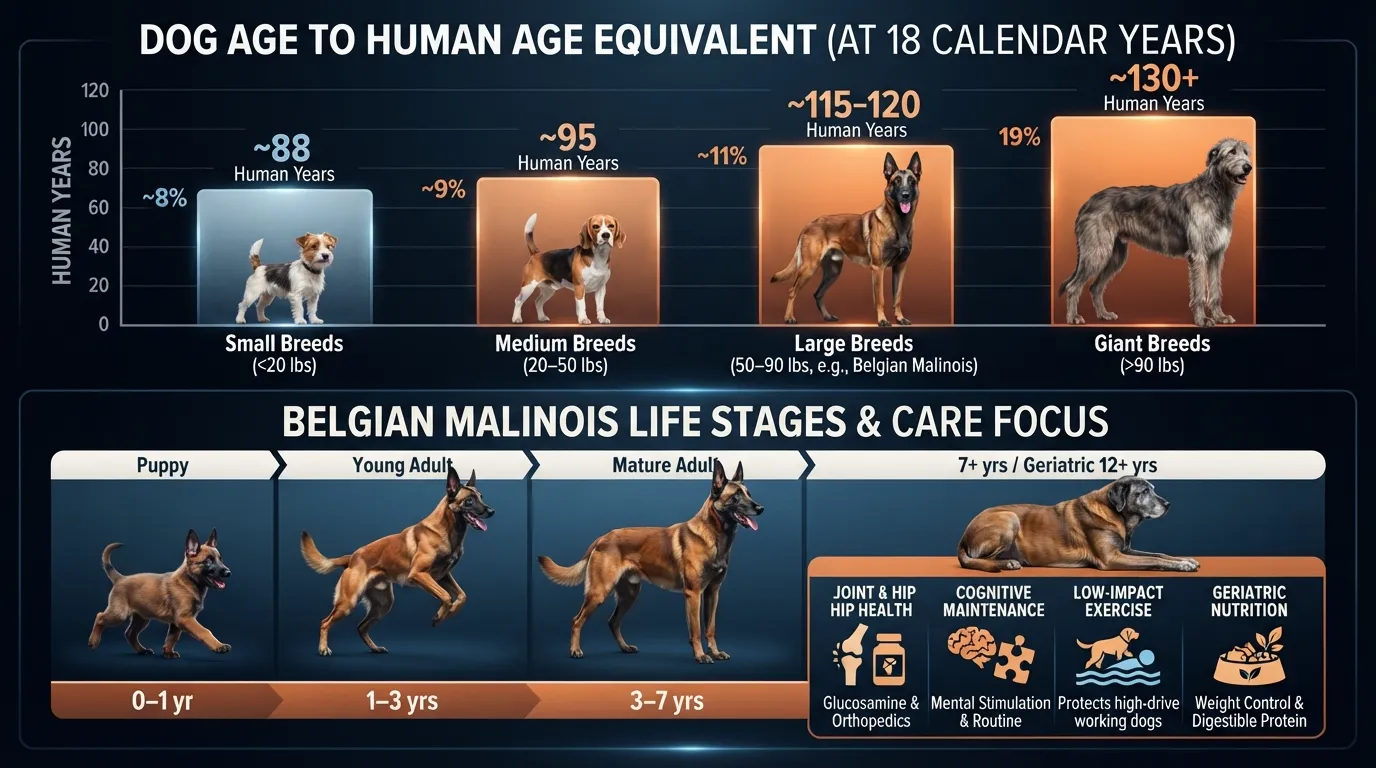
Puppy (0–1 year)
A Malinois puppy goes through a massive physiological surge, reaching roughly 80% of their adult height and over half their adult weight by month six. While their brains are learning machines ready for foundational engagement, their growth plates remain open until 12 to 14 months. Overexercising them early—especially high-impact jumping or forced running on hard surfaces—can cause irreversible structural damage to hips and elbows.
Nutrition: Feed a high-quality large-breed puppy formula with controlled calcium-to-phosphorus ratios to prevent overly rapid bone growth. Puppies under 6 months need 3 to 4 meals daily to maintain stable blood sugar levels.
Exercise: Focus on mental enrichment, short play sessions, and foundational obedience rather than endurance. Stick to the “5-minute rule” (5 minutes of exercise per month of age, up to twice daily) on forgiving surfaces like grass or dirt.
Vet Care: Initial core vaccine series (DHPP, Rabies) spaced 3 to 4 weeks apart, followed by monthly heartworm/parasite preventive checks. Discuss the optimal timing for spaying/neutering—many sports and working vets recommend waiting until growth plates fully close around 12 to 18 months.
Adolescent (1–2 years)
Corresponding to human ages 15 to 24, adolescence in a Malinois is marked by peak hormonal activity, soaring confidence, and high physical drive. Their adult teeth are locked in, muscle mass is filling out, and their working instinct peaks. Many first-time owners find this stage challenging as the dog tests boundaries and displays massive energy reserves that demand structured outlets.
Nutrition: Transition from puppy formula to a calorie-dense adult working-dog diet around 12 to 18 months. Adjust portions based on daily activity; an active protection or sport Malinois burns far more calories than a companion pet.
Exercise: Transition from short play to structured conditioning. Incorporate structured agility, tracking, search work, or long leash walks (60 to 90 minutes daily). Avoid repetitive high-impact jumps until your vet confirms growth plates have fused.
Vet Care: First annual booster shots, routine fecal exams, and baseline bloodwork. If you plan to work your dog in high-impact sports, schedule baseline OFA or PennHIP X-rays around 24 months to evaluate hip and elbow joint health.
Adult (2–7 years)
This is your Malinois’s prime athletic window, equivalent to human ages 24 to 48. They possess peak muscular power, full mental maturity, and exceptional endurance. Their work ethic is fully established, meaning they require consistent daily purpose—whether through canine sports (IGP, Agility, Dock Diving) or high-level obedience—to keep their minds satisfied and bodies conditioned.
Nutrition: Feed a high-protein, moderate-fat adult formula (26–30% protein, 16–20% fat for working dogs). Monitor body condition score regularly; you should easily feel their ribs without pressing hard, with a clear tucked waist from above and the side.
Exercise: High-intensity daily output (90 to 120+ minutes) combining physical conditioning with heavy mental work. Scent work, advanced retrieval, and obedience routines prevent boredom and destructive behaviors.
Vet Care: Annual wellness checkups, core vaccine boosters according to 3-year AVMA schedules, annual heartworm testing, and routine dental cleanings to preserve tooth integrity under heavy bite/toy wear.
Senior (7–10 years)
Passing into human middle age (48 to 65 years equivalent), senior Malinois maintain their trademark working drive, but their recovery times lengthen and joint cartilage begins to wear down. Because these dogs are notorious for hiding pain, subtle indicators like taking longer to stand after a hard nap or hesitating before jumping into a truck are early signs of joint stiffness or osteoarthritis.
Nutrition: Transition to a senior formula or reduce caloric intake by 10–15% if activity levels decline, protecting their frame from excess weight. Begin supplementation with glucosamine, chondroitin, and omega-3 fatty acids (EPA/DHA) to support cartilage health.
Exercise: Maintain daily activity (45 to 60 minutes) but trade high-impact jump routines and sudden stop-and-turn fetch for controlled swimming, nosework, and steady-pace hikes on soft trails.
Vet Care: Bi-annual (twice-yearly) veterinary exams become essential. Include comprehensive blood panels (CBC, liver/kidney values), urinalysis, and joint mobility evaluations to catch metabolic shifts or arthritis early.
Super Senior (10+ years)
Equivalent to human ages 71 and beyond, a Malinois in this stage enjoys their golden years. Muscle mass begins to atrophy naturally (sarcopenia), hearing or vision may decrease, and muzzles turn silver. Their desire to work and stay near you rarely fades, but their physical frame requires gentle handling, orthopedic comfort, and proactive pain management.
Nutrition: High-digestibility senior food with elevated protein levels to combat muscle wasting, unless restricted by kidney issues. Warm water or bone broth can be added to dry food to encourage appetite and hydration.
Exercise: Low-impact, frequent short outings (15 to 20 minute gentle walks multiple times a day). Keep their brain active with simple hiding games or puzzle toys that don’t demand physical strain.
Vet Care: Senior wellness visits every 3 to 6 months. Work with your vet on multi-modal pain management (e.g., Librela injections, NSAIDs, physical therapy) and routine health screens to ensure maximum comfort and quality of life.
Belgian Malinois Average Lifespan & Factors Affecting It
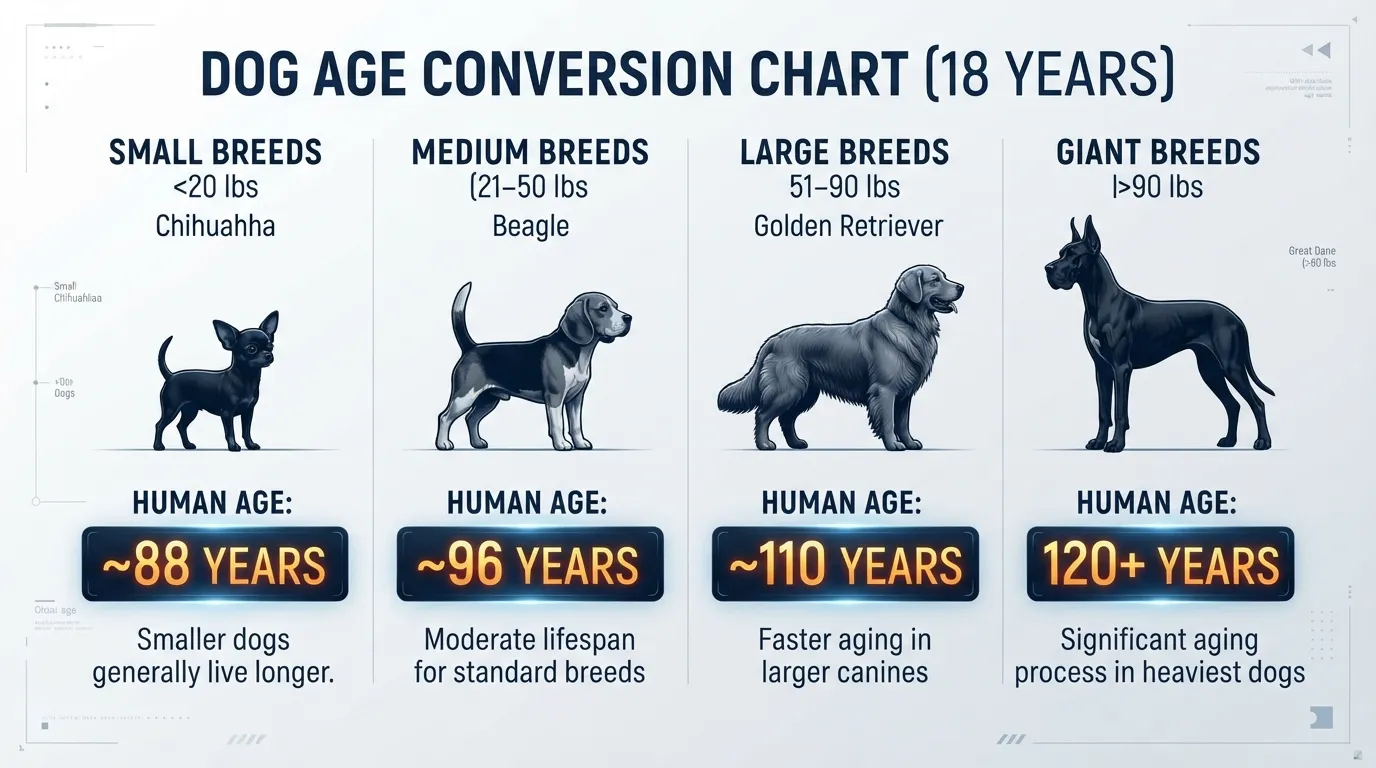
The average lifespan of a Belgian Malinois is 12 to 14 years, though well-bred individuals provided with exceptional conditioning routinely reach 15 or 16 years. For a large, athletic breed weighing between 50 and 80 pounds, this longevity significantly outpaces similarly sized working breeds like German Shepherds (9–13 years) or Rottweilers (8–10 years).
While their naturally lean frame gives them a biological advantage, four major lifestyle and structural factors dictate where an individual Malinois will land on that lifespan spectrum:
Genetics & Health Screening: Hereditary diseases are the single greatest threat to a Malinois’s longevity. Lineages tested clear for hip and elbow dysplasia (OFA/PennHIP), progressive retinal atrophy (PRA), and idiopathic epilepsy carry significantly less risk of mid-life mobility collapse or chronic health decline.
Weight Management: Keeping a Malinois lean is the easiest way to add functional years to their life. Studies across large breeds show that maintaining a lean body condition score (where ribs are easily felt and a defined waistline is visible) can extend lifespan by up to 1.8 years while delaying the onset of debilitating osteoarthritis.
Exercise & Conditioning Quality: High-drive working dogs require physical conditioning to support their tight muscular structure. However, type of exercise matters immensely: years of unstructured, high-impact torque (like sudden direction changes during ball fetch on hard ground) accelerate joint degradation, whereas controlled strength work, tracking, and swimming preserve joint cartilage well into their senior years.
Breeding Line (Working vs. Show/Show-Working Lines): Working lines—particularly those selected for protection sports (such as NVBK, KNPV, or Ring Sport)—prioritize structural soundness, nerve strength, and working durability over cosmetic standards. These working strains tend to maintain higher vitality and lower cancer rates late in life compared to lines bred strictly for visual conformation.
Quick Example – How the Age Formula Works
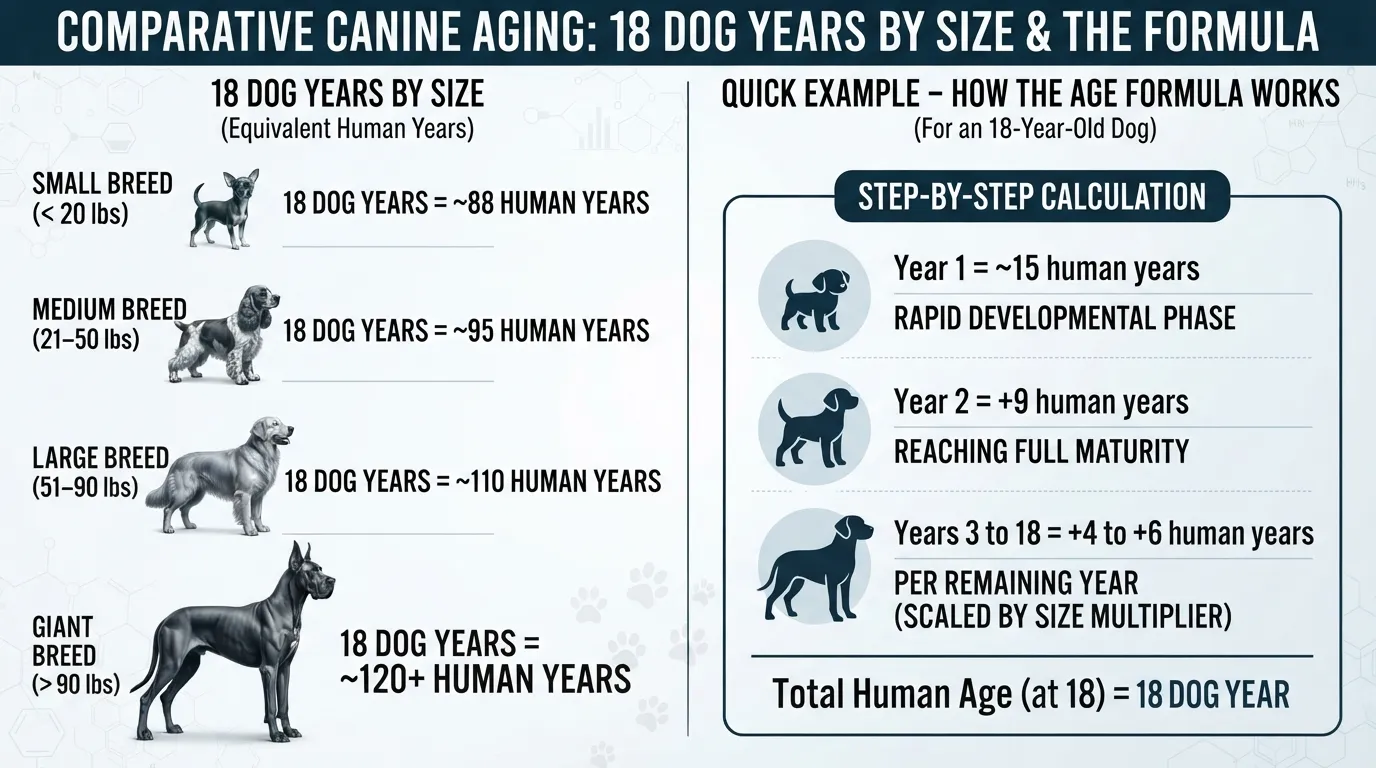
To calculate a Belgian Malinois’s human age equivalent without outdated multiplication rules, you account for their rapid initial maturity (24 human years over the first two calendar years) plus 5 human years for every subsequent year based on their 55 to 75 lb large-breed size class.
Here is the exact math for a 5-year-old Belgian Malinois:
First 2 Calendar Years: Base developmental value = 24 human years
Remaining 3 Calendar Years: 3 years × 5 human years per year = 15 human years
Total Biological Age: 24 + 15 = 39 human years old
At 5 calendar years (39 human years), a Malinois is in their mature adult prime—possessing full mental clarity and peak working capacity, but sitting right on the threshold where proactive joint maintenance should begin.
Working-Line vs Companion-Line — Does It Affect Aging?
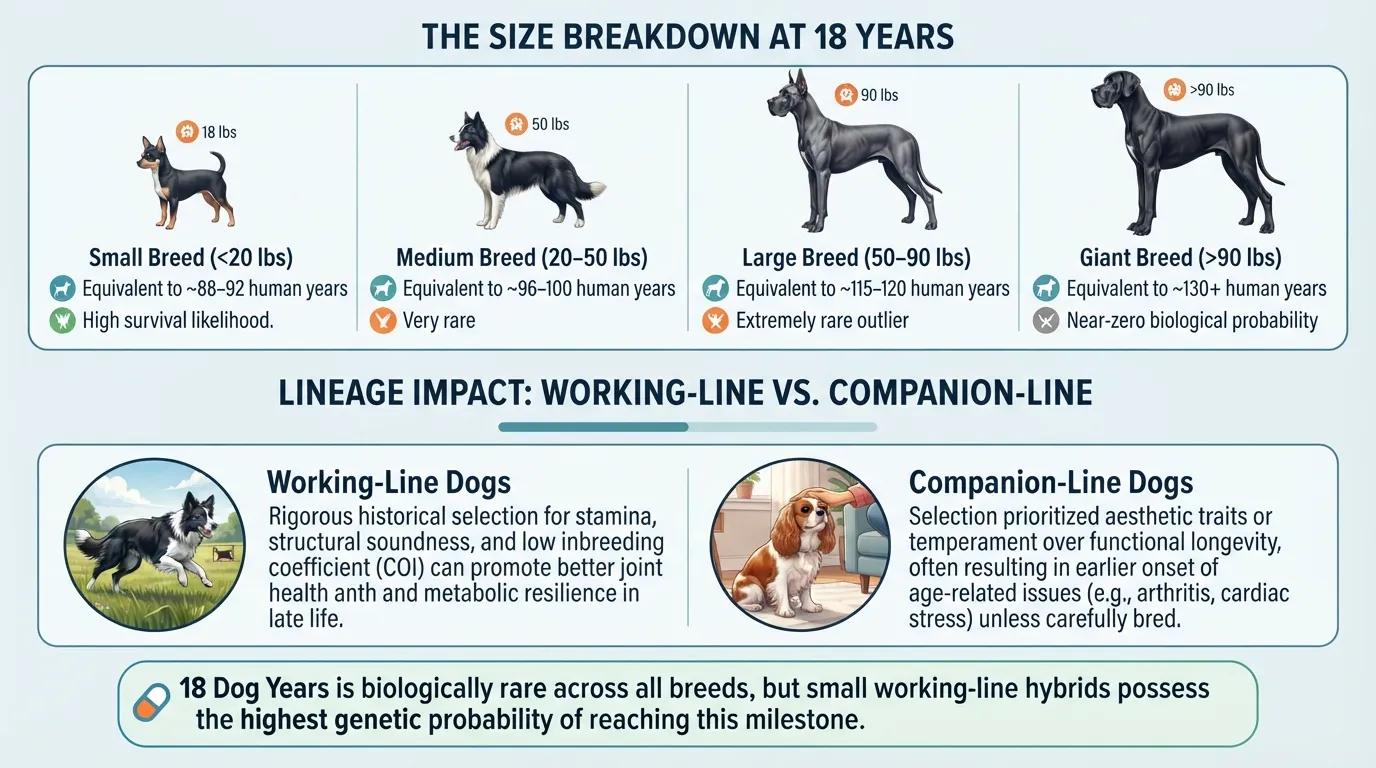
Working-line Belgian Malinois and companion-bred lines age differently due to distinct genetic selection, physical stress over time, and body conditioning. While both share the same baseline metabolic rate, their lifetime physical wear and tear—and the genetic traits selected by breeders—alter how they show their age and maintain mobility in their senior years.
K9, Protection & Sport Lines (KNPV, NVBK, Ring Sport, IGP): Bred strictly for structural soundness, nerve strength, and drive, working lines often feature exceptionally robust hips, heart capacity, and cellular vitality. However, years of intense decoy work, high-impact jumps, and sudden directional shifts take a cumulative mechanical toll on their joints. While their drive often masks pain well into old age, they require early joint support and structured cool-downs to prevent sudden late-life mobility declines.
Family Companion Lines (Conformation & Pet Lines): Lines bred primarily for companion homes or show rings generally experience less severe joint impact throughout their prime, as their daily activity centers on leisure exercise rather than high-stakes physical work. However, because show and pet lines are occasionally selected for physical aesthetics over pure athletic durability, they can carry a higher risk for genetic hip/elbow issues. They are also at a significantly higher risk of middle-age weight gain, which accelerates cellular aging and joint wear if their diet is not strictly managed.
Male vs Female Belgian Malinois — Size & Aging Difference
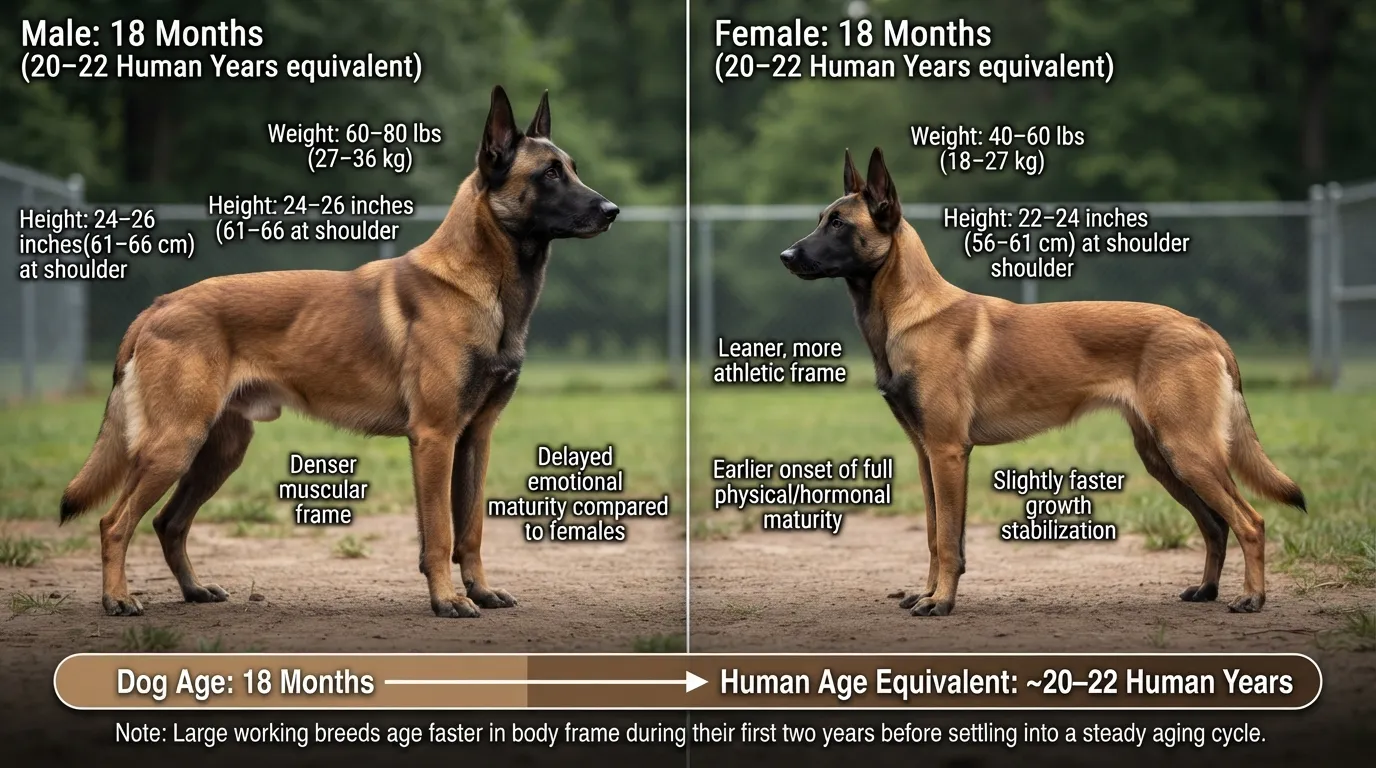
Male and female Belgian Malinois differ significantly in frame, mass, and structural bulk, which creates subtle shifts in how they age biologically. While both sexes follow the same rapid first-two-years growth curve, a heavy male carrying 75 to 80 lbs sits at the top threshold of the large-breed category, accelerating joint wear and adding slightly more metabolic stress per year compared to a lean 45 to 55 lb female.
In large canine breeds, body mass is a primary driver of cellular aging and mechanical strain. Larger males put significantly higher impact force through their hocks, elbows, and hips during high-drive activities. Females, being lighter and narrower through the chest, generally enjoy slightly lighter joint loads and a statistical edge in overall longevity.
| Gender | Typical Weight Range | Typical Height Range | Aging Rate Impact & Conversion Factor | Average Lifespan Horizon |
|---|---|---|---|---|
| Female Belgian Malinois | 40 – 60 lbs | 22 – 24 inches | Medium-Large Curve: Adds ~5 human years/calendar year after age 2; lighter frame reduces joint strain and cardiovascular load. | 13 – 15 years |
| Male Belgian Malinois | 60 – 80 lbs | 24 – 26 inches | Strict Large-Breed Curve: Adds ~5.5 human years/calendar year after age 2; higher mass increases mechanical wear on joints during working tasks. | 12 – 14 years |
For instance, at 8 calendar years old, a small 50 lb female Malinois sits at approximately 54 human years, maintaining agile movement with lower risk of severe arthritis. A heavy-set 78 lb male at the exact same chronological age translates closer to 57 human years, often displaying more pronounced musculoskeletal wear from carrying an extra 25+ pounds over years of jump work and conditioning.
Common Health Issues That Affect Aging in Belgian Malinois
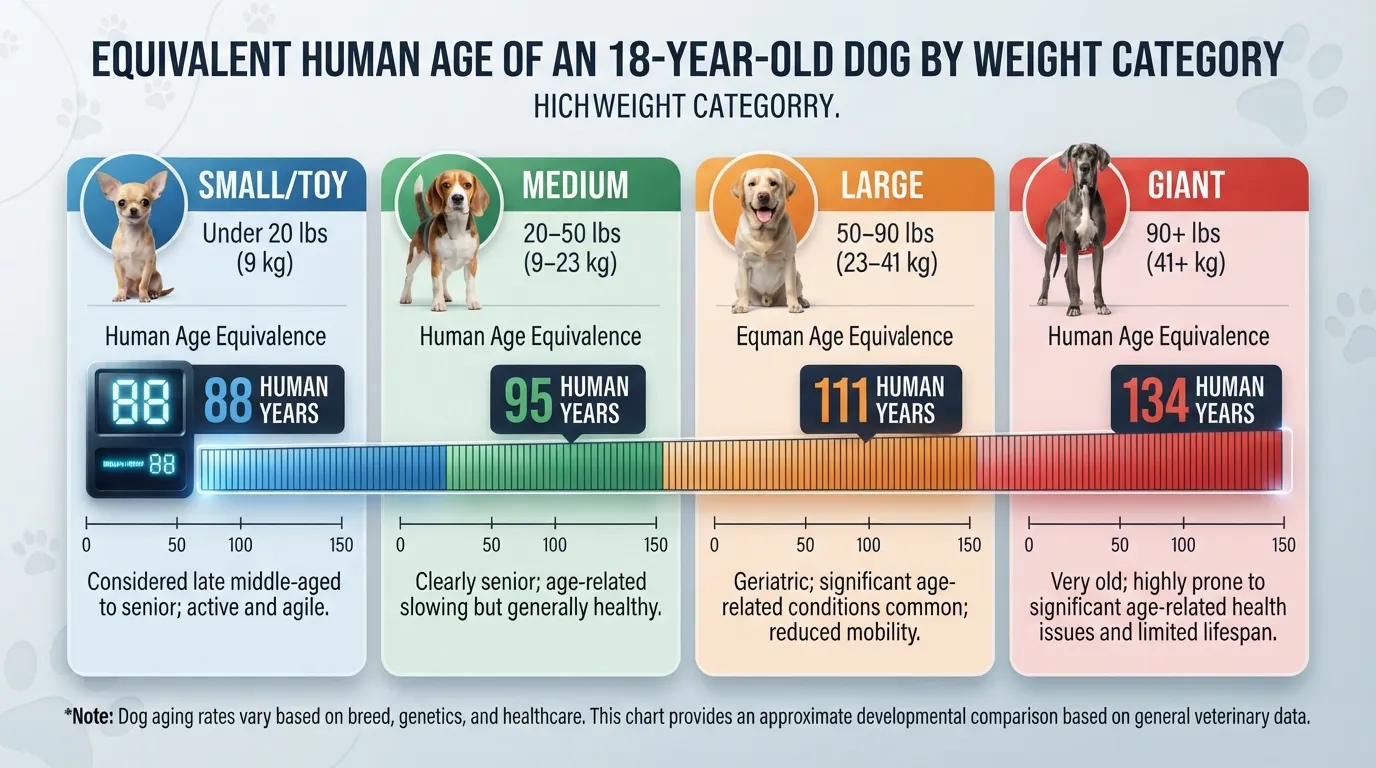
While Belgian Malinois are structurally built and healthier than many other large working breeds, specific genetic and musculoskeletal issues can drastically accelerate their physical aging. Conditions that damage their joints or nervous system shorten their functional working years and force an earlier transition into senior care.
The two most significant health threats that impact aging in Malinois include:
Hip and Elbow Dysplasia: This malformation of the ball-and-socket joint leads to abnormal friction, early-onset osteoarthritis, and cartilage breakdown. In high-impact working dogs, mild dysplasia that might go unnoticed in a couch-bound pet can manifest as severe lameness and joint stiffness as early as 5 or 6 years old (around 38 to 43 human years).
Degenerative Myelopathy (DM): A progressive disease of the spinal cord similar to ALS in humans. It typically strikes senior Malinois around 8 to 11 years old (54 to 71 human years), beginning with painless weakness and loss of coordination in the hind legs and eventually progressing to complete paralysis.
Proactive Action Steps for Long-Term Vitality
Preventing premature aging and preserving mobility requires targeted action long before your Malinois reaches their senior years:
Verify Genetic Testing Early: Before buying a puppy or breeding, ensure parents have clear OFA or PennHIP scores for hips and elbows, along with a DNA test showing they are clear of the SOD1 gene mutation responsible for Degenerative Myelopathy.
Protect Growth Plates During Year One: Avoid forced running on pavement, high-velocity jump training, and directional agility work until growth plates fully close, verified by your vet around 12 to 18 months.
Maintain an Ultra-Lean Frame: Keep your Malinois at a Body Condition Score (BCS) of 4 out of 9 throughout their life. Carrying even 3 to 5 extra pounds adds massive structural burden to their joints during high-impact leaps and fast stops.
Start Joint Nutriceuticals in Prime Adulthood: Do not wait for arthritis symptoms to appear. Begin supplementing with marine-sourced omega-3 fatty acids (EPA/DHA) and high-quality glucosamine/chondroitin around age 4 or 5 to protect articular cartilage before heavy wear occurs.
Behavioral Signs of Aging in a High-Energy Breed
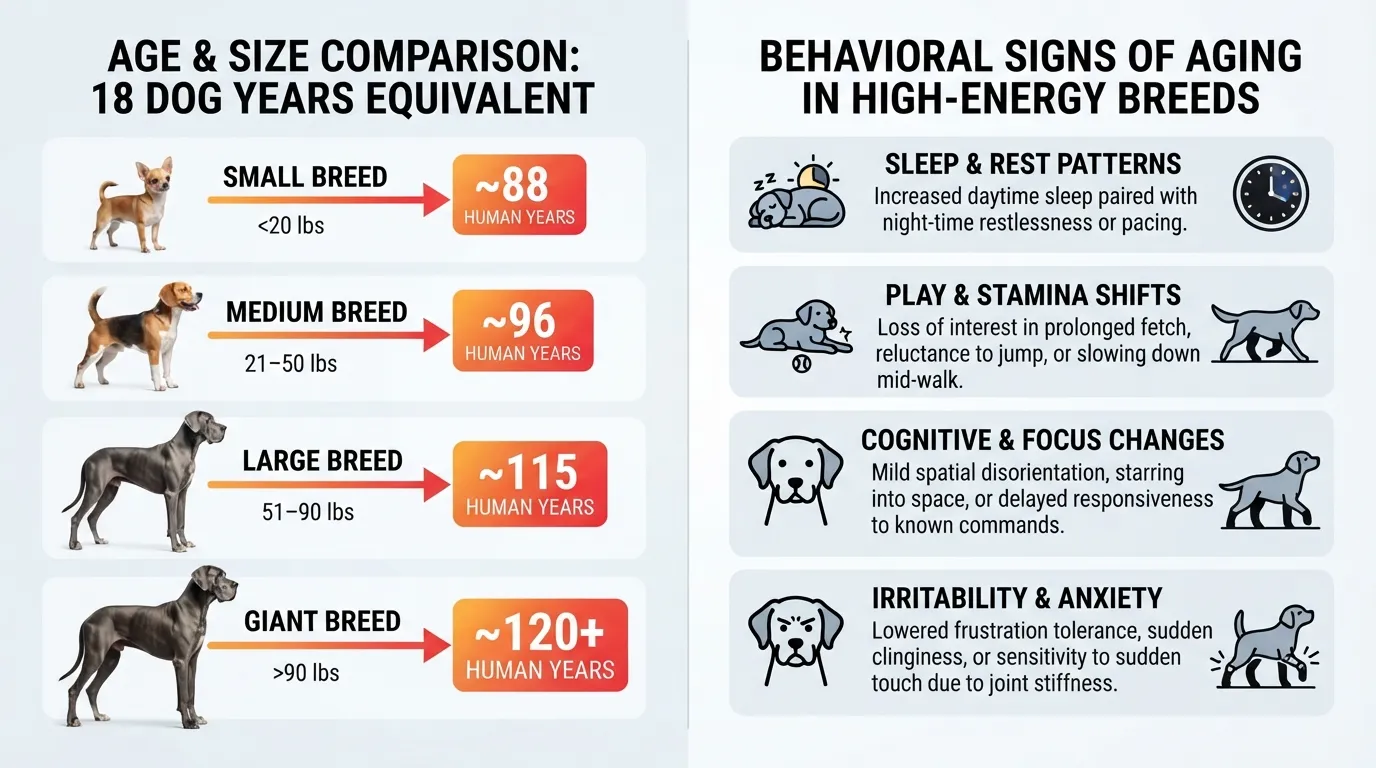
Because Belgian Malinois possess a legendary work ethic and an extraordinarily high pain threshold, identifying the subtle onset of aging can be tricky. Unlike lower-drive breeds that make it obvious when they are tired, a Malinois will routinely attempt to work, bite decoys, or sprint for a ball through severe fatigue and joint pain. Recognizing behavioral shifts early allows you to protect them from injuring themselves.
Early Behavioral Markers of Aging
As a Malinois passes into their senior years (typically around 7 to 8 calendar years, or 48 to 54 human years), subtle changes in their daily habits become apparent:
Changes in Work Drive & Endurance: They still exhibit intense enthusiasm when you pull out their tug or leash, but their output duration drops. Instead of playing at top speed for an hour, they may tire after 20 minutes.
Hesitation Before Impact: A dog that once launched recklessly into trucks, onto high bite-tables, or over 6-foot fences may pause, measure the jump, or look to you for assistance.
Slower Recovery & Post-Exercise Stiffness: They perform well during the workout itself, but take noticeably longer to stand up after resting or show stiffness in their hindquarters the morning after a heavy training session.
Irritability or Reduced Tolerance: Pain or declining sensory sharpness (fading vision or hearing) can cause an aging Malinois to be less tolerant of chaotic environments, young puppies, or rough handling.
Shifts in Sleep-Wake Cycles: Senior dogs may sleep more deeply during the day but become restless or wander at night, which can be an early indicator of canine cognitive dysfunction or physical discomfort.
Slowing Down Naturally vs. A Health Concern
It is vital to distinguish between normal biological aging and acute pain or medical issues:
Natural Biological Aging: A gradual, predictable reduction in stamina over months or years. The dog remains eager to engage, eats enthusiastically, and moves fluidly once warm, even if their top-end speed has dropped from 30 mph to 20 mph.
Medical or Pain-Driven Health Concern: A sudden or sharp drop in drive, total refusal to jump, or vocalizing when moving. If your Malinois suddenly stops wanting to play, shows a sudden drop in appetite, or displays a drastic change in temperament within a few days or weeks, it is not “just old age”—it points to acute joint pain, spinal nerve compression, or internal disease that requires immediate veterinary assessment.
Belgian Malinois vs German Shepherd — Lifespan Comparison
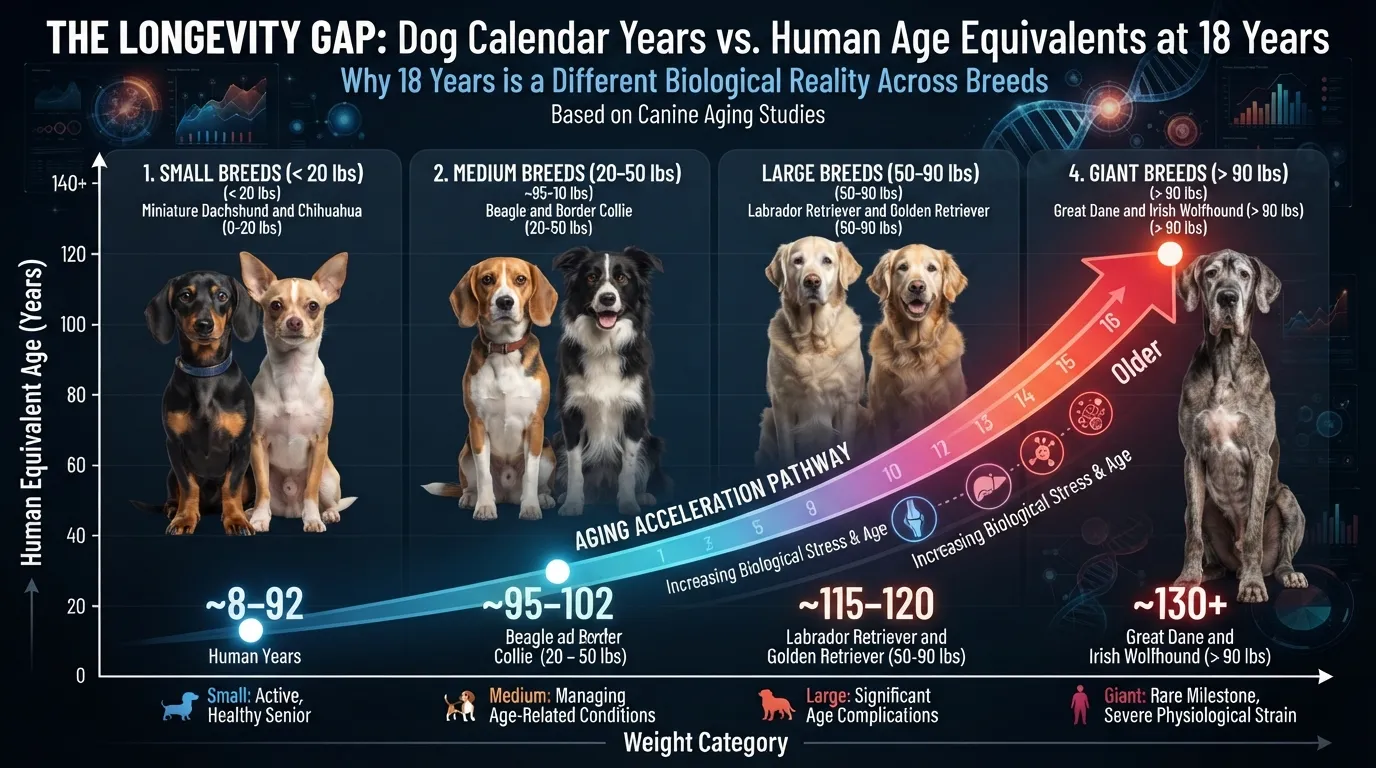
Although Belgian Malinois and German Shepherds share similar working heritage, intelligence, and high-drive temperaments, the Malinois holds a distinct biological advantage when it comes to longevity. On average, a Belgian Malinois lives 12 to 14 years, compared to the German Shepherd’s average lifespan of 7 to 10 years (with some lines stretching to 11 or 12).
This 2-to-4-year difference largely stems from structural weight and breeding geometry. While German Shepherds often weigh 75 to 90+ lbs with a heavier bone structure and sloped topline, the Malinois maintains a lighter, square-proportioned frame (50 to 75 lbs) that places far less mechanical strain on hips, spine, and cardiovascular systems over a lifetime.
| Trait / Metric | Belgian Malinois | German Shepherd | Impact on Aging & Longevity |
|---|---|---|---|
| Average Lifespan | 12 – 14 years (routinely 15+) | 7 – 10 years (occasionally 11–12) | Malinois gain ~2–4 additional functional years due to lower body mass and lighter bone structure. |
| Average Adult Weight | 50 – 75 lbs (Females 40–60, Males 60–80) | 75 – 90+ lbs (Females 50–70, Males 65–90+) | Extra 15–25 lbs on GSDs increases metabolic load and accelerates joint cartilage breakdown. |
| Body Frame & Topline | Square build, moderate bone, level topline | Rectangular build, heavier bone, sloped/angulated topline | Malinois square geometry distributes weight evenly, reducing lumbar spine and hip dysplasia risk. |
| 7-Year Old Equivalent | ~48 Human Years (Early Senior) | ~53 Human Years (Mid Senior) | German Shepherds show senior mobility decline ~1–2 calendar years earlier than Malinois. |
Estimated Vet Care Costs by Life Stage
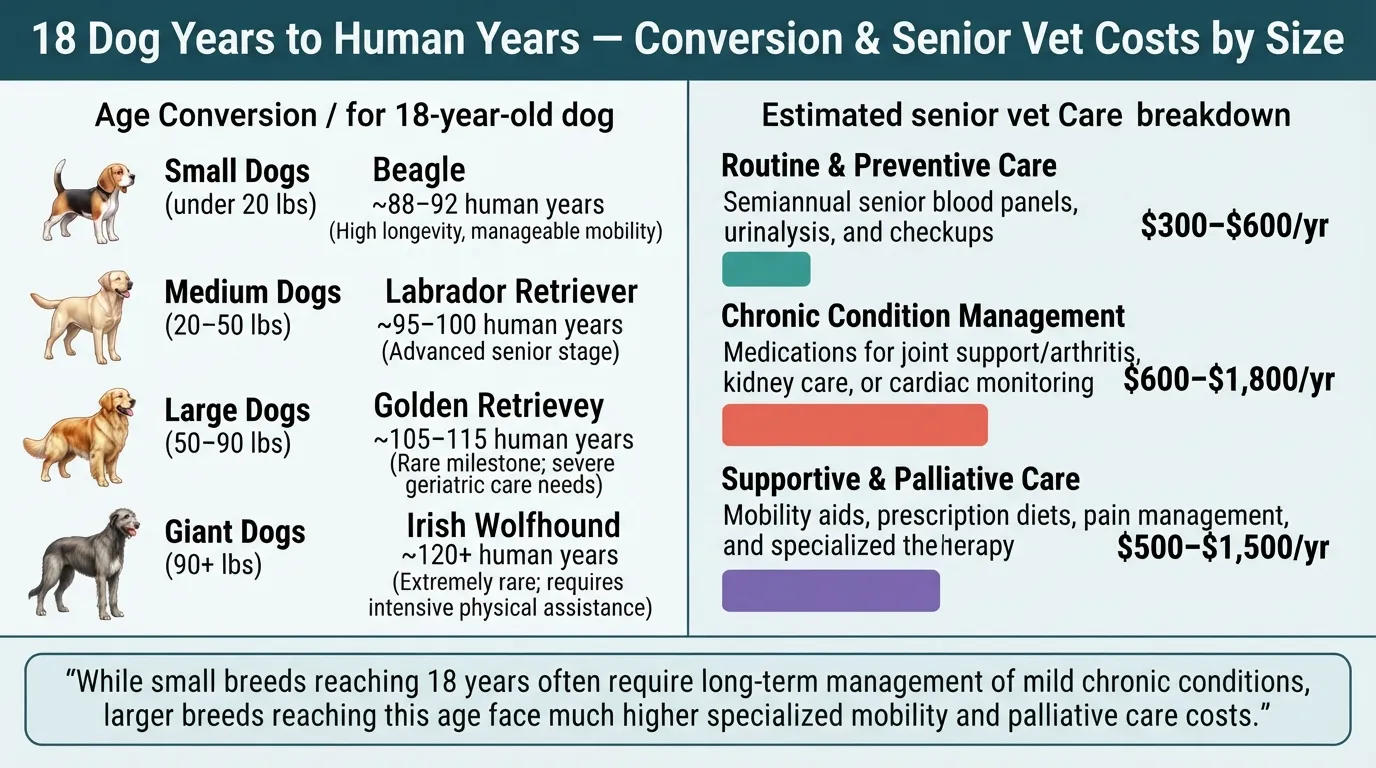
Budgeting for a Belgian Malinois requires accounting for their large-breed physical demands, high activity levels, and potential sports-related injuries. Because vet expenses naturally shift as a dog moves from initial growth to senior maintenance, understanding the expected annual medical costs at each stage helps you provide proactive, uninterrupted care.
Here is what you can expect to budget for medical care across your Malinois’s life stages:
Puppyhood Stage (0–1 Year): $600 – $1,500+
Core Expenses: Series of 3–4 booster vaccines (DHPP, Rabies, Bordetella, Lyme depending on region), fecal screenings, microchipping, and monthly heartworm/flea/tick preventives scaled for a rapidly growing 10–50 lb body.
Major Additions: Spay/neuter surgery for a large breed typically runs $300 – $800. Many working owners who wait for growth plates to close delay this expense until 12–18 months. Expect higher initial costs if your pup picks up internal parasites or needs emergency treatment for ingesting foreign objects (a common Malinois puppy trait).
Adult Prime Stage (2–6 Years): $400 – $1,000 / year
Core Expenses: Annual physical wellness exam, core vaccine boosters (usually on a 3-year cycle), heartworm testing, and year-round high-dose parasite preventives for a 55–75 lb working dog ($250 – $400/year alone).
Major Additions: Baseline PennHIP or OFA hip/elbow radiograph evaluations around age 2 ($400 – $800). Routine professional dental cleanings every 2–3 years ($400 – $900) to address heavy tooth wear from bite work, drive-building toys, and intense retrieval.
Senior & Super Senior Stage (7+ Years): $1,000 – $3,000+ / year
Core Expenses: Bi-annual (twice-yearly) senior wellness exams, comprehensive blood chemistry panels (CBC, liver/kidney markers), urinalysis, and thyroid testing.
Major Additions: Joint management becomes a primary expense line. Daily joint supplements (glucosamine, chondroitin, omega-3s), prescription anti-inflammatories (NSAIDs), or targeted injectable therapies (such as Librela for osteoarthritis) average $60 – $180/month. Advanced diagnostics like spinal X-rays or MRI scans for suspected Degenerative Myelopathy or disk disease can quickly add $1,500 – $3,500 in emergency or specialist care.
Frequently Asked Questions
Can a Belgian Malinois live 20 years?
While it is biologically possible, reaching 20 years is exceptionally rare for a Belgian Malinois. The average lifespan for the breed is 12 to 14 years, with exceptionally well-conditioned, lean individuals occasionally reaching 15 or 16 years. Because Malinois sit in the 50 to 80 lb large-breed weight class, the accumulated mechanical wear on their joints and cardiovascular system makes living past 18 years a statistical anomaly.
How old is my Belgian Malinois in human years?
A 1-year-old Belgian Malinois is roughly equivalent to a 15-year-old human teenager, having completed the vast majority of their skeletal growth. By 2 years old, they reach human young adulthood at 24 human years. From age 3 onward, you add approximately 5 to 5.5 human years for every calendar year to reflect their large-breed aging trajectory (e.g., a 5-year-old Malinois is roughly 39 in human years).
Is 7 dog years really equal to 1 human year?
No, the “multiply by 7” rule is an outdated myth created in the mid-20th century as a rough average that ignores dog size and growth velocity. Modern epigenetic research shows dogs age very rapidly during their first two years to establish cellular maturity, then slow down to a steady rate determined by their weight. A Malinois ages 12 to 15 human years in year one, but only 5 human years per year once adult maturity is reached.
Which dog breeds can live 25 years?
Reaching 25 years is almost exclusively restricted to toy and extra-small breeds weighing under 15 pounds, such as Chihuahuas, Toy Poodles, and Jack Russell Terriers. The current officially verified Guinness World Record holder for longevity was an Australian Cattle Dog named Bluey, who lived to 29 years and 5 months on a working farm. While working breeds like Bluey and the Belgian Malinois share incredible athletic stamina and drive, a Malinois’s significantly larger frame (50 to 80 lbs) naturally caps their maximum lifespan around 14 to 16 years.
Emergency Signs to Watch For
Because Belgian Malinois possess extreme pain tolerance and an overwhelming drive to keep working regardless of physical strain, they rarely show mild distress warnings. If your Malinois displays any of the following critical signs, stop all activity and seek immediate emergency veterinary care:
Symptoms of Gastric Dilation-Volvulus (Bloat): Unsuccessful attempts to vomit or retch, sudden abdominal distension, severe restlessness, and pale or blue-tinged gums. The deep-chested, narrow geometry of the Belgian Malinois puts them at high risk for bloat, where the stomach fills with gas and twists—a life-threatening condition requiring surgical intervention within hours.
Signs of Exertional Heatstroke: Dark red or purple gums, thick foaming saliva, disorientation, uncoordinated gait, or collapse during or after heavy exertion. Their relentless working drive means a Malinois will sprint and push through thermal strain long past their physical limit, especially during summer bite work, tracking, or retrieve sessions.
Sudden Hind-End Weakness or Loss of Coordination: Abrupt inability to bear weight on the hind legs, dragging of the back paws, or knuckling under. While gradual weakness can indicate normal senior aging, sudden hindquarters failure points to acute spinal disc herniation, severe neurological trauma, or acute joint injury.
Respiratory Distress or Unresponsiveness: Rapid, labored breathing that fails to slow down after resting in a cool area, paired with weakness, glazed eyes, or unresponsiveness. This signals acute cardiovascular shock, heat exhaustion, or internal injury from high-impact jumps and landings.
Emergency Signs to Watch For
Because Belgian Malinois possess extreme pain tolerance and an overwhelming drive to keep working regardless of physical strain, they rarely show mild distress warnings. If your Malinois displays any of the following critical signs, stop all activity and seek immediate emergency veterinary care:
Symptoms of Gastric Dilation-Volvulus (Bloat): Unsuccessful attempts to vomit or retch, sudden abdominal distension, severe restlessness, and pale or blue-tinged gums. The deep-chested, narrow geometry of the Belgian Malinois puts them at high risk for bloat, where the stomach fills with gas and twists—a life-threatening condition requiring surgical intervention within hours.
Signs of Exertional Heatstroke: Dark red or purple gums, thick foaming saliva, disorientation, uncoordinated gait, or collapse during or after heavy exertion. Their relentless working drive means a Malinois will sprint and push through thermal strain long past their physical limit, especially during summer bite work, tracking, or retrieve sessions.
Sudden Hind-End Weakness or Loss of Coordination: Abrupt inability to bear weight on the hind legs, dragging of the back paws, or knuckling under. While gradual weakness can indicate normal senior aging, sudden hindquarters failure points to acute spinal disc herniation, severe neurological trauma, or acute joint injury.
Respiratory Distress or Unresponsiveness: Rapid, labored breathing that fails to slow down after resting in a cool area, paired with weakness, glazed eyes, or unresponsiveness. This signals acute cardiovascular shock, heat exhaustion, or internal injury from high-impact jumps and landings.
🐾 Other Age Guides

I built Dogagescalculator.com to give dog owners honest, science-backed answers instead of the outdated "×7" myth. Every figure here is checked against AKC, AVMA, and published veterinary research.
More about the author & this site →
Comments