Cavalier King Charles Spaniel and Bichon Frise Mix: The Complete Cavachon Guide
The Cavalier King Charles Spaniel and Bichon Frise mix, commonly known as the Cavachon, is a small companion dog that combines traits from two affectionate and people-oriented parent breeds. Cavachons are generally known for their friendly personality, soft wavy coat, and strong desire to stay close to their families.
Because the Cavachon is a mixed breed, individual dogs can vary in size, coat texture, shedding, energy level, and temperament. Some may inherit more of the Cavalier King's gentle and relaxed nature, while others may show more of the Bichon Frise's playful personality and textured coat. Their appearance and characteristics are therefore not completely predictable.
In this guide, you'll learn about the Cavachon's expected size, weight, appearance, temperament, grooming needs, exercise requirements, lifespan, common health concerns, and typical price. We'll also cover what to expect from a Cavachon puppy and how this small mixed breed may fit into different family lifestyles.
| Breed Detail | Specification |
|---|---|
| Breed Name | Cavachon |
| Size Category | Small |
| Typical Weight | About 12 to 20 lbs |
| Typical Height | About 12 to 13 inches |
| Lifespan | About 10 to 15 years |
| Coat Type | Soft, wavy, or silky; texture varies |
| Shedding | Usually low to moderate; varies by individual |
| Temperament | Affectionate, friendly, playful, and social |
| Typical Price | Varies by breeder, location, lineage, and demand |
What Is a Cavachon?
Cavachon Meaning (Cavalier + Bichon Frise = “Cavachon”)
A Cavachon is a small hybrid dog created by crossing a purebred Cavalier King Charles Spaniel with a purebred Bichon Frise. The name itself is a simple blend of its two parent breeds—taking “Cava” from the Cavalier and “chon” from the Bichon Frise. First intentionally bred in the United States in the late 1990s, this mix was designed to combine the quiet, affectionate lap-dog nature of the spaniel with the playful, low-shedding coat of the Bichon.
Is the Cavachon a Purebred or Designer Breed?
The Cavachon is a designer breed (or hybrid crossbreed), not a purebred dog. Because it is a first-generation or multi-generation mix of two distinct breeds, major official registries like the American Kennel Club (AKC) do not recognize the Cavachon as an official breed or allow it to compete in standard conformation shows. However, Cavachon owners and ethical breeders can register their dogs through specialized crossbreed organizations, such as the American Canine Hybrid Club (ACHC), the Designer Breed Registry (DBR), and the International Designer Canine Registry (IDCR).
Cavachon History and Origin
Where Did the Cavachon Come From?
The Cavachon originated in North America during the late 1990s, with early intentional breeding programs traced back to Century Farm Puppies in Iowa around 1996. Breeders set out to combine the loving, gentle personality of the Cavalier King Charles Spaniel with the low-shedding, allergy-friendly coat of the Bichon Frise. The goal was to create a compact, low-maintenance companion dog that fit well into modern family homes while reducing the risk of specific inherited health issues through hybrid vigor.
History of the Cavalier King Charles Spaniel
The Cavalier King Charles Spaniel traces its roots back to 17th-century Britain, where small toy spaniels were prized lap dogs among European nobility and royal courts. King Charles II was famously obsessed with these little dogs, rarely leaving his palace without a pack of them at his heels. Over the centuries, breeders crossed the original spaniels with Asian toy breeds like the Pug and Japanese Chin, shortening their muzzles; however, during the 1920s, American enthusiast Roswell Eldridge offered a cash prize to revive the historic, longer-snouted look, giving rise to the modern Cavalier recognized by the AKC today.
History of the Bichon Frise
The Bichon Frise boasts a rich history as an ancient Mediterranean sailor’s companion, descending from the Barbet (a water spaniel) and belonging to the old Barbichon group of dogs. Phoenician traders originally brought these cheerful white dogs from the Canary Islands—specifically Tenerife—to continental Europe, where they quickly captured the hearts of Italian nobility during the 14th century. The breed later swept through the royal courts of Renaissance France under King Henry III, enduring revolutions and working as street performer dogs before evolving into the beloved, hypoallergenic companion we recognize today.
What Does a Cavachon Look Like?
Size, Height & Weight at a Glance
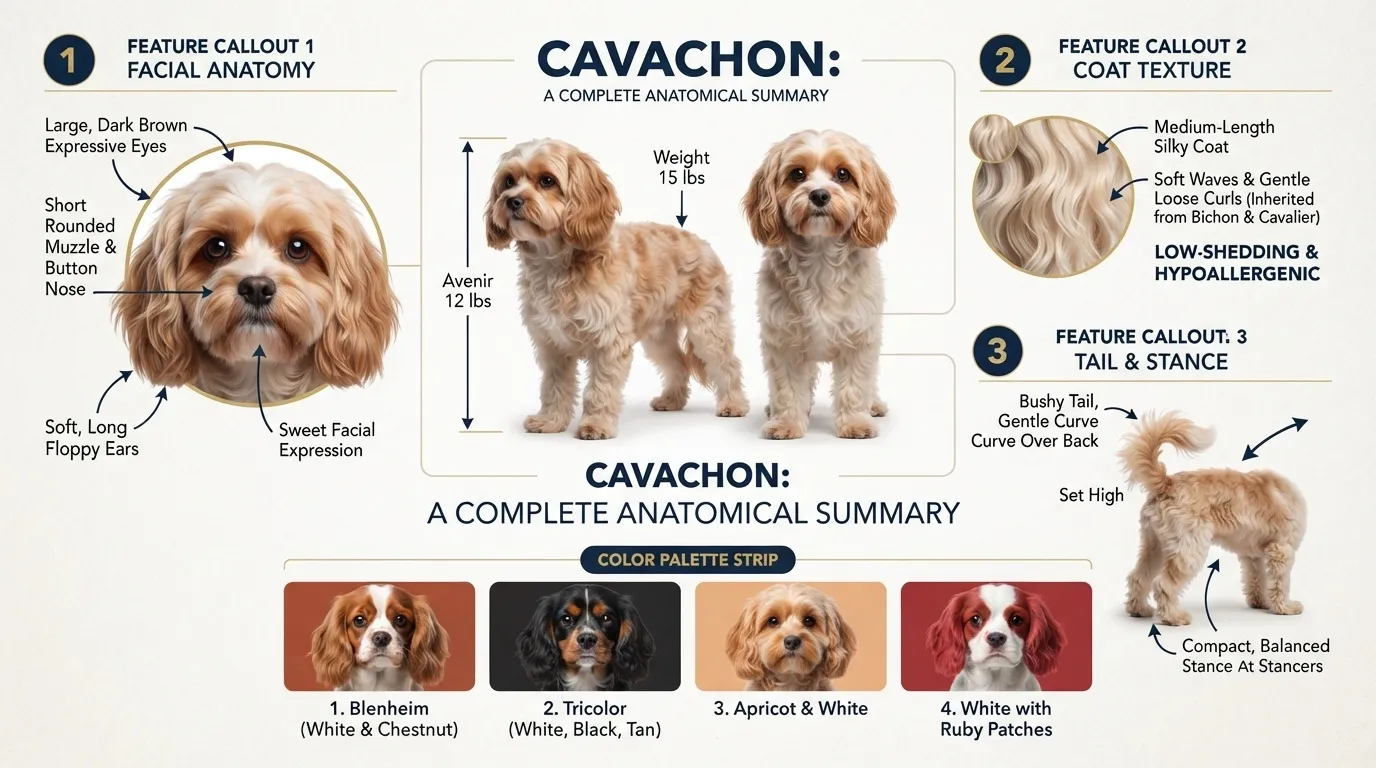
An adult Cavachon typically stands 12 to 13 inches tall at the shoulder and weighs between 12 and 20 pounds. Because it is a hybrid of a toy spaniel and a small companion breed, exact sizing depends on which parent the puppy takes after most. Male and female Cavachons generally share the same compact frame, making them sturdy enough for outdoor play yet small enough to comfortably curl up on your lap.
Coat Type and Texture
The Cavachon coat is famously soft and plush, often described as a silky, wavy fleece that gives the dog its classic "teddy bear" appearance. Inheriting a blend of the Bichon Frise's loose curls and the Cavalier's smooth, feathering coat, this breed typically sports medium-length hair that feels soft to the touch. Unlike harsh-coated breeds, their hair grows continuously rather than dropping out in heavy seasonal cycles, which helps keep loose fur off your furniture.
Colors and Markings
Cavachons come in a charming array of coat colors and pattern variations, most of which feature a white base accented by warm patches inherited from the Cavalier side. Their expressive, dark round eyes and floppy, feathered ears complete their endearing facial look.
- Blenheim (Chestnut & White): The most recognizable pattern, featuring a white coat with rich chestnut or reddish-gold patches across the body and ears.
- Apricot & White: A soft, cream-to-peach shaded pattern set against a solid white background.
- Sable & White: A striking mix where the fur strands fade from dark tips to lighter golden bases over a white chest and body.
- Tricolor: A distinct three-color combination featuring a white base with black patches and classic tan markings over the eyes, cheeks, and under the tail.
- Black & White: A crisp, high-contrast look featuring bold black markings on a bright white coat.
Is the Cavachon Hypoallergenic?
While no dog is 100% allergy-free, the Cavachon is widely considered a low-shedding, allergy-friendly dog. Because the Bichon Frise parent contributes a non-shedding coat that traps dander, most Cavachons shed far less hair than purebred Cavaliers. However, because individual puppies may inherit a coat that leans closer to the spaniel side, people with severe pet allergies should spend time around an adult Cavachon before making a commitment.
Cavachon Temperament and Personality
Is the Cavachon Friendly?
Yes, the Cavachon is exceptionally friendly and naturally thrives on human companionship. Inheriting the affectionate nature of both the Cavalier King Charles Spaniel and the cheerful Bichon Frise, this hybrid gets along famously with children, senior citizens, and other household pets. They rarely show aggression, making them wonderful family dogs that eagerly greet everyone they meet.
Do Cavachons Bark a Lot? Are They Good Watchdogs?
Cavachons are generally quiet dogs and are not considered nuisance barkers. While they will alert you when someone comes to the door, their protective instincts usually end right there. They do not make great guard dogs because their friendly disposition takes over the moment a stranger walks inside.
- Alert Barking Only: They typically sound a brief bark only to let you know a guest or delivery has arrived.
- Warms Up Quickly: Any initial caution disappears within seconds as they happily accept pets and attention from new visitors.
- Not a Nuisance Barker: Unlike some small terrier breeds, Cavachons rarely bark out of boredom if their daily social and physical needs are met.
Cavachon and Separation Anxiety
Because Cavachons form deep bonds with their families, they are prone to separation anxiety if left alone for extended periods. They thrive best in homes where someone is present for most of the day, whether that means remote workers, retirees, or families with flexible schedules. Crate training early on and leaving them with interactive puzzle toys can help build confidence during brief solo periods.
Intelligence and Trainability
Cavachons are smart, eager to please, and respond remarkably well to gentle, positive reinforcement training. Their high intelligence means they pick up basic commands and fun tricks quickly when rewards like treats and praise are involved. Harsh training methods will cause them to shut down, so keeping sessions fun and lighthearted yields the best results.
Sleep Habits and Cuddliness
If you love a true lap dog, the Cavachon will happily snuggle with you for hours on the sofa. They love to curl up in warm blankets or lean right against their humans during naptime, making them expert cuddle partners after a short daily walk.
Common Health Issues in Cavachons
Cavachons are generally healthy small dogs, but like all breeds, they can inherit certain health conditions from their Cavalier King Charles Spaniel and Bichon Frise parents. Working with a responsible breeder who performs genetic screening helps lower the risk of these common conditions:
Mitral Valve Disease (MVD): A heart condition common in Cavaliers where the heart valve weakens over time. Regular vet checkups with a stethoscope can detect early heart murmurs.
Patellar Luxation: A common small-dog issue where the knee cap slips out of place. Keeping your Cavachon at a healthy weight reduces stress on their joints.
Eye Conditions: They can be prone to cataracts, progressive retinal atrophy (PRA), and dry eye syndrome.
Ear Infections: Their soft, floppy ears trap moisture easily. Cleaning their ears weekly with a vet-approved cleaner helps prevent painful infections.
Atopic Dermatitis & Allergies: Sensitive skin can cause itching or red spots, often triggered by food sensitivities or environmental allergies.
Pro Care Tip: Annual veterinary visits, teeth brushing, and early heart screenings are the best ways to ensure your Cavachon stays active and healthy well into their senior years.
Growth Chart by Month
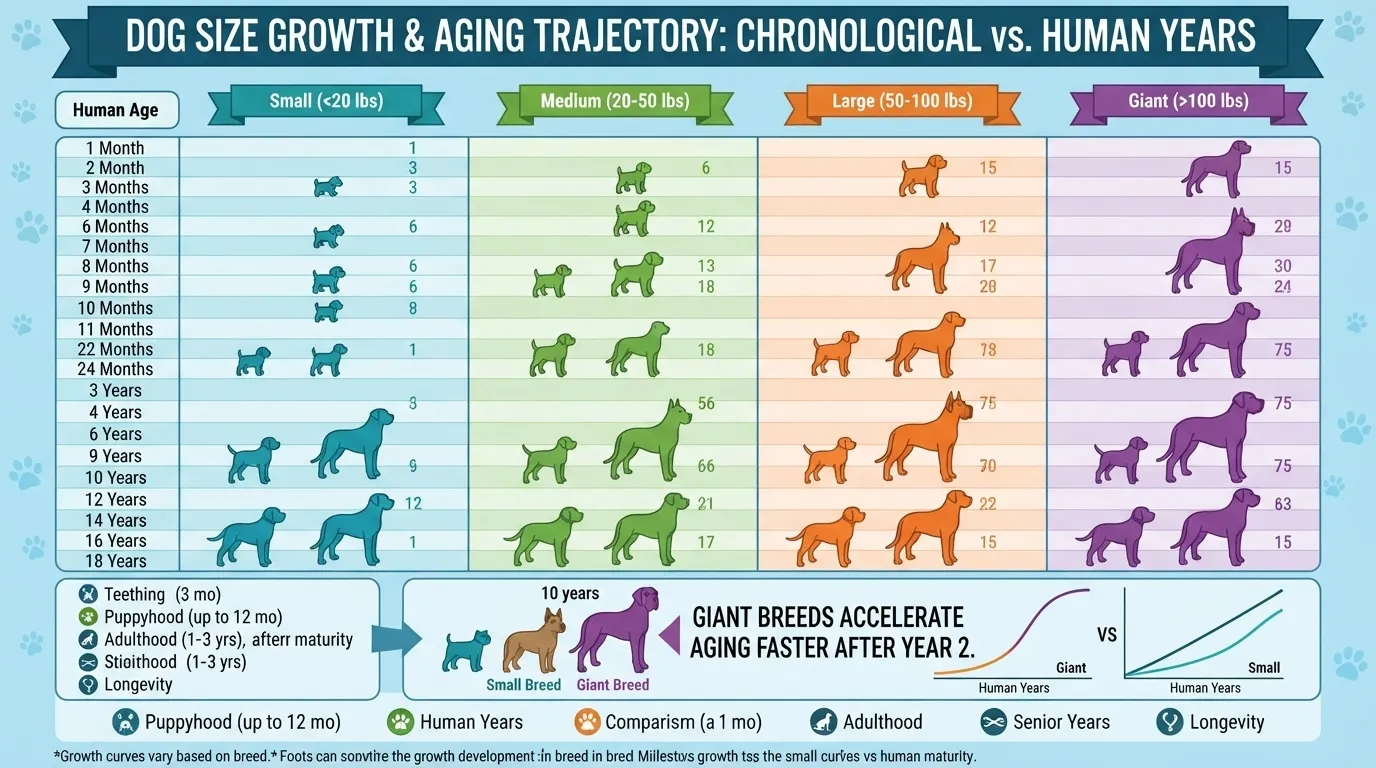
A Cavachon puppy undergoes rapid physical growth during the first six months before steadily tapering off toward their full adult weight. While individual puppies vary depending on genetics, tracking their monthly progress helps ensure they are growing at a healthy, steady rate.
| Age | Average Weight | Developmental Milestone |
|---|---|---|
| 3 Months | ~4 lbs | Early puppyhood growth phase and high energy levels. |
| 6 Months | ~7 lbs | Reaches roughly 50–60% of adult body weight. |
| 12 Months | ~13–16 lbs | Reaches full adult height and baseline weight. |
Cavachon Age in Human Years
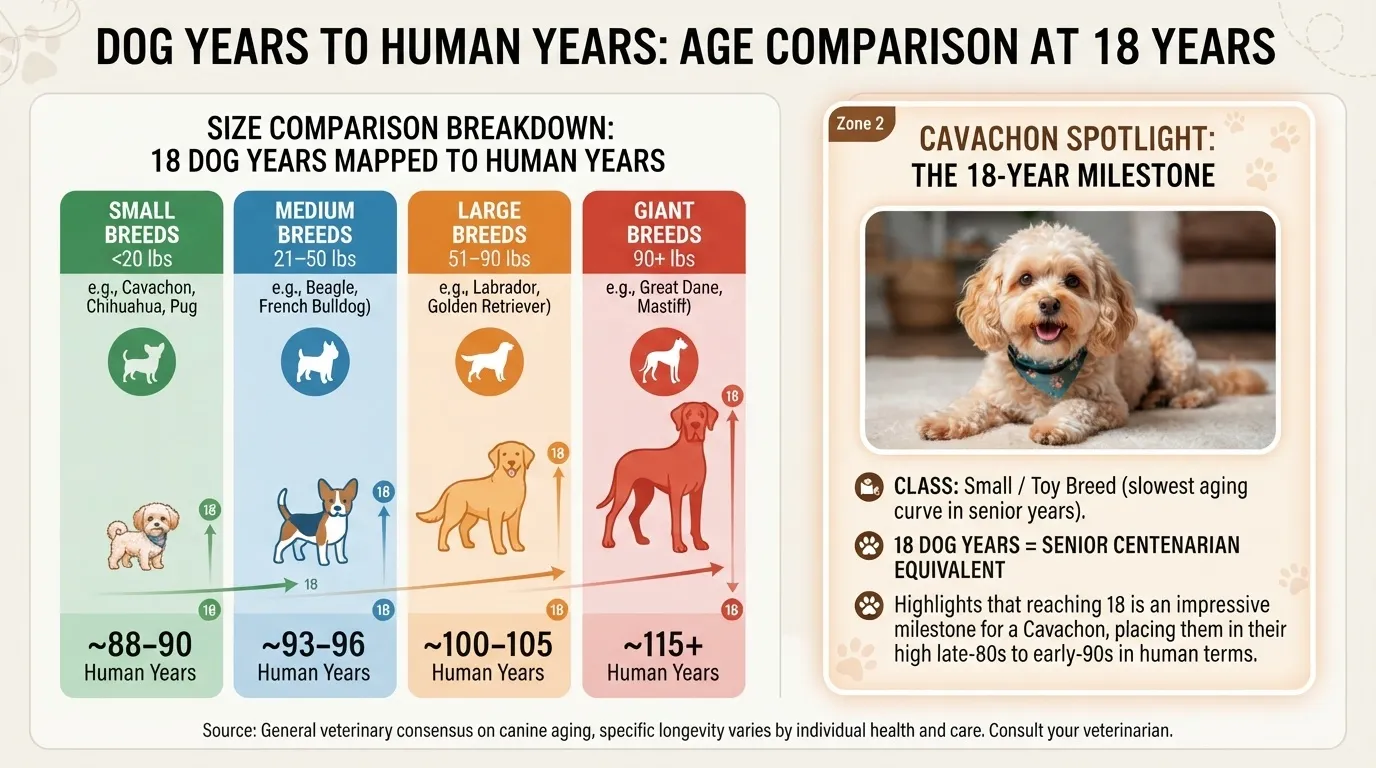
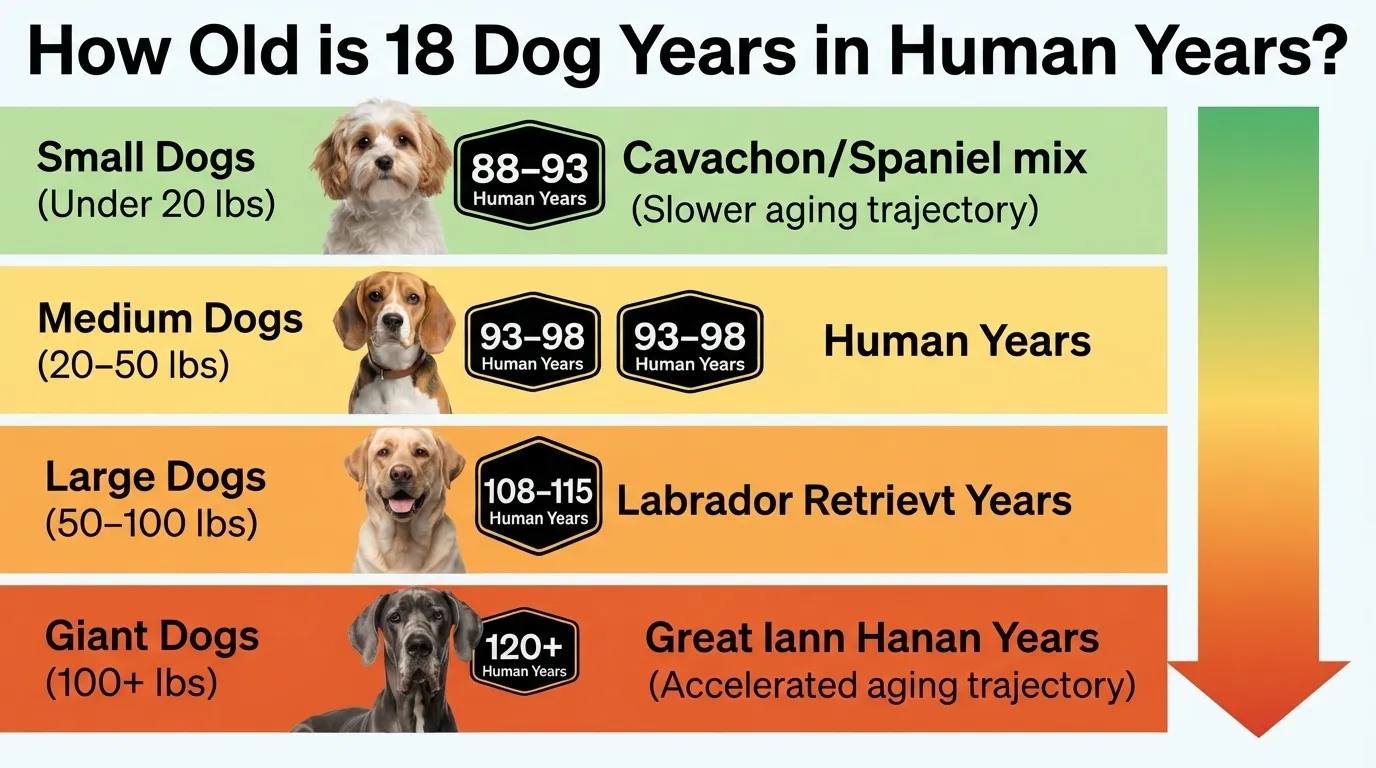
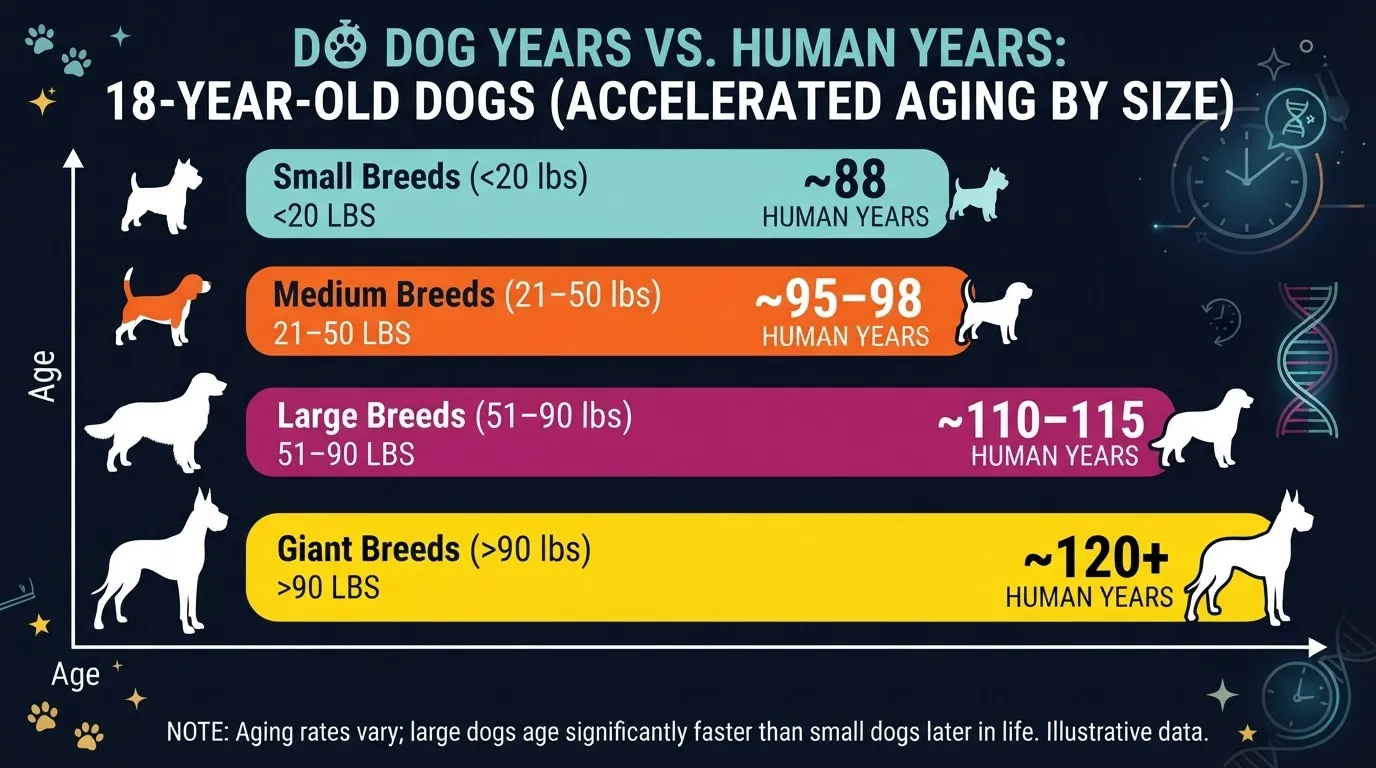
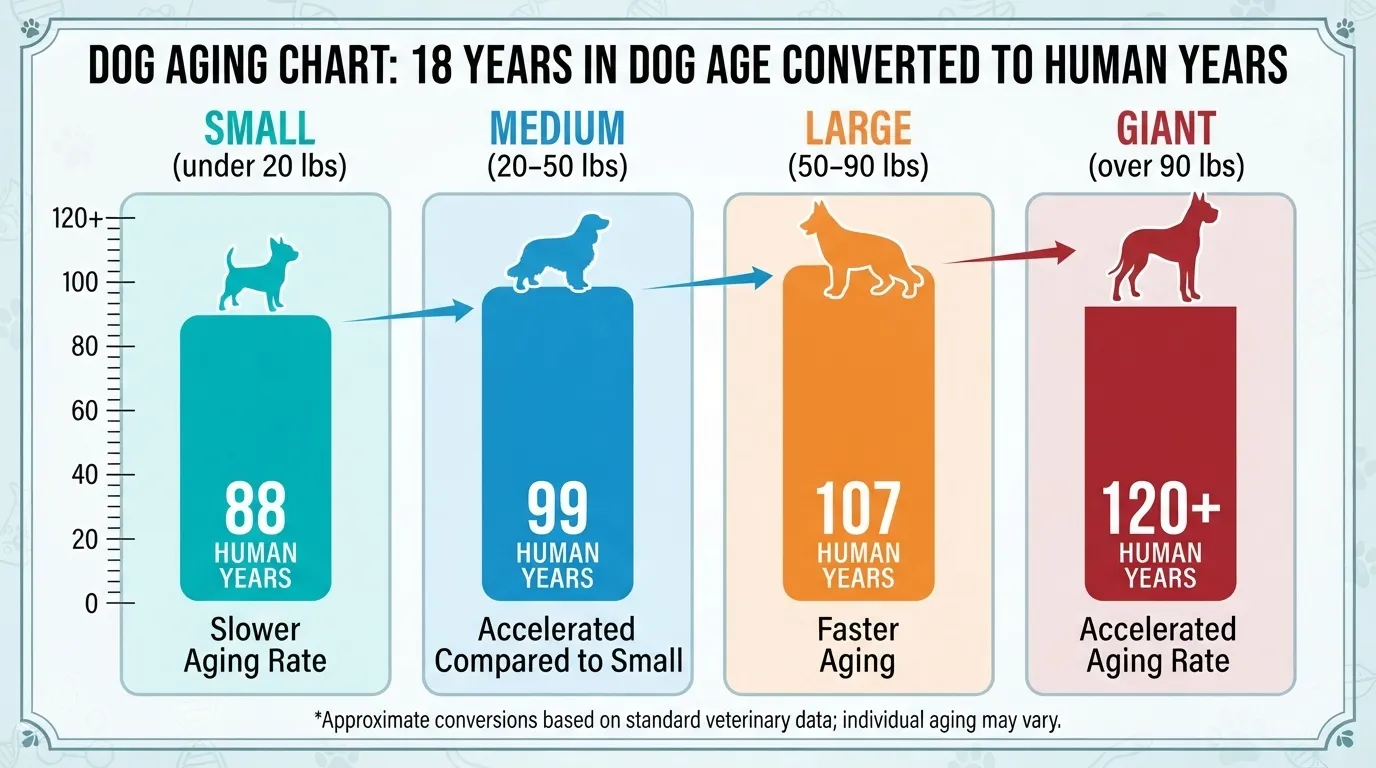
Understanding how your Cavachon grows up helps you provide the best nutrition, healthcare, and lifestyle at every stage of their life. Because Cavachons are a small breed (typically weighing between 12 to 20 pounds), their aging curve looks quite different from medium or giant breeds.
How to Calculate Your Cavachon’s Age in Human Years
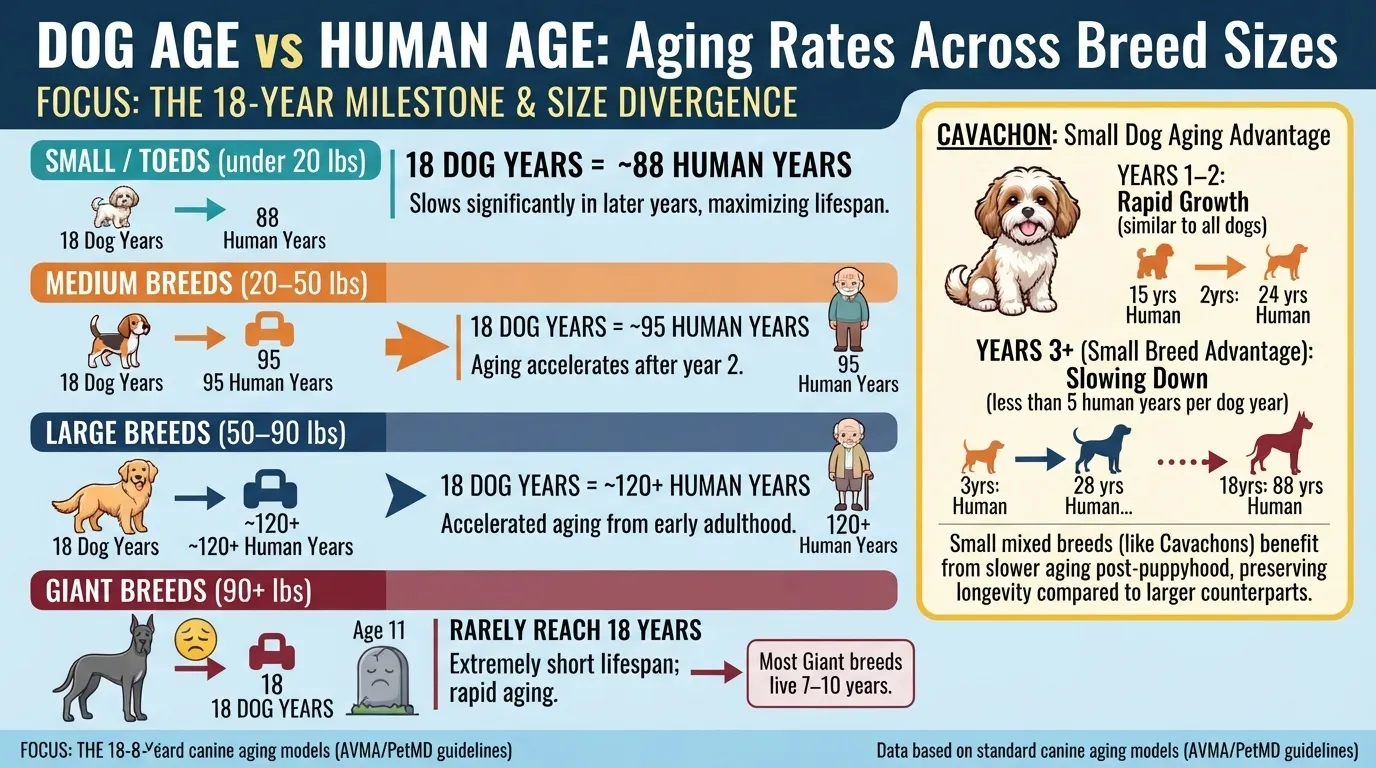
The old rule of multiplying every dog year by 7 is actually a myth! Dogs mature very quickly during their first two years, after which their physical development slows down significantly.
For small breeds like Cavachons, the standard formula recommended by veterinarians is:
Year 1: Equals approximately 15 human years (rapid physical development and sexual maturity).
Year 2: Adds roughly 9 human years (bringing a 2-year-old Cavachon to ~24 human years).
Year 3 and beyond: Each additional dog year equals approximately 4 human years.
Small Breed Dog Aging Chart
Below is a handy reference table showing how your Cavachon’s age translates into human years throughout their lifespan:
| Cavachon Age (Years) | Human Year Equivalent | Life Stage |
|---|---|---|
| 6 Months | 10 years | Puppy |
| 1 Year | 15 years | Young Adult |
| 2 Years | 24 years | Adult |
| 3 Years | 28 years | Adult |
| 4 Years | 32 years | Adult |
| 5 Years | 36 years | Adult |
| 6 Years | 40 years | Mature Adult |
| 7 Years | 44 years | Senior |
| 8 Years | 48 years | Senior |
| 9 Years | 52 years | Senior |
| 10 Years | 56 years | Senior |
| 12 Years | 64 years | Super Senior |
| 14 Years | 72 years | Super Senior |
| 15+ Years | 76+ years | Super Senior |
Cavachon Health Issues and Common Problems
While Cavachons are generally robust and healthy dogs, inheriting traits from both Cavalier King Charles Spaniels and Bichon Frises means they can be prone to specific genetic health conditions. Understanding these potential issues allows you to take preventive steps early and ensure your dog lives a long, happy life.
Common Health Conditions
Here are the most frequent health concerns seen in Cavachons:
Mitral Valve Disease (MVD): Inherited primarily from the Cavalier lineage, MVD is a heart condition where the mitral valve weakens over time, leading to a heart murmur or heart failure. Regular veterinary checks can catch heart murmurs early.
Hip Dysplasia: A condition where the hip joint doesn’t fit together perfectly, causing friction, discomfort, and eventual arthritis. Maintaining a healthy weight and avoiding strenuous jumping helps protect their joints.
Patellar Luxation: Common in small breeds, this occurs when the kneecap temporarily slips out of its normal groove. Symptoms include a sudden hop or limp while walking or running.
Ear Infections: Cavachons have floppy, hairy ears that trap moisture, heat, and dirt. Regular cleaning and keeping the inner ears dry are crucial to prevent bacterial and yeast infections.
Cataracts: Cloudiness in the eye lens that can impair vision as your Cavachon ages. Early diagnosis during routine vet checkups can help manage or treat visual impairment effectively.
How to Keep Your Cavachon Healthy
Preventive care is key to extending your Cavachon’s lifespan and avoiding high veterinary expenses down the road. Focus on these three core areas:
Routine Veterinary Checkups: Visit your vet at least once a year (or twice yearly for seniors) for heart evaluations, joint checks, and preventive vaccinations. Annual bloodwork and dental cleanings also catch hidden issues early.
Balanced & Age-Appropriate Diet: Feed high-quality small-breed kibble formulated for their specific life stage (puppy, adult, or senior). Look for foods rich in omega-3 fatty acids to support joint and skin health.
Strict Weight Management: Because Cavachons are small, even 1 to 2 extra pounds can put immense pressure on their joints and cardiovascular system. Monitor portion sizes, limit high-calorie treats, and ensure daily moderate exercise like walking or outdoor play.
Grooming a Cavachon
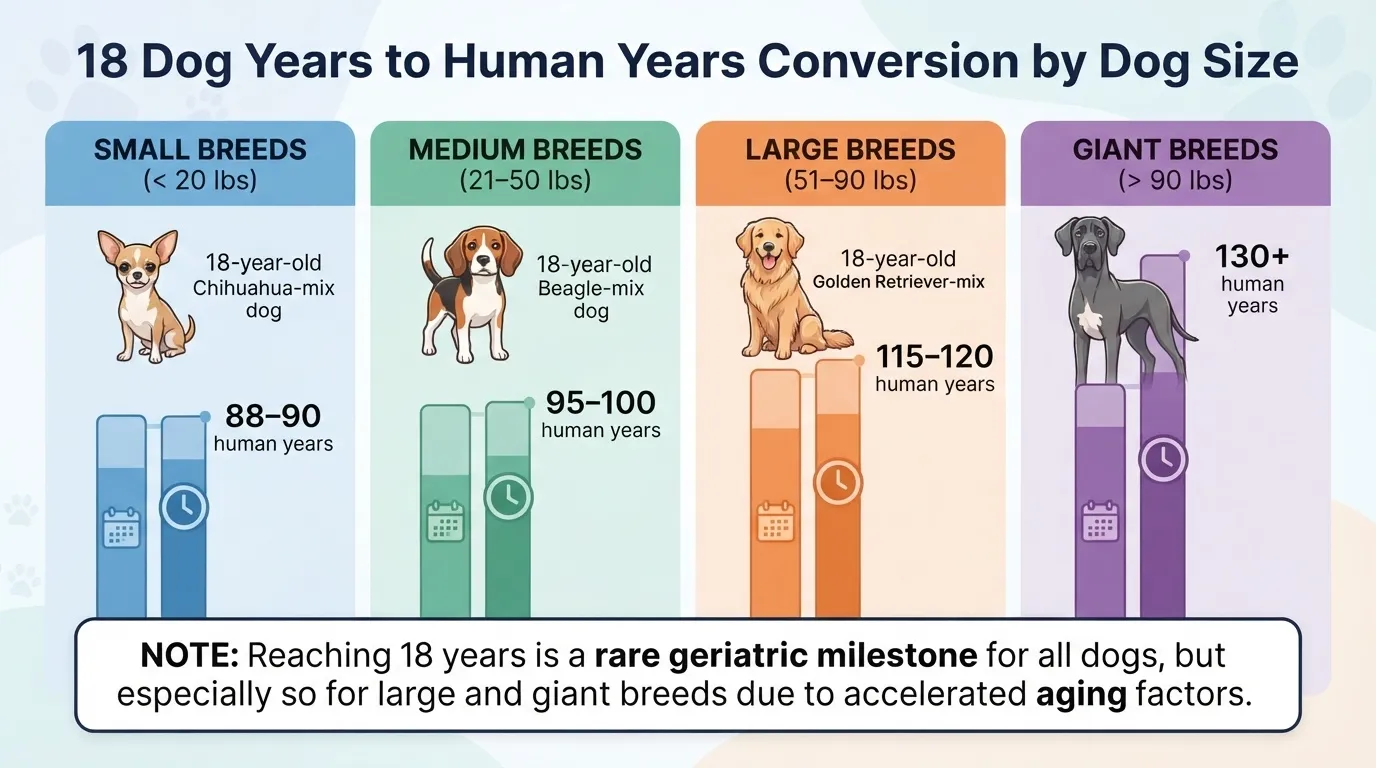
Keeping a Cavachon looking fluffy and cute takes consistent care. Thanks to their combination of Bichon Frise and Cavalier King Charles Spaniel genetics, their soft, low-shedding coat requires regular attention to stay clean, healthy, and tangle-free.
How Often Should You Brush a Cavachon?
You should brush your Cavachon at least 3 to 4 times a week, though daily brushing is ideal.
Because Cavachons have soft, wavy, or loosely curled fur, friction in high-movement areas—like behind the ears, under the armpits, around the collar zone, and between the thighs—can quickly lead to painful mats. Using a slicker brush followed by a metal greyhound comb helps you catch hidden tangles right at the skin level before they turn into tight knots.
Do Cavachons Shed?
Yes, but very minimally.
Cavachons are often labeled “hypoallergenic” or low-shedding because they inherit the soft hair-like coat of the Bichon Frise. Instead of dropping loose fur all over your furniture, loose hairs get trapped inside their dense coat. While this is great news for allergy sufferers and clean carpets, it means those trapped hairs will cause severe matting if they aren’t brushed out regularly.
Puppy Coat vs Adult Coat (The “Coat Change” at 7–8 Months)
When you first bring a Cavachon puppy home, their fur is soft, thin, and remarkably low-maintenance. However, between 7 and 8 months of age, your puppy will undergo a transition where their adult coat starts growing in.
During this “coat change” phase, the shedding puppy hair gets caught against the incoming adult fur, leading to a temporary spike in matting.
Why trimming too early can prevent the adult coat from coming in properly: Clipping or shaving a Cavachon puppy’s coat too short before their adult hair has fully established can disrupt the hair growth cycle. It can alter the natural texture, causing the new adult coat to come in coarser, uneven, or prone to worse tangles. Stick to light sanitary trims around the eyes, paws, and hygiene areas until their adult coat sets in.
Professional Grooming Needs and Popular Haircut Styles
Most Cavachons benefit from a trip to a professional groomer every 4 to 6 weeks to keep their coat manageable and neatly shaped.
Popular hairstyle options include:
Teddy Bear Cut: The most requested style! Keeps the body fur clipped evenly at around 1 to 2 inches while scissoring the facial hair into a round, fluffy circle.
Puppy Cut: A simple, short single-length clip across the whole body (usually 1/2 inch) that keeps maintenance extremely low and easy to manage at home.
Show/Natural Cut: Leaves the coat longer and wavy, emphasizing the Cavalier spaniel ears and tail plume while trimming only the feet and pads.
Essential Cavachon Grooming Checklist
Use this simple routine to keep your Cavachon looking top-notch at home:
Brushing Frequency: 3–4 times weekly (daily during the 7–8 month coat change).
Bathing: Every 3 to 4 weeks using a mild, soap-free dog shampoo (over-bathing strips essential skin oils).
Ear Cleaning: Weekly inspection and clean with a vet-approved ear solution to prevent yeast and bacterial buildup.
Nail Trimming: Clip or grind nails every 2 to 3 weeks so they don’t click loudly on hard floors.
Eye Wiping: Daily wipe-down around the inner eye corners using a damp cloth to prevent tear staining.
Exercise and Training Needs
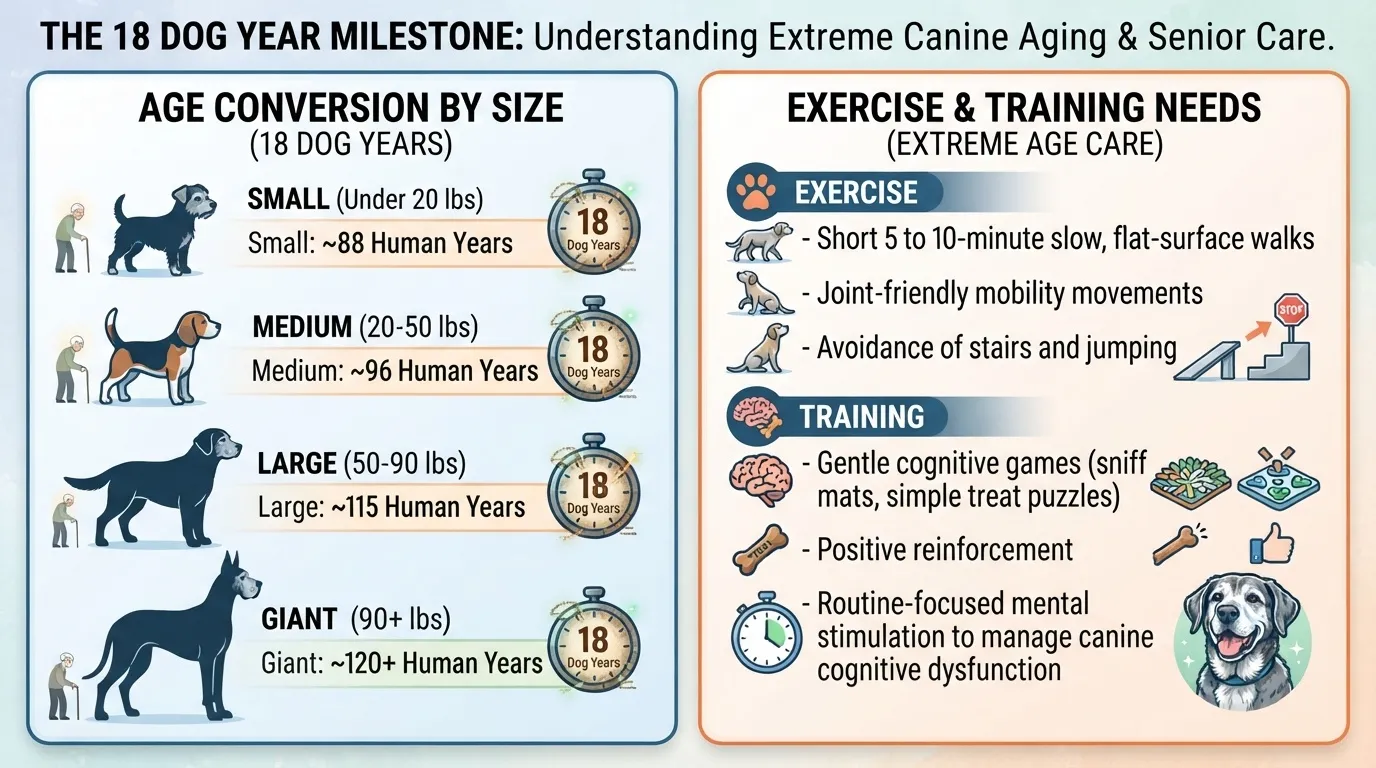
Cavachons are adaptable, playful, and eager to please, making them a joy to exercise and train. Combining the gentle nature of the Cavalier King Charles Spaniel with the curious spirit of the Bichon Frise, they have moderate energy levels that fit seamlessly into both house and apartment living.
How Much Exercise Does a Cavachon Need?
A healthy adult Cavachon needs about 30 to 60 minutes of exercise per day.
This doesn’t mean high-intensity running or strenuous hikes. Instead, split their activity into two daily 15-to-20-minute brisk walks paired with a short play session in the yard or living room. Keeping up a consistent routine prevents boredom, burns off excess energy, and helps keep joint-straining weight off their small frame.
Best Activities for a Cavachon
Cavachons thrive on activities that combine physical movement with mental engagement. Great choices include:
Gentle Neighborhood Walks: Great for sniffing and mental stimulation—which tires out a dog just as quickly as running!
Fetch in the Hallway or Yard: A lightweight plush toy or soft ball is perfect for their small mouths.
Basic Agility or Obstacle Courses: Setting up low jumps or tunnels in the living room feeds their Bichon curiosity and keeps them active indoors.
Interactive Puzzle Toys: Lick mats, snuffle mats, and food-dispensing puzzle toys challenge their brains while slowing down fast eaters.
Can Cavachons Handle Cold or Hot Weather?
Cavachons are sensitive to extreme temperatures in both winter and summer.
Because they have single-layer coats without a dense undercoat, Cavachons have poor cold tolerance. In winter, keep outdoor bathroom breaks short, avoid prolonged exposure to snow or ice, and equip them with a cozy fleece sweater or insulated dog jacket.
They are also vulnerable to heat exhaustion in hot, humid weather due to their short muzzles and dense fur. During summer, stick to early morning or evening walks, keep them in air-conditioned spaces during peak daylight hours, and always carry fresh water.
Training Tips for Success
Cavachons are intelligent and love pleasing their human companions, making them relatively easy to train when you use the right approach:
Use Positive Reinforcement Only: Cavachons are sensitive souls. Harsh corrections, scolding, or loud physical cues can make them shut down or develop anxiety. Stick to high-value treats, verbal praise, and gentle encouragement.
Early Socialization is Key: Expose your puppy to different sights, sounds, humans, and friendly dogs between 8 and 16 weeks of age to ensure they grow into a confident, friendly adult.
Keep Sessions Short and Fun: Aim for 5-to-10-minute training sessions once or twice a day to hold their attention without overwhelming them.
Consistent House Training: Small breeds take a bit more patience with potty training due to smaller bladders. Maintain a strict routine, reward immediate outdoor success, and use a crates-and-leash setup during the first few months.
Feeding and Nutrition
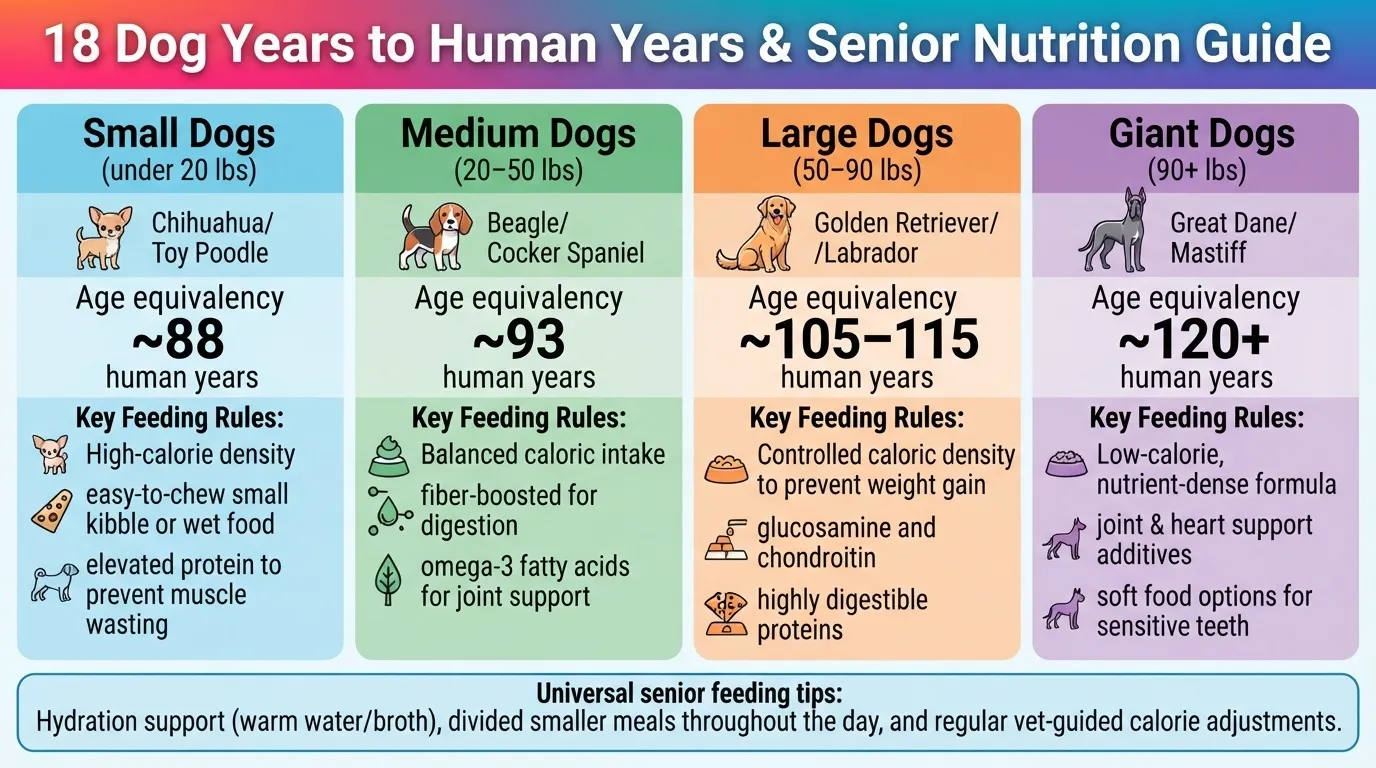
Proper nutrition is the foundation of a long, healthy life for your Cavachon. Because small breeds have unique physiological needs—including faster metabolisms and smaller jaws—feeding a high-quality diet tailored to their size ensures they get the right balance of energy, vitamins, and minerals without putting on excess weight.
Best Food for a Cavachon
The ideal diet for a Cavachon focuses on high-quality ingredients that support heart health, joint longevity, and a shiny, tangle-free coat:
Small-Breed Kibble Formula: Choose commercial dog food specifically designed for small breeds. These formulas feature smaller kibble pieces that are easier to chew and help reduce plaque buildup on their small teeth.
Named Animal Protein as the #1 Ingredient: Look for foods with real chicken, turkey, lamb, or salmon listed as the primary protein source to support lean muscle mass.
Healthy Fatty Acids (Omega-3 & Omega-6): Ingredients like salmon oil or flaxseed help keep their soft, wavy coat shiny and reduce skin inflammation or allergies.
Heart & Joint Support: Given their susceptibility to heart issues (Mitral Valve Disease) and joint trouble (patellar luxation), formulas containing taurine, L-carnitine, glucosamine, and chondroitin offer great long-term support.
Feeding Schedule and Portion Control
To prevent digestive upset and keep energy levels stable, avoid free-feeding (leaving food out all day). Instead, stick to a structured routine:
Puppies (2 to 6 months): 3 to 4 small meals per day to prevent hypoglycemia (sudden drops in blood sugar).
Adults (6 months to senior): 2 meals per day (morning and evening).
Portion Size: Most adult Cavachons (12–20 lbs) require roughly 3/4 to 1.5 cups of dry kibble per day, split evenly across their meals. Always adjust based on your specific food brand’s caloric density and your dog’s activity level.
Diet Tips for Small-Breed Metabolism
High Metabolic Rate, Small Stomach: Small dogs burn calorie energy faster per pound than large dogs, but they have tiny stomachs. Dense, nutrient-rich food allows them to get full energy value without overeating bulk.
Watch the Weight Carefully: Even an extra 1 to 2 pounds on a Cavachon can strain their delicate joints and cardiovascular system. Measure meals with an actual measuring cup rather than eyeballing it.
Calorie-Smart Treats: Treats should make up no more than 10% of your Cavachon’s daily calorie intake. Opt for low-calorie rewards like small training treats, blueberry bites, or plain cooked green beans.
Is a Cavachon Good for Families?
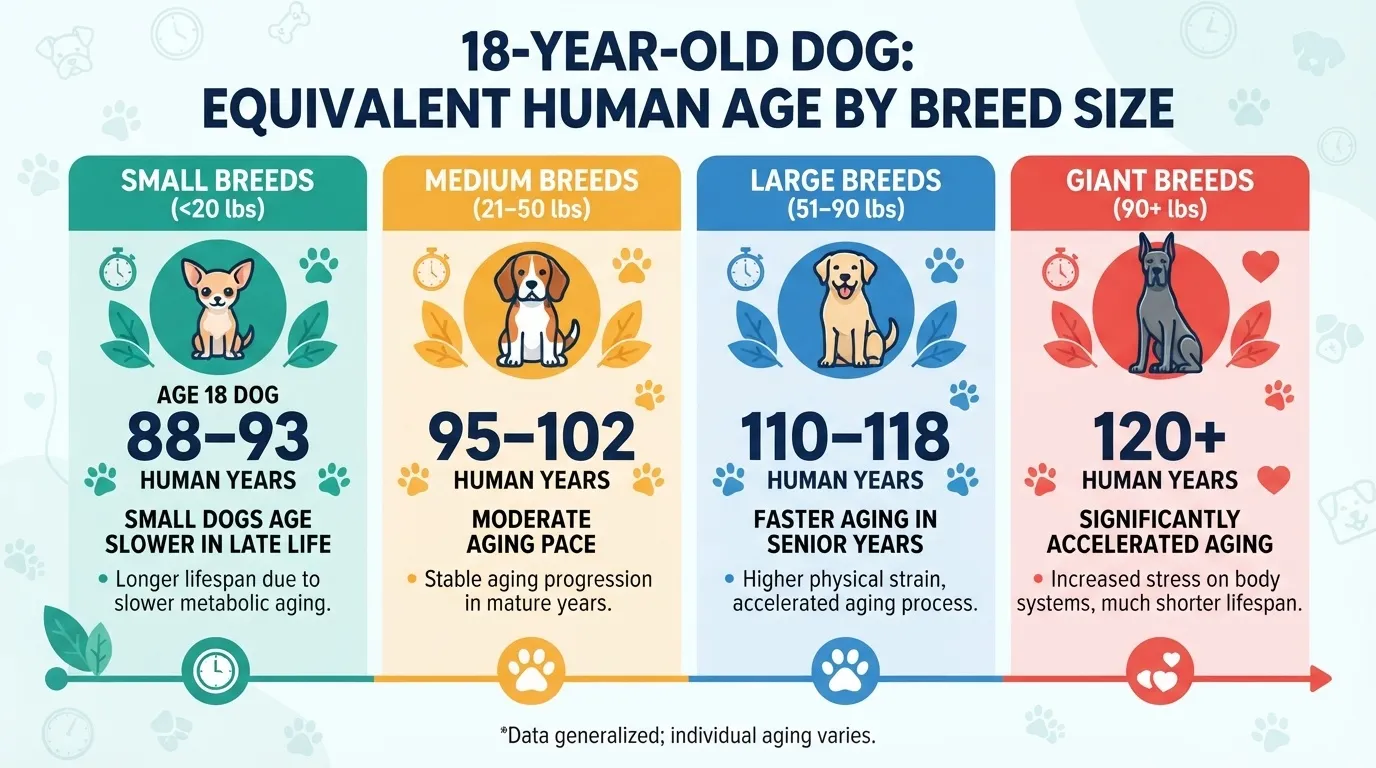
Yes, Cavachons are exceptional family dogs! Known for their gentle temperament, affectionate nature, and adaptable personalities, they inherit the best traits of both the Cavalier King Charles Spaniel and the Bichon Frise. They thrive on companionship and easily blend into busy households.
Cavachons and Children
Cavachons are generally fantastic with children of all ages due to their sweet, non-aggressive disposition and playful attitude.
Patient and Affectionate: They rarely show aggression and love participating in family activities, games, and cozy couch cuddles.
Size Considerations with Young Kids: Because Cavachons are small dogs (typically 12 to 20 pounds), young toddlers can accidentally hurt them by rough handling, dropping them, or stepping on them.
Supervision is Essential: Always supervise interactions between young children and your Cavachon, and teach kids how to handle and touch dogs gently.
Cavachon and Other Pets
Cavachons are naturally social, peaceful creatures that usually lack a strong prey drive, making them great companions for multi-pet homes.
Other Dogs: They love playing with other dogs and generally do well in multi-dog households, especially with other small or medium-sized gentle breeds.
Cats: Thanks to their low prey drive inherited from both parent breeds, Cavachons generally get along very well with indoor cats. Early socialization and proper, gradual introductions ensure a harmonious relationship.
Small Pets: While they are unlikely to chase pocket pets (like hamsters or guinea pigs) aggressively, it is still best practice to supervise any interaction with small animals.
Ideal Owner Profile
The Cavachon is one of the most versatile hybrid breeds around, making them a great fit for a wide variety of lifestyles and living arrangements:
First-Time Dog Owners: Their eager-to-please attitude, moderate energy, and forgiving nature make them ideal for beginners who haven’t owned a dog before.
Apartment & City Dwellers: Cavachons do not require a massive fenced yard. As long as they get their daily walks and indoor play, they adapt wonderfully to apartments, condos, and busy urban environments.
Seniors & Retirees: Their manageable size, moderate exercise requirements, and loving companionship make them fantastic emotional anchors and walking partners for older adults.
Low Space Needs: Whether you live in a compact city apartment or a sprawling country home, a Cavachon will feel right at home as long as they are close to their favorite human family members!
How Much Does a Cavachon Cost?
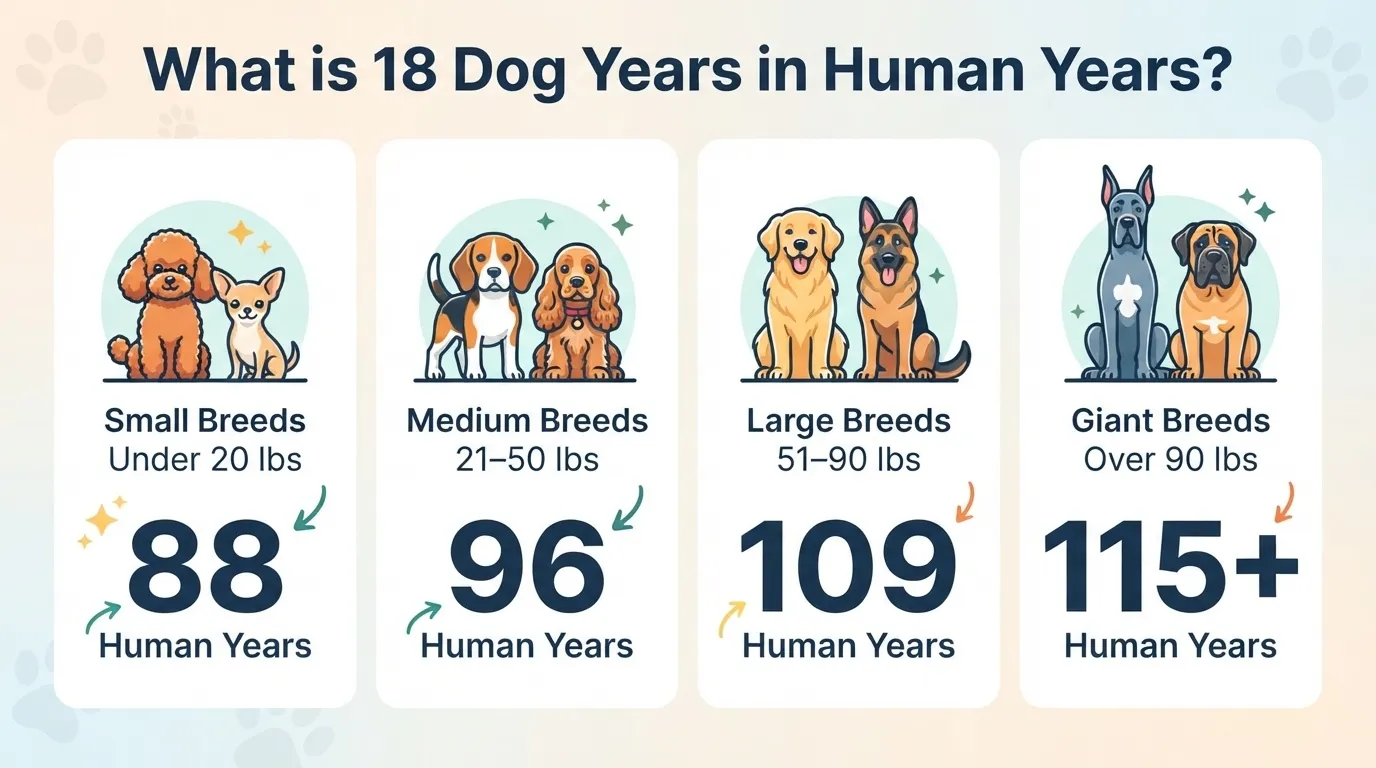
Bringing a Cavachon into your life involves both initial purchasing expenses and long-term care costs. Because they are a popular designer hybrid, prices can vary based on breeder reputation, coat traits, and generation.
Puppy Price Range
On average, a Cavachon puppy costs between $1,000 and $2,500 from a reputable breeder.
Prices can shift depending on several key factors:
Pedigree & Health Testing: Puppies from health-tested lines with certified genetic clearances typically cost toward the higher end ($2,000–$3,000+).
Coat Color & Features: Rare markings (like solid black, sable, or tri-color) often command premium prices compared to standard white/apricot coats.
Geographic Location: Breeders in high-cost-of-living metropolitan areas usually charge more.
Cavachon Generations Explained
A Cavachon’s generation indicates its genetic mix, affecting coat predictability, shedding levels, and price:
F1 (First Generation): 50% Cavalier King Charles Spaniel & 50% Bichon Frise.
Traits: Classic “teddy bear” look, wavy coat, moderate predictability. Most common and usually standard pricing.
F1b (Backcross): 75% Bichon Frise & 25% Cavalier (or vice versa).
Traits: Often bred back to a Bichon for curlier, non-shedding coats ideal for allergy sufferers. These often carry a slightly higher price tag due to allergy-friendly demand.
F2 (Second Generation): F1 Cavachon x F1 Cavachon.
Traits: Higher variation in coat texture and appearance within the same litter. Prices can vary widely based on individual puppy characteristics.
Additional Costs of Ownership
Beyond the purchase price, budget for ongoing first-year and annual care:
| Expense Category | Estimated Cost (First Year) | Estimated Annual Cost (Ongoing) |
|---|---|---|
| High-Quality Food & Treats | $300 – $500 | $300 – $500 |
| Professional Grooming | $400 – $700 (every 4–6 wks) | $400 – $700 |
| Routine Vet Care & Vaccines | $400 – $800 | $200 – $400 |
| Pet Insurance | $300 – $600 | $300 – $600 |
| Initial Supplies (crate, leash, toys) | $200 – $400 | $50 – $100 |
Cavachon Pros and Cons
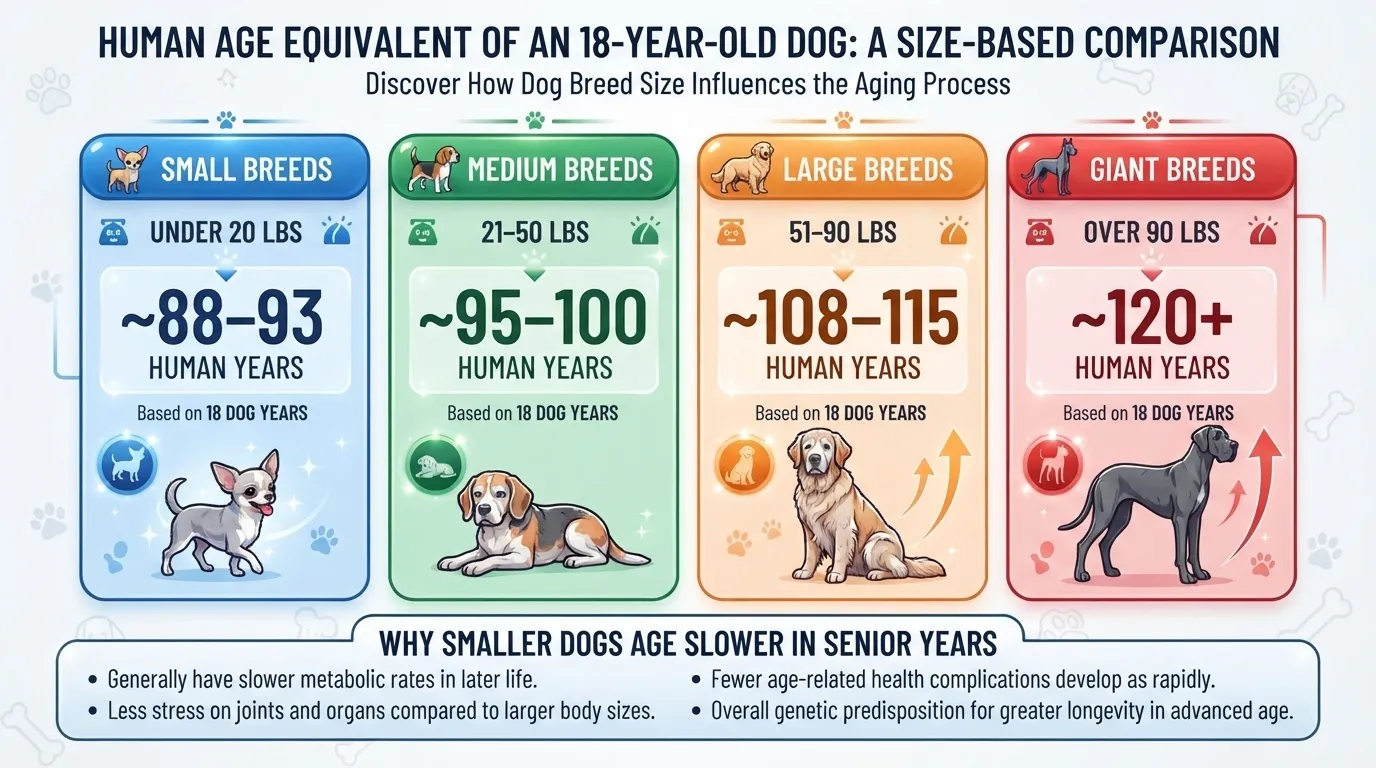
Every dog breed comes with its own unique strengths and challenges. Weighing the advantages against the potential drawbacks will help you decide if a Cavachon is the right match for your home and daily lifestyle.
Advantages of Owning a Cavachon
Hypoallergenic & Low-Shedding Coat: Inheriting hair-like fur from the Bichon Frise, Cavachons shed very little, making them a great option for allergy sufferers and clean-conscious homes.
Exceptionally Sweet & Gentle Temperament: Known for their affectionate nature, Cavachons rarely show aggression and love nothing more than cuddling with their human family.
Great for Families & Multi-Pet Homes: They get along wonderfully with young children, seniors, other dogs, and even household cats thanks to their low prey drive.
Highly Adaptable to Small Spaces: Their compact size (12–20 lbs) and moderate exercise needs make them ideal for city apartments, condos, and homes without big yards.
Eager to Please & Easy to Train: Highly intelligent and motivated by positive reinforcement, Cavachons learn household rules and basic commands quickly.
Challenges of Owning a Cavachon
High Grooming Maintenance: Their soft, wavy coat mats easily if not brushed 3 to 4 times a week, and they require professional grooming visits every 4 to 6 weeks.
Prone to Separation Anxiety: Because they are deeply companion-oriented, Cavachons do not do well when left alone for long periods and can develop distress or bark excessively.
Specific Health Vulnerabilities: They can inherit serious genetic health problems, particularly Mitral Valve Disease (heart murmur) from the Cavalier side, along with patellar luxation and eye issues.
Temperature Sensitivity: With a light single coat and relatively short muzzles, they struggle in extreme heat and cold weather, requiring protective gear in winter and air conditioning in summer.
Housetraining Can Take Patience: Like many small breeds, their tiny bladders mean potty training requires consistent routines and extra patience during their first several months.
Cavachon vs Similar Breeds
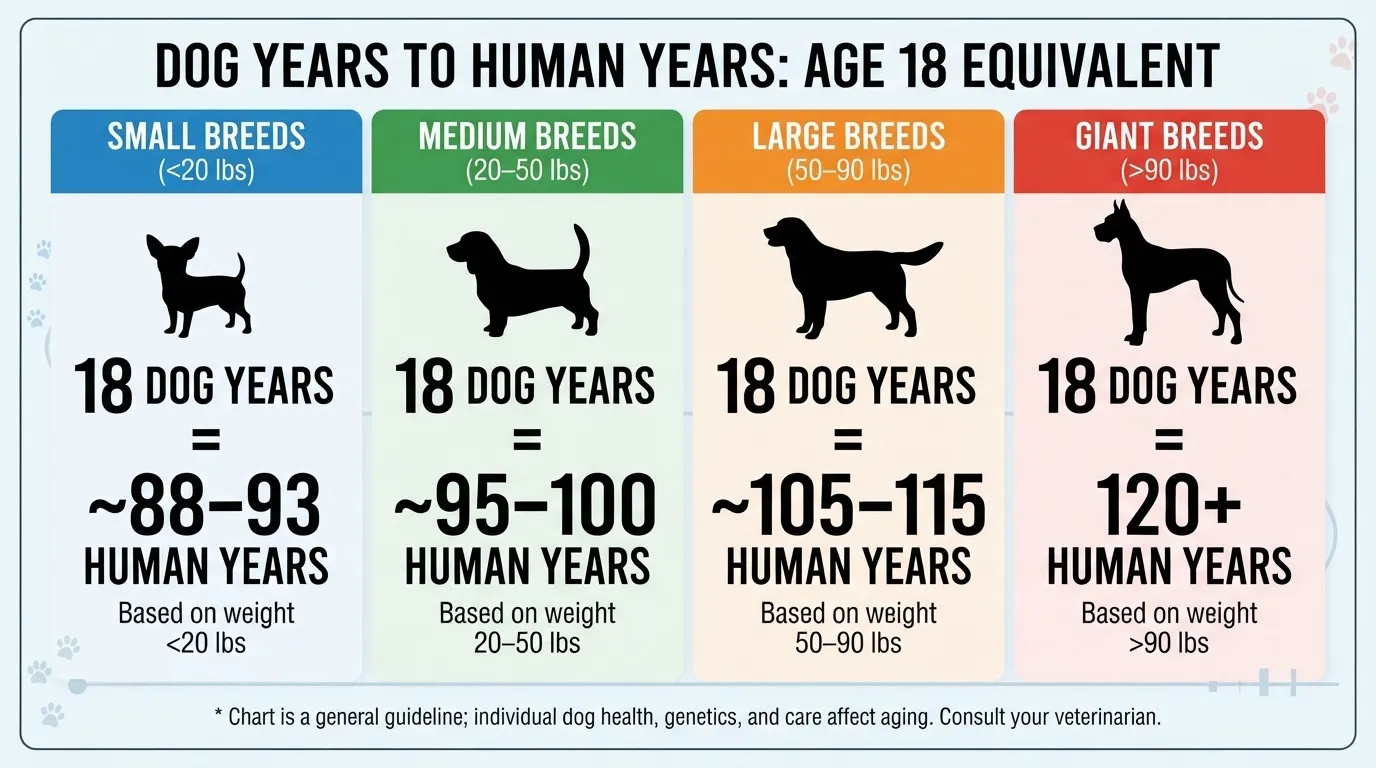
When choosing the right small companion dog, comparing closely related breeds and popular hybrids can help you find the best match for your lifestyle. The comparison table below highlights how the Cavachon stacks up against its parent breeds and its popular cousin, the Cavapoo:
| Feature | Cavachon | Cavapoo | Cavalier King Charles Spaniel | Bichon Frise |
|---|---|---|---|---|
| Breed Type | Cavalier x Bichon Hybrid | Cavalier x Poodle Hybrid | Purebred Spaniel | Purebred Non-Sporting |
| Size | 12 – 20 lbs | 10 – 20 lbs | 13 – 18 lbs | 12 – 18 lbs |
| Coat Type | Soft, wavy to loosely curled | Soft, wavy to tightly curled | Long, silky, straight to wavy | Dense, soft undercoat & curly outercoat |
| Shedding Level | Very Low | Very Low to Non-shedding | Moderate to High | Non-shedding (Trapped) |
| Energy Level | Moderate (Playful, adaptable) | Moderate to High (Energetic) | Low to Moderate (Calm, gentle) | Moderate to High (Spirited) |
| Lifespan | 12 – 15 years | 12 – 15 years | 10 – 14 years | 12 – 15 years |
| Best For | Families, seniors, apartment dwellers needing a gentle, low-shedding companion | Active families & allergy sufferers wanting a smart, trainable dog | Owners seeking a calm, affectionate lap dog without strict non-shedding needs | Homes looking for a merry, hypoallergenic dog with low prey drive |
Frequently Asked Questions
What’s the actual difference between a Cavachon and a Cavapoo?
While both are popular Cavalier King Charles Spaniel hybrids, the key difference comes down to their second parent breed. A Cavachon is crossed with a Bichon Frise, giving them a softer, wavy-to-loosely-curled coat and a slightly calmer, easygoing temperament. A Cavapoo is crossed with a Poodle, which often results in tighter curls, slightly higher energy, and a boost in problem-solving intelligence inherited from the Poodle line.
How many puppies are typically in a Cavachon litter?
An average Cavachon litter consists of 4 to 5 puppies. However, litter size can range anywhere from 2 to 8 puppies depending on the mother’s health, age, genetic background, and whether the mother is the Cavalier or the Bichon Frise.
Do Cavachons drool or have a strong “doggy” smell?
No, Cavachons are not prone to excessive drooling or bad odors.
Unlike heavy-jowled breeds, Cavachons have tight lips and rarely drool unless eagerly anticipating food. Additionally, their hair-like coat produces far less dander and skin oil than double-coated breeds, meaning they do not develop a heavy “doggy” smell as long as they receive routine bathing and ear cleaning.
Is a Cavachon a high-maintenance dog overall?
It depends on the category:
Grooming & Attention (High Maintenance): Their soft coat requires regular brushing (3–4 times weekly) and professional haircuts every 4–6 weeks. They also thrive on human companionship and can demand a lot of daily attention.
Exercise & Space (Low Maintenance): They have moderate energy needs (~30–60 minutes of light exercise per day) and adapt exceptionally well to small spaces like city apartments.
What two breeds make up a Cavachon?
A Cavachon is a hybrid cross between a Cavalier King Charles Spaniel and a Bichon Frise. This combination aims to merge the gentle, loving nature of the Cavalier with the hypoallergenic, low-shedding coat and cheerful personality of the Bichon.
Final Verdict — Is the Cavachon Right for You?
The Cavachon is an exceptional choice if you are looking for a gentle, loving, and highly adaptable companion that fits seamlessly into almost any home. Combining the soft, affectionate nature of the Cavalier King Charles Spaniel with the low-shedding, cheerful disposition of the Bichon Frise, this hybrid breed excels as a family pet, an apartment-friendly companion, or a loyal partner for seniors and first-time dog owners.
If you can commit to regular brushing, professional grooming every few weeks, and providing plenty of daily companionship to prevent separation anxiety, the Cavachon will reward you with years of sweet-tempered devotion, endless cuddles, and joyful playfulness.
🐾 Other Age Guides

I built Dogagescalculator.com to give dog owners honest, science-backed answers instead of the outdated "×7" myth. Every figure here is checked against AKC, AVMA, and published veterinary research.
More about the author & this site →
Comments