
Can a Large Dog Breed with a Small Dog
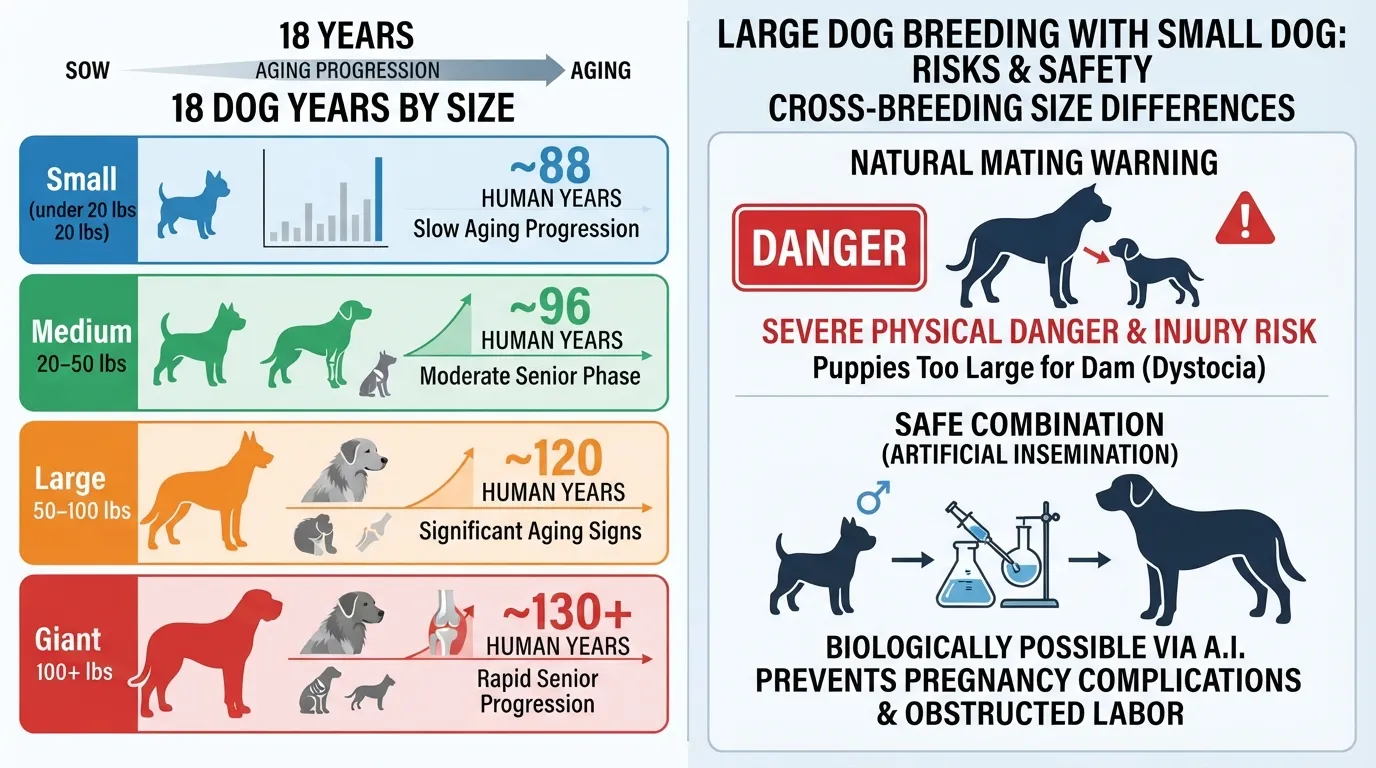
Technically, yes—a large dog can breed with a small dog. Biological attraction and reproductive mechanics don’t stop simply because two dogs are drastically different in size. However, just because nature can make it happen doesn’t mean it should.
Size-mismatch breeding carries serious medical risks, ethical concerns, and potential life-threatening complications—especially when a large male mates with a small female.
The Biological Reality: Size Differences Don’t Stop Mating Instincts
Dogs belong to the same species (Canis lupus familiaris), which means a 140-pound Great Dane or Cane Corso shares the same basic reproductive biology with a 6-pound Chihuahua. When a female dog is in heat, pheromones trigger strong mating instincts in intact males, regardless of physical proportions.
If given physical access, dogs will often find creative ways to mate. However, the physical dynamics of the pairing create two very different scenarios depending on which parent is larger.
The Critical Factor: Parent Size Combination Matters
The medical outcome of a size-mismatch pairing depends entirely on which parent brings the larger genetics into the mix.
1. Large Male + Small Female (High-Risk Scenario)
This is the most dangerous combination. When a large male dog impregnates a small female, the resulting puppies often inherit the sire’s frame and bone structure during gestation.
Severe Physical Strain: Carrying oversized fetuses causes extreme spinal and abdominal stress on a small mother.
Whelping Complications (Dystocia): Small females rarely have a pelvic canal wide enough to pass oversized puppies naturally. The puppies get stuck in the birth canal, leading to uterine rupture or fetal suffocation.
Emergency Surgery: In almost all these cases, natural birth is impossible. Without an emergency C-section, both the mother and her puppies face a high mortality rate.
Veterinary Insight: According to standard veterinary guidelines, emergency C-sections in distressed, small-breed dogs carry elevated surgical risks and high financial costs. Prevention through physical separation or spaying/neutering is always safer than emergency intervention.
2. Small Male + Large Female (Lower Physical Risk)
When the mother is the larger breed (for example, a male Poodle mating with a female Labrador), the physical risks during pregnancy drop significantly.
Safer Gestation: The mother’s uterus and pelvic structure are easily large enough to accommodate smaller or medium-sized puppies.
Natural Delivery: The puppies are usually small enough to be birthed naturally without causing dystocia.
Mating Logistics: The primary hurdle here is physical height during mating, though males often adapt using surrounding furniture or elevation.
Primary Health Risks and Ethical Considerations
Beyond the immediate mechanics of pregnancy, size-mismatch breeding introduces long-term health risks for both the mother and offspring.
Structural Disproportions in Puppies: Mixed offspring can inherit a large dog’s body frame on a small dog’s joints, leading to early-onset hip dysplasia, patellar luxation, or spinal misalignment.
Unpredictable Puppy Growth: It is impossible to predict exact puppy size. Some puppies in the same litter may be tiny, while others grow unexpectedly large.
Ethical Breeding Standards: Responsible breeding aims to improve canine health and temperament. Accidental or intentional size-mismatch breeding often leads to shelter surrenders due to unpredictable health or behavioral traits.
What to Do If an Accidental Mating Occurs
If a large dog and a small dog mate accidentally, prompt action is critical:
Do Not Pull Them Apart: If dogs are in a “copulatory tie” (locked together), pulling them apart causes severe physical trauma, hemorrhage, or tissue tearing to both dogs. Let them finish naturally.
Contact a Vet Immediately: Veterinary medical options exist—such as mismate medications or an emergency spay during early pregnancy—to prevent an unsafe pregnancy from progressing.
Separate Intact Dogs: Keep intact males and females completely separated by solid barriers—not just short baby gates—whenever a female is in heat.
Quick Answer
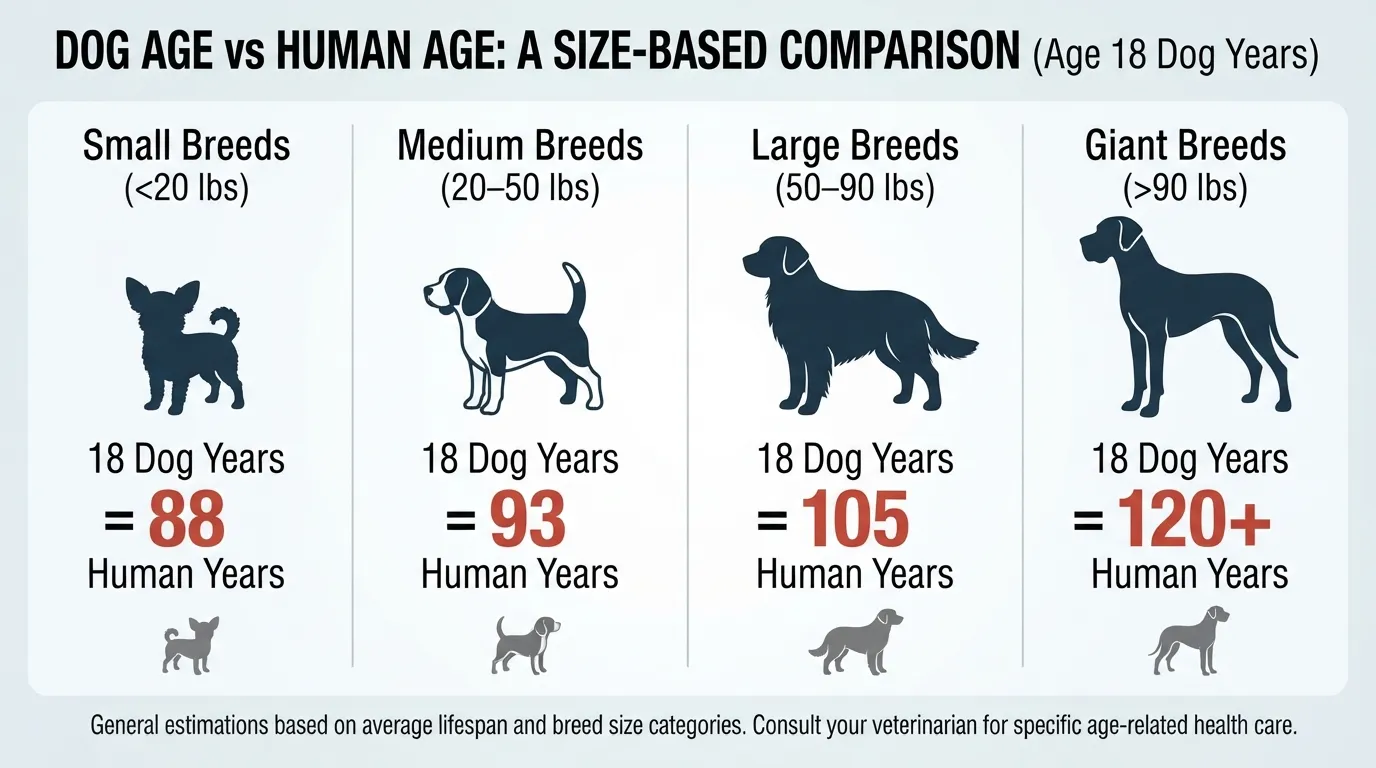
Physically, a large dog and a small dog can breed because they belong to the same species, but doing so carries severe medical risks including severe mating injuries, life-threatening whelping complications (dystocia), and the mandatory need for an emergency C-section.
Veterinary Recommendation: Experts strongly advise sticking strictly to size-matched breeding or utilizing professional veterinary supervision to prevent catastrophic health issues for the mother and puppies.
Can a Large Dog Mate with a Small Dog? Risks & Safety Verdict
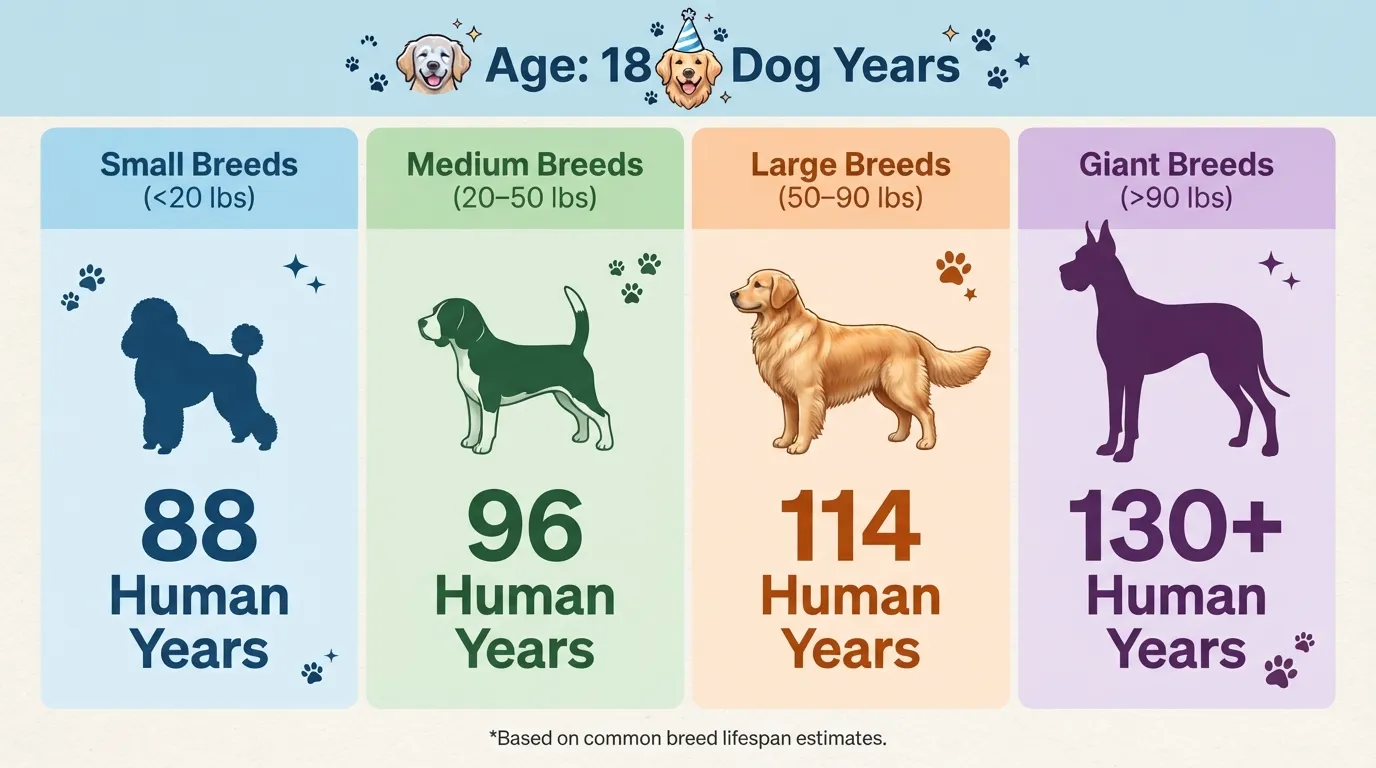
When two dogs have a dramatic size difference, their instinct to mate remains strong during a female’s heat cycle. However, extreme size variance introduces physical hazards long before pregnancy even becomes a concern, making the pairing unpredictable and inherently dangerous without strict oversight.
What Happens When Size Difference Is Extreme
The physical dynamics of a size-mismatch mating depend entirely on which gender holds the larger genetic frame:
Large Male + Small Female (High-Risk Scenario): This is the most dangerous combination. During mating, the heavy weight of a large male can cause severe spinal, pelvic, or leg injuries to a small female. If pregnancy occurs, the puppies often inherit the father’s larger bone structure, leading to extreme abdominal strain and a high likelihood of life-threatening labor blockages (dystocia).
Small Male + Large Female (Generally Safer): When the female is the larger dog, physical pregnancy risks drop significantly. Her uterus and birth canal are fully equipped to handle smaller or mixed-sized puppies safely. The main hurdle in this pairing is purely logistical—mating can be physically awkward for the smaller male, though risks to the mother’s health are minimal.
Direct Safety Verdict
Not Recommended Without Vet Guidance: Uncontrolled or natural mating between extreme size differences should be strictly avoided due to the high risk of mechanical injury and emergency obstetric complications.
Avoid Extreme Mismatch: According to standard veterinary guidelines and ethical breeding standards, breeders deliberately avoid pairing dogs with major size discrepancies to protect the long-term structural health of the dam and offspring.
The Mating Process in Mismatched Dogs
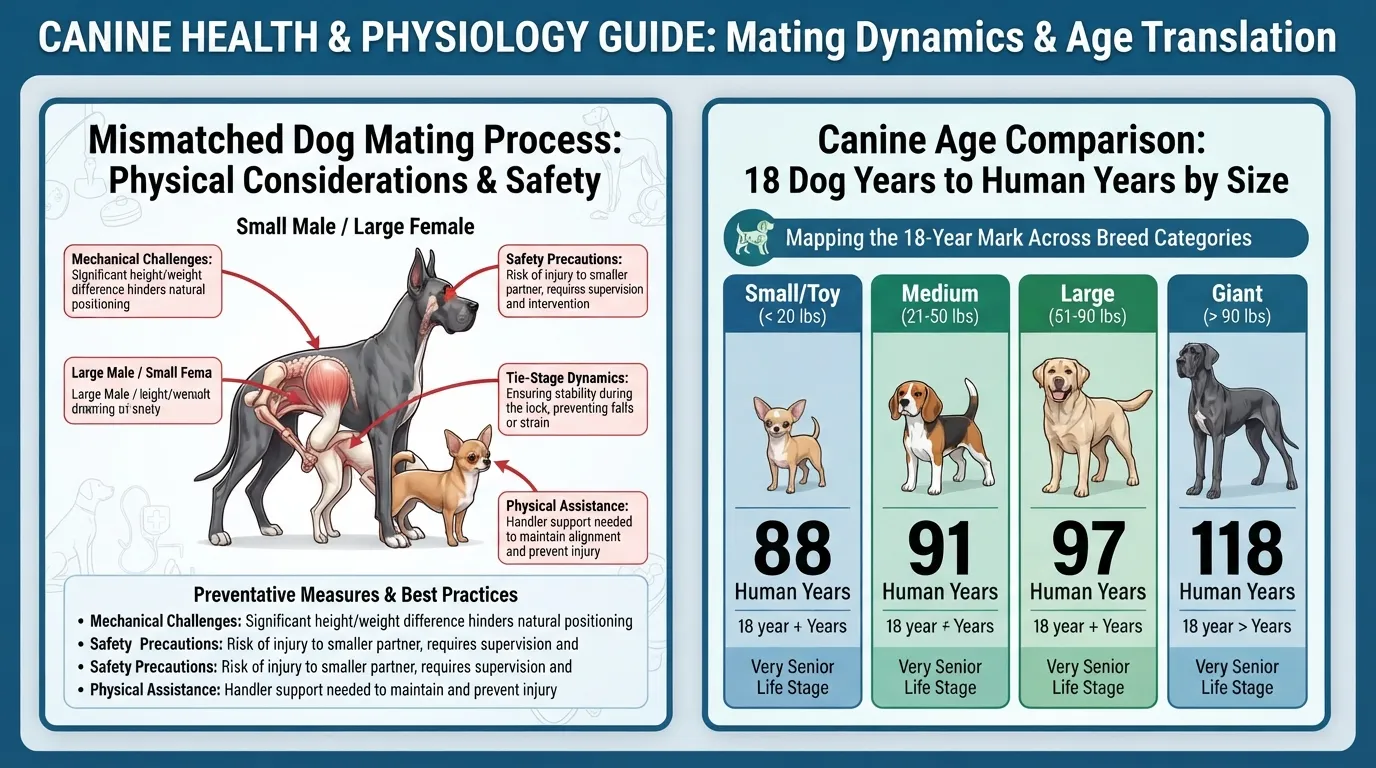
When a small male attempts to mate with a significantly larger female, the primary dangers stem from physical exhaustion and acute musculoskeletal strain:
Mounting Struggle & Falls: Small males often struggle to reach the female’s vulva, repeatedly jumping or attempting to climb the female’s hindquarters. Falling repeatedly from that height can result in sprained limbs, torn cruciate ligaments, or joint trauma.
Spinal and Pelvic Strain: To make contact, a small male must stretch his body into unnatural, vertical angles. Holding this position during penetration creates severe strain on his lumbar spine and hip joints.
Frustration and Incomplete Mating: The sheer physical height gap often leads to incomplete mating attempts, leaving the male exhausted and susceptible to chafing, penile swelling, or irritation.
Risk to the Female Dog During Mating
The risks to the female dog are dramatically higher, particularly when she is the smaller partner in the pair:
Crushing Weight & Spinal Trauma: A large male mounting a small female places his full upper body weight directly onto her lower back, pelvis, and hind legs. This crushing pressure can slip discs in her spine or fracture fragile pelvic bones.
Genital and Internal Injury: A large male’s anatomy is disproportionate to a small female’s vaginal vault. Forced penetration can cause severe friction burns, painful vaginal wall tearing, and internal hemorrhaging.
Tissue Laceration During the Tie: If a heavy male loses his balance while locked inside a tiny female, any sudden movement or shift in his weight can tear her genital tract or damage her bladder neck.
What Will the Puppies Look Like?

When you cross two vastly different dog breeds, predicting the physical appearance of the offspring is far more complicated than simply averaging out the parents’ traits. The genetic outcome is highly variable, leaving breeders with a mix of unpredictable sizes, body proportions, and potential health risks.
Unpredictable Size and Genetics
It is a common myth that crossing a large dog with a small dog produces an evenly sized, “medium” puppy. In reality, genetics do not blend like paint—they mix like a hand of shuffled cards.
Size Variation Within the Same Litter: A single litter can produce puppies that lean heavily toward the small parent, others that grow as large as the big parent, and a few true in-betweens.
Unbalanced Body Proportions: Puppies frequently inherit mismatched traits, such as a large, heavy torso mounted on short, thin legs. This structural mismatch puts unnatural stress on their growing joints.
Internal vs. External Mismatch: A puppy might inherit the large bone structure of a Mastiff alongside the smaller chest cavity of a Beagle, which can compromise breathing space or joint alignment as they mature.
Birth Trauma and Survival Risks for Oversized Puppies
The most critical danger of size-mismatch breeding occurs inside the womb. When a large male’s genetics dictate fetus growth inside a small female, the puppies often outgrow the space available to them.
Fetal Overgrowth (Fetal-Maternal Disproportion): Puppies can grow too large for the mother’s placenta to nourish effectively, leading to poor oxygen delivery, underdeveloped organs, or stillbirth before labor even begins.
Birth Canal Trapping: During natural delivery, an oversized puppy will get stuck in the female’s pelvic canal. The pressure cuts off oxygen flow through the umbilical cord, creating an immediate life-threatening emergency for both the mother and the trapped fetus.
High Neonatal Mortality: Puppies that survive a traumatic, prolonged labor often suffer from brain hypoxia (oxygen deprivation) or crushed bones, leading to high mortality rates within the first 48 hours of life.
Dystocia & C-Section — The Biggest Risk
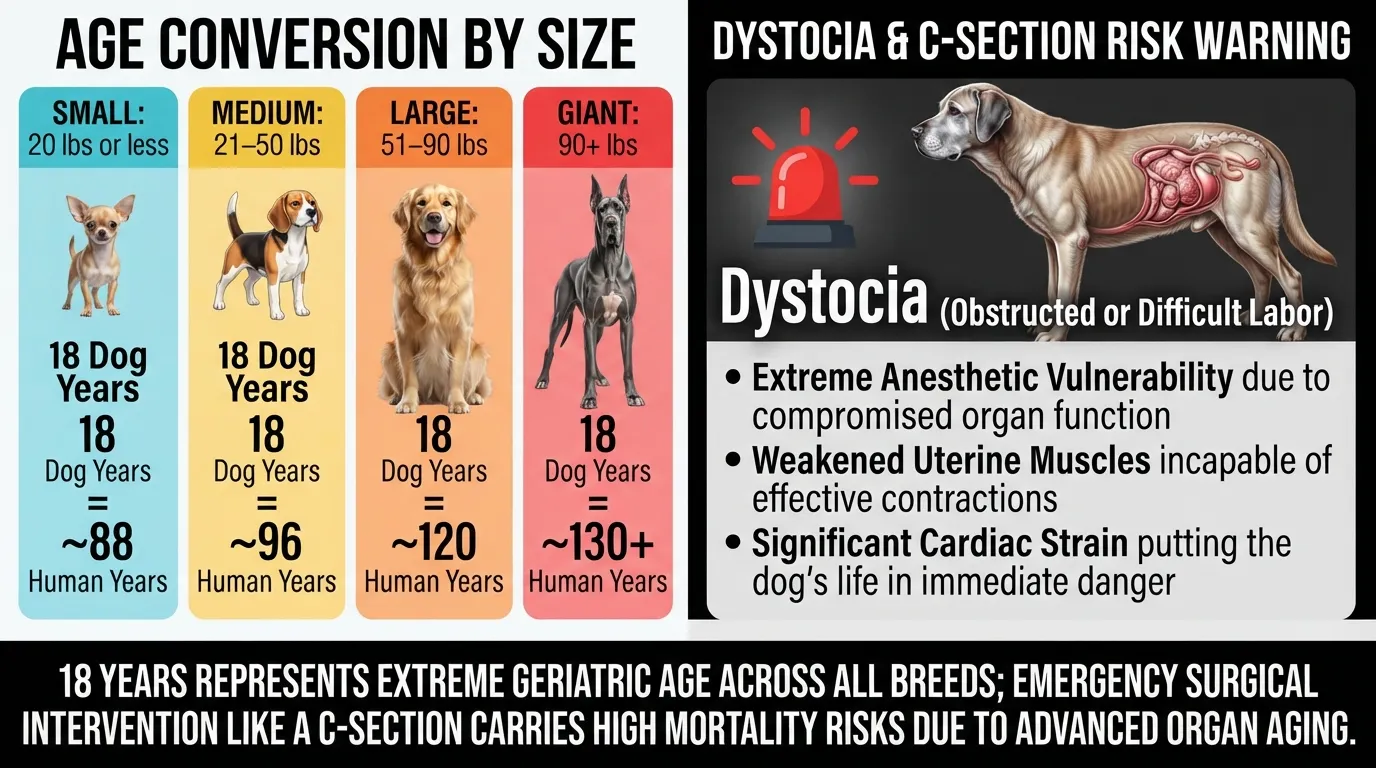
When a small female dog is impregnated by a large male, the primary medical threat during gestation isn’t just uncomfortable pregnancy weight—it is the near-certainty of extreme complications during delivery. Understanding these risks is critical to protecting the mother’s life.
What Is Dystocia?
Dystocia is the clinical term for difficult, obstructed, or abnormally slow labor. In dogs, normal labor progresses smoothly as uterine contractions push puppies through a wide pelvic opening.
In size-mismatch breeding, dystocia almost always occurs due to fetal-maternal disproportion—a physical situation where the fetal head and body are simply too large to fit through the mother’s bony pelvic ring. Instead of a natural birth, labor grinds to a painful halt, trapping the puppy inside the birth canal and causing life-threatening complications for the mother within hours.
Why Small Females Often Need a Planned C-Section
A small female dog’s pelvic canal is fixed in size by her skeletal structure; it cannot expand beyond its natural limits. When oversized puppies develop inside her, a natural birth becomes physically impossible.
Physical Canal Mismatch: A Chihuahua or French Bulldog pelvis simply cannot clear a puppy that inherits the broader skull and shoulder structure of a large-breed sire.
Uterine Inertia (Exhaustion): The mother’s uterus works dangerously hard to push an oversized fetus. After hours of unyielding contractions, her uterine muscles fatigue and stop contracting altogether.
Why C-Sections are Mandatory: To prevent uterine rupture, internal sepsis, or fetal death, veterinarians must perform a Cesarean section (C-section) under general anesthesia. For extreme size mismatches, vets strongly recommend scheduling a planned C-section around day 61-63 of pregnancy rather than waiting for an emergency during active labor.
Warning Signs of Dystocia
If a pregnant dog shows any of the following symptoms during whelping, immediate emergency veterinary intervention is required:
Hard Contractions Without Delivery: Strong, visible abdominal contractions for more than 30–45 minutes without producing a puppy.
Prolonged Weak Labor: Weak or intermittent labor contractions for more than 4 hours between puppies.
Extended Gestation: Passing 65 days of pregnancy without entering active labor (measured from ovulation).
Visible Trapped Puppy: A puppy visible at the vulva opening that remains stuck despite the mother pushing.
Signs of Maternal Distress: Extreme vocalization, trembling, green or bloody vaginal discharge before any puppy is born, or sudden lethargy and weakness.
Real Example — Extreme Size Mismatch e.g., Chihuahua x Great Dane
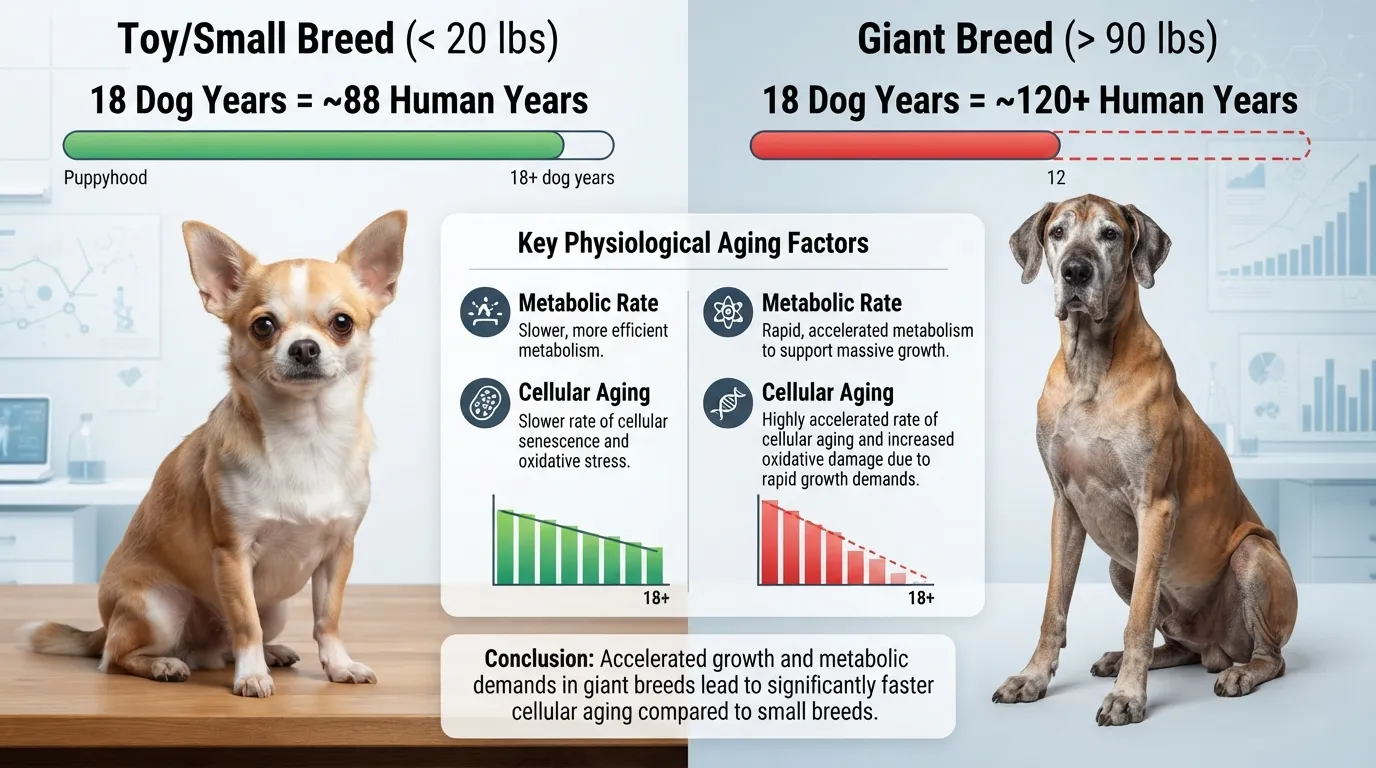
To truly understand the dangers of size-mismatch breeding, consider the extreme pairing of a 6-pound female Chihuahua and a 140-pound male Great Dane or Cane Corso. While this combination sounds like an exaggerated hypothetical, accidental matings between giant breeds and toy breeds happen when intact dogs are kept in the same household.
This pairing represents the absolute worst-case scenario in canine reproduction, illustrating every physical hazard a female dog can face.
The Mechanical Nightmare During Mating
If a 140-pound giant male attempts to mount a 6-pound female Chihuahua, the physical mechanics alone are destructive.
Crushing Weight: A Great Dane weighs over 20 times more than a female Chihuahua. His mounting weight places immense pressure on her lumbar spine, which can cause immediate vertebral fractures, slipped discs, or crushed pelvic bones.
Tissue Destruction: The anatomical size mismatch makes penetration physically traumatic. A male giant breed’s penis is physically disproportionate to a toy breed’s vaginal canal, causing extensive internal lacerations and severe hemorrhage.
Gestational Strain and Fatal Obstruction
If fertilization occurs, the female Chihuahua’s body becomes a high-risk environment as the fetuses develop.
Early Uterine Crowding: Giant breed genetics dictate rapid fetal bone development. Within 4 to 5 weeks of gestation, oversized fetuses crowd the Chihuahua’s tiny abdominal cavity, compressing her stomach, lungs, and bladder. The mother often struggles to consume enough food or breathe comfortably long before her due date.
100% Guaranteed Dystocia: A female Chihuahua’s pelvic canal opening measures only a couple of centimeters wide. A fetus inheriting giant-breed genetics will develop a skull and shoulder width that far exceeds her pelvic capacity. Natural delivery is a physical impossibility.
Fatal Complications Without Surgery: Without a strictly timed, scheduled C-section prior to active labor, the mother will suffer uterine rupture or die from physical exhaustion within hours of labor starting.
Why Responsible Breeders Avoid Size-Mismatched Pairing Including "Designer Breed" Trends
Dystocia & C-Section — The Biggest Risk
How to Prevent Accidental Mating Between Large and Small Dogs
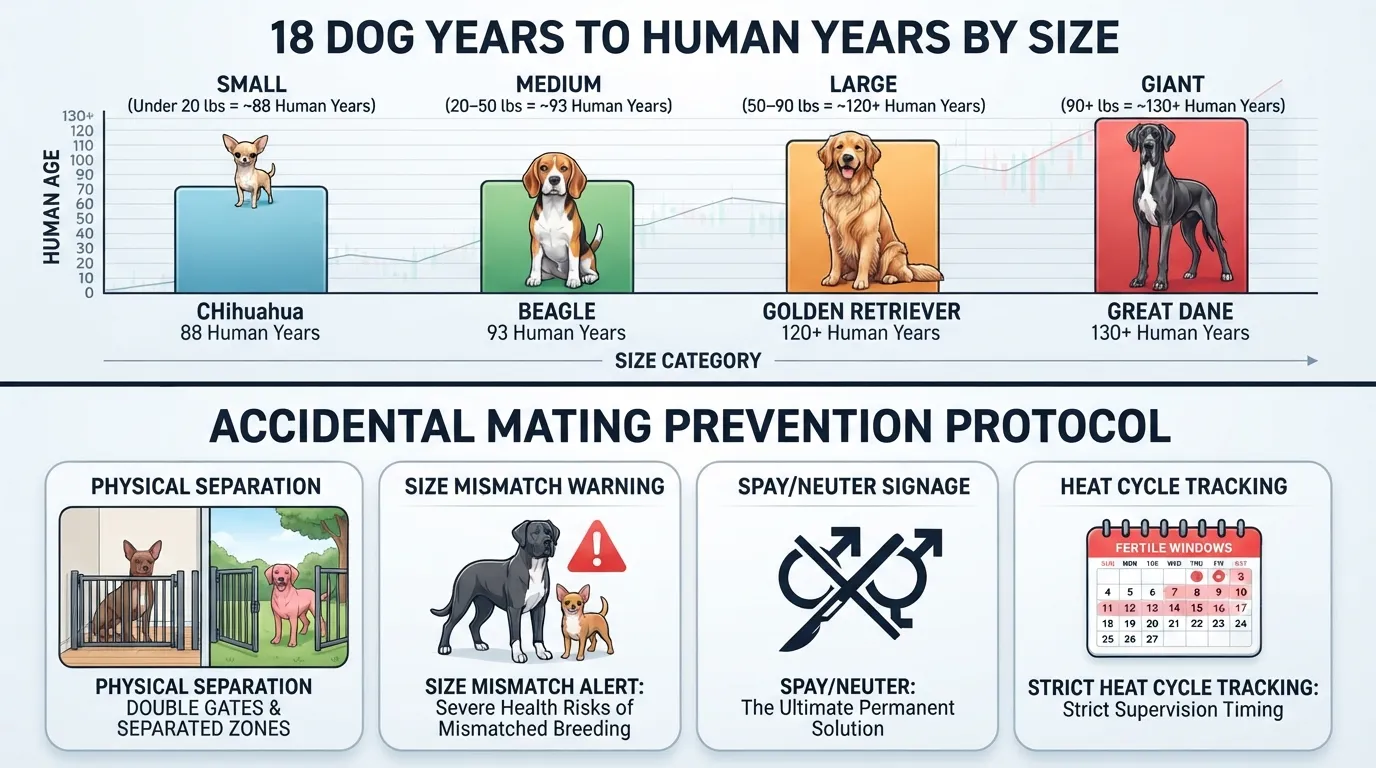
When intact large and small dogs share the same home, keeping them safe from accidental size-mismatch breeding requires proactive physical boundaries and strict management. Relying on basic training or visual monitoring alone is never enough when a female enters her heat cycle.
Vigilant Heat Cycle Supervision
A female dog’s estrus cycle (heat) typically lasts 18 to 21 days and occurs every 6 months. During this period, her body emits strong pheromones that drive intact males to extraordinary lengths to reach her.
Recognize the Early Signs: Watch for physical indicators like vulvar swelling, bloody discharge, frequent licking, and behavioral shifts such as increased restlessness or clinginess.
Understand the High-Risk Phase: The most fertile period (estrus) occurs when discharge turns lighter or straw-colored, usually around days 9 to 14. During this stage, the female actively seeks male attention and presents herself for mating.
Never Leave Intact Dogs Unattended: Even for a split second, an intact male and a female in heat should never be left in the same room or yard together—regardless of their size difference.
Physical Separation and Secure Fencing
Driven by breeding instincts, male dogs can jump fences, chew through weak barriers, or open standard door handles to reach a female in heat.
Use Solid Barriers: Standard wire baby gates or low exercise pens are entirely ineffective. A determined male dog can easily leap over or knock them down. Keep dogs separated using solid wood or metal core doors.
Implement the “Two-Door Rule”: Always maintain at least two closed doors between an intact male and a female in heat to prevent accidental door-darting when family members walk through rooms.
Stagger Yard Access: Never allow intact large and small dogs in the backyard at the same time during a heat cycle. Always walk female dogs on a short, non-retractable leash even inside a fenced yard to prevent neighborhood stray attraction.
Spay and Neuter Timing Guidelines
Surgical sterilization is the only permanent, 100% effective way to eliminate accidental breeding risks. However, determining when to perform the procedure depends heavily on your dog’s breed and mature size.
Small and Toy Breeds: Smaller breeds mature sexually and structurally much earlier. According to veterinary guidelines, spaying or neutering between 6 to 9 months of age is typically safe and effective for toy and small-breed dogs.
Large and Giant Breeds: Larger breeds require sex hormones (estrogen and testosterone) to guide proper bone growth plate closure. Performing sterilization too early in giant breeds increases the risk of orthopedic conditions like hip dysplasia or ligament tears.
Tailored Timing: Major veterinary organizations, including the American Kennel Club (AKC), recommend waiting until 12 to 18 months of age before sterilizing large or giant breeds to allow complete musculoskeletal maturation.
Veterinary Insight: According to standard veterinary guidelines, never schedule a spay surgery while a female dog is in active heat. The increased vascularity and blood flow to her reproductive organs during estrus elevate surgical bleeding risks; wait until 2 to 3 months after her heat cycle completes.
| Prevention Method | Recommended Practice | Avoid / High Risk |
|---|---|---|
| Indoor Barriers | Solid wood doors, crate separation in separate closed rooms | Wire baby gates, exercise pens, soft pet crates |
| Containment Strategy | Two-door rule (two solid doors between dogs at all times) | Leaving dogs in adjacent rooms with open doors |
| Outdoor Supervision | Individual yard rotations, short leashes in fenced yards | Shared yard time, unattended access, retractable leashes |
C-Section Cost & Recovery Basics
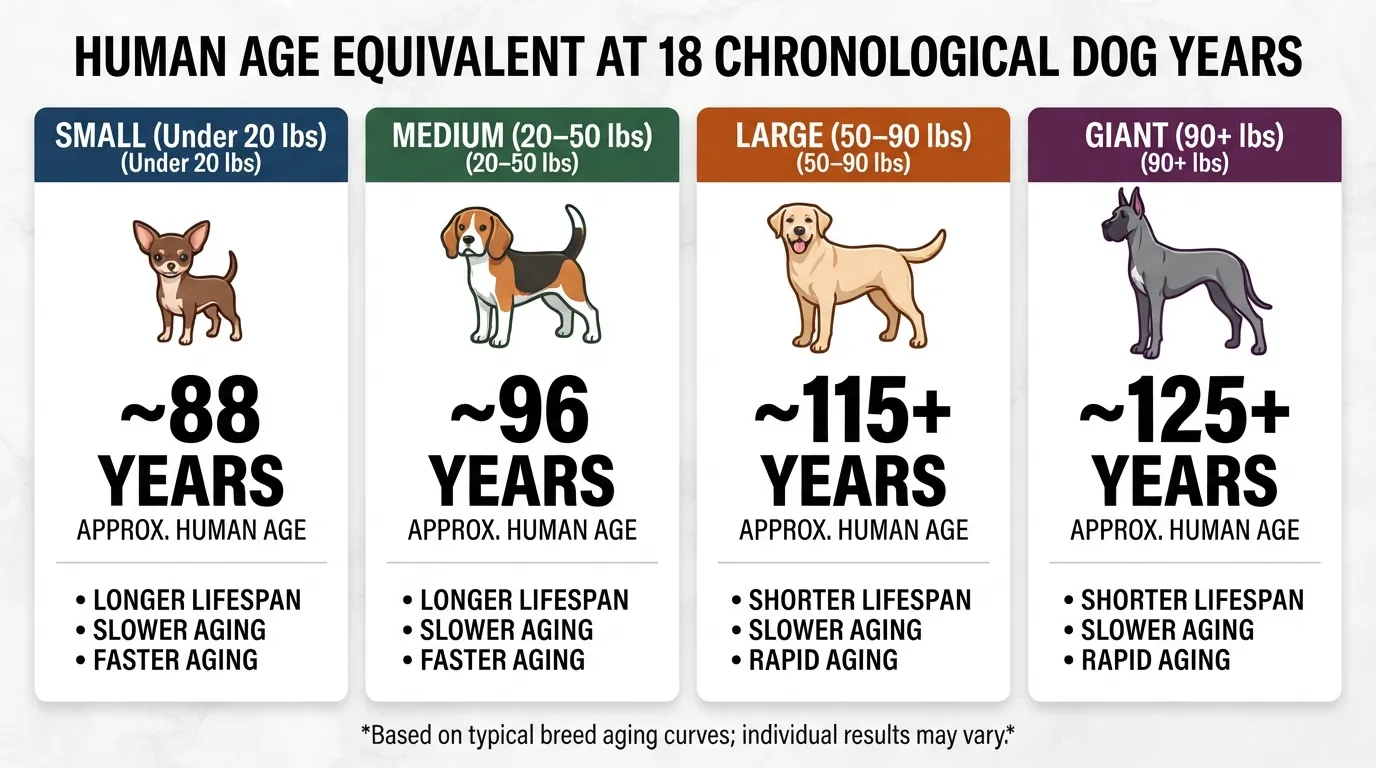
When a size-mismatch pregnancy occurs in a small female dog, a Cesarean section (C-section) becomes necessary to save the lives of both the mother and her puppies. Understanding the financial requirements and post-surgical recovery care helps owners plan effectively for this major surgical procedure.
Planned vs. Emergency C-Section Costs
The cost of a canine C-section varies significantly based on geographic location, veterinary facility type, and whether the procedure is scheduled in advance or performed as an after-hours emergency.
| C-Section Type | Average Cost Range | Key Financial Factors |
|---|---|---|
| Planned / Scheduled C-Section | $1,000 – $3,000 | Standard clinical hours, pre-arranged surgical team, lower anesthesia risk |
| Emergency C-Section | $2,500 – $7,000+ | After-hours emergency clinic rates, critical care stabilization, blood transfusions, higher anesthetic risk |
Watch: Canine Mating Mechanics & Safety Concerns Explained
Why Responsible Breeders Avoid Size-Mismatched Pairing Including "Designer Breed" Trends
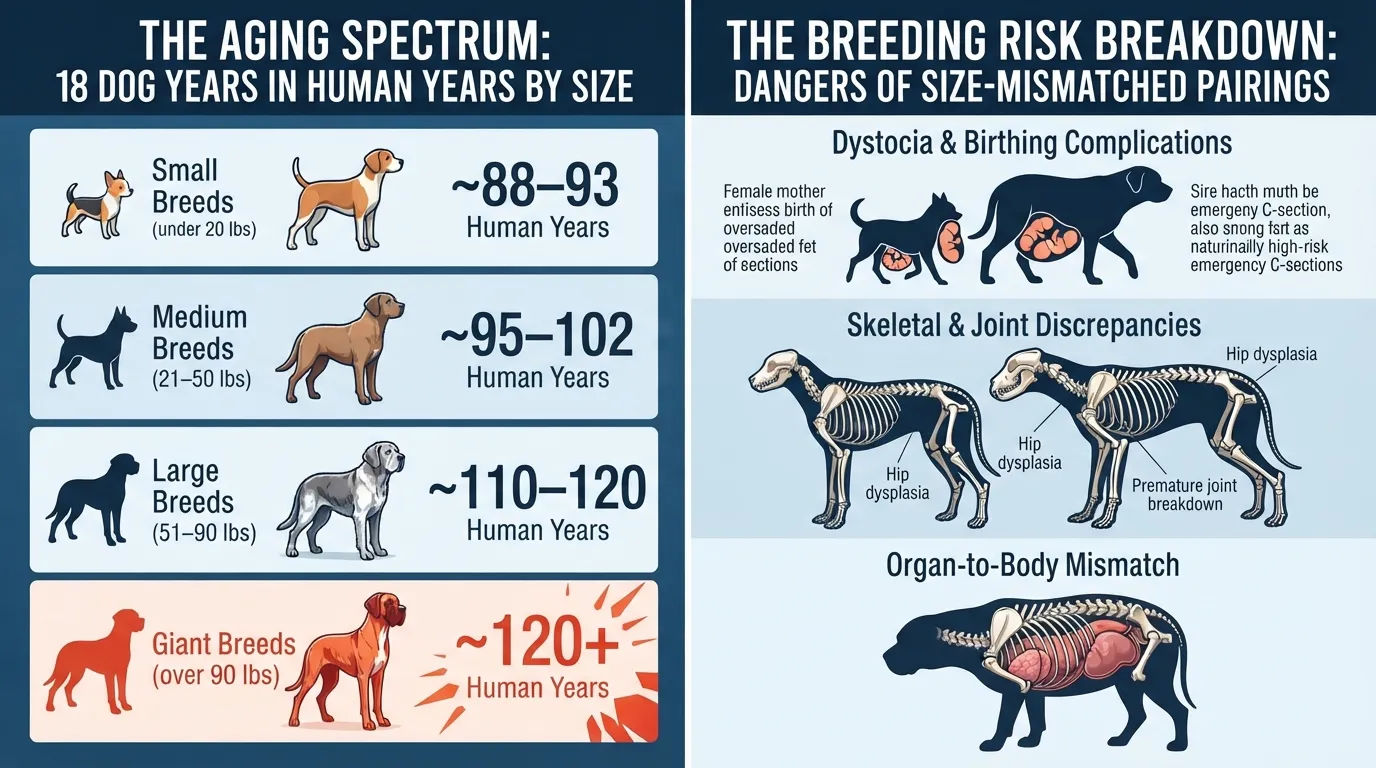
In recent years, social media trends have fueled a boom in “designer dog” crossbreeding—producing extreme pairings like Pomskies (Pomeranian x Siberian Husky) or Saint Berdoodles (Saint Bernard x Poodle). While marketers promote these novel mixes as cute and unique, veterinary professionals and ethical breeders strongly oppose deliberate size-mismatch breeding due to the severe health risks involved.
Why Ethical Breeders Pair Dogs of Similar Sizes
Responsible breeding focuses on preserving animal welfare, physical health, and structural soundness rather than capitalizing on short-lived market trends.
Ensuring Structural Balance: Ethical breeders pair dogs of similar frame, height, and bone density. This ensures that offspring inherit proportional skeletons capable of supporting their body weight without putting excessive strain on their joints.
Protecting the Mother’s Life: Pairing a small female with a significantly larger male forces her through a high-risk pregnancy, severe abdominal discomfort, and a near-certain emergency or scheduled C-section. Ethical breeders consider putting a female through predictable birth trauma unacceptable.
Predictable Health and Genetics: Breeding similar-sized dogs within established breed standards allows breeders to screen for hereditary conditions, manage hip/elbow evaluations (OFA/PennHIP), and accurately predict the physical traits of the offspring.
Health Over Trends: The Hidden Risks of Designer Mixes
While “designer” mixes are often marketed as healthier due to hybrid vigor, crossing dogs with vast size differences often creates compounding health and structural problems.
Orthopedic Mismatches: When a puppy inherits the heavy, large-boned torso of a giant breed alongside the delicate joint structure of a small breed, the resulting weight imbalance frequently leads to early-onset hip dysplasia, cruciate ligament tears, and chronic pain.
Internal Organ Mismatches: Puppies can inherit contradictory genetic traits, such as a large dog’s cardiovascular system inside a small dog’s tight chest cavity, leading to lifelong respiratory or cardiac complications.
Unpredictable Temperament and Drive: Breeding two vastly different working or toy breeds often results in unpredictable behavioral drives that can be difficult for average pet parents to manage safely.
Key Takeaways for Pet Owners
Avoid Supporting Unethical Breeding: Refuse to buy “designer” puppies created from extreme size mismatches. High demand for these novel mixes encourages backyard breeders to endanger female dogs for profit.
Prioritize Health Screening: When adding a dog to your family, choose breeders who prioritize structural soundness, official health clearances, and ethical pairing practices over unique appearances.
Maintain Strict Prevention: If you own intact dogs of different sizes, implement strict physical separation during heat cycles or consult your veterinarian regarding the appropriate age for sterilization.
What to Do If an Accidental Mating Has Already Happened
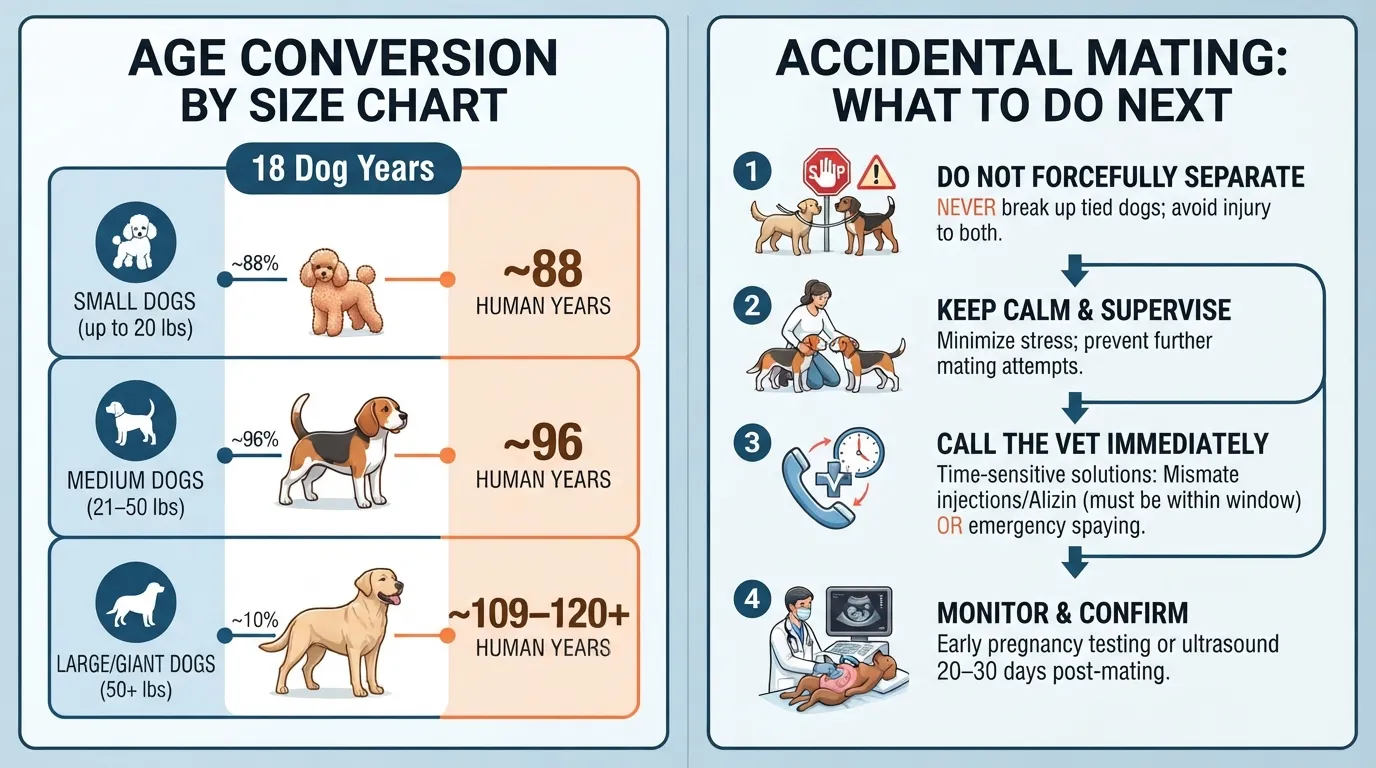
If an accidental tie occurs between a small female dog and a significantly larger male, taking immediate, deliberate action is critical. The sooner you consult a veterinarian, the more options you will have to safeguard the mother’s life and health.
Step 1: Immediate Veterinary Visit
Contact your veterinarian or an emergency animal clinic within 24 to 48 hours of the accidental mating.
Do Not Wait for Visual Symptoms: Pregnancy cannot be visually confirmed until 3 to 4 weeks after mating, but waiting that long severely limits your medical intervention options.
Never Attempt Manual Separation: If you catch the dogs during a copulatory lock (“tie”), never attempt to pull them apart forcibly. Forcing them apart causes severe, permanent tearing of the male’s genitalia and internal lacerations to the female’s reproductive tract. Allow them to finish naturally, then bring the female to the clinic.
Step 2: Evaluating Your Options
Your veterinarian will assess the size disparity between the dogs, evaluate the female’s overall health, and present three primary courses of action based on how recently the mating occurred:
Option A: Early Spay-Abortion (Strongly Recommended)
What it is: The female is spayed during the first few weeks following the accidental tie, terminating the pregnancy and permanently spaying her in a single surgical procedure.
Why Vets Advise It: For extreme size mismatches, this is widely considered the safest, most definitive solution to protect the female from life-threatening birth complications.
Option B: Medical Pregnancy Termination
What it is: Hormonal injections or oral medications administered under strict veterinary supervision to terminate the pregnancy early without permanent surgical sterilization.
When Used: Chosen primarily when the female is a valuable, ethically managed breeding prospect who cannot safely carry a size-mismatched litter to term.
Option C: Carrying to Term with a Planned C-Section
What it is: Allowing the pregnancy to proceed under strict veterinary ultrasound monitoring, concluding with a pre-scheduled C-section at day 61–63 of gestation.
When Used: Chosen if the owner opts against termination. It requires intensive prenatal care, high financial investment, and mandatory surgical delivery to avoid fatal labor obstructions.
| Option | Approximate Cost | Safety & Risk Level for Female | Long-Term Outcome |
|---|---|---|---|
| Early Spay-Abortion | $300 – $800 | Highest Safety: Standard spay risk; eliminates all future pregnancy hazards. | Permanently spayed; no future heat cycles or reproductive risks. |
| Medical Termination | $400 – $1,200 | Moderate Safety: Requires frequent clinic visits, ultrasounds, and monitoring for side effects. | Remains intact; requires future heat supervision or eventual spaying. |
| Full Pregnancy & C-Section | $1,500 – $6,000+ | Lowest Safety: High risk of abdominal strain, uterine rupture, and major surgical complications. | High financial cost; potential loss of puppies or mother if complications arise. |
Watch: Vet Explanation on Can You Breed a Large Dog with a Small Dog
FAQs
What happens if a large dog breeds with a small dog?
If a large male breeds with a small female, the female faces severe pregnancy and birth complications because the oversized fetuses outgrow her pelvic canal, making natural delivery impossible and necessitating a C-section to save her life. Additionally, offspring from extreme size mismatches often suffer from skeletal deformities, joint issues, and mismatched internal organs.
Can big dogs mate with small dogs?
Biologically, yes, because all domestic dogs belong to the same species (Canis lupus familiaris). However, it is physically dangerous and medically ill-advised. A heavy male can cause severe spinal or internal injuries to a small female during the copulatory lock (“tie”), and the resulting pregnancy presents extreme health risks to the mother.
Are small dog breeds good with large dogs?
Yes, small and large dogs can live together peacefully as companion pets, provided they are properly socialized and supervised. When kept strictly as housemates—not for breeding—large dogs often adapt their energy and play style around smaller companions.
What should I do if accidental mating already happened?
Take the female to a veterinarian within 24 to 48 hours. Never attempt to forcibly separate tied dogs during the act. Your vet can assess the situation and offer safe options, such as an early spay-abortion (the safest and most definitive option for extreme size gaps), medical termination, or close ultrasound monitoring leading to a pre-scheduled C-section.
🐾 Other Age Guides

I built Dogagescalculator.com to give dog owners honest, science-backed answers instead of the outdated "×7" myth. Every figure here is checked against AKC, AVMA, and published veterinary research.
More about the author & this site →
Comments