How Long Do Redbone Coonhounds Live?
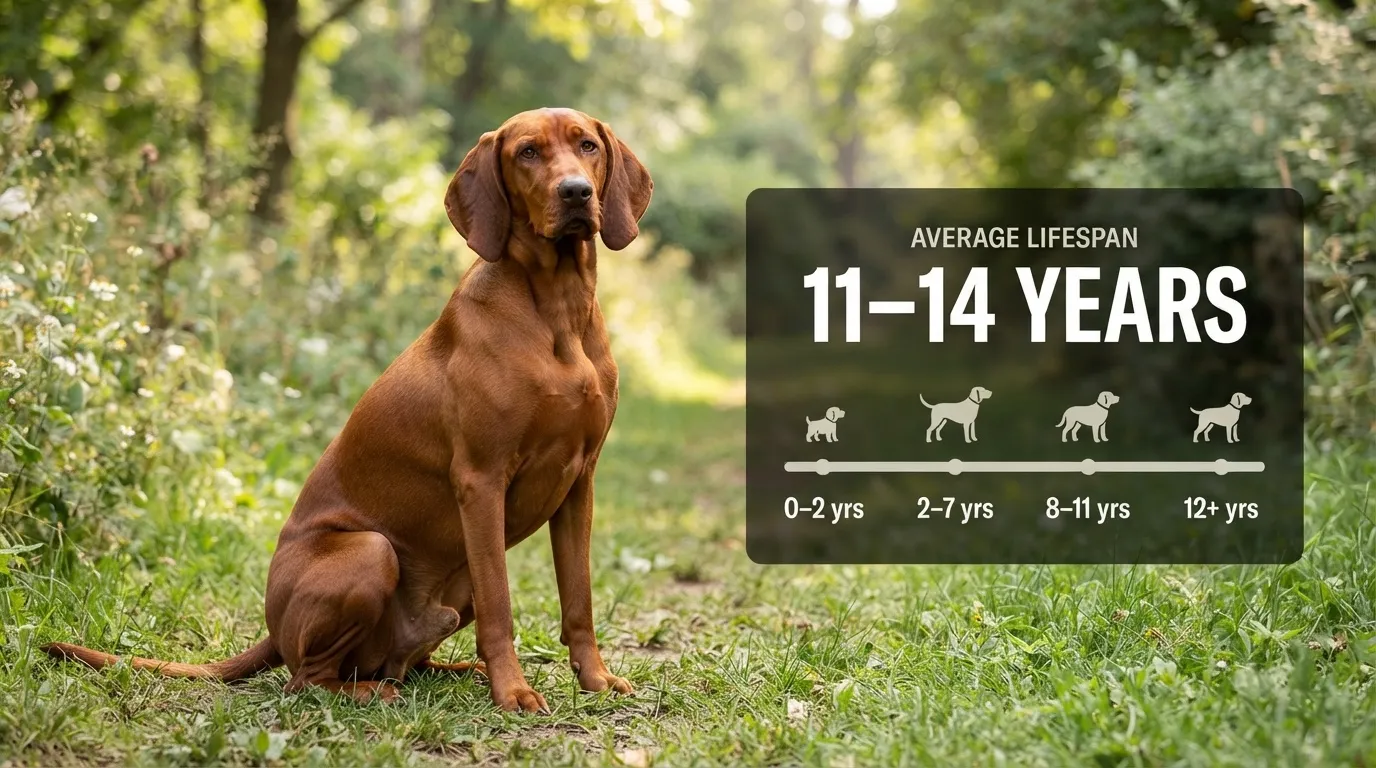
How long do Redbone Coonhounds live? A Redbone Coonhound typically has a lifespan of about 11–14 years, although individual dogs may live shorter or longer depending on genetics, overall health, body condition, diet, exercise, and veterinary care.
The Redbone Coonhound is an athletic American scent hound recognized for its rich red coat, endurance, and friendly personality. As an active breed, Redbones generally benefit from regular exercise and mental stimulation throughout their lives. Maintaining a healthy weight is also important because excess weight can place additional stress on the joints and affect overall health.
As a Redbone Coonhound gets older, routine veterinary examinations, dental care, appropriate nutrition, healthy exercise, and monitoring for changes in mobility or behavior become increasingly important. Genetics and inherited health conditions can also influence an individual dog’s life expectancy.
In this guide, you’ll learn about the typical Redbone Coonhound lifespan, factors that can affect longevity, common health concerns in older dogs, senior milestones, and practical ways to help your Redbone Coonhound stay healthy as they age.
| Lifespan Factor | What to Know |
|---|---|
| Typical Lifespan | About 11–14 years |
| Breed | Redbone Coonhound |
| Breed Type | Scent hound |
| Typical Weight | About 45–70 lb |
| Main Lifespan Factors | Genetics, nutrition, weight, exercise, and veterinary care |
| Senior Care Focus | Weight, joints, dental health, mobility, and routine veterinary checks |
Redbone Coonhound Average Lifespan
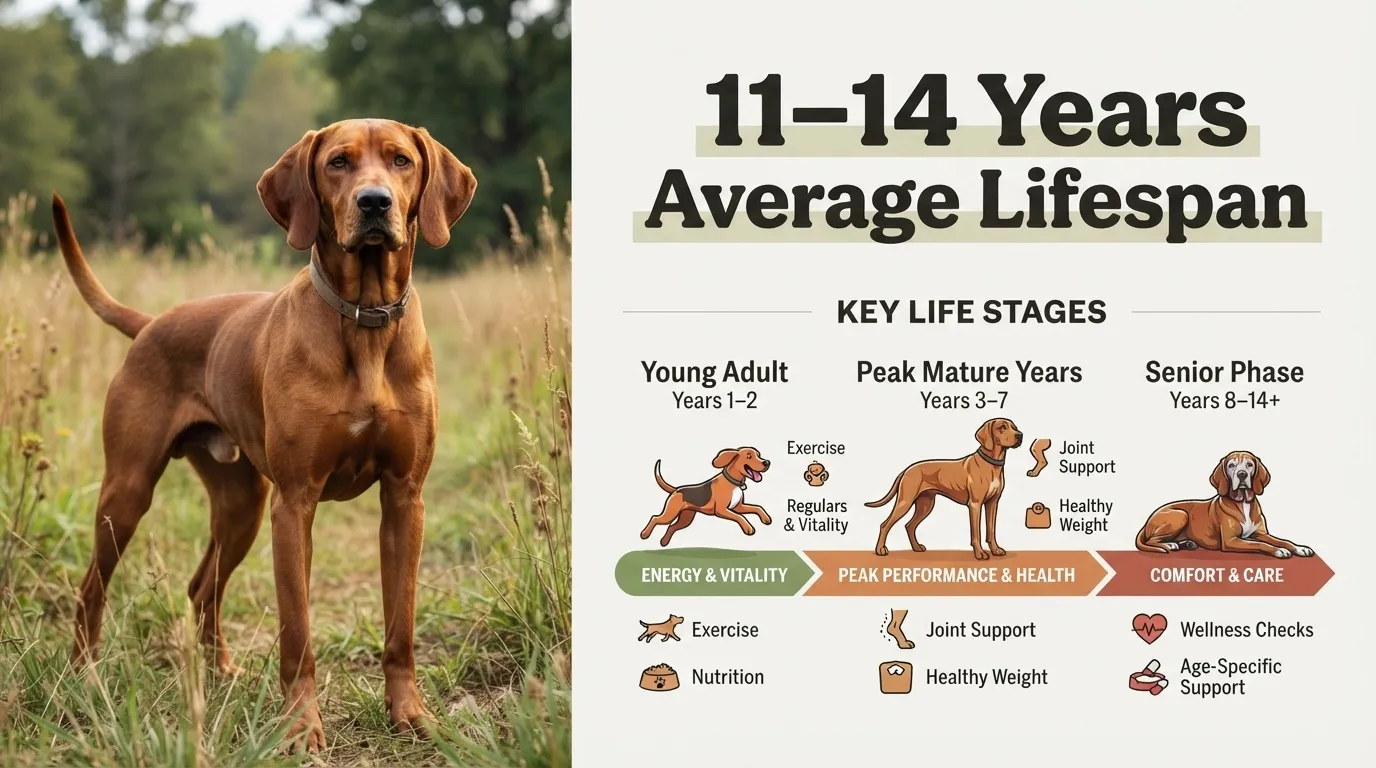
The average Redbone Coonhound life expectancy falls between 11 and 14 years, though exceptionally healthy individuals frequently reach 15 years with proper care. You will occasionally see some sources list a broader range of 10 to 15 years, which accounts for working dogs facing higher risks of outdoor injuries or systemic conditions like hip dysplasia.
Compared to other breeds in the hound group, Redbones sit in a sweet spot. Giant breeds like Mastiffs often face declining health by age 7 or 8, while small toy breeds routinely push past 15. The Redbone Coonhound manages to achieve impressive longevity for a medium-to-large dog, mostly due to centuries of functional breeding.
Lifespan Range at a Glance
Average Lifespan: 11–14 years (up to 15 years with optimal management)
Breed Size: Medium to Large (45–70 lbs)
Life Stage Category: Senior status starts around 8 years old
Unlike dogs bred primarily for exaggerated physical features, Redbone Coonhounds were developed as working scent hounds trained to navigate rough terrain for hours. This focus on athletic endurance created a genetically sturdy breed with a relatively low incidence of severe congenital health flaws. So long as their active energy needs are met and their weight stays under control, Redbones age gracefully into their golden years.
Redbone Coonhound Life Stages Breakdown
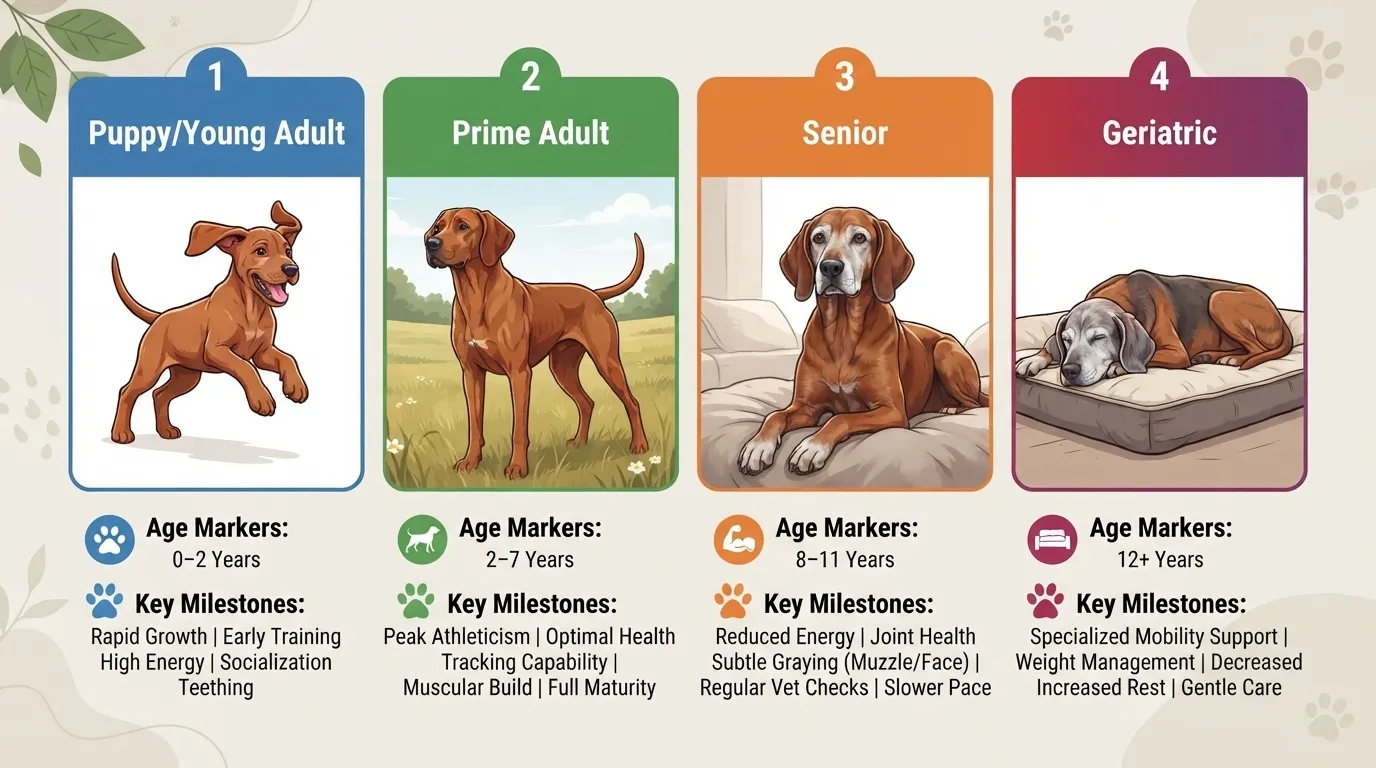
Understanding your Redbone Coonhound’s current stage of life helps you tailor their nutrition, exercise, and preventative healthcare. Because hounds are working dogs with high athletic drive, their physical needs shift significantly as they move from rapid growth to their golden years.
Puppy Stage (0–1 year)
Redbone Coonhound puppies grow at an astonishing rate, reaching near-full height within their first twelve months. During this window, their energy levels are sky-high, and their natural tracking instinct begins to bloom.
According to American Animal Hospital Association (AAHA) canine growth guidelines, large-breed puppies like Redbones require controlled calorie intake and balanced calcium-to-phosphorus ratios to prevent rapid bone growth, which can strain developing joints. Mental stimulation is just as vital as physical play now; a bored Redbone puppy will quickly discover creative ways to entertain themselves.
Adult Stage (1–7 years)
Between ages one and two, your Redbone completes their physical development, filling out in chest width and muscle density. This stage represents their physical prime—a period defined by immense stamina, keen focus, and high outdoor drive.
Maintaining a lean body condition during these adult years is the single most effective way to protect your hound’s joints long-term. Daily physical outlets, structured scent work, and routine dental care during adulthood lay the foundation for a smooth transition into their senior years.
Senior Stage (7+ years) — Signs of Aging & Quality of Life
around seven years of age, a Redbone Coonhound officially enters senior status. While their spirit and desire to follow a trail rarely fade, their body naturally begins to slow down.
Recognizing early signs of aging allows you to adjust their environment and daily routine to keep them comfortable:
Mobility changes: Stiffness after rising, hesitation before jumping into the car, or a slower pace on daily walks often point to arthritis or joint wear.
Gray hair: Distinctive silver or gray fur begins appearing around the muzzle, eyes, and chest, usually showing up around age six or seven.
Hearing and vision shifts: You might notice slight cloudiness in the lenses (nuclear sclerosis) or delayed reactions to auditory cues, especially in noisy environments.
Appetite and weight shifts: Metabolic slowing can lead to weight gain if calorie intake isn’t adjusted, though muscle loss (sarcopenia) can also occur in older hounds.
Comfort care adjustments: Orthopedic bedding, ramp access for vehicles, raised food bowls, and joint supplements become vital tools for maintaining a high quality of life.
What is 1 Redbone Coonhound Year in Human Years?
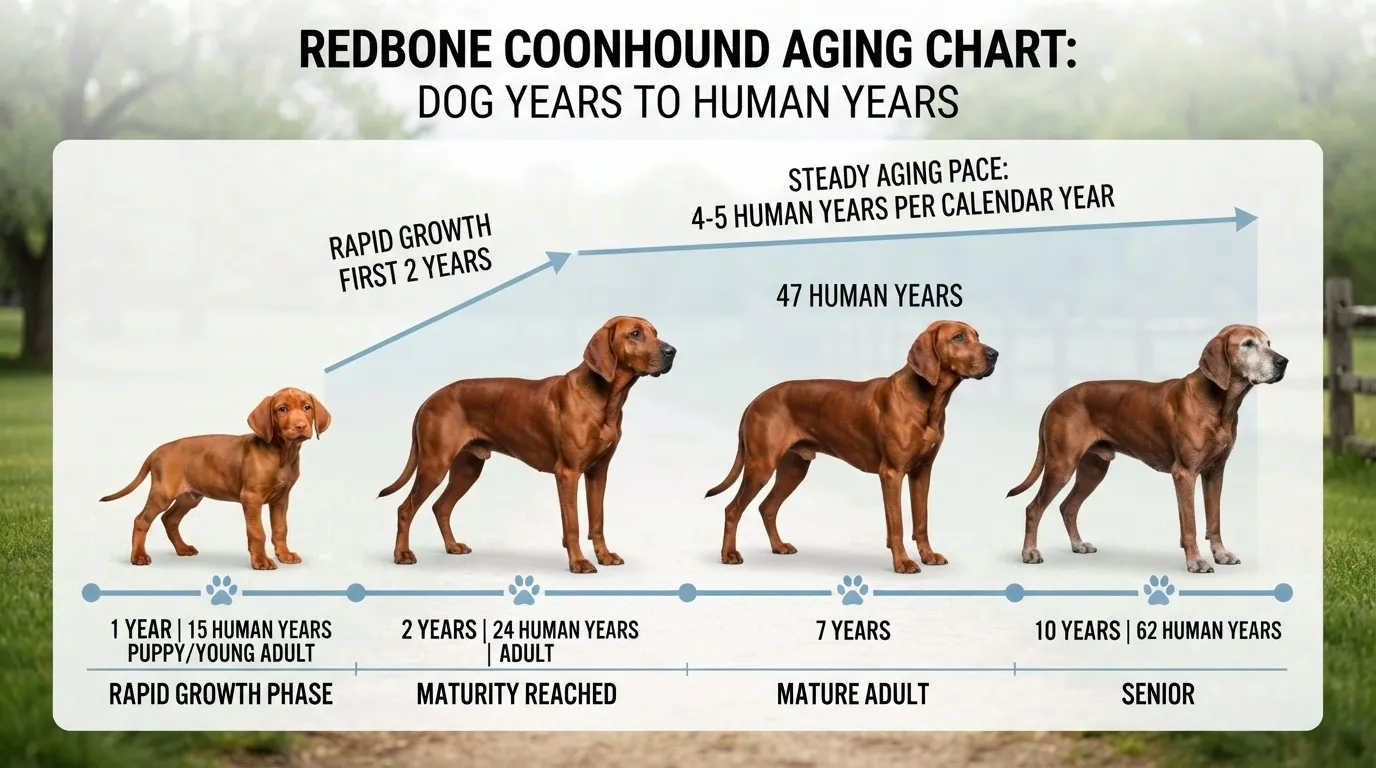
The old “multiply by 7” rule falls completely flat for an active working breed like the Redbone Coonhound. Dogs mature rapidly during their first two years before settling into a predictable aging pace.
According to guidelines from the American Veterinary Medical Association (AVMA), a Redbone’s first year equals about 15 human years. Year two adds roughly 9 human years, bringing a 2-year-old hound to about 24 in human terms. After age two, each additional year equals approximately 4 to 5 human years for a medium-to-large hound in the 45 to 70-pound weight class.
Because weight and exact birth dates change the math, an accurate age requires personalized calculation rather than standard estimates.
Get an Exact Calculation for Your Dog
Want an exact calculation tailored to your dog’s specific age, weight, and breed traits? Use our interactive Dog Age Calculator to get an instant, science-backed human year conversion.
Non-Controllable Factors That Affect Lifespan
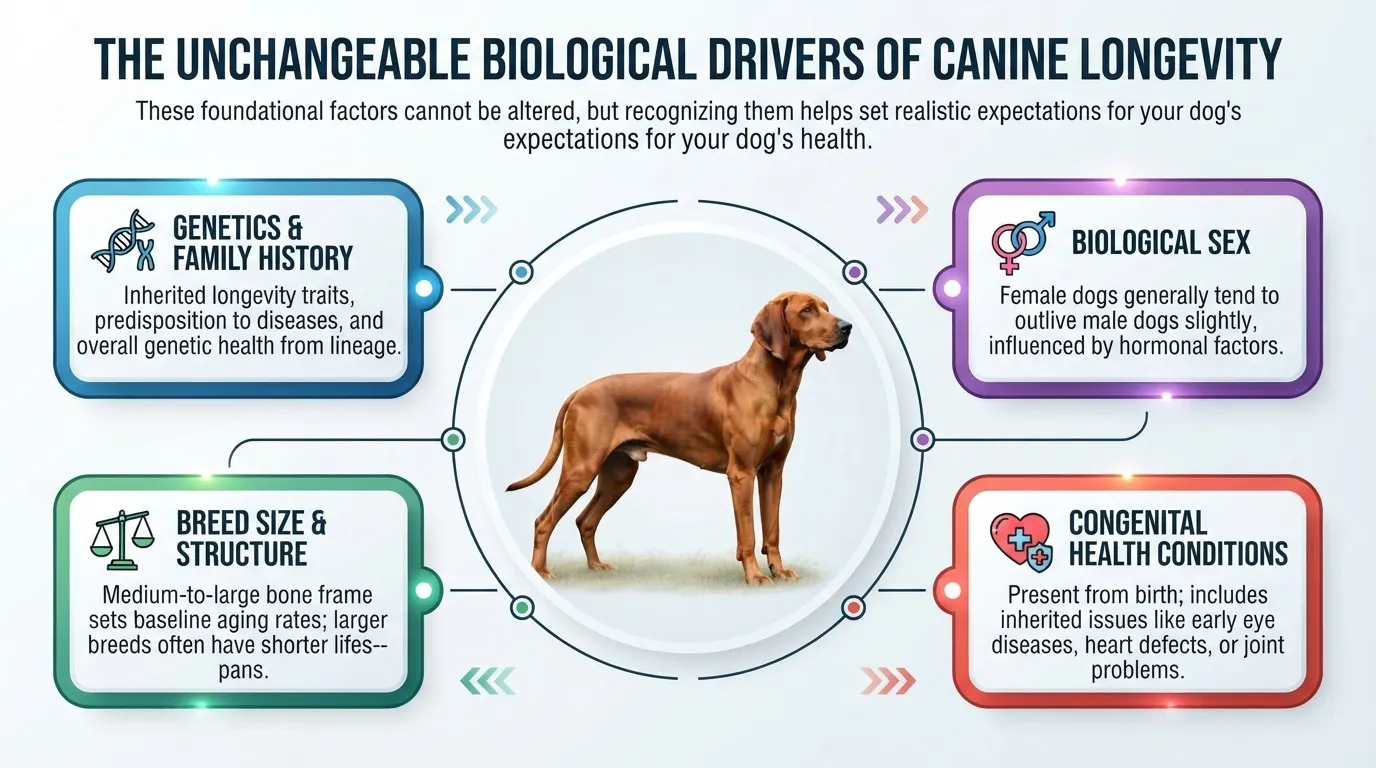
While proper nutrition and daily care go a long way, certain biological factors are locked in from the moment a Redbone Coonhound is born. Understanding these underlying elements gives you a clearer picture of your dog’s natural lifespan potential and long-term vitality.
Genetics & Breeding Line
Genetics play the primary role in determining how well and how long a Redbone Coonhound lives. Hounds bred from proven, health-tested working lines often inherit stronger physical longevity than those from backyard breeders or commercial puppy mills. Reputable breeders actively screen parent dogs for inherited cardiac, joint, and ocular issues to reduce the risk of passing down chronic, life-shortening conditions.
Lineage also dictates cellular aging rates. Research tracking canine genetics shows that dogs with lower levels of inbreeding consistently demonstrate better immune resilience and lower rates of early-onset degenerative diseases.
Spaying/Neutering Timing Impact
When and if a Redbone Coonhound is spayed or neutered directly influences their hormonal development, metabolic health, and long-term lifespan. According to veterinary epidemiological studies, desexed dogs generally live slightly longer on average, largely because sterilization eliminates the risk of uterine infections (pyometra) and testicular cancers, while reducing roaming behaviors that lead to accidents.
However, timing matters immensely. Removing sex hormones too early—before growth plates close around 12 to 18 months—can alter joint development and slightly increase the risk of certain bone cancers or ligament tears in active, large-framed hound breeds.
Note: Genetic factors also influence specific inherited conditions like hip dysplasia and progressive retinal atrophy, which we cover in detail below.
Common Health Conditions During Life
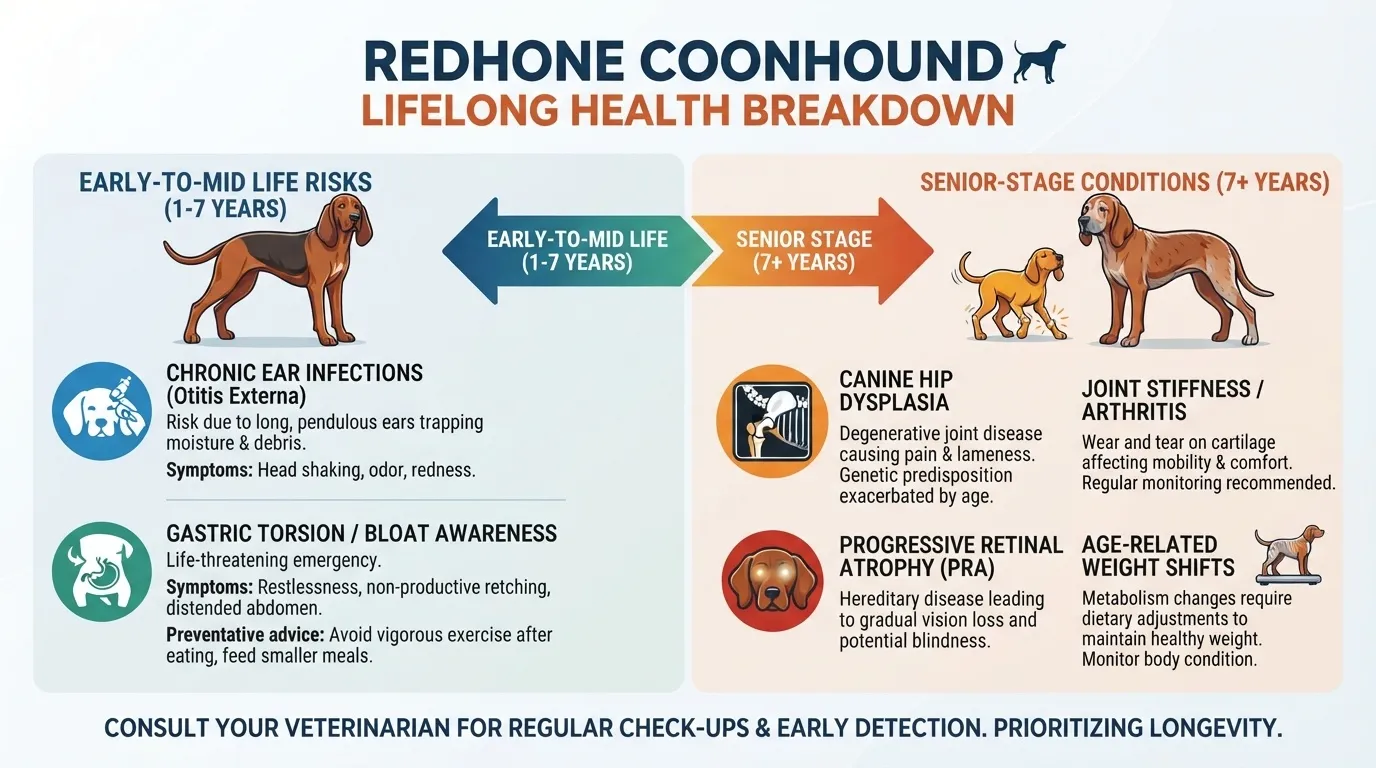
Redbone Coonhounds are famously hardy, field-tested working dogs, but like any purebred hound, they are susceptible to specific genetic and environmental health issues. Understanding these conditions early helps you catch subtle symptoms before they become major quality-of-life problems.
Hip & Elbow Dysplasia
Hip and elbow dysplasia occur when the ball-and-socket joints fail to develop smoothly, causing friction, bone spurs, and eventual arthritis. In an active breed like the Redbone, early signs often show up as a “bunny-hopping” gait, hesitation when jumping into a truck, or stiffness after a long walk. Maintaining a lean body weight from puppyhood is the single best way to reduce stress on these joints.
Panosteitis
Often called “growing pains,” panosteitis is a temporary but painful inflammation of the outer shaft of the long leg bones. It typically affects young, growing Redbones between 5 and 18 months old. You might notice sudden, shifting lameness—limping on a front leg one week, then a hind leg the next—along with sensitivity when the leg bone is gently pressed.
Coonhound Paralysis
Technically known as acute canine polyradiculoneuritis, this condition is strongly linked to immune reactions triggered by raccoon saliva or certain viral exposures. Symptoms progress rapidly over a few days, starting with weakness in the hind legs that quickly spreads toward the front legs and neck. While it looks terrifying, most affected dogs recover completely over several weeks or months with supportive nursing care.
Ear Infections
Those long, beautiful, velvety hound ears are a signature breed trait, but they also trap moisture, dirt, and heat inside the ear canal. This dark, warm environment is a paradise for yeast and bacterial infections. Regular checks after hunting trips or swims—along with routine cleaning using a vet-approved ear drying solution—will keep chronic infections at bay.
Cherry Eye & Skin Allergies
Cherry eye happens when the gland of the third eyelid prolapses and bulges out as a red tissue mass in the corner of the eye. While not usually painful initially, it requires surgical repositioning to protect tear production. Additionally, because Redbones love plowing through tall brush and damp woods, they frequently contract contact allergies or environmental skin irritation, showing up as redness, obsessive paw-licking, or hot spots.
Leading Causes of Death in Senior Years
As Redbones reach their golden years, their health risks shift toward systemic aging challenges. Recognizing these primary health risks allows you to work closely with your veterinarian on proactive senior care:
Cancer: Hemangiosarcoma (cancer of the blood vessel lining) and lymphoma are among the most frequent fatal diagnoses in older hounds, often showing few early symptoms beyond sudden lethargy or weight loss.
Heart Disease: Age-related cardiac issues like congestive heart failure or dilated cardiomyopathy (DCM) become more prevalent, often signaled by a persistent dry cough, reduced exercise tolerance, or heavy breathing at rest.
Bloat (Gastric Dilation-Volvulus / GDV): Because of their deep-chested build, Redbones are at serious risk for GDV, a life-threatening emergency where the stomach fills with gas and twists. Feeding smaller, frequent meals and preventing rapid drinking or heavy exercise right after eating are vital preventive strategies.
How to Help Your Redbone Coonhound Live Longer
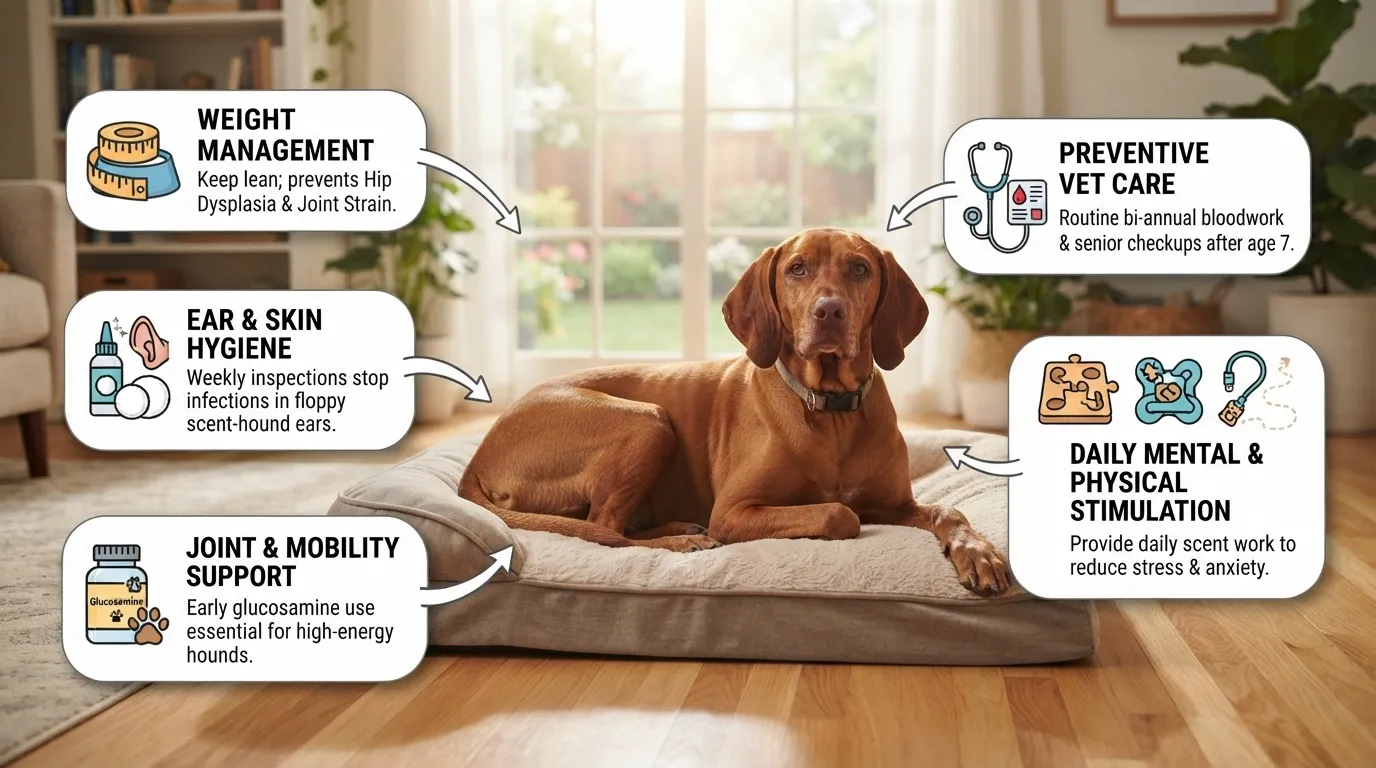
While genetics set the baseline for your Redbone Coonhound’s lifespan, the daily choices you make play a massive role in how many healthy years you get together. Working breeds are built for action, and keeping their bodies and minds engaged is the single best way to protect them as they age.
Small, consistent adjustments to their daily routine yield huge results over time. Focus on these core areas to maximize your hound’s health and longevity.
Nutrition
Feed your Redbone high-quality protein tailored to their life stage, with named meat sources (like real chicken, beef, or lamb) leading the ingredients list. Hounds need protein to maintain lean muscle mass, especially as their metabolism naturally slows down in their senior years.
Avoid overfeeding at all costs. Measure meals with an actual measuring cup rather than free-pouring, and account for training treats in their daily caloric limit. Because deep-chested breeds like Redbones are susceptible to bloat (GDV), feed two smaller meals a day instead of one large portion, and avoid heavy exercise right after eating.
Exercise & Weight Management
An extra five pounds on a Redbone Coonhound puts unnecessary stress on their hips, knees, and heart. Keeping your hound at a healthy body condition—where you can easily feel their ribs without a thick layer of fat—can add up to two extra years to their lifespan according to long-term canine health studies.
Aim for 60 minutes of active exercise daily, mixing physical walking with scent work or tracking games that satisfy their powerful olfactory drive. As your dog reaches senior status, switch high-impact running to gentle, controlled walks and low-impact swimming to keep their joints moving without pain.
Preventive Vet Checkup Schedule
Catching health issues early is critical for a breed that tends to hide discomfort. Establish a routine checkup schedule based on their life stage:
Adults (Ages 1–7): Annual exams for physical evaluations, routine vaccinations, and annual bloodwork to set baseline health numbers.
Seniors (Ages 8+): Bi-annual (twice-yearly) vet visits. Frequent checks allow your vet to spot early kidney changes, heart murmurs, or arthritic shifts before they drastically impact quality of life.
Dental Care
Periodontal disease isn’t just about bad breath—bacteria from infected gums enter the bloodstream and cause cumulative damage to your hound’s heart, liver, and kidneys over time. Daily brushing with dog-safe toothpaste is the gold standard for preventative care.
If brushing is a challenge, pair veterinary-approved dental chews with regular professional cleanings under anesthesia when recommended by your vet. Keeping their teeth clean can meaningfully extend their comfortable, healthy years.
Redbone Coonhound Lifespan vs Other Coonhound Breeds
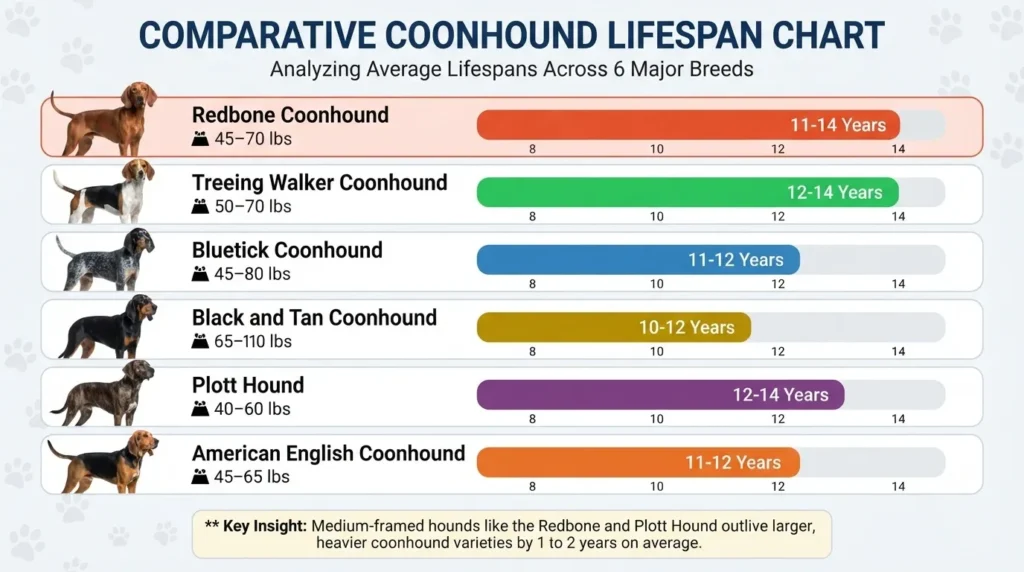
Coonhounds are generally known as hardy, athletic scent hounds with solid longevity compared to other breeds of similar physical size. While the Redbone Coonhound typically enjoys a lifespan of 11 to 14 years, comparing them against their close hound relatives reveals subtle differences in aging patterns and working genetics across the Coonhound family.
According to baseline breed health data from veterinary registries and national breed clubs, most coonhound variations share similar life expectancies ranging between 10 and 14 years. Subtle differences in average weight, breeding pool density, and historical working demands account for slight variations in overall lifespan.
Here is how the Redbone Coonhound compares directly to other recognized Coonhound breeds:
| Redbone Age | Human Equivalent | AAHA Life Stage |
|---|---|---|
| 1 Year | 15 Years | Young Adult |
| 2 Years | 24 Years | Adult |
| 7 Years | 47 Years | Mature Adult |
| 10 Years | 62 Years | Senior |
| 12 Years | 72 Years | Geriatric |
What Real Owners Say Community Insights
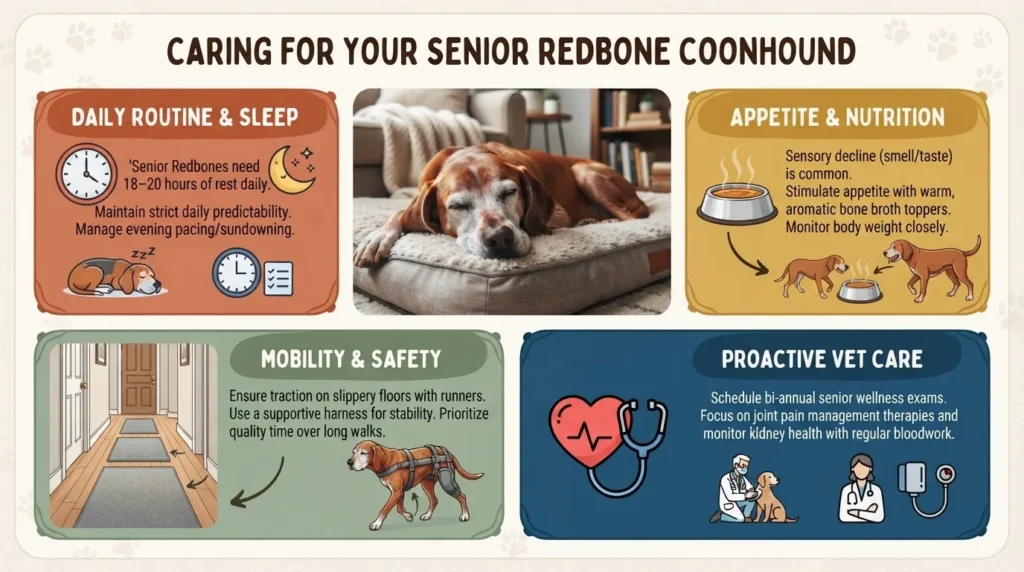
Living with a 17-year-old dog gives pet parents a unique perspective that standard growth charts just can’t capture. Across online pet communities, veterinary forums, and senior dog rescue networks, owners of 17-year-old dogs frequently share common observations about what this stage actually looks like day-to-day.
Here are the key takeaways and real-world insights shared by owners navigating their dog’s late senior years:
Routine is everything: Owners consistently report that 17-year-old dogs thrive on strict daily predictability. Minor changes in furniture layout, meal times, or lighting can cause temporary confusion or restlessness.
Sleeping patterns shift dramatically: Senior dogs at this age often sleep anywhere from 18 to 20 hours a day. Many owners note a total flip in sleep cycles, where dogs sleep deeply through the morning but pace or wander slightly during the late evening (a common sign of canine cognitive dysfunction).
Appetite requires encouragement: Maintaining weight becomes a primary daily focus. Owners frequently share success using warm bone broth, soft topper meals, or slightly warmed food to awaken dulled senses of smell and taste.
Mobility is about traction, not long walks: Short, frequent 5-minute garden sniff-sessions replace traditional walks. Real-world owners heavily emphasize using non-slip rug runners over hardwood floors and utilizing supportive rear-end harnesses for stability.
Proactive vet partnerships matter: Successful senior dog parents emphasize that frequent, low-stress veterinary checkups—focusing on pain management and kidney function—make the single biggest difference in maintaining high quality of life.
Oldest Recorded Redbone Coonhound
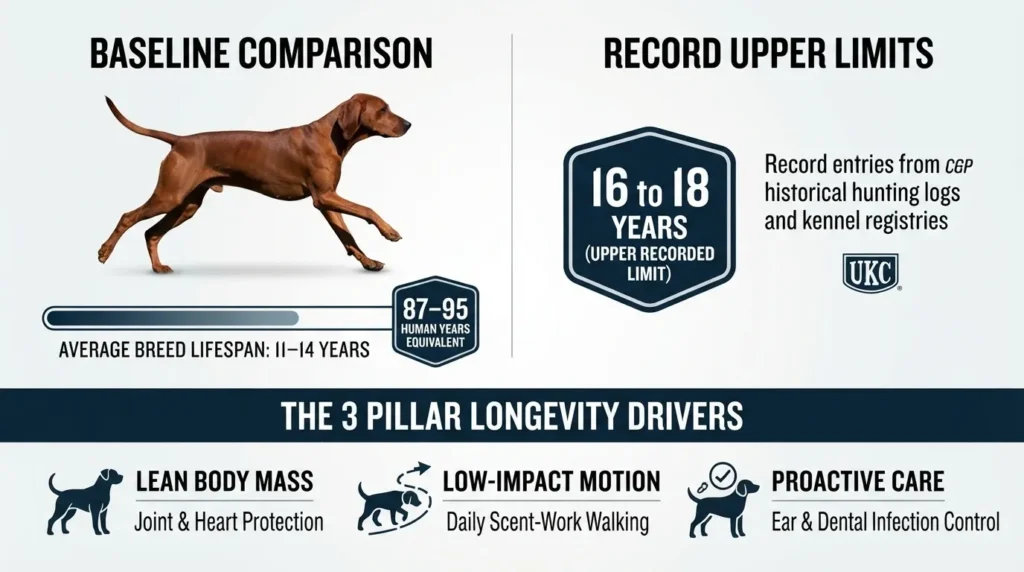
While standard veterinary charts set the typical Redbone Coonhound lifespan at 11 to 14 years, well-cared-for individuals frequently reach 15 or 16 years. Documentation for maximum lifespans in working coonhounds is largely kept through registry records like the United Kennel Club (UKC) and individual hunter logs rather than centralized academic databases. However, verified individual cases show Redbone Coonhounds reaching 16 to 18 years of age.
Reaching the upper limit of 17 or 18 years is exceptional for a medium-to-large breed weighing between 45 and 70 pounds. In human equivalent terms, a 17-year-old Redbone Coonhound is roughly 87 to 95 years old, depending on their lifelong body condition and working history.
Dogs that hit these extreme milestones usually share a few critical real-world advantages throughout their lives:
Lean Body Condition: Maintaining a tight waist and visible abdominal tuck prevents chronic joint stress and lowers metabolic strain.
Consistent Low-Impact Exercise: Daily walking and scent work keep cardiovascular health strong without destroying aging joints on hard pavement.
Proactive Dental and Ear Care: Preventing systemic inflammation from severe periodontal disease and chronic floppy-ear infections preserves organ health into late senior years.
While not every hound will reach their late teens, focused senior care, early screening for canine cognitive dysfunction, and high-digestibility protein diets give your Redbone the best possible chance at a long, comfortable life.
Frequently Asked Questions
A Redbone Coonhound mix often enjoys a slight longevity advantage due to hybrid vigor, which can reduce the chances of inheriting breed-specific genetic disorders. However, a purebred Redbone from a responsible breeder who screens for common health clearances can live just as long, meaning individual care, diet, and lifestyle matter far more than purebred versus mixed status.
To move past the outdated "multiply by 7" rule, you can use modern veterinary life-stage guidelines and DNA-based aging science to find your hound's true human equivalent. For an instant, precise calculation tailored to your dog's exact birthdate and weight, use our interactive Dog Age Calculator.
As a Redbone Coonhound enters their senior years around age 8 or 9, you may notice a slower pace on walks, graying hairs around the muzzle, stiffer movement upon waking up, and minor vision or hearing changes. Adjusting their daily routine with softer bedding, joint supplements, and shorter, more frequent sniff walks helps keep them comfortable.
The primary health issues that can impact a Redbone Coonhound's longevity include canine hip dysplasia, progressive retinal atrophy (PRA), ear infections due to their long hanging ears, and bloat (gastric torsion). Routine veterinary screenings, proper ear cleaning routines, and preventing obesity significantly mitigate these risks.
While there is no official Guinness World Record specifically designated for the oldest Redbone Coonhound, healthy individuals receiving exceptional veterinary care and proper nutrition occasionally reach 15 to 16 years of age. Reaching these advanced senior years requires proactive joint care, weight management, and routine senior bloodwork.
Just like in many canine breeds, female Redbone Coonhounds often live slightly longer than males—typically by a margin of about one year. This minor difference is commonly attributed to a combination of hormonal factors and slightly smaller average body mass, though spaying and neutering play a much larger role in overall longevity by preventing reproductive diseases.
A healthy Redbone Coonhound typically lives between 11 and 14 years. Because they are a robust, athletic scent hound breed with minimal hereditary health issues compared to some brachycephalic or giant breeds, they often enjoy a relatively long and active lifespan when provided with proper nutrition and regular exercise.
🐾 Other Age Guides

Gulfam Haider Mehdi
Founder & Developer
I built Dogagescalculator.com to give dog owners honest, science-backed answers instead of the outdated "×7" myth. Every figure here is checked against AKC, AVMA, and published veterinary research.
More about the author & this site →📌 Featured Guides
chihuahua dog years to human years
→
Mixed Breed Dog That Looks Like a Fox
→
what is the lifespan of a yorkie dog
→
how much does a mini australian shepherd weigh
→
golden retriever dog years
→
what is the lifespan of an english bulldog
→
Basset Hound New England
→
when do dogs start going grey
→
How often should I feed my French Bulldog
→
What Is the Lifespan of a Cocker Spaniel
→
Comments