When Do Dogs Start Going Grey? Age-by-Age Guide With Breed Chart
Most dogs start going grey between 5 and 8 years old, with the silver hairs usually showing up around their muzzle and chin first. If your dog is barely three and already showing a salt-and-pepper face, don’t panic—early greying is surprisingly common and often harmless. Just like us, every pup ages on their own schedule. In this guide, we will break down why dogs go grey, what’s normal for your breed, and when a trip to the vet might actually be necessary.
At What Age Do Dogs Start Going Grey?
Average Age Range 5–8 Years for Most Dogs
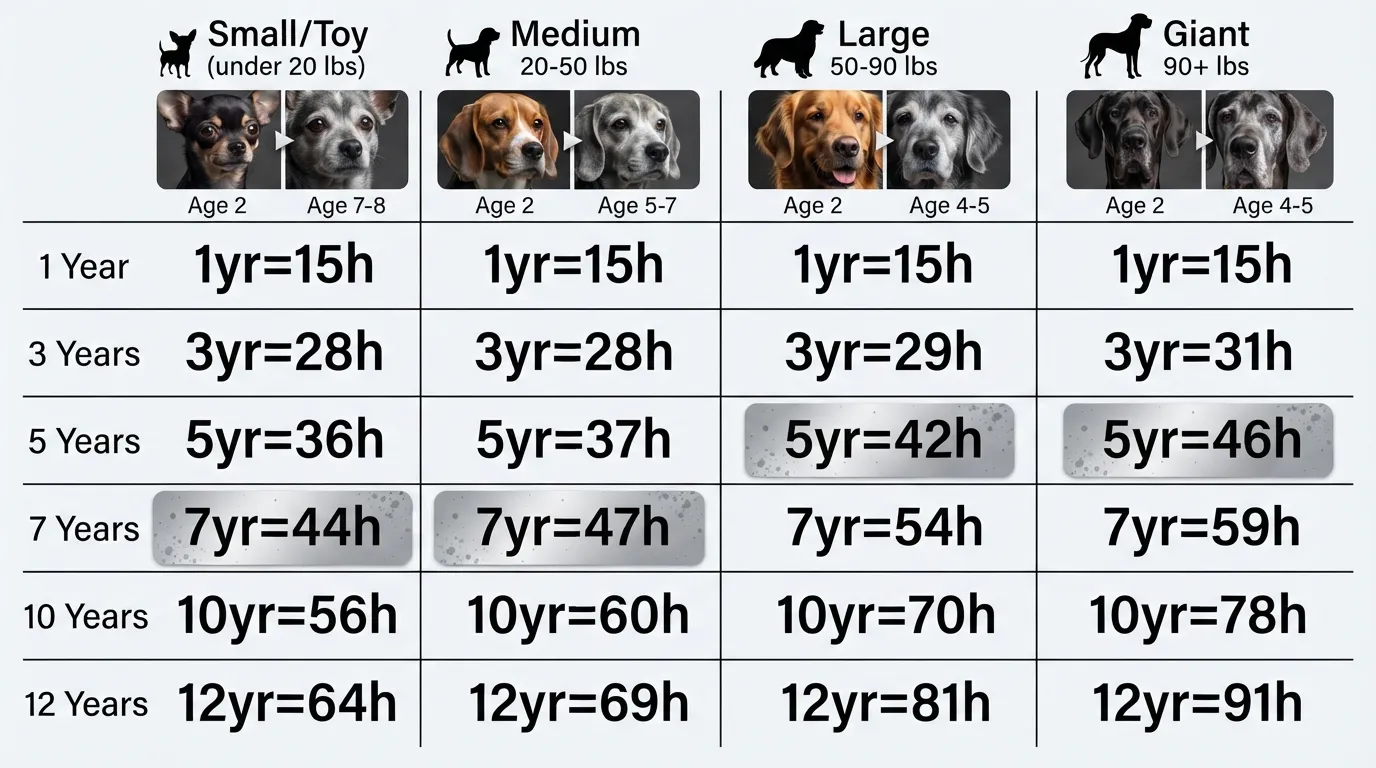
Just like us, dogs get silver hairs as they age. For most breeds, those first gray strands start popping up between 5 and 8 years old. By dog standards, this is roughly middle age—around 35 to 45 in human years.
However, graying isn’t a strict clock. Some dogs show silver hairs at 3 years old, while others keep a dark face well into their senior years.
Why the Muzzle Greys First
Graying almost always starts on the snout. The hair follicles around a dog’s face lose their pigment-producing cells (melanocytes) first because these areas undergo rapid cell turnover from everyday use, sniffing, and grooming.
Muzzle, chin, and eyebrows are the first spots: Pigment drops out in facial zones long before it affects the back, legs, or tail.
Dark-coated dogs show grey faster than light-coated dogs: Black, chocolate, or navy coats make white hairs pop instantly, whereas cream or golden coats hide silver fur for years.
Dog Greying Age by Breed Size
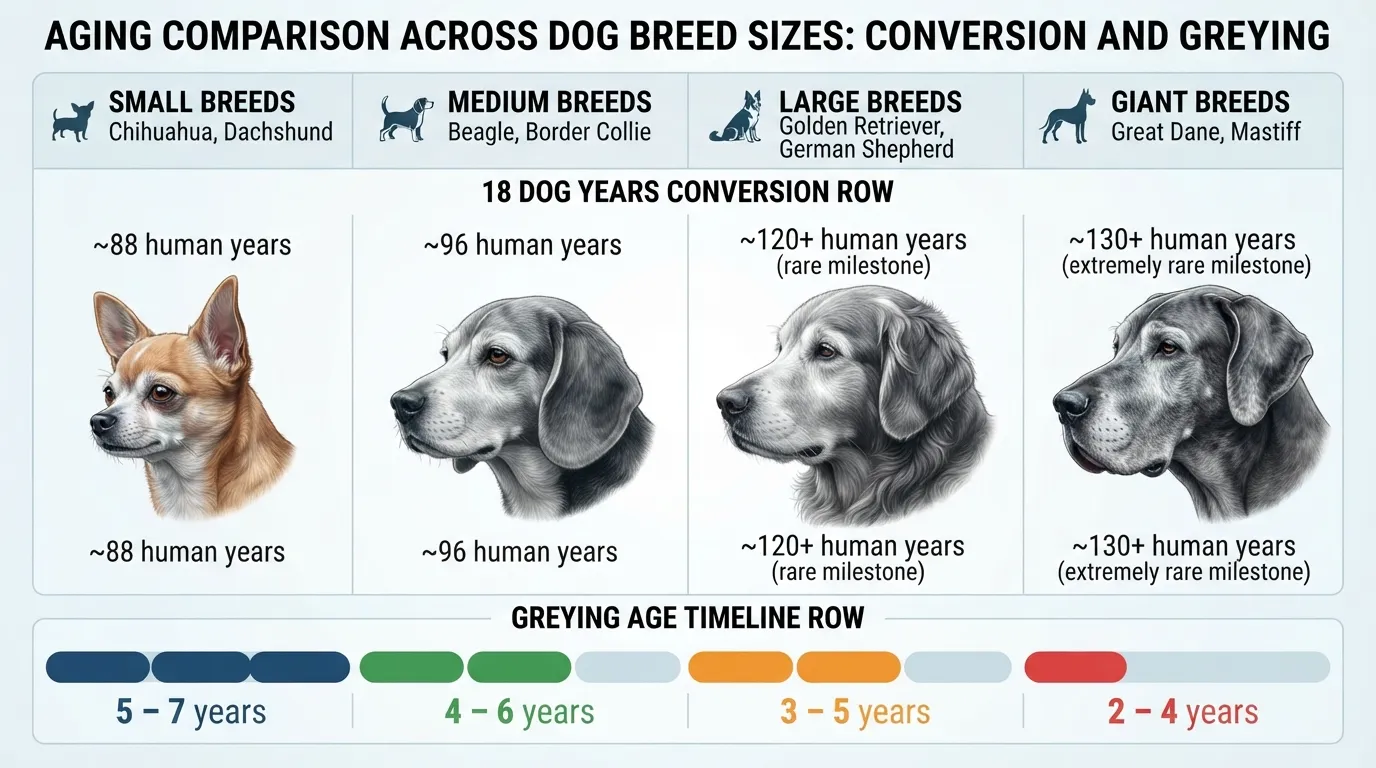
Not all dogs age on the same timeline. A tiny Chihuahua and a massive Great Dane grow old at completely different rates, and their coats show it. Larger dogs age faster, which means those silvery muzzle hairs usually pop up much earlier in big breeds than in smaller ones.
Small Breeds
Small dogs are the slow agers of the canine world. Breeds like Chihuahuas, Toy Poodles, and Dachshunds often keep their youthful coat color well into their mature years. You typically won’t see noticeable grey hairs around their muzzle or eyes until they hit 7 to 10 years old. Because they live longer lives, they generally aren’t considered seniors until around age 10 to 12.
Medium Breeds
Medium-sized dogs—think Beagles, Bulldogs, and Australian Shepherds—sit right in the middle of the aging spectrum. Most medium dogs start showing silver sprinkles on their chin and muzzle between 6 and 8 years of age. They usually cross into their senior years around age 8 or 9.
Large Breeds
If you share your home with a Golden Retriever, German Shepherd, or Labrador, expect to see grey hair earlier. Large dogs age faster due to their rapid growth rates and heavy body mass. It’s completely normal for large breeds to start greying around 5 to 7 years old, and vets generally treat them as seniors once they turn 7.
Giant Breeds
Giant breeds like Great Danes, Mastiffs, and Irish Wolfhounds age the fastest of all. Because of their accelerated lifespan, a giant dog might start showing grey around their face as early as 3 to 5 years old. By age 5 or 6, most giant breeds have already entered their senior stage of life.
| Breed Size | Example Breeds | Typical Greying Age | Senior Age |
|---|---|---|---|
| Small (Under 20 lbs) | Chihuahua, Dachshund, Shih Tzu | 7 – 10 years | 10 – 12 years |
| Medium (20 – 50 lbs) | Beagle, Border Collie, Bulldog | 6 – 8 years | 8 – 9 years |
| Large (50 – 90 lbs) | Labrador, Golden Retriever, German Shepherd | 5 – 7 years | 7 years |
| Giant (Over 90 lbs) | Great Dane, Mastiff, Saint Bernard | 3 – 5 years | 5 – 6 years |
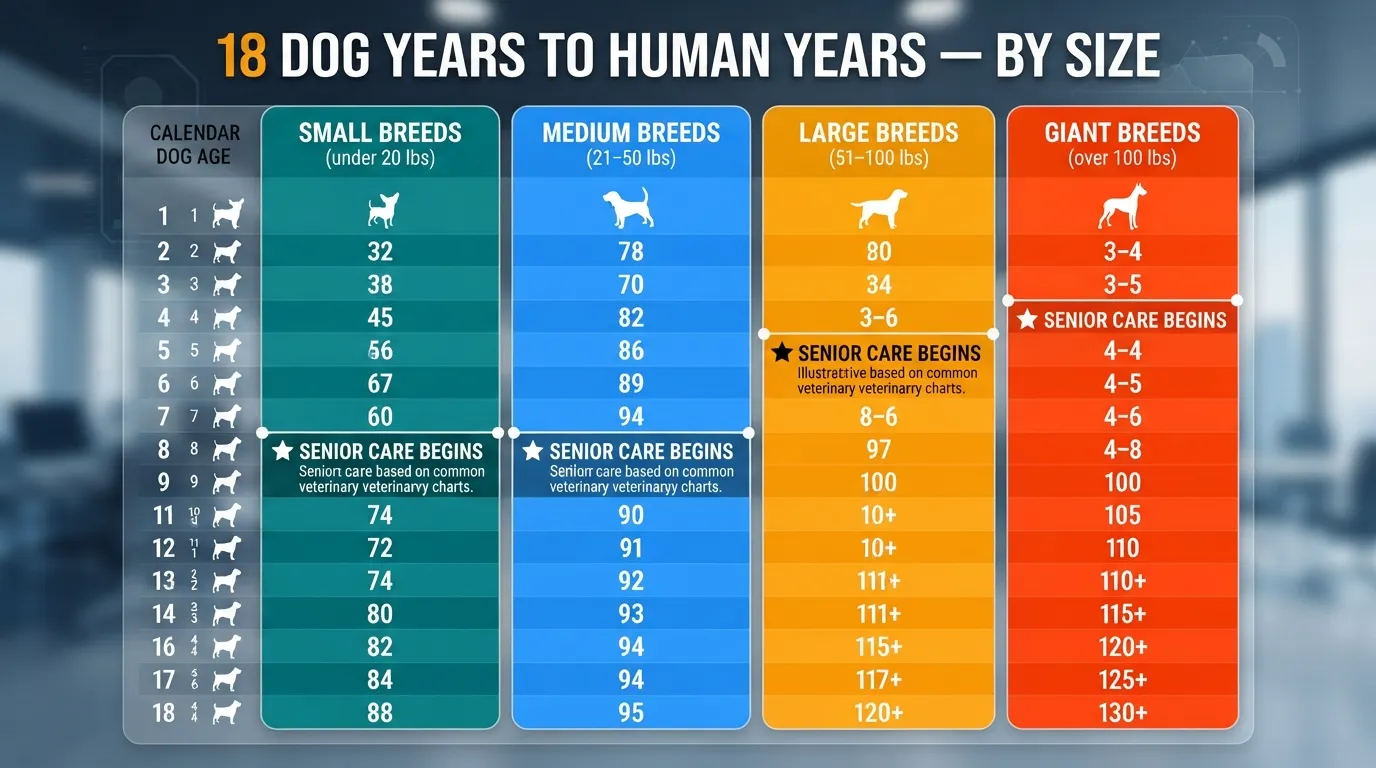
Want to see where your pup stands? Find your dog’s exact human-age with our free calculator to quickly check their biological age and senior milestone status.
Why Do Dogs Go Grey? All Causes
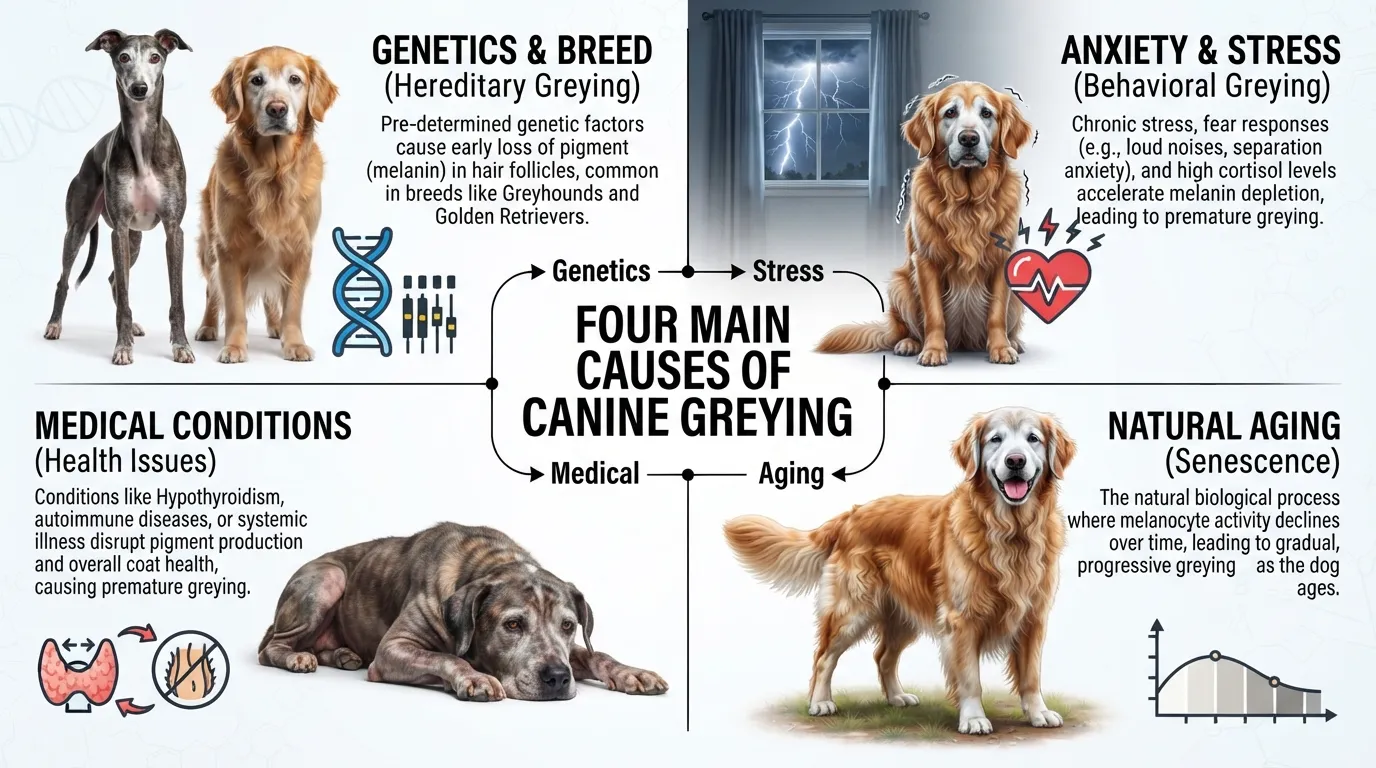
Seeing silver hairs on your dog’s muzzle can be a bit of a shock, but it is rarely a reason to panic. Just like humans, dogs change as they age, and their coat color is often the first place it shows.
Here is what is actually going on under the fur.
Natural Aging
This is the most common reason you will see frosting around your dog’s nose and chin. As dogs age, the pigment-producing cells (melanocytes) in their hair follicles slowly stop making melanin.
It is purely cosmetic, completely expected, and a natural badge of honor for a life well-lived.
Genetics Graying Gene
Genetics play a huge role in when—and how fast—a dog turns silver. Some dogs inherit a specific dominant progressive graying gene that starts fading their coat almost as soon as their puppy coat sheds.
Breeds prone to early greying: Poodles, Miniature Schnauzers, Greyhounds, Whippets, and Golden Retrievers frequently start showing grey around age 2 or 3.
A quick clarification: Breeds like Weimaraners, Kerry Blue Terriers, or Italian Greyhounds are born with grey, silver, or blue coats. That is a genetic coat-color trait, not premature greying or aging.
Anxiety & Stress
If your dog seems too young to be greying, stress might be the culprit. Psychological pressure affects a dog’s body in physical ways.
The research: A study published in Applied Animal Behaviour Science looked at 400 dogs and found that dogs rated higher for anxiety, fearfulness, and impulsivity had significantly more premature grey hair on their muzzles compared to calmer dogs.
Nutritional Deficiency Copper & Vitamins
A dull, fading coat isn’t always about age—sometimes it is about what is in the food bowl. Hair pigmentation relies heavily on specific trace minerals and vitamins to synthesize melanin.
A diet deficient in copper, zinc, or essential B vitamins can lead to premature loss of coat color and a dry, brittle texture.
Vitiligo Rare Skin Condition
While uncommon, dogs can develop vitiligo, a condition where the immune system mistakenly attacks the body’s pigment cells.
Unlike gradual aging, vitiligo causes distinct, patchy loss of pigment on the fur, skin, nose, and lips. It rarely causes discomfort, but the stark white patches usually stick out.
Underlying Health Issues
Occasionally, grey hair is a signal that something is happening beneath the surface metabolically.
Hypothyroidism: An underactive thyroid slows down the metabolism, leading to coat thinning, dry skin, weight gain, and premature greying around the face.
Liver or Kidney Disease: Severe, chronic organ dysfunction can interfere with nutrient absorption and metabolic balance, which sometimes manifests as rapid changes in coat health and color.
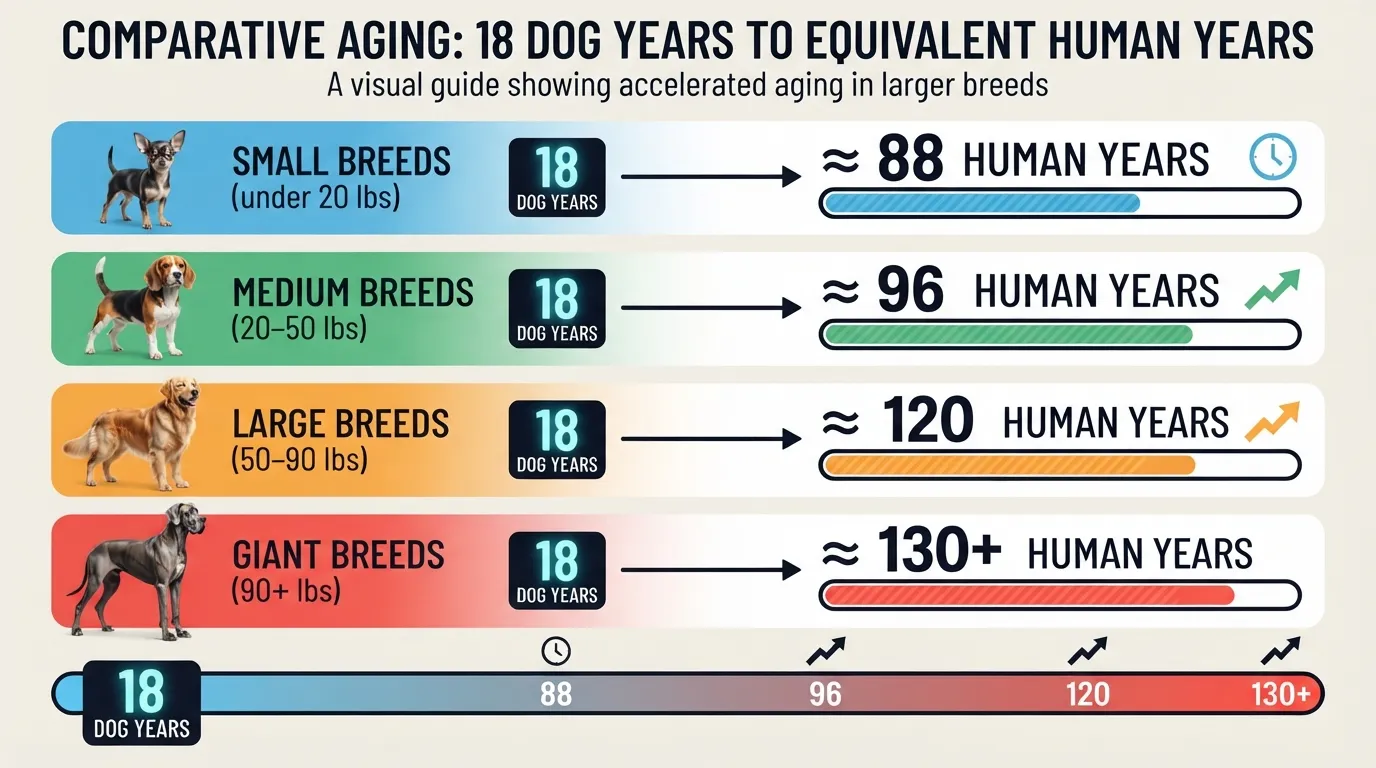
Most of the time, a silvering muzzle is just a quiet sign that your dog is getting wiser. It’s a natural part of aging, much like it is for us. But grey fur isn’t always down to birthdays alone.
Sometimes, rapid coat changes can point to an underlying medical issue rather than simple aging. Knowing the difference helps you catch health problems early.
Red Flags to Watch Out For
If your dog’s fur is lightening, take a quick inventory of their overall health and behavior. Schedule a veterinary checkup if you notice any of these warning signs:
Sudden or Rapid Greying with Weight Gain: If grey hair appears almost overnight and is accompanied by unexplainable weight gain, sluggishness, or excess thirst, it could signal a hormonal imbalance like hypothyroidism or Cushing’s disease.
Lethargy and Low Energy: Normal aging happens gradually. If your dog suddenly seems exhausted, stops enjoying walks, or acts withdrawn, don’t write it off as “just getting old.”
Greying Before Age 1: Unless your dog belongs to a breed with a specific coat-clearing gene (like Poodles, Kerry Blue Terriers, or Bearded Collies), going grey before their first birthday is unusual and warrants a quick look by a vet.
Skin Changes or Hair Loss: If the grey patches come with flaky skin, redness, itching, or thinning fur, skin infections or autoimmune conditions might be the cause.
Recommended Vet-Checkup Frequency by Life Stage
Regular vet visits help you stay ahead of age-related issues before they become serious problems. Here is a simple guideline for how often your dog should be seen based on their life stage:
Puppies (0–1 year): Every 3 to 4 weeks during initial vaccination series, then a routine check at 1 year.
Adult Dogs (1–7 years): Once a year for a general wellness exam, routine bloodwork, and dental checks.
Senior Dogs (7+ years): Twice a year (every 6 months). Older dogs age much faster, and bi-annual exams make it much easier to track subtle changes in organ function, mobility, and coat health.
Does Going Grey Mean My Dog Is a Senior?
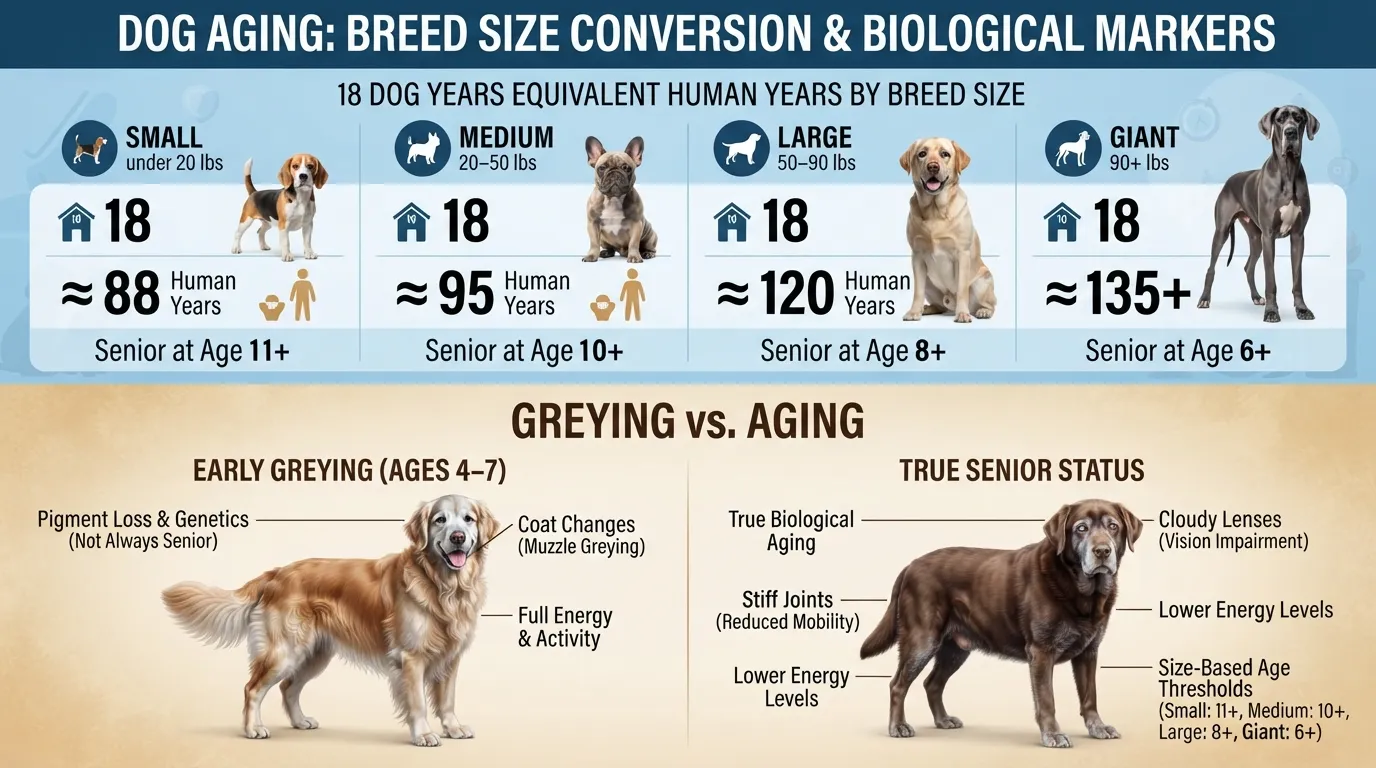
Short answer: not necessarily.
Spotting a few silver hairs around your dog’s chin doesn’t automatically mean they’ve crossed into their golden years. Just like humans, some dogs go grey early due to genetics or stress—even while they’re still in their physical prime.
Veterinarians determine a dog’s “senior” status by body size and breed, not by fur color. Larger dogs age faster biologically than smaller ones:
Giant breeds (e.g., Great Danes, Mastiffs): Senior status starts around 5 to 6 years.
Large breeds (e.g., Labradors, Golden Retrievers): Senior status starts around 7 to 8 years.
Small to medium breeds (e.g., Chihuahuas, Beagles): Senior status starts around 10 to 11 years.
If your 3-year-old pup is getting a frosted muzzle, there’s usually no need to panic. Unless their energy levels, appetite, or mobility change, those grey hairs are just a cosmetic quirk—not a sign of actual old age.
When Do Dogs Start Going Grey? The Real Timeline & What It Means
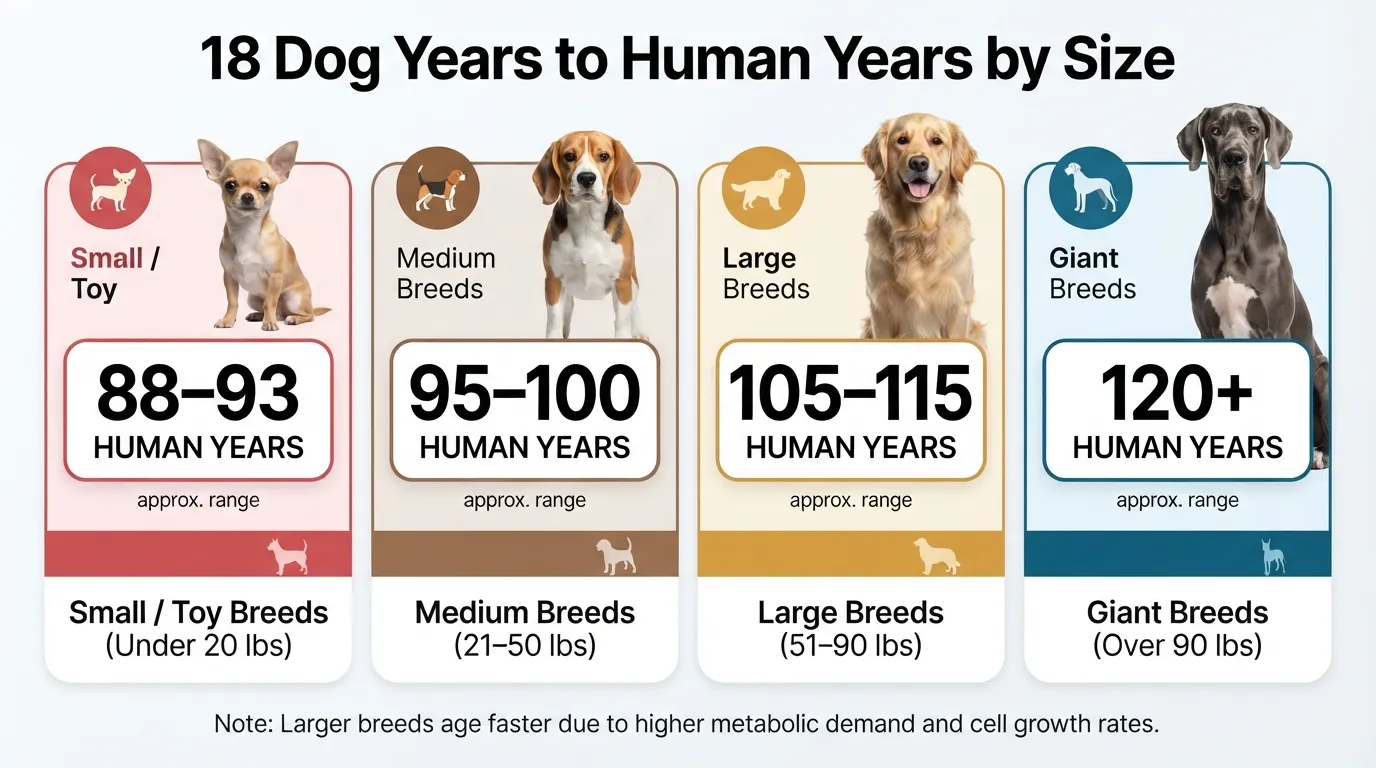
If you have noticed a few silvery hairs popping up around your dog’s muzzle, you might be wondering if your furry friend is growing old too fast. Seeing your pup show signs of aging can be a bit emotional, but greying is completely natural for most dogs.
Here is everything you need to know about when dogs start going grey, why it happens, and when it might actually be a sign of something else.
When Do Dogs Typically Start Going Grey?
Most dogs start developing grey fur between 4 and 7 years of age.
Just like humans, every dog ages differently. A 4-year-old dog with grey fur around the snout is generally normal. By the time most dogs hit 7 or 8—which is officially the senior threshold for many breeds—you will likely notice silvering around their face, eyes, and paws.
Why Do Dogs Go Grey? 4 Common Causes
Aging is the most obvious answer, but it is not the only reason your dog’s coat is changing color.
1. Genetics and Breed
Genetics play the biggest role in when and how fast your dog goes grey. Certain breeds are genetically prone to silvering early. For instance, Golden Retrievers, Poodles, Greyhounds, and German Shepherds often display grey muzzles long before they reach their senior years.
2. Anxiety and Stress
Research shows that stress affects dogs much like it affects humans. Dogs that experience high levels of anxiety, fearfulness, or impulsivity often go grey earlier. If your dog gets anxious around loud noises or experiences separation anxiety, you might notice premature greying around their muzzle.
3. Medical Conditions
Sometimes, early greying is caused by an underlying health issue rather than age. Conditions like hypothyroidism or liver problems can alter coat texture and pigmentation. If your young dog is greying rapidly along with experiencing weight gain, lethargy, or hair loss, a vet visit is a good idea.
4. Normal Aging Process
As dogs get older, the hair follicles produce less melanin—the pigment responsible for their coat color. As melanin production slows down, new fur grows in white or grey.
Early Greying vs. Normal Aging
Is your dog going grey too early? Here is a quick breakdown to help you tell the difference:
| Feature | Normal Greying | Premature / Medical Greying |
|---|---|---|
| Typical Age | Starts around 4 to 7 years | Starts under 3 to 4 years |
| Common Areas | Muzzle, chin, and around the eyes | Muzzle, but can spread unevenly across the body |
| Behavior | Normal energy and appetite | High anxiety, lethargy, or sudden behavioral changes |
| Coat Health | Healthy coat, just changing color | Patchy hair, dry skin, or sudden heavy shedding |
| Normal Greying | |
|---|---|
| Typical Age | Starts around 4 to 7 years |
| Common Areas | Muzzle, chin, and around the eyes |
| Behavior | Normal energy and appetite |
| Coat Health | Healthy coat, just changing color |
| Premature / Medical Greying | |
|---|---|
| Typical Age | Starts under 3 to 4 years |
| Common Areas | Muzzle, but can spread unevenly across the body |
| Behavior | High anxiety, lethargy, or sudden behavioral changes |
| Coat Health | Patchy hair, dry skin, or sudden heavy shedding |
When Should You Visit the Vet?
In most cases, grey fur is simply a visual sign of your dog growing wiser. However, you should consult your veterinarian if you notice any of these red flags:
Greying before age 2 or 3 with no family history of early greying.
Sudden changes in energy, such as extreme tiredness or lack of interest in walks.
Skin problems, including excessive itching, red spots, or flaking.
Changes in weight or appetite that happen at the same time as the coat change.
Your vet can run routine blood work to rule out metabolic issues like thyroid dysfunction.
Can You Prevent or Manage Premature Greying?
You cannot change your dog’s DNA, but you can take steps to protect their coat and overall health.
What You Can Control
Reduce Stress: Keep a predictable routine, provide plenty of mental stimulation, and use calm training techniques to manage anxiety.
Balanced Nutrition: Feed a high-quality diet rich in Omega-3 and Omega-6 fatty acids to support coat health and skin moisture.
Treat Health Issues: Regular vet checkups ensure underlying conditions are caught early before they affect your dog’s coat.
What You Can’t Change
Genetics: If your dog’s parents went grey early, your dog likely will too.
Natural Aging: You cannot stop the clock, but you can make your dog’s golden years comfortable and happy.
General Coat Care Tips
To keep a greying coat looking healthy and shiny:
Brush your dog regularly to remove loose fur and distribute natural skin oils.
Add fish oil or salmon oil supplements to their meals (after checking with your vet).
Use a gentle, moisturizing dog shampoo during bath time to prevent dry skin.
Seeing silver on your dog’s muzzle is just a badge of honor from all the fun years you have spent together. As long as your dog is happy, active, and healthy, those grey hairs are simply a sign of a life well-loved.
Frequently Asked Questions
| Question | Answer |
|---|---|
| Do all dogs go grey? | No, not all dogs turn grey, but most experience greying around their muzzle and eyes due to aging or genetics. |
| Can a 1-year-old dog have grey hair? | Yes, young dogs can develop premature grey hair due to genetics, anxiety, or high stress levels. |
| Can diet cause a dog's hair to turn white? | Yes, severe nutritional deficiencies (like lack of copper, zinc, or amino acids) can lead to pigment loss in coat hair. |
| Which dog breeds go grey the earliest? | Golden Retrievers, Poodles, Greyhounds, and Labrador Retrievers typically show muzzle greying earlier than other breeds. |
🐾 Other Age Guides

I built Dogagescalculator.com to give dog owners honest, science-backed answers instead of the outdated "×7" myth. Every figure here is checked against AKC, AVMA, and published veterinary research.
More about the author & this site →
Comments