
What Is the Average Age for a Dog? Lifespan, Life Stages & Breed Comparison
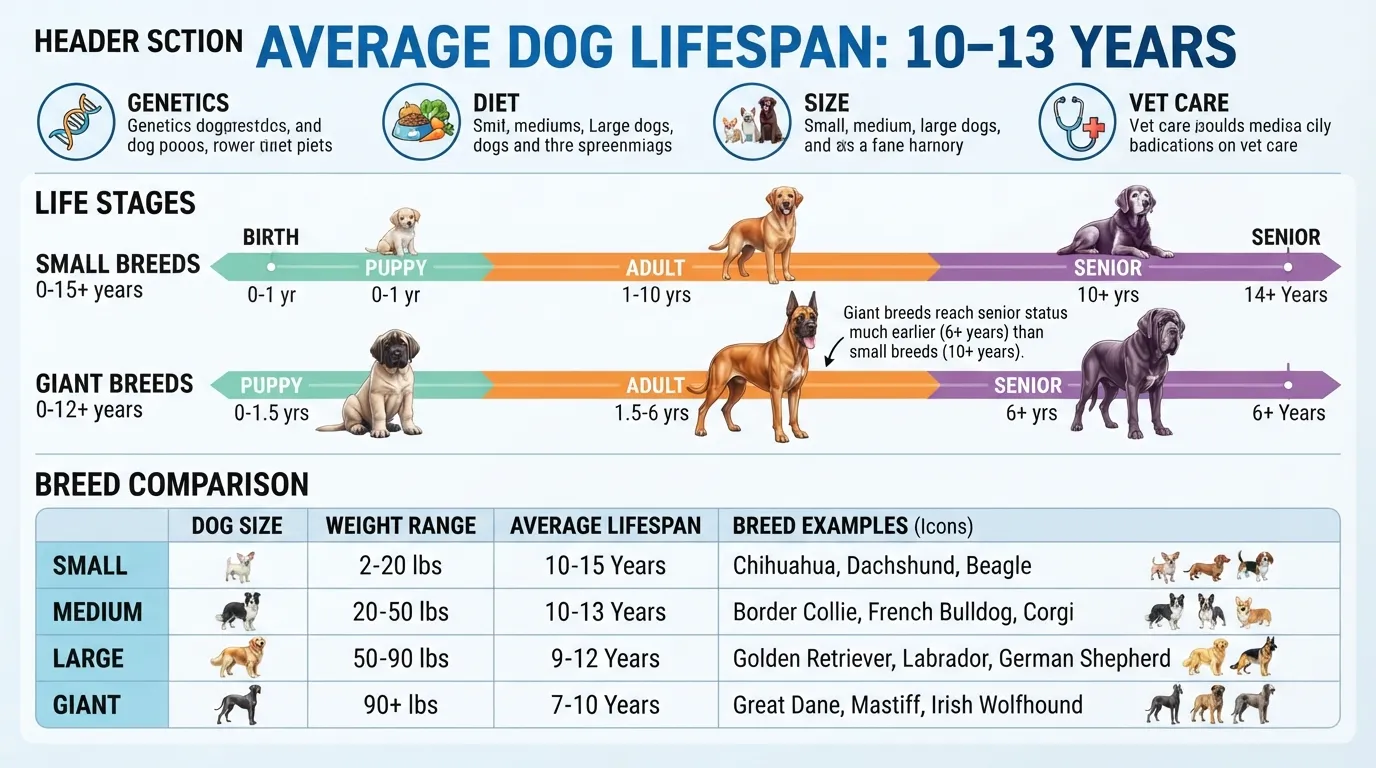
The average dog lives about 10 to 13 years, but there is no single lifespan for every dog. Breed, body size, genetics, sex, weight, nutrition, and veterinary care can all affect how long a dog lives. Small dogs often reach 12 to 16 years or more, while giant breeds may average only 7 to 10 years.
Female and male dogs can have slightly different lifespans, but breed, size, genetics, and overall health usually have a greater influence than sex alone. If you are wondering how old your dog is in human years, remember that dogs do not age at a simple 7-to-1 ratio. Their aging rate changes significantly during the first few years and varies by size and breed.
This guide explains the average lifespan of dogs, how life expectancy differs by breed and size, what factors can shorten or extend a dog’s life, and how to understand your dog’s age in human years.
Does Lifespan Differ for Male vs Female Dogs?
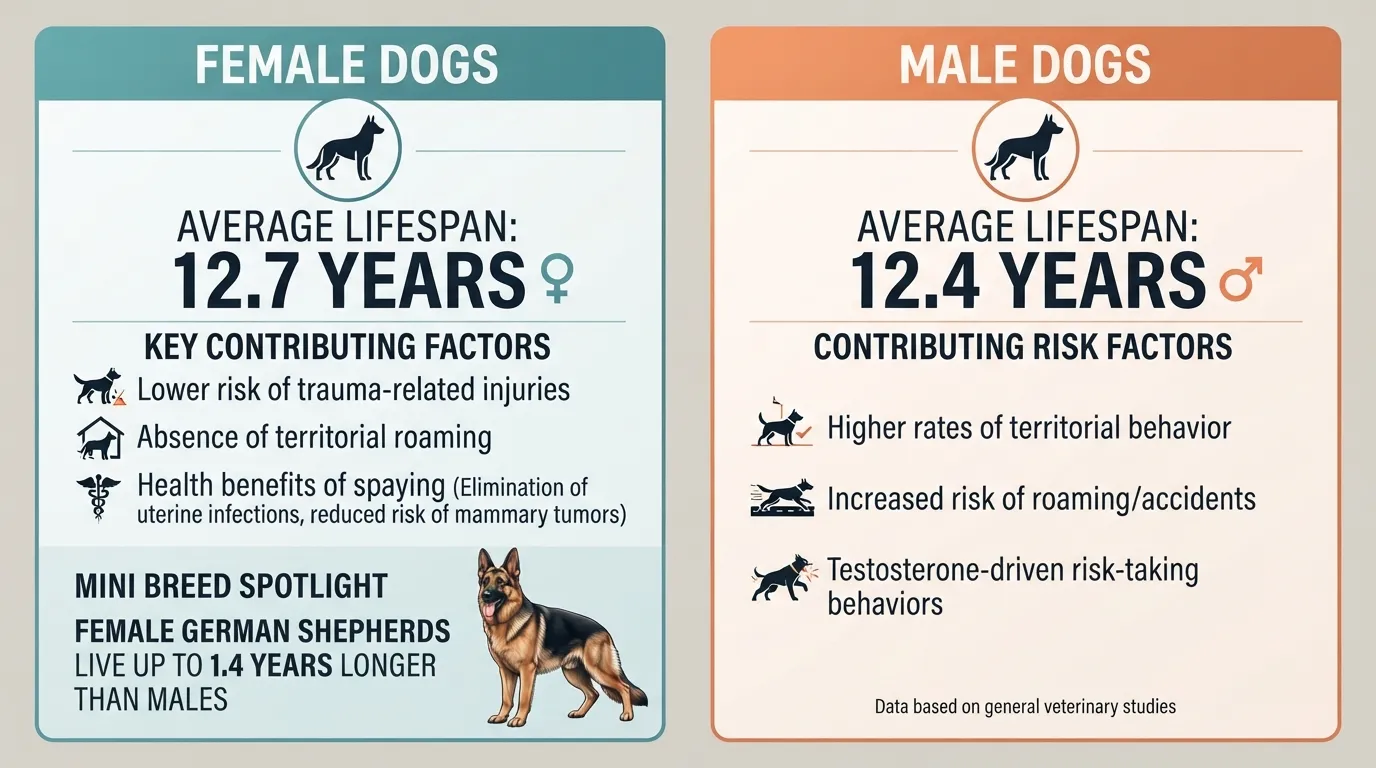
On average, female dogs tend to live slightly longer than male dogs. Large-scale veterinary studies show that the average age for a dog female is approximately 12.7 years, compared to 12.4 years for a male dog. In certain breeds, this gap is even wider—for example, female German Shepherds live an average of 1.4 years longer than their male counterparts.
This biological difference is largely driven by hormonal variations, behavioral tendencies, and reproductive health factors. Female dogs generally face a lower risk of trauma-related injuries driven by territorial roaming or dominance-based aggression. Additionally, spaying females eliminates the risk of uterine infections and significantly reduces the likelihood of mammary tumors, further enhancing female longevity over the average age for a dog male.
Do Mixed-Breed Dogs Live Longer Than Purebred Dogs?

Yes, mixed-breed dogs generally live longer than purebred dogs. On average, mixed breeds outlive purebred dogs by 1.2 to 2 years due to a biological phenomenon known as hybrid vigor, where greater genetic diversity significantly lowers the risk of inheriting recessive genetic disorders.
In contrast, purebred dogs are selectively bred for specific physical traits, making them far more prone to breed-specific conditions such as hip dysplasia, cardiac diseases, and certain cancers. While responsible breeding reduces these risks, mixed-breed dogs inherently benefit from a broader gene pool that supports overall health and longevity.
Average Dog Lifespan by Size Small vs Big Dogs
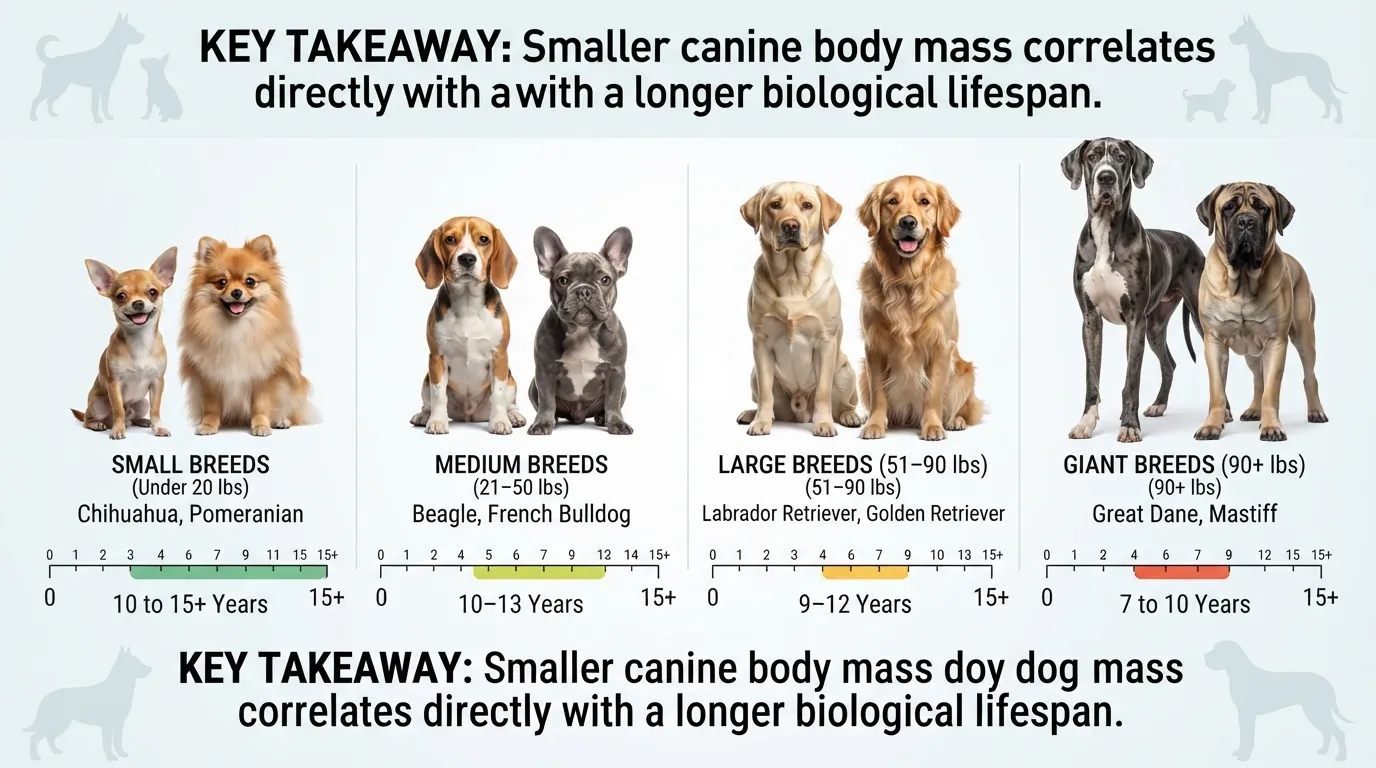
When comparing how big vs small dogs live, physical size is the single strongest predictor of a canine’s life expectancy. Small dogs routinely outlive larger breeds, often by several years, making size a critical factor when converting small dogs human years to actual biological aging.
Why Do Small Dogs Live Longer Than Big Dogs?
Large dogs age at an accelerated physiological pace compared to smaller breeds. Because giant breeds grow rapidly from puppyhood to adulthood, their bodies experience higher levels of metabolic stress, biological cell division, and physical strain on their cardiovascular and skeletal systems. Research shows that for every additional 4.4 pounds of adult body weight, a dog’s lifespan decreases by approximately one month.
Comparison Table
| Dog Size | Weight Range | Average Lifespan |
| Small | Under 20 lbs | 10–15 years |
| Medium | 21–50 lbs | 10–13 years |
| Large | 51–90 lbs | 9–12 years |
| Giant | 90+ lbs | 7–10 years |
Small Dog Breed Examples & Lifespan
Chihuahua: 14–16 years
Pomeranian: 12–16 years
Shih Tzu: 10–18 years
Large/Giant Dog Breed Examples & Lifespan
Golden Retriever: 10–12 years
Great Dane: 7–10 years
Bernese Mountain Dog: 7–10 years
Dog Life Stages — Puppy, Adult & Senior Age Chart
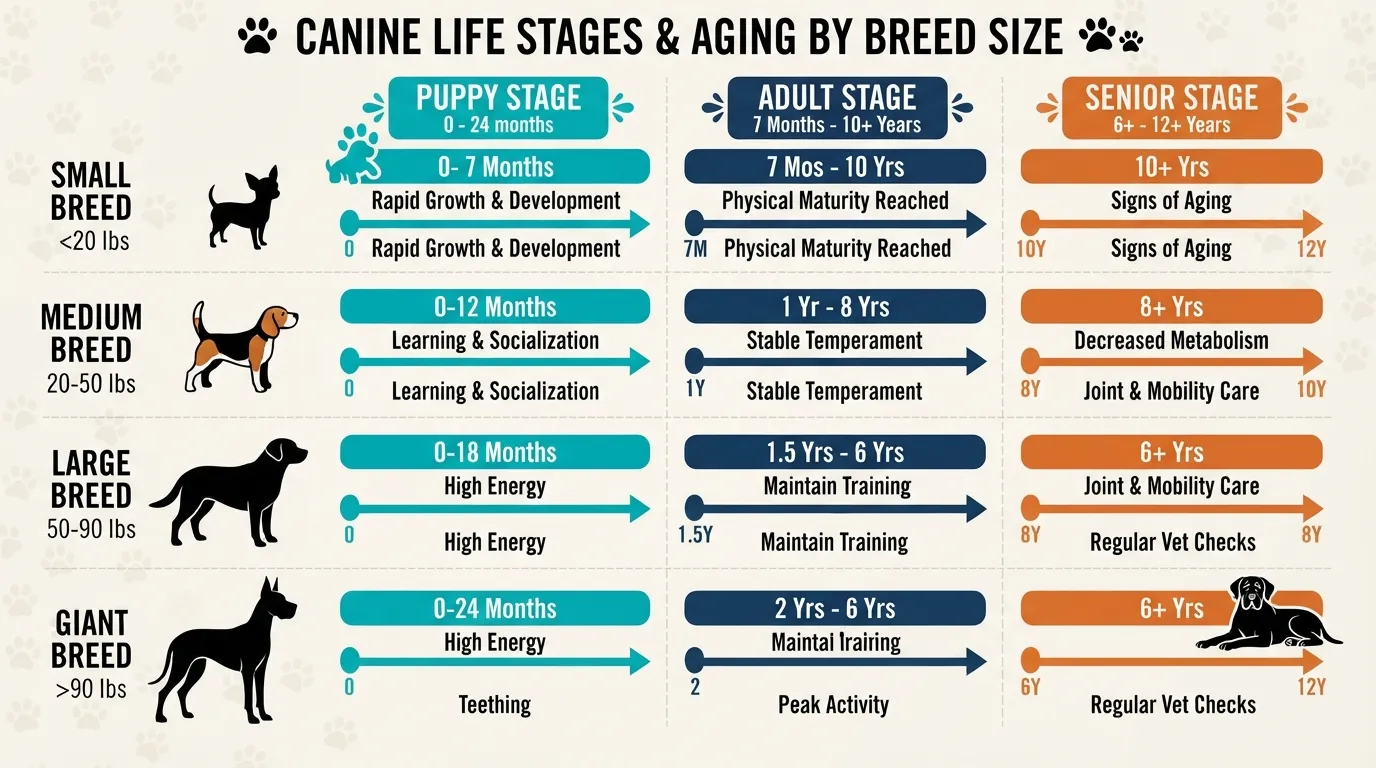
Understanding your dog’s current stage of life helps you tailor their nutrition, daily exercise routine, and medical care to match their biological needs.
At What Age Is a Dog Considered a Puppy?
Most dogs are considered puppies from birth until 6 to 24 months, depending on their breed size—see the table below for the exact breakdown. Larger breeds take significantly longer to reach full physical and mental maturity than smaller dogs.
At What Age Is a Dog an Adult?
A dog reaches full adult age once their growth plates fully close and their personality, physical frame, and physical growth have stabilized. Smaller breeds achieve adulthood much earlier in life than giant breeds.
At What Age Is a Dog Considered a Senior?
As a rule of thumb, a dog reaches senior age status once they enter the last third of their expected lifespan. Because giant breeds have shorter overall lifespans, they transition to senior care at a chronologically younger age than small dogs.
Quick Reference — Life Stage Table
| Size | Puppy | Adult | Senior |
|---|---|---|---|
| Small | 0–7 mo | 7 mo – 10 yrs | 10+ yrs |
| Medium | 0–12 mo | 1–8 yrs | 8+ yrs |
| Large | 0–18 mo | 1.5–6 yrs | 6+ yrs |
| Giant | 0–24 mo | 2–6 yrs | 6+ yrs |
Dog Years to Human Years — How to Calculate
The popular belief that one dog year equals seven human years is an outdated myth that oversimplifies how dogs age. Canines mature much faster during the first two years of life, after which their biological aging process slows down significantly.
Modern veterinary science uses a more accurate, tiered formula to convert dog age to human years:
First Year: A puppy’s first year of life equals roughly 15 human years as they undergo rapid physical and behavioral development.
Second Year: The second year adds approximately 9 human years, bringing a 2-year-old dog to roughly 24 human years.
Subsequent Years: Each year after year two adds about 4 to 5 human years, depending heavily on the dog’s adult size and weight class.
Use our free Dog Age Calculator above to get your dog’s exact human age instantly based on their specific size and breed traits.
How Do I Know If My Dog Has Reached Senior Age? Signs of Aging
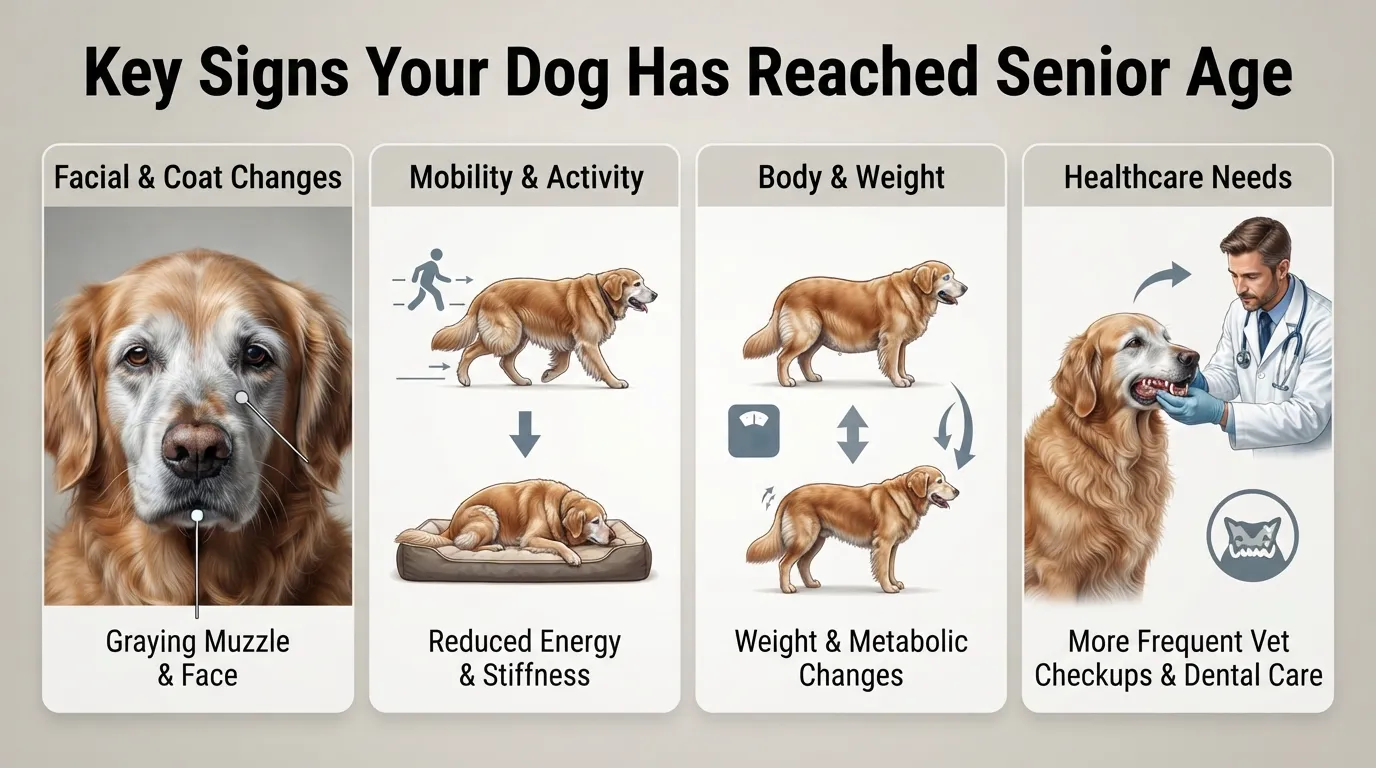
Recognizing when your dog enters their senior years involves watching for physical and behavioral changes rather than relying on age alone. Key signs that your dog is reaching senior status include:
Graying Fur: Silver or white hair typically appears first around the muzzle, face, and eyes.
Slower Movement: Reduced energy levels, stiffness, or a decreased interest in active play often signal aging joints.
Weight and Appetite Changes: Metabolic shifts can lead to unexpected weight gain or loss, alongside subtle changes in daily eating habits.
Increased Healthcare Needs: Senior dogs require more frequent veterinary checkups to monitor dental health, organ function, and joint mobility.
How Common Is It for Dogs to Live Past 15–17 Years?
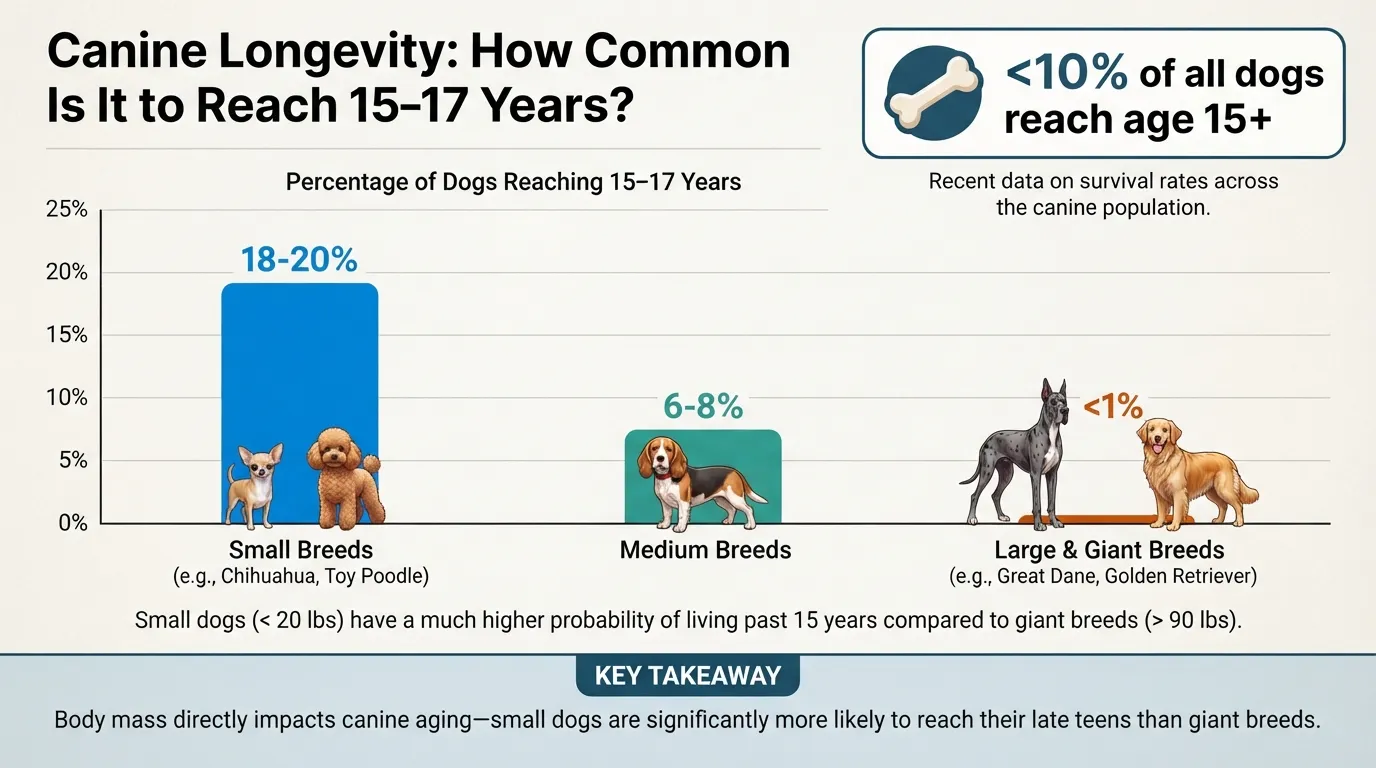
Reaching 15 to 17 years is relatively rare across the general canine population, with large-scale veterinary epidemiological studies indicating that fewer than 10% of all dogs reach or exceed 15 years of age.
This longevity milestone is heavily skewed by body size, as small breeds like Chihuahuas, Toy Poodles, and Miniature Dachshunds comprise the vast majority of dogs living into their late teens. For large and giant breeds, reaching 15 years is exceedingly rare due to their accelerated rate of physiological aging.
What Was the Oldest Dog Ever Recorded?
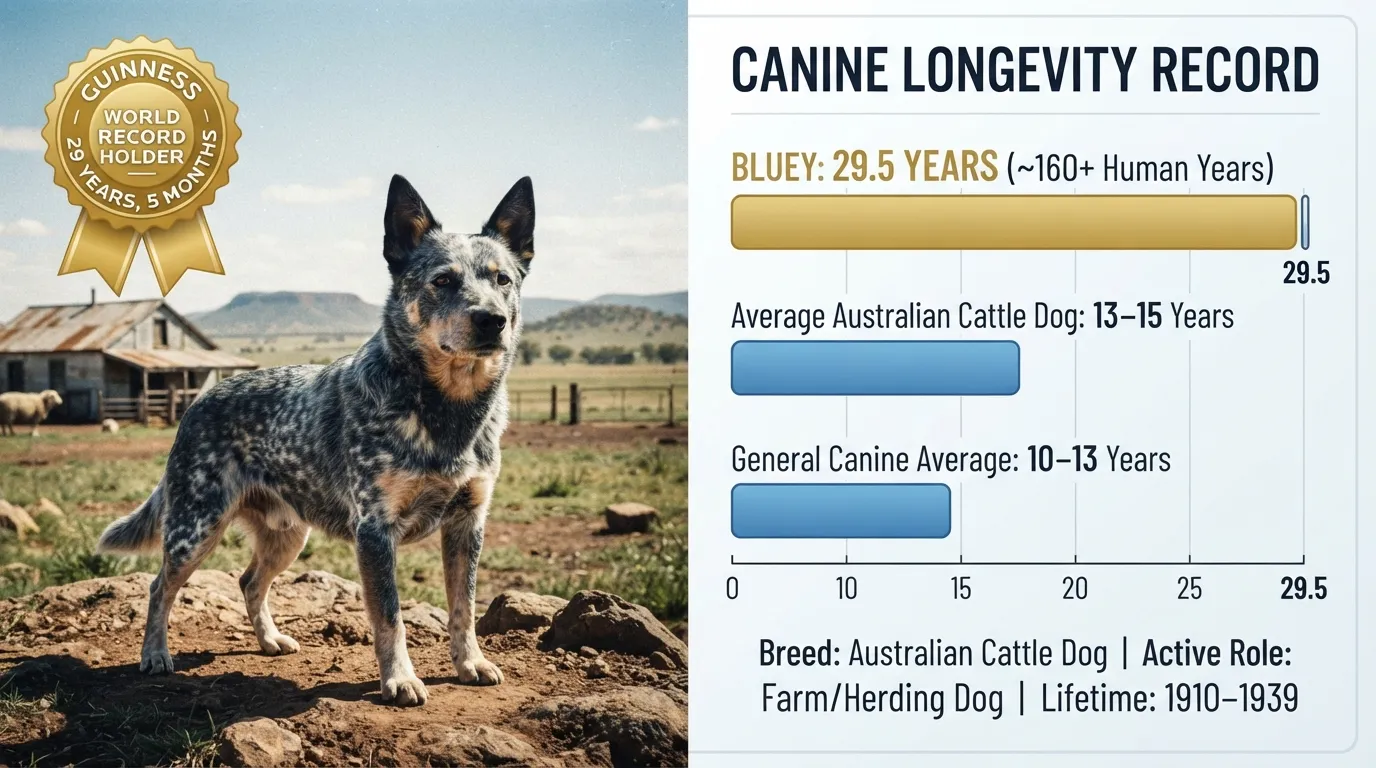
The official Guinness World Record for the oldest verified dog belongs to Bluey, an Australian Cattle Dog who lived to be 29 years and 5 months old (1910–1939). Working as a herd dog in Victoria, Australia for nearly two decades, Bluey lived almost triple the average lifespan expected for her breed.
While Bluey’s extraordinary life proves that exceptional canine longevity is biologically possible, veterinary experts emphasize that reaching nearly 30 years is an extreme outlier driven by rare genetics, an active working lifestyle, and fortunate health conditions.
Frequently Asked Questions
Fewer than 10% of all dogs live to reach 17 years of age. This rare longevity is almost exclusively seen in small and toy breeds with lower body mass and slower aging rates.
The typical canine life expectancy spans between 10 and 13 years across all breeds. However, smaller breeds routinely live closer to 14–16 years, whereas giant breeds often average 7 to 10 years.
Most dogs pass away between 10 and 12 years old due to natural aging and age-related health conditions. Breed size strongly dictates this timeframe, with larger dogs aging faster than smaller pets.
Yes, certain small breeds—such as Chihuahuas, Toy Poodles, and Dachshunds—can occasionally reach 20 years with strong genetics and proper veterinary care. Reaching two decades is extremely rare for medium or large breeds.
While scientifically possible in exceptionally rare cases, living to 30 years is an extreme biological anomaly. The official world record holder, an Australian Cattle Dog named Bluey, reached 29 years and 5 months.
🐾 Other Age Guides

Gulfam Haider Mehdi
Founder & Developer
I built Dogagescalculator.com to give dog owners honest, science-backed answers instead of the outdated "×7" myth. Every figure here is checked against AKC, AVMA, and published veterinary research.
More about the author & this site →📌 Featured Guides
Dog Breed Lifespan Chart
→
How to Tell the Age of a Dog
→
cavapoo cuts
→
mutt dog breed
→
greater swiss mountain dog and bernese mountain dog mix
→
springer spaniel and labrador mix
→
Blog
→
how long do shih tzu live in human years
→
how long does it take a chihuahua to give birth
→
How much food should I feed my Chihuahua
→
Comments