
28 in Dog Years — What It Really Means & How Old Your Dog Actually Is
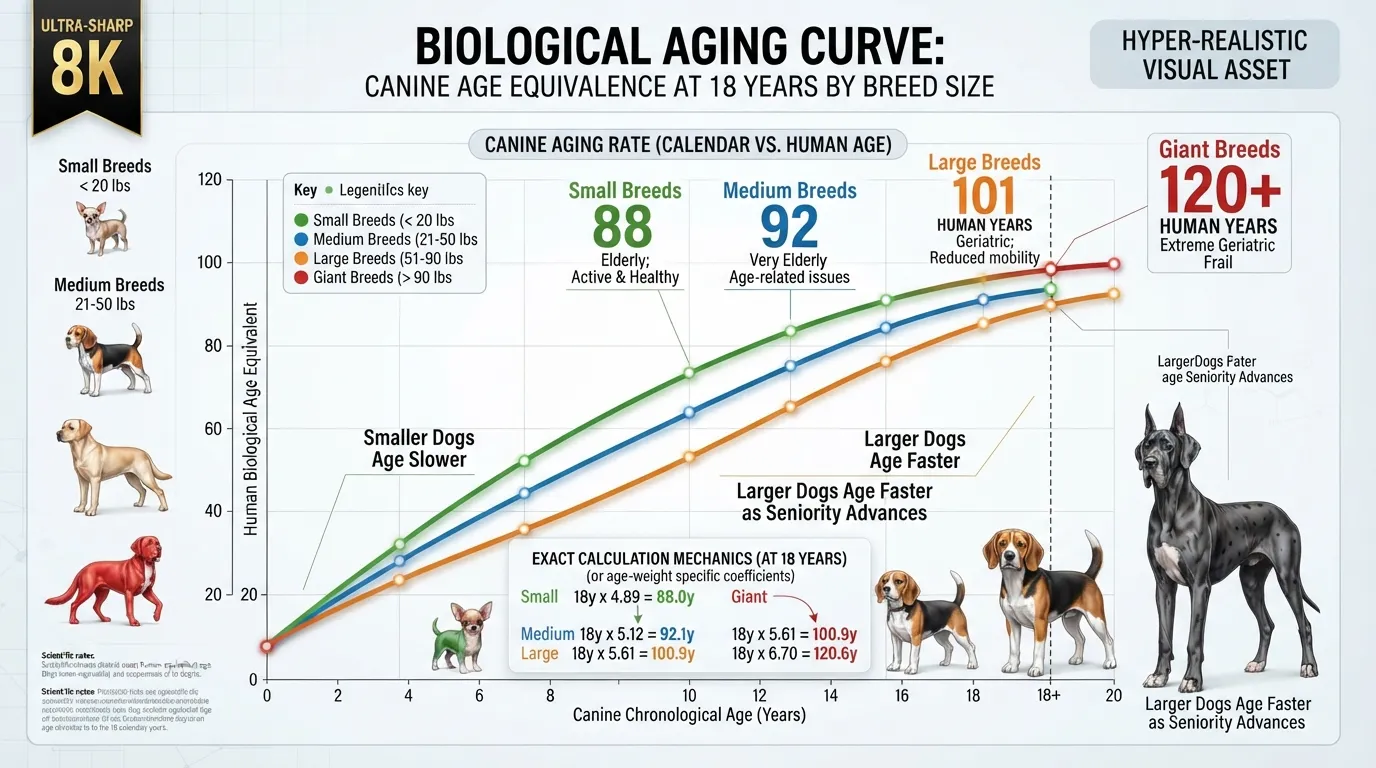
28 in dog years equals roughly 3 actual calendar years, though exact human-age equivalents vary slightly by breed size.
The old “1 dog year = 7 human years” rule is outdated, as dogs mature rapidly during their first two years before aging slows down.
Real conversion depends heavily on dog size, with small breeds aging more slowly after maturity than large or giant breeds.
At 28 human-equivalent years, your dog is a young adult—typically at the peak of their physical health, energy, and mental focus.
What Does "28 in Dog Years" Mean?
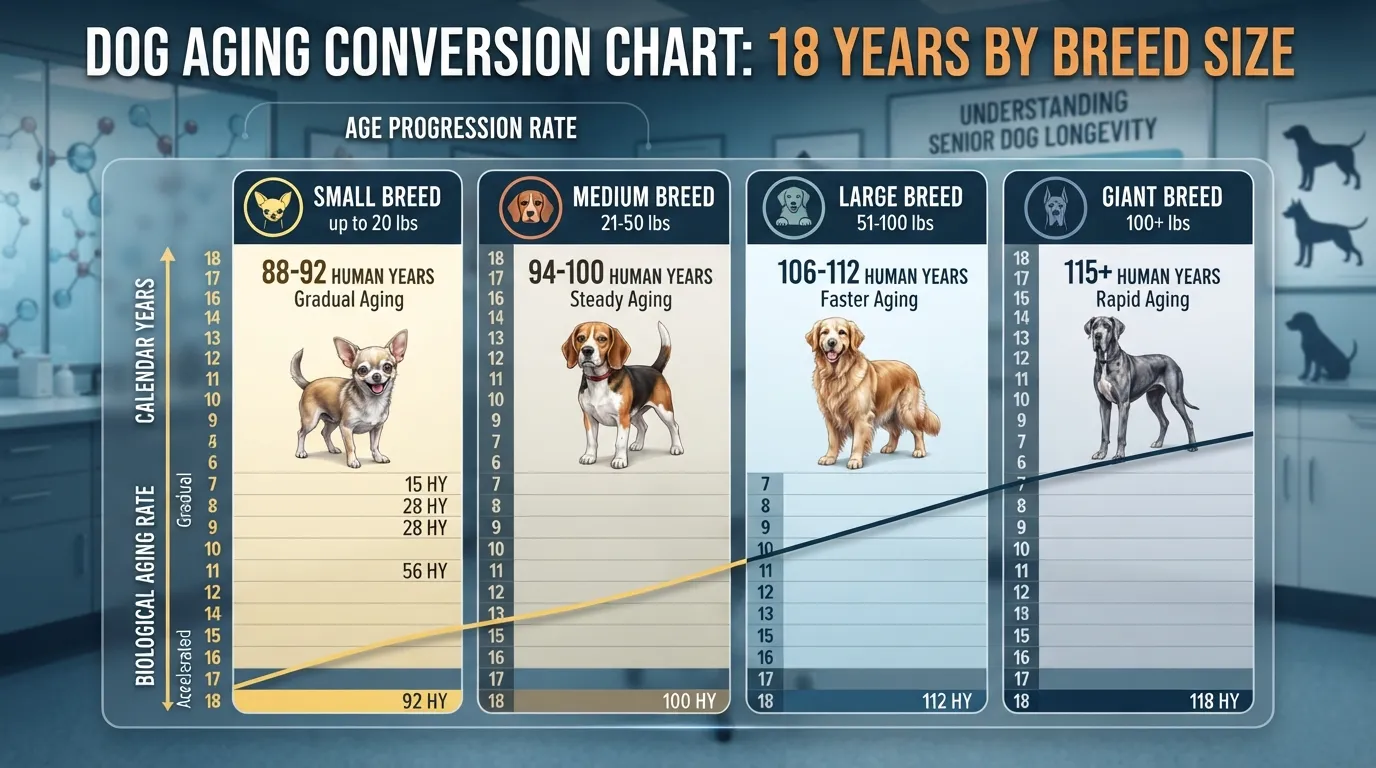
If your dog is 28 in dog years, it means they have reached the equivalent physiological maturity of a 28-year-old human—which translates to roughly 3 calendar years of age.
Simple Definition of Dog Years
Understanding “Dog Years”: The term “dog years” is a standard conversion system used by veterinarians and pet owners to estimate a dog’s physical and biological maturity relative to human life stages.
Why People Search This Exact Number: Most owners search for “28 in dog years” after a clinic visit, online age calculator, or pet product chart identifies their dog’s age in human terms. Owners look for this specific milestone to confirm if their dog is fully grown, gauge expected behavior, and adjust daily nutrition or exercise routines accordingly.
Where Does the Number 28 Come From?
Veterinary Aging Guidelines: Modern veterinary standards—such as the canine life stage guidelines established by the American Animal Hospital Association (AAHA)—replace the flawed “multiply by 7” rule with a non-linear aging curve that accounts for rapid initial development.
The Standard Math: Under these official guidelines, a dog’s growth accelerates during early life before leveling off:
First Year: A puppy ages rapidly, reaching the human equivalent of 15 years in their first 12 months.
Second Year: Growth slows slightly, adding roughly 9 years, bringing a 2-year-old dog to 24 human years.
Third Year and Beyond: Aging settles into a steady rate of roughly 4 to 5 human years for every calendar year, putting a typical 3-year-old dog right at the 28-year milestone
How Old Is a Dog That's 28 in Dog Years?
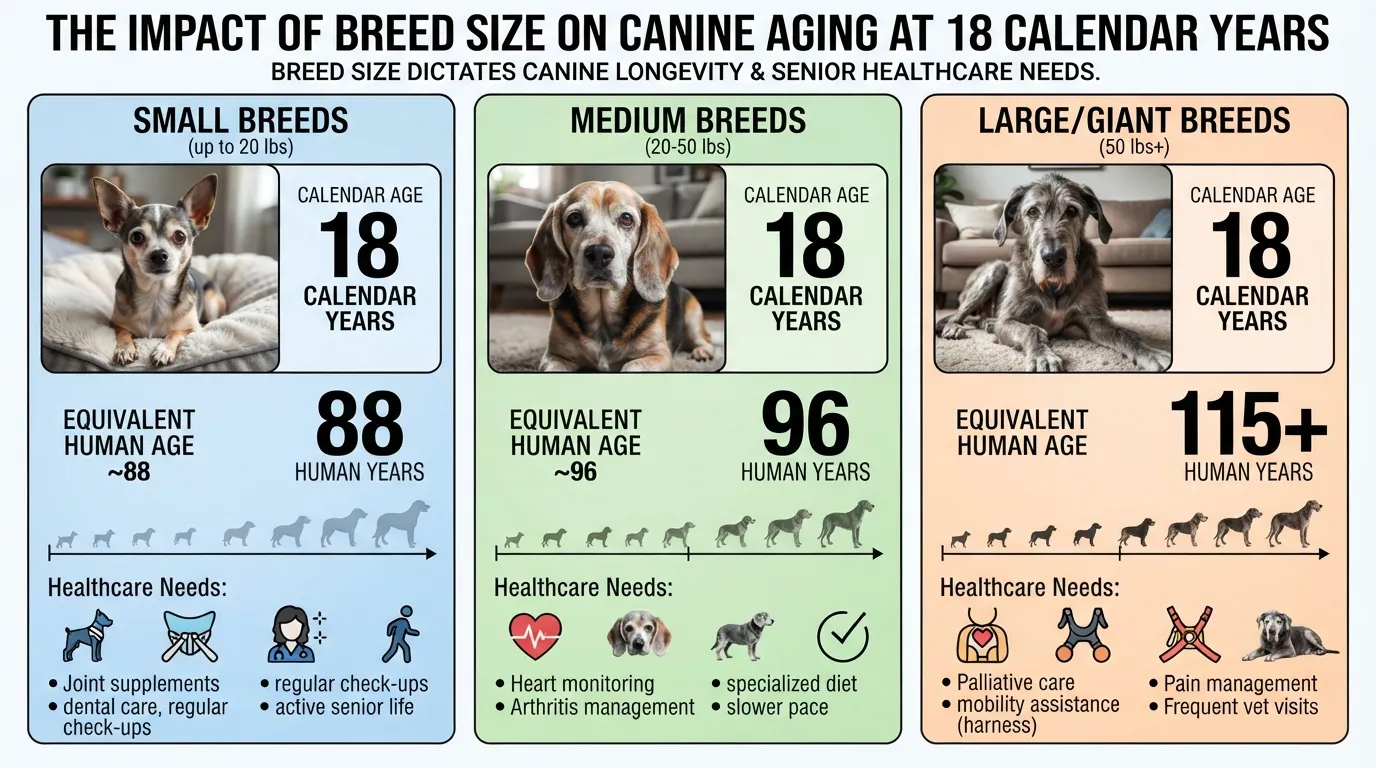
A dog that is 28 in dog years is almost always 3 actual calendar years old. While all breeds reach roughly the same developmental milestone at age 3, subtle variations begin to emerge based on your dog’s adult weight and frame size.
Real Age Based on Size
During the first 2 to 3 years of life, dogs of virtually all sizes age at a very similar pace. The divergence in aging rates between a toy breed and a giant breed starts to become noticeable right around this 28-human-year mark.
| Actual Age | Cats | Small Dogs (<20 lbs) | Medium Dogs (21-50 lbs) | Large Dogs (>50 lbs) |
|---|---|---|---|---|
| 1 Year | 15 human years | 15 human years | 15 human years | 12-15 human years |
| 2 Years | 24 human years | 24 human years | 24 human years | 22-24 human years |
| 3 Years | 28 human years | 28 human years | 28 human years | 28-31 human years |
| 4 Years | 32 human years | 33 human years | 34 human years | 36 human years |
| 5 Years | 36 human years | 37 human years | 40 human years | 43 human years |
Is the "28" Number Always Accurate? Myth-Busting
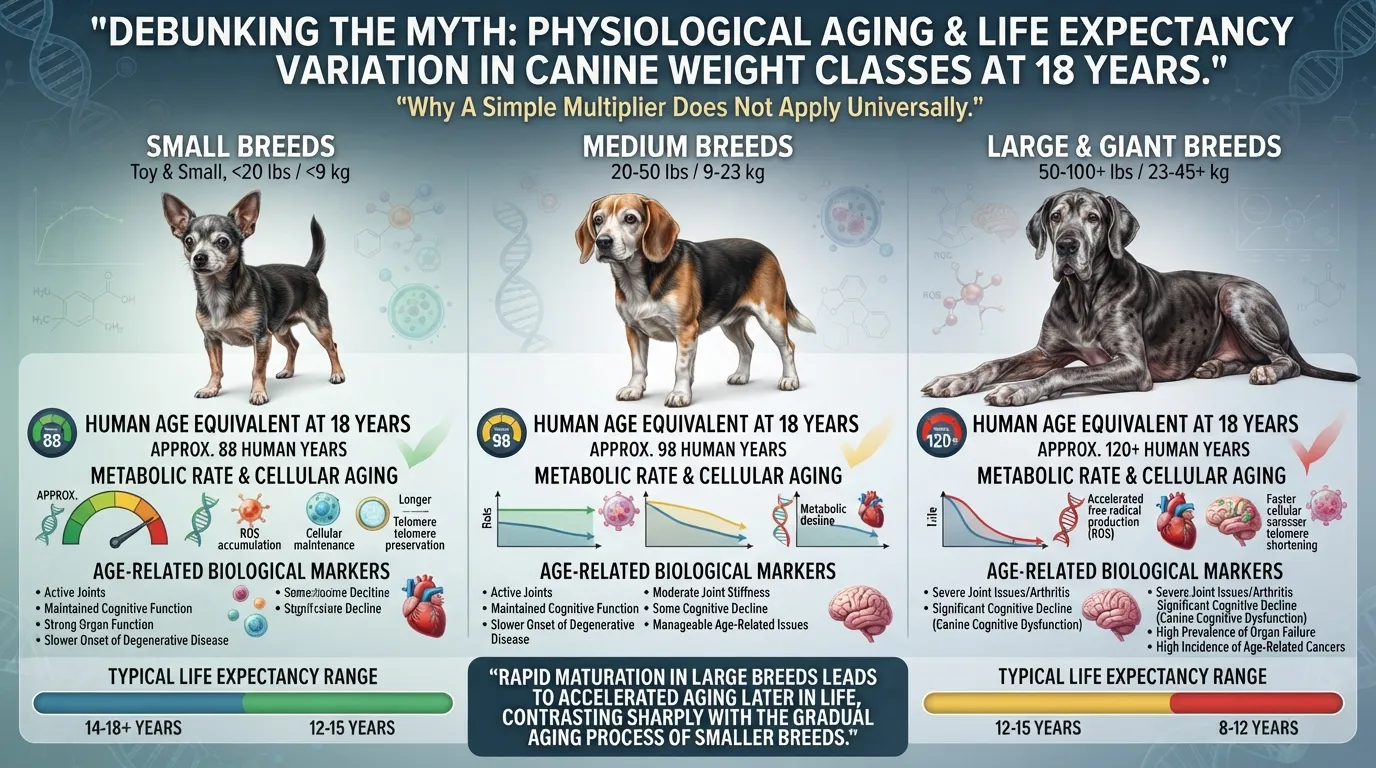
The number 28 is a reliable baseline for a 3-year-old dog, but it is an estimate rather than a fixed biological rule. How accurately “28 in dog years” reflects your pet’s actual health depends on genetics, body size, nutrition, and lifestyle.
Why the Old 7x Rule Is Wrong
The classic “multiply by 7” rule suggests a 3-year-old dog should be 21 in human years, which completely ignores how canine development actually works.
If dogs aged at a flat 7-to-1 ratio, a one-year-old pup would have the biological maturity of a 7-year-old child. In reality, a one-year-old dog is sexually mature and fully capable of reproducing—far closer to a human teenager (around age 15). Dogs age rapidly during their first two years to reach adulthood quickly, after which their biological aging curve flattens out significantly.
Other Common Dog-Years Myths
Myth: All dog breeds age at the exact same rate throughout their lives.
Fact: Small dogs and giant dogs develop at similar speeds for their first two years, but giant breeds begin aging much faster around age 3 or 4, while toy breeds age far more gradually.
Myth: DNA epigenetic clocks are the only true way to measure age.
Fact: Studies like the 2019 UC San Diego epigenetic research mapped canine DNA methylation to human age (using the formula $16 \ln(\text{dog age}) + 31$), but these formulas vary dramatically by breed and primarily track cellular aging rather than overall physical health.
Myth: A dog turning 28 in dog years is entering middle age.
Fact: At 28 human years equivalent, a dog is at the start of young adulthood—not middle age or seniority.
Myth: You can’t slow down a dog’s biological aging process.
Fact: While you cannot change their calendar birthdate, maintaining an ideal body condition score and providing daily mental exercise can significantly delay age-related physical decline.
What Life Stage Is a Dog at 28 Dog Years?
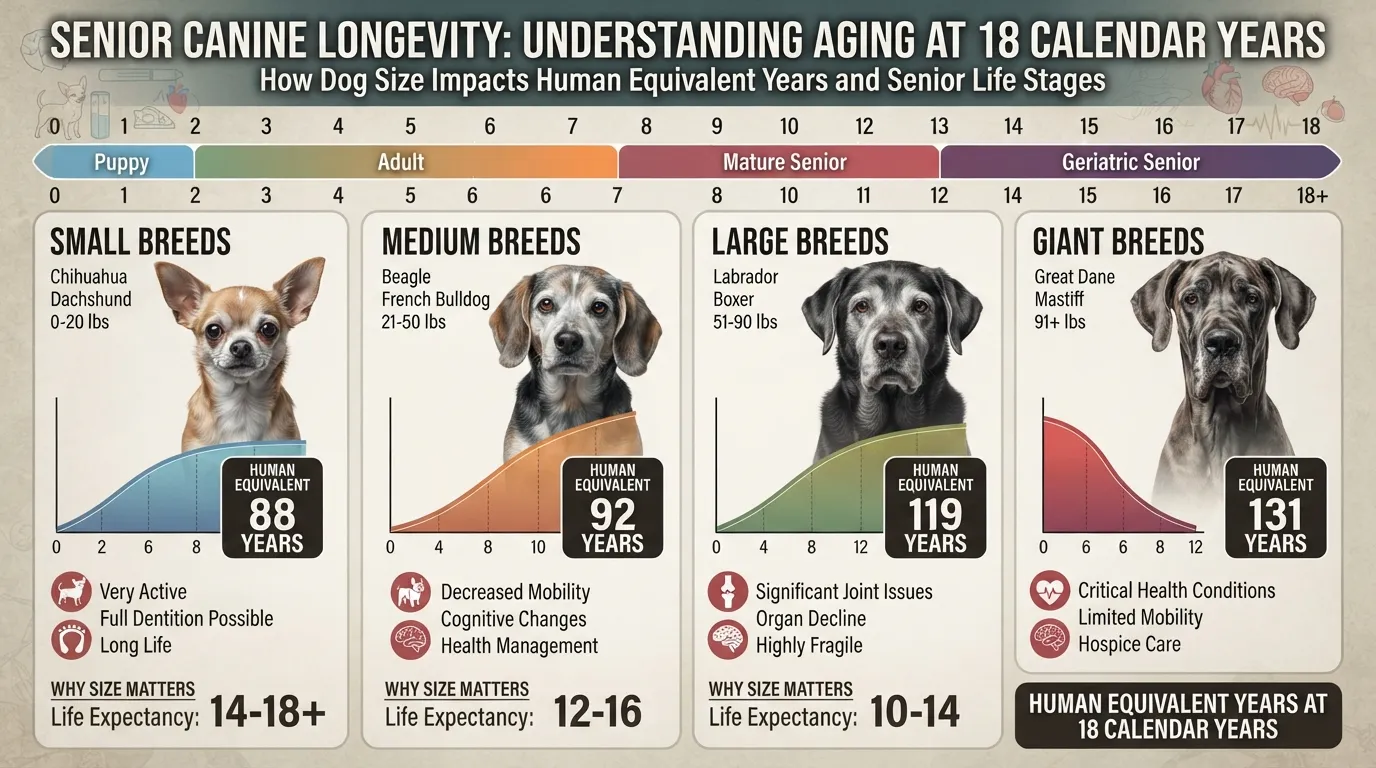
At 28 in dog years, your dog is officially firmly established in the young adult life stage. They have completely transitioned out of puppyhood and adolescence, reaching both full physical growth and mental maturity.
Puppy vs Adult vs Senior Chart
Understanding where your dog sits on the canine growth timeline helps you tailor their care, diet, and training needs as they mature.
| Life Stage | Actual Age (Calendar) | Human Age Equivalent | Physical & Behavioral Characteristics |
|---|---|---|---|
| Puppy / Junior | 0 – 1.5 Years | 0 – 20 Human Years | Rapid growth, teething, high impulsivity, developing immune system and muscle frame. |
| Young Adult (28 Dog Years) | 2 – 4 Years | 24 – 33 Human Years | Peak physical condition, full skeletal growth, stable temperivity, prime energy levels. |
| Mature Adult | 5 – 6 Years | 36 – 45 Human Years | Settled demeanor, steady metabolism, optimal training responsiveness, early joint maintenance window. |
| Senior | 7+ Years (5+ for Giant Breeds) | 50+ Human Years | Slower metabolism, graying muzzle, potential mobility changes, requires senior wellness screenings. |
Is 28 in Dog Years Old for a Dog?
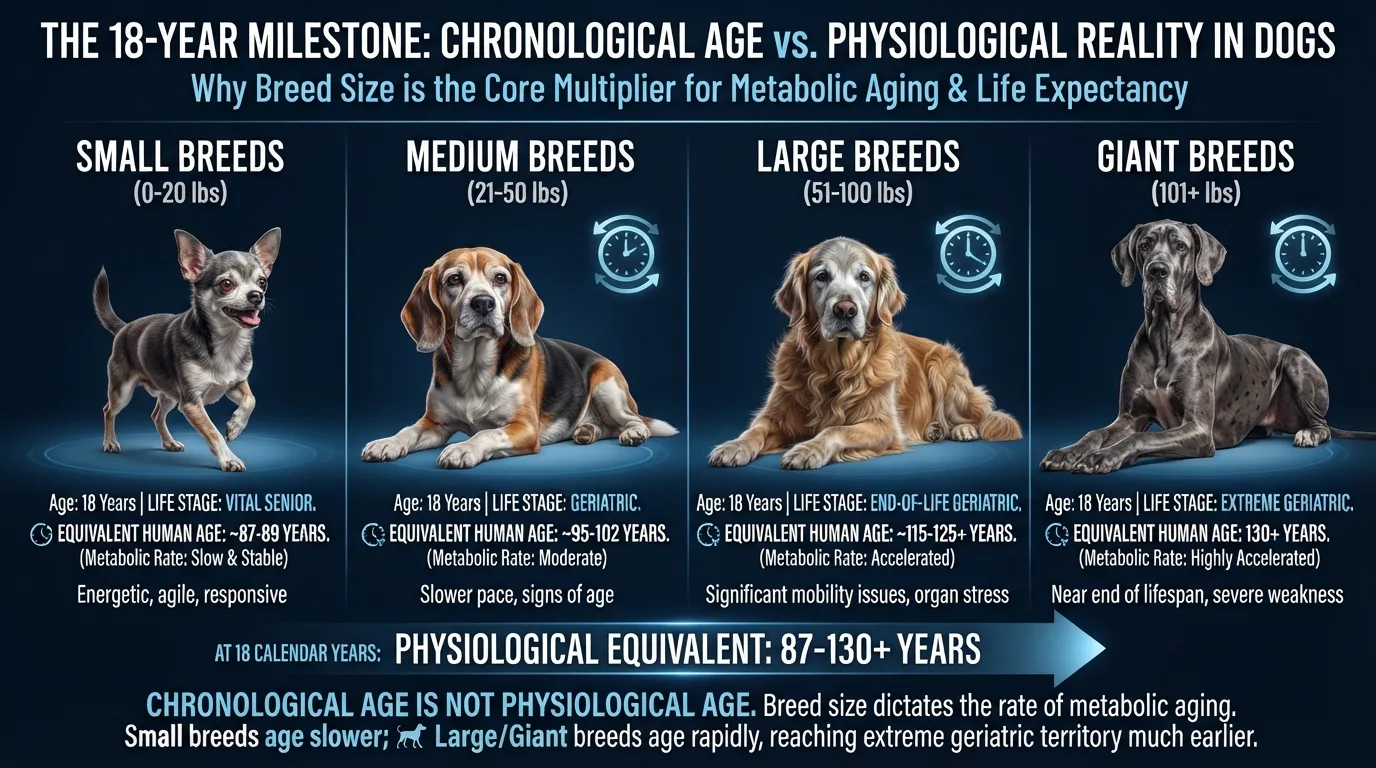
No, 28 in dog years is not old at all. It represents a dog in early prime adulthood—the canine equivalent of a human in their late twenties.
At this stage, your dog has completed all physical growing and mental development, but they are nowhere near senior status. They have years of high vitality ahead of them before entering middle age around 5 or 6 calendar years (roughly 40+ dog years).
How Old Is a 28-Year-Old Dog?
When owners ask about a “28-year-old dog,” they are almost always referring to a dog that is 28 in human-equivalent years (which equals 3 actual calendar years).
If taken literally as 28 actual calendar years, that would make the dog one of the oldest canines in recorded history. According to Guinness World Records, the official verified record for the world’s oldest dog belongs to an Australian Cattle Dog named Bluey, who lived to 29 years and 5 months. For a modern pet, reaching 28 calendar years is an extraordinarily rare biological exception, whereas reaching 28 dog years simply means your pup just blew out three birthday candles.
Is 14 Very Old for a Dog?
Yes, 14 calendar years is considered very old for almost any dog breed. At 14 actual years, a dog is well into their senior or geriatric stage, translating to roughly 72 to 100+ in human years depending on their size:
Small Breeds (Chihuahuas, Toy Poodles): A 14-year-old small dog equates to roughly 72 to 76 human years. Many small dogs live comfortably into their mid-to-late teens with proper preventive care.
Medium Breeds (Beagles, Cocker Spaniels): A 14-year-old medium dog sits at roughly 78 to 83 human years, making them a distinguished, gentle senior requiring extra joint and dental support.
How Do You Calculate Your Dog's Age in Dog Years?
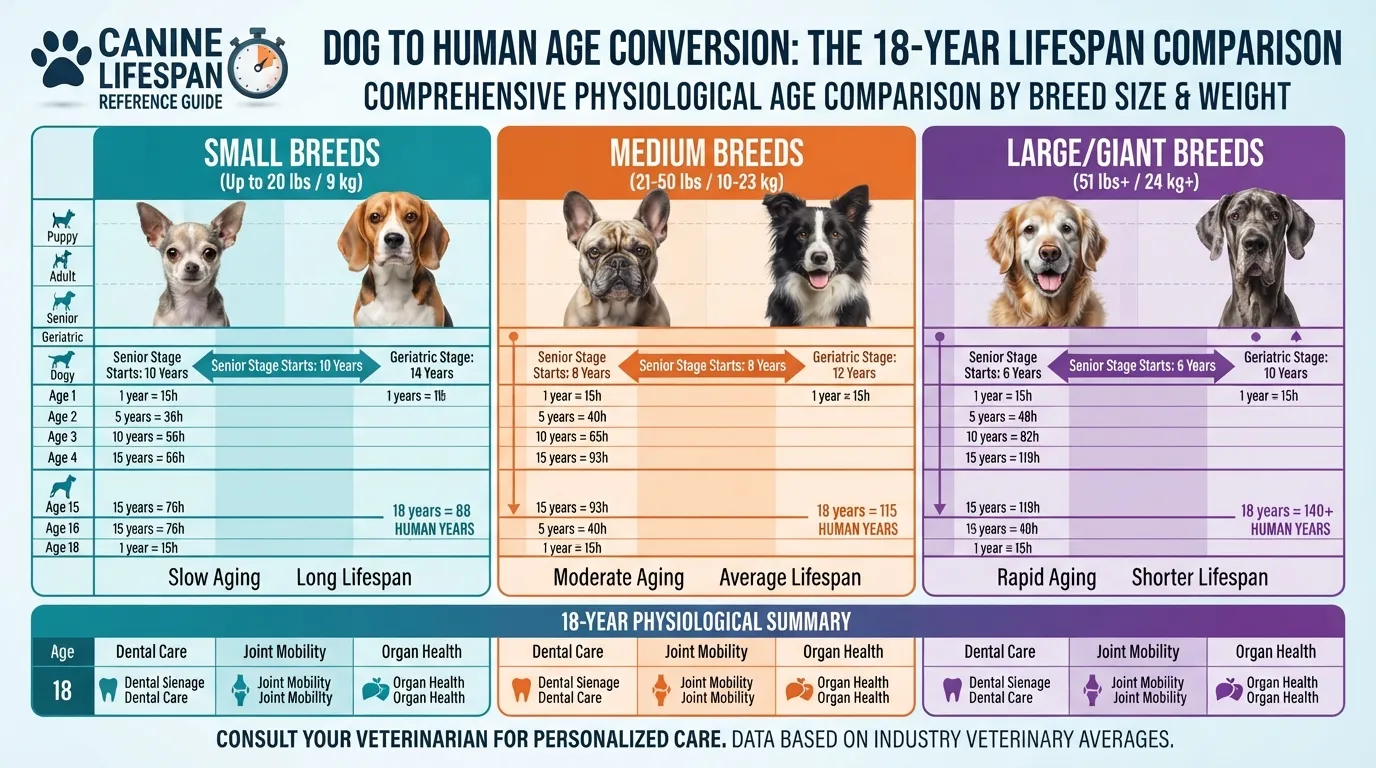
Calculating your dog’s age accurately requires following a size-based staged formula rather than multiplying by a single flat number.
To determine their biological equivalent, you must account for rapid early development during infancy and adolescence, followed by a steady aging rate tailored to their weigh
The Vet-Approved Formula (AAHA Method)
Veterinary organizations like the American Animal Hospital Association (AAHA) calculate canine aging through three straightforward chronological phases:
1.Year 1: Rapid Development:First 12 months of life.
Assign 15 human years for your dog’s first calendar year. During this stage, puppies experience massive bone growth, organ maturation, and social development equivalent to human childhood and early adolescence.
2.Year 2: Maturation:12 to 24 months of age.
Add 9 human years for your dog’s second calendar year (reaching 24 human years total). By age 2, dogs have achieved full physical height and adult teeth, bringing them to young adulthood regardless of breed size.
3.Year 3+: Size-Based Aging:24 months onward.
For every calendar year after year 2, add annual human-year increments based on your dog’s adult weight class:
Small breeds (<20 lbs): Add +4 years per calendar year (e.g., Age 3 = 28 human years).
Medium breeds (21–50 lbs): Add +4 to +5 years per calendar year (e.g., Age 3 = 28 human years).
Large breeds (51–100 lbs): Add +5 to +6 years per calendar year (e.g., Age 3 = 28 to 29 human years).
Giant breeds (100+ lbs): Add +6 to +7 years per calendar year (e.g., Age 3 = 28 to 31 human years).
Can a Dog Live to 28 or Beyond in Human Years?
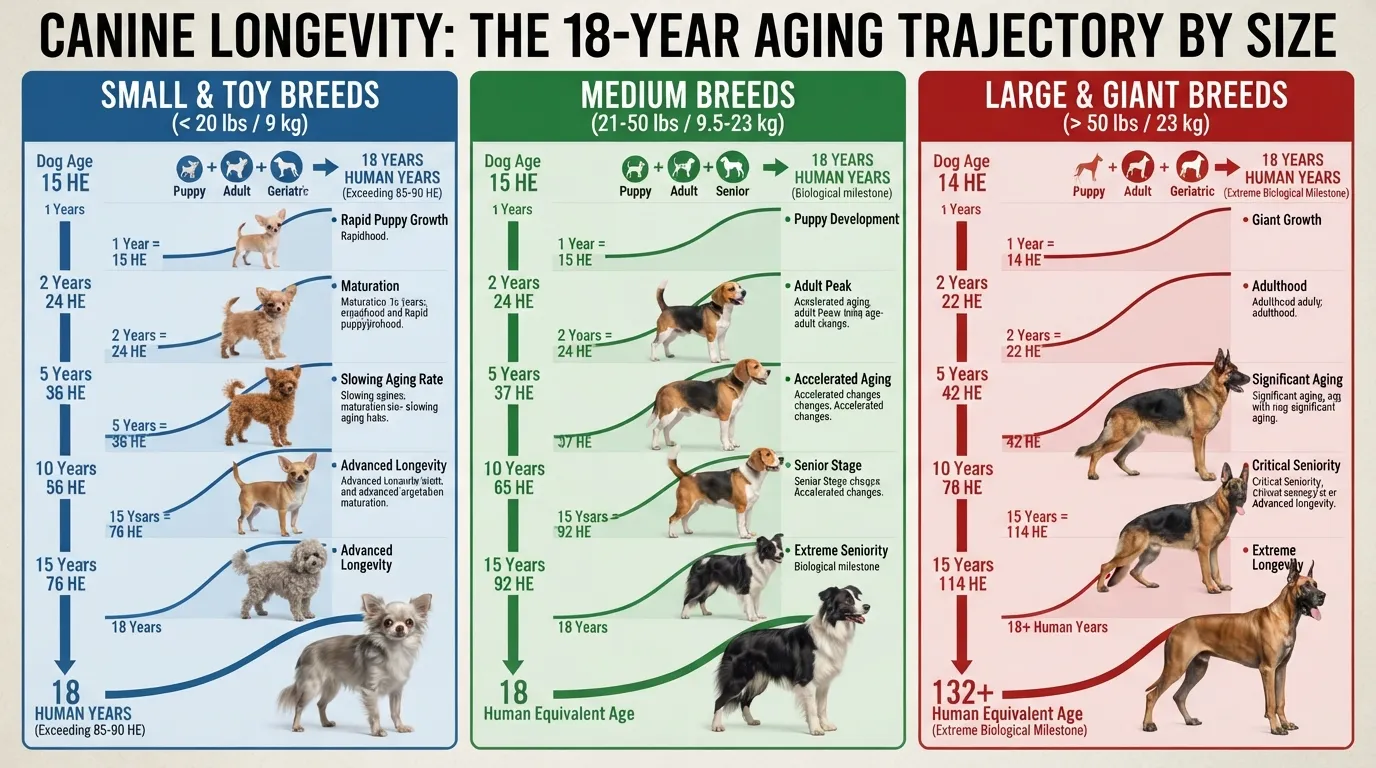
Yes, a dog can easily live to 28 in human-equivalent years, as this represents an actual calendar age of roughly 3 years old.
However, if you are asking whether a dog can live to 28 actual calendar years, the answer is still yes—but it is extraordinarily rare. Reaching 28 biological years is the canine equivalent of a human living well past 130.
Can a Dog Live 28 Years?
Living to 28 actual calendar years is biologically possible, but it occurs in less than one out of every several million dogs.
For a dog to survive nearly three decades, several factors must align:
Genetic predispositions: Extreme longevity occurs almost exclusively in small-to-medium working or terrier breeds.
Body condition: Preventing obesity keeps strain off joints, the heart, and internal organs over decades.
Routine care: Early dental maintenance and regular wellness screenings catch kidney or cardiovascular changes before they become life-threatening.
How Old Is 29 Years in Dog Years?
When people ask about “29 years in dog years,” the answer depends on which way you are converting:
If your dog is 3 calendar years old: They are roughly 28 to 29 in human-equivalent dog years (depending on whether they are a small, medium, or large breed).
If a dog reaches 29 actual calendar years: Using veterinary scaling formulas, a 29-year-old dog has reached an astonishing 130 to 140+ human years.
Can My Dog Live to 20?
While 28 calendar years is a statistical anomaly, reaching 20 calendar years (around 96–100 human-equivalent years) is entirely achievable, especially for smaller breeds.
Chihuahuas, Toy Poodles, Dachshunds, and Australian Cattle Dogs regularly break into their late teens. With modern advances in canine nutrition, preventive veterinary diagnostics, and targeted joint supplements, more small dogs are reaching their 18th to 20th birthdays than ever before.
Oldest Dogs Ever Recorded
To put extreme canine longevity into perspective, only a handful of dogs in history have ever officially crossed the 25-to-30 calendar year mark:
For over 80 years, Bluey held the official Guinness World Record for the oldest verified dog. She lived and worked alongside sheep and cattle in Victoria, Australia, for nearly three decades.
Living in North Carolina, USA, Butch reached exactly 28 verified calendar years. He remains one of the very few medium-sized dogs ever documented to reach his 28th birthday.
Max lived in Louisiana, USA, reaching nearly 30 calendar years. His owner attributed his extreme lifespan to a simple diet, regular outdoor relaxation, and never overfeeding.
Frequently Asked Questions
How old is a 28 year old dog?
A dog that is 28 in dog years is equal to 3 actual calendar years old. If referring to 28 calendar years, that equals roughly 128 to 140+ human years, an age reached by only a tiny handful of dogs in recorded history.
Can a dog live 28 years?
Yes, but it is extremely rare. Reaching 28 actual calendar years happens in fewer than one in a million dogs and requires exceptional genetics, optimal body condition, and ideal health care.
How old is 29 years in dog years?
If a dog is 29 in human-equivalent dog years, they are roughly 3 calendar years old (just past the 28-year mark). If a dog reaches 29 actual calendar years, they have reached approximately 130 to 140+ human years.
Is 14 very old for a dog?
Yes, 14 calendar years is considered senior or geriatric across all dog breeds. For a small dog, 14 actual years equals about 72 to 76 human years, whereas for a large or giant breed, it represents 88 to 120+ human years.
Can my dog live to 20?
Yes, living to 20 calendar years (roughly 96 to 100 human years) is achievable, especially for small and toy breeds like Chihuahuas, Toy Poodles, and Dachshunds. Consistent dental care, lean body weight management, and proactive wellness exams help maximize your dog’s lifespan.
How do you say “I love you” in dog speak?
You can communicate affection in ways dogs naturally understand by using non-verbal behavioral cues:
Soft, long eye contact: Holding a relaxed gaze and blinking slowly releases oxytocin in both you and your dog.
Leaning gently against them: Resting your weight slightly against your dog signals trust, security, and social bonding.
Lifting your left eyebrow: Studies show dogs raise their left eyebrow when greeting loved ones as an involuntary display of happiness.
Sleeping near them: Allowing your dog to sleep close to you reinforces their feeling of being part of your safe family pack.
🐾 Other Age Guides

I built Dogagescalculator.com to give dog owners honest, science-backed answers instead of the outdated "×7" myth. Every figure here is checked against AKC, AVMA, and published veterinary research.
More about the author & this site →
Comments