
West Highland White Terrier Life Expectancy: How Long Do Westies Live?
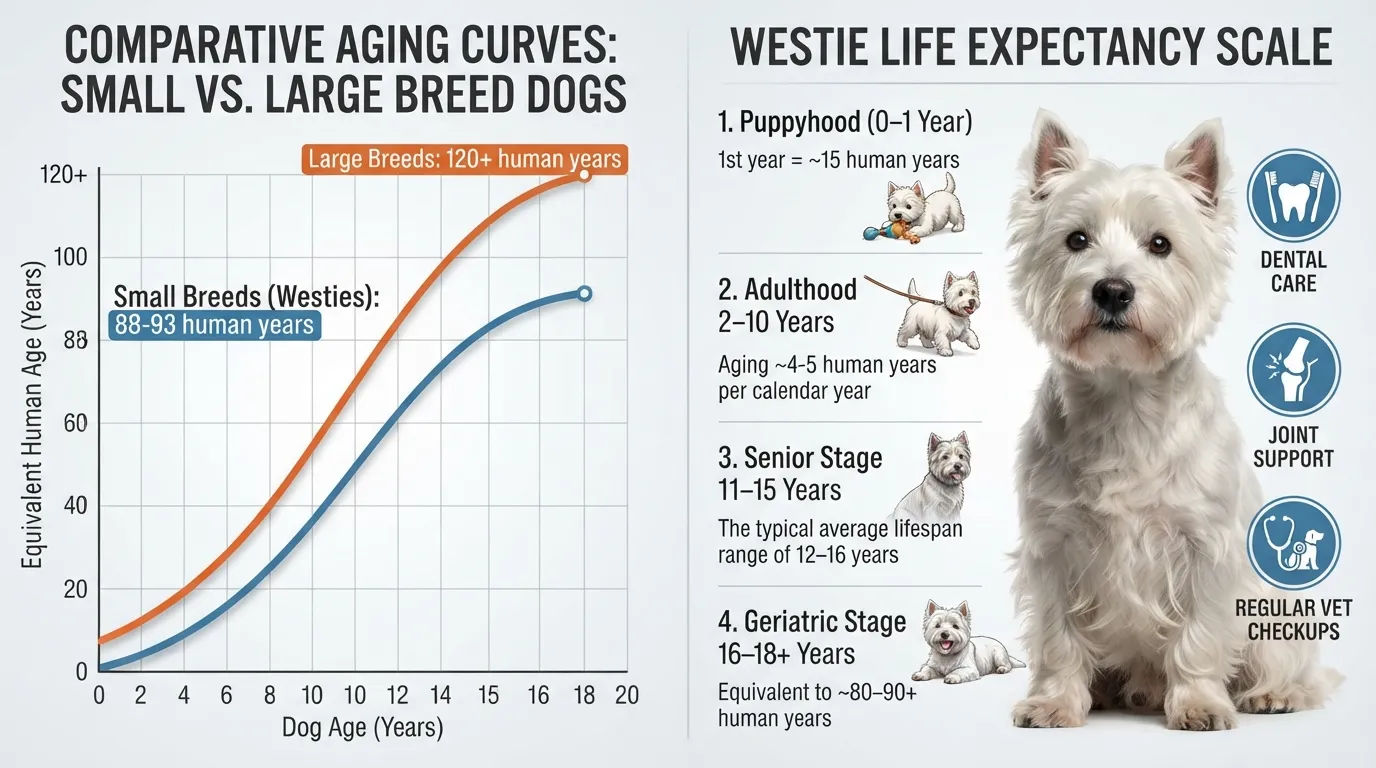
How long do Westies live? A West Highland White Terrier, commonly called a Westie, typically has a lifespan of around 13–15 years. Some individual dogs may live longer, but lifespan varies depending on genetics, overall health, nutrition, body weight, exercise, dental care, and preventive veterinary care.
Westies are a small breed with a relatively long expected lifespan, but reaching the senior years in good health depends on more than breed averages. Inherited conditions, chronic health problems, weight management, and early detection of illness can all influence how long an individual Westie lives.
As your Westie gets older, regular veterinary checkups become increasingly important. Maintaining a healthy weight, providing a balanced diet, keeping up with dental care, and giving your dog appropriate exercise can help support healthy aging and quality of life.
In this guide, you’ll learn how long Westies typically live, what can affect their life expectancy, common health concerns, important senior milestones, and practical ways to help your West Highland White Terrier stay healthy throughout its life.
Convert Bird Age to Human Years — Try Our Free Calculator
Average Life Expectancy of a Westie
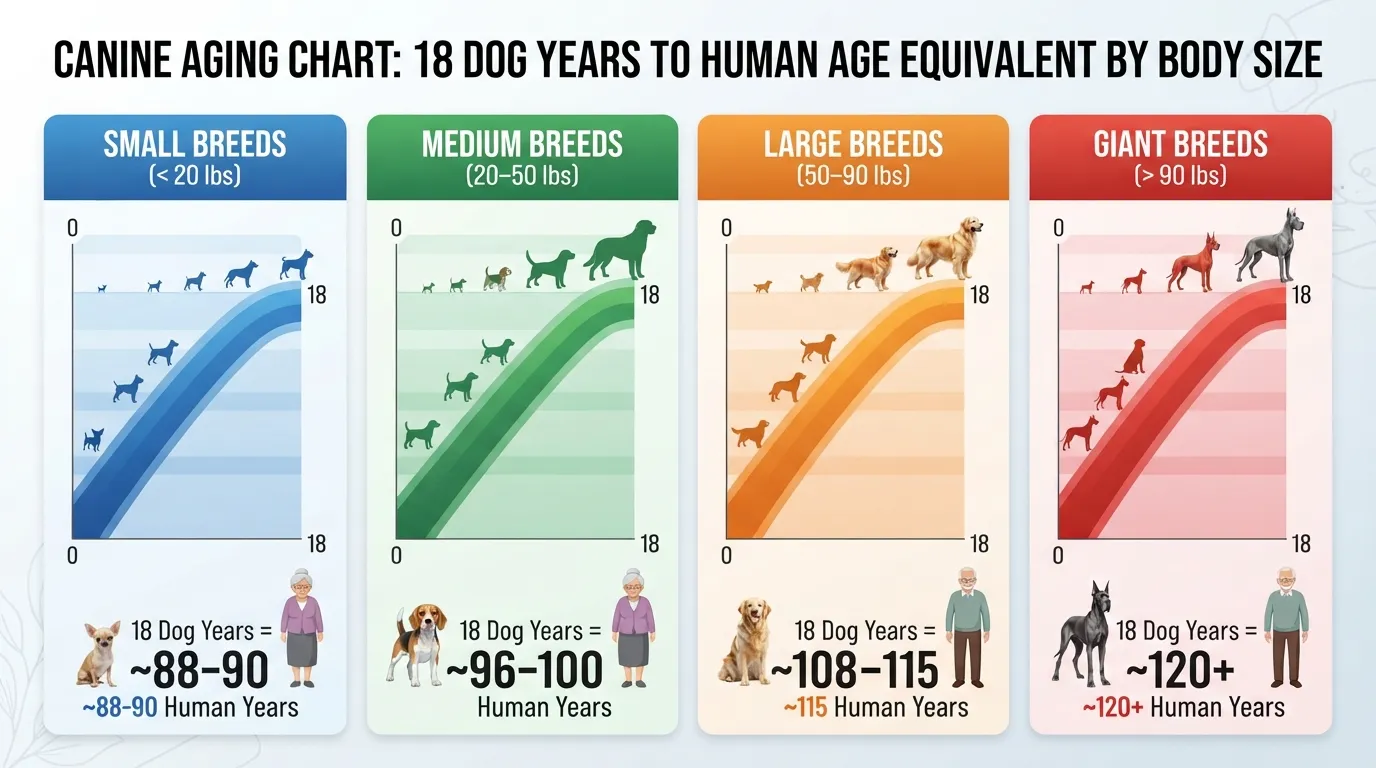
The average life expectancy of a West Highland White Terrier is 13 to 15 years in the US, with large-scale research from the UK’s Royal Veterinary College (RVC VetCompass) pin-pointing their exact average lifespan at 13.4 years.
This makes the Westie lifespan notably longer than the general canine average of roughly 12 years. Thanks to their compact frame and sturdy build, these little white terriers regularly outlive larger dog breeds by several years, with many healthy Westies living well into their mid-teens under attentive care.
Male vs Female Westies — Lifespan & Health-Risk Differences
Male Westies slightly outpace females in longevity. Data shows male West Highland Terriers average 13.8 to 14 years, whereas female Westies average 12.9 to 13 years.
While both sexes share a similar overall West Highland Terrier life span, veterinarians track distinct health-risk trends between them:
Male Westies: Show a higher statistical predisposition to ear disease (otitis externa) and behavioral challenges, such as dog-on-dog aggression or territorial tendencies.
Female Westies: Tend to be somewhat more prone to periodontal disease, requiring earlier and more frequent dental interventions to protect their gums and organ health.
Factors That Affect a Westie's Lifespan and How to Improve Them

While genetic luck plays a role in how long any dog lives, everyday care choices directly shape a West Highland White Terrier’s quality of life and longevity. Understanding these core factors allows you to actively influence your Westie’s health trajectory.
Genetics & Responsible Breeding
A Westie’s lifespan begins long before they join your home. Genetics heavily influence whether a puppy inherits serious breed-specific conditions like Westie Jaw (craniomandibular osteopathy) or globoid cell leukodystrophy.
Ethical breeders conduct health screenings on parent dogs to minimize these risks. Choosing a puppy from a breeder who tests for cardiac, patellar, and eye issues gives your dog the strongest possible foundation for a long life.
Diet & Nutrition incl. omega-3s
Fueling your Westie with high-quality, balanced dog food prevents nutritional deficiencies that compromise long-term vitality. High-protein, clean ingredients keep their organs functioning optimally as they age.
Because Westies are notoriously prone to skin allergies and inflammation, adding omega-3 fatty acids to their diet is key. Fish oil supplements support joint health, maintain a dense white coat, and soothe sensitive skin.
Exercise & Weight Management 30+ min/day
Westies are energetic working terriers built for stamina, making routine physical activity non-negotiable. Aim for at least 30 minutes of moderate exercise daily, split between brisk walks and active play.
Keeping your Westie lean protects their joints and reduces strain on their heart and lungs. Extra pounds significantly shorten a terrier’s lifespan by increasing the risk of diabetes, respiratory problems, and arthritis.
Spaying/Neutering
Spaying or neutering your Westie offers clear health advantages that contribute to a longer life. The procedure eliminates or drastically reduces the risk of several reproductive cancers and life-threatening infections.
Females: Spaying eliminates the risk of pyometra (a severe uterine infection) and lowers mammary tumor risks.
Males: Neutering prevents testicular cancer and significantly cuts down on prostate complications.
Preventive Veterinary Care Checklist
Routine veterinary oversight catches subtle health changes before they develop into major illnesses. Keeping up with routine checks keeps your Westie protected year-round.
Vaccinations: Maintain core vaccines, including rabies, distemper, parvovirus, and adenovirus.
Parasite Prevention: Apply monthly preventatives to safeguard against fleas, ticks, heartworms, and intestinal parasites.
Annual Evaluations: Schedule yearly checks for eye health, hip stability, and patellar wellness.
Dental Cleanings: Get professional dental cleanings and brush teeth regularly at home to prevent periodontal disease, which can harm internal organs.
Common Health Problems That Impact a Westie's Longevity
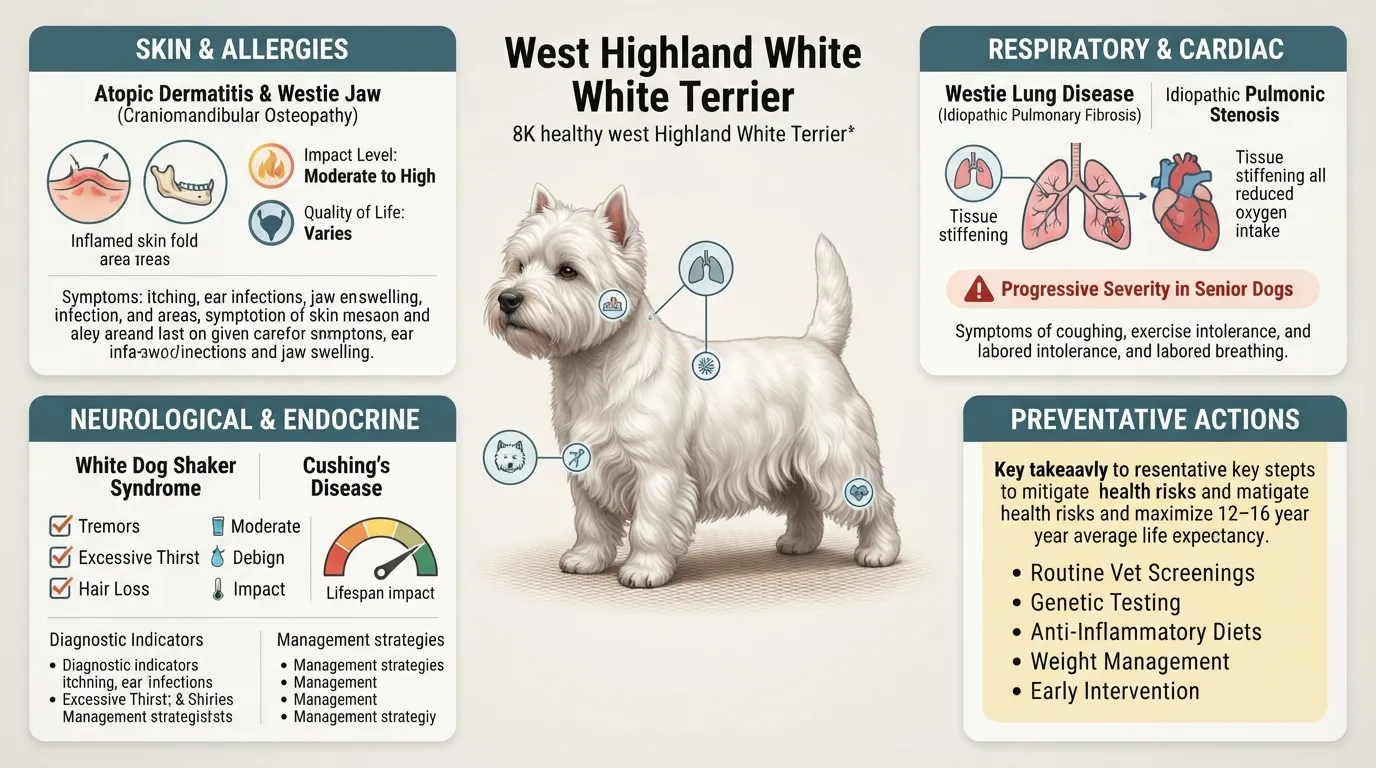
While the overall life expectancy of a West Highland White Terrier is impressive at 13 to 15 years, several genetic and breed-specific health issues can lower their quality of life or shorten their lifespan if left untreated. Understanding these conditions helps you spot early warning signs and seek timely veterinary care.
Skin Allergies & Epidermal Dysplasia Westie Armadillo Syndrome
Atopic dermatitis and skin allergies are among the most frequent health issues seen in Westies. Severe cases can progress to epidermal dysplasia, an inherited condition colloquially called “Westie Armadillo Syndrome” due to the thick, darkened, and crusty skin it produces.
Symptoms: Intense itching, hair loss, reddened skin, and recurrent bacterial or yeast skin infections.
Impact on Longevity: Skin conditions themselves are rarely fatal, but chronic inflammation and secondary infections cause severe stress and require lifelong management with medicated baths, special diets, and anti-itch medications.
Bladder Cancer Transitional Cell Carcinoma
Transitional Cell Carcinoma (TCC) is a malignant bladder cancer that affects West High Terrier life span significantly, as Westies face a higher genetic predisposition to this disease than most other breeds.
Symptoms: Straining to urinate, frequent small amounts of urine, blood in the urine, and recurrent urinary tract infections that do not respond to standard antibiotics.
Impact on Longevity: TCC is aggressive. Early detection through regular screening and ultrasound can extend survival time through chemotherapy or anti-inflammatory treatments like piroxicam.
Dental Disease
Periodontal disease affects over 80% of dogs by age three, and small breeds like Westies are particularly vulnerable due to overcrowded teeth in their compact jaws.
Symptoms: Bad breath, red or bleeding gums, difficulty chewing, yellow-brown tartar build-up, and loose teeth.
Impact on Longevity: Bacteria from infected gums enter the bloodstream, potentially damaging the heart, liver, and kidneys over time and lowering overall Westie lifespan. Daily brushing and professional dental cleanings are vital preventative measures.
Dry Eye Keratoconjunctivitis Sicca
Keratoconjunctivitis Sicca (KCS), commonly known as dry eye, occurs when the tear glands fail to produce enough aqueous tears to keep the eye lubricated.
Symptoms: Thick, yellow-green eye discharge, painful blinking, red eyes, and a dull or cloudy corneal appearance.
Impact on Longevity: While not life-threatening, untreated dry eye leads to painful corneal ulcers and permanent blindness. Lifelong daily eye drops (such as cyclosporine) are usually required to protect sight and comfort.
Patellar Luxation
Patellar luxation happens when the kneecap slips out of its normal groove in the femur. This orthopaedic condition is common in small terrier breeds.
Symptoms: Temporary skipping or hopping gait, sudden lameness in a hind leg, or a popping sound in the knee joint.
Impact on Longevity: Joint misalignment accelerates osteoarthritis, which can limit mobility in senior dogs. Weight management and surgical correction for severe cases help keep Westies active well into their senior years.
Ear Infections
Because Westies have narrow ear canals and frequent skin allergies, they are prone to chronic otitis externa (outer ear inflammation).
Symptoms: Head shaking, scratching at ears, dark discharge, odor, and redness inside the ear flap.
Impact on Longevity: Unmanaged ear infections can rupture the eardrum and lead to middle ear damage or systemic infections. Regular ear cleaning with vet-approved solutions reduces flare-ups.
Obesity 6.1% prevalence — RVC data
Royal Veterinary College (RVC) VetCompass data indicates an obesity prevalence of 6.1% in Westies. Carrying extra weight strains every system in a small dog’s body.
Symptoms: Loss of a visible waistline, difficulty feeling the ribs beneath the coat, lethargy, and exercise intolerance.
Impact on Longevity: Excess weight shortens life expectancy by worsening joint disease, increasing cardiac workload, and escalating the risk of tracheal collapse and diabetes. Portion control and daily exercise are essential preventive habits.
Shaker Syndrome
Shaker Syndrome (also known as Idiopathic Cerebellitis or White Shaker Dog Syndrome) is an inflammatory nervous system condition that causes head and full-body tremors.
Symptoms: Rapid, involuntary tremors that worsen with activity or excitement and disappear during sleep.
Impact on Longevity: The condition looks alarming, but prognosis is excellent with corticosteroid treatment. Most affected Westies recover full quality of life and reach a normal lifespan.
Craniomandibular Osteopathy Lion Jaw — puppy-specific
Craniomandibular Osteopathy (CMO) is a painful, non-neoplastic bone disease affecting Westie puppies between 4 and 8 months of age, causing excessive bone growth along the mandible and tympanic bullae.
Symptoms: Swollen jaw, drooling, difficulty opening the mouth, fever, and severe pain when eating.
Impact on Longevity: CMO typically stabilizes when growth plates close around 11 to 12 months. Pain management during growth spurts is critical to ensure puppies receive enough nutrition to mature safely.
Pulmonary Fibrosis / Respiratory Disease
Idiopathic Pulmonary Fibrosis, often called “Westie Lung,” is a progressive lung disease where normal lung tissue is gradually replaced by stiff scar tissue.
Symptoms: Crackling sounds in the lungs (audible with a stethoscope), dry cough, rapid breathing, blue-tinged gums, and exercise intolerance in middle-aged or senior dogs.
Impact on Longevity: This condition directly impacts how long Westies live, as scarring impairs oxygen absorption. While there is no cure, anti-inflammatory medications and bronchodilators help slow progression and keep dogs comfortable.
Copper Storage Disease & Chronic Hepatitis
West Highland White Terriers can inherit a metabolic defect that prevents proper excretion of copper, leading to toxic accumulations in the liver.
Symptoms: Lethargy, loss of appetite, weight loss, vomiting, excessive thirst, and jaundice (yellowing of eyes and gums) in advanced stages.
Impact on Longevity: Left untreated, excess copper causes progressive liver damage and cirrhosis. Early screening through routine blood panels and low-copper prescription diets significantly protect liver function and longevity.
What Research Says — RVC VetCompass Study
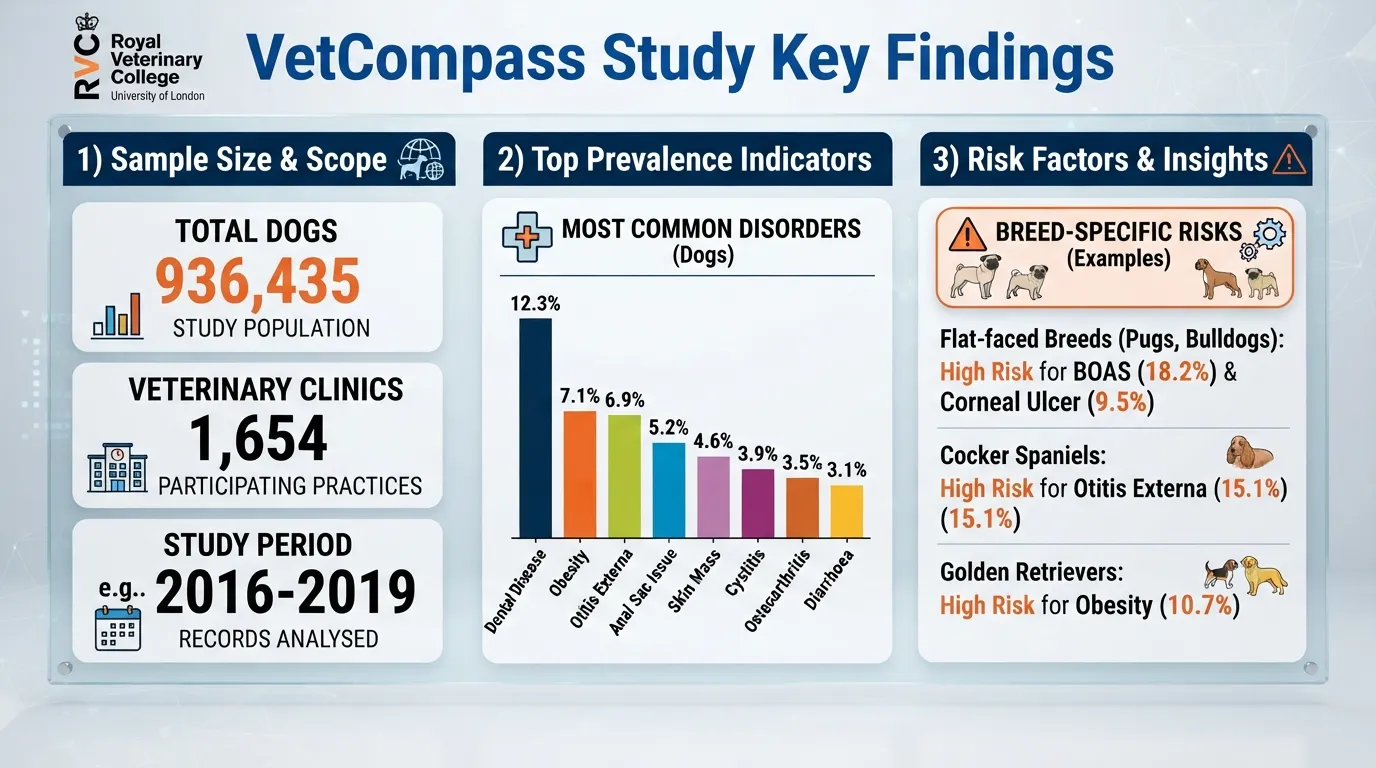
Large-scale veterinary data gives us the clearest look at what actually impacts Westie health and longevity. The most comprehensive research to date comes from the Royal Veterinary College (RVC) VetCompass study, which analyzed clinical records from over 900,000 dogs across UK primary-care veterinary clinics.
By examining such a massive dataset, researchers identified the most common disorders affecting the West Highland White Terrier throughout its lifespan:
Dental Disease (15.7%): Periodontal issues rank as the single most frequent health condition in Westies. Left untreated, severe dental infections can lead to systemic complications affecting the heart and kidneys.
Ear Disease (10.6%): Otitis externa and recurrent ear infections affect more than one in ten Westies, largely driven by underlying skin allergies.
Allergic Skin Disease (6.5%): Chronic skin allergies (atopic dermatitis) cause frequent itching, secondary bacterial infections, and ongoing discomfort.
Obesity (6.1%): Excess weight places unnecessary strain on joints and cardiovascular health, directly reducing overall quality of life.
These findings highlight that while Westies are generally resilient, routine preventative care—especially daily tooth brushing, weight management, and early allergy treatment—plays a major role in helping them reach their full lifespan potential. Detailed data from this study is available directly through the RVC VetCompass research database.
Leading Causes of Death in Westies
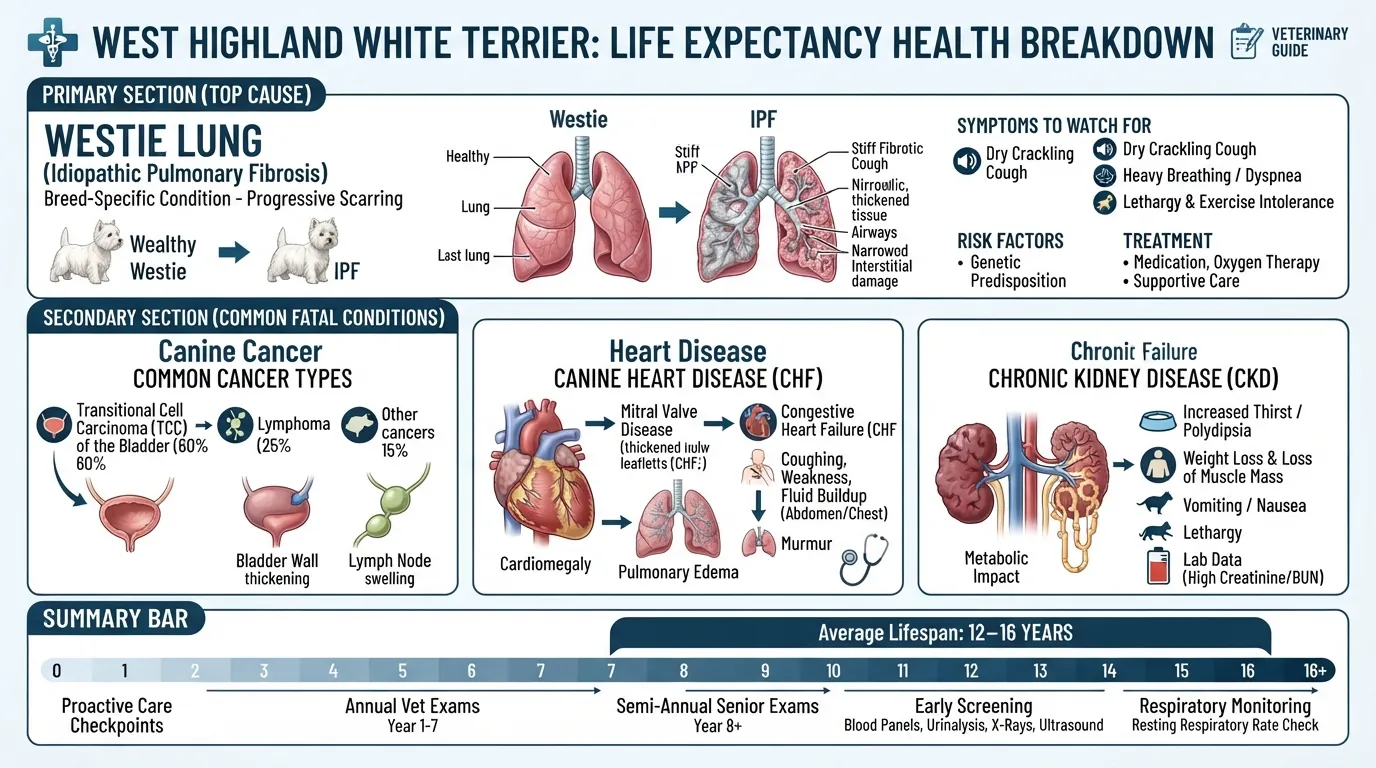
Veterinary research from the Royal Veterinary College’s VetCompass study gives us a clear look into what actually shortens a West Highland White Terrier’s life. While Westies are generally sturdy dogs, three specific health conditions account for nearly 30% of all deaths in the breed. Knowing these major risks helps you spot early warning signs and get medical intervention when it counts.
Lower Respiratory Tract Disease — 10.2%
Lower respiratory illness ties for the single biggest cause of death in Westies, responsible for 10.2% of mortalities. This category is dominated by Idiopathic Pulmonary Fibrosis (IPF), a progressive condition often referred to as “Westie Lung Disease”.
With IPF, the soft air sacs inside the lungs gradually form tough, fibrous scar tissue. Over time, this thickens the lungs and makes it increasingly difficult for oxygen to transfer into the bloodstream.
Common symptoms to watch for:
A dry, persistent, hacking cough that doesn’t clear up
Unexplained crackling sounds when your vet listens to their chest
Labored or rapid breathing, even after mild exercise or at rest
Lethargy and intolerance to routine walks
Blue-tinged gums during exertion (a severe sign of low oxygen)
While there is no cure for pulmonary fibrosis, early medical management—such as anti-inflammatory steroids, bronchodilators, and cough suppressants—can improve comfort and help extend your dog’s quality of life.
Cancer — 10.2%
Cancer is another primary cause of death in Westies, matching respiratory disease at 10.2% of all recorded mortalities. While tumors can affect any aging dog, Westies are particularly predisposed to Transitional Cell Carcinoma TCC, a specific type of bladder and urinary tract cancer. They also face risks from lymphoma and skin tumors.
Key warning signs include:
Straining to urinate or frequent, small amounts of urine
Blood in the urine often mistaken initially for a routine UTI
Unexplained weight loss and reduced appetite
Lumps, bumps, or sores that fail to heal
Persistent lameness or joint pain
Routine senior checkups—including simple urinalysis screening—can catch tumors like TCC long before severe symptoms appear. Treatment options range from anti-inflammatory drugs and chemotherapy to targeted medical therapies.
Spinal Cord Disorders — 7.8%
Spinal cord disorders represent the third leading cause of death, accounting for 7.8% of Westie fatalities. These conditions range from Intervertebral Disc Disease (IVDD) to nerve degeneration and spinal trauma.
Because Westies are compact, active little dogs, disc herniation or spinal nerve compression can cause significant mobility issues and severe pain.
Symptoms of spinal problems:
Sudden weakness or dragging in the hind legs
Crying out or shivering when touched or moving
A hunched back or reluctant, stiff posture
Difficulty climbing stairs, jumping onto furniture, or standing up
Loss of bowel or bladder control in advanced cases
Prompt veterinary care makes a massive difference in spinal cases. Depending on severity, treatments range from strict crate rest and anti-inflammatories to surgical intervention to relieve pressure on the spinal cord.
Westie Life Stages: Puppy, Adult & Senior

Puppy Stage 0–1 yr
West Highland White Terrier puppies grow rapidly during their first 12 months, transitioning from tiny, high-energy fluffballs into sturdy young adults. During this stage, proper nutrition and early socialization are critical because a Westie puppy’s skeleton and immune system develop at a breakneck pace. Puppies usually reach their full adult height and weight around their first birthday.
Because Westies are naturally prone to skin allergies and dental issues later in life, starting preventative habits early pays huge dividends. Puppies require a high-quality food formulated specifically for small breeds to support controlled growth. Introducing weekly tooth brushing and early handling of their paws helps prevent behavioral friction during vet visits and grooming sessions as they mature.
Adult Stage
A West Highland Terrier reaches full physical and mental maturity around 12 to 18 months of age, remaining in the adult phase until roughly age 9 or 10. During these middle years, a Westie is generally at their peak athletic condition, full of energy, curiosity, and that classic terrier independence. Maintaining an active daily exercise routine during adulthood is essential to prevent weight gain, which directly impacts joint health and overall lifespan.
The primary focus during the adult years shifts to consistent maintenance and preventative care. Regular wellness checkups, maintaining optimal body weight through precise portion control, and keeping up with annual dental cleanings will help keep common health issues at bay. Routine exercise combined with mental stimulation—like puzzle toys and daily sniffing walks—keeps adult Westies sharp and physically resilient.
Senior Stage
Around 9 to 10 years of age, a Westie officially enters their senior years. While many older Westies retain their spunky personalities, their bodies begin to slow down, and their physiological needs shift significantly. Senior dogs require twice-yearly veterinary visits rather than annual checks to catch age-related conditions early, alongside a transition to senior-specific diets that support joint function and reduced caloric requirements.
Monitoring an older West Highland Terrier for subtle changes in health or routine is essential for catching potential issues before they progress. Common aging signs to watch for include:
Mobility changes: Stiffness when standing up, reluctance to climb stairs, hesitation to jump onto furniture, or a shorter stride during regular walks.
Vision and hearing loss: Cloudiness in the eyes (cataracts or nuclear sclerosis), bumping into objects in low light, or not responding when called by name.
Appetite and weight shifts: Unexplained weight loss, decreased interest in food, or sudden weight gain due to a slowing metabolic rate.
Behavioral changes: Increased sleeping, confusion, irritability, pacing at night, or newfound anxiety in familiar environments.
What Is 1 Dog Year in Human Years for a Westie?

The classic rule that “one dog year equals seven human years” is a myth, especially for small breeds like the West Highland White Terrier. During their first two years, Westies mature rapidly, reaching young adulthood by age two. After that initial growth spurt, their aging process slows down significantly compared to larger breeds, which is a major reason Westies often enjoy longer lifespans.
By two years old, a Westie is roughly equivalent in physical maturity to a 24-year-old human. From year three onward, each Westie year equals roughly 4 human years.
Westie to Human Age Conversion
Because Westies are a small breed typically weighing 15 to 20 pounds, their aging curve flattens out during adulthood. Here is how a West Highland White Terrier’s age translates to human years across their life stages:
1 Westie Year: ~15 human years rapid growth and sexual maturity
2 Westie Years: ~24 human years fully grown adult
5 Westie Years: ~36 human years prime adult years
8 Westie Years: ~48 human years entering mature adulthood
10 Westie Years: ~56 human years officially a senior Westie
13 Westie Years: ~68 human years typical average Westie life expectancy
15 Westie Years: ~76 human years geriatric, but common for well-cared-for Westies
Understanding this scale helps you adjust your care routines as your dog ages. A ten-year-old Westie may still act like a puppy, but nutritionally and medically, they have crossed into their senior years and benefit from targeted wellness exams.
Frequently Asked Questions
The average life expectancy of a West Highland White Terrier is between 13 and 15 years. Studies from veterinary research groups, such as the Royal Veterinary College's VetCompass program, consistently place the Westie lifespan among the higher averages for purebred dogs. With proper preventative care, high-quality nutrition, and early detection of breed-specific health issues, many Westies comfortably reach 16 or 17 years.
Female Westies tend to live slightly longer than males on average, which reflects a broader pattern seen across most dog breeds. However, the difference is relatively small—usually just a few months to a year. Factors like spaying or neutering, weight management, daily exercise, and genetic health play a far more significant role in determining how long your Westie lives than their sex.
Yes, 13 to 14 years is considered a very healthy and normal life span for a West Highland White Terrier. Hitting this milestone means your dog has reached the standard expected lifespan for the breed. Many well-cared-for Westies remain active and playful well into these years, though they will require senior-focused veterinary care to maintain their quality of life.
The most common causes of death in Westies include cancer, pulmonary fibrosis (often called "Westie Lung"), and kidney disease. Research shows that cancer accounts for a significant percentage of senior Westie deaths. Additionally, West Highland White Terriers are uniquely prone to idiopathic pulmonary fibrosis, a progressive lung condition that impacts breathing in older dogs.
You can maximize your Westie's lifespan by maintaining a healthy weight, providing daily exercise, and keeping up with regular dental care. Gum disease introduces bacteria into the bloodstream that can damage the heart and kidneys over time. Switching to bi-annual vet checkups once your Westie hits age 8 also helps catch conditions like kidney disease or Westie Lung in their earliest, most treatable stages.
A Westie is officially considered a senior dog around 8 years of age. While they often retain their energetic, spunky personality well past this mark, their internal metabolic and joint health begins to change. Moving to a senior-specific diet and adding joint supplements around this time helps support their mobility and organ function as they age.
🐾 Other Age Guides

Gulfam Haider Mehdi
Founder & Developer
I built Dogagescalculator.com to give dog owners honest, science-backed answers instead of the outdated "×7" myth. Every figure here is checked against AKC, AVMA, and published veterinary research.
More about the author & this site →📌 Featured Guides
when do dogs start going grey
→
What Is the Lifespan of a French Bulldog?
→
Basset Hound New England
→
greater swiss mountain dog and bernese mountain dog mix
→
shih tzu age in human years
→
dog breed chinese shar-pei
→
Cavalier King Charles Spaniel and Bichon Frise Mix
→
can a large dog breed with a small dog
→
how much to feed a french bulldog puppy
→
oldest french bulldog
→
Comments