
Nova Scotia Duck Tolling Retriever vs Golden Retriever

The Nova Scotia Duck Tolling Retriever and Golden Retriever are both intelligent sporting dogs with a strong retrieving background, but they differ noticeably in size, appearance, energy level, coat, and typical temperament. The Toller is a medium-sized breed known for its red or orange coat and high energy, while the Golden Retriever is larger and generally known for its friendly, adaptable nature.
If you’re comparing a Toller vs Golden Retriever, size is one of the most noticeable differences. Golden Retrievers typically stand taller and weigh more, while Nova Scotia Duck Tolling Retrievers have a more compact and athletic build. Their exercise needs can also differ, with Tollers often requiring plenty of physical activity and mental stimulation.
In this guide, we’ll compare the Nova Scotia Duck Tolling Retriever vs Golden Retriever by size, weight, appearance, temperament, energy level, trainability, shedding, lifespan, grooming, health considerations, and typical cost. We’ll also cover whether a Toller Golden Retriever mix is a recognized cross and answer common questions about these two breeds.
| Trait | Nova Scotia Duck Tolling Retriever | Golden Retriever |
|---|---|---|
| Size Category | Medium | Large |
| Height | 17–21 inches | 21.5–24 inches |
| Weight | 35–50 lbs | 55–75 lbs |
| Lifespan | 10–14 years | 10–12 years |
| Average Price | $1,500–$3,000+ | $1,000–$2,500 |
| Coat & Color | Medium double coat; red/orange with white markings | Dense double coat; light to dark gold |
| Energy Level | Very High (high-drive working intensity) | Moderate to High (adaptable) |
| Shedding | Moderate to Heavy (seasonal blowouts) | Heavy (year-round) |
| Trainability | High (smart, slightly independent) | Very High (extremely eager to please) |
| Good with Kids | Great (best with active/older kids) | Excellent (famously patient with all ages) |
| Origin | Nova Scotia, Canada | Scottish Highlands, Scotland |
How to Tell a Toller Apart from a Golden Retriever
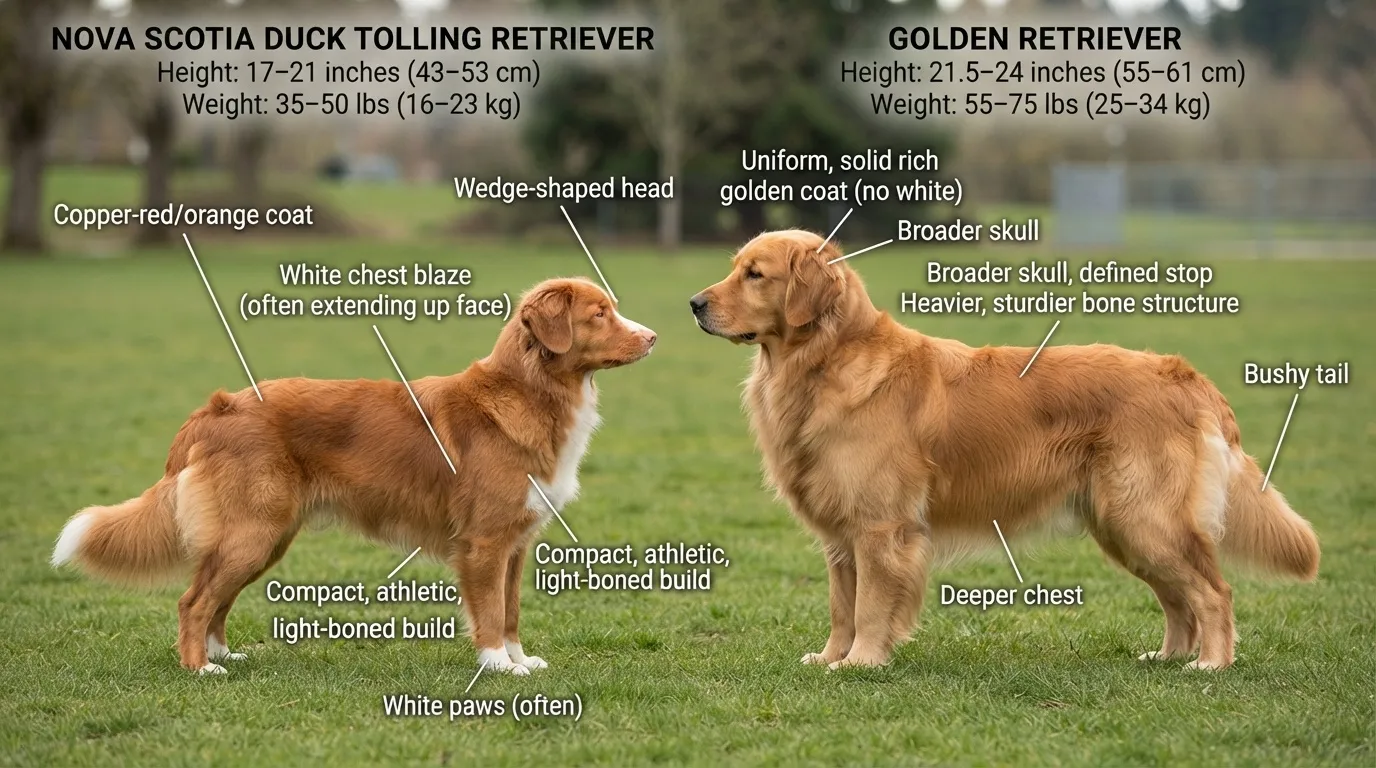
You can tell a Nova Scotia Duck Tolling Retriever (Toller) apart from a Golden Retriever by checking three main physical traits: size, coat color, and white markings. Tollers are noticeably smaller, standing 17 to 21 inches tall and weighing 35 to 50 lbs, with reddish copper coats and distinct white chest, foot, or facial markings. Golden Retrievers are larger, standing 21.5 to 24 inches tall and weighing 55 to 75 lbs, with light cream to dark gold coats that lack white patterns.
Coat Color & Markings
At a glance, the most obvious difference lies in the shade of their coat and the presence of white patches.
Toller Coats: Shades range strictly from deep red to copper or orange-red. According to official breed standards, Tollers usually feature crisp white markings on the chest, feet, tail tip, or as a blaze up the face.
Golden Retriever Coats: Colors vary from pale cream to rich gold, but never copper or true red. Purebred Goldens are solid in color and do not carry white patches or facial blazes.
Breeders often point out that if a dog looks like a mini Golden but has a bright white patch on its chest or toes, it is almost certainly a Toller.
Body Build & Size Difference
Side by side, the frame difference between these two sporting breeds is immediately clear according to official American Kennel Club (AKC) standards. Tollers are built for quick agility in cold marshlands, whereas Goldens have a heavy-set, sturdy frame.
| Trait | Nova Scotia Duck Tolling Retriever | Golden Retriever |
|---|---|---|
| Height (At Shoulder) | 17 – 21 inches | 21.5 – 24 inches |
| Weight | 35 – 50 lbs | 55 – 75 lbs |
| Body Shape | Compact, athletic, slightly longer than tall | Broad, balanced, deep-chested |
Size Comparison
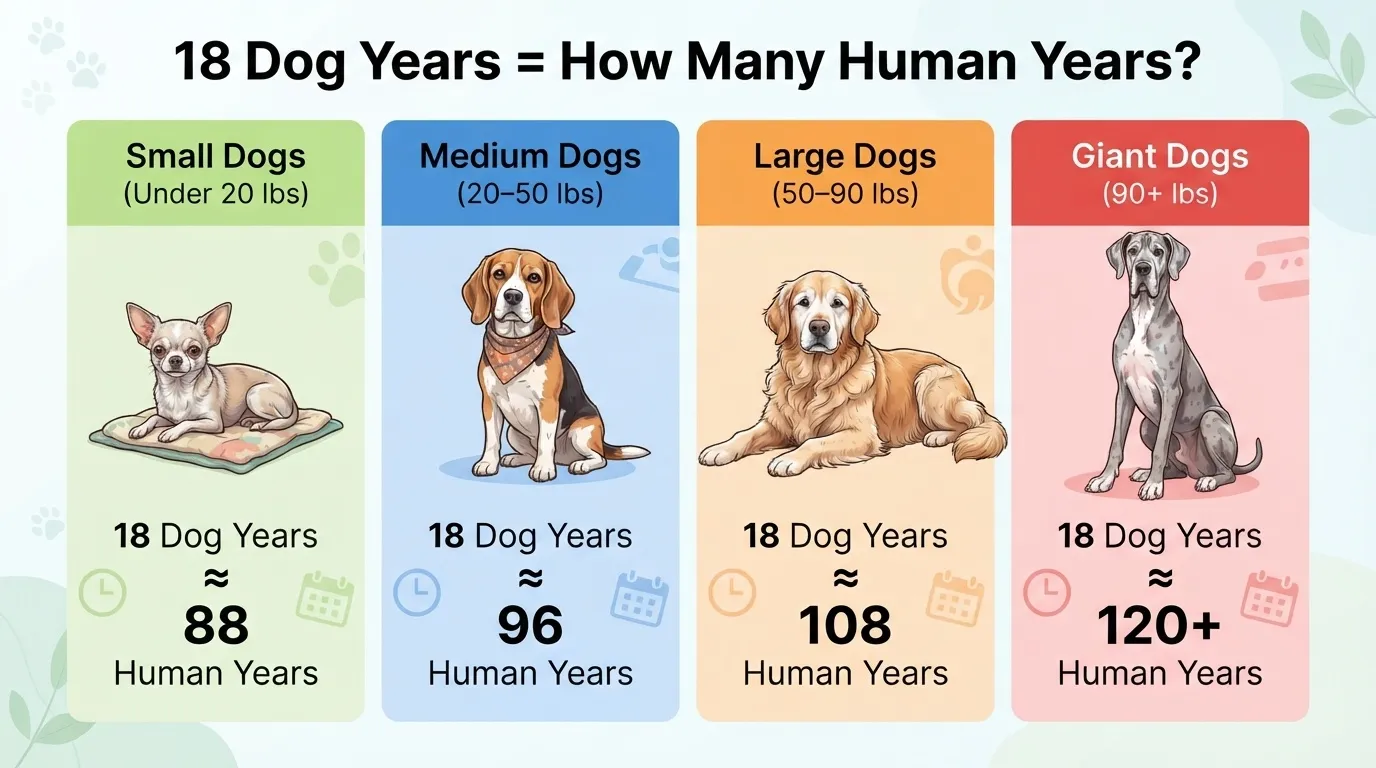
A Nova Scotia Duck Tolling Retriever is noticeably smaller and lighter than a Golden Retriever, weighing 35 to 50 lbs compared to a Golden’s 55 to 75 lbs. Standing 17 to 21 inches at the shoulder, Tollers are compact, medium-sized sporting dogs, whereas Golden Retrievers are large-breed dogs that reach 21.5 to 24 inches in height.
| Feature | Nova Scotia Duck Tolling Retriever | Golden Retriever |
|---|---|---|
| Breed Size Category | Medium | Large |
| Height (Males) | 18–21 inches | 23–24 inches |
| Height (Females) | 17–20 inches | 21.5–22.5 inches |
| Weight (Males) | 40–50 lbs | 65–75 lbs |
| Weight (Females) | 35–45 lbs | 55–65 lbs |
Temperament & Personality
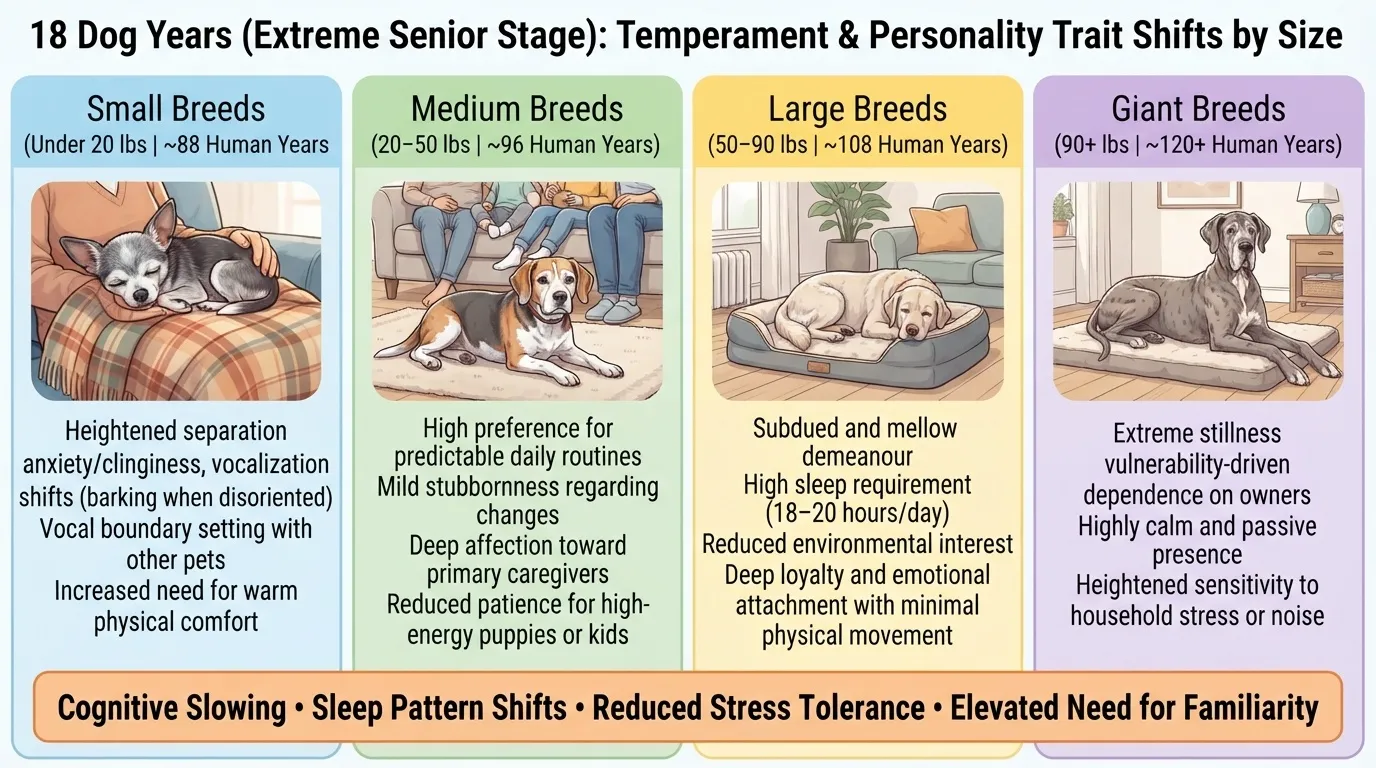
While both breeds share a gundog heritage, the Nova Scotia Duck Tolling Retriever and the Golden Retriever approach daily life with completely different mindsets. A Toller operates like a focused high-performance athlete with a distinct off-switch, whereas a Golden Retriever tends to be an eager, crowd-pleasing socialite who views every stranger as a long-lost best friend.
Toller Temperament
Tollers are intense, intelligent, and fiercely worker-oriented dogs. Originally bred to lure and retrieve waterfowl using playful bank movements, they carry a high drive that demands meaningful mental engagement beyond simple backyard fetch.
Work Ethic & Focus: They learn commands rapidly, but they will test your consistency if they get bored.
Affection & Cuddling: While deeply loyal to their immediate family, Tollers are naturally reserved around strangers. They enjoy curling up near you on their own terms rather than demanding constant physical affection.
Independence & Anxiety: Their independent streak makes them less prone to severe separation anxiety than Goldens, provided their physical and mental exercise needs are met.
Golden Retriever Temperament
Golden Retrievers are famous for their gentle, forgiving, and biddable nature, making them one of the most popular family dogs worldwide. They thrive on human companionship and instinctively want to blend into whatever their family is doing.
Social Drive: Goldens greet almost everyone with enthusiasm and adjust effortlessly to busy households, kids, and other pets.
Calmness & Maturation: Though high-energy as puppies, Goldens generally settle into a calm, easygoing demeanor around 2 to 3 years of age.
Separation Anxiety: Because they bond so intensely with their humans, Goldens are noticeably more vulnerable to separation anxiety if left alone for extended stretches without proper conditioning.
Barking Tendency
The Golden Retriever is generally a moderate vocalizer, usually barking only to alert you to a visitor or during intense play. The Nova Scotia Duck Tolling Retriever, however, possesses a unique high-pitched vocalization known as the “Toller scream.” This piercing, high-frequency sound comes out when they are overly excited, frustrated, or waiting for a throw, making them significantly louder and more vocal in high-drive situations than a Golden.
Working Ability — Tolling vs Retrieving
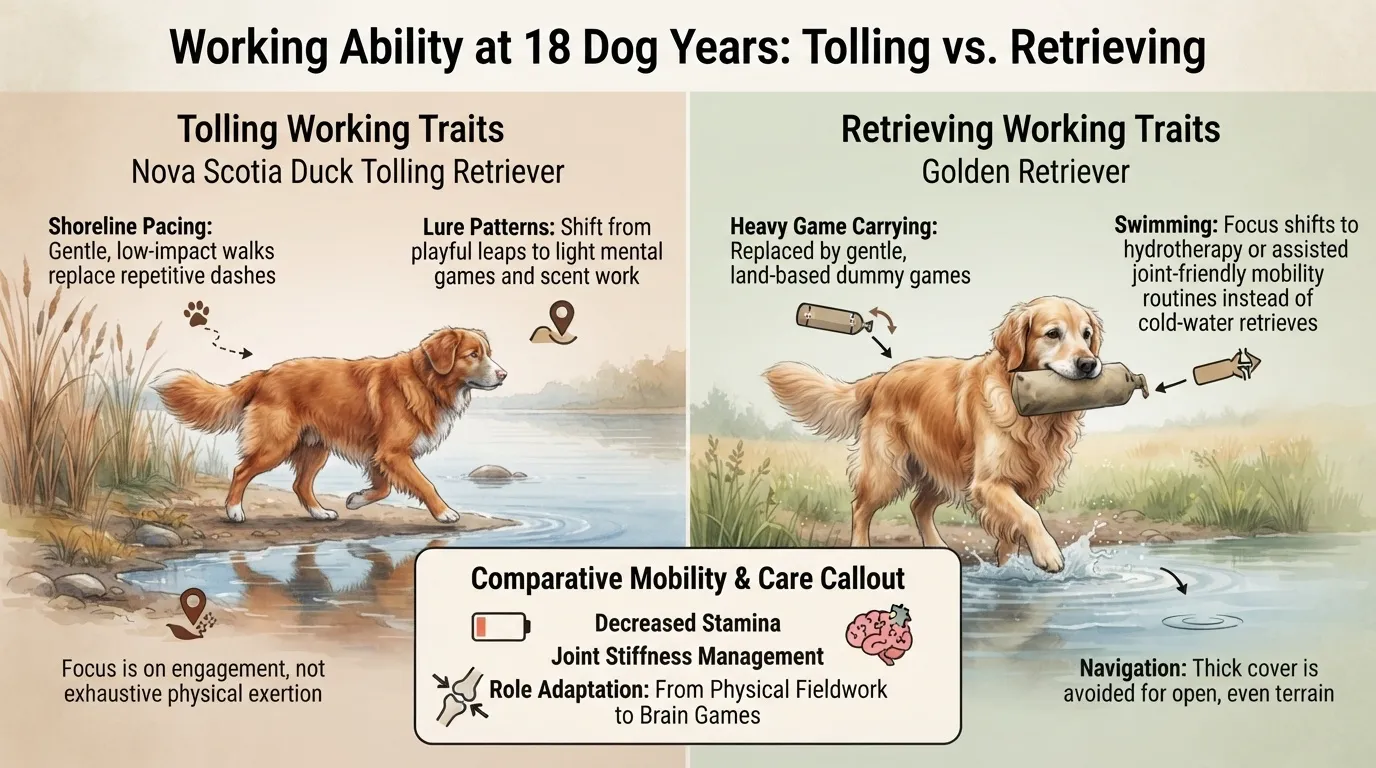
The core difference in working ability comes down to function: Nova Scotia Duck Tolling Retrievers lure waterfowl closer to the shore before retrieving, while Golden Retrievers strictly locate and bring back game after it is shot. Both are exceptional gundogs, but their roles in the field require distinctly different instincts and energy levels.
What Is “Tolling”?
“Tolling” is a unique hunting strategy where a dog actively entices curious ducks within gunshot range by playing and running along the shoreline. Derived from the Middle English word tollen (meaning to lure or attract), this behavior relies on the dog constantly moving, jumping, and waving its heavily feathered, white-tipped tail behind a shoreline blind.
Waterfowl are naturally curious creatures and swim toward the shore to investigate the unusual tail action. Once the birds are well within range, the hunter takes the shot, and the Toller switches instantly into a traditional retriever. Field trainers often note that Tolling demands an intense, high-drive dog capable of jumping from playful luring to extreme focus in a matter of seconds.
Golden Retriever’s Retrieving Role
A Golden Retriever’s primary role is blind marking and long-distance game recovery across rugged land and deep water. Unlike Tollers, Goldens stay completely still and hidden in the blind until a bird drops, using keen eyesight to mark multiple bird falls at a time.
Equipped with a legendary “soft mouth,” Goldens are bred to carry delicate game birds like mallards and pheasants without damaging the meat. Their patient temperament and willingness to take handler directions via whistle or hand signals at 100+ yards make them an industry standard for upland and waterfowl hunting.
Exercise & Energy Levels
Golden Retrievers shed significantly more than Nova Scotia Duck Tolling Retrievers year-round, though both breeds possess dense, water-repellent double coats that blow heavily twice a year. While a Golden requires thorough brushing 3 to 4 times a week to manage heavy shedding and prevent mats, a Toller’s coat is lower maintenance, requiring only weekly brushing to stay neat.
Toller Coat & Shedding
The Nova Scotia Duck Tolling Retriever sports a medium-length double coat designed to protect them in icy Atlantic waters. They are moderate shedders for most of the year, experiencing heavier coat blows in the spring and fall.
Brushing Frequency: 1–2 times per week with a slicker brush or pin brush.
Key Problem Areas: Focus on the softer feathering behind their ears, chest, and back legs, which can tangle if neglected.
Bathing: Wash them every 6–8 weeks or only when visibly muddy. Their coat naturally repels dirt, and over-bathing strips essential oils that keep their fur waterproof.
Tollers require almost no body trimming, making their routine straightforward compared to other retriever breeds.
Golden Retriever Coat & Shedding
Golden Retrievers have a longer, denser double coat with heavy feathering on the neck, legs, and tail. They shed constantly throughout the year, dropping noticeable amounts of fur on furniture and flooring daily.
Brushing Frequency: 3–4 times per week minimum (daily during peak spring/fall shedding) using an undercoat rake and slicker brush.
Key Problem Areas: The thick feathering on the thighs, tail, and ears mats quickly if dead hair isn’t removed.
Bathing: Every 4–6 weeks with a mild dog shampoo to loosen trapped undercoat and dander.
Because Goldens hold onto dead undercoat hair easily, skipping brushing sessions often leads to skin hot spots caused by trapped moisture against the skin.
Are They Hypoallergenic?
Neither the Nova Scotia Duck Tolling Retriever nor the Golden Retriever is hypoallergenic. Both breeds shed fur and continuously release dander—the airborne protein allergen found in pet skin cells and saliva—making them unsuitable for people with moderate to severe dog allergies.
Because Tollers have lower overall coat volume than Goldens, they generally drop less loose hair around the home. If you are considering a Nova Scotia Duck Tolling Retriever Golden Retriever mix, expect shedding and dander levels to land squarely between the two parent breeds depending on which coat type the puppy inherits.
Grooming & Shedding
Tollers and Golden Retrievers are both high-energy gundogs, but Tollers generally require more intense daily physical and mental stimulation due to their working drive. While a Golden Retriever usually settles down after a brisk walk, a Toller needs targeted activities—like agility, retrieve drills, or puzzle training—to burn off their relentless stamina.
Toller Exercise Needs
Nova Scotia Duck Tolling Retrievers require at least 60 to 90 minutes of vigorous activity every day. Because they were bred to lure and retrieve waterfowl continuously, simple leash walks rarely tire them out.
To keep a Toller satisfied, you need to engage their sharp mind along with their body.
High-Intensity Fetch: Incorporate water retrieves or dock diving to tap into their natural instincts.
Dog Sports: Agility, flyball, and obedience trials are ideal outlets for their high drive.
Mental Workouts: Advanced puzzle toys, tracking, and fast-paced training sessions prevent boredom-induced behaviors like incessant barking or destructive chewing.
If you don’t give a Toller a job to do, they will invent one—and you probably won’t like what they choose.
Golden Retriever Exercise Needs
Golden Retrievers need roughly 45 to 60 minutes of moderate exercise daily. Their energy comes in steady waves rather than the high-strung intensity seen in Tollers, making them much easier to manage for the average household.
A balanced exercise routine for a Golden typically includes:
Daily Walks: Two 30-minute walks at a brisk pace keep their joints healthy and weight in check.
Interactive Play: Casual games of fetch in the yard or structured playdates with other dogs.
Swimming: As natural water dogs, swimming provides an excellent low-impact workout that burns extra energy without stressing their joints.
Goldens transition smoothly from outdoor play to indoor relaxation, making them noticeably easier to settle on the couch afterward.
Apartment Living Suitability
Golden Retrievers generally adapt better to apartment living than Tollers, provided their daily exercise quota is met. Their calm indoor demeanor and higher tolerance for ambient noise make close-quarters living relatively straightforward.
Tollers can survive in an apartment, but it requires significantly more effort from the owner. Their high drive, tendency to get bored quickly, and infamous high-pitched “Toller scream”—a shrill bark they make when excited or frustrated—can easily trigger complaints from nearby neighbors. If you bring a Toller into a small space without a yard, having a dedicated plan for daily off-leash runs is non-negotiable.
Trainability & Intelligence
While both breeds rank near the top of working canine intelligence, Nova Scotia Duck Tolling Retrievers learn commands faster with intense, independent problem-solving skills, whereas Golden Retrievers are far more
Here is how their mental drive and learning styles compare head-to-head:
Learning Speed: Tollers grasp new commands in 1 to 5 repetitions, often outpacing Goldens who typically take 5 to 15 repetitions. However, a Toller’s fast processing means they pick up bad habits just as quickly if your timing isn’t sharp.
Work Drive vs. Biddability: Goldens are famously biddable, meaning their main goal is making you happy. Tollers have a high internal work drive and high problem-solving intelligence—they ask “What’s in this for me?” and will actively look for loopholes in your rules.
Boredom Threshold: Repeat the same drill ten times, and a Toller will tune you out or invent their own chaotic game. Goldens happily repeat basic obedience drills indefinitely as long as treats or praise keep coming.
Sensitivity to Corrections: Both breeds respond best to positive reinforcement. However, a Golden bounces back quickly from mild frustration, whereas an offended Toller may simply shut down or stubbornly refuse to participate if they feel treated unfairly.
Focus Under Distraction: Goldens maintain steady, reliable focus around strangers and other pets. Tollers carry a stronger prey drive and intense visual focus, requiring more consistent early recall training when working outdoors.
If you want a companion who seamlessly picks up household manners without overthinking the process, the Golden Retriever is the more straightforward choice. If you enjoy a dog that challenges your handling skills and demands creative, fast-paced training sessions, the Toller’s sharp mind is hard to beat.
forgiving and thrive on predictable, highly repetitive obedience routines.
Is a Duck Toller a Good Family Dog?

Yes, a Nova Scotia Duck Tolling Retriever can be a wonderful family dog, but they are best suited for active households with older children, whereas Golden Retrievers are significantly more adaptable to typical, busy family dynamics with young kids.
While both breeds are affectionate and deeply devoted to their human packs, their patience levels and energy requirements create very different living experiences for a family:
Patience with Young Children: Golden Retrievers are famous for their high pain tolerance and forgiving nature, making them exceptionally patient around toddlers who might accidentally grab a ear or tail. Tollers love their families deeply, but they have lower tolerance for rough play or unpredictable noise and will usually retreat or express frustration if overwhelmed.
Energy Dynamics: A Golden Retriever is generally happy with a daily 45 to 60-minute walk and some backyard playtime. A Toller requires at least 60 to 90 minutes of intense physical and mental stimulation every single day—if your family calendar is already packed with school runs and sports practices, meeting a Toller’s working drive can quickly feel like a full-time job.
Affection Style: Goldens are famously social “velcro” dogs who instantly fall in love with everyone they meet, including visitors, neighbors, and delivery drivers. Tollers save their intense devotion strictly for their immediate family circle, remaining polite but naturally reserved or indifferent around strangers.
Household Noise & Vocalization: While Goldens are relatively quiet barkers, Tollers are known for the “Toller Scream”—a high-pitched, piercing vocalization they release when excited, frustrated, or eager to work. In a household that is already loud, a Toller’s vocal habits can add significant extra sensory noise.
If you have toddlers, a busy weekly schedule, or frequently entertain guests, the gentle and easygoing Golden Retriever is almost always the safer bet. However, if your family loves hiking, running, dog sports, and wants an athletic companion who bonds intensely with their inner circle, a Duck Toller will thrive in your home.
Price Comparison

While both breeds carry similar baseline puppy prices from reputable breeders, the Nova Scotia Duck Tolling Retriever frequently costs more upfront due to limited supply, while the larger Golden Retriever generally drives higher ongoing lifetime expenses for food, medication, and overall supplies.
Toller Price ($1,000–$4,000)
A Nova Scotia Duck Tolling Retriever puppy from a ethical, health-testing breeder typically costs between $2,500 and $4,000 in today’s market. While you might occasionally find pet-quality puppies starting around $1,000 to $1,500 through smaller breeders or rescues, top-tier show or working lines easily push past $3,500.
The primary price driver here is rarity—there are simply far fewer Toller litters born each year compared to other retrievers. Most reputable breeders carry waitlists spanning 6 to 18 months, and their prices reflect extensive genetic screening for breed-specific conditions like Collie Eye Anomaly (CEA) and Progressive Retinal Atrophy (PRA).
Golden Retriever Price ($1,000–$3,500)
A purebred Golden Retriever puppy from a responsible breeder generally ranges from $1,500 to $3,000, with standard pet-quality dogs starting as low as $1,000. Premium field-bred, championship show lines, or imported English Cream lines can occasionally reach $3,500 or more.
Because Golden Retrievers are among the most popular breeds in North America, availability is high. However, this popularity also means backyard breeders and puppy mills are common. Expect to pay on the higher end of the scale for a breeder who provides official OFA health clearances for hip, elbow, heart, and eye health. Adoption through a dedicated Golden rescue typically runs $200 to $500.
Lifetime Cost Comparison
Bringing a puppy home is just the initial down payment; long-term ownership costs reveal a clear difference between the two breeds over their respective lifespans.
| Expense Category | Duck Toller (Medium: 35–50 lbs) | Golden Retriever (Large: 55–75 lbs) |
|---|---|---|
| Average Lifespan | 10–14 years | 10–12 years |
| Annual Food & Treats | $500 – $800 | $800 – $1,300 |
| Annual Routine Vet Care | $350 – $600 | $400 – $700 |
| Grooming (Annual) | $100 – $300 (Mostly DIY) | $300 – $600 (Professional/DIY) |
| Preventatives (Flea/Tick/Heartworm) | $200 – $300 (Lower dosage by weight) | $300 – $450 (Higher dosage by weight) |
| Estimated Lifetime Total | $18,000 – $25,000 | $21,000 – $32,000+ |
Lifespan Comparison

Nova Scotia Duck Tolling Retrievers typically live longer than Golden Retrievers, averaging 12 to 14 years compared to the Golden’s 10 to 12 years. The Toller’s smaller body frame gives them a biological advantage, though both breeds face distinct genetic health risks you need to plan for.
Toller Lifespan (12–14 years)
Tollers enjoy a relatively long lifespan for a sporting breed, often staying energetic and active well into their senior years. Their moderate size—typically weighing 35 to 50 lbs—puts less structural wear and tear on their joints over time than larger gun dogs experience.
That said, because the global Toller gene pool is relatively small, responsible breeders rely heavily on DNA testing to prevent inherited conditions from cutting that lifespan short. A well-cared-for Toller from health-tested parents frequently reaches 13 or 14 years without major mobility loss.
Golden Retriever Lifespan (10–12 years)
Golden Retrievers have an average life expectancy of 10 to 12 years, which aligns with most medium-to-large dog breeds in the 55 to 75 lb range. While many Goldens reach 13 or older, their overall breed longevity is heavily impacted by high rates of canine cancer.
Studies from the Morris Animal Foundation show that roughly 60% of Golden Retrievers are affected by cancer in their lifetime—most notably hemangiosarcoma and lymphoma. Keeping a Golden at a lean body weight, providing joint supplements early, and choosing breeders who clear breeding stock for hips, elbows, and heart conditions are critical for maximizing their years.
Common Health Issues
While both breeds share typical retriever health risks like hip dysplasia and progressive retinal atrophy (PRA), veterinary resources like PetMD and VCA Animal Hospitals highlight that they differ significantly in auto-immune and oncological vulnerabilities:
Cancer Risks: Goldens face a dramatically higher risk of bone, blood, and visceral cancers. Tollers can develop cancer too, but at nowhere near the rates seen in Goldens.
Autoimmune Disorders: Tollers are uniquely predisposed to specific immune conditions, such as Toller Meningitis (Steroid-Responsive Meningitis-Arteritis) and Addison’s Disease (hypoadrenocorticism).
Joint Health: Hip and elbow dysplasia affect both breeds, but the heavier build of the Golden Retriever makes joint degradation and arthritis more severe in their senior years.
Eye & Cardiac Health: Both require annual eye exams for cataracts and PRA. Goldens also require heart clearances to screen for subaortic stenosis (SAS), a serious congenital heart condition.
Nova Scotia Duck Tolling Retriever Golden Retriever Mix
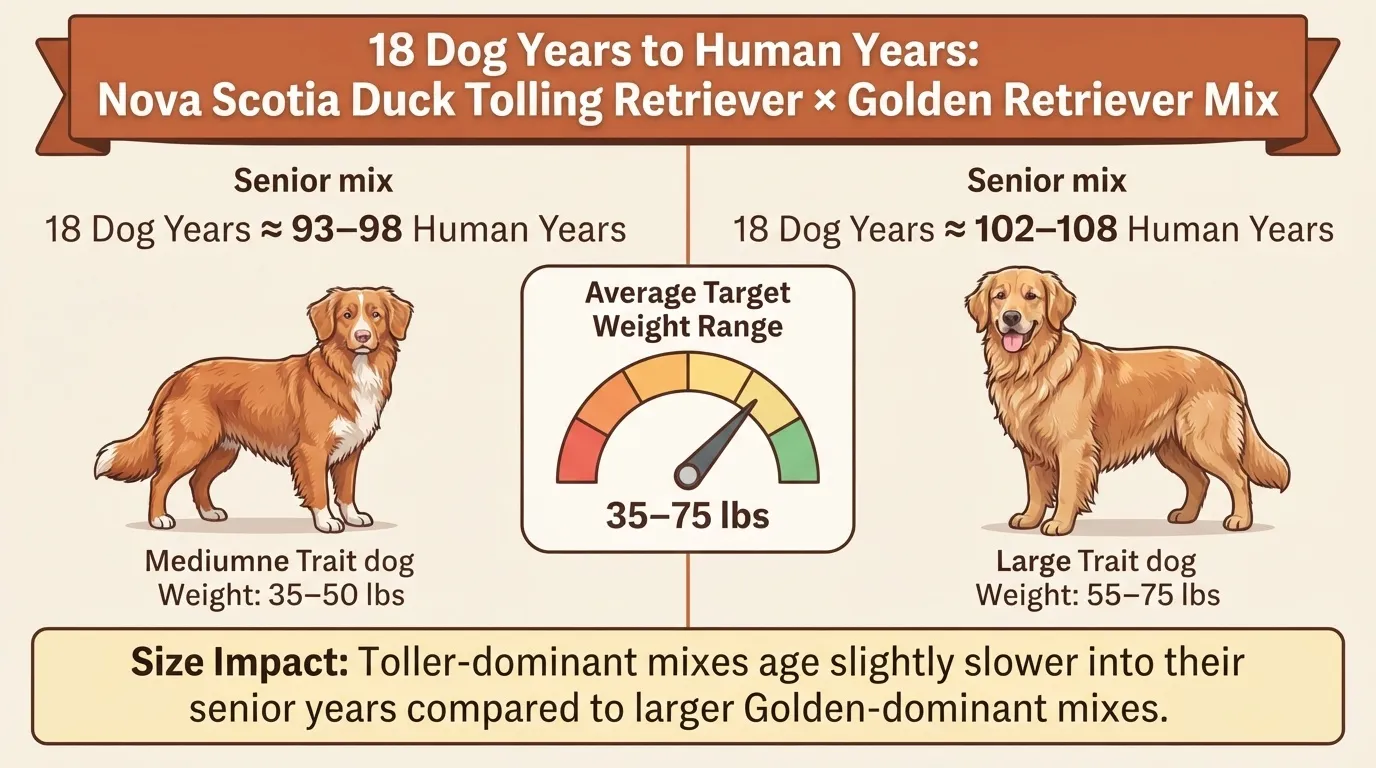
A Nova Scotia Duck Tolling Retriever Golden Retriever mix (often called a “Golden Toller”) is a crossbred dog that combines the working drive and agility of a Toller with the soft, friendly demeanor of a Golden Retriever.
What Is a Toller-Golden Mix Like?
Crossing these two purebreds creates an energetic, highly intelligent retriever with a strong water drive and intense loyalty. Rather than an exact 50/50 blend, individual puppies in a single litter will lean more toward one parent’s specific traits.
Owners often notice these mixes fall right into the sweet spot between working breed and household companion. You can expect a dog with less intense drive than a full Toller, but significantly more athleticism and alertness than a typical Golden.
Appearance, Size & Temperament of the Mix
Because this is a hybrid, physical traits and behavioral traits vary depending on genetics, but most Golden Tollers share a predictable set of characteristics.
| Trait | Expected Range / Expression |
|---|---|
| Height | 18 to 22 inches at the shoulder |
| Weight | 40 to 60 lbs (medium to large build) |
| Coat & Color | Medium-length double coat; rich copper, golden-red, or deep amber, often with white chest or paw markings |
| Lifespan | 11 to 14 years on average |
| Temperament | Affectionate, highly intelligent, medium-high energy, eager to please, moderately vocal |
Pros & Cons + Final Verdict

Choosing between a Nova Scotia Duck Tolling Retriever and a Golden Retriever comes down to matching your daily activity level with the right breed personality. Tollers are compact, intense working dogs built for active, experienced owners, while Goldens are larger, easygoing family companions that adapt well to almost any home.
Toller Pros & Cons
Tollers pack working-dog drive into a smaller frame, making them ideal for active owners who want a portable exercise partner. However, their high intelligence requires consistent mental engagement to prevent nuisance behaviors.
Pros:
Manageable Size: Weighing 35 to 50 lbs, they fit easily into compact cars and smaller living spaces.
Driven & Versatile: Exceptional focus makes them stars in agility, field trials, and obedience.
Indoor “Off-Switch”: Once their daily exercise needs are met, Tollers settle quietly at home.
Lighter Shedding: Their medium double coat requires minimal grooming compared to larger retrievers.
Cons:
The “Toller Scream”: High excitement or frustration triggers a sharp, high-pitched scream that can startle neighbors.
Reserved Demeanor: They are naturally cautious around strangers rather than instantly affectionate.
High Drive: Without daily physical effort and brain games, they easily grow bored and destructive.
Rarity & Cost: Harder to find, often requiring 1 to 2 year waitlists and puppy prices between $2,000 and $3,500.
Golden Retriever Pros & Cons
Golden Retrievers are widely recognized for their forgiving nature and social confidence. They thrive in busy households, though their heavy coat and size demand regular maintenance and space.
Pros:
Eager to Please: Highly trainable and forgiving, making them ideal for first-time owners.
Social & Friendly: They treat everyone as a friend, thriving around children and other pets.
Widely Available: Reputable breeders are easier to find, keeping average wait times shorter.
Even Temperament: Highly adaptable to chaotic family routines and social environments.
Cons:
Heavy Shedding: They drop fur year-round and blow their double coat twice a year, requiring frequent vacuuming.
Larger Footprint: Males frequently reach 65 to 75 lbs, requiring more room to move and higher food budgets.
Health Risks: Higher genetic predisposition to cancer, hip dysplasia, and heart conditions.
Separation Anxiety: Their desire for constant companionship means they struggle if left alone for long workdays.
Which Breed Should You Pick?
Pick the Nova Scotia Duck Tolling Retriever if you are an experienced dog owner, love hiking or dog sports, and want a medium-sized partner that stays focused on you rather than greeting every stranger on the trail.
Pick the Golden Retriever if you have a busy household with kids, want an eager-to-please first dog, and prefer an outgoing companion that welcomed guest interaction from day one.
If you are considering a Nova Scotia Duck Tolling Retriever Golden Retriever mix, expect a energetic 45-to-60-pound dog with a thick red-gold coat. They often combine the Golden’s social warmth with the Toller’s athletic drive, though their exact temperament and shedding levels depend on which parent breed dominates the genetic mix.
Frequently Asked Questions
Are duck tollers similar to Golden Retrievers?
Nova Scotia Duck Tolling Retrievers and Golden Retrievers share gundog roots, a high retrieving drive, and a love for water, but they differ significantly in size, temperament, and intensity. Tollers are noticeably smaller, standing 17–21 inches tall compared to a Golden’s 21.5–24 inches. While Goldens are famously eager-to-please, social with everyone, and adaptable, Tollers are more reserved around strangers, possess higher physical drive, and feature a distinct “Toller scream”—a high-pitched bark used when excited.
What is the calmest retriever?
The Golden Retriever is generally considered the calmest among popular retriever breeds once they reach full maturity, around 2 to 3 years of age. While Tollers retain a sharp, working-dog intensity well into their adult years, Goldens settle down much faster into a relaxed house pet, provided they get moderate daily exercise.
Is a duck toller a good family dog?
A Toller can be an excellent family dog for active households that enjoy hiking, running, or dog sports like agility. However, they are not a low-maintenance family pet. They thrive best in homes with older kids or energetic adults who can fulfill their need for 60–90 minutes of vigorous physical activity and mental exercise every day.
Do Tollers like to cuddle?
Tollers are affectionate with their immediate family, but they tend to express love on their own terms rather than acting like constant lap dogs. They enjoy lounging nearby or sleeping at your feet after a hard workout, but they lack the non-stop “velcro” clinginess typically found in Golden Retrievers.
Do Tollers have separation anxiety?
Yes, Tollers are prone to separation anxiety if left alone for extended periods without proper crate training and mental stimulation. Because they are working dogs that form tight bonds with their family, bored or isolated Tollers often turn to destructive chewing or high-pitched barking to vent their frustration.
Conclusion
While Nova Scotia Duck Tolling Retrievers and Golden Retrievers share a gundog heritage and a striking red-gold coat, they are fundamentally different dogs in size, drive, and everyday temperament. If you want a medium-sized, high-powered working partner with intense focus and a bit of reserve around strangers, the Toller is your best match. If you prefer a larger, easygoing companion who considers every stranger an instant best friend, the Golden Retriever remains the classic choice.
To see how your retriever’s age translates into human years based on their exact breed size and average lifespan, try our Dog Age Calculator.
🐾 Other Age Guides

I built Dogagescalculator.com to give dog owners honest, science-backed answers instead of the outdated "×7" myth. Every figure here is checked against AKC, AVMA, and published veterinary research.
More about the author & this site →
Comments