Shih Tzu Age in Human Years: Full Chart, Calculator & Life Stage Guide
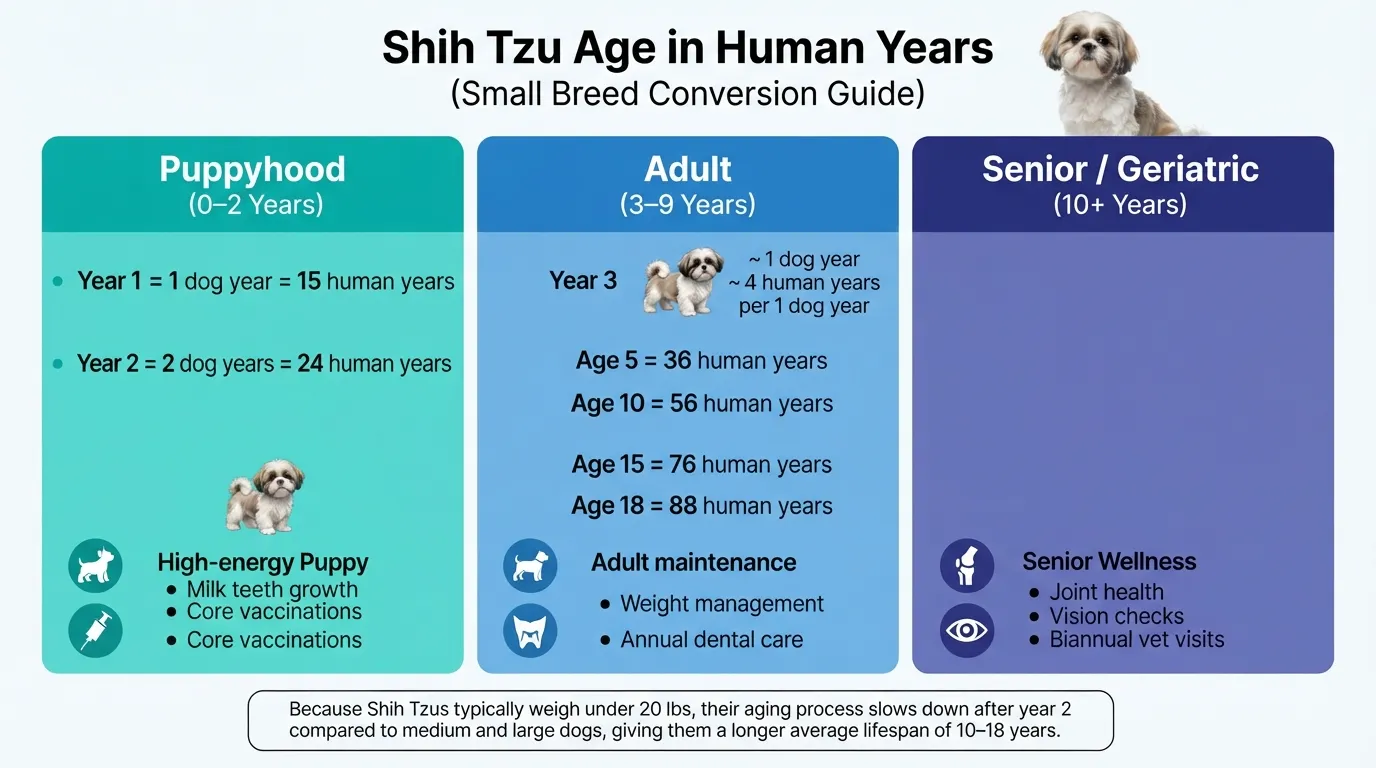
Quick Answer: A 1-year-old Shih Tzu is roughly 15 human years old. By age 2, they reach about 24 in human terms, and after that, each dog year adds roughly 4 human years. A 5-year-old Shih Tzu is around 36 human years, while a 10-year-old hits about 56 and officially enters their senior phase. Use the calculator below for an exact age conversion based on your pup’s precise birthdate.Shih Tzu Age Calculator
Shih Tzu Age Calculator
Calculating your Shih Tzu’s age in human years shouldn’t involve mental math or guessing games. Just enter your dog’s exact age—in years and months—into the calculator below to get an instant, precise conversion.
Why a Calculator Beats a Fixed Age Chart
While a static conversion chart gives you a quick snapshot, an interactive calculator is far more accurate for a few key reasons:
Accounting for partial years: A standard chart usually jumps from year 1 to year 2, missing everything in between. If your Shih Tzu is 18 months old, a fixed chart forces you to guess, whereas a calculator factors in those extra months for an exact human-age equivalent.
Precise early-life tracking: Small dogs age rapidly during their first 12 to 18 months before their growth rate levels off. A calculated formula handles this non-linear growth curve smoothly across every stage of puppyhood.
Tailored small-breed math: According to guidelines from the [Link to high-authority source: AVMA or AKC aging guide], small breeds age differently than large or giant dogs. A dedicated calculator uses formulas calibrated specifically for toy breeds like the Shih Tzu, rather than relying on a generic “multiply by 7” rule.
Shih Tzu Puppy Age Chart 0–12 Months
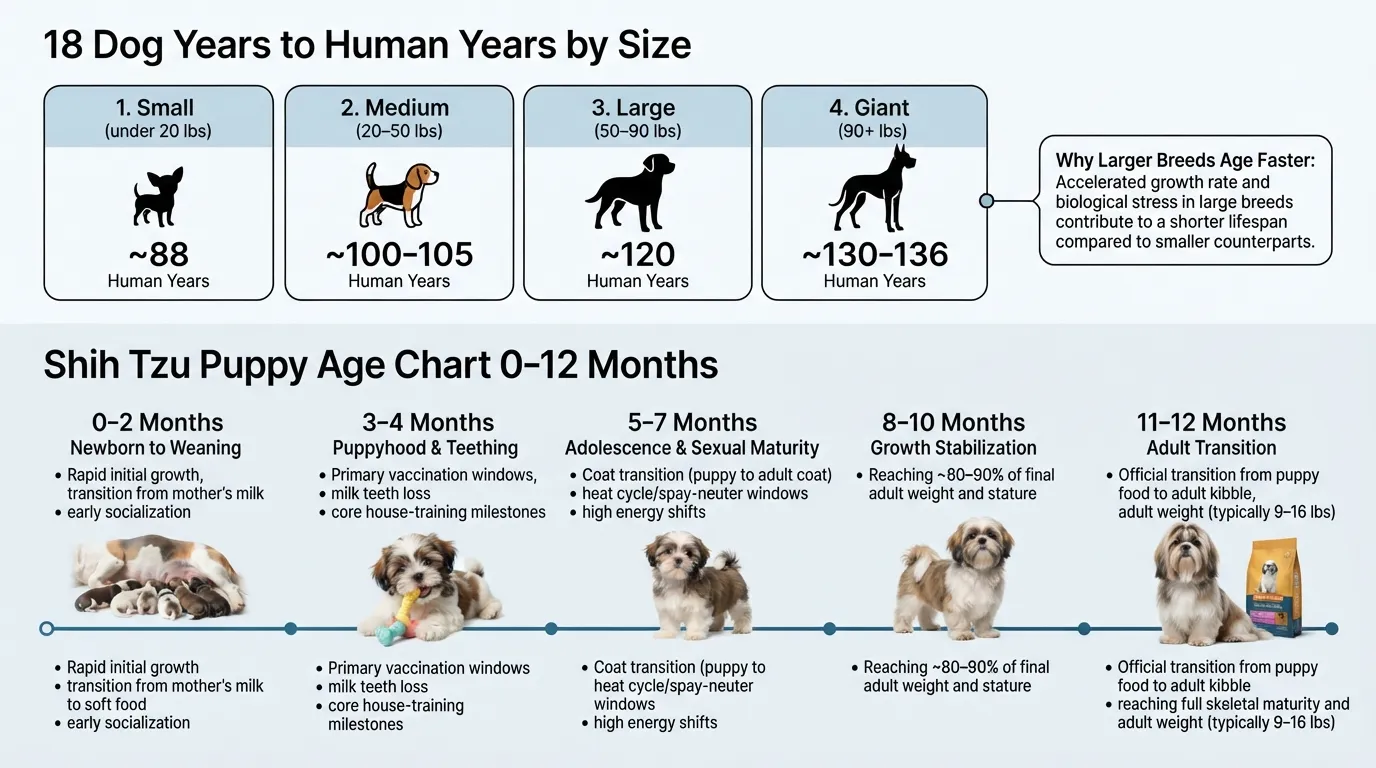
During their first year, Shih Tzus age at a rapid pace. A tiny two-month-old pup transforms into a sexually mature young adult in what feels like the blink of an eye. Small breeds mature faster early on than large dogs, which means your Shih Tzu completes most of their physical growth before their first birthday.
Here is how your puppy’s early development translates to human years:
2 months old = approx. 14 to 15 human years: At eight weeks, your pup is equivalent to a young teenager. They are newly weaned, full of curiosity, and learning basic social boundaries.
6 months old = approx. 19 to 20 human years: By six months, your Shih Tzu has hit late adolescence. They have most of their adult teeth and may test boundaries as hormones start kicking in.
9 months old = approx. 22 to 23 human years: At this stage, your dog is approaching physical maturity. Their growth slows down, but they still have plenty of high-energy puppy antics.
12 months old = approx. 24 human years: By their first birthday, a Shih Tzu is officially a young adult in human terms. According to authority source: AVMA or AKC guidance on small breed age conversion, a small dog’s first year counts for roughly 15 human years, with the remaining months bringing them to around 24 human years overall.
Understanding these milestones helps you adjust their training, diet, and exercise routines as they quickly leave the puppy stage behind.
Watch: Understanding Your Shih Tzu's Age (Video)
For a visual explanation of how Shih Tzu age conversion works, watch this short video below.
Shih Tzu Age Conversion Reference
| Shih Tzu Age | Human Years Equivalent | Life Stage |
|---|---|---|
| 1 Month | 1 Year | Puppy |
| 6 Months | 10 Years | Puppy |
| 1 Year | 15 Years | Junior |
| 3 Years | 28 Years | Adult |
| 7 Years | 44 Years | Adult |
| 10 Years | 56 Years | Senior |
| 15 Years | 76 Years | Senior |
Shih Tzu Age Chart: Dog Years to Human Years 1–15 Years
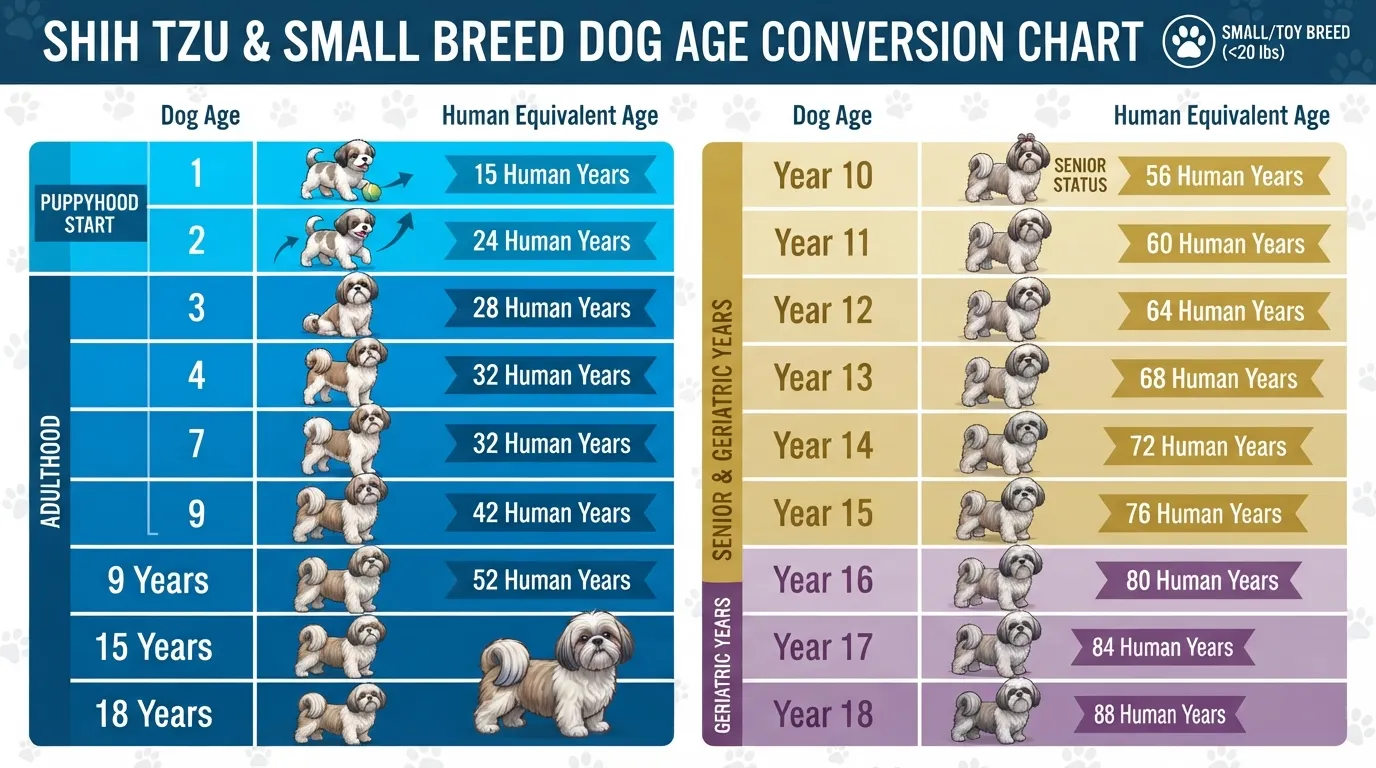
Here is a quick breakdown showing how your Shih Tzu’s age converts into human years across every major stage of their life:
| Shih Tzu Age | Human Age Equivalent | Life Stage |
|---|---|---|
| 1 Year | 15 years | Puppy / Young Adult |
| 2 Years | 24 years | Adult |
| 3 Years | 28 years | Adult |
| 4 Years | 32 years | Adult |
| 5 Years | 36 years | Adult |
| 6 Years | 60 years | Adult |
| 7 Years | 44 years | Mature Adult |
| 8 Years | 48 years | Mature Adult |
| 9 Years | 52 years | Senior |
| 10 Years | 56 years | Senior |
| 11 Years | 60 years | Senior |
| 12 Years | 64 years | Senior |
| 13 Years | 68 years | Geriatric |
| 14 Years | 72 years | Geriatric |
| 15 Years | 76 years | Geriatric |
| Shih Tzu Age | Human Age | Life Stage |
|---|---|---|
| 1 Year | 15 yrs | Puppy/Young Adult |
| 2 Years | 24 yrs | Adult |
| 3 Years | 28 yrs | Adult |
| 4 Years | 32 yrs | Adult |
| 5 Years | 36 yrs | Adult |
| 6 Years | 40 yrs | Adult |
| Shih Tzu Age | Human Age | Life Stage |
|---|---|---|
| 7 Years | 44 yrs | Mature Adult |
| 8 Years | 48 yrs | Mature Adult |
| Shih Tzu Age | Human Age | Life Stage |
|---|---|---|
| 9 Years | 52 yrs | Senior |
| 10 Years | 56 yrs | Senior |
| 11 Years | 60 yrs | Senior |
| 12 Years | 64 yrs | Senior |
| 13 Years | 68 yrs | Geriatric |
| 14 Years | 72 yrs | Geriatric |
| 15 Years | 76 yrs | Geriatric |
How to Read & Use This Chart
Understanding your Shih Tzu age in human years isn’t as simple as multiplying by seven. Toy breeds follow a distinct aging curve that reflects how their bodies develop and mature.
Year 1 ≈ 15 human years: Your pup experiences a massive growth spurt during their first 12 months. According to aging models supported by [LINK: AVMA – American Veterinary Medical Association], small dogs hit adolescence and young adulthood by their first birthday.
Year 2 ≈ 24 human years: Growth slows down significantly in the second year. By age two, your Shih Tzu is fully grown both physically and mentally, matching a human in their early twenties.
After year 2, roughly +4 human years per dog year: Once your Shih Tzu reaches adulthood, their aging pace settles into a steady rhythm. They age about four human years for every calendar year.
For in-between ages: If your pup is 3.5 years old or a few months shy of a birthday, use the custom calculator above to get an exact, down-to-the-month calculation.
Shih Tzu Life Stages Explained
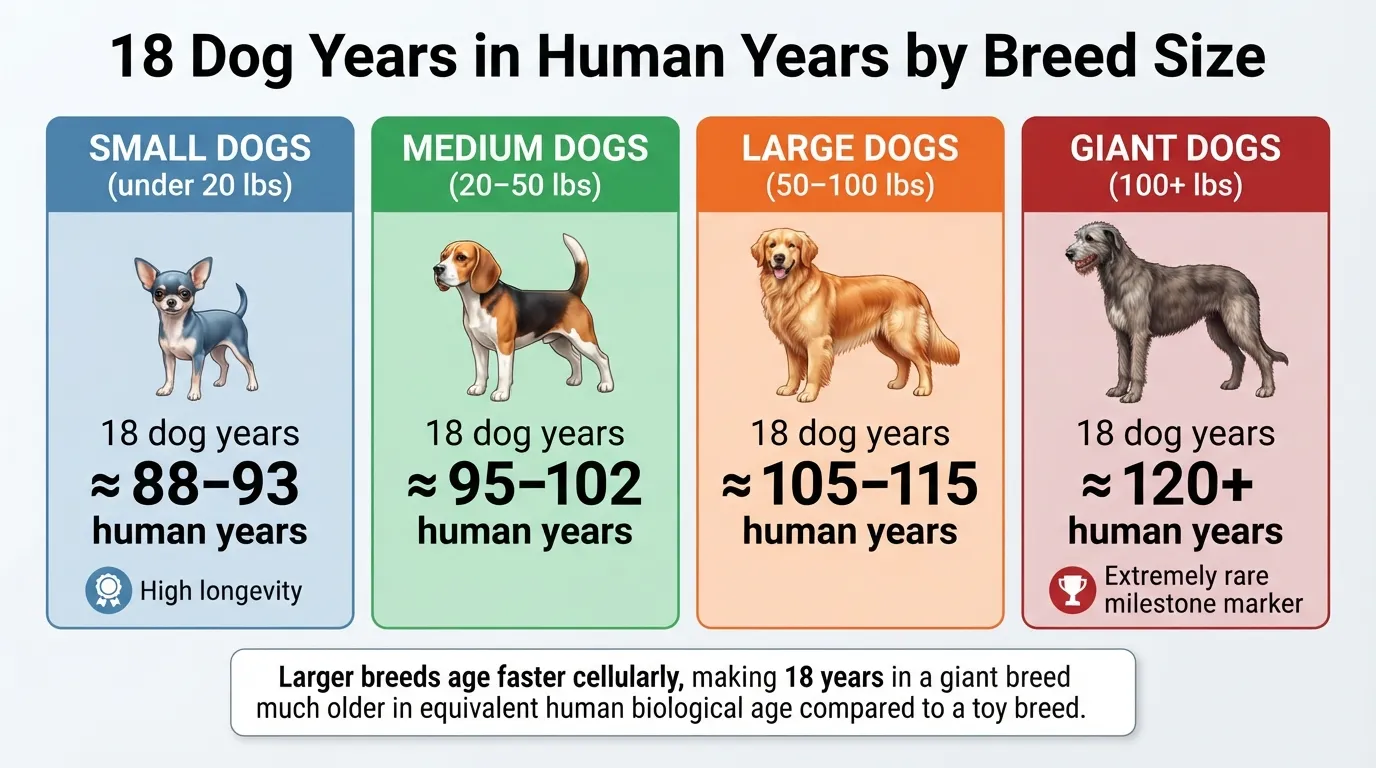
Understanding your Shih Tzu’s age in human years gets a lot easier when you break their lifespan down into distinct stages. Toy breeds mature rapidly in their first year and then settle into a long, steady adulthood before entering their golden senior years.
Puppy Stage (0–1 Year)
The first 12 months are a whirlwind. In terms of development, a one-year-old Shih Tzu equals about 15 human years. They do almost all of their physical growing during this phase, reaching their adult height and weight between 9 and 12 months.
Growth & Development: Expect rapid weight gain early on. Because toy puppies have small stomachs, they need calorie-dense puppy food split into 3–4 small meals a day to prevent low blood sugar (hypoglycemia).
Socialization Needs: According to the [American Kennel Club], early exposure to different sounds, gentle people, and safe dogs between 8 and 16 weeks shapes a confident adult. Unsocialized Shih Tzus can easily become timid or overly reactive.
Training Focus: Start housebreaking early. Shih Tzus are notoriously stubborn, so keep training sessions short, fun, and heavily reward-based. Consistency is key.
Adult Stage (1–9 Years)
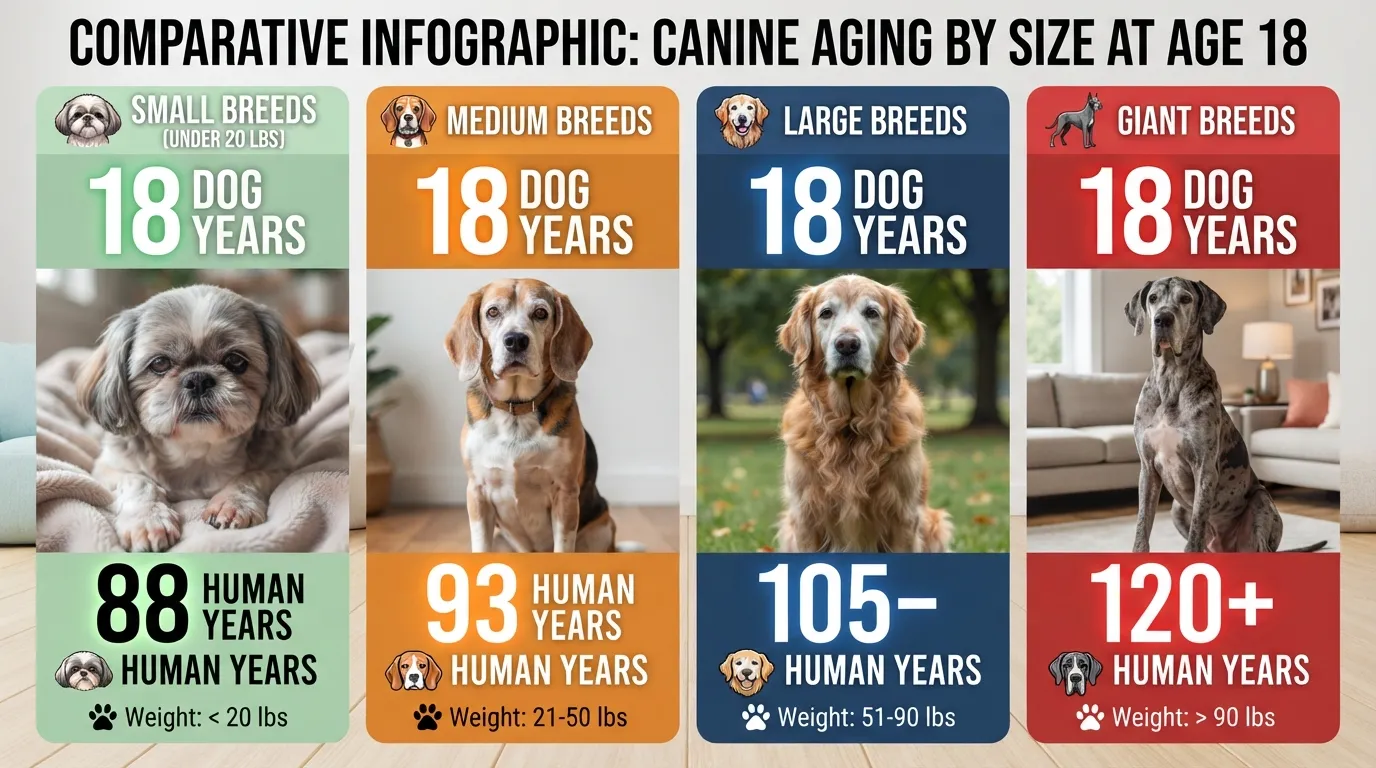
Once your Shih Tzu hits one year, their aging process slows down significantly compared to larger breeds. Each calendar year during adulthood translates to roughly 4 to 5 human years. This is usually the easiest, most stable phase of your dog’s life.
Stable Energy: Adult Shih Tzus are playful companions, but they don’t require hours of hard exercise. A couple of short daily walks and indoor play sessions are usually enough to keep them happy.
Weight Control: Because they are small and love treats, adult Shih Tzus gain weight easily. Keep an eye on their waistline and stick to measured food portions to protect their back and joints from extra strain.
Routine Checkups: Schedule an annual vet visit for vaccinations, heartworm prevention, and routine bloodwork. Pay close attention to dental hygiene—toy breeds are prone to severe tartar buildup and early tooth loss.
Senior Stage (10+ Years)
When a Shih Tzu turns 10, they reach roughly 56 in human years and enter their senior phase. Shih Tzus regularly live to be 13 to 16 years old, so with proper care, this stage can last for several wonderful years.
Slower Movement & Extra Rest: You will notice your dog sleeping more and taking longer to settle down or get up from a nap. Gentle, shorter walks replace long strolls.
Age-Related Changes to Watch For: Keep an eye out for clouding in the eyes (cataracts or nuclear sclerosis), hearing loss, stiffness, and behavioral shifts like night-time restlessness.
Increasing Vet Visit Frequency: Switch from annual checkups to semi-annual (twice yearly) vet visits once your Shih Tzu turns 10. The [American Veterinary Medical Association] highlights that senior health screenings every six months help catch kidney issues, heart murmurs, or arthritis early, making treatment far more effective.
How to Estimate Your Shih Tzu's Age If You Don't Know the Birthdate
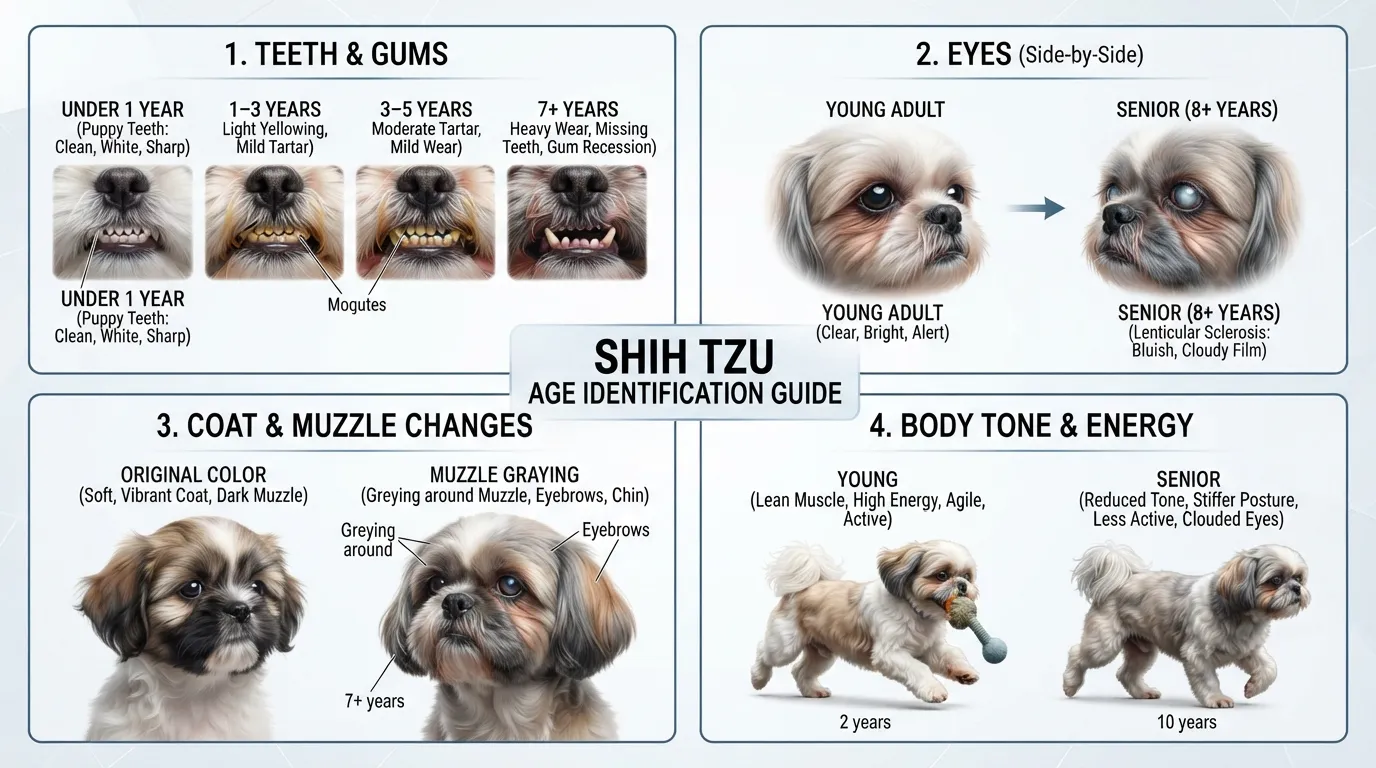
If you rescued your pup or took in a stray, you might not have official adoption papers with an exact birthdate. That makes calculating your Shih Tzu’s age in human years tricky. Fortunately, you don’t need a birth certificate to get a solid estimate. Physical clues can tell you whether you’re living with a feisty young adult or a gentle senior.
Teeth Condition as a General Age Indicator
Checking your dog’s mouth is usually the fastest way to estimate age. According to [Link to high-authority source: American Veterinary Medical Association (AVMA)], dental development and wear follow predictable patterns throughout a dog’s life:
8 weeks to 6 months: Milk teeth drop out and permanent adult teeth erupt. If all adult teeth are bright, clean, and fully grown, the pup is usually around 6 months to 1 year old.
1 to 2 years: Teeth are fully formed and bright white, though minor yellowing or slight tartar buildup might begin on the back molars.
3 to 5 years: Yellowing becomes more visible. Moderate tartar buildup appears on the teeth, and light wear shows on the front incisors.
5 to 10 years: Heavy tartar, visible tooth wear, and noticeable gum recession are common, especially in toy breeds prone to dental issues like Shih Tzus.
10+ years: Severe wear, heavy tartar, missing teeth, or loose teeth strongly point to a senior dog.
Coat, Eyes, and Energy Level Signs
Beyond teeth, your Shih Tzu’s overall body condition offers clear physical milestones. Pay attention to these three areas:
The Coat: Young Shih Tzus usually have vibrant, silky fur. As they hit their mature adult years, grey or silver hairs often start creeping into their muzzle, eyebrows, and face. Older dogs may also develop thinner or coarser coat textures.
The Eyes: Young dogs have clear, bright eyes with dark pupils. By around 7 to 9 years of age, you might spot a bluish-grey haze in their lenses. This haze is usually lenticular sclerosis—a normal, non-painful aging change in the eyes, though it can sometimes be confused with cataracts.
Energy Level: Young Shih Tzus love short bursts of zooming around, playful bouncing, and intense curiosity. Adult dogs settle into steady routine play, while seniors sleep significantly more, move with stiffer joints in the morning, and prefer relaxed, low-impact strolls over lively games.
When to Ask a Vet for a Professional Age Estimate
While home checks give you a ballpark estimate, scheduling a routine exam with your veterinarian will yield the most accurate result. A vet will combine a full oral exam with joint flexibility tests, eye examinations, and routine blood work to pinpoint an estimated age range.
If your Shih Tzu shows signs of dental disease or eye cloudiness, a vet can also help distinguish normal age-related changes from underlying health conditions that need treatment.
Shih Tzu Average Lifespan
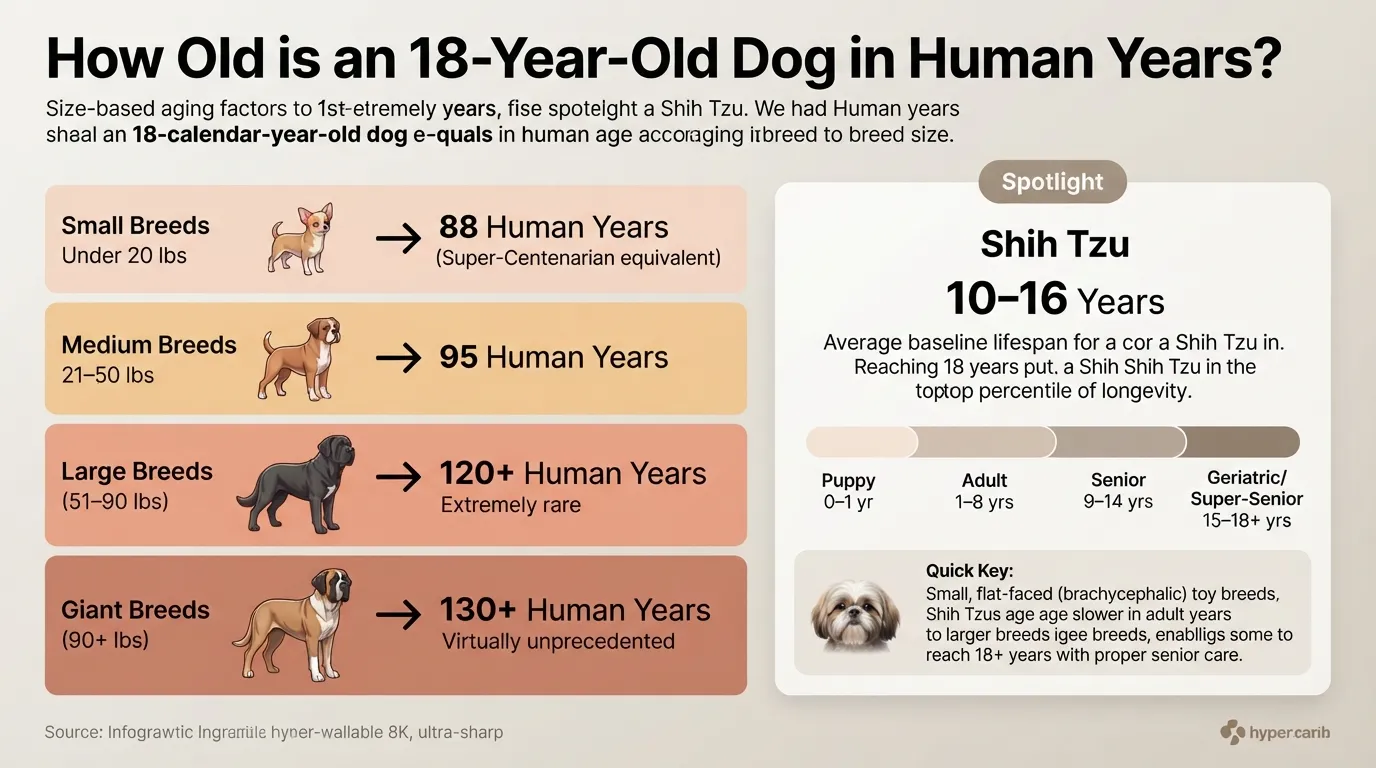
The average Shih Tzu lifespan typically ranges between 10 to 16 years, with a healthy median around 13 to 15 years. According to clinical longevity studies cited by organizations like the [American Kennel Club] and the Royal Veterinary College (RVC), toy breeds like the Shih Tzu enjoy some of the longest life expectancies in the canine world. It isn’t uncommon for a well-cared-for pup to live past 15, or even reach 17 or 18 years.
Key Factors Affecting Your Shih Tzu’s Lifespan
While genetics set the baseline, daily care choices make a huge impact on how long your Shih Tzu stays healthy and vibrant:
Genetics & Breeding: Responsible breeding minimizes the risk of hereditary conditions like hip dysplasia, progressive retinal atrophy (PRA), and kidney disorders.
Diet & Nutrition: High-quality, portion-controlled food formulated for small or toy breeds keeps their organs healthy and supports a strong immune system.
Weight Management: Shih Tzus love treats, but excess weight puts massive strain on their miniature joints, heart, and airway. Obesity can shorten a dog’s life by up to two years.
Dental Health: Toy breeds have tiny mouths packed with teeth, making them prone to severe periodontal disease. Bacteria from infected gums can enter the bloodstream and cause long-term kidney or heart issues.
Routine Veterinary Care: Annual checkups, early health screenings, and timely vaccinations help catch chronic illnesses long before they become life-threatening.
Simple Tips to Help Your Shih Tzu Live Longer
You can easily add quality years to your Shih Tzu’s life with a few intentional habits:
Protect Their Breathing: As a flat-faced (brachycephalic) breed, Shih Tzus overheat quickly and struggle in extreme humidity. Walk them during cool morning or evening hours and use a harness instead of a collar to prevent tracheal collapse.
Brush Their Teeth Daily: Use a dog-safe toothpaste and daily dental chews to keep plaque at bay.
Keep Up Gentle Exercise: Short daily walks (15–30 minutes) and indoor playtime maintain muscle mass without overworking their joints.
Prioritize Eye Care: Their large, prominent eyes catch dust and debris easily. Clean round their eyes daily with a damp cloth to prevent painful infections or ulcers.
How Age Affects Your Shih Tzu's Daily Care
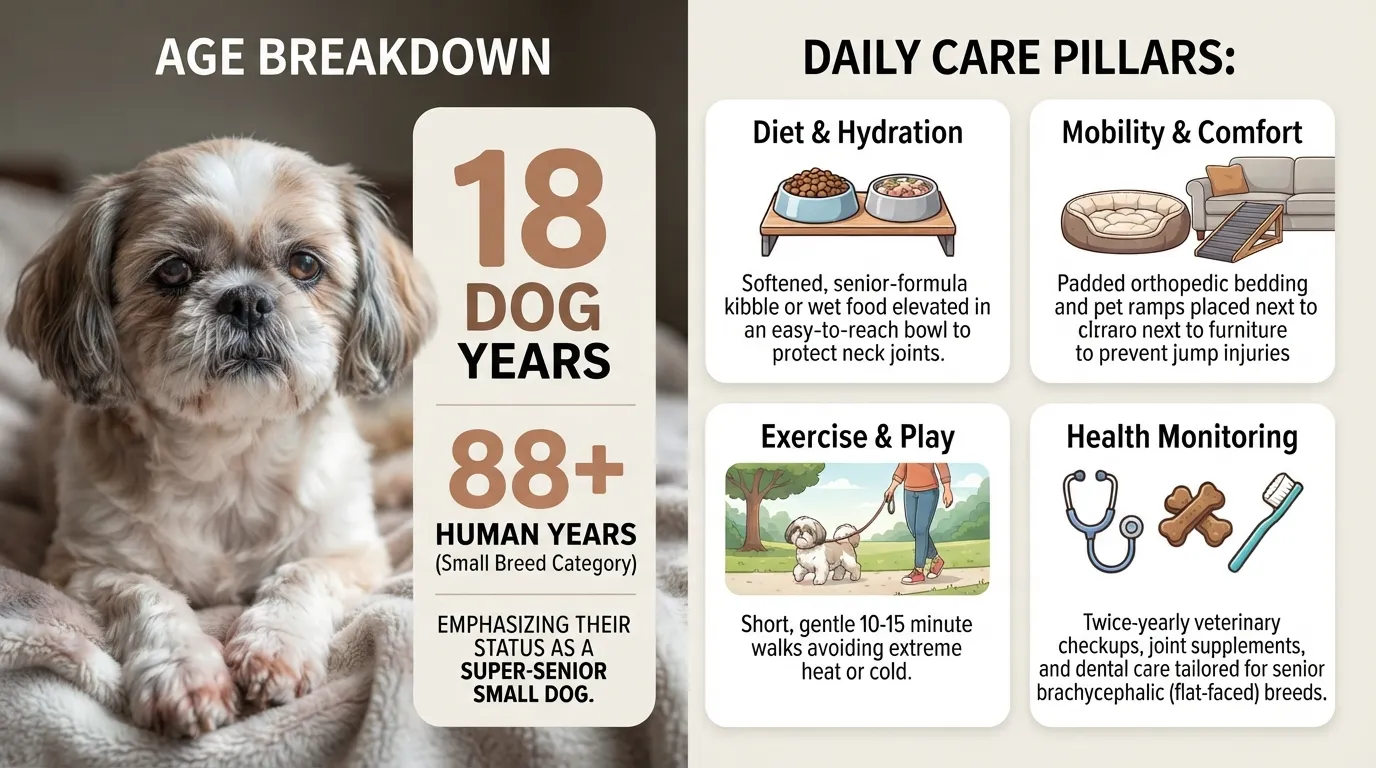
Taking care of a Shih Tzu isn’t a one-size-fits-all job. A bouncy four-month-old pup needs a completely different routine than a quiet 12-year-old senior sleeping on the rug. As your Shih Tzu ages in human years, their body changes, and so should their day-to-day care.
Diet & Weight by Life Stage
Shih Tzus burn energy at different rates depending on their age. Because they have small stomachs and can easily gain excess weight, matching their meal portions and food type to their life stage is critical.
Puppies (0 to 12 months): Rapid growth requires calorie-dense puppy kibble rich in DHA for brain development. Feed them three to four small meals a day to keep their blood sugar stable.
Adults (1 to 9 years): Switch to a balanced adult formula formulated for small breeds. Two meals a day work best. Watch their waistline closely—even a single extra pound puts unnecessary stress on a small dog’s joints.
Seniors (10+ years): Older Shih Tzus naturally slow down and burn fewer calories. Transition to a senior formula with lower fat, digestible proteins, and added joint supplements like glucosamine. If dental issues crop up, soft or wetted kibble helps them eat comfortably.
Exercise Needs by Age
Shih Tzus aren’t endurance runners, but they still need regular daily activity to stay lean and mentally sharp.
Puppies: Keep play sessions short—around 15 to 20 minutes at a time. Their growth plates are still forming, so avoid high-impact jumping or long walks.
Adults: Aim for 30 to 45 minutes of total daily exercise. This can be split into two brisk walks around the neighborhood plus some indoor play.
Seniors: Gentle 15-minute strolls are ideal. Let them sniff around at their own pace, and watch for any signs of stiffness or limping.
Breed-Specific Safety Note: As a brachycephalic (flat-faced) breed, Shih Tzus can’t cool themselves down efficiently through panting. Keep outdoor exercise brief during warm or humid weather, stick to air-conditioned areas when it’s hot, and always use a harness instead of a collar to protect their delicate airways. [Link to AKC Brachycephalic Care Guide]
Vet Checkup Frequency by Age
Preventative veterinary care catches health issues early, long before your dog shows obvious signs of discomfort.
Puppies (Up to 1 year): Expect frequent visits—usually every 3 to 4 weeks until around 16 weeks old—for core vaccinations, deworming, and spay/neuter consultations.
Adults (1 to 9 years): Schedule an annual wellness exam. According to [AVMA guidelines for small breed preventative care], yearly checkups should cover routine vaccinations, heartworm tests, and regular dental evaluations.
Seniors (10+ years): Switch to bi-annual (twice-yearly) vet visits. Senior exams typically include routine blood panels, urine checks, and monitoring for common age-related conditions like kidney changes, heart murmurs, or cataracts.
Frequently Asked Questions
| Question | Answer |
|---|---|
| How old is a 5-year-old Shih Tzu in human years? | A 5-year-old Shih Tzu is approximately 36 in human years. Small breeds age faster in their first two years and then settle into a steady aging rate of about 4 human years per calendar year. |
| How old is a 10-year-old Shih Tzu in human years? | A 10-year-old Shih Tzu is roughly equivalent to a 56-year-old human. Thanks to their small size, they stay relatively younger in human equivalent years compared to large dog breeds at the same age. |
| How old is my Shih Tzu puppy in human months? | Shih Tzu puppies develop rapidly. A 1-month-old puppy is like a 1-year-old human baby, a 3-month-old is comparable to a 3-year-old child, and a 6-month-old puppy reaches the equivalent of a 10-year-old child. |
| When is a Shih Tzu considered a senior? | A Shih Tzu is typically considered a senior dog around 9 to 10 years of age. Because toy breeds live longer, their senior stage begins later than that of larger breeds. |
| Is the 7-year rule accurate for Shih Tzus? | No, the simple "multiply by 7" rule is not accurate for Shih Tzus. Small dogs age faster during their first two years and significantly slower in their senior years compared to larger dogs. |
| Do Shih Tzus age slower than large dogs? | Yes, after reaching adulthood (around age 2), Shih Tzus age much slower than large or giant breeds, which is why small breeds often enjoy longer lifespans. |
| How can I tell my Shih Tzu's age without papers? | A veterinarian can estimate age by checking teeth wear and tartar buildup, cloudiness in the eye lenses, muscle tone, graying hair around the muzzle, and overall energy levels. |
| What is the average lifespan of a Shih Tzu? | The average lifespan of a healthy Shih Tzu ranges between 10 to 16 years, with many living up to 18 years when given proper diet, dental care, and regular veterinary checkups. |
| How old is a 5-year-old Shih Tzu in human years? |
|---|
| A 5-year-old Shih Tzu is approximately 36 in human years. Small breeds age faster in their first two years and then settle into a steady aging rate of about 4 human years per calendar year. |
| How old is a 10-year-old Shih Tzu in human years? |
|---|
| A 10-year-old Shih Tzu is roughly equivalent to a 56-year-old human. Thanks to their small size, they stay relatively younger in human equivalent years compared to large dog breeds at the same age. |
| How old is my Shih Tzu puppy in human months? |
|---|
| Shih Tzu puppies develop rapidly. A 1-month-old puppy is like a 1-year-old human baby, a 3-month-old is comparable to a 3-year-old child, and a 6-month-old puppy reaches the equivalent of a 10-year-old child. |
| When is a Shih Tzu considered a senior? |
|---|
| A Shih Tzu is typically considered a senior dog around 9 to 10 years of age. Because toy breeds live longer, their senior stage begins later than that of larger breeds. |
| Is the 7-year rule accurate for Shih Tzus? |
|---|
| No, the simple "multiply by 7" rule is not accurate for Shih Tzus. Small dogs age faster during their first two years and significantly slower in their senior years compared to larger dogs. |
| Do Shih Tzus age slower than large dogs? |
|---|
| Yes, after reaching adulthood (around age 2), Shih Tzus age much slower than large or giant breeds, which is why small breeds often enjoy longer lifespans. |
| How can I tell my Shih Tzu's age without papers? |
|---|
| A veterinarian can estimate age by checking teeth wear and tartar buildup, cloudiness in the eye lenses, muscle tone, graying hair around the muzzle, and overall energy levels. |
| What is the average lifespan of a Shih Tzu? |
|---|
| The average lifespan of a healthy Shih Tzu ranges between 10 to 16 years, with many living up to 18 years when given proper diet, dental care, and regular veterinary checkups. |
🐾 Other Age Guides

I built Dogagescalculator.com to give dog owners honest, science-backed answers instead of the outdated "×7" myth. Every figure here is checked against AKC, AVMA, and published veterinary research.
More about the author & this site →
Comments