
Difference Between a Lhasa Apso and a Shih Tzu
The Lhasa Apso vs Shih Tzu comparison can be confusing because both are small companion breeds with long, flowing coats and origins in Tibet. However, the differences between Lhasa Apso and Shih Tzu become clearer when you compare their size, appearance, temperament, grooming needs, exercise requirements, and typical lifestyle.
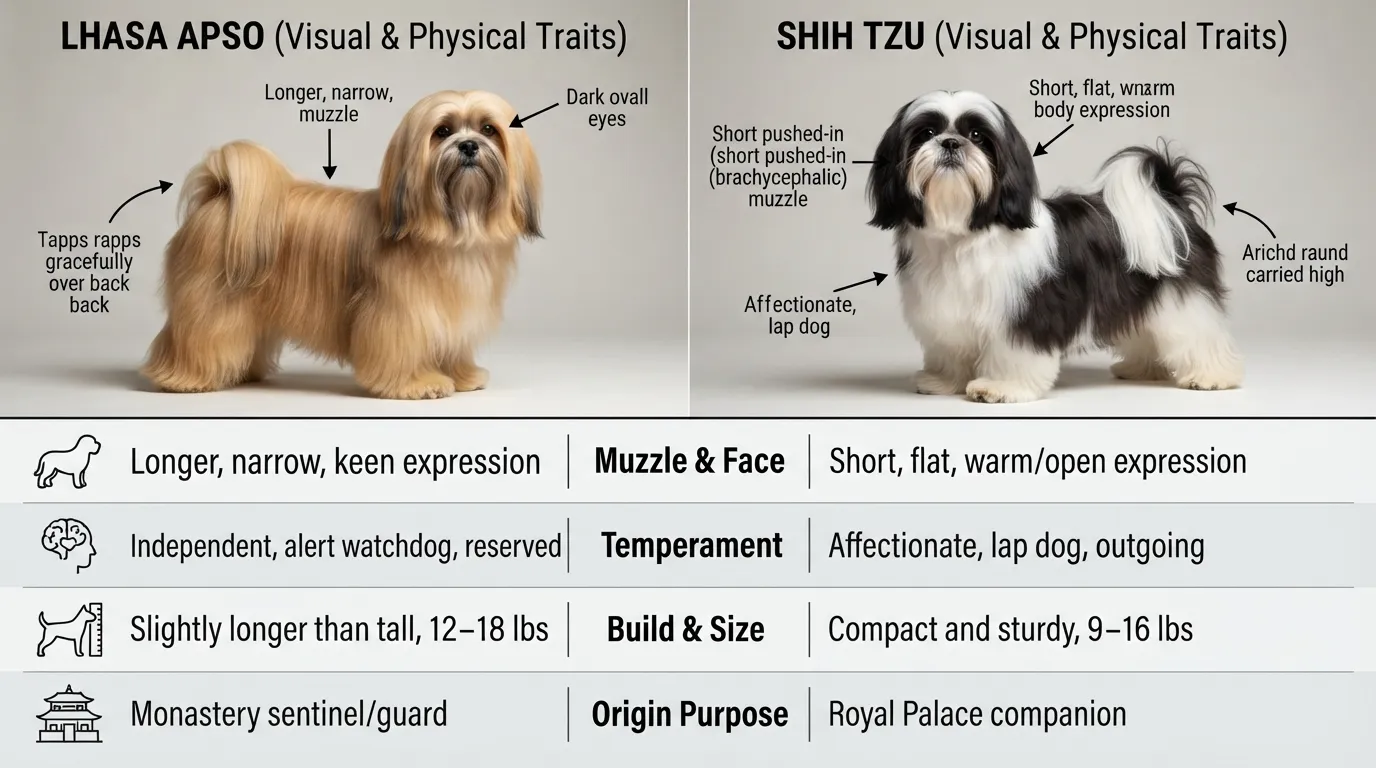
The Lhasa Apso is generally more independent, alert, and reserved with strangers. It has a longer muzzle and a sturdy build, and it may be more protective of its home and family. The Shih Tzu is typically more outgoing, affectionate, and people-oriented, with a shorter muzzle and a compact body.
When comparing a Lhasa Apso vs Shih Tzu, neither breed is automatically the right choice for every household. Your decision may depend on the type of temperament you prefer, how much grooming you can provide, your daily activity level, and whether you want a more independent or highly companion-oriented dog.
In this guide, we’ll compare the Lhasa Apso and Shih Tzu side by side, including size, weight, appearance, temperament, personality, grooming, shedding, exercise, trainability, health concerns, lifespan, and overall care. We’ll also explain the key differences between these two closely related-looking breeds.
Lhasa Apso vs. Shih Tzu — Quick Comparison Table
| Feature | Lhasa Apso | Shih Tzu |
|---|---|---|
| Height | 10 to 11 inches (males slightly taller) | 9 to 10.5 inches |
| Weight | 12 to 18 pounds | 9 to 16 pounds |
| Lifespan | 12 to 15 years | 10 to 18 years |
| Coat Type | Heavy, straight, dense, hard coat with a distinct parting down the back | Long, dense, double coat that can have a slight wave |
| Face/Muzzle Shape | Longer muzzle with prominent facial furnishings (beard and mustache) | Short, pushed-in (brachycephalic) muzzle with an upturned nose |
| AKC Group | Non-Sporting Group | Toy Group |
| Temperament | Independent, alert, aloof with strangers, deeply loyal to family | Affectionate, outgoing, playful, eager to greet everyone |
| Exercise Needs | Moderate; enjoys brisk daily walks and playtime | Low to moderate; short daily strolls and indoor play are plenty |
| Grooming Needs | High; heavy maintenance to prevent mats, especially with full show coats | High; daily brushing required to keep the flowing double coat tangle-free |
| Shedding | Low-shedding (hair-like coat) | Low-shedding (hair-like coat) |
| Best Suited For | Owners wanting a vigilant, independent watchdog with a bit of spunk | Families, apartment dwellers, or seniors looking for an affectionate lapdog |
| Lhasa Apso | Shih Tzu |
|---|---|
| 10 to 11 inches (males slightly taller) | 9 to 10.5 inches |
| Lhasa Apso | Shih Tzu |
|---|---|
| 12 to 18 pounds | 9 to 16 pounds |
| Lhasa Apso | Shih Tzu |
|---|---|
| 12 to 15 years | 10 to 18 years |
| Lhasa Apso | Shih Tzu |
|---|---|
| Heavy, straight, dense, hard coat with a distinct parting down the back | Long, dense, double coat that can have a slight wave |
| Lhasa Apso | Shih Tzu |
|---|---|
| Longer muzzle with prominent facial furnishings (beard and mustache) | Short, pushed-in (brachycephalic) muzzle with an upturned nose |
| Lhasa Apso | Shih Tzu |
|---|---|
| Non-Sporting Group | Toy Group |
| Lhasa Apso | Shih Tzu |
|---|---|
| Independent, alert, aloof with strangers, deeply loyal to family | Affectionate, outgoing, playful, eager to greet everyone |
| Lhasa Apso | Shih Tzu |
|---|---|
| Moderate; enjoys brisk daily walks and playtime | Low to moderate; short daily strolls and indoor play are plenty |
| Lhasa Apso | Shih Tzu |
|---|---|
| High; heavy maintenance to prevent mats, especially with full show coats | High; daily brushing required to keep the flowing double coat tangle-free |
| Lhasa Apso | Shih Tzu |
|---|---|
| Low-shedding (hair-like coat) | Low-shedding (hair-like coat) |
| Lhasa Apso | Shih Tzu |
|---|---|
| Owners wanting a vigilant, independent watchdog with a bit of spunk | Families, apartment dwellers, or seniors looking for an affectionate lapdog |
While both of these Tibetan breeds share a royal lineage and long, luxurious coats, subtle physical and behavioral differences set them apart. The biggest difference between a Lhasa Apso and a Shih Tzu comes down to personality: the Lhasa Apso was bred as a watchful guard dog, making them independent and reserved, while the Shih Tzu was bred strictly as a lap companion, making them outgoing and eager to please.
Here is a side-by-side comparison of the Lhasa Apso vs Shih Tzu across their key traits:
A Shared Heritage — Where Both Breeds Come From
Lhasa Apso’s Tibetan Origin
Long before they were pampered family pets sitting on living room couches, Lhasa Apsos had a very serious job high in the Himalayan mountains. Dating back to around 800 AD, these dogs were carefully bred inside Tibetan monasteries and royal palaces near the sacred city of Lhasa. The monks considered them sacred gifts, often referring to them as Abso Seng Kye—which roughly translates to “Bark Lion Sentinel Dog.”
They weren’t bred to hunt or herd, but to serve as indoor alarms. While massive Tibetan Mastiffs guarded the outer gates of the monasteries, the Lhasa Apso stayed inside with the monks. Blessed with incredibly sensitive hearing, a Lhasa could detect the faintest footsteps of an intruder long before anyone else noticed. They would issue a sharp, piercing alarm bark to alert the human guards, earning their reputation as vigilant small guardians that took their duty intensely seriously.
Shih Tzu's Royal Chinese Connection
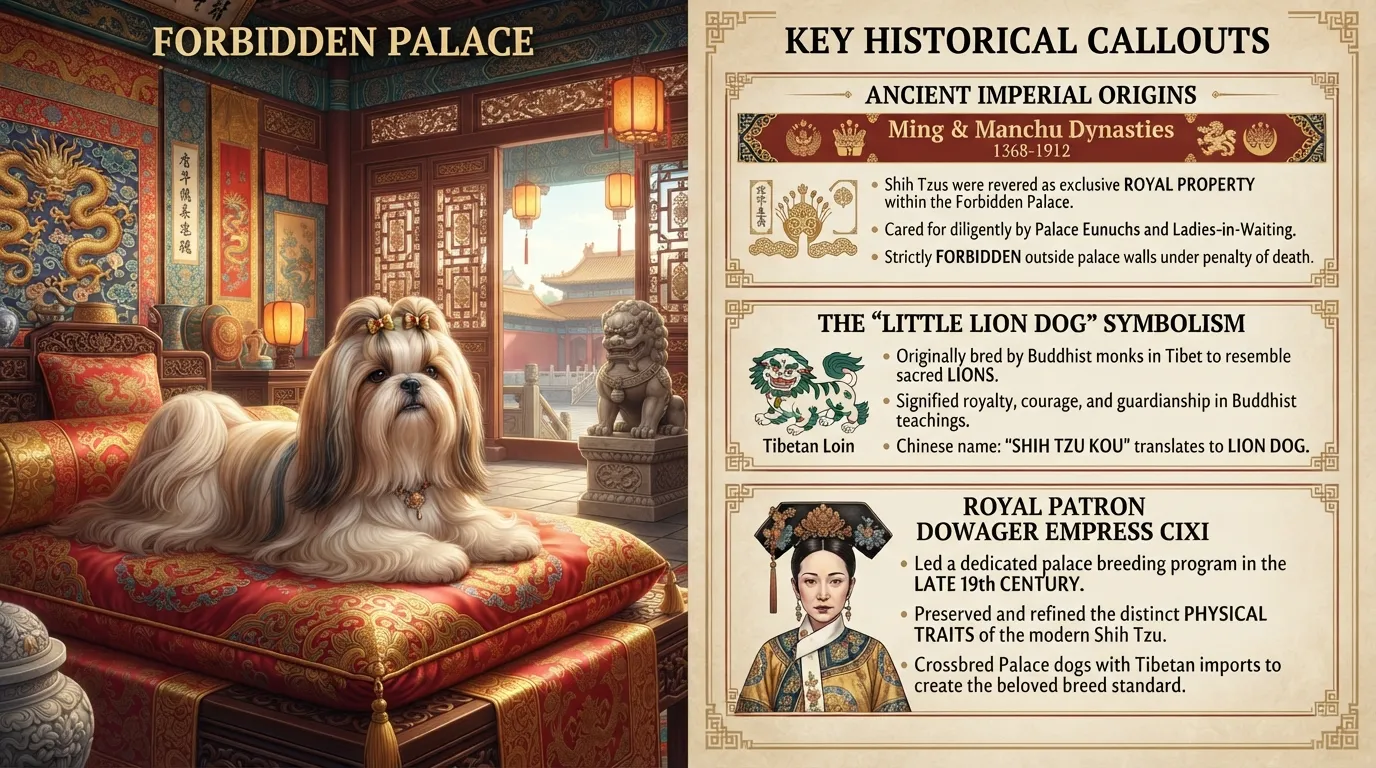
While the Lhasa Apso held down ancient watch-dog duties in the monasteries of Tibet, the Shih Tzu took a slightly different historical path. The breed originated when Tibetan Lhasa Apsos were sent as imperial tribute gifts to Chinese emperors, who then crossed them with native Pekingese. The result was a smaller, shorter-snouted companion engineered specifically for life inside the Imperial Palace.
Unlike the Lhasa, which was built to work and guard, the Shih Tzu was bred purely for companionship—to keep royal laps warm, stroll manicured courtyard gardens, and look magnificent while doing it.
AKC Group Classification: The American Kennel Club places the Shih Tzu in the Toy Group, reflecting its singular purpose as a lightweight lap companion, whereas the Lhasa Apso sits in the Non-Sporting Group alongside other former watchdogs and utility breeds.
Shared Bloodlines & Visual Mix-Ups: Because the Shih Tzu carries strong Lhasa Apso lineage, both breeds share sweeping floor-length coats, high-set curved tails, and dark, expressive eyes—making it very easy to mistake a slightly larger Shih Tzu for a Lhasa Apso without looking closer at their head structure.
Physical Appearance — How to Tell Them Apart
Size & Weight Comparison
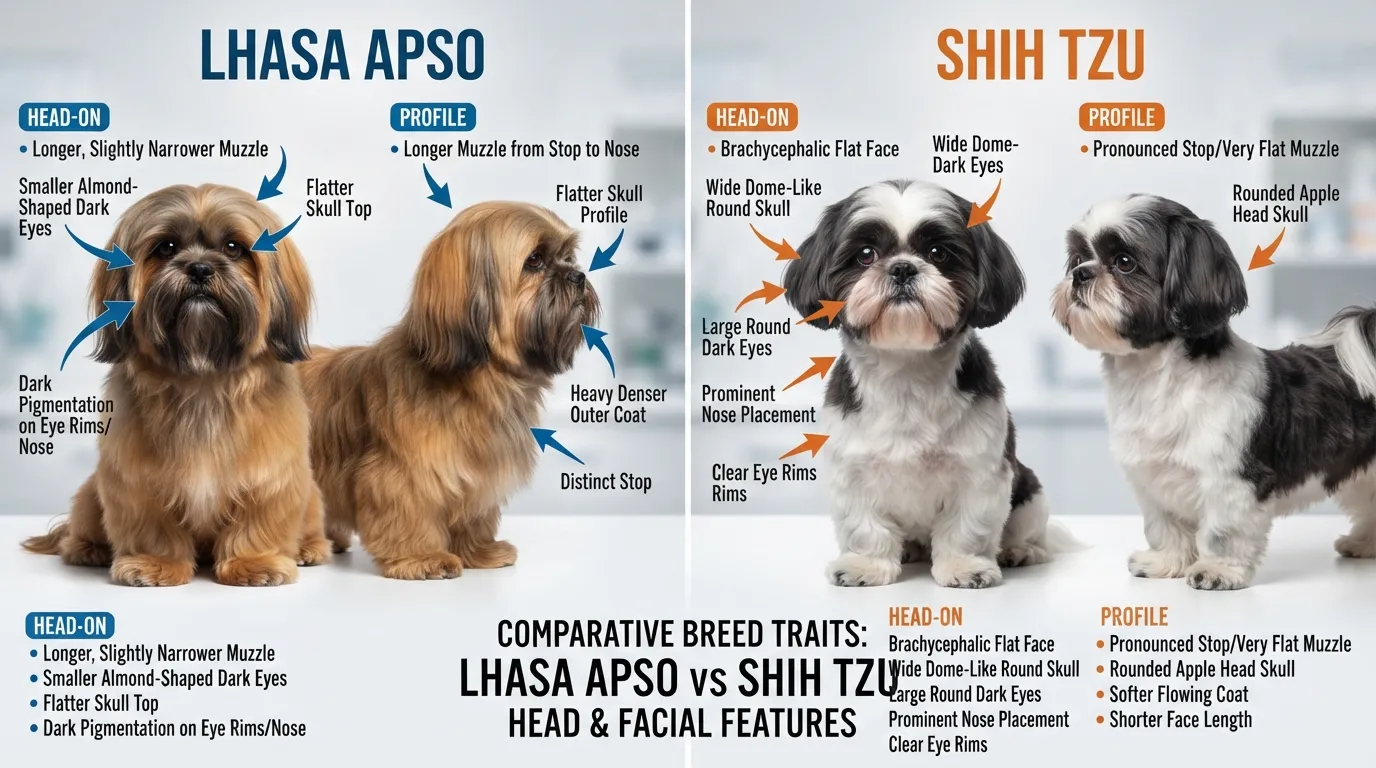
At a glance, these two breeds share a remarkably similar silhouette. Place them side by side, however, and you will immediately notice that the Lhasa Apso carries a distinctly heavier, more rectangular build compared to the slightly smaller, more compact frame of the Shih Tzu.
While both are sturdy small dogs, the difference in bone density and muscle frame becomes obvious as soon as you pick them up.
Lhasa Apso: Stands 10 to 11 inches tall at the shoulder (with females often slightly smaller) and weighs between 12 and 18 pounds.
Shih Tzu: Stands 9 to 10.5 inches tall at the shoulder and weighs between 9 and 16 pounds.
In everyday life, those extra two to three pounds on a Lhasa Apso make a noticeable difference. A Lhasa feels solid, muscular, and grounded—a remnant of their history as indoor watchdogs in the high altitudes of Tibet. A Shih Tzu, while far from fragile, sits firmly in the toy breed classification with a slightly shorter back and a dainty overall presence designed purely for lap-warming duty.
Face & Muzzle Shape
If you need to tell these two breeds apart in under three seconds, look straight at their noses. Facial structure is hands-down the most reliable visual giveaway between a Lhasa Apso and a Shih Tzu, even when both dogs are trimmed in identical puppy cuts.
A Lhasa Apso has a distinct, moderate muzzle that projects noticeably forward from the eyes—typically measuring about an inch and a half long. When you view a Lhasa from the side, there is a clear, visible bridge to the nose before it hits the forehead. This fuller foreface isn’t just cosmetic; it gives them complete nasal passages, which means significantly less snorting and better airflow during daily exercise.
In contrast, the Shih Tzu features an extremely flat, broad face with a short, pushed-in snout that sits high on the head—often almost level with the bottom of their large, round eyes. Their facial stop is steep and deep, creating that signature “chrysanthemum” expression where hair fans out upward from the center of the nose. Because of this flatter, brachycephalic structure, Shih Tzus are far more prone to warm-weather panting and endearing little snorts than their longer-muzzled Tibetan cousins.
Coat Texture & Colors
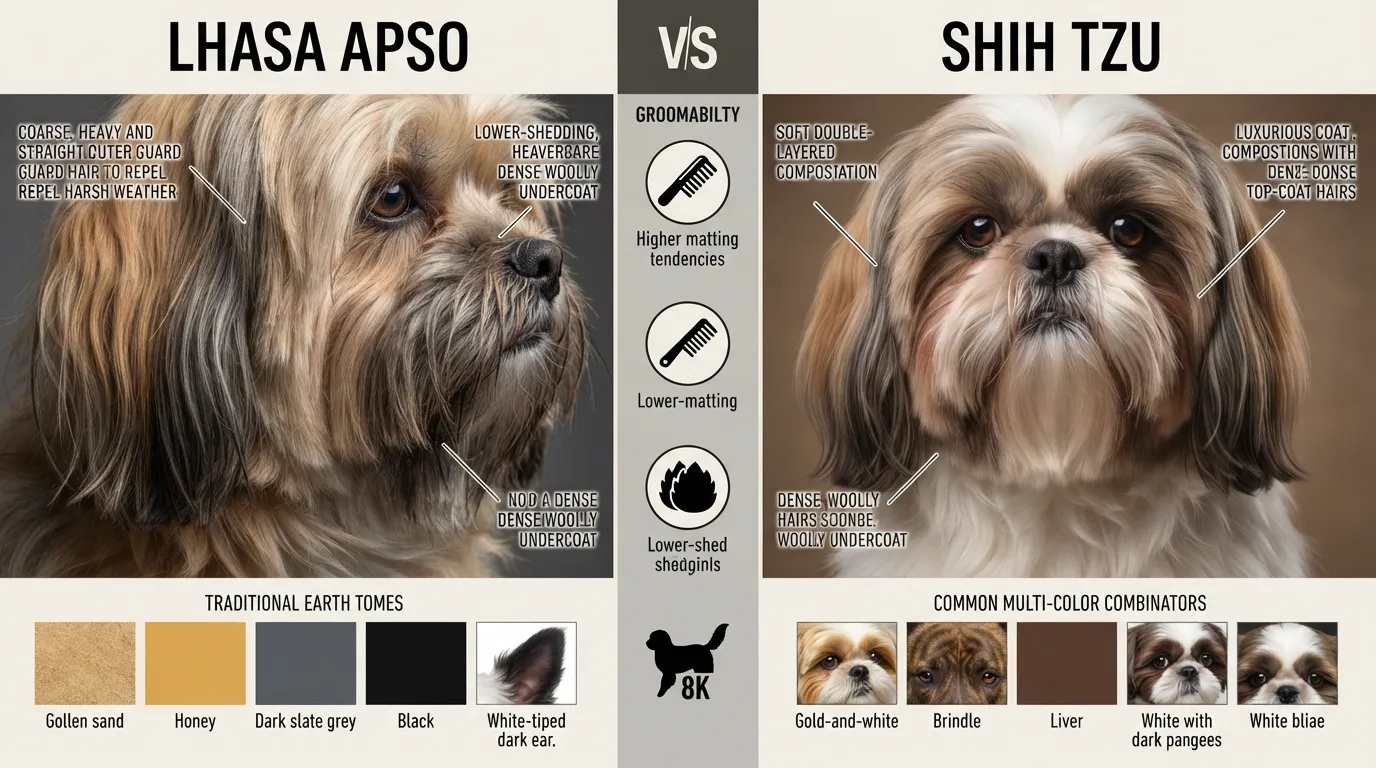
When you run your hands through their fur, the difference between these two breeds becomes obvious instantly. A Lhasa Apso carries a heavy, dense double coat with a distinctly hard, straight outer texture. Historically bred to withstand the freezing winds and rugged terrain of the Tibetan mountains, their hair feels coarse, heavy, and weather-resistant—much like coarse human hair rather than soft fur.
In contrast, the Shih Tzu sports a luxury double coat that is noticeably softer, lighter, and more luxurious to the touch. Their hair flows with a natural, slight wave and feels silky soft, requiring frequent brush-outs with a slicker brush and leave-in conditioner to prevent painful mats from forming close to the skin.
Both breeds come in virtually every color under the sun, from solid black or white to rich gold, brindle, and particolor. However, color placement often gives away their identity. Lhasa Apsos frequently feature dark, smoky tipping on their ears and beard, while Shih Tzus are famous for a distinct white star on the forehead and a white tip on the tail, which breeders often call the “mark of Buddha.”
Touch the coat: A Lhasa feel is firm, heavy, and wire-like; a Shih Tzu coat feels soft, plush, and silky.
Check the face hair fall: A Lhasa’s coat parts naturally down the back and falls forward like a heavy curtain over the eyes, while a Shih Tzu’s facial hair grows upward in a fountain pattern off the nose (often styled into a topknot).
Look for white tail/forehead markings: A stark white patch on the forehead and the tip of the tail is a classic signature of the Shih Tzu, whereas Lhasa Apsos lean toward golden, sable, and dark-tipped earth tones.
How to Tell a Lhasa Apso Puppy from a Shih Tzu Puppy
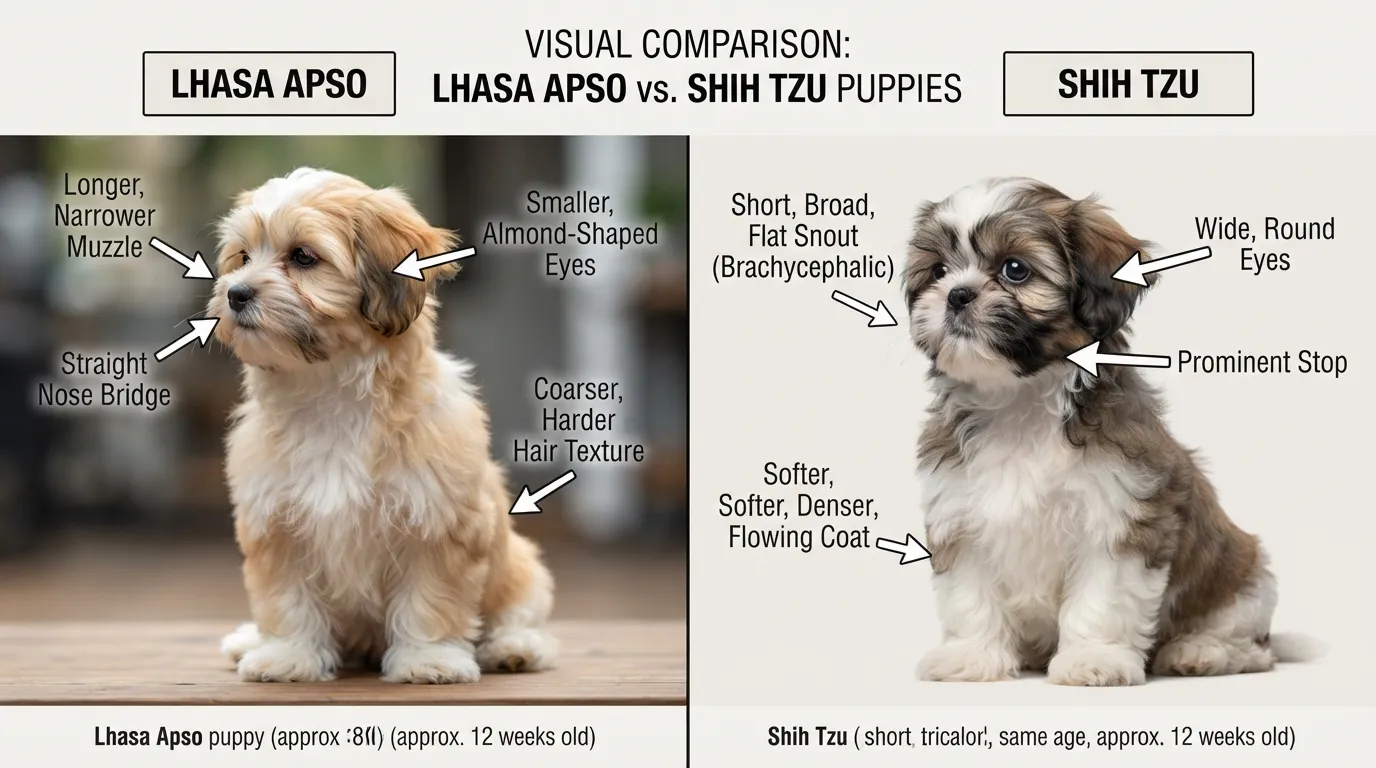
If you put an eight-week-old Lhasa Apso puppy next to an eight-week-old Shih Tzu puppy, even experienced owners can do a double-take. At this stage, both are small, round balls of fluff with floppy ears and dark eyes. However, if you know where to look, a few subtle physical clues will give away who is who.
The most reliable visual clue on a young puppy is the muzzle length and face profile. A Shih Tzu puppy has a noticeably flat face with a short, snubbed muzzle set high on the face—almost level with the lower rim of the eyes. A Lhasa Apso puppy, while still small-faced, has a slightly longer muzzle and a modest stop (the angle where the muzzle meets the forehead), giving their snout a slightly more pronounced, rectangular profile rather than a pushed-in one.
Do not rely heavily on the coat when they are very young. Puppy coats for both breeds are soft, downy, and fluffy, making them look practically identical in texture. The Lhasa Apso’s signature coarse, heavy double coat and the Shih Tzu’s softer, flowing hair do not fully emerge until the dog passes through their coat transition phase between 8 and 14 months of age.
Because physical traits can overlap in young litters—especially in mixed or backyard-bred lines—the only foolproof way to confirm the breed is through official pedigree registration papers or verifiable breeder credentials. Certified documentation from recognized kennel clubs or genetic parentage testing ensures you know exactly which breed you are bringing home before those adult features settle in.
Personality & Temperament Differences
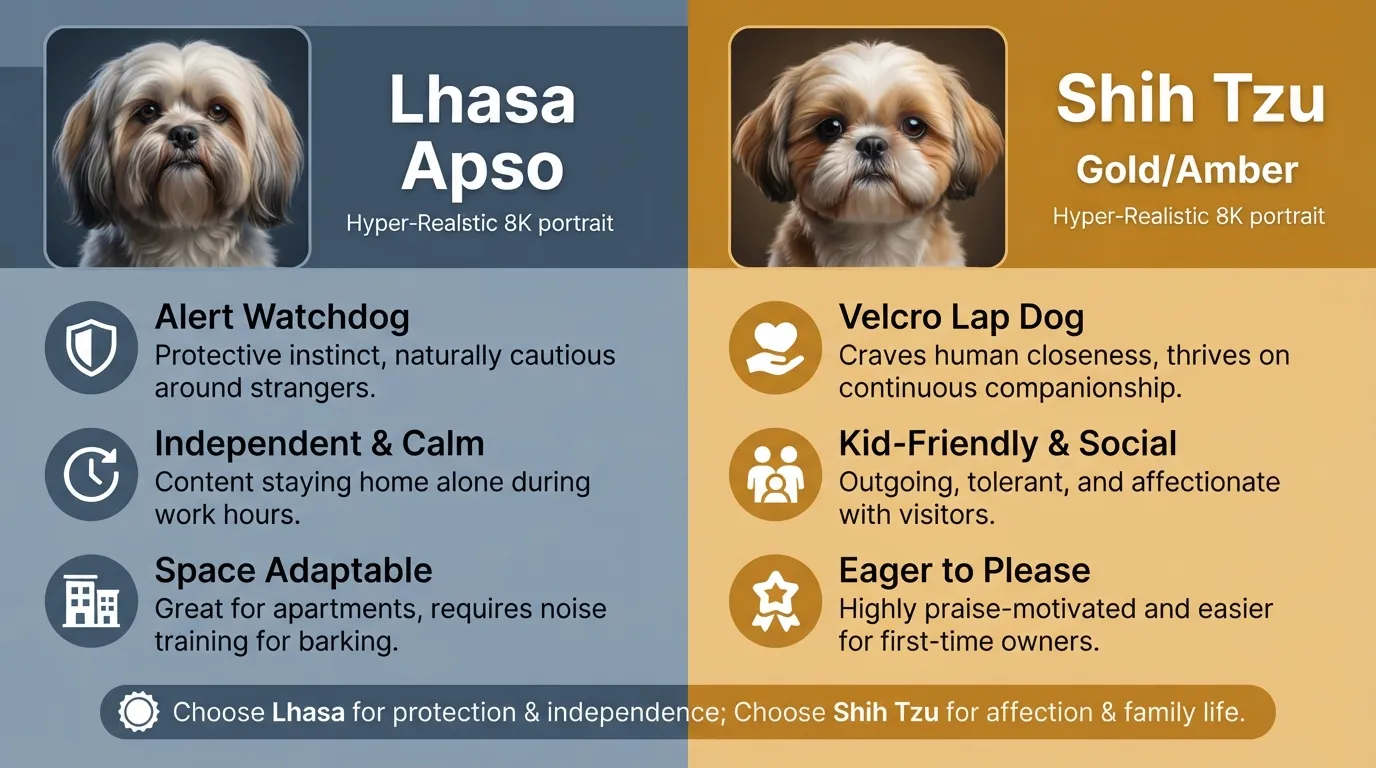
While they might look similar sitting on a grooming table, the moment you live with a Lhasa Apso and a Shih Tzu, their distinct personalities become impossible to miss. Understanding how their sharp instincts and behavioral traits differ is key to picking the right companion for your household dynamic.
Lhasa Apso Temperament
The Lhasa Apso is an independent, deeply vigilant dog disguised in a small, glamorous body. Historically bred as indoor sentinels for Tibetan monasteries, these dogs spent centuries guarding sacred spaces, and that sharp watchdog instinct remains hardwired into their DNA today.
Unlike velcro lap dogs that run to greet every visitor, a Lhasa Apso is naturally reserved and cautious around strangers. They like to assess new people from a comfortable distance, taking their time before deciding whether someone is trustworthy enough to earn an invitation into their inner circle.
Watchful and Alert: A Lhasa possesses acute hearing and will quickly bark to alert you of unusual noises, delivery drivers, or footsteps near the door.
Independent Mindset: They are confident problem-solvers that don’t need constant reassurance, making them less prone to severe separation anxiety than softer lap breeds.
Loyal to Their Inner Circle: Once you earn a Lhasa Apso’s trust, their devotion is unconditional—they form tight, fiercely protective bonds with their immediate family.
This self-assured nature means they thrive with owners who establish gentle, consistent boundaries early on. Tracking your pup’s development stage using a Dog Age Calculator can help you tailor socialization efforts right as their protective instincts start taking root around six to eight months of age.
Shih Tzu Temperament
If the Lhasa Apso is a watchful guardian, the Shih Tzu is a professional party host. Bred purely as royal lap dogs for Chinese emperors, these little dogs treat almost every human they meet like a long-lost best friend. They thrive on affection, live for lap time, and happily follow you from room to room just to stay in your orbit without an ounce of territorial edge.
Which is better with kids: The Shih Tzu is usually the better choice for families with young children. Their easygoing, tolerant nature makes them far more forgiving of clumsy toddler energy or sudden loud noises compared to the more reserved Lhasa Apso.
Which is better with other pets: Shih Tzus generally blend seamlessly into multi-pet households. They lack a high prey drive and prefer making friends over guarding their space, so sharing the couch with another dog or a cat rarely turns into a power struggle.
Which is better for first-time owners: Hands down, the Shih Tzu. Their eager-to-please attitude and gentle demeanor make them significantly easier to train and live with than the headstrong, independent Lhasa Apso, offering a smooth experience for beginner owners.
Grooming Needs — Which Requires More Maintenance?
Maintaining the coat of either breed requires a genuine commitment, but the daily routine looks quite different depending on which dog you bring home. While both sport long, luxurious double coats in the show ring, the texture of that hair changes how much time you will spend holding a slicker brush each week.
Lhasa Apso Grooming
The Lhasa Apso sports a heavy, hard double coat designed centuries ago to withstand the harsh weather of the Himalayas. Because the guard hairs are coarser and denser, a Lhasa’s coat is naturally somewhat resistant to dirt and slightly less prone to tight matting than softer breeds.
That said, you cannot neglect them. A Lhasa needs a thorough, line-brushing session at least two to three times a week down to the skin. Pay extra attention to the dense undercoat around the thighs, behind the ears, and under the armpits where friction creates hidden knots. A pin brush combined with a metal greyhound comb is your best friend here to catch tangles before they turn into felted mats.
Shih Tzu Grooming
If you choose a Shih Tzu, prepare to make daily grooming part of your evening routine. The Shih Tzu coat is dense, soft, and slightly wavy, which means individual strands grasp onto each other easily and form mats in record time if ignored.
Daily brushing is non-negotiable for a Shih Tzu in full coat. Beyond body brushing, their shorter muzzle and shallow eye sockets mean they require daily facial maintenance. You will need to wipe away eye discharge every morning to prevent tear-staining and skin fold dermatitis. Most owners also have to tie the facial hair up into a neat topknot or trim the visor area regularly so the dog can actually see without hair irritating their eyes.
Shedding Comparison
You will often hear both breeds described as “hypoallergenic” or non-shedding, but that is a bit of a myth. Both the Lhasa Apso and the Shih Tzu shed very little into your environment because their trapped inner coat catches loose hair before it hits your couch. However, both breeds continuously produce dander and saliva proteins, which are the real culprits behind pet allergies.
If the thought of an hour of coat care every few days sounds overwhelming, you are not locked into the floor-length look. Most pet owners opt for a practical solution:
The Puppy Cut: Trimming either breed down to an even one or two inches all over drastically cuts down daily brushing time, reduces debris tracked into the house, and keeps the dog cooler and far more comfortable.
Exercise & Training Requirements
Activity Level Comparison
Neither of these breeds demands miles of intense cardio, but their energy outlets look surprisingly different in a home setting. A Lhasa Apso carries the background of a sentinel guard dog. They need roughly 30 to 45 minutes of daily walking, ideally split into two outings, along with structured mental engagement. If a Lhasa doesn’t get enough stimulation, they tend to assign themselves a job—which often means patrolling the living room windows and barking at every passerby.
Shih Tzus are true companion lap dogs through and through. A gentle 20 to 30-minute stroll around the block at a leisurely pace is usually plenty to keep them content. Indoors, they prefer brief, joyful bursts of play—chasing a soft toy or following you from room to room—before happily settling down for a nap. Because of their flatter facial structure, they overheat easily, so low-impact indoor play in an air-conditioned room is often safer than extended outdoor exercise in hot weather.
Trainability
The key difference in training comes down to mindset and motivation. The Lhasa Apso is an independent, free-thinking dog that was historically trusted to make its own decisions. They are exceptionally smart, but they will actively assess whether following a command is worth their effort. Repetitive, rigid drills will cause a Lhasa to tune out quickly. Training one requires calm patience, firm consistency, and clear boundaries rather than forceful tactics.
Shih Tzus are generally much more eager to please and treat-motivated. They respond exceptionally well to positive reinforcement—plenty of verbal praise, affection, and high-value rewards go a long way with them. While they can occasionally display a quiet streak of stubbornness, they lack the strong-willed guarding instinct of a Lhasa. Keep sessions short, fun, and upbeat, and a Shih Tzu will usually pick up basic house rules and tricks with minimal fuss.
Health & Lifespan Comparison
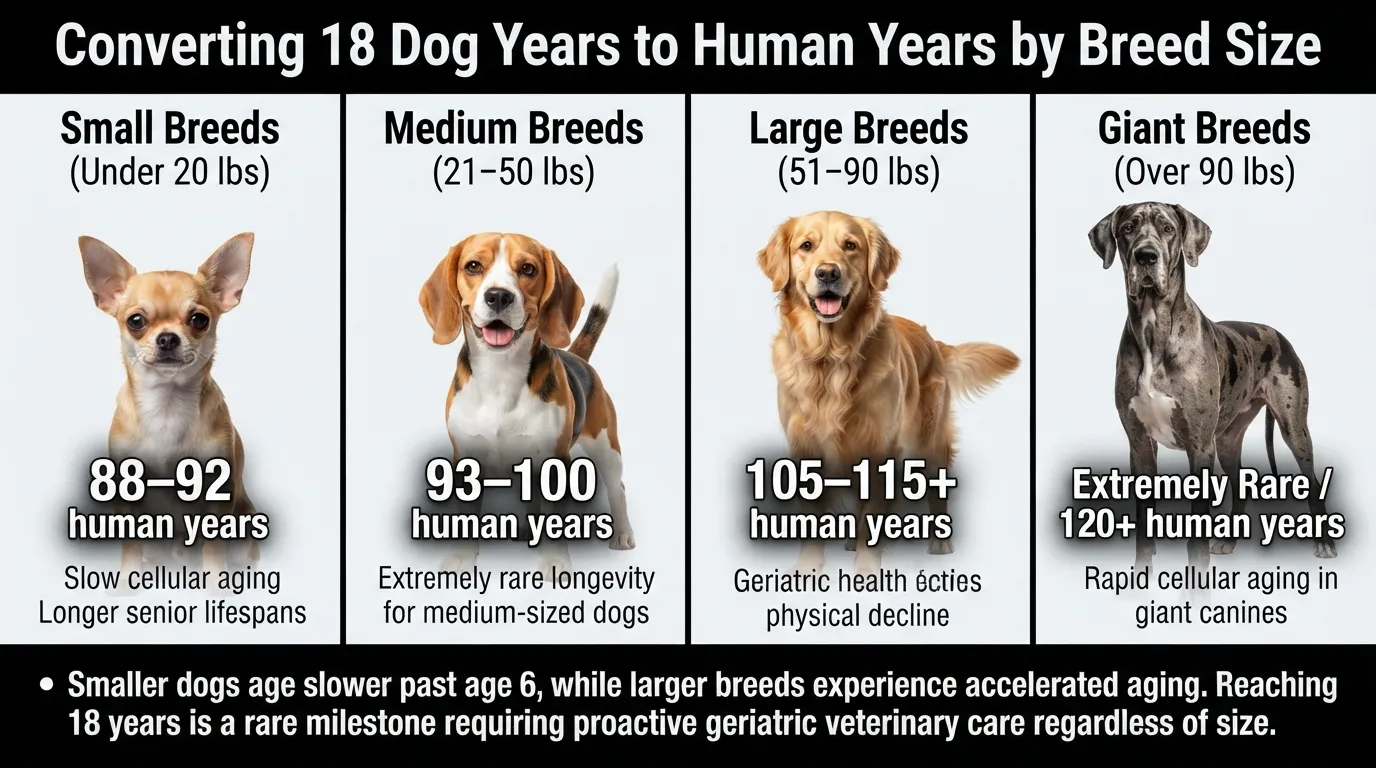
While both breeds are generally sturdy small dogs with impressive longevity, they suffer from distinct genetic vulnerabilities. Understanding these medical tendencies beforehand helps you prepare for long-term veterinary care and routine wellness checks.
Lhasa Apso Common Health Issues
Lhasa Apsos are hardier than their delicate look suggests, but they carry a few breed-specific genetic risks. The primary concern to watch for is juvenile renal dysplasia, an inherited kidney condition where the organs fail to develop properly during early puppyhood. Responsible breeders screen their lines carefully to prevent passing down this condition.
Their dark, deeply set eyes are also susceptible to progressive retinal atrophy (PRA) and dry eye (keratoconjunctivitis sicca). Regular testing through veterinary health foundations helps ensure breeding pairs remain clear of eye degeneration.
Shih Tzu Common Health Issues
Because of their distinct flat faces, Shih Tzus face structural health challenges that Lhasas rarely experience. Brachycephalic Airway Syndrome is common in the breed, making breathing difficult in hot or humid weather and increasing their risk of heatstroke during exercise.
Their physical frame also makes them prone to orthopedic and circulatory problems. Patellar luxation, where the knee cap slips out of place, frequently affects active Shih Tzus, while portosystemic liver shunts can occasionally disrupt how their bodies process nutrients and filter toxins.
Average Lifespan
Both of these ancient companion breeds enjoy lengthy lifespans, often reaching deep into their senior years with proper care, high-quality nutrition, and routine dental care.
Lhasa Apso: 12–15 years
Shih Tzu: 10–18 years
Cost Comparison — Which Breed Costs More to Own?
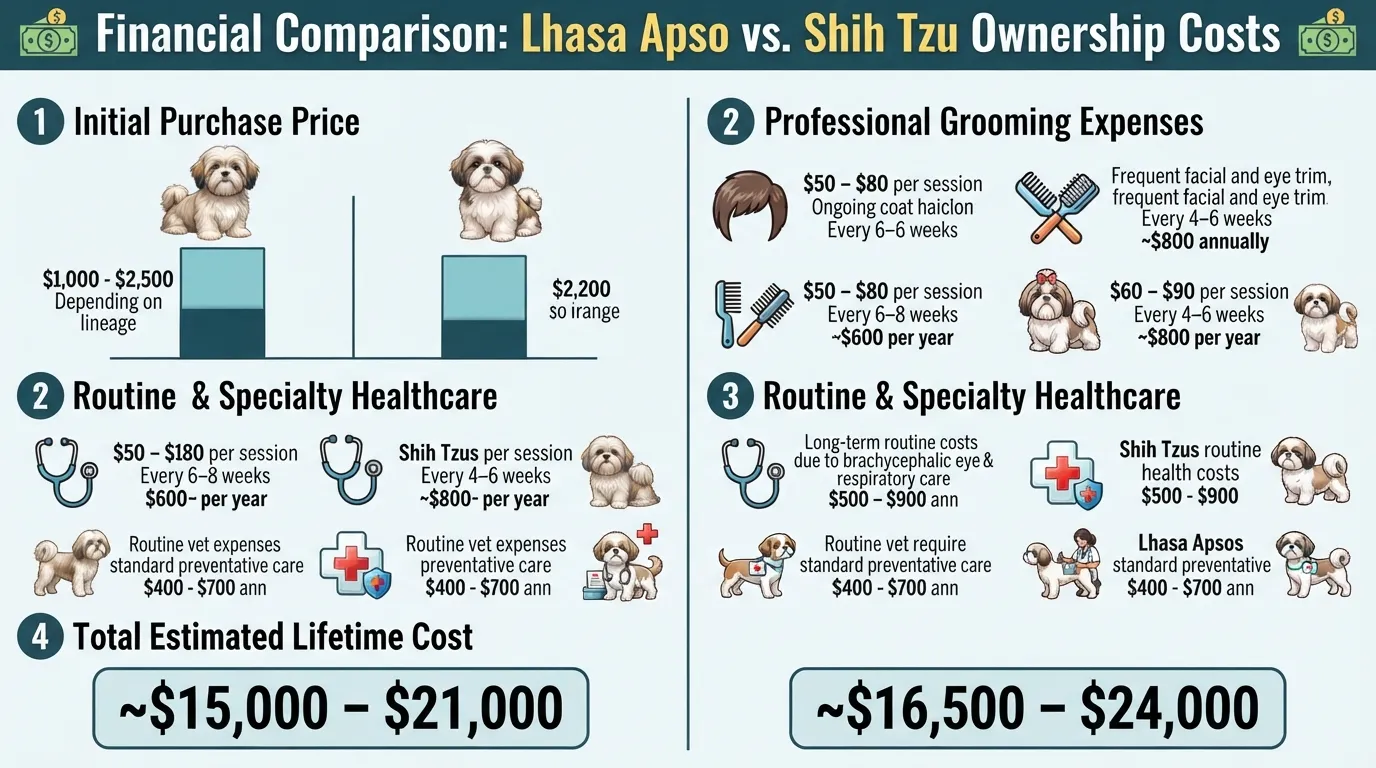
Financially, the Lhasa Apso and the Shih Tzu sit in a very similar bracket over their lifetime, but the distribution of those expenses differs slightly depending on where you source your puppy and how you manage their health care.
Puppy Purchase Price Range
On average, a well-bred companion puppy from a reputable, health-testing breeder ranges between $800 and $1,800 for a Shih Tzu. Because Shih Tzus are wildly popular, availability is high, though prices can spike significantly for specific coat colors or show pedigrees.
Lhasa Apsos are somewhat less common today, which means finding a dedicated breeder may take longer. A Lhasa Apso puppy typically costs between $800 and $1,500. While initial purchase prices are comparable, adopting either breed through a breed-specific rescue usually runs around $150 to $400, which often includes initial vaccinations and spay/neuter surgery.
Ongoing Grooming and Maintenance
Grooming is where both of these breeds demand the largest recurring investment. Unless you are skilled with clippers and commit to full home grooming, plan on professional appointments every 4 to 6 weeks.
A standard full-service groom for a small breed ranges from $50 to $80 per session, depending on your local area and the condition of the coat. Lhasa Apsos have a slightly coarser, heavy topcoat, while Shih Tzus possess a softer, denser double coat. Both will tangle quickly if neglected, and professional groomers often charge additional de-matting fees if the coat isn’t brushed thoroughly between visits.
Food, Vet Care, and General Upkeep
Because both dogs are small—with Shih Tzus averaging 9 to 16 pounds and Lhasas slightly heavier at 12 to 18 pounds—their feeding costs are modest. Expect to spend roughly $30 to $50 per month on high-quality kibble formulated for small breeds.
Veterinary care is where the two breeds can diverge:
Shih Tzus: As a brachycephalic (flat-faced) breed, Shih Tzus are more vulnerable to respiratory distress in hot weather and eye injuries due to their prominent eyes. They are also prone to dental crowding, often requiring professional dental cleanings later in life.
Lhasa Apsos: Lhasas generally have a slightly longer muzzle and a sturdier build, making severe breathing complications less common. However, they are prone to hereditary eye issues like dry eye (KCS) and progressive retinal atrophy, as well as joint concerns like luxating patellas.
Budget roughly $300 to $600 annually for routine wellness checks, flea/tick preventatives, and core vaccinations for either breed. Overall, while ongoing food and grooming expenses are practically identical, a Shih Tzu may occasionally incur slightly higher veterinary bills due to facial and ocular sensitivities over their 12 to 16 year lifespan.
Which Breed Is Right for You?
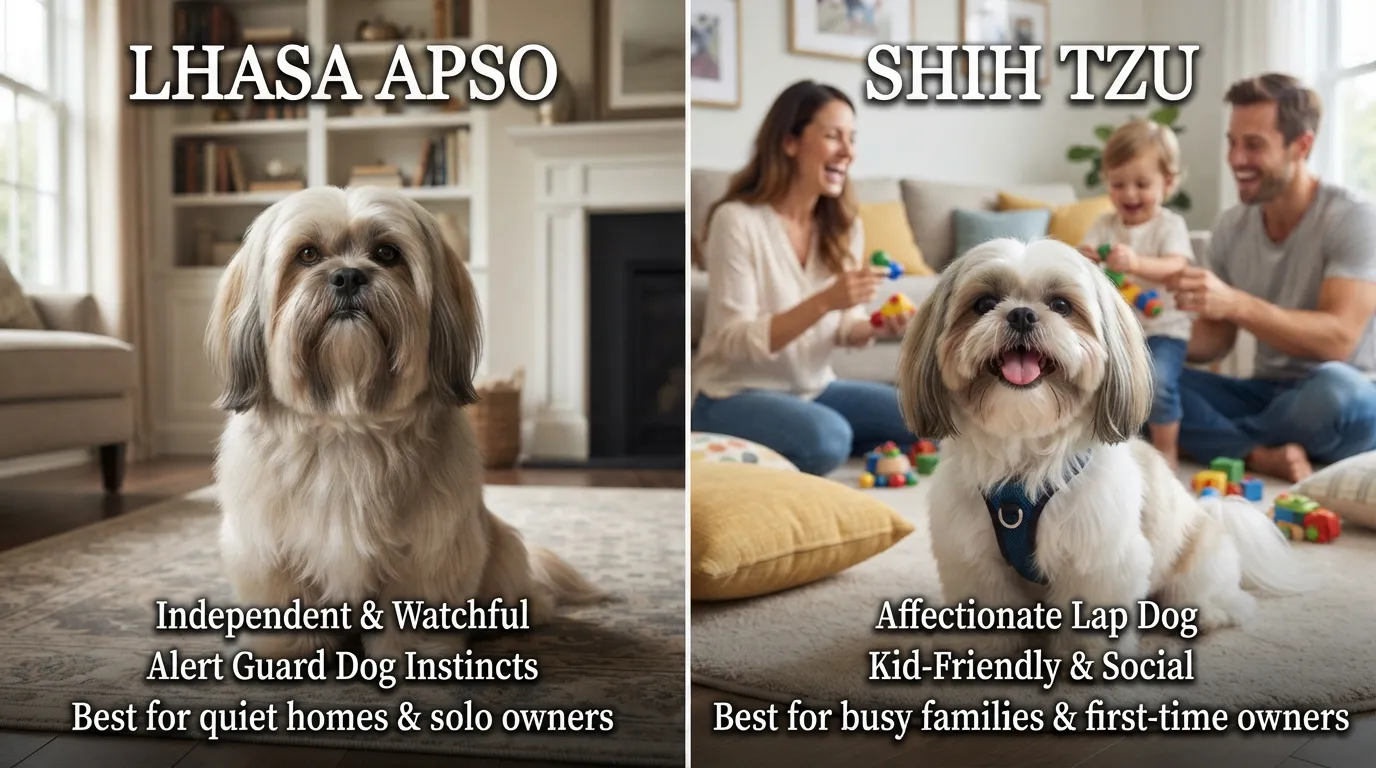
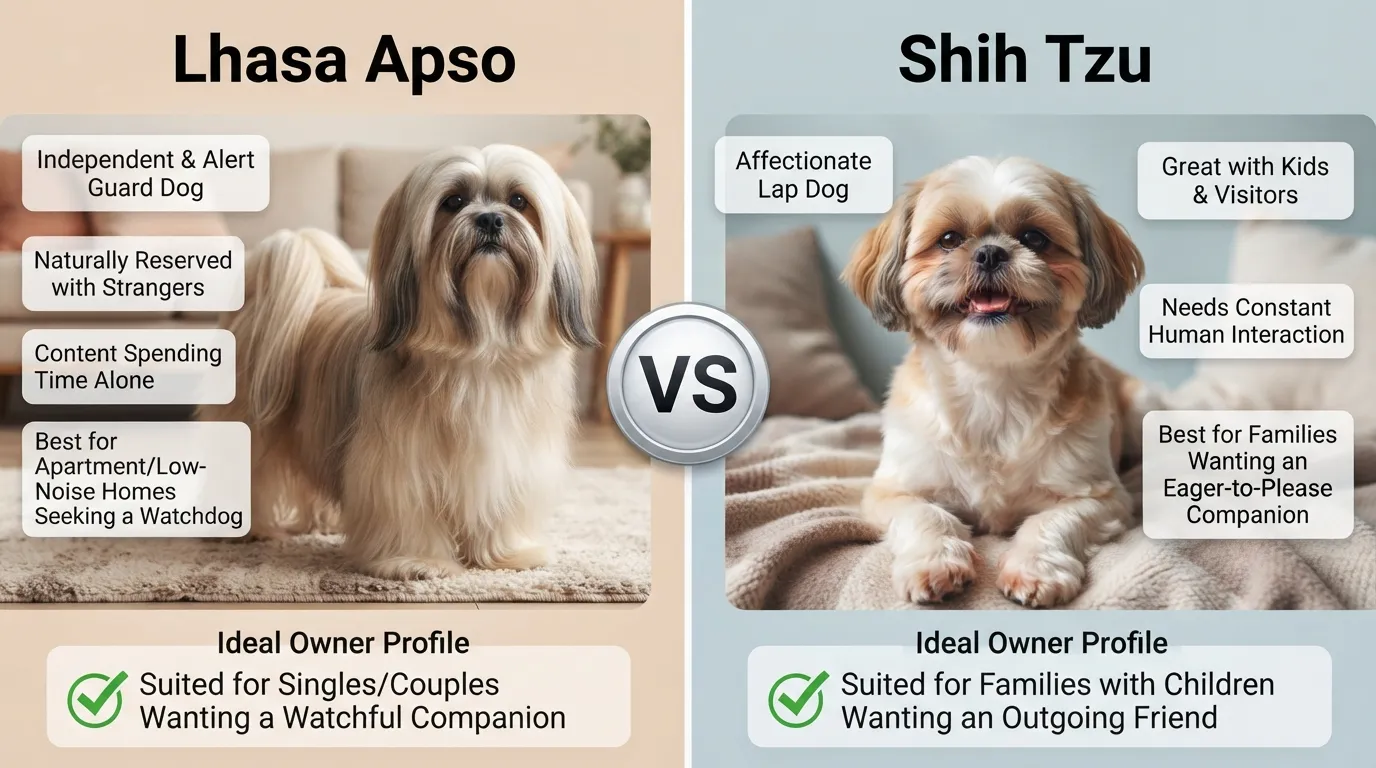
Choosing between these two ancient Tibetan breeds usually comes down to what you want out of your daily routine. While they look remarkably similar on the surface, living with a Lhasa Apso feels very different from living with a Shih Tzu. One was bred to guard sacred monasteries, while the other was cultivated strictly to warm lapels in royal palaces—and those distinct origins still drive their temperaments today.
Choose a Lhasa Apso If…
You want a true watchdog-type personality. Lhasas retain a deeply ingrained instinct to protect their home and inner circle. They are naturally suspicious of strangers, highly observant, and will alert you the second something out of the ordinary happens outside your door.
You prefer a more independent companion. A Lhasa Apso loves their family intensely, but they don’t need to be glued to your hip every minute of the day. They are perfectly content resting nearby while you work, making them a great fit for owners who spend hours away at the office.
You live in an apartment or house and want an alert, low-profile protector. Because they don’t require massive yards to burn off energy, they adapt beautifully to smaller spaces. Just keep in mind that their sharp senses mean you’ll need to work on noise management early so they don’t bark at every hallway footsteps.
Choose a Shih Tzu If…
You want a dedicated lap dog and constant companion. Shih Tzus thrive on human connection and want to participate in whatever you’re doing. If you want a furry shadow that happily follows you from the kitchen to the couch, this is your breed.
You have kids and want an overtly affectionate, forgiving family pet. Shih Tzus tend to be naturally outgoing, trusting, and enthusiastic about play. Their gentler, more playful demeanor makes them remarkably resilient and accommodating around respectful children and visitors.
You want a dog that’s easier to please in training. While both breeds can show a stubborn streak, the Shih Tzu is generally more motivated by praise, affection, and treat rewards. They lack the strong-willed, protective edge of the Lhasa, which makes everyday leash walks and socialization smoother for first-time owners.
To get a better idea of how your potential pup will age and mature through these different life stages, check out our Dog Age Calculator to track their milestone development.
Frequently Asked Questions (FAQ)
| Question | Answer / Comparison |
|---|---|
| Are Lhasa Apso and Shih Tzu related? | Yes, they are closely related! The Lhasa Apso is an ancient parent breed to the Shih Tzu. Shih Tzus were developed in China by crossing Lhasa Apsos with smaller Chinese breeds like the Pekingese. |
| Which is more hypoallergenic — Lhasa Apso or Shih Tzu? | Both are considered low-shedding and highly hypoallergenic because they have hair instead of fur. However, Shih Tzus generally produce slightly less dander, making them a tiny bit easier on severe allergy sufferers. |
| Which breed barks more? | Lhasa Apsos bark more. Bred as monastery watchdogs in Tibet, they are naturally alert, protective, and vocal. Shih Tzus were bred as royal companion lapdogs and tend to bark significantly less. |
| What is a Shih-Apso (mixed breed) like? (temperament + appearance) | A Shih-Apso combines both breeds, featuring a dense double coat, medium-length muzzle, and broad head. They are friendly, loyal, and affectionate, inheriting a balanced temperament between a lively lapdog and a vigilant watchdog. |
| Which breed is easier to train? | Shih Tzus are easier to train because they are eager to please their owners. Lhasa Apsos are more independent and stubborn, requiring consistent, patient, positive-reinforcement training. |
| Which breed lives longer? | Both enjoy long life spans, but Shih Tzus typically live slightly longer (10 to 18 years) compared to Lhasa Apsos (12 to 15 years). |
| How can you tell their puppies apart? | Lhasa Apso puppies have noticeably longer muzzles and narrower heads, while Shih Tzu puppies have flatter, pushed-in faces with larger, rounder eyes. For a full breakdown, check our puppy identification guide above. |
🐾 Other Age Guides

I built Dogagescalculator.com to give dog owners honest, science-backed answers instead of the outdated "×7" myth. Every figure here is checked against AKC, AVMA, and published veterinary research.
More about the author & this site →
Comments