
What Is the Lifespan of a Miniature Poodle? Average, Range & How to Help Them Live Longer
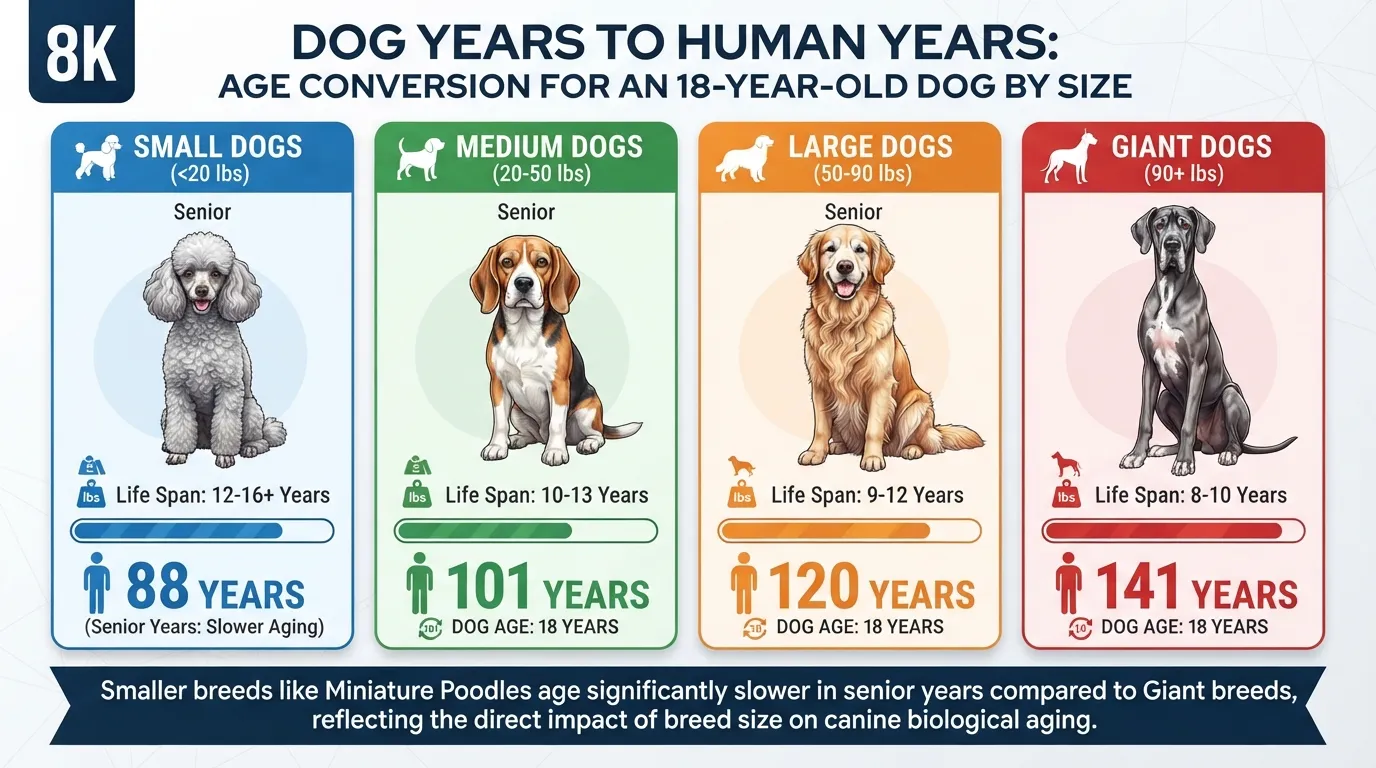
On average, a healthy Miniature Poodle lives about 13 to 17 years, making it one of the longer-lived Poodle varieties. Genetics, nutrition, weight, dental care, exercise, and regular veterinary checkups can all affect how long an individual dog lives.
If you’re wondering how long Miniature Poodles live, whether male and female Poodles have different lifespans, or how your dog’s age compares with human years, the answer depends on more than just the number of birthdays. Poodle size, life stage, overall health, and breed-specific risks all matter.
Miniature Poodles can remain active and playful well into their senior years. Understanding their expected lifespan and recognizing age-related changes can help you provide the right care at every stage.
Miniature Poodle Average Lifespan at a Glance

The typical Miniature Poodle enjoys a lifespan of 13 to 17 years, with the median age hovering right around 15 years. Thanks to their balanced 10-to-15-pound frame, they avoid the extreme joint stress seen in giant breeds as well as the bone fragility common in micro-sized dogs. With top-tier preventative care and solid genetics, exceptional Miniature Poodles regularly break the curve, with documented cases reaching 18 to 20 years.
Comparison Table — Toy vs Miniature vs Standard Poodle
| Poodle Variety | Size (Height at Shoulder) | Weight | Average Lifespan |
|---|---|---|---|
| Toy Poodle | Under 10 inches | 4–6 lbs | 14–18 years |
| Miniature Poodle | 10–15 inches | 10–15 lbs | 13–17 years |
| Standard Poodle | Over 15 inches | 45–70 lbs | 11–13 years |
Do Male or Female Miniature Poodles Live Longer?
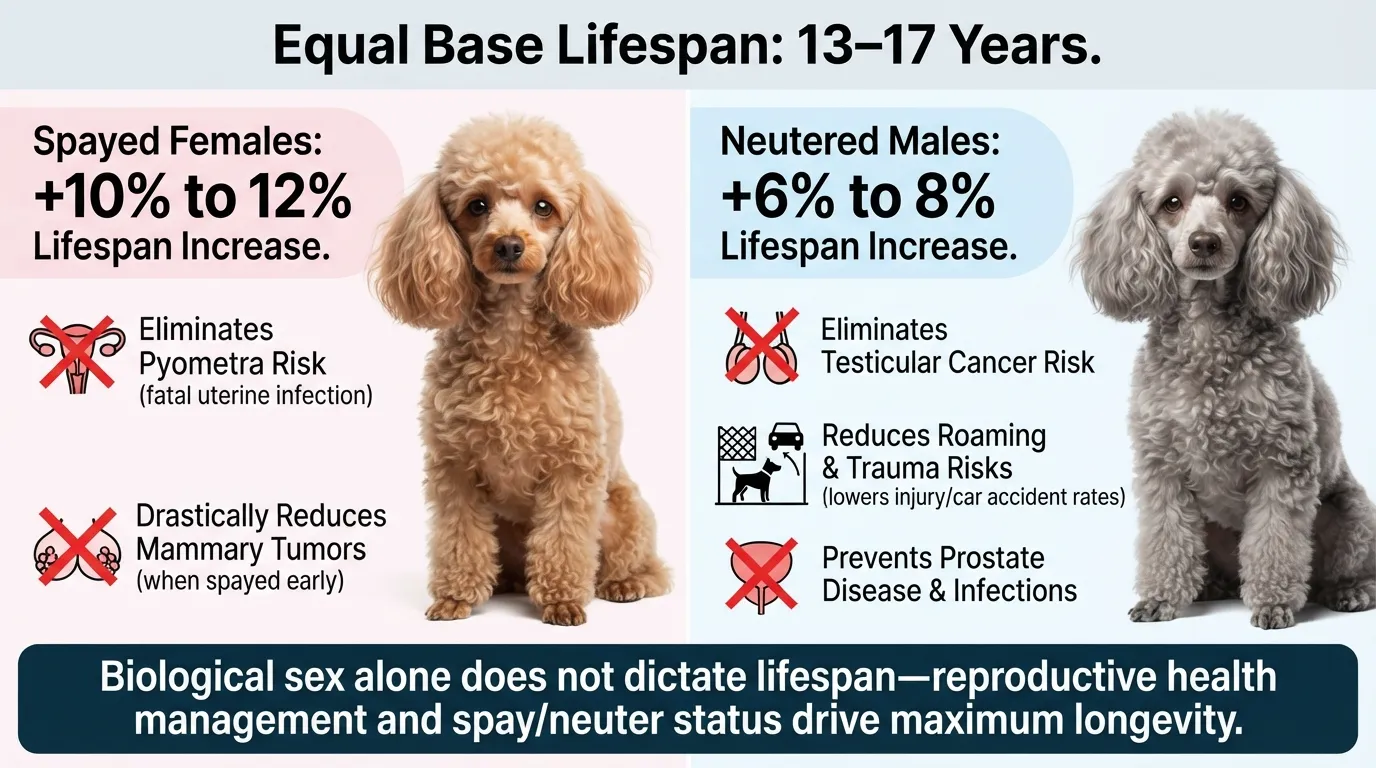
Data from veterinary epidemiology shows no statistically significant difference in the average lifespan of male and female Miniature Poodles. Both sexes consistently reach the same 13-to-17-year range when provided equal medical care and nutrition.
Instead of biological sex, reproductive status plays a far more decisive role in your dog’s actual life expectancy:
Spayed Females: Neutered female dogs live roughly 10–12% longer than unspayed females, largely because spaying eliminates the risk of fatal uterine infections (pyometra) and drastically reduces the incidence of malignant mammary tumors.
Neutered Males: Castrated male dogs see a 6–8% increase in overall lifespan compared to intact males, primarily due to reduced roaming behavior (which lowers trauma risks like car accidents) and the prevention of testicular cancer and prostate disease.
While behavioral traits like high prey drive or aggressiveness—which can indirectly impact safety—are slightly more common in intact males, a well-cared-for Miniature Poodle of either sex has an equal opportunity for a long, healthy life.
Health Issues & Leading Causes of Death
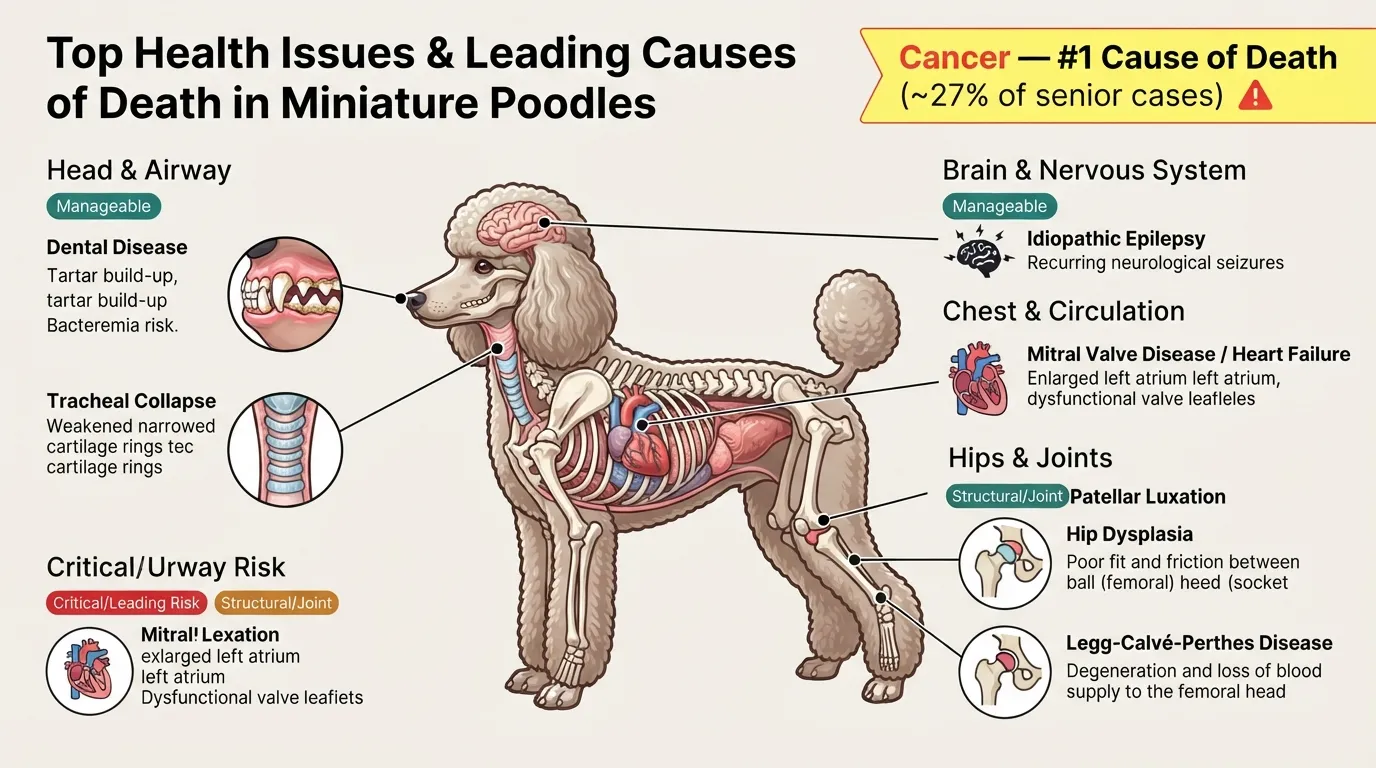
While Miniature Poodles are a hardy breed, specific genetic conditions and age-related diseases can impact their quality of life and total lifespan.
Cancer: Veterinary health data shows that cancer is the leading cause of death in senior Miniature Poodles, accounting for approximately 27% of all mortalities in older dogs. Digital squamous cell carcinoma, melanoma, and lymphoma are among the most frequently diagnosed types in the breed.
Hip Dysplasia: Though more famous in large breeds, this malformation of the hip socket affects small dogs too. It leads to painful joint friction, early-onset arthritis, and reduced mobility as your dog ages.
Legg-Calvé-Perthes Disease: This condition causes the head of the femur bone in the hind leg to spontaneously lose its blood supply and disintegrate. It typically appears in young Miniature Poodles (between 4 and 12 months old) and requires surgical intervention.
Patellar Luxation: Very common in the breed, this occurs when the kneecap slips out of its natural groove. You might notice your dog skipping a step or “bunny hopping” while running. Severe cases require surgical correction to prevent chronic arthritis.
Dental Disease: Over 80% of dogs show signs of periodontal disease by age two, and small breeds are disproportionately affected due to overcrowded teeth. Left untreated, oral bacteria enter the bloodstream, causing chronic inflammation that shortens lifespan by damaging the heart, liver, and kidneys.
Tracheal Collapse: Miniature Poodles can develop weakened cartilage rings in their windpipe over time. This leads to a flattened airway, causing a characteristic “goose-honking” cough, difficulty breathing, and exercise intolerance.
Heart Disease: Mitral Valve Disease (MVD) is a major concern in aging Miniature Poodles. Weakening heart valves allow blood to flow backward, causing heart murmurs and eventually progressing to congestive heart failure if unmanaged.
Neurological Issues (Epilepsy): Idiopathic epilepsy causes unexplained, recurring seizures in young-to-middle-aged Poodles. While it cannot be cured, long-term anticonvulsant medication usually allows affected dogs to live a full, normal lifespan.
Factors That Affect Lifespan and How to Maximize It
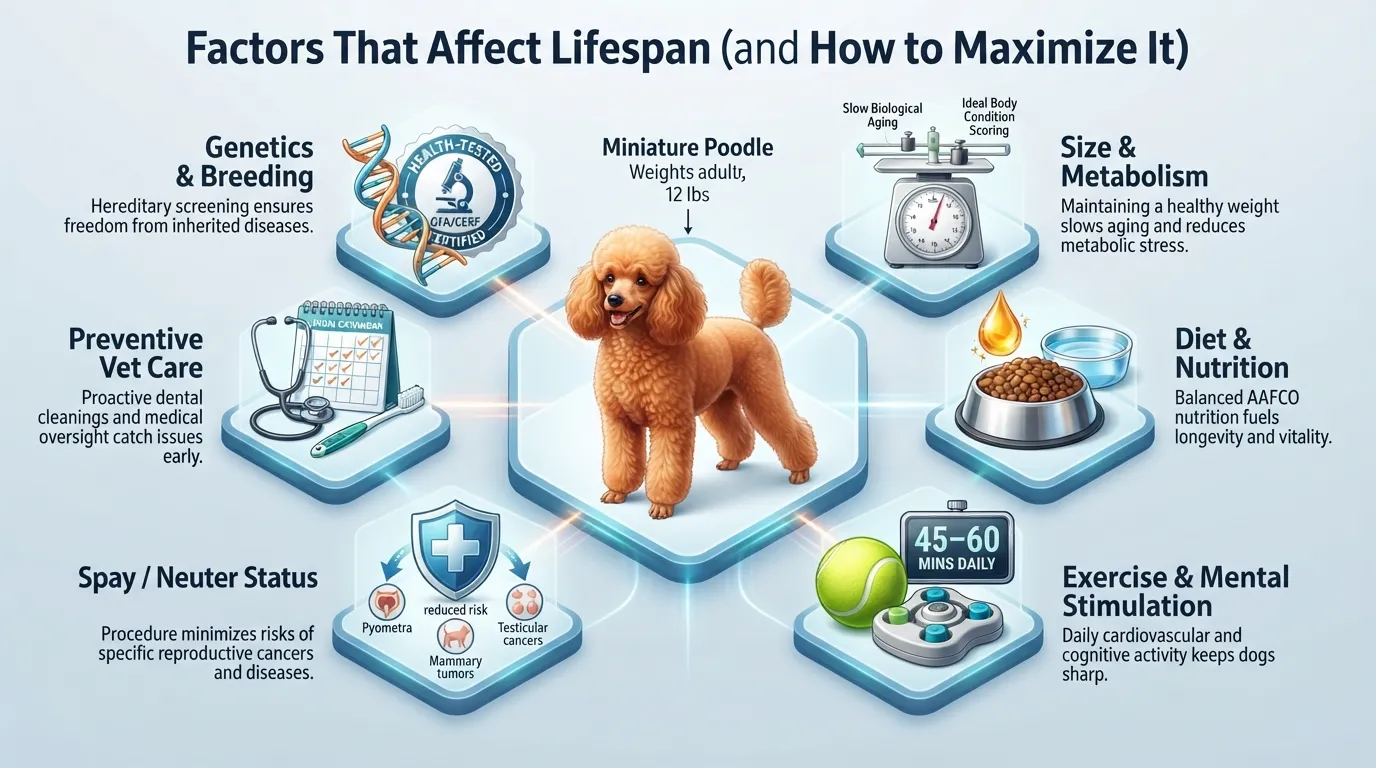
While genetics provide the baseline, daily choices directly influence how many years your Miniature Poodle spends by your side. Understanding these primary life drivers allows you to actively extend their healthspan alongside their lifespan.
Genetics & Breeding
A dog’s longevity starts long before you bring them home. Ethical breeders screen parent dogs for inherited conditions like Progressive Retinal Atrophy (PRA), von Willebrand’s disease, and patellar luxation using health panels certified by organizations like the Orthopedic Foundation for Animals [EXTERNAL LINK: OFA Orthopedic Foundation for Animals, DA 80+]. Puppies bred from clear, health-tested lines face significantly fewer chronic, life-shortening conditions compared to those from backyard breeders or puppy mills.
Size & Metabolism
Miniature Poodles occupy a biological sweet spot at 10 to 15 pounds. Larger breeds age faster because their rapid cellular growth drives accelerated physiological aging, while micro-sized dogs often face fragile bone structures and organ vulnerabilities. Your Poodle’s compact frame allows for a slower cellular aging rate, but keeping their metabolism balanced through strict weight control is critical—carrying even two extra pounds can strain their joints, heart, and pancreas, cutting their lifespan short.
Diet & Nutrition
Feeding a high-quality, age-appropriate diet formulated to Association of American Feed Control Officials (AAFCO) standards protects your dog’s long-term organ function. Look for nutrient-dense foods rich in lean proteins, essential omega-3 fatty acids (EPA and DHA) for joint and brain health, and controlled calorie counts. Avoiding table scraps and high-fat treats prevents acute, life-threatening bouts of pancreatitis, a condition to which Poodles are particularly prone.
Exercise & Mental Stimulation
Miniature Poodles are highly active, working-breed descendants that require about 45 to 60 minutes of daily physical exercise. Regular, moderate activities like brisk walks and fetch maintain cardiovascular health and preserve lean muscle mass as they age. Just as vital is mental enrichment; these exceptionally intelligent dogs need puzzle toys, training sessions, or nosework to reduce chronic stress and anxiety, both of which can suppress immune function over time.
Spay/Neuter Status
Timing and execution of spay or neuter surgery directly impact life expectancy. Spaying females before their first or second heat virtually eliminates the risk of mammary carcinoma and completely prevents pyometra, an acute, fatal uterine infection. Neutering males prevents testicular cancer and significantly lowers the incidence of benign prostatic hyperplasia and perineal hernias, while curbing risky roaming behaviors.
Preventive Veterinary Care
Routine veterinary oversight shifts care from reactive treatment to proactive prevention. Annual wellness exams—transitioning to bi-annual checks once your Poodle turns eight—allow your vet to catch early signs of heart murmurs, kidney disease, or bloodwork shifts before clinical symptoms appear. Staying current on core vaccinations, maintaining year-round flea, tick, and heartworm prevention, and enforcing a daily at-home dental brushing routine will add vibrant, healthy years to your dog’s life.
Miniature Poodle Life Stages Explained

Understanding how your Miniature Poodle ages allows you to adapt their diet, exercise, and healthcare routines to match their changing biological needs at each stage of development.
Puppy Stage 0–18 months
This is a period of rapid physical growth, bone development, and critical social development. Miniature Poodles generally reach their full adult height around 10 to 12 months, though their chest and muscle frame continue to fill out until about 18 months. During this phase, feeding a precise puppy formula rich in DHA supports brain development and ensures controlled growth to protect their growing joints.
Adult Stage 1.5–7 years
Your Poodle is in their prime physical and mental health during these mid-years. Energy levels peak, and their coat reaches its full density and texture. Focus during adulthood centers on weight management, maintaining 45 to 60 minutes of daily exercise, and establishing consistent daily dental care to prevent early-onset periodontal disease.
Senior Stage 7+ years
Around age seven, your Poodle transitions into their golden years as their metabolism begins to slow. You might notice subtle signs of aging, such as cloudy lenses (nuclear sclerosis), slight joint stiffness after resting, or a whitening muzzle. Senior Poodles benefit from transitioning to a senior-specific food with lower calories and joint-support nutrients, moving to bi-annual veterinary checkups, and replacing high-impact exercise with gentle, low-impact daily walks.
When to Worry vs. Normal Aging
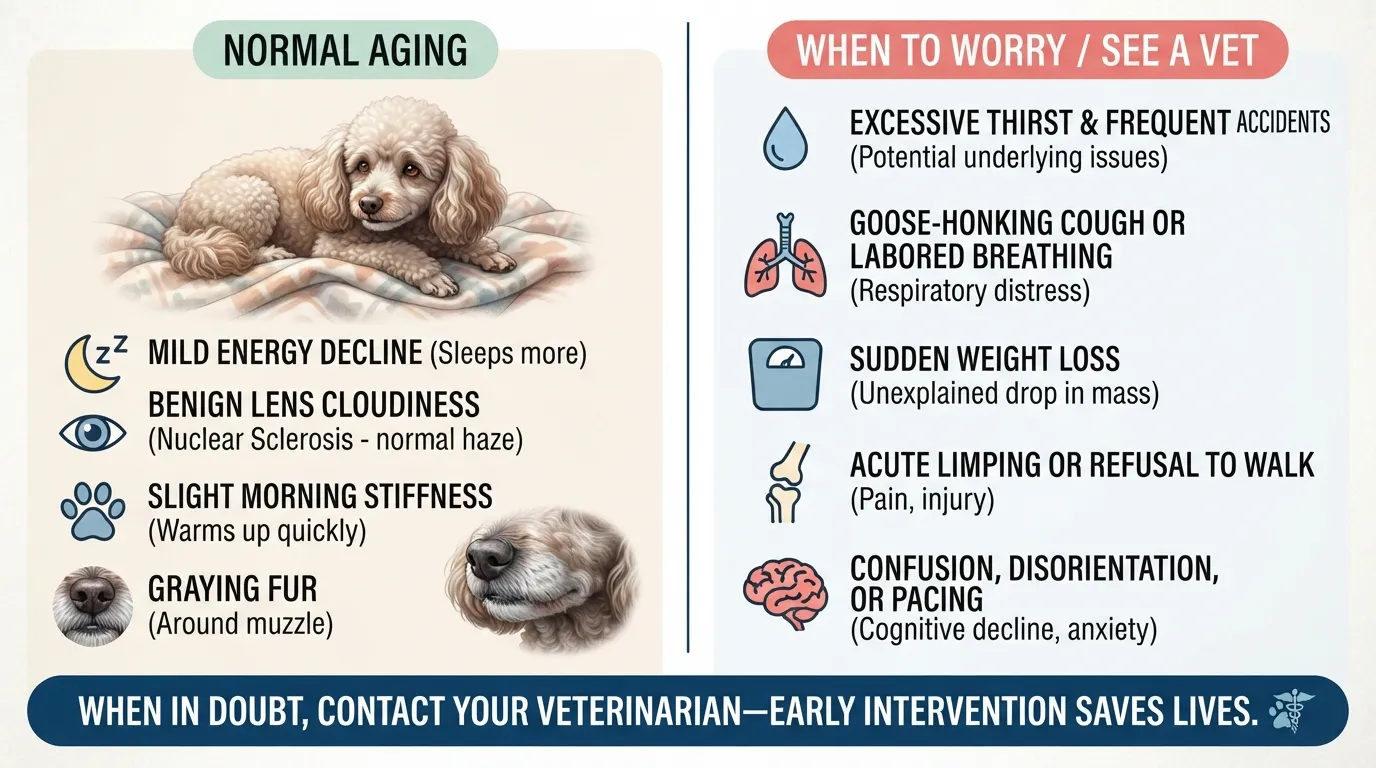
As your Miniature Poodle enters their golden years, distinguishing between the natural biological slowdown of aging and early symptoms of medical distress helps you intervene before a condition becomes critical.
Normal Aging Signs
These changes happen gradually over several years and are a standard part of your dog’s golden years:
Gentle energy decline: Slept a bit more throughout the day, but still shows enthusiasm for routine walks, meals, and family interaction.
Minor sensory changes: Developing a cloudy appearance in the lenses of their eyes (nuclear sclerosis) that doesn’t significantly block vision, or slight hearing loss with age.
Mild joint stiffness: Taking a moment longer to stand up after a long nap, particularly in cooler weather, but loosening up after a few minutes of walking.
Coat changes: Graying or whitening hair around the muzzle, chin, and eyes, along with a slightly thinner coat texture.
Red-Flag Signs See a Vet Promptly
These symptoms indicate underlying pain, organ dysfunction, or disease and require prompt professional evaluation:
Sudden behavior or personality shifts: Unexplained aggression, extreme confusion, pacing at night, or vocalizing without an obvious cause.
Unplanned weight changes: Rapid weight loss despite a normal appetite, or a swollen, fluid-filled abdomen.
Changes in thirst and urination: Drinking significantly more water than usual or having sudden accidents inside the house key indicators of kidney disease, Cushing’s, or diabetes.
Persistent cough or heavy breathing: A dry, “goose-honking” cough when excited, or labored breathing while resting, which can point to tracheal collapse or heart failure.
Mobility loss or severe limping: Refusing to climb stairs, sudden inability to jump on furniture, or holding a leg off the ground entirely.
Appetite or digestive issues: Refusing food for more than 24 hours, or chronic vomiting and diarrhea.
Frequently Asked Questions
While the average lifespan of a Miniature Poodle is 13 to 15 years, exceptional individuals have lived into their mid-20s. The most famous uncertified record belongs to a rescue Poodle named Uncle Chichi, who lived in New York City to an estimated age of 24 to 26 years before passing in 2012. Strictly verified Poodle lifespans routinely reach 18 to 20 years when provided with diligent dental care, lean nutrition, and routine geriatric vet exams.
Female Miniature Poodles live slightly longer than males on average—typically by about 1 to 1.5 years—a trend observed across most small dog breeds. However, reproductive status plays a far greater role in longevity than biological sex alone. Spayed females eliminate the risk of pyometra (a life-threatening uterine infection) and drastically reduce mammary tumor risks, while neutered males avoid testicular cancer and prostatic disease.
Miniature Poodles do not age on a simple "1 dog year = 7 human years" scale. They mature quickly in early life—reaching roughly 15 human years in their first calendar year and around 24 human years by age two. After age two, their aging rate slows down to approximately 4 human years for every calendar year, allowing them to remain biologically younger than large breeds at the same age. You can use our [Dog Age Calculator] to quickly convert your Miniature Poodle's exact birthdate into human-equivalent years.
Cancer represents the leading disease-related cause of death in Miniature Poodles, accounting for nearly 18.5% of mortality according to veterinary data. Degenerative mitral valve disease (congestive heart failure) and neurological conditions also rank near the top in senior dogs. Notably, accidental trauma (such as vehicular accidents or falls) remains a leading cause of premature death in younger Poodles, making basic safety measures essential throughout their early years.
Yes, maintaining an optimal diet and body condition directly extends how long a dog lives. The landmark Purina Lifelong Study demonstrated that dogs fed a calorie-restricted diet to maintain a lean body mass lived an average of 1.8 years longer (a 15% increase in lifespan) than overweight dogs, while delaying the onset of chronic disease. Avoiding obesity protects a Miniature Poodle’s joints, lowers blood pressure, and reduces metabolic stress on vital organs [EXTERNAL LINK: Purina Institute lifespan study summary].
🐾 Other Age Guides

Gulfam Haider Mehdi
Founder & Developer
I built Dogagescalculator.com to give dog owners honest, science-backed answers instead of the outdated "×7" myth. Every figure here is checked against AKC, AVMA, and published veterinary research.
More about the author & this site →📌 Featured Guides
greater swiss mountain dog and bernese mountain dog mix
→
3/4 great pyrenees 1/4 anatolian shepherd
→
what is the lifespan of a dachshund dog
→
is purina dog chow a good dog food
→
How often should I feed my French Bulldog
→
how long do shih tzu live in human years
→
Senior Dog Care
→
how old are the puppies
→
German Shepherd Golden Retriever mix
→
What Is the Lifespan of a Labrador Retriever
→
Comments