
What Is the Lifespan of a Siberian Husky? Complete 2026 Guide

The average Siberian Husky lifespan is 12 to 15 years, although some healthy Huskies can live to 16 years or longer with excellent care. Genetics, nutrition, exercise, weight, and regular veterinary care all play an important role in determining how long a Husky lives.
If you’re wondering how long Siberian Huskies live, most remain active well into adulthood and typically enter their senior years around age 8 to 10. Their athletic build and high energy levels make proper exercise and weight management especially important throughout life.
In this guide, we’ll explain the Siberian Husky life expectancy, common health factors that can affect longevity, when a Husky is considered a senior, and practical ways to help your dog enjoy a longer, healthier life.
Siberian Husky Average Lifespan at a Glance
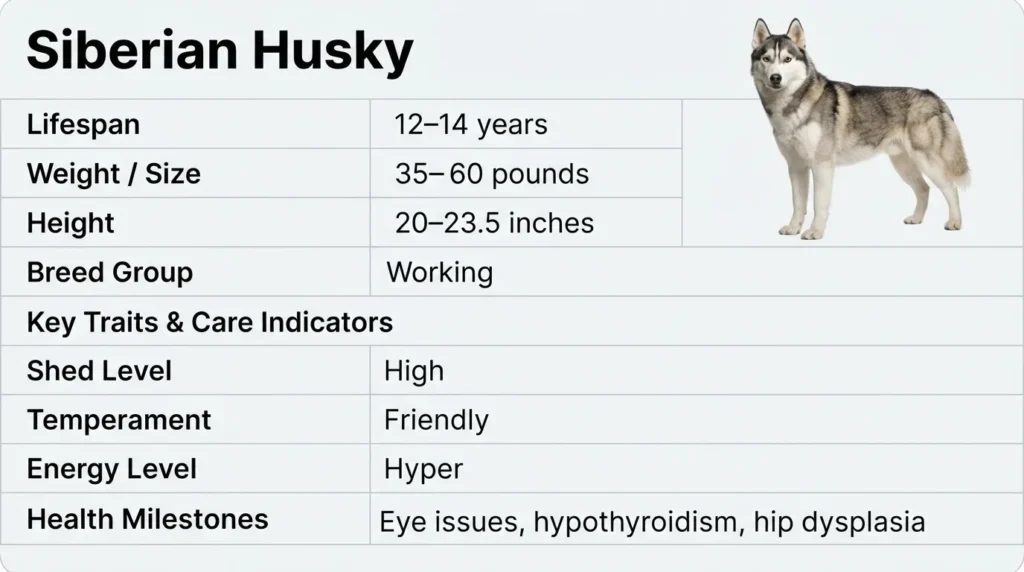
When looking at medium-to-large dogs, the Siberian Husky stands out not just for its striking appearance, but for its remarkable resilience. If you are tracking your dog’s age or planning for the future, understanding their natural timeline helps you provide the right care at the right time.
Average range (12–15 years) explained
The typical Siberian Husky life expectancy falls between 12 and 15 years. While individual health varies, this baseline is well-established by breed registries and veterinary health databases globally.
Reaching 14 or 15 years old means a Husky has crossed into what veterinarians consider extreme longevity for a dog of their physical stature. Because they are deep-chested, high-energy working dogs, maintaining this lifespan requires a balance of lean genetics, consistent physical output, and a high-quality diet that protects their joints from early wear and tear.
Why Huskies live longer than many similar-sized breeds
It is a well-known rule in veterinary science that larger dogs tend to age faster and live shorter lives than small dogs. However, Huskies frequently defy this trend, often outliving similarly sized breeds like the Golden Retriever or German Shepherd by two to three years.
According to genetic diversity studies and historical breeding data, this longevity is primarily due to a exceptionally clean gene pool. Because Siberian Huskies were bred for centuries by the Chukchi people for extreme endurance rather than specific aesthetic exaggeration, they avoided many of the hereditary cardiovascular and oncological issues that plague other modern purebreds. They are physically efficient animals, meaning their organs and metabolic systems experience less structural strain over a decade of life.
Quick Stats Box
Average Lifespan: 12 to 15 years
Oldest Recorded: 18 to 19 years (verified anecdotal maximums)
Life Stages: 4 distinct phases (Puppyhood: 0-12 months, Adult: 1-7 years, Senior: 7-12 years, Geriatric: 12+ years)
Do Male and Female Huskies Live Different Lifespans?
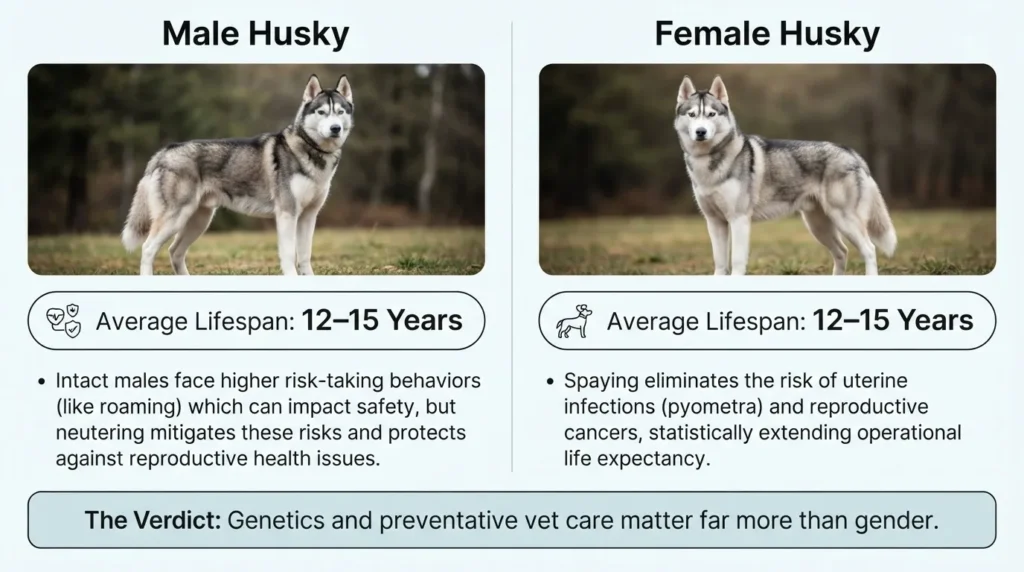
In the world of dog breeding and canine science, owners frequently wonder if a dog’s sex influences their overall longevity. When it comes to the Siberian Husky, sex alone does not create a dramatic gap in life expectancy. Both male and female huskies enjoy a very similar average lifespan, typically tracking between 12 and 14 years. Instead of biological sex being the deciding factor, variables like reproductive status, genetics, and daily care play a far greater role in how long your husky stays by your side.
What Research and Data Shows
Large-scale veterinary studies, including data compiled by the American Animal Hospital Association (AAHA), show that while smaller breeds generally outlive larger ones, gender-based longevity variations within a specific breed are minimal. However, subtle differences emerge when you look at whether a husky has been fixed. Hormonal differences impact behavioral risks and certain health conditions, making reproductive choices a much higher variable for husky lifespan than simply being male or female.
Fixed huskies live longer: Across both sexes, neutered males and spayed females consistently show longer average lifespans due to a drastically reduced risk of reproductive cancers and infections like pyometra.
Male husky risk factors: Intact males are biologically driven to roam, which statistically increases their risk of accidents, trauma, or getting lost, indirectly affecting their life expectancy.
Female husky health considerations: Intact females face higher risks of mammary tumors and uterine infections as they age, though their baseline biological aging rate matches males almost perfectly.
Key Takeaway: Biological sex has an almost negligible impact on how long a husky lives; instead, fixing your dog and protecting them from preventable injuries are the true catalysts for a long, vibrant life.
How Does a Husky's Lifespan Compare to Other Breeds?
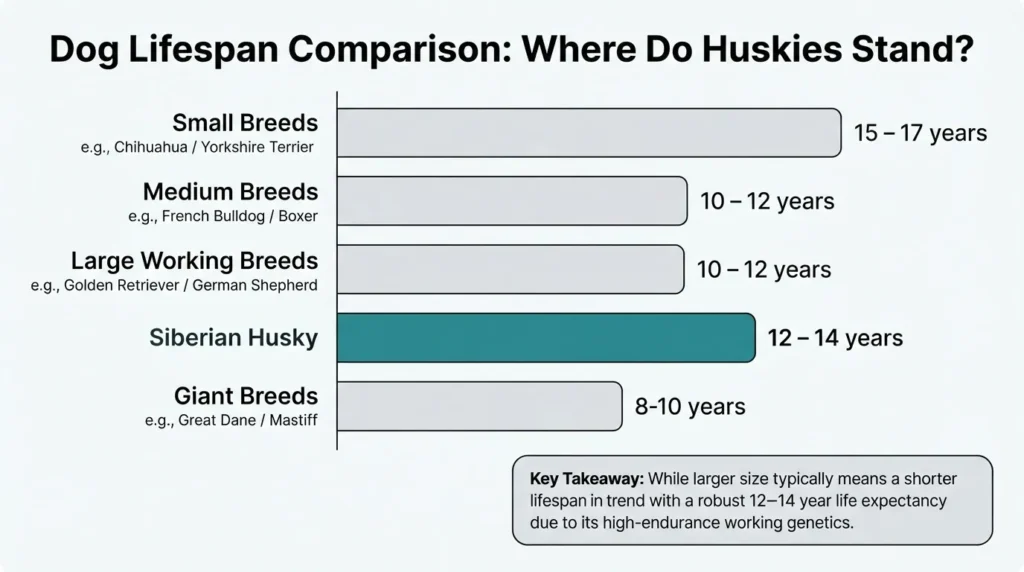
Siberian Huskies are remarkably resilient when it comes to longevity. While large canine breeds typically face a shorter life expectancy than small dogs, the Husky often bucks this trend. They frequently outlive many breeds of a similar size and weight class, largely due to a relatively low incidence of severe, breed-specific genetic conditions.
Lifespan Comparison: Siberian Husky vs. Similar Breeds
To understand how the Siberian Husky stands out, it helps to compare them directly with other popular medium, large, and working breeds. The data below draws from standard life stage profiles established by organizations like the American Kennel Club (AKC) and the American Veterinary Medical Association (AVMA).
| Breed | Average Lifespan (Years) | Weight Range (lbs) |
|---|---|---|
| Siberian Husky | 12 – 14 | 35 – 60 |
| Golden Retriever | 10 – 12 | 55 – 75 |
| German Shepherd | 7 – 10 | 50 – 90 |
| Alaskan Malamute | 10 – 14 | 75 – 85 |
| Average Medium/Large Dog | 10 – 12 | 40 – 90 |
As you can see, a Siberian Husky often enjoys an extra one to two years of life compared to a German Shepherd or a Golden Retriever, despite sharing a somewhat similar physical footprint.
Husky vs. Alaskan Husky vs. Husky Mix — Lifespan Differences Explained
Not every dog called a “Husky” shares the exact same genetic lineage, and these differences can subtly impact how long they live.
Siberian Husky (12–14 Years): This is the purebred standard. Because their gene pool has been focused on working endurance rather than extreme cosmetic traits, they remain structurally sound and genetically robust.
Alaskan Husky (11–13 Years): Unlike the Siberian, the Alaskan Husky is not a recognized breed but a purpose-bred sled dog. They are a blend of various working lines, including Greyhounds and Pointers. Because they are bred strictly for performance and high-intensity athleticism, their lifespans are comparable to Siberians, though the wear and tear of a working lifestyle can sometimes edge their average slightly lower.
Husky Mixes (12–15 Years): When a Siberian Husky is crossed with another breed (such as a Labrador or a Poodle), they often benefit from “hybrid vigor.” This genetic diversity can sometimes reduce the risk of inheriting recessive genetic disorders, occasionally pushing the upper limit of a 17-year-old dog in human years even further than a purebred. However, the final expectancy depends heavily on the health traits of the other parent breed.
What Is the Oldest Recorded Siberian Husky?
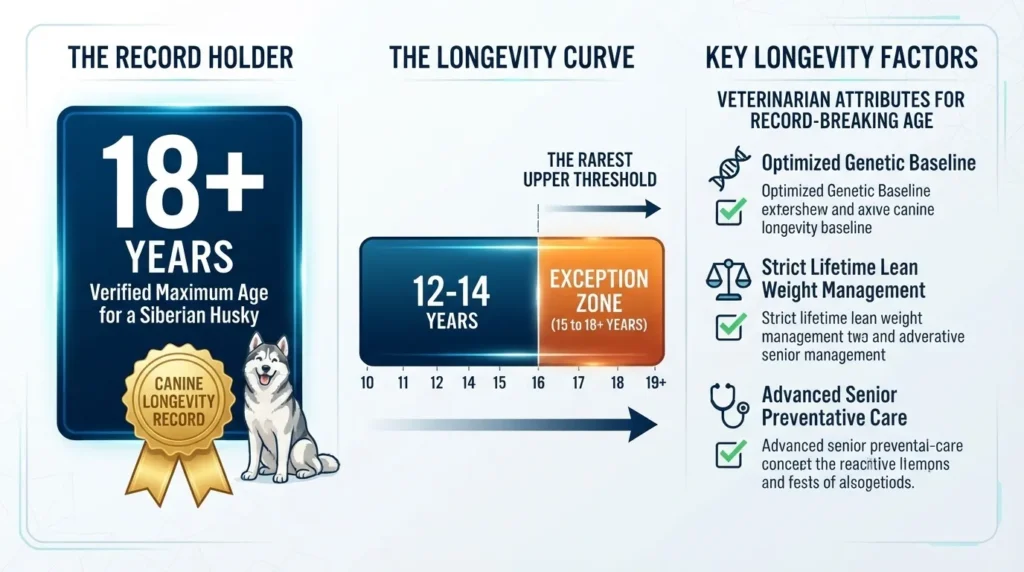
While the official Guinness World Record for the oldest dog ever belongs to a 29-year-old Australian Cattle Dog named Bluey, Siberian Huskies have their own impressive milestones. There is no single, officially verified individual Husky registered in the record books with a definitive, globally audited birth certificate. However, documented veterinary cases and breed community registries frequently highlight extraordinary individuals reaching the remarkable age of 19 years old.
Reaching nearly two decades is a monumental feat for a medium-to-large working breed. When a Siberian Husky makes it to this milestone, it pushes the boundaries of typical canine aging and offers fascinating insights into what keeps this arctic breed so exceptionally resilient.
Record-holder mention + what it tells us about longevity potential
Seeing a Husky reach 19 years old tells us that the upper ceiling for 17 dog years and beyond is entirely possible with a perfect storm of genetics and exceptional care. According to canine aging models supported by the American Animal Hospital Association (AAHA), a typical 17-year-old dog in human years has already crossed well past the 80-year mark in human equivalence, making a 19-year-old Husky the equivalent of a human centenarian.
This extreme longevity potential is rooted deeply in the breed’s history. Developed by the Chukchi people of Siberia to endure brutal sub-zero temperatures and pull sleds over immense distances, the breed underwent centuries of natural selection that prioritized cardiovascular efficiency, metabolic resilience, and structural soundness. They lack the extreme physical exaggerations—like shortened muzzles or overly heavy bone structures—that often shorten the lifespans of other large working breeds.
When we analyze what a 17-year-old dog or a 19-year-old record-holder represents, it highlights a few critical takeaways for owners:
Genetic Foundation: Exceptional longevity usually begins with clean bloodlines free from early-onset hereditary conditions like severe hip dysplasia or progressive juvenile cataracts.
Metabolic Efficiency: Huskies are famous for their ability to regulate their metabolism and conserve energy, a survival trait that protects cellular health against rapid oxidative stress as they age.
Lean Body Mass: Keeping an aging Husky lean and highly active preserves joint health and mitigates systemic inflammation, which is the primary driver of age-related decline.
Ultimately, these extraordinary lifespans prove that while the average life expectancy sits between 12 and 15 years, your dog’s biological clock is highly adaptable. Understanding how 17 dog years in human years maps onto their physical health helps you provide the targeted senior support needed to help them reach their own maximum longevity potential.
Factors That Affect a Husky's Lifespan
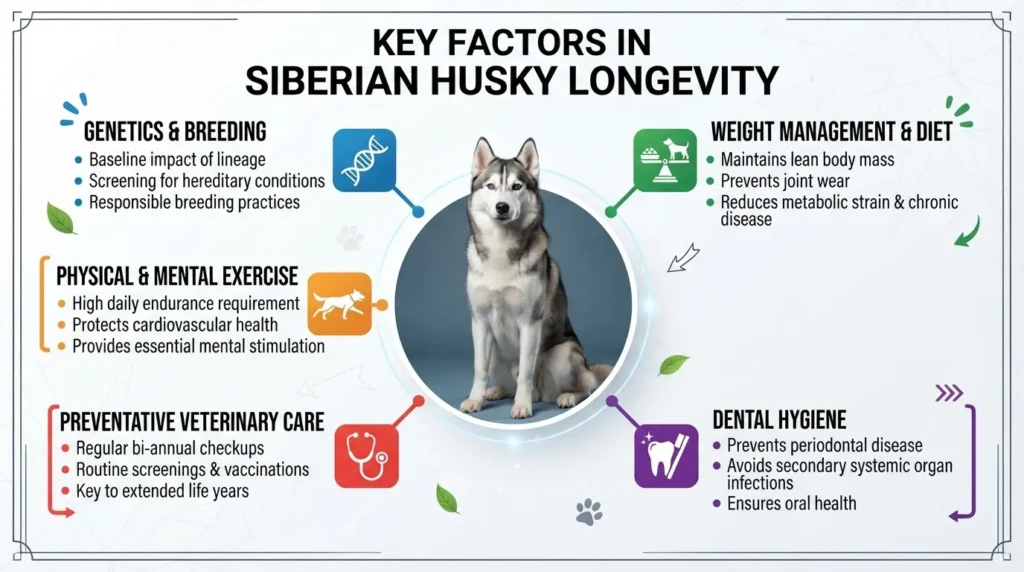
While the average lifespan provides a reliable baseline, a Siberian Husky’s actual lifetime depends on a mix of genetic predispositions and daily care decisions. Some of these elements are determined the day a puppy is born, but many are entirely within your control as an owner.
Focusing on proactive management can significantly tilt the odds toward a longer, healthier life for your dog.
Genetics & Breeding
A Husky’s longevity starts with their lineage. Responsible breeders actively screen their breeding dogs for hereditary conditions common to the breed, such as canine hip dysplasia and juvenile cataracts. Investing in a puppy from a health-tested lineage means minimizing the genetic risk factors that could shorten their life or diminish their quality of life later on.
Conversely, puppies sourced from puppy mills or backyard breeders rarely undergo these rigorous health screenings. These dogs face a much higher risk of congenital defects and chronic health issues. Choosing a breeder who prioritizes genetic health over profit is one of the most impactful decisions you can make for your dog’s future.
Diet & Nutrition
What goes into your Husky’s bowl daily plays a massive role in their overall lifespan. Keeping your Husky at a lean body condition is proven to extend their life. According to long-term veterinary feeding studies, dogs maintained at an ideal weight can live up to two years longer than their overweight counterparts, while avoiding early-onset arthritis.
Your choice of food should focus on high-quality protein sources to maintain their dense muscle mass. Additionally, look for diets rich in omega-3 fatty acids, like fish oil, which support joint health, cognitive function, and their signature thick double coat.
Exercise & Activity Level
Siberian Huskies are working dogs bred to run for miles, meaning regular physical activity is a requirement, not an option. However, their daily exercise needs change significantly by age:
Puppies (under 1 year): Short, controlled play sessions and walks to protect developing growth plates from repetitive impact injuries.
Adults (1 to 7 years): At least 60 to 90 minutes of vigorous daily exercise, such as hiking, running, or agility training, to keep their heart and mind healthy.
Seniors (8+ years): Low-impact activities like steady walks and swimming to maintain joint mobility without causing unnecessary pain.
Environment & Climate
Huskies are biologically engineered for sub-zero temperatures, featuring a dense undercoat that traps heat. Because of this, they possess a high sensitivity to hot weather and are prone to heatstroke if overexerted in the summer.
While they love being outside, they should live primarily indoors with access to air conditioning during peak heat.
If you are raising a Husky in a hot or tropical climate—such as Pakistan, India, or the Gulf region—extra precautions are mandatory to keep them safe. You can protect your Husky from extreme heat by following these veterinary-recommended cooling tips:
Exercise your dog exclusively during the coolest parts of the day, typically before sunrise or well after sunset.
Provide constant access to chilled water, and add ice cubes to their bowl to encourage hydration.
Set up dedicated cooling zones indoors using tile floors, cooling mats, or direct fan circulation.
Never shave a Husky’s double coat; their fur acts as natural insulation against both cold and heat, and shaving it ruins their natural temperature regulation.
Preventive Veterinary Care
Routine veterinary visits are the backbone of early disease detection. Annual checkups for adult Huskies—and bi-annual visits for seniors—allow your vet to catch subtle changes in organ function or joint health before they become life-threatening.
Core vaccinations protect your Husky from highly contagious diseases like parvovirus and rabies, while consistent dental care prevents periodontal disease. Untreated dental infections can allow bacteria to enter the bloodstream, potentially damaging your dog’s heart, liver, and kidneys over time.
Spay/Neuter Impact
Data collected across major veterinary databases indicates that spayed and neutered dogs enjoy a slightly longer average lifespan compared to intact dogs. This statistical bump in longevity is largely due to the complete elimination or drastic reduction of specific health risks.
Sterilization removes the risk of uterine infections (pyometra) and testicular cancers, while significantly lowering the incidence of mammary tumors. Additionally, fixed Huskies are far less likely to exhibit roaming behaviors, reducing their risk of accidental injuries or trauma outside the home.
Common Health Issues That Can Shorten a Husky's Lifespan
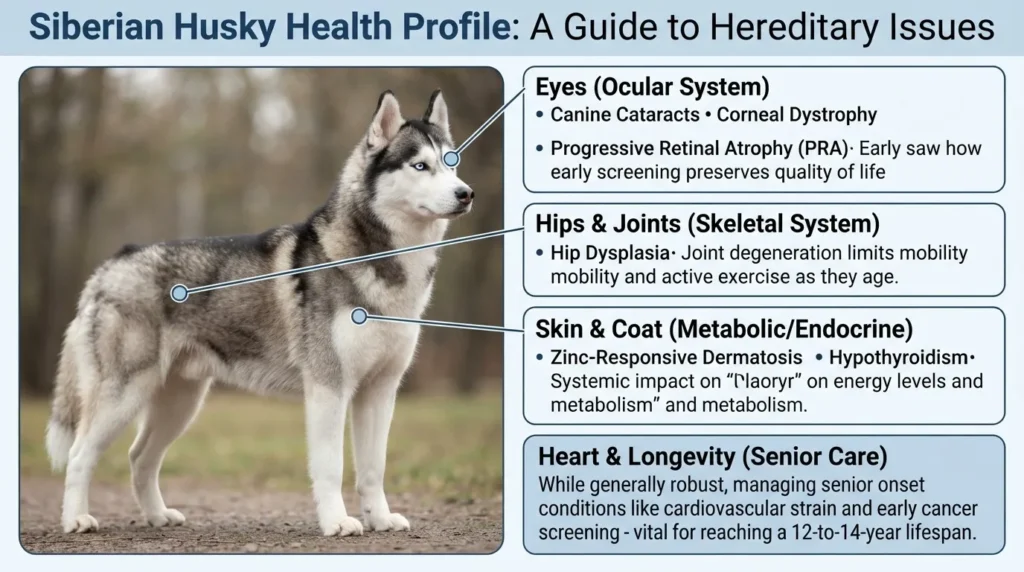
While the Siberian Husky is generally a robust and resilient breed, they are genetically predisposed to a few specific health conditions. Left unmanaged, these issues can severely compromise their quality of life and potentially cut their lifespan short.
According to breed-specific data from the Orthopedic Foundation for Animals (OFA) and veterinary health registries, keeping a close eye on joint, eye, and metabolic health is essential for extending your dog’s senior years. Recognizing problems early allows for prompt medical intervention, which can add comfortable, active years to your husky’s life expectancy.
Hip Dysplasia
Hip dysplasia is an inherited skeletal condition where the ball and socket of the hip joint do not fit together smoothly. Instead of gliding easily, the bones rub and grind, leading to painful joint deterioration, cartilage loss, and progressive arthritis over time.
Because huskies are inherently high-energy working dogs, hip pain can drastically curtail their ability to exercise, which quickly leads to a domino effect of muscle atrophy, weight gain, and cardiovascular decline.
Early warning signs to watch for: A noticeable “bunny-hopping” gait when running, hesitation before climbing stairs or jumping, stiffness after resting, audible joint clicking, and a sudden reluctance to participate in their usual high-energy games.
Eye Conditions (Cataracts, PRA, Corneal Dystrophy, Glaucoma)
Siberian Huskies are particularly vulnerable to several hereditary eye disorders that can impact their vision and overall well-being. Juvenile cataracts can develop in dogs as young as six months old, while Progressive Retinal Atrophy (PRA) causes a slow, painless degeneration of the retina that eventually leads to complete blindness.
Corneal dystrophy causes a hazy buildup of lipids in the eye, and glaucoma involves an increase in fluid pressure within the eyeball. While some eye issues merely cause vision loss, others, like acute glaucoma, are intensely painful and can induce severe systemic stress if left untreated.
Early warning signs to watch for: Opacity or a cloudy, bluish sheen inside the pupil, frequent squinting or pawing at the face, redness in the whites of the eyes, dilated pupils that do not react to light, bumping into furniture, and general clumsiness in low-light environments.
Hypothyroidism
Hypothyroidism occurs when the thyroid gland fails to produce enough hormone to regulate the dog’s metabolism. This hormonal deficiency acts as a slow drain on a husky’s vitality, slowing down every major metabolic process in the body.
While rarely fatal on its own, an underactive thyroid weakens the immune system and leaves your dog highly susceptible to chronic skin infections, secondary heart conditions, and severe lethargy. Fortunately, it is easily diagnosed via routine veterinary blood work and is highly manageable with daily, affordable medication.
Early warning signs to watch for: Unexplained weight gain despite no change in food intake, intense lethargy or a sudden lack of interest in running, chronic symmetrical hair loss along the flanks, a dull or brittle coat, and a distinct intolerance to cold temperatures.
Siberian Husky Life Stages Explained
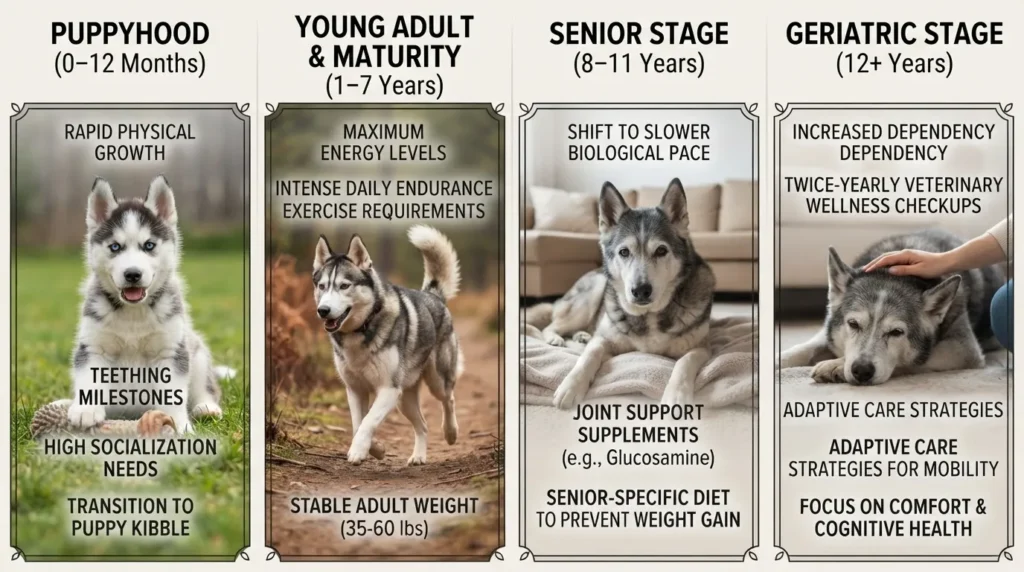
Siberian Huskies move through distinct biological phases at a rapid pace compared to humans. Understanding these shifts helps you align your care, nutrition, and exercise routines with their actual physiological needs rather than just their calendar age.
Puppy Stage (0–12 months)
The first year of a Husky’s life is a whirlwind of rapid physical development and intense socialization. During this stage, these natural-born endurance athletes build the skeletal foundation and muscle mass that will support them for the rest of their lives.
Because they grow so quickly, proper nutrition is critical during these months. Feeding a high-quality puppy formula specifically designed for medium-to-large breeds ensures their joints and bones develop at a safe, steady rate, reducing the risk of developmental orthopedic issues later on.
Adult / Peak Years (1–7 years)
Once they cross the one-year mark, Siberian Huskies enter their prime. This long stretch of adulthood is characterized by boundless energy, sharp mental alertness, and peak physical conditioning.
During these years, their working-dog heritage truly shines. They require consistent physical outlets and mental challenges to stay healthy and well-behaved. Routine veterinary care during this phase focuses heavily on preventative medicine, weight management, and maintaining excellent dental health.
Senior Stage (8+ years)
According to the American Animal Hospital Association (AAHA) life stage guidelines, medium-sized dogs like Huskies officially transition to senior status around age eight. While a 17-year-old dog in human years represents an incredibly rare milestone of extreme longevity, entering the senior years simply means it is time to shift your focus toward comfort and preservation.
As your companion slows down, you will likely notice subtle shift indicators that require a watchful eye.
Graying muzzle: Silver fur typically begins creeping across the face, mask, and brows.
Reduced energy: Your dog may opt for shorter walks and longer naps, losing some of that classic, frantic Husky drive.
Joint stiffness: Getting up in the morning or jumping into the car might take a little more effort, often signaling early arthritis.
Vision and hearing changes: You might notice a slight cloudiness in their eyes (nuclear sclerosis) or find that they do not wake up as quickly when you call their name.
When to Increase Vet Visit Frequency
Once your Husky hits their senior milestone, scheduling veterinary exams every six months instead of annually is highly recommended. Bi-annual checkups allow your vet to run baseline bloodwork, monitor kidney and liver function, and catch age-related conditions like osteoarthritis or metabolic changes before they impact your dog’s quality of life. Regular monitoring ensures you can manage senior discomfort early, keeping your gray-muzzled friend happy and active for as long as possible.
How Old Is Your Husky in Human Years?
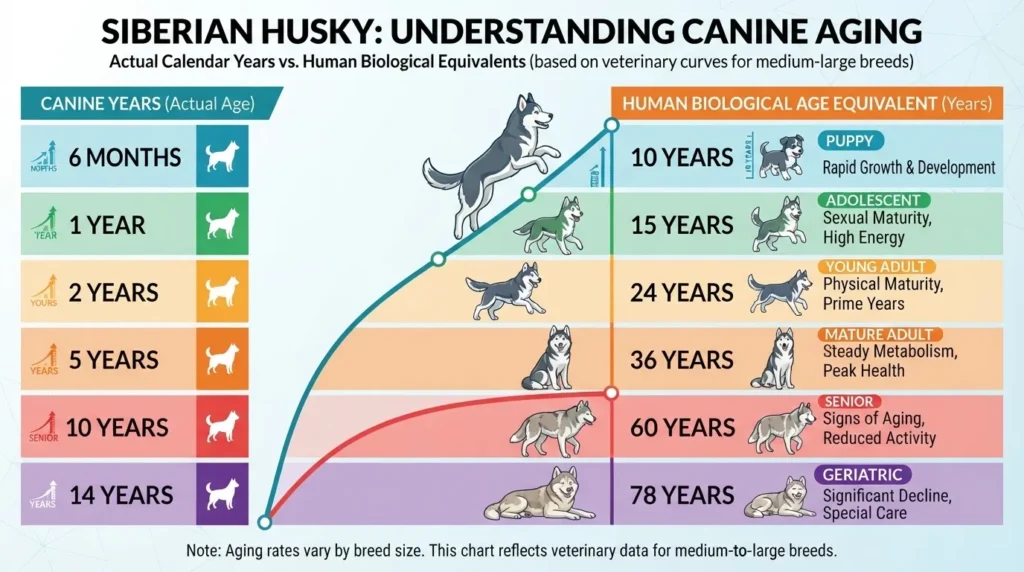
Why dog years ≠ human years (myth of “multiply by 7”)
For decades, the standard rule of thumb was simple: just multiply your dog’s age by seven to find their equivalent human age. While that old formula is easy to remember, it is a scientific myth that completely miscalculates how dogs actually mature. If you use the “multiply by seven” rule, a one-year-old Siberian Husky would be seven human years old. In reality, a one-year-old Husky has already developed through childhood and adolescence, possessing the biological maturity of a 15-year-old human teenager.
Dogs age at an incredibly accelerated rate during their first two years of life. After this initial growth spurt, their biological aging process slows down significantly and stabilizes. Recent peer-reviewed genetic research, including the landmark DNA methylation study published in Cell Systems, confirms that canine DNA alters much faster in youth than in senior years. Because of this curved aging trajectory, a simple linear multiplication formula fails to give you an accurate picture of your dog’s true biological stage.
As a medium-to-large working breed typically weighing between 35 and 60 pounds, Huskies follow a distinct aging curve guidelines set by the American Animal Hospital Association (AAHA). They mature rapidly into adulthood by age two, and then progress through a steady, stable aging process where each additional calendar year equals roughly four to five human years.
Track Your Dog’s Longevity
Every dog ages at its own pace depending on genetics, diet, and lifestyle activity levels. Use our free Dog Age Calculator to find your Husky’s exact human age and get a customized breakdown of their current life stage.
How to Help Your Husky Live a Longer, Healthier Life
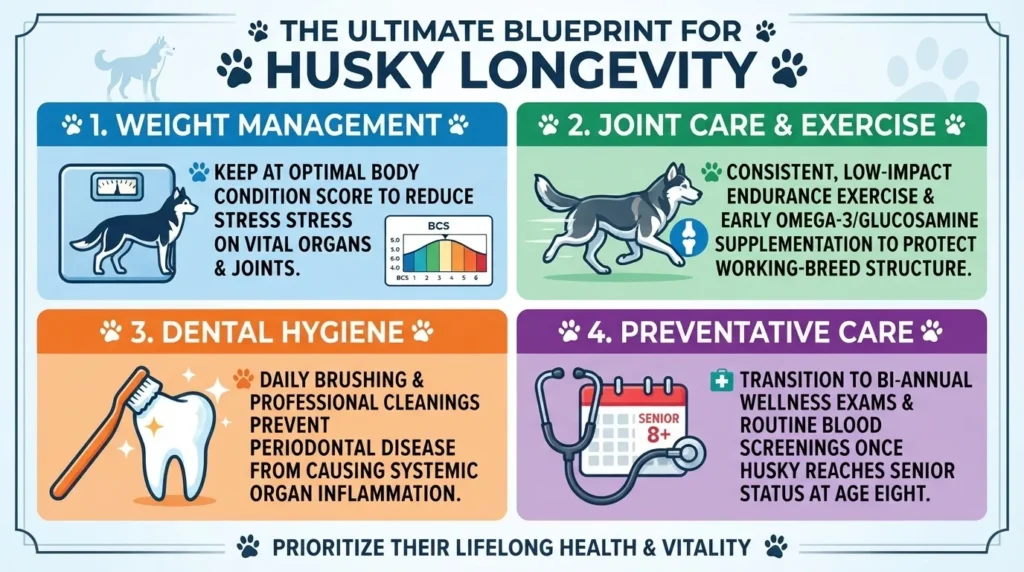
While genetics establish the baseline for your dog’s life expectancy, your daily care routines directly influence how well they age. Siberian Huskies are built for endurance, and keeping them thriving into their senior years requires proactive management.
By focusing on a few targeted areas of care, you can help maximize your husky lifespan and ensure their golden years are active and comfortable.
Provide a High-Protein, Calorie-Controlled Diet: Huskies have efficient metabolisms but require high-quality, animal-based proteins to maintain their lean muscle mass. Feed them life-stage-appropriate food, adjusting portions as their activity levels naturally slow down with age.
Maintain High-Intensity Physical Exercise: This breed thrives on working stamina. They need at least 60 to 90 minutes of daily exercise, such as running, hiking, or pulling sports, to prevent obesity and reduce structural stress on their joints.
Schedule Bi-Annual Veterinary Visits: While annual checkups work for young adults, the American Animal Hospital Association recommends senior dogs see a vet twice a year. Regular bloodwork and physical exams help catch age-related issues like hip dysplasia or thyroid conditions early.
Strict Weight Management: Carrying even two or three extra pounds can significantly accelerate joint degeneration in a medium-to-large working dog. Consistently check their body condition score to ensure you can easily feel their ribs and see a defined waistline.
Commit to Daily Dental Care: Periodontal disease does more than cause bad breath; it introduces bacteria directly into your dog’s bloodstream, potentially damaging the heart and kidneys. Brush their teeth daily and use vet-approved dental chews to minimize plaque buildup.
Provide a Cool Environment: Built for arctic climates, Huskies overheat easily, which strains their cardiovascular system. Always provide access to air conditioning, cooling mats, and plenty of fresh water during warm summer months.
Offer Consistent Mental Stimulation: A bored Husky often becomes anxious or destructive. Keep their minds sharp by utilizing puzzle feeders, advanced obedience training, and nose-work games that mimic their natural instinct to work and solve problems.
Frequently Asked Questions
When these athletic dogs reach their advanced geriatric years, cancer stands out as the leading cause of mortality. Veterinary health data shows that older huskies are particularly susceptible to aggressive forms like lymphoma and hemangiosarcoma. Aside from oncological conditions, general natural decline associated with old age and organ failure are common paths for this resilient breed.
No, their lifespans are remarkably similar. Both Siberian Huskies and Alaskan Huskies share an average life expectancy of 12 to 15 years. While the Siberian Husky is an official purebred breed recognized by the American Kennel Club, the Alaskan Husky is a purpose-bred mixed working dog—yet both inherit a robust, athletic genetic makeup that favors long-term structural health.
The single most effective way to help your dog live a longer, healthier life is strict weight management. Keeping your husky lean drastically lowers their risk of metabolic diseases and minimizes daily wear and tear on their joints. Beyond a high-quality diet, providing consistent daily endurance exercise and keeping up with routine dental cleanings will prevent chronic inflammation from impacting their heart and vital organs.
According to senior life stage guidelines set by the American Animal Hospital Association (AAHA), a Siberian Husky transitions into their senior years around 8 to 9 years old. Because they maintain their playful, high-energy puppy personality long into adulthood, it can be easy to miss the early signs of aging. Reaching this milestone means it is time to adjust their nutrition to protect their joints and increase veterinary wellness visits to twice a year.
While the average husky life expectancy is well under 15 years, some exceptional individuals push the absolute limits of canine longevity. There are well-documented cases of Siberian Huskies reaching 16 to 18 years old when provided with exceptional care, ideal weight management, and favorable genetics.
There is no significant statistical difference in life expectancy between male and female Siberian Huskies. Both genders enjoy a similar lifespan when raised with proper care, nutrition, and exercise. However, broad veterinary consensus indicates that spayed or neutered dogs generally live longer than their intact counterparts because alteration prevents reproductive cancers and reduces the risk of roaming or accidental injuries.
The average lifespan of a Siberian Husky ranges between 12 and 15 years. This is notably long for a medium-to-large working breed, as many dogs of similar size typically live closer to 10 to 12 years. Their impressive longevity stems from their historical development by the Chukchi people, who bred these dogs for extreme physical endurance and hardiness in harsh Arctic environments.

Gulfam Haider Mehdi
Founder & Developer
I built Dogagescalculator.com to give dog owners honest, science-backed answers instead of the outdated "×7" myth. Every figure here is checked against AKC, AVMA, and published veterinary research.
More about the author & this site →📌 Featured Guides
how much does a german shorthaired pointer weigh
→
how many calories does my dog need calculator
→
how long do red bone coon hounds live
→
cavapoo cuts
→
How much food should I feed my Chihuahua
→
How often should I feed my French Bulldog
→
Senior Dog Care
→
what is the lifespan of an english bulldog
→
Dog Age in Months to Human Years
→
how much does a bernese mountain dog weigh
→
Comments