
What Is the Lifespan of a French Bulldog? Average Age, Life Stages & How to Help Them Live Longer
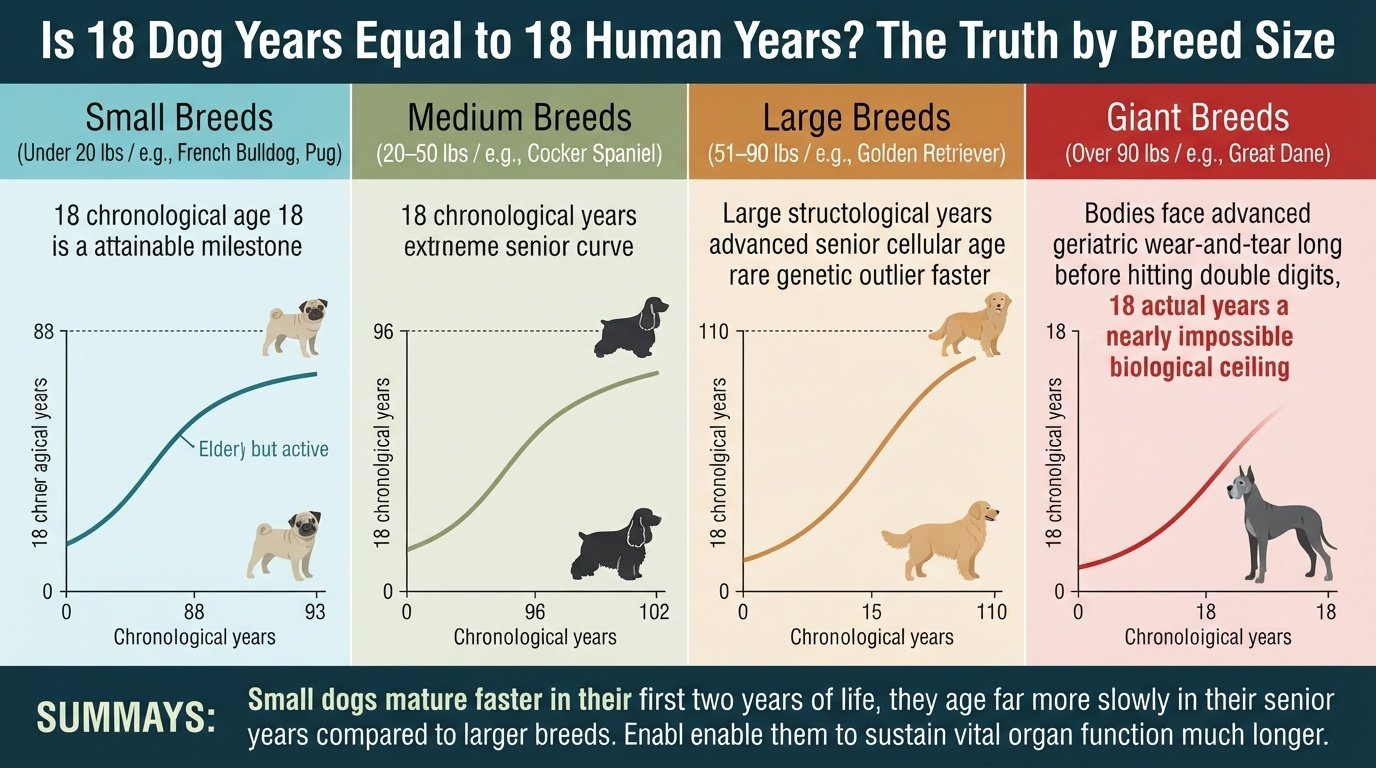
What is the lifespan of a French Bulldog? A healthy French Bulldog typically lives around 10 to 12 years, although some well-cared-for Frenchies may reach 13 or even 14 years. If you’re searching for the French Bulldog lifespan, French Bulldog life expectancy, or wondering how many years your Frenchie may have left, understanding their age, health, and breed-specific risks can help you plan for the years ahead.
French Bulldogs are a brachycephalic breed, meaning their short, flat faces can contribute to breathing and other health challenges that may affect longevity. Their average lifespan can also be influenced by weight, respiratory health, spinal problems, genetics, exercise, nutrition, and regular veterinary care.
A 4.5-year-old French Bulldog, for example, is still in adulthood rather than being near the end of its expected lifespan. At 5 years old, your Frenchie is generally in its mature adult years, although its equivalent human age depends on the method used for canine age conversion.
Below, we’ll explain the average lifespan of a French Bulldog, what affects French Bulldog life expectancy, important age milestones, and how to help your Frenchie live a longer and healthier life.
Average French Bulldog Lifespan
What Vets and Studies Say 10–14 Years
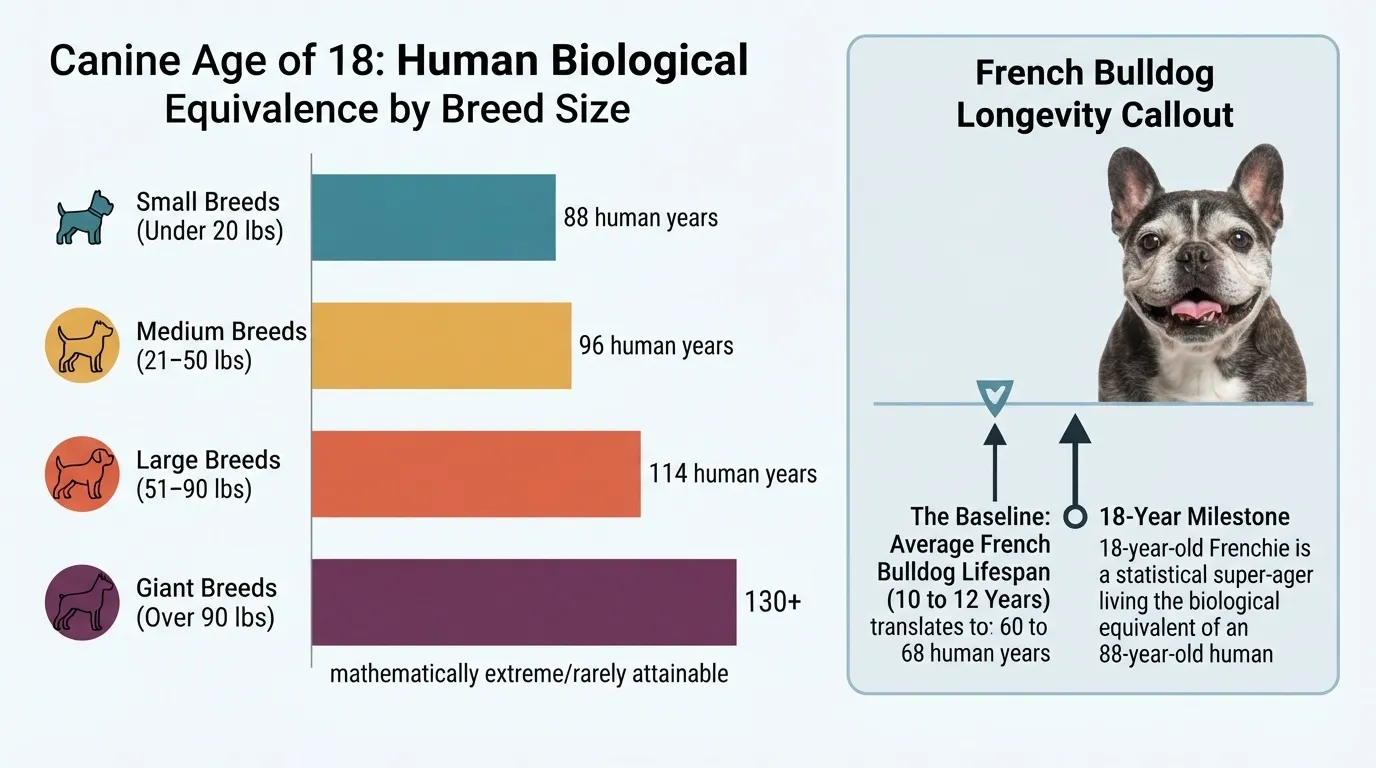
When you welcome a Frenchie into your home, the biggest question on your mind is naturally how much time you will get to spend together. Most major veterinary associations and breed clubs place the average French Bulldog lifespan between 10 and 14 years.
This range can vary quite a bit based on genetics, daily care, and luck. Because of their unique anatomy, Frenchies tend to have a slightly shorter life expectancy than other small breeds like Chihuahuas or Jack Russell Terriers, which frequently push past 15 years.
Male vs Female French Bulldog Lifespan Difference
In the broader canine world, females often edge out males by a few months to a year in terms of longevity. With French Bulldogs, however, gender-specific data reveals a slightly different story.
Data shows that male Frenchies often face a higher statistical risk of early mortality, largely driven by a higher frequency of respiratory issues and behavioral tendencies that lead to accidents. On the flip side, intact females can face specific reproductive health risks, though spaying significantly levels the playing field. Ultimately, whether your pup is a boy or a girl plays a much smaller role in their lifespan than their baseline genetic health and weight management.
French Bulldogs Are Ranked the Shortest-Lived Breed UK Study Data
A massive, widely cited study by the Royal Veterinary College (RVC) in the UK analyzed tens of thousands of companion dogs and brought some sobering news for Frenchie lovers. The data ranked French Bulldogs as the breed with the shortest life expectancy in the analysis, sitting at an average of just 4.5 years when looking at the entire population.
Before you panic, it is crucial to understand the context behind that jarring number. The explosive surge in Frenchie popularity over the last decade led to a massive influx of very young dogs in the study’s data pool. Additionally, irresponsible backyard breeding practices have introduced severe health complications into the gene pool. If you buy from a reputable breeder who screens for genetic health issues, or if you adopt an adult dog whose health history is clear, your dog has a much better chance of reaching that typical 10-to-14-year mark.
What Does “Brachycephalic” Mean? Derived from Greek roots meaning “short” and “head,” brachycephalic describes dogs with shortened muzzles and flat faces. This structural trait compresses their upper respiratory tract, making it harder for them to breathe, pant efficiently, and cool down in warm weather.
French Bulldog Life Stages Explained
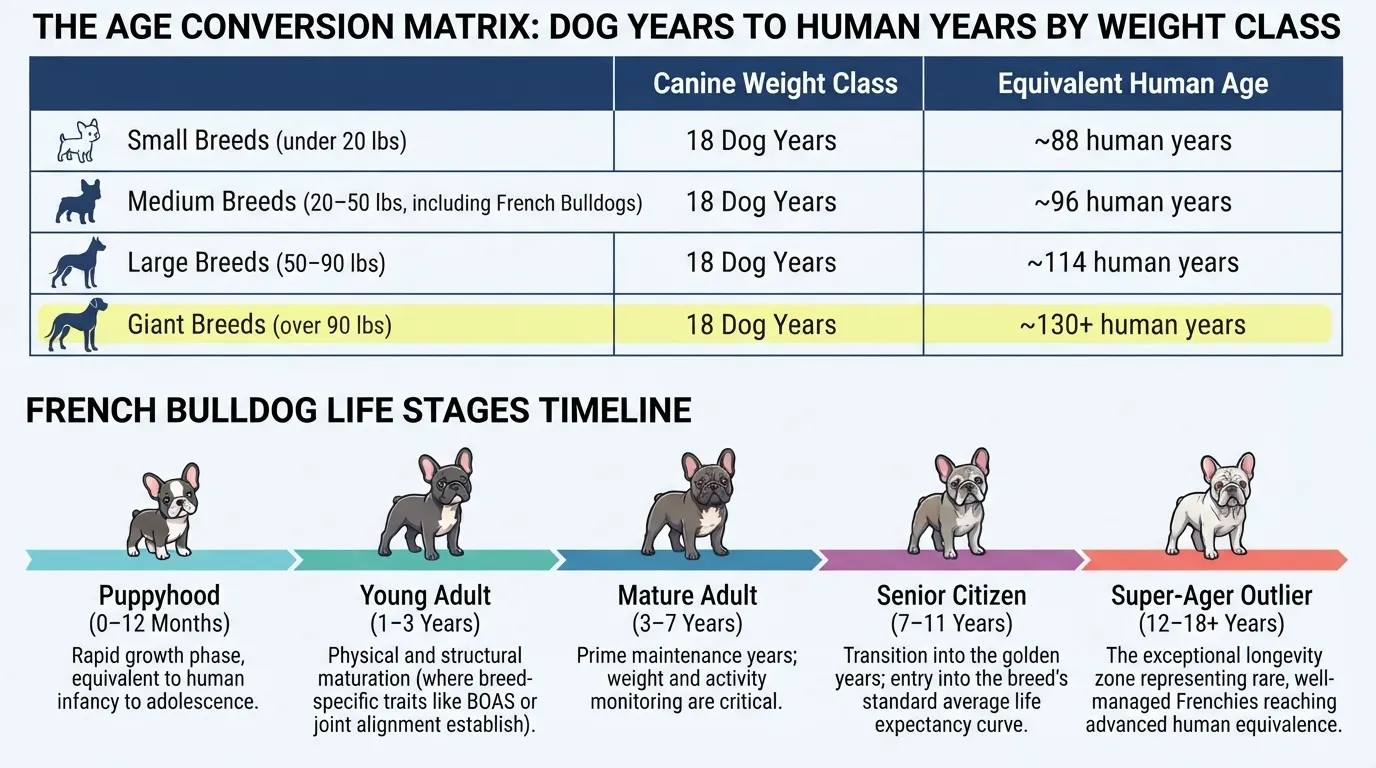
Understanding how a Frenchie grows helps you tailer their care, diet, and exercise to their changing body. While the general answer to what is the lifespan of a French bulldog falls between 10 to 12 years, how they reach those senior years depends heavily on the support they get during each distinct chapter of their life.
Puppy Stage 0–1 Year
The first twelve months are a whirlwind of rapid bone growth and muscle development. Frenchie puppies are notoriously energetic, curious, and fragile all at the same time. Because of their unique skeletal build and compact joints, protecting them from high-impact jumps during this stage is critical to prevent early joint issues.
Rapid Growth: They reach about 75% of their adult weight by six months.
Teething Phase: Expect heavy chewing between 3 to 6 months as adult teeth come in.
Socialization Window: The first 4 months are vital for introducing new sounds, people, and other dogs to prevent future anxiety.
Adult Stage 1–7 Years
By age one, your Frenchie transitions into young adulthood, though they often keep that classic puppy playfulness until around year two or three. This is the plateau phase where their weight stabilizes, and their distinct, stocky chest fills out completely. During these prime years, weight management becomes your absolute number one priority, as even a couple of extra pounds can severely strain their breathing and spine.
Physical Maturity: Muscle mass peaks, and their structure settles into its final adult shape.
Energy Stabilization: Nap times become more structured, balancing out their bursts of midday energy.
Health Maintenance: This is the peak window for preventative care, routine dental cleanings, and keeping tabs on any early allergy flares.
Senior Stage 7+ Years
Frenchies are officially considered seniors around their seventh birthday. You will likely notice a gradual slowdown in their morning enthusiasm, and that signature brindle or fawn muzzle will start showing some beautiful grey frosting. Because their metabolism drops during these golden years, adjusting their caloric intake is necessary to keep them lean and comfortable.
Grey Muzzle: White and grey hairs begin spreading across the muzzle and around the eyes.
Mobility Changes: Stiff joints in the morning or hesitation before climbing onto the couch become more common.
Sensory Decline: Slight declines in hearing or vision clarity may cause them to startle a bit easier.
Monitoring these transitions closely lets you stay ahead of their changing medical needs, ensuring they stay comfortable as they move out of adulthood and into their senior years.
Calculate Your French Bulldog's Age in Human Years
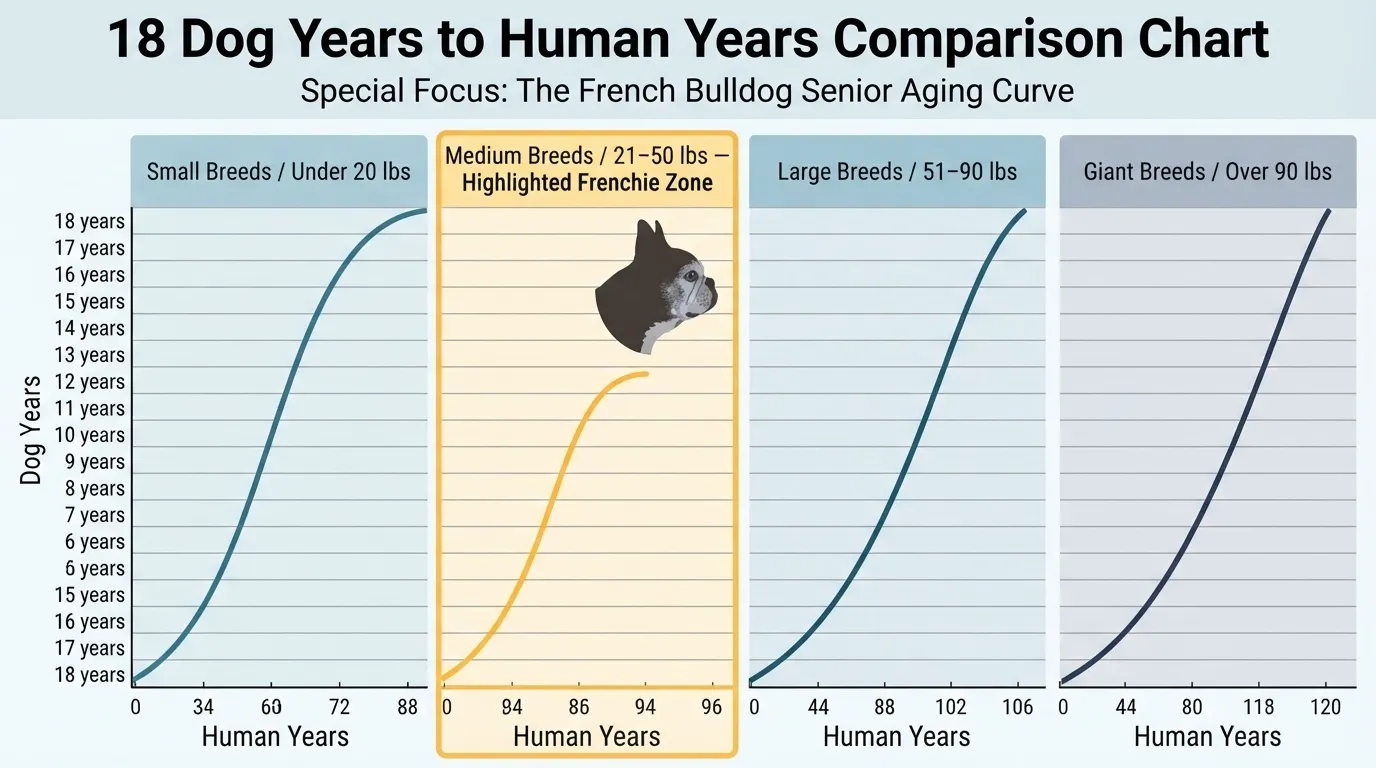
You’ve probably heard the old rule of thumb that one dog year equals seven human years. While that makes for easy math, it doesn’t actually fit the unique way French Bulldogs age. Small, brachycephalic (flat-faced) breeds mature incredibly fast during their first two years of life, hit a stable plateau in mid-life, and then begin to age more rapidly in their senior years.
Understanding this timeline helps you anticipate their changing health needs, from switching to senior dog food to scheduling more frequent vet checkups. To give you a realistic picture, a Frenchie’s development tracks much closer to this breakdown:
1 Frenchie year is roughly equivalent to a 15-year-old human teenager.
2 Frenchie years jump ahead to about a 24-year-old human adult.
5 Frenchie years put them around a mature 36 human years.
10 Frenchie years cross into senior territory, matching a 56-year-old person.
Because the aging curve isn’t a straight line, calculating their true developmental stage takes a bit of breed-specific nuance.
Ready to see exactly where your pup stands on the timeline? Try our free French Bulldog Age Calculator to instantly convert your dog’s age and get tailored health insights for their current life stage.
Does the Type of French Bulldog Affect Lifespan?
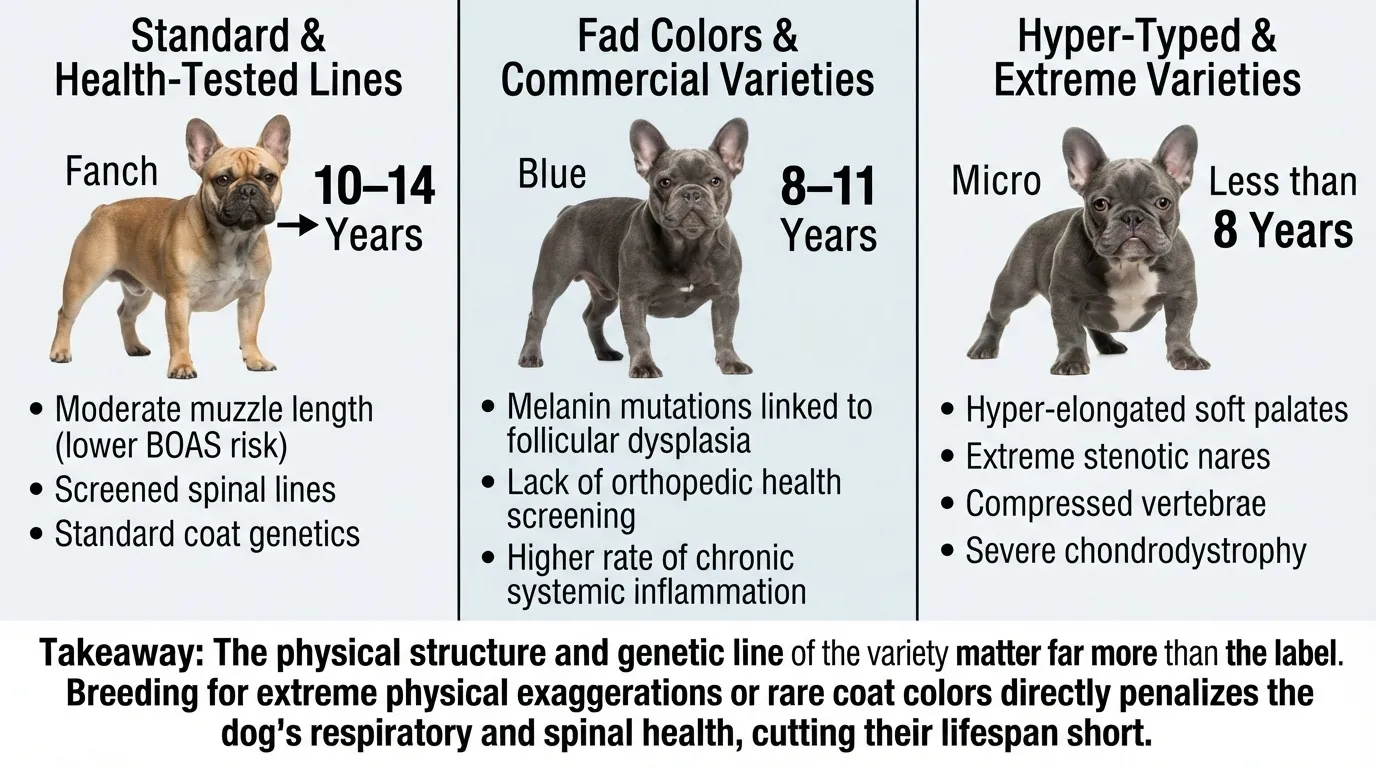
When looking up what is the lifespan of a french bulldog, you will quickly discover that the standard answer is 10 to 12 years. However, that number is an average, and the “type” of Frenchie you bring home can heavily tilt that timeline. Because this breed has skyrocketed in popularity, breeders have begun focusing on exotic traits like unusual coat lengths and rare colors, which directly impacts their health and longevity.
Fluffy & Merle Frenchies — Higher Health Risk?
The short answer is yes. Trendy variations like the Fluffy Frenchie (which carries a recessive long-hair gene) and the Merle Frenchie (distinguished by a mottled, patchy coat) carry a significantly higher risk of chronic health issues. These physical traits are visually striking, but they often come at a cost to the dog’s life expectancy.
Merle French Bulldogs, in particular, are tied to severe genetic complications. The gene responsible for the beautiful marbled coat pattern can also cause neurological issues, eye abnormalities, and congenital deafness. When two merle dogs are bred together—known as “double merle”—the puppies face a high probability of being born blind, deaf, or with microphthalmia (abnormally small eyes).
Fluffy Frenchies face a different set of obstacles. Their long, dense coats make them drastically more susceptible to overheating and heatstroke than standard short-coated Frenchies. Because all French Bulldogs are brachycephalic (flat-faced), they already struggle to cool themselves down efficiently through panting. Adding a thick coat of fur to an compromised respiratory system makes summer months incredibly dangerous and puts a continuous strain on their cardiovascular health.
Purebred vs Mixed Breed Frenchie Lifespan
If you are looking to maximize your dog’s years, crossing a Frenchie with another breed—often called a “designer mix”—frequently yields a longer lifespan than a purebred French Bulldog. This comes down to a biological concept called hybrid vigor, which essentially means that widening the gene pool reduces the chances of inheriting recessive genetic disorders.
Purebred Frenchies suffer from a high rate of structural issues like Brachycephalic Obstructive Airway Syndrome (BOAS) and Intervertebral Disc Disease (IVDD) because they are bred to maintain a very specific, exaggerated physical standard. Popular mixes, like the “Frug” (French Bulldog crossed with a Pug) or a Frenchie-Beagle mix, often inherit slightly longer muzzles and better spinal alignment.
While a purebred Frenchie from a poorly managed kennel might struggle to reach age 8 or 9, a healthy mixed breed with a elongated snout frequently pushes past the 12-to-14-year mark. To see how these developmental changes translate to human years as your dog matures, you can check where your pup stands using our free Dog Age Calculator tool.
Whether you choose a purebred or a mix, the physical structure of your dog’s parents plays the ultimate role in daily comfort and total lifespan, which brings us to how weight management and body shape alter their daily health.
Factors That Affect a French Bulldog's Lifespan
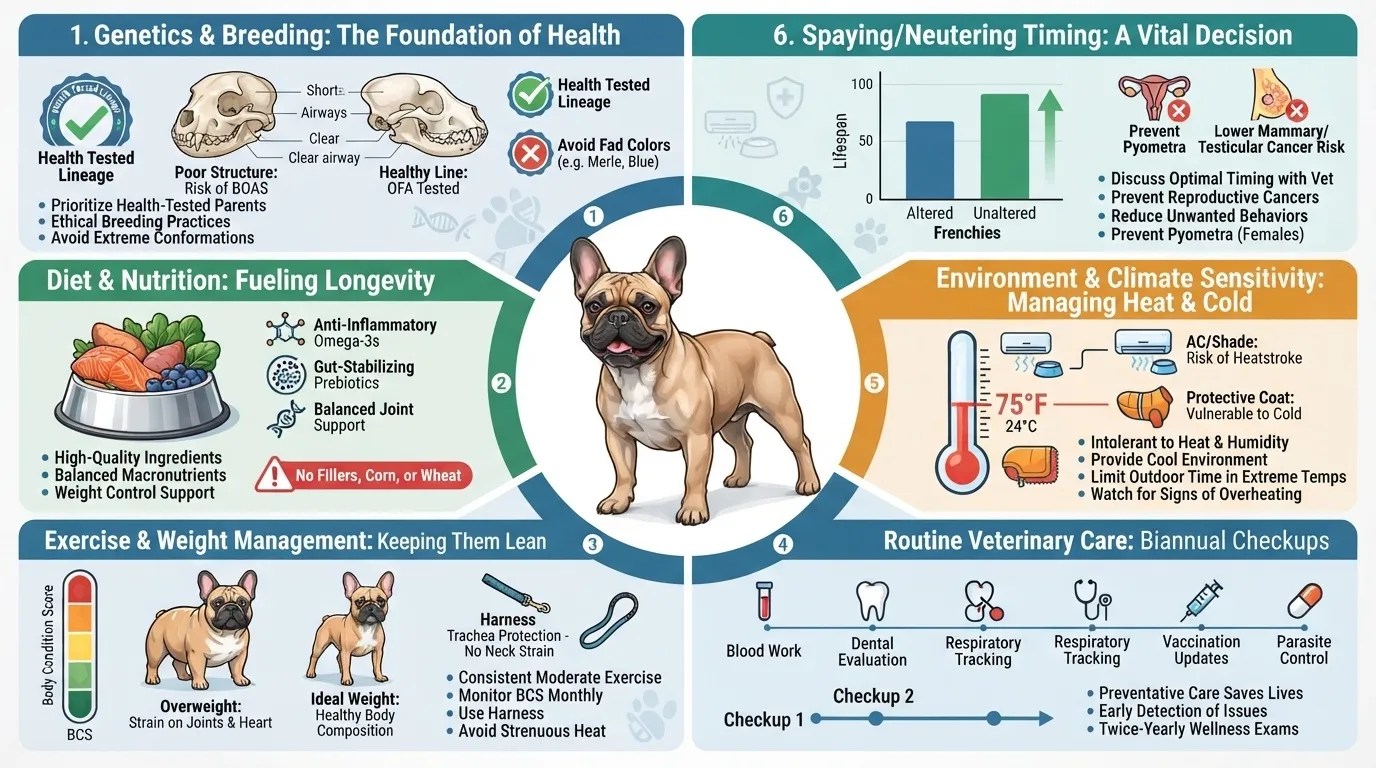
While the average Frenchie lives around 10 to 12 years, that number isn’t set in stone. A complex mix of biology, daily care, and environmental factors ultimately determines how long your companion stays by your side. Understanding these variables gives you the power to actively influence your dog’s longevity.
Genetics & Breeding
A Frenchie’s health journey begins long before they take their first breath. Because of their immense popularity, irresponsible breeding practices run rampant in the canine world. Backyard breeders often prioritize trendy “fad colors” like merle or blue over structural health, which frequently locks in dangerous genetic defects.
Reproductive choices dictate structural health, especially regarding Brachycephalic Obstructive Airway Syndrome (BOAS). Ethical breeders screen their dams and sires for spinal issues like hemivertebrae and hip dysplasia. Investing time into finding a preservationist breeder who shares health clearance certificates directly correlates with a lower risk of early-onset, life-limiting health crises.
Diet & Nutrition
What goes into your Frenchie’s bowl acts as the literal foundation for their cellular health and immune function. These dogs are notorious for sensitive digestive systems and cutaneous (skin) allergies. Feeding a high-quality, easily digestible protein source helps prevent chronic systemic inflammation, a hidden culprit that accelerates aging.
Many French Bulldog owners opt for specialized diets tailored to brachycephalic breeds or food formulated for food sensitivities. Incorporating targeted supplements, such as omega-3 fatty acids for joint support and prebiotics for gut health, can ward off chronic conditions. The right fuel keeps their immune system sharp enough to fight off illnesses as they age.
Exercise & Weight Management
Obesity is a silent killer for French Bulldogs. Carrying even 2 to 3 extra pounds puts catastrophic strain on their shortened airways and compact spines. Extra weight drastically exacerbates Intervertebral Disc Disease IVDD, a spinal condition that can lead to sudden paralysis.
The Cost of Obesity
Extra Weight $\rightarrow$ Increased respiratory effort
Increased Effort $\rightarrow$ Higher risk of airway collapse and severe heat exhaustion
Exercise needs to be low-impact and consistent. Short, controlled walks on a secure harness—never a collar, which damages the trachea—keep muscles strong enough to support their joints without overtaxing their lungs. Keeping your Frenchie lean is arguably the single most effective daily action you can take to prolong their life.
Routine Veterinary Care
Preventative medicine catches subtle shifts in health before they turn into irreversible crises. Because Frenchies are prone to rapid dental decline, chronic ear infections, and progressive eye issues, biannual veterinary checks become vital as they mature.
Routine blood work reveals early indicators of kidney or liver strain long before clinical symptoms appear. Staying current on core vaccinations and parasite heartworm preventatives shields their system from preventable, resource-draining infections. Establishing a baseline of health with a veterinarian who understands brachycephalic nuances ensures swift, accurate intervention when issues arise. You can track how these health timelines align with their biological maturity by checking our [Dog Age Calculator] to see where they stand in human years.
Environment & Climate Sensitivity
French Bulldogs cannot regulate their body temperature the way standard canine breeds do. Their shortened facial structure means panting is an incredibly inefficient way for them to cool down. This biological limitation makes them highly vulnerable to fatal heatstroke in warm weather.
Normal Dog Airway: Efficient cooling via panting.
Frenchie Airway: Restricted airflow $\rightarrow$ Rapid heat retention.
On hot or humid days, air conditioning is a non-negotiable requirement for this breed. Their environment needs to be strictly managed to prevent physical overexertion. Conversely, their short single coats offer zero protection against bitter cold, meaning winter conditions require protective gear and minimal outdoor exposure to prevent respiratory stress.
Effect of Spaying/Neutering on Lifespan
Deciding when or if to alter your Frenchie plays a distinct role in their overall life expectancy. Studies consistently show that altered dogs tend to live longer, largely because it completely eliminates the risk of reproductive cancers like uterine, ovarian, and testicular malignancies.
For female Frenchies, spaying completely removes the threat of pyometra, a life-threatening uterine infection that requires emergency surgery. However, timing matters immensely. Discussing the ideal developmental window with your vet ensures you protect their joints and growth plates while still capturing the long-term protective health benefits of the procedure.
Common Health Problems That Shorten a Frenchie's Life
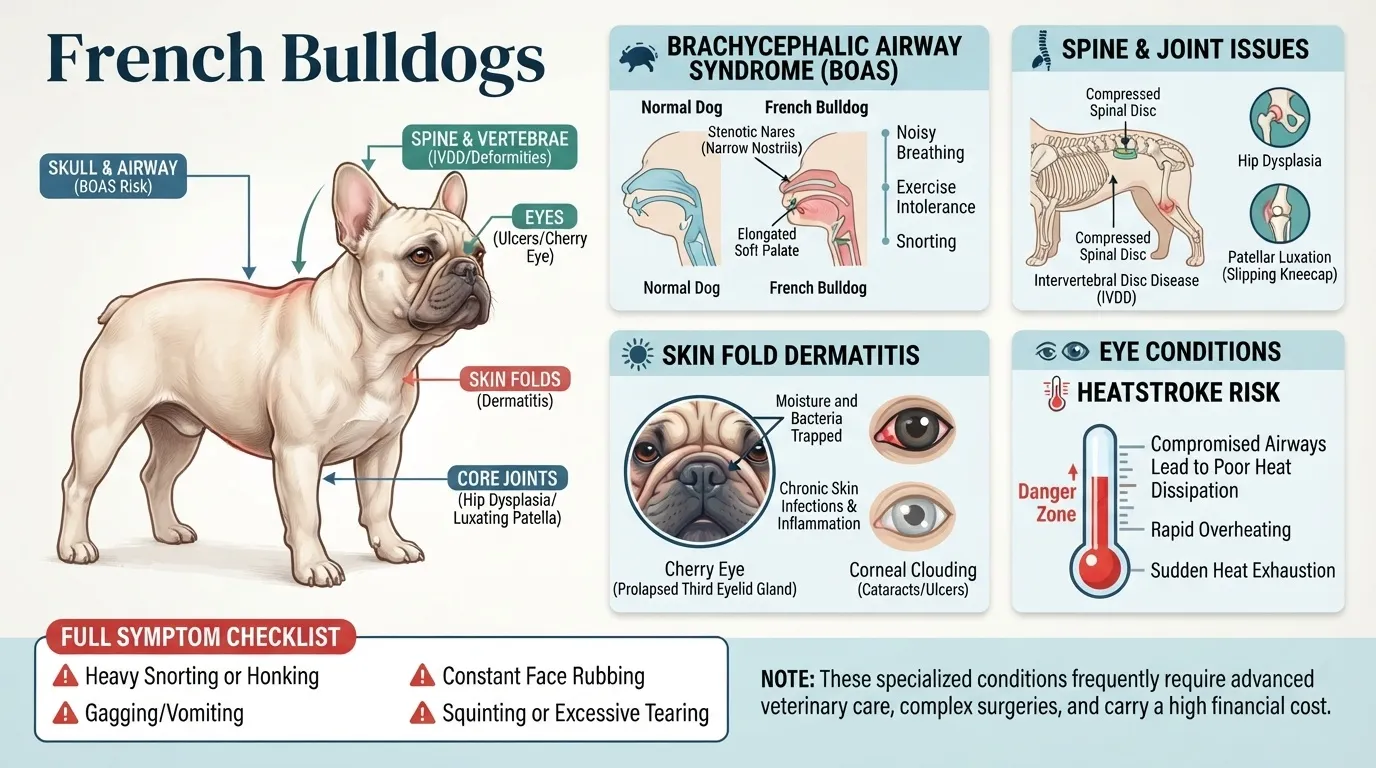
While we wish our companions could stay with us forever, the unique structural design of the French Bulldog makes them biologically prone to several severe health conditions. These are not rare anomalies; large-scale veterinary data indicates that up to 72% of Frenchies suffer from at least one documented health disorder. Many of these issues show up by young adulthood—often around 2 to 3 years of age—directly threatening both their daily comfort and their overall life expectancy.
Brachycephalic Airway Syndrome
Because Frenchies have a flattened skull, the soft tissue inside their muzzle didn’t shrink along with their bones. This structural mismatch results in Brachycephalic Obstructive Airway Syndrome (BOAS), a progressive respiratory crisis. All French Bulldogs are anatomically affected to some degree by the narrow nostrils (stenotic nares) and elongated soft palates that characterize this syndrome.
The constant struggle to pull oxygen through a restricted pathway strains the cardiovascular system over time, leading to heart enlargement and premature system failure. If your dog snores heavily, regularly snorts, or gags while eating, their airway is actively working against them. Moderate to severe cases require corrective surgery to widen the airways and clip the palate before permanent heart damage occurs.
Spine & Joint Issues IVDD, Hip Dysplasia, Patellar Luxation
The very traits that make Frenchies look so distinct—their stocky frames, corkscrew tails, and dwarfed legs—stem from a genetic mutation called chondrodystrophy. This mutation causes their spinal discs to age and harden prematurely, leaving them highly susceptible to Intervertebral Disc Disease IVDD. A recent veterinary study revealed that French Bulldogs have 21.1 times higher odds of developing IVDD than mixed-breed dogs, making them the single most vulnerable breed on the planet. A sudden rupture or herniation can compress the spinal cord, leading to excruciating pain, loss of bladder control, or sudden paralysis.
Alongside spinal risks, poorly formed hip joints Hip Dysplasia and slipping kneecaps Patellar Luxation break down cartilage early in life. This lack of structural stability forces the body to compensate, creating early-onset arthritis that limits mobility, triggers a sedentary lifestyle, and accelerates the aging process.
Eye Conditions Cherry Eye, Cataracts
A Frenchie’s skull shape leaves their large, expressive eyes shallower and far more exposed than those of standard dog breeds. This shallow setting places them at a high risk for Cherry Eye, a condition where the gland of the third eyelid prolapses and protrudes as a red, swollen mass. If left untreated, the exposed gland stops producing tear film, resulting in chronic dry eye, painful corneal ulcers, and permanent scarring that damages their vision.
Additionally, genetic predispositions make the breed prone to juvenile cataracts, which can cloud their lenses and cause blindness at a surprisingly young age. While eye conditions themselves rarely shorten a lifespan directly, the chronic pain, stress, and secondary infections they cause can seriously degrade an aging dog’s systemic health.
Skin & Allergy Issues
The deep, adorable facial wrinkles that define the breed serve as a breeding ground for bacteria and yeast if moisture and debris get trapped inside them. This specific vulnerability causes Skin Fold Dermatitis, leading to painful sores, hair loss, and foul-smelling infections.
Compounding this problem, Frenchies have highly reactive immune systems that leave them prone to severe environmental and food allergies (atopic dermatitis). Chronic scratching breaks the skin barrier, opening the door for deep bacterial infections like pyoderma. Managing these systemic allergies demands lifelong care, as the chronic inflammation associated with them places a constant, wearing burden on your dog’s immune system.
Heatstroke Risk
Because of their compromised airways, French Bulldogs lack an effective internal cooling mechanism. Dogs rely almost entirely on the evaporation of moisture from panting to shed body heat, but a Frenchie’s restricted airflow turns panting into an exhausting physical chore rather than a cooling mechanism.
This anatomical limitation means a Frenchie can succumb to fatal heatstroke in ambient temperatures that a long-nosed dog would easily tolerate. Even a brief period of overexertion on a warm day can cause their internal temperature to spike dangerously, leading to swift respiratory failure and organ collapse. Tight environmental management is a core requirement for keeping this breed safe.
The Full Frenchie Symptom Checklist
Because these conditions progress rapidly, recognizing early warning signs allows for swift intervention. Keep a close watch for these breed-specific indicators:
Respiratory: Heavy, wet snoring; stridor (high-pitched wheezing); frequent gagging, choking, or regurgitating food.
Neurological/Spinal: A sudden hunched posture; crying out when picked up; shaking, trembling, or a reluctance to look up or jump.
Mobility: Knuckling over on front paws; a wobbly, “drunken” gait in the hind legs; dragging toenails.
Dermatological: Constant paw licking, face rubbing, or skin redness; dampness or a sweet, corn-chip odor coming from facial wrinkles.
Ocular: A visible pink or red mass in the inner corner of the eye; persistent squinting, cloudiness, or thick mucus discharge.
The Reality of Frenchie Veterinary Costs
Managing these specialized hereditary conditions requires a significant financial commitment. Because of their delicate anatomy, standard treatments often don’t apply; complex issues like BOAS corrections or spinal decompressions for IVDD require board-certified veterinary surgeons and advanced imaging like MRIs.
Emergency spinal surgery can easily range between $4,000 and $9,000, while ongoing management for severe allergies can cost thousands annually.
This high medical baseline explains why comprehensive pet insurance for a French Bulldog frequently costs double or triple the monthly rate of a mixed-breed puppy—making early enrollment absolute vital before symptoms appear in medical records.
How to Help Your French Bulldog Live Longer
While their genetics hand them a challenging deck of cards, your daily management determines how those cards are played. Preventive care is not about reacting to illness; it is about building an environment where chronic stressors never get the chance to cut your dog’s life short.
Proper Diet Tips
Feeding a Frenchie requires a deliberate strategy to combat their dual vulnerabilities: systemic inflammation and digestive sensitivity. Avoid generic kibbles packed with fillers like corn, wheat, or soy, which frequently trigger cutaneous (skin) allergies and gut dysbiosis (unbalanced gut bacteria). Instead, center their diet on high-quality, novel, or easily digestible proteins like turkey, lamb, or venison.
Because chronic inflammation accelerates cellular aging, incorporate anti-inflammatory fats into their daily routine. A daily dose of marine-sourced omega-3 fatty acids (EPA and DHA) protects their joints from early-onset arthritis and supports a resilient skin barrier. Additionally, because their compact digestive tracts are prone to gas and poor nutrient absorption, integrating daily prebiotics and digestive enzymes keeps their microbiome stable and immune system sharp.
Safe Exercise Guidelines
Exercise for a brachycephalic breed must focus on building cardiovascular endurance and lean muscle without ever overtaxing their restricted airways. Ditch long, exhausting treks in favor of two or three short, 15-minute walks during the coolest parts of the day. Never use a standard neck collar; a sudden pull can collapse their delicate trachea. Always utilize a supportive, Y-shaped harness that distributes pressure evenly across the chest.
Keep physical activities low-impact to protect their chondrodystrophic spines from IVDD. Ban high-velocity fetching, twisting, and jumping off couches or vehicles—invest in pet ramps for your furniture early on. If the outdoor temperature climbs past 75°F (24°C), cancel outdoor exercise entirely and swap it for indoor mental stimulation, like puzzle toys or nose-work games, to prevent respiratory distress.
Vet Checkup Schedule
A standard annual checkup is simply not frequent enough to get ahead of a Frenchie’s fast-moving health risks. Routine care should follow a strict, preventative schedule designed to catch structural and internal shifts before they reach a crisis point:
Puppyhood to Adulthood Under 7 years: Biannual (twice-yearly) exams. One visit handles standard vaccinations and parasite preventatives, while the second focuses strictly on orthopedic development, dental tracking, and a baseline evaluation of their airway function (checking for BOAS progression).
Senior Years 7+ years: Triannual (three times a year) exams. These must include comprehensive senior blood panels, urinalysis to monitor kidney and liver capacity, and blood pressure screenings.
As your dog transitions into these senior phases, tracking their aging curve becomes crucial. You can map out exactly where your dog stands in their life cycle using our [Dog Age Calculator] to tailor their senior veterinary screenings to their specific biological age.
Weight Management
Maintaining a lean body condition score is the single most powerful longevity tool an owner possesses. Because Frenchies have dense bones and heavy muscle tissue, you cannot rely on the scale alone; you must use visual and physical markers. You should easily feel their ribs under a thin layer of fat, and they must sport a visible waistline when viewed from above.
| Body Condition Marker | What to Look For | Action Required |
|---|---|---|
| Ideal Lean Weight | Visible waist from above; abdominal tuck from the side; ribs easily felt. | Maintain current caloric intake; track treats. |
| Overweight Baseline | Waistline disappears; no abdominal tuck; layer of fat covering ribs. | Reduce portions by 10%; eliminate high-calorie table scraps. |
| Obese Risk Zone | Fat deposits on neck and lower back; round, barrel-like midsection; heavy panting at rest. | Immediate veterinary-guided calorie restriction; strict weigh-ins. |
To keep them lean, calculate their exact Daily Energy Requirement (DER) based on their activity level rather than following generic pet food bag guidelines. Treat calories must be deducted from their main meal quota. If your Frenchie needs to lose weight, swap out commercial treats for low-calorie alternatives like green beans or zucchini slices.
Choosing a Responsible, Health-Tested Breeder
If you are in the planning stages of bringing a Frenchie home, your most critical decision is selecting where that puppy comes from. A responsible breeder works exclusively to preserve the health of the breed, meaning they will never market “fad” colors like blue, merle, Isabella, or fluffy coats, which are linked to alopecia and other genetic defects.
Insist on seeing official health clearances before falling in love with a puppy. A reputable breeder will readily provide documentation from organizations like the Orthopedic Foundation for Animals (OFA). The parent dogs must have passing scores for hip dysplasia, patellar luxation, eye health (CAER exams), and spinal X-rays to screen for hemivertebrae. Walking away from backyard breeders and pet stores defunds cruel breeding practices and ensures you start your journey with a genetically sound companion.
French Bulldog Lifespan vs Other Dog Breeds
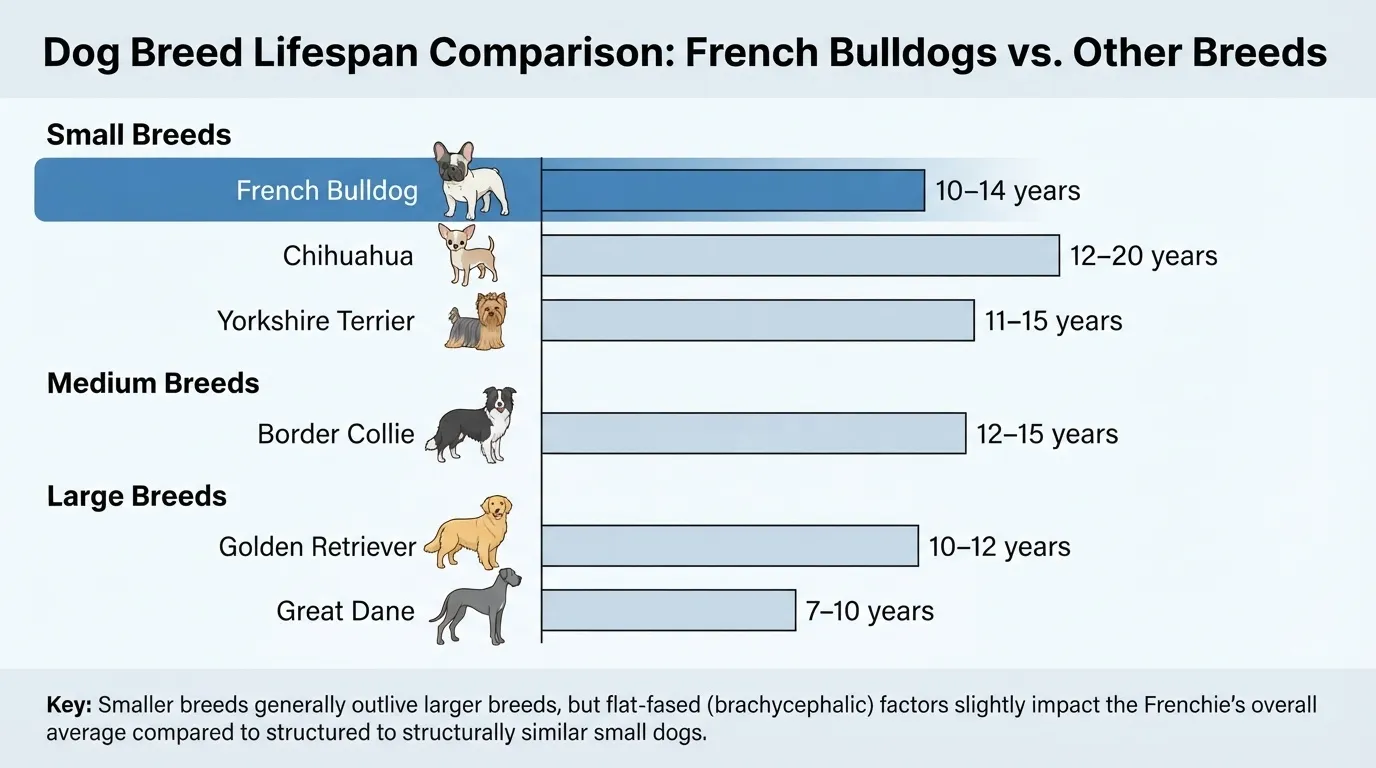
To truly understand how the Frenchie’s life expectancy measures up, it helps to look at them alongside their closest structural relatives and the wider canine population. French Bulldogs belong to a classification known as brachycephalic (flat-faced) dogs, a structural trait that introduces distinct health hurdles not shared by long-snouted breeds.
When evaluating these numbers, it is important to separate a breed’s biological potential under ideal care from the raw statistical averages, which are often pulled down by high puppy mortality rates in unethically bred populations.
| Dog Breed | Average Lifespan | Primary Structural/Health Difference |
|---|---|---|
| French Bulldog | 10 to 12 Years | Heavy bone structure and compact spine; highly prone to IVDD and respiratory strain. |
| English Bulldog | 8 to 10 Years | Much larger mass and wider frame; highest severity of airway and cardiovascular strain. |
| Pug | 12 to 15 Years | Lighter bone structure than a Frenchie, but shares severe skin fold and eye exposure risks. |
| Boston Terrier | 11 to 13 Years | Longer, leaner legs and slightly more prominent snout; inherently more athletic with fewer spinal issues. |
| Average Dog (All Breeds) | 10 to 13 Years | Includes long-snouted (dolichocephalic) breeds with natural cooling systems and standard spines. |
While Frenchies generally outlive their larger English Bulldog cousins, they fall slightly behind Boston Terriers. This is largely because Boston Terriers possess a leaner build and better hind-leg angulation, allowing them to move with greater agility and less structural wear over time. Pugs, despite sharing similar airway challenges, carry a lighter frame that puts far less day-to-day pressure on their joints and skeletal system.
Ultimately, while the average canine baseline sits around 10 to 13 years, a well-bred Frenchie from a health-tested line can easily reach the upper end of their breed’s potential. Providing targeted daily care, maintaining a strict weight management routine, and minimizing environmental stressors are the keys to helping your dog outpace the standard statistical curves.
This comparison breakdown of flat-faced breeds outlines the distinct physical variations and health profiles that explain why life expectancies differ between the Frenchie, the Boston Terrier, and the Pug.
Can French Bulldogs Live Longer Than Average? Records & Realistic Longevity
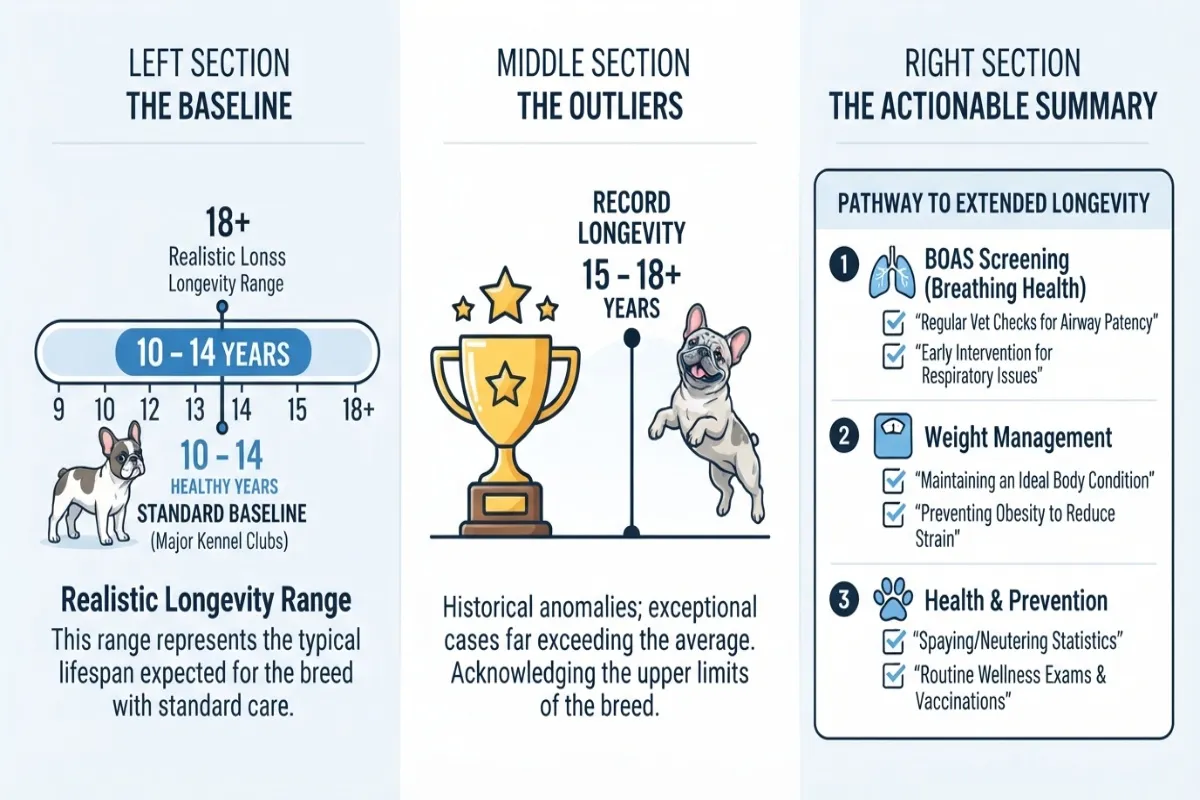
While the statistical average for the breed hovers around a decade, these numbers only tell part of the story. The truth is, some French Bulldogs defy the odds entirely. When a Frenchie is blessed with sound foundational genetics, kept at a lean weight, and spared from severe structural crises, their lifespan can stretch well into their teens.
Oldest French Bulldog Ever Recorded
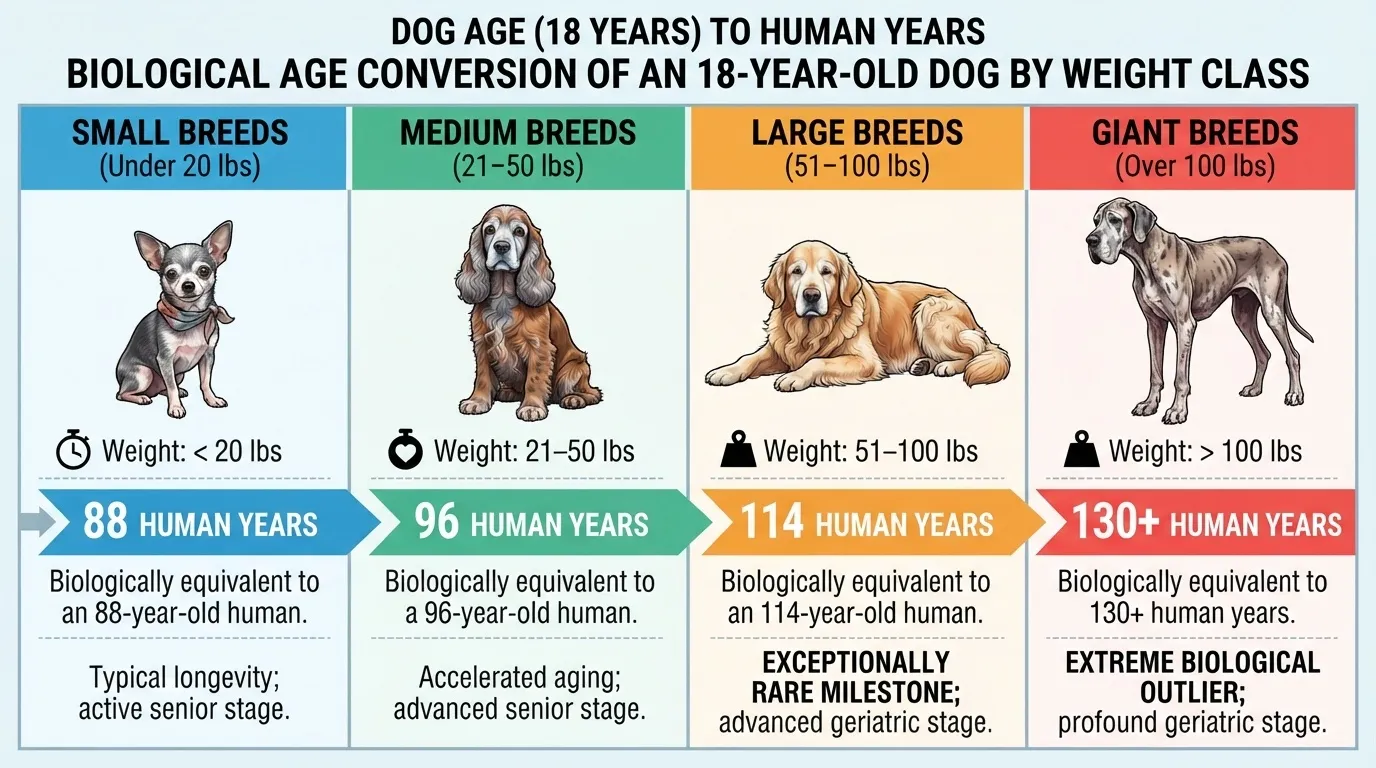
The most extraordinary example of Frenchie longevity is a dog named Popeye, who passed away on January 15, 2021. Popeye reached the staggering age of 18 years, 3 months, and 8 days—nearly double the standard expectancy for the breed.
Another remarkable outlier was Rocco, a purebred Frenchie born in 2006 who spent his twilight years in Los Angeles. Rocco lived to be 17 years and 7 months old before passing away in 2024. What makes Rocco’s case fascinating to veterinarians is his physical structure. His veterinary team noted that Rocco possessed the more moderate, athletic build typical of the breed before extreme exaggeration and hyper-typing (breeding for ultra-flat faces and excessively short backs) became common commercial trends. This structure spared his respiratory and spinal systems from the chronic wear that compromises modern lines.
Realistic Outlier Examples & Anecdotal Owner Insight
While 17 or 18 is the biological ceiling, reaching 14 to 15 years is a highly realistic goal for a dedicated owner. When you look closely at anecdotal data from owners of these senior “super-agers,” consistent lifestyle patterns emerge.
The “Super-Ager” Checklist
Airway Preservation: Owners of long-lived Frenchies are hyper-vigilant about temperature, rarely letting their dogs pant heavily or overexert themselves in warm weather.
Orthopedic Vigilance: These dogs typically spent their lives using ramps for furniture, preventing the micro-traumas to the spine that trigger IVDD later in life.
Uncompromised Standard Lineage: Many of these long-lived outliers are standard-colored dogs (brindle, fawn, or pied) sourced from preservationist breeders, avoiding the health complications tied to trendy “fad” color mutations.
What Proper Care Can Achieve: The 14–16 Year Possibility
Pushing past the 12-year mark requires moving away from reactive pet ownership and adopting a proactive, preventative mindset. If you manage your dog’s lifestyle with precision, keeping them slim, protecting their joints, and utilizing senior screenings to catch internal health shifts early, a 14- to 16-year lifespan transitions from a statistical anomaly into a distinct possibility.
By actively mitigating environmental risks like heat stress and structural injuries, you allow your dog’s vital organs to age naturally rather than giving out early due to chronic, systemic strain. Your daily choices dictate whether your Frenchie follows the average curve or sets a benchmark of their own.
Signs Your French Bulldog May Be Nearing End of Life
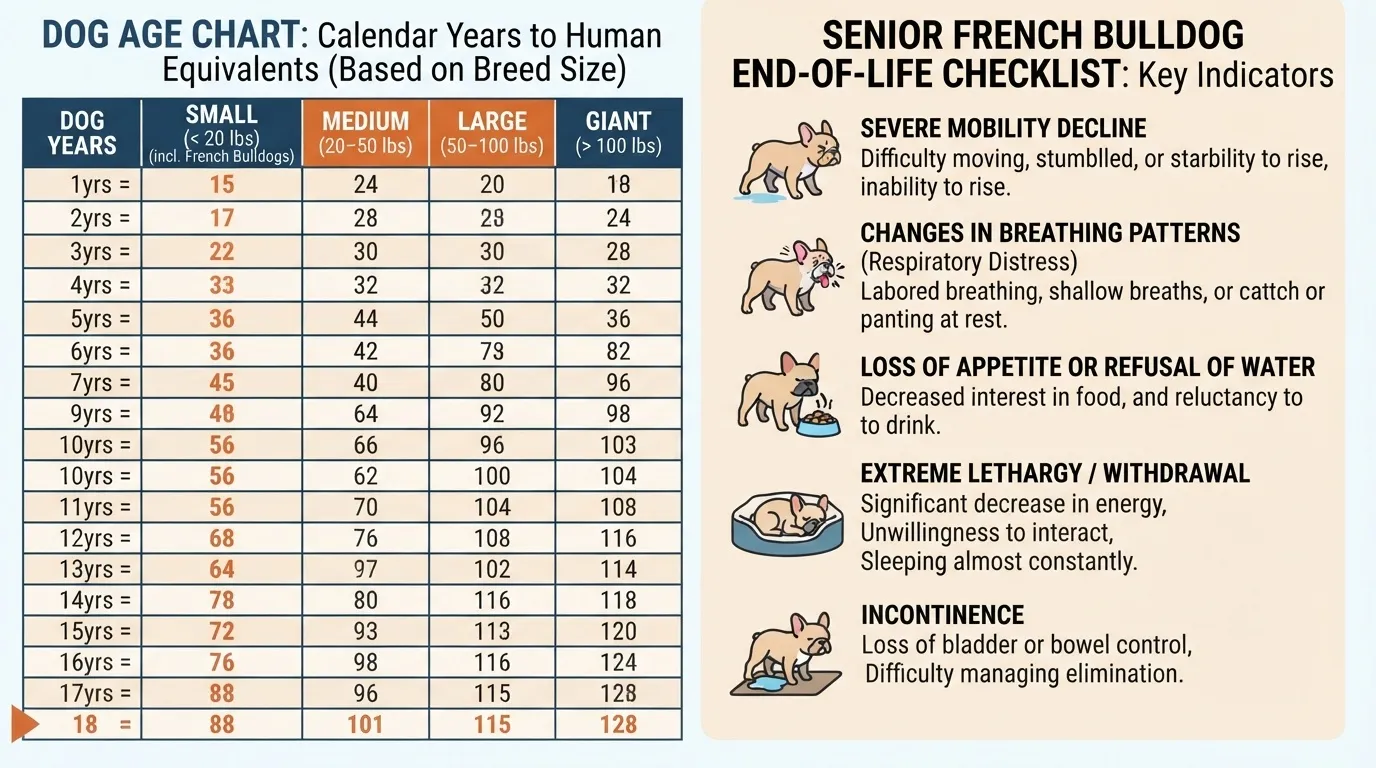
Facing the twilight stages of your companion’s life is one of the heaviest parts of pet ownership. Because French Bulldogs are incredibly resilient and deeply bonded to their families, they often try to mask their discomfort. However, as their bodily systems naturally begin to slow down, they will exhibit specific physical and behavioral shifts.
Recognizing these indicators with clinical clarity allows you to transition your care from active prevention to comfort-focused palliative management, ensuring your dog’s final days are filled with peace, dignity, and freedom from pain.
Progressive Loss of Interest in Food and Water: A gradual decrease in appetite is normal for senior dogs, but a complete refusal to eat or drink—even when offered high-value, aromatic wet food—indicates that their digestive tract is shutting down. They may also experience trouble swallowing or show zero interest in water.
Extreme, Unrelenting Lethargy: Your Frenchie may no longer rise to greet you, look toward the door, or adjust themselves when resting. They will spend almost the entire day sleeping or lying in a single spot, showing total disinterest in their favorite toys, family interactions, or surroundings.
Changes in Breathing Patterns: Because of their unique brachycephalic anatomy, respiratory monitoring is critical. You may notice their breathing shift from normal resting patterns to shallow, labored breaths, or deep, heavy abdominal breathing. Their heart rate may slow down, and their gums might transition from a healthy pink to a pale grey or blue tint due to declining oxygen levels.
Total Loss of Mobility and Coordination: Advanced muscle wasting, arthritis, or neurological decline may leave them physically unable to stand or support their own weight. They may experience frequent stumbling, front-limb knuckling, or an inability to lift their head.
Incontinence and Weakened Sphincter Control: As neurological functions decline, your dog may completely lose control over their bladder and bowels. They may soil their bedding without noticing or attempting to move away, requiring gentle, frequent cleaning to maintain their skin integrity.
Social Withdrawal or Radical Behavior Shifts: Some Frenchies will actively seek out dark, quiet, and isolated corners of the home to rest alone—a natural instinct to protect themselves when feeling highly vulnerable. Conversely, some may display sudden, intense clinginess, crying or whining if you step out of their direct line of sight.
Coping With Pet Loss
Navigating the emotional weight of saying goodbye to a cherished family member can feel incredibly isolating. Grief is a non-linear process, and it is entirely normal to feel a deep sense of sorrow, guilt, or confusion during this transition. You do not have to carry this burden entirely by yourself.
If you are currently struggling with the impending loss of your dog, or are navigating the difficult days following their passing, accessing professional support can provide immense comfort. The Lap of Love Pet Loss Support network offers dedicated grief resources, including free support groups, one-on-one counseling sessions, and tools to help you measure your Frenchie’s daily quality of life objectively. Utilizing these resources ensures you have a supportive space to honor your bond while making the kindest, most compassionate choices for your companion.
Key Takeaways
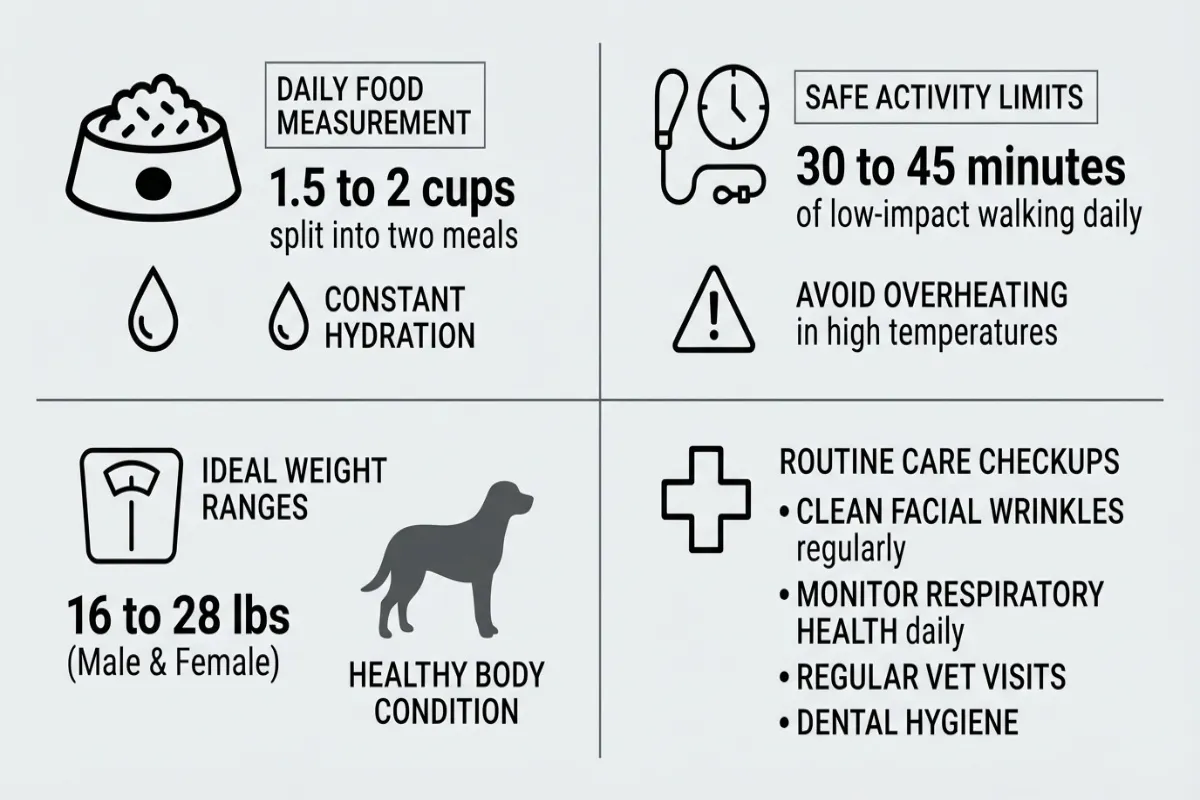
Average Lifespan of 10 to 12 Years: The typical life expectancy of a French Bulldog falls between a decade and 12 years, though a complex mix of genetics, environmental factors, and daily management determines where an individual dog falls on this spectrum.
The Crucial Role of Health Screening: A Frenchie’s potential longevity begins with their breeding line. Sourcing puppies from ethical, preservationist breeders who run rigorous health clearances for BOAS, hemivertebrae, and hip dysplasia reduces the risk of life-limiting congenital crises.
Weight Management Protects Spine and Airways: Maintaining a lean body condition score is the most effective daily tool an owner has. Carrying even two or three extra pounds drastically worsens breathing difficulties and puts dangerous pressure on a spine prone to Intervertebral Disc Disease (IVDD).
Severe Vulnerability to Climate and Heat: Due to their shortened facial anatomy, French Bulldogs cannot cool themselves down efficiently via panting. They require strict climate control, air conditioning in warm weather, and low-impact exercise schedules to prevent fatal heatstroke.
Proactive Preventative Veterinary Care: Frenchies require more than a standard annual checkup to get ahead of fast-moving breed risks. Shifting to a twice-yearly exam schedule in early adulthood—and tracking their life stages with specialized tools—helps catch subtle changes before they become unmanageable.
Exceptional Lifespans Are Attainable: While structural challenges are baked into the breed, exceptional outliers have lived to 17 or 18 years. By combining protective environmental boundaries with precise physical care, pushing a Frenchie’s lifespan into the 14- to 16-year range is a realistic goal.
Frequently Asked Questions
The generally accepted average lifespan for a healthy, responsibly bred French Bulldog is 10 to 12 years. However, recent large-scale population studies in the UK tracking veterinary data indicate a slightly lower median lifespan of 9.8 years across the broader population. This lower average is largely driven by high infancy and youth mortality rates caused by severe respiratory and structural issues in unethically bred or severely overweight dogs.
Statistically, female French Bulldogs tend to have a slight longevity advantage over males. Large-scale epidemiological data indicates that small-sized, flat-faced females generally outpace medium-sized, flat-faced males in life expectancy. This difference is partly due to the smaller average physical mass of females, which places less overall strain on their cardiorespiratory systems, and a slightly lower vulnerability to certain early-onset behavioral and structural traumas.
The oldest verified French Bulldog on record was a male named Popeye, who reached the incredible age of 18 years, 3 months, and 8 days before passing away in early 2021. Another exceptional outlier, Rocco, lived to be 17 years and 7 months old. These extraordinary ages demonstrate the biological ceiling of the breed when favored with superb foundational anatomy, continuous weight optimization, and tight preventative care.
The most powerful daily action you can take is maintaining a strict, lean weight to prevent spinal compression (IVDD) and ease respiratory effort. Additionally, utilize a supportive front-clip harness instead of a neck collar to protect their trachea, strictly manage their environment to avoid ambient temperatures above 75°F (24°C), feed an anti-inflammatory diet rich in omega-3 fatty acids, and switch to a twice-yearly veterinary checkup schedule to intercept internal health shifts early.
Because small, brachycephalic dogs mature rapidly but possess a shorter average life expectancy than standard small breeds, their aging curve is unique. A 1-year-old Frenchie is roughly equivalent to a 15-year-old human adolescent. By the time they reach 2 years old, they are biologically close to a 24-year-old adult. Each subsequent year after age 2 adds roughly 6 to 7 human years to their biological age.
The "fluffy" coat trait itself—caused by a rare, naturally occurring recessive gene (LH) affecting hair length—does not inherently shorten a dog's life. However, because long-haired Frenchies command extreme price tags on the commercial market, they are frequently produced by high-volume backyard operations and puppy mills. These operations prioritize coat appearance over structural health, meaning fluffy variants are statistically at a much higher risk of inheriting severe, life-limiting airway (BOAS) and spinal mutations.
Yes, clinical veterinary data confirms that neutered or spayed French Bulldogs generally enjoy a longer lifespan than their intact counterparts. Altering a dog completely eliminates reproductive malignancies, such as testicular or ovarian cancers. For female Frenchies, early spaying also removes the threat of pyometra—a severe, acute uterine infection that is fatal without emergency surgery. Discussing the ideal developmental window with your veterinarian allows you to maximize these protective benefits without disrupting structural growth plates.
🐾 Other Age Guides

Gulfam Haider Mehdi
Founder & Developer
I built Dogagescalculator.com to give dog owners honest, science-backed answers instead of the outdated "×7" myth. Every figure here is checked against AKC, AVMA, and published veterinary research.
More about the author & this site →📌 Featured Guides
what is the lifespan of an english bulldog
→
can a large dog breed with a small dog
→
how long do shih tzu live in human years
→
pug years to human years
→
How to Tell How Old a Bird Is
→
how much does a german shorthaired pointer weigh
→
How Does Dog Age Work
→
german shepherd age in human years
→
how big does a shiba inu dog get
→
is purina dog chow a good dog food
→
Comments