how big does a cavapoo get full grown
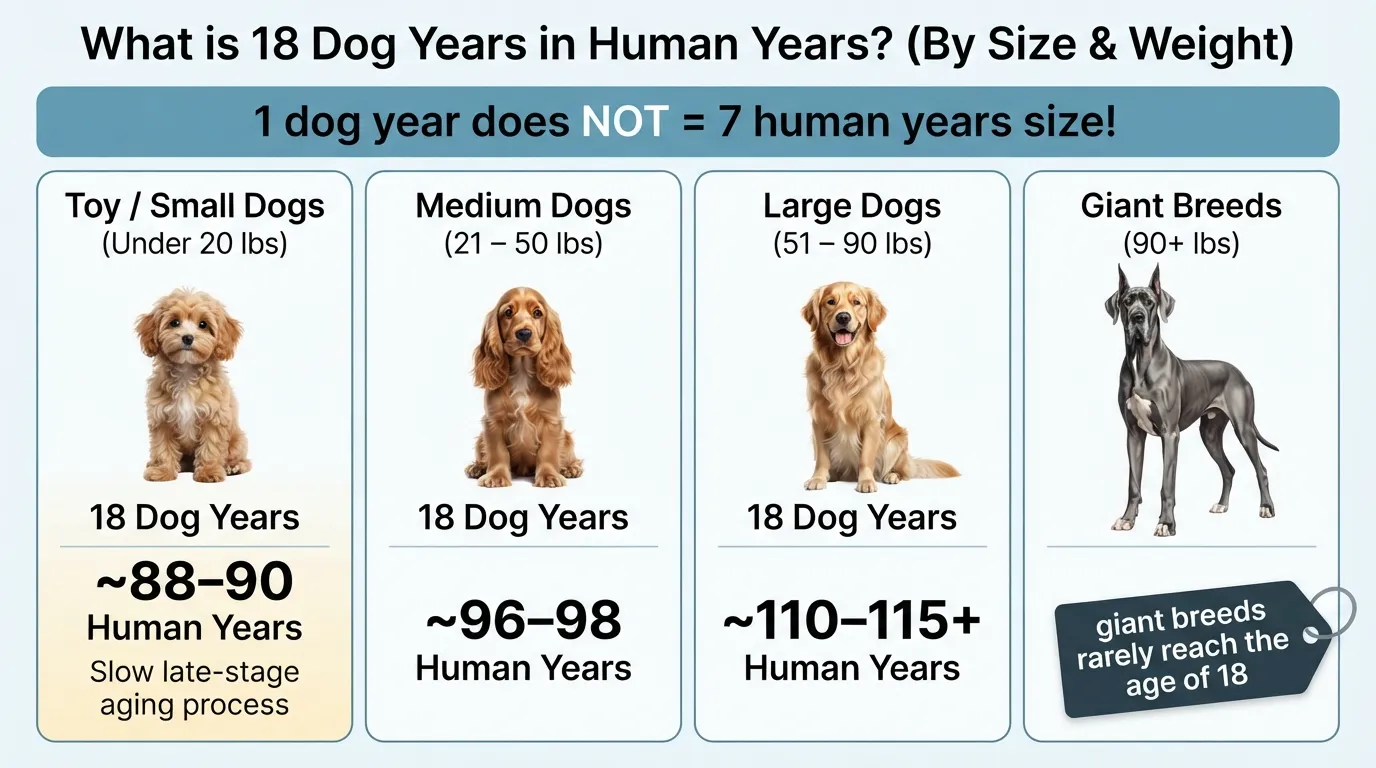
A full-grown Cavapoo typically stands 9 to 18 inches (23 to 46 cm) tall at the shoulder and weighs anywhere between 7 and 30 pounds (3 to 14 kg).
Because the Cavapoo is a crossbreed between a Cavalier King Charles Spaniel and a Poodle, their final size depends almost entirely on whether the Poodle parent was a Toy or Miniature. This single genetic choice creates three distinct Cavapoo sizes: Toy, Mini, and the less common Standard.
In this guide, we’ll break down exact weight and height charts for every size variety, reveal when Cavapoos stop growing, and share a simple formula to predict your puppy’s adult weight.Dog Age Calculator
Cavapoo Full Grown Size at a Glance
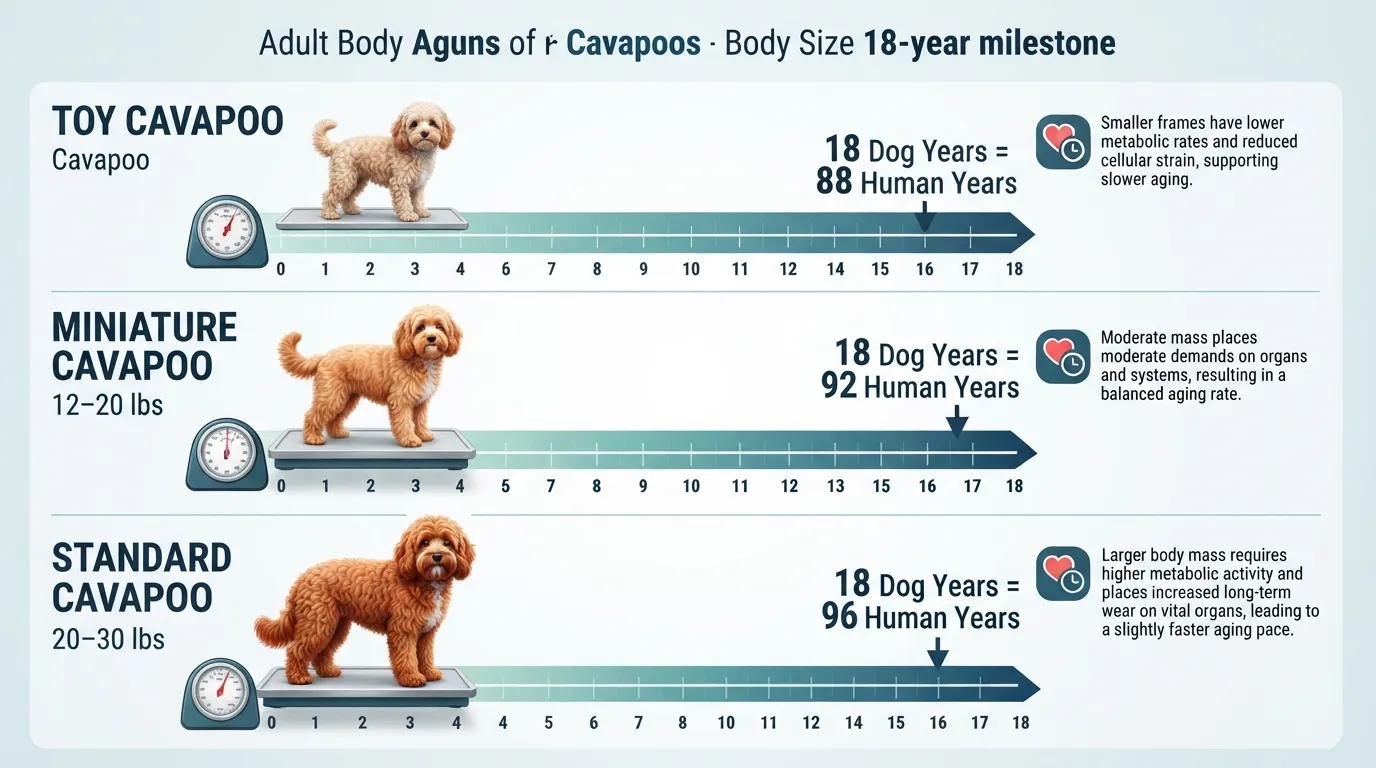
A full-grown Cavapoo’s size is primarily determined by its Poodle parentage. Because Cavalier King Charles Spaniels are fixed in size (typically 13 to 18 pounds), crossing them with a Toy, Miniature, or Standard Poodle produces three distinct size classes.
| Cavapoo Type | Weight (lbs) | Weight (kg) | Height (inches) | Height (cm) |
|---|---|---|---|---|
| Toy Cavapoo | 7–13 lbs | 3–6 kg | 9–12 in | 23–30 cm |
| Miniature (Mini) Cavapoo | 13–25 lbs | 6–11 kg | 12–16 in | 30–41 cm |
| Standard Cavapoo | 25–35+ lbs | 11–16+ kg | 16–19+ in | 41–48+ cm |
Cavapoo Size by Type Full Breakdown
Toy Cavapoo Full Grown Size
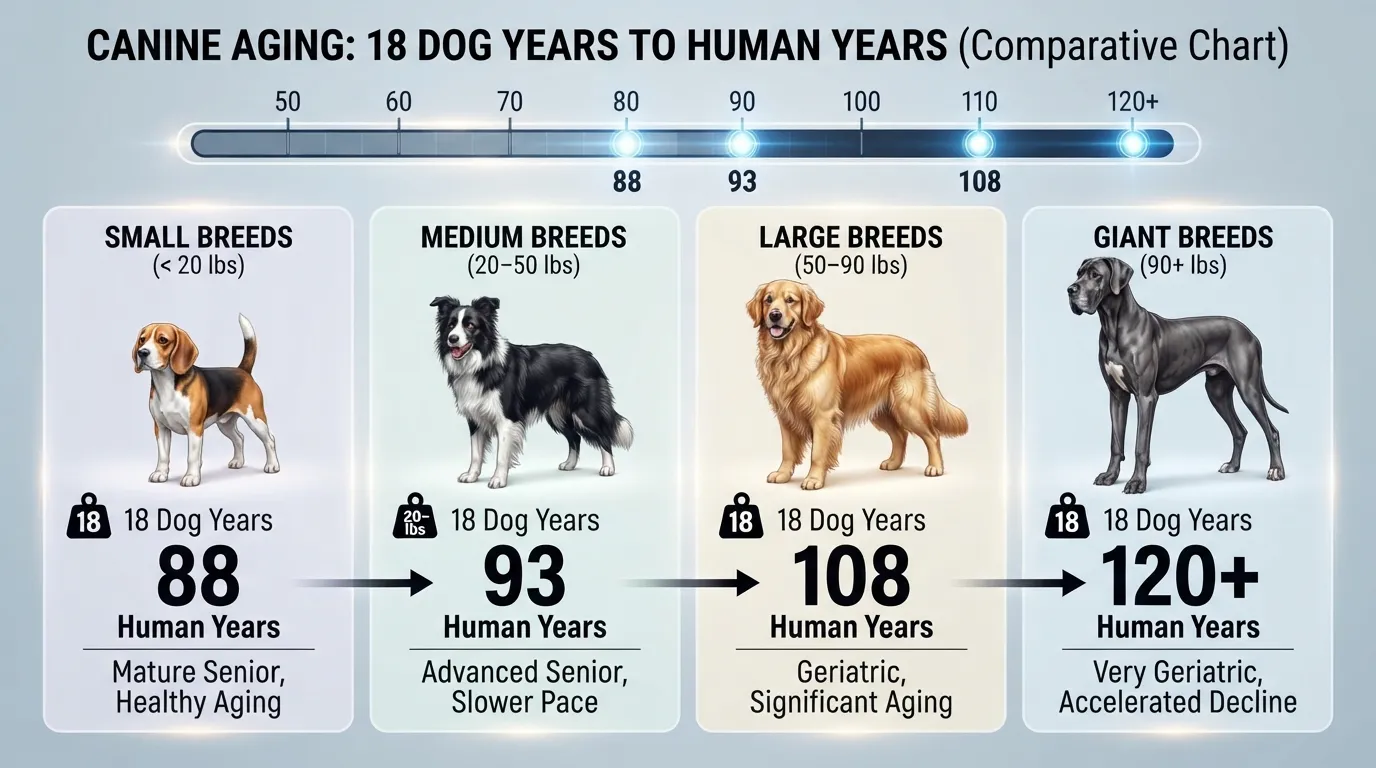
A full-grown Toy Cavapoo typically weighs between 7 and 13 pounds (3 to 6 kg) and stands 9 to 12 inches (23 to 30 cm) tall at the shoulder.
This size is created by breeding a Cavalier King Charles Spaniel with a Toy Poodle. Because of their tiny frame and low-impact exercise needs, Toy Cavapoos are ideal for apartment dwellers, seniors, or anyone wanting a true lap dog that can comfortably travel with them everywhere.
A note on “Teacup Cavapoos”: You will often see breeders advertise “Teacup Cavapoos” promising a dog under 6 pounds. It is important to know that “Teacup” is purely an unrecognised marketing term, not an official breed size. These ultra-small dogs are usually created by breeding the runts of a litter or pairing abnormally small dogs, which significantly increases the risk of severe health issues like hypoglycemia, fragile bones, and heart defec
Miniature Mini Cavapoo Full Grown Size
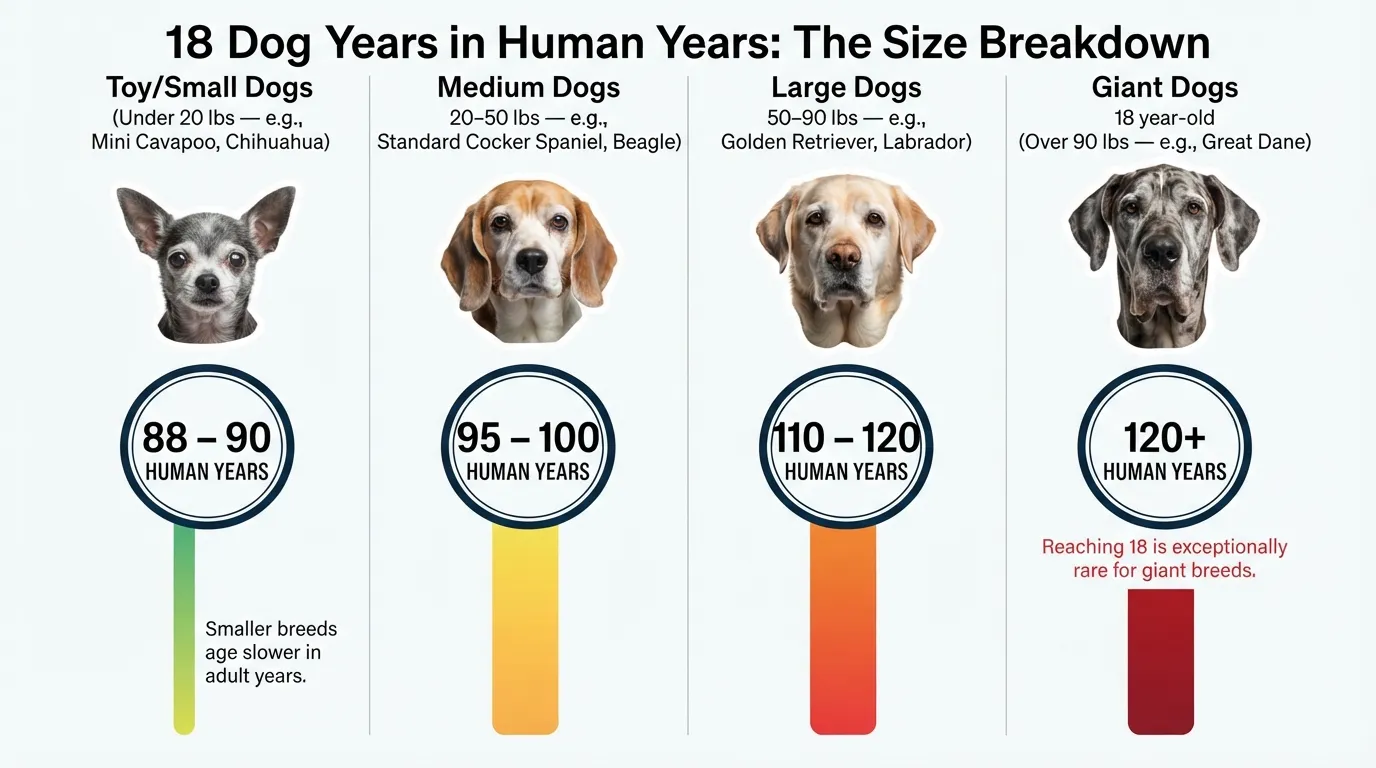
A full-grown Miniature Cavapoo typically weighs between 13 and 20 pounds (6 to 9 kg) and stands 12 to 16 inches (30 to 41 cm) tall at the shoulder.
This is by far the most popular and commonly bred Cavapoo size. Created by pairing a Cavalier King Charles Spaniel with a Miniature Poodle, the Mini Cavapoo hits a sweet spot for many families. They are sturdy enough to handle play with energetic children without being fragile like a toy breed, yet still compact enough to comfortably fit on your couch or in a modest apartment.
Standard Cavapoo Full Grown Size
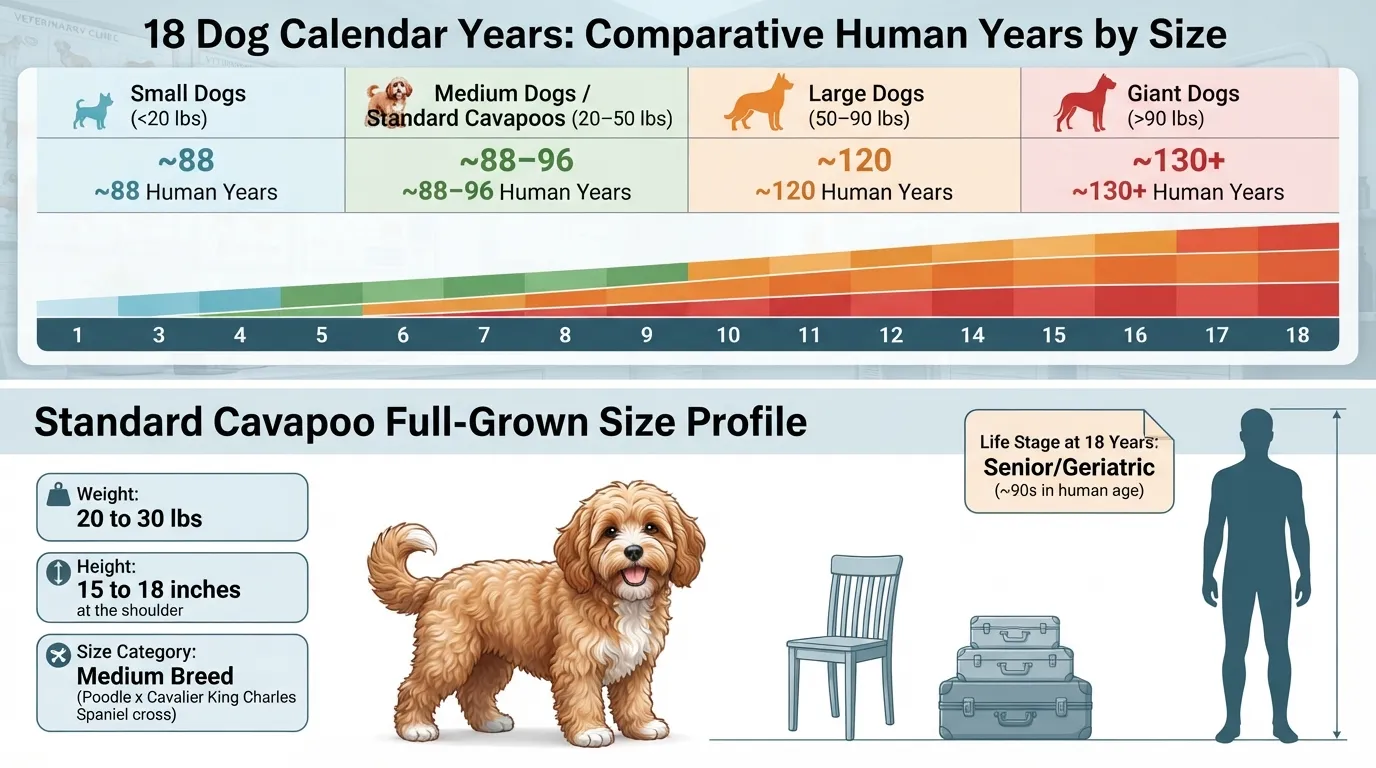
A full-grown Standard Cavapoo typically weighs between 20 and 35 pounds (9 to 16 kg) and stands 16 to 18 inches (41 to 46 cm) tall at the shoulder.
Created by crossing a Cavalier King Charles Spaniel with a Standard Poodle, this is the largest Cavapoo variety available. Thanks to their robust frame, they are exceptionally well-suited for active households, outdoor adventures, and families with young children who need a sturdy companion that can easily handle rough-and-tumble play.
Note: Not all breeders offer Standard Cavapoos. Because the size difference between a female Cavalier and a male Standard Poodle can pose breeding risks, this cross is much less common and typically requires specialized breeding practices or multi-generational crosses.
Cavapoo Size by Type Full Breakdown
This video from My Doodle Puppy provides a helpful visual comparison of how Toy, Mini, and Standard Cavapoos differ in height, frame, and overall structure once fully grown. Seeing them side-by-side helps visualize how those measurements translate to real-world dog sizes before making a choice.
Cavapoo Growth Chart by Age Puppy to Adult
This quick video snapshot highlights the key physical traits and final size expectations of fully grown Cavapoos.
At What Age Do Cavapoos Reach Full Size?
Most Cavapoos stop growing taller between 8 and 10 months of age, but they will continue to gain muscle and fill out their frame until they hit their first birthday.
Because smaller breeds mature faster than larger ones, the exact age your Cavapoo finishes growing depends primarily on its size category:
Toy & Miniature Cavapoos: These smaller varieties reach their full adult height early, usually around 8 to 10 months. Over the next few months, they gradually gain weight, broaden through the chest, and reach complete physical maturity by 12 months.
Standard Cavapoos: Larger frames take longer to mature. A Standard Cavapoo may reach its final height around 10 to 12 months, but often requires 12 to 18 months to fully fill out its muscular frame and settle into its adult weight.
Growth Pattern Tip: Cavapoos always hit their maximum height before they finish gaining weight. If your puppy seems tall and lanky around the 8-month mark, don’t worry—their height has likely peaked, and their chest, shoulders, and coat density will catch up over the following months (as outlined in the growth milestones table above).
What Determines How Big a Cavapoo Gets?

While you can estimate your puppy’s adult size based on standard ranges, several biological and environmental factors ultimately dictate where they land on the scale.
Poodle Parent Size
The single biggest factor in determining a Cavapoo’s adult size is the specific Poodle parent involved in the cross. Because Cavalier King Charles Spaniels have a consistent, standard frame (usually 13 to 18 pounds), the Poodle’s size serves as the main genetic variable. Crossing a Cavalier with a Toy, Miniature, or Standard Poodle creates distinct size trajectories that heavily dictate the puppy’s final height and weight.
Generation Type (F1 vs. F1b vs. F2)
A Cavapoo’s generation plays a subtle but noticeable role in its final size:
F1 (First Generation): A 50/50 cross between a purebred Cavalier and a purebred Poodle. This generation offers the most classic mix of traits, but individual puppy sizes within the same litter can vary widely.
F1b (Backcross): A Cavapoo bred back to a Poodle (usually 75% Poodle, 25% Cavalier). Because Poodles tend to have leaner, taller frames, F1b Cavapoos often lean slightly smaller, lighter, or taller depending on the specific Poodle parent used.
F2 (Second Generation): A cross between two Cavapoos. Size predictions get more unpredictable here, as recessive traits from either grandparent breed can reappear.
Gender
On average, male Cavapoos tend to be slightly larger, taller, and heavier-boned than females from the same litter. However, this difference is usually minor—typically just 1 to 2 pounds and an inch or two in height. Parent genetics and generation type play a far greater role in size than gender alone.
Diet & Nutrition (Puppy Growth Stage)
A well-balanced, high-quality puppy diet ensures your Cavapoo reaches its genetically predisposed size safely.
A Crucial Note on Feeding: Restricting a puppy’s food will not turn them into a “teacup” or permanently small dog. Malnourishing a growing Cavapoo only leads to weak bones, organ strain, and severe health complications. They will still grow to their genetic size limit, but with poor structural integrity. Feed appropriate puppy food portions to support their natural growth trajectory.
Litter & Genetic Variation (Why Even Siblings Differ in Size)
It is completely normal for puppies from the very same litter to mature into different adult sizes. Because Cavapoos are a hybrid mix, genetic inheritance isn’t evenly split down the middle for every puppy. One puppy might inherit more of the sturdy Cavalier bone structure, while a sibling inherits the leaner, taller frame of the Poodle. If your Cavapoo turns out slightly smaller or larger than their littermates, it is simply natural genetic variation at work.
Does Spaying/Neutering Affect a Cavapoo’s Size?
Pediatric spaying or neutering (performing the procedure very early, before 6 months of age) can slightly delay the closure of a puppy’s growth plates. This can cause the long bones in their legs to grow for a short period longer, occasionally resulting in a slightly taller or lankier dog. However, when the procedure is done at a age recommended by your veterinarian, fixed dogs reach virtually the exact same weight and structure as intact dogs.
Is a Cavapoo a Small or Medium Dog?
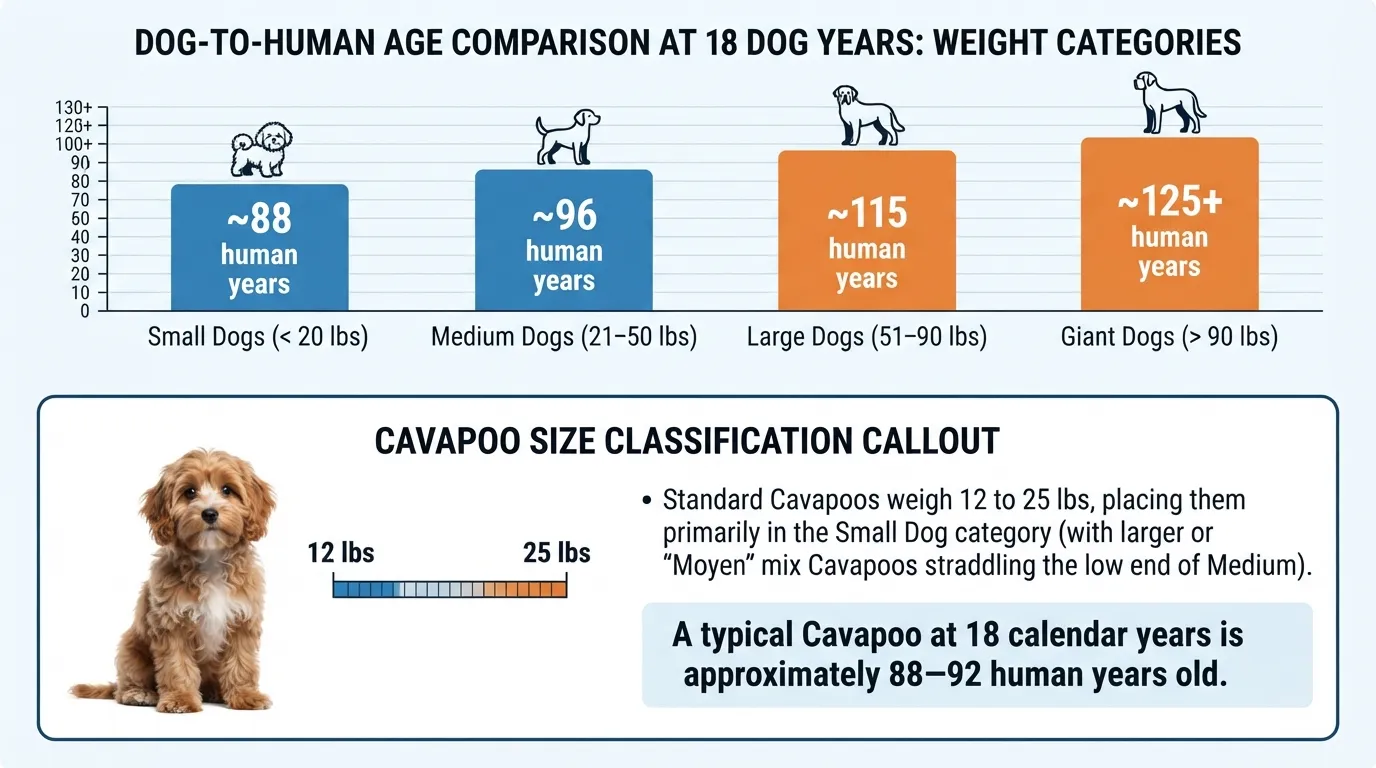
The vast majority of Cavapoos—specifically Toy and Miniature varieties—are classified as small-breed dogs. However, because they are a hybrid cross rather than a single standardized breed, larger Miniature Cavapoos and Standard Cavapoos often border on the lower end of the medium-dog category.
To put their size into standard canine classification terms:
Toy & Mini Cavapoos (Small Breed): Major veterinary authorities, including PetMD and VCA Animal Hospitals, classify dogs under 20 pounds as small breeds. Since most Toy and Mini Cavapoos fall between 7 and 20 pounds, they sit comfortably alongside other popular small companion breeds like the Miniature Schnauzer or Shih Tzu.
Standard Cavapoos (Small-to-Medium Breed): Dogs weighing between 20 and 35+ pounds cross the threshold into medium-breed territory. A larger Standard Cavapoo has a physical footprint similar to a Cocker Spaniel or Beagle, giving them a sturdier, more substantial feel.
Ultimately, unless you specifically seek out a rare Standard Cavapoo cross, you can expect your Cavapoo to fit all the standard criteria of a small breed—from harness sizing and crate requirements to small-breed nutritional formulas.
Is 12kg 26 lbs Heavy for a Cavapoo?
In this video update, the host shares a visual size check of her fully grown Miniature Cavapoo (weighing 13.8 lbs), illustrating how a healthy, compact Mini frame compares to larger standard weights.
Is My Cavapoo's Weight Healthy? Body Condition Check
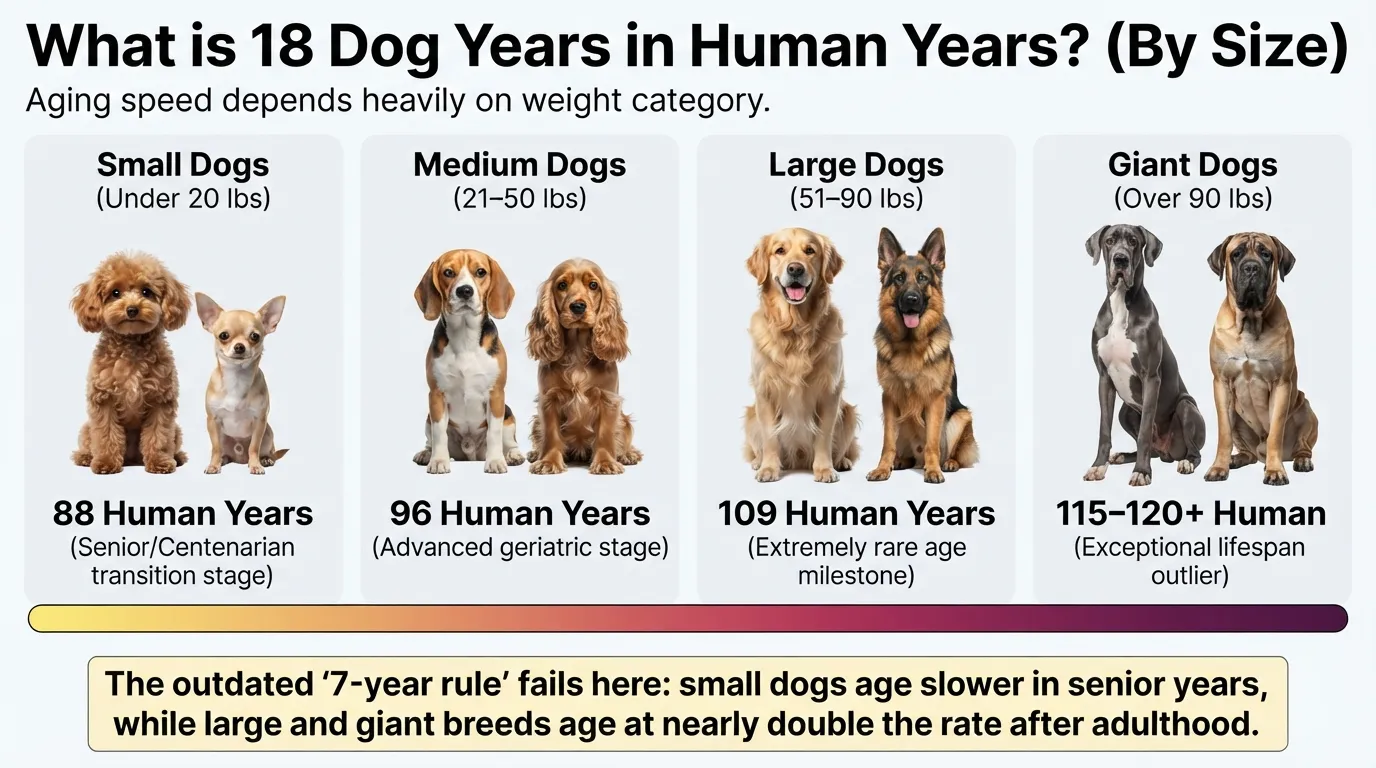
Because Cavapoos have thick, wavy, or curly coats, relying solely on a scale or visual inspection can be deceptive. A fluffy coat can easily disguise a dog that is underweight or hide gradual weight gain. Performing a hands-on Body Condition Check at home is the most accurate way to evaluate your Cavapoo’s body composition.
Simple Home Body Condition Check
Run your hands along your Cavapoo’s body and check for these three key physical indicators:
The Rib Test: Place your thumbs on your dog’s spine and spread your hands over their ribcage. You should easily feel individual ribs covered by a thin layer of fat—similar to how the knuckles feel when you make a loose fist. If you can’t feel the ribs without pressing firmly, your Cavapoo is likely carrying extra weight.
The Overhead View (Waistline): Look down at your Cavapoo from directly above while they are standing. Behind the ribcage, there should be a clear, visible waistline narrowing toward the hips, giving their body an hourglass shape.
The Side Profile (Abdominal Tuck): View your dog from the side at eye level. The underline of the chest should curve upward into a tucked abdomen as it approaches the hind legs, rather than running straight across or bulging downward.
Signs of an Overweight or Underweight Cavapoo
Evaluating these physical traits helps identify whether your Cavapoo’s weight is trending out of a healthy range:
| Category | Underweight Cavapoo | Overweight Cavapoo |
|---|---|---|
| Ribs & Spine | Ribs, pelvic bones, and vertebrae are prominent, protruding, and easily visible through the coat. | Ribs are difficult to feel under a thick, firm layer of fat. |
| Body Shape | Extreme waistline tuck with noticeable loss of muscle mass along the thighs and back. | No visible waistline from above; broad, flat back; rounded abdomen with no tuck. |
| Energy & Movement | Low energy, weak stance, and potential lethargy caused by inadequate caloric intake. | Reluctance to exercise, heavy panting during brief activity, and difficulty jumping onto furniture. |
How to Estimate Your Cavapoo's Adult Size
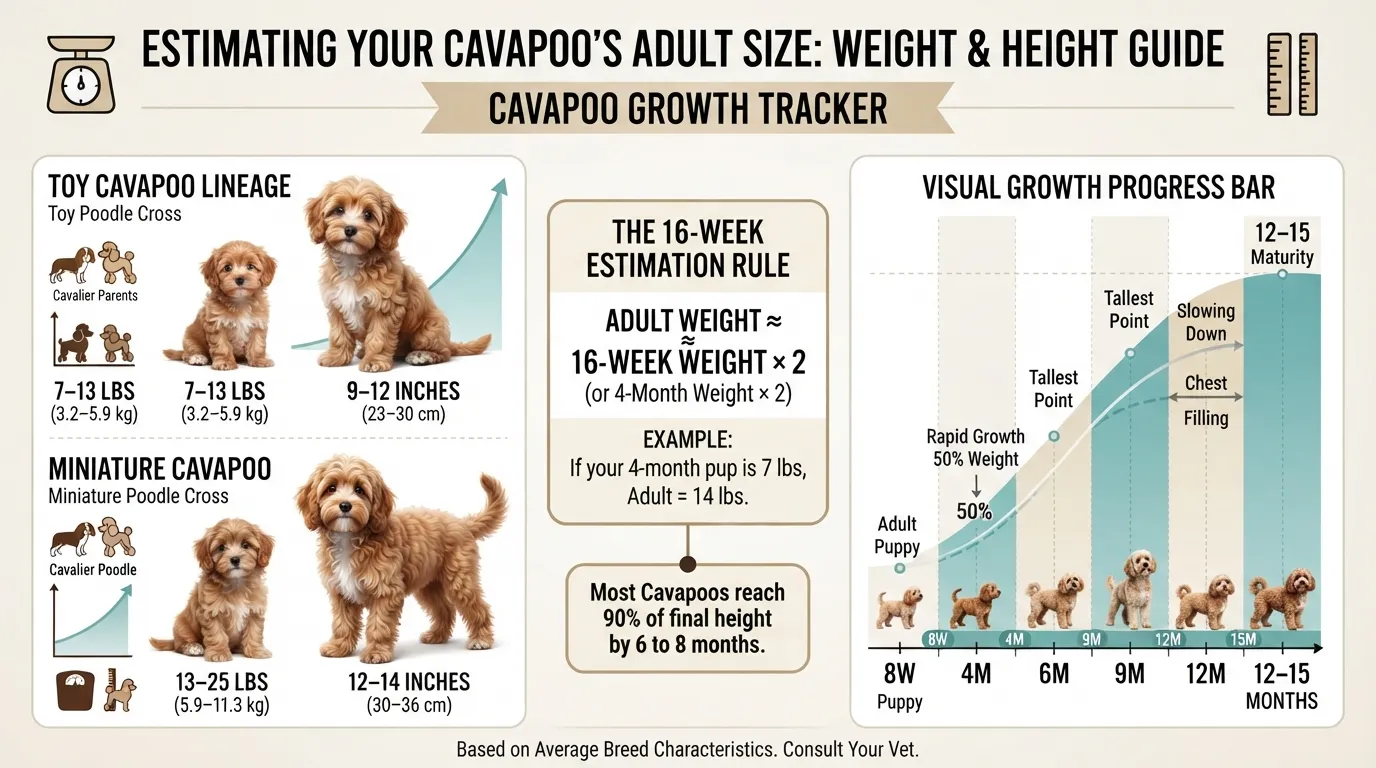
Predicting the final weight of a crossbreed like the Cavapoo can feel like a guessing game. However, by combining parent genetic history with early puppy tracking methods, you can get a remarkably accurate estimate of your dog’s full-grown size.
Here are five reliable ways to estimate your Cavapoo’s adult frame:
1. Check Both Parents’ Sizes
The most direct indicator of a puppy’s adult frame is the average size of its mother and father:
The Parents’ Average Formula: Add the mother’s weight and father’s weight together, then divide by two ($\frac{\text{Mom’s Weight} + \text{Dad’s Weight}}{2}$).
Genetic Bias: If your Cavapoo is an F1b cross (backcrossed to a Poodle), lean your estimate closer to the Poodle parent’s weight, as the puppy inherits a higher percentage of Poodle genetics.
2. Track Growth at 8 Weeks (The Paw & Weight Rules)
When you first bring your puppy home at around 8 weeks, early physical markers offer quick estimation formulas:
The 8-Week Weight Multiplier: For Miniature Cavapoos, a common breeder rule of thumb is to take their weight at 8 weeks of age and multiply it by 3.5 to 4 to project their adult weight.
The Paw-Size Observation: While less precise than math formulas, oversized paws on an 8-week-old puppy with loose, excess skin usually indicate a dog that still has a lot of growing to do relative to its current frame.
3. Use an Online Growth Calculator or Tracking Chart
Online weight tools plot your puppy’s current age and weight against established canine growth curves to forecast their final adult trajectory:
The 16-Week (4-Month) Benchmark: At 16 weeks of age, a Miniature or Toy Cavapoo is typically around 50% to 60% of its total adult weight. Doubling your puppy’s exact weight at 16 weeks provides one of the most reliable estimates available.
4. Ask Your Breeder About Past Litter History
Experienced breeders who pair the same parents over multiple litters can provide precise size data based on full-grown sibling history:
Multi-Generational Data: Ask your breeder how big puppies from previous litters of the exact same sire and dam turned out once fully grown.
Litter Dynamics: Ask if your puppy was the runt, the largest born, or right in the middle of the litter, as this helps fine-tune where they sit within the expected weight range.
5. Consult a Vet If Growth Seems Unusually Fast or Slow
While natural variation is normal, keeping a monthly weight log helps ensure your puppy stays on a healthy growth curve:
When to Seek Advice: If your puppy suddenly stops gaining weight for several weeks during peak growth (under 6 months) or gains weight so rapidly that they appear visibly round, consult your veterinarian.
Professional Guidance: A vet can evaluate growth plate development, check for intestinal parasites, and confirm whether your puppy is building healthy bone and muscle mass.
Frequently Asked Questions (FAQs)
What is the downside of a Cavapoo?
While Cavapoos make affectionate and adaptable companions, potential owners should consider a few key challenges:
- High Grooming Maintenance: Their wavy or curly coats require daily brushing to prevent matting, along with professional grooming every 4 to 6 weeks.
- Separation Anxiety: Because they thrive on human companionship, Cavapoos can develop separation anxiety if left alone for extended periods, which may lead to vocalization or destructive chewing.
- Size & Coat Unpredictability: As a hybrid cross (Cavalier King Charles Spaniel x Poodle), a puppy’s exact adult size, coat type, and shedding level cannot be guaranteed with 100% certainty compared to purebred dogs.
Do Cavapoos bark a lot?
Cavapoos are generally moderate barkers rather than excessive noise-makers. They usually bark to alert their owners when someone approaches the door or when seeking attention. Early socialization, setting consistent boundaries, and providing adequate mental stimulation keep unnecessary barking to a minimum.
At what age does a Cavapoo calm down?
Most Cavapoos begin to settle down and transition from energetic puppyhood to a calmer adult temperament around 1 to 2 years of age. As they reach physical and mental maturity, their energy levels become much more manageable, though they remain playfully affectionate throughout adulthood.
In this video wrap-up, Nessa from Nessa and Sophie answers common owner questions while sharing real-world measurements and vet weight updates for her 14-pound F1 Miniature Cavapoo. Seeing a full-grown Cavapoo measured from nose to tail offers a practical final snapshot before choosing the right size for your home.
🐾 Other Age Guides

I built Dogagescalculator.com to give dog owners honest, science-backed answers instead of the outdated "×7" myth. Every figure here is checked against AKC, AVMA, and published veterinary research.
More about the author & this site →
Comments