
How Long Does a Lhasa Apso Dog Live?

How long does a Lhasa Apso live? A Lhasa Apso typically has a lifespan of about 12–15 years, although individual dogs can live shorter or longer depending on genetics, overall health, nutrition, weight, dental care, exercise, and preventive veterinary care.
Some Lhasa Apsos may reach their mid-teens when their health and lifestyle are well managed. However, breed averages cannot predict exactly how long an individual dog will live. Inherited health conditions, chronic disease, body condition, and early detection of health problems can all influence longevity.
As a Lhasa Apso gets older, regular veterinary examinations become increasingly important. Maintaining a healthy weight, providing appropriate nutrition and exercise, caring for the teeth, and monitoring changes in mobility or behavior can help support healthy aging.
In this guide, you’ll learn how long Lhasa Apsos typically live, what factors can affect their lifespan, common health concerns, and what to expect during the puppy, adult, and senior stages of life.
What Affects a Lhasa Apso’s Lifespan?
Several factors can influence how long a Lhasa Apso lives. Genetics play an important role, but everyday care, preventive veterinary medicine, and early detection of health problems also matter.
1. Kidney Health
Some Lhasa Apsos can develop inherited or acquired kidney problems. Regular veterinary examinations and testing recommended by your veterinarian can help identify kidney-related issues early.
2. Dental Health
Small dogs can be prone to plaque, tartar, gum disease, and other dental problems. Regular tooth brushing with dog-safe toothpaste, professional dental cleaning when recommended, and routine oral examinations can help maintain good dental health.
3. Weight and Nutrition
Keeping your Lhasa Apso at a healthy body weight is important for long-term health. Excess weight can place additional stress on the joints and may contribute to other health problems. Feed a balanced diet appropriate for your dog’s age, activity level, and individual needs.
4. Joint and Mobility Health
Some Lhasa Apsos may develop orthopedic problems, including patellar luxation. Regular age-appropriate exercise, maintaining a healthy weight, and having persistent limping, stiffness, or difficulty moving evaluated by a veterinarian can help protect mobility.
5. Preventive Veterinary Care
Routine wellness visits can help detect health problems before they become more advanced. Depending on your dog’s age and health, preventive care may include vaccinations, parasite prevention, dental examinations, bloodwork, and other screening recommended by your veterinarian.
| Life Stage | Typical Age | What to Expect |
|---|---|---|
| Puppy | 0–12 months | Growth, socialization, training, and puppy nutrition |
| Adult | 1–9 years | Stable adult years with regular exercise, dental care, healthy weight, and preventive care |
| Senior | 10+ years | Greater focus on mobility, dental health, weight, behavior changes, and routine veterinary monitoring |
Quick Answer — Lhasa Apso Average Lifespan

A healthy Lhasa Apso lives between 12 and 15 years on average. Because they are a small, hardy breed originally bred to withstand the harsh climate of the Himalayan mountains, many well-cared-for Lhasa Apsos frequently reach 16, 17, or even 18 years old.
To put that into perspective, the average lifespan across all dog breeds ranges from 10 to 13 years. Larger dogs like Golden Retrievers or German Shepherds often enter their senior years by age 7 or 8. In contrast, a Lhasa Apso’s smaller body size puts significantly less metabolic strain on their organs over time, giving them a distinct biological advantage that lets them stay active and vibrant well past their early teens.
Try Our Free Lhasa Apso Age Calculator
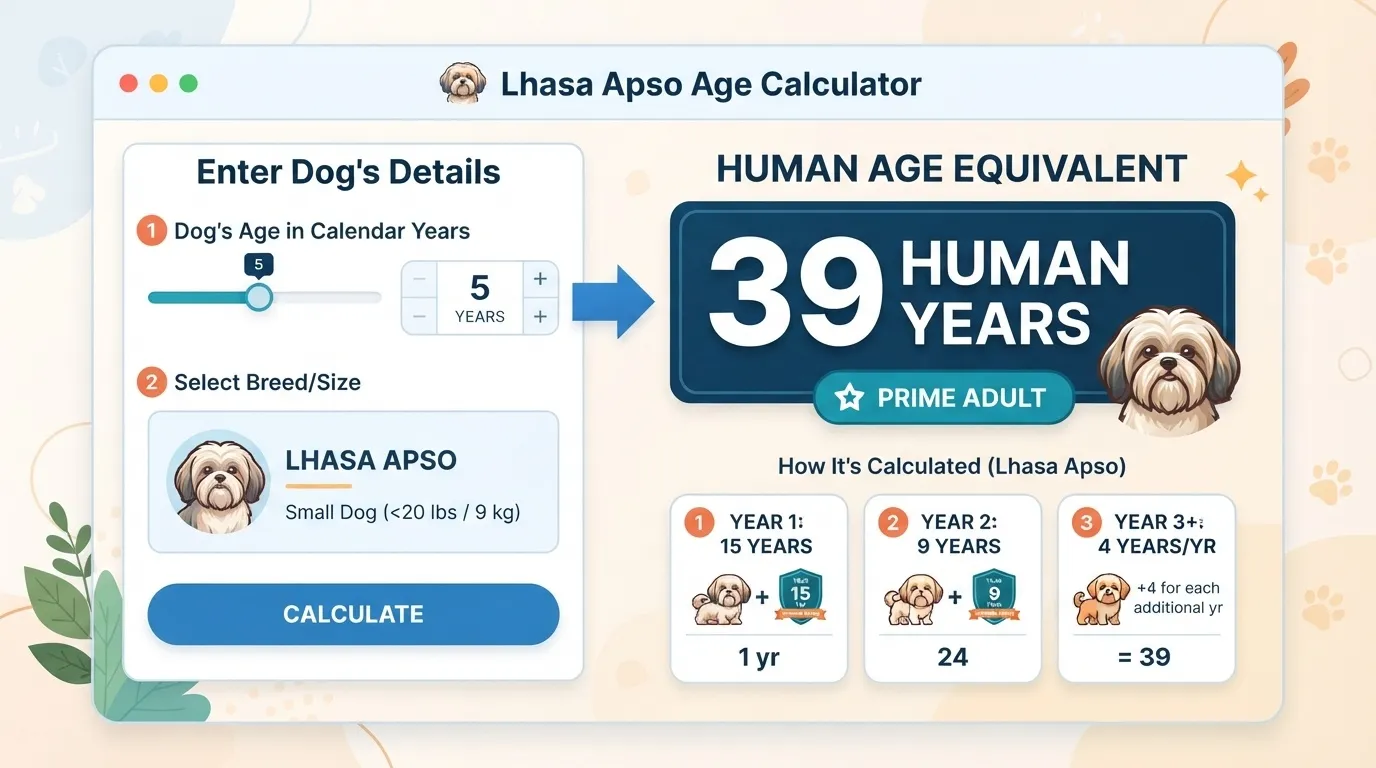
interactive tool
Convert your Lhasa Apso’s age into human years instantly to better understand their changing health and nutritional needs.
Find Out What Life Stage Your Dog Is Currently In
Because Lhasa Apsos age differently than larger breeds, a simple multiplication rule doesn’t tell the full story. Use this interactive tool to get an accurate human-age estimate based on veterinary life-stage standards.
Lhasa Apso Life Stages Explained

Puppy Stage (0–12 months)
Growth Milestones: Lhasa Apso puppies experience rapid growth in their first six months, with their skeleton and joint structure reaching full size around 10 to 12 months of age.
Feeding Frequency: Puppies require three to four small meals per day of calorie-dense puppy formula to support steady development and prevent hypoglycemia.
Adult Stage (1–7 years)
Peak Health Years: These years represent your dog’s physical prime, characterized by high energy levels, strong muscle tone, and a fully mature coat.
Maintenance Needs: Focus shifts to preventive care, including daily coat brushing, routine dental cleanings, and balanced adult nutrition to maintain an ideal body weight.
Senior Stage (7+ years)
Age Marker & Care Shift: Entering senior status means transitioning to bi-annual veterinary checkups, switching to senior-formulated joint-support diets, and adjusting daily exercise routines to match their changing stamina.
Factors That Affect a Lhasa Apso's Lifespan and How to Improve It
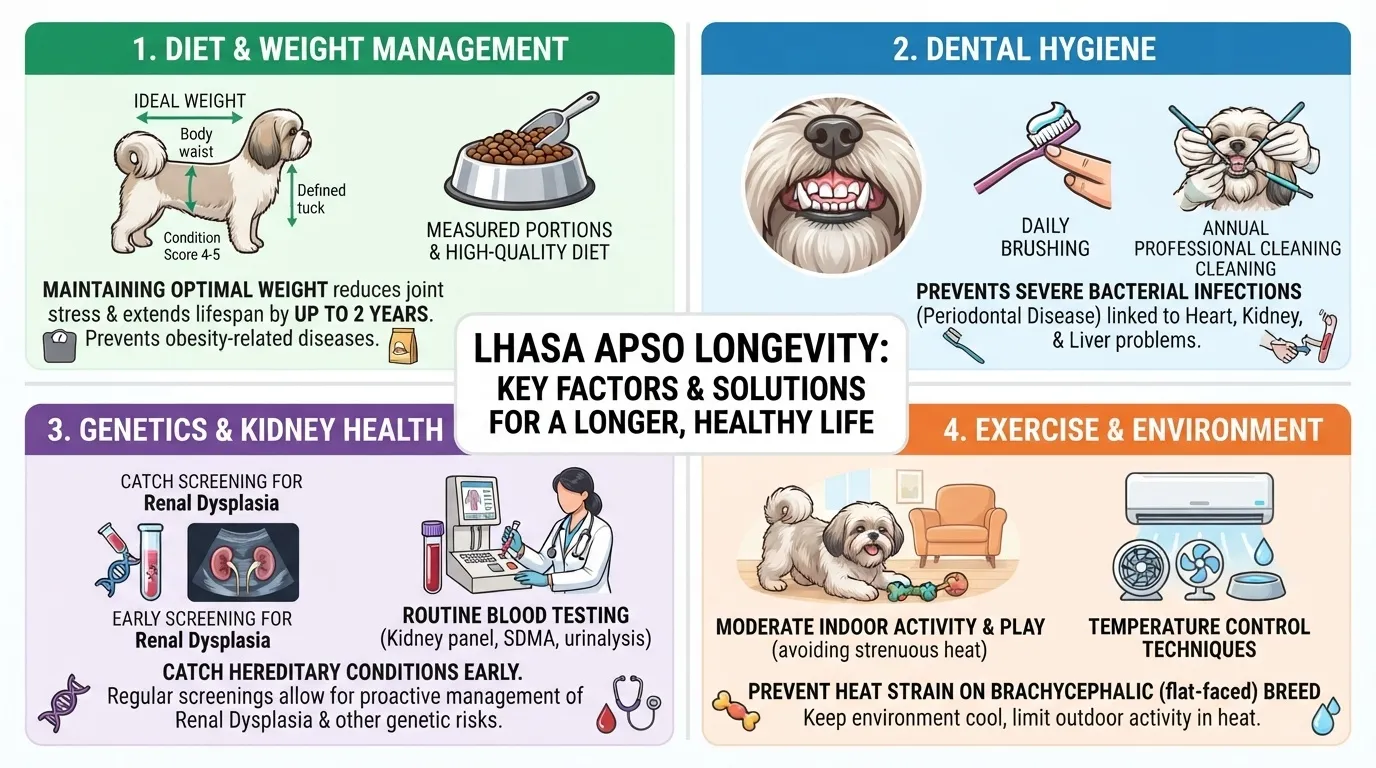
Genetics & Breeding Quality
Reputable breeder importance: Inherited conditions like renal dysplasia and progressive retinal atrophy stem directly from genetic history. Ethical breeders perform rigorous screening on parent dogs before breeding to eliminate these hereditary traits from their lines.
Size advantage: As a small breed averaging 12 to 18 pounds, Lhasa Apsos naturally experience slower cellular aging and reduced stress on their cardiovascular system compared to large or giant breeds.
Diet & Nutrition
AAFCO-compliant, stage-appropriate food: Feeding complete and balanced food certified by the Association of American Feed Control Officials (AAFCO) ensures your dog gets exact nutrients tailored to their growth or senior needs. Transitioning to senior formulas around age 10 helps protect kidney function and maintain lean muscle mass.
Weight Management
Obesity risks and ideal targets: Carrying even two extra pounds on a small frame drastically increases joint stress, exacerbates airway friction in short-nosed dogs, and raises diabetes risks. Keeping your Lhasa Apso at a healthy body condition score (where you can feel the ribs without pressing hard) can add up to two full years to their lifespan.
Spaying/Neutering
Impact on health risks: Desexing your Lhasa Apso at the timing recommended by your vet eliminates or dramatically reduces the risk of mammary tumors, uterine infections (pyometra), and testicular cancers. It also reduces roaming behaviors that lead to accidental injuries.
Exercise & Mental Stimulation
Daily activity and enrichment: While they aren’t high-intensity working dogs, Lhasa Apsos require 30 to 45 minutes of daily moderate activity to maintain muscle tone and gut motility. Mental enrichment through puzzle toys, scent work, and varied walking routes keeps senior brains sharp and prevents cognitive decline.
Regular Veterinary Care
Checkups and early detection: Annual wellness visits—shifting to bi-annual checkups once your dog reaches age 10—allow veterinarians to spot baseline changes in blood pressure, kidney values, and heart sounds long before physical symptoms appear. Routine vaccinations, heartworm preventatives, and early intervention are often the deciding factors between a good lifespan and an exceptional one.
Purebred vs Mixed-Breed Lhasa Apso — Does It Affect Lifespan?
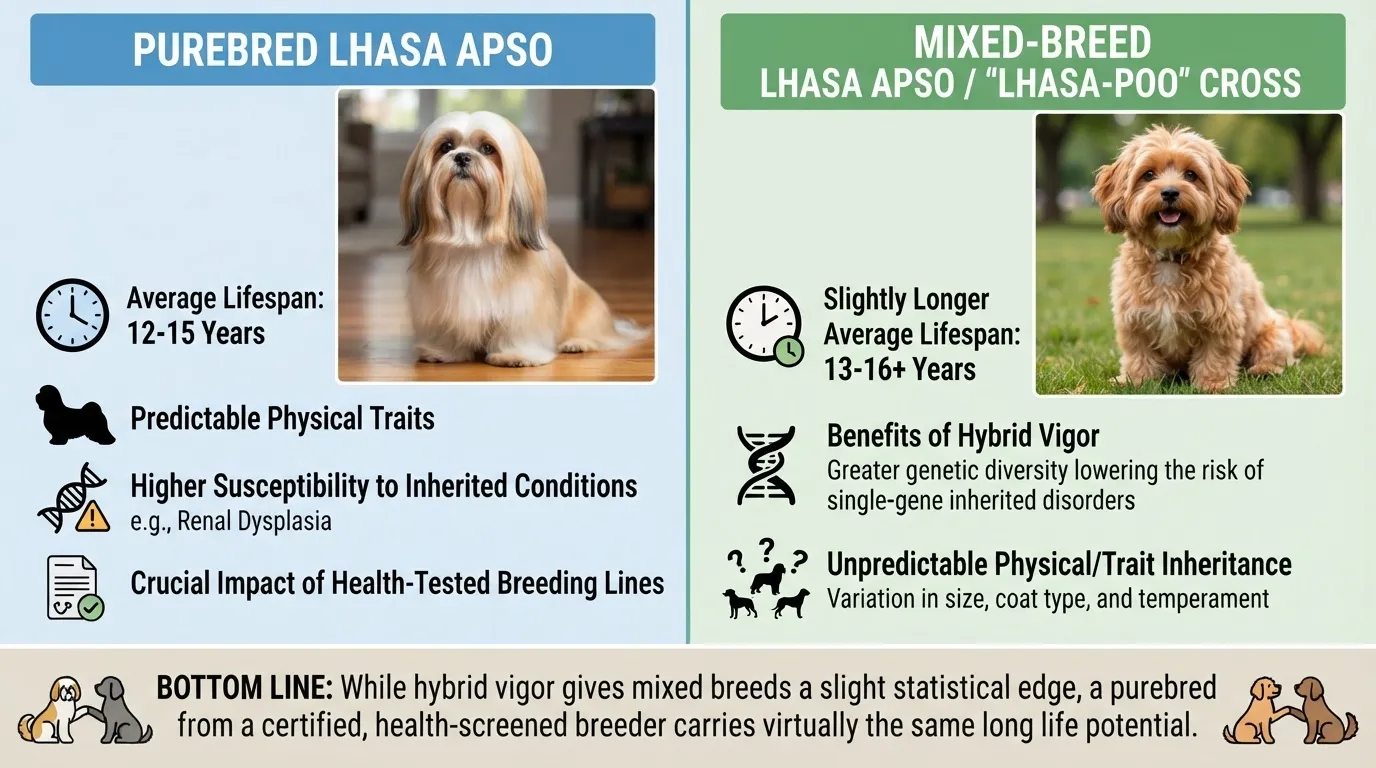
Hybrid vigor and genetic diversity: Mixed-breed dogs often inherit a wider gene pool, which can reduce the odds of inheriting two copies of a recessive disease gene. This biological phenomenon, known as heterosis or hybrid vigor, generally gives mixed breeds a slight edge in overall longevity compared to purebred dogs as a whole.
What current data and veterinary consensus suggest: While broad canine population studies show that crossbreeds live roughly 1.2 years longer on average than purebreds, this gap shrinks significantly when comparing small breeds. A purebred Lhasa Apso from a responsible breeder already enjoys a naturally long lifespan of 12 to 15+ years. Mixing a Lhasa Apso with another healthy small breed (like a Poodle or Shih Tzu) may slightly reduce the risk of breed-specific conditions like renal dysplasia, but daily care, weight management, and dental hygiene ultimately play a far greater role in how long an individual dog lives.
Indoor vs Outdoor Lifestyle — Which Helps Lhasa Apsos Live Longer?

Keeping your Lhasa Apso primarily indoors is one of the single most effective decisions you can make to extend their lifespan. While these dogs were historically bred as indoor monastery sentinels in Tibet, their physical makeup and compact size make them ill-suited for an unsupervised outdoor life in modern environments.
Climate Sensitivity & Brachycephalic Risk: Lhasa Apsos are a mildly brachycephalic (flat-faced) breed with shortened nasal passages. They struggle to regulate their body temperature through panting, making them exceptionally vulnerable to heatstroke and respiratory distress in hot or humid weather. An air-conditioned indoor environment protects their delicate airways and prevents dangerous sudden spikes in body temperature.
Indoor Safety vs. Outdoor Exposure Risks: Living indoors shields your dog from major external dangers like traffic accidents, encounters with larger animals, and toxic plants or lawn chemicals. Outdoor dogs face constant exposure to parasites like heartworms, ticks, and fleas, which carry diseases that drain a senior dog’s vitality. Indoor living, combined with supervised outdoor play, gives them the perfect balance of physical activity and lifelong safety.
Common Health Issues That Can Shorten a Lhasa Apso's Lifespan
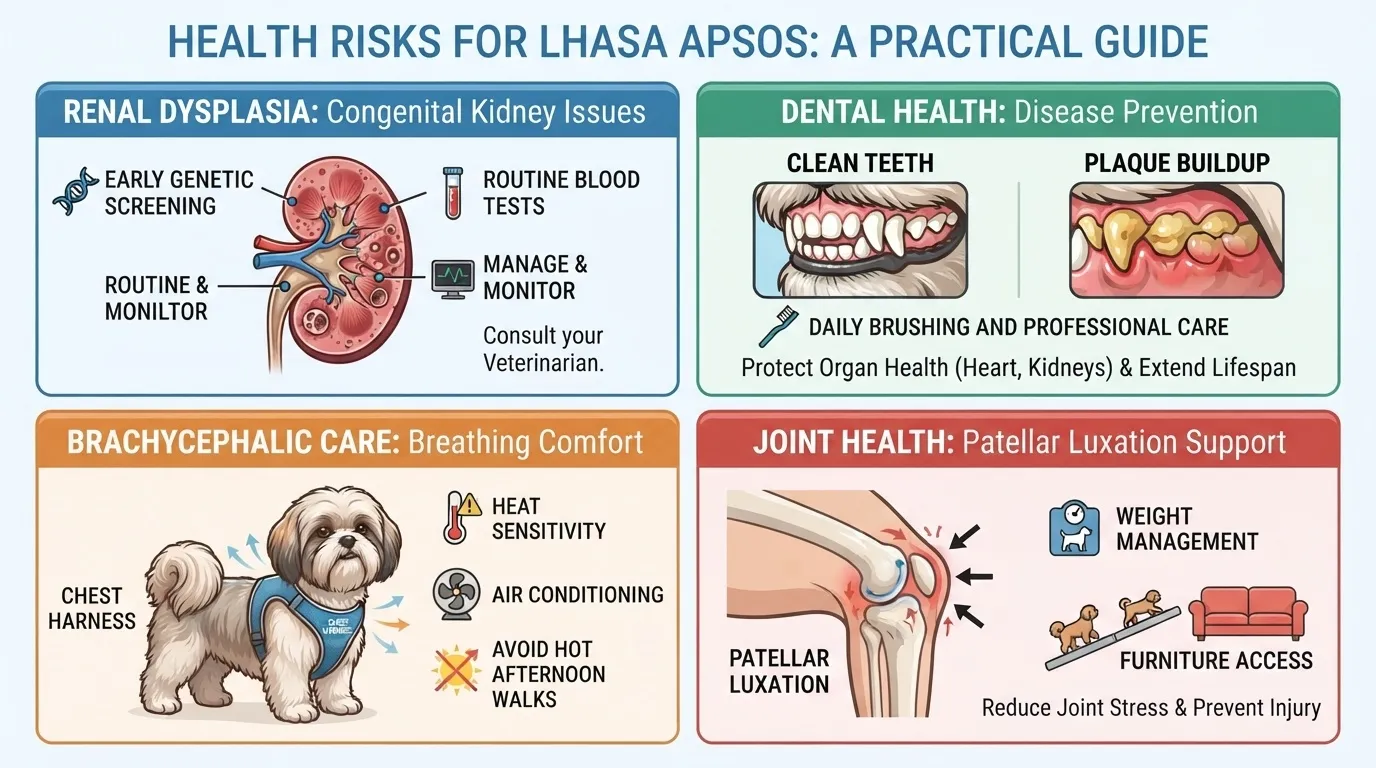
While Lhasa Apsos are generally hardy, long-lived dogs, several genetic and breed-specific conditions can lower their quality of life or shorten their lifespan if left unmanaged. Catching these early through regular health monitoring often makes all the difference.
Eye Conditions (PRA, Cataracts, Glaucoma, Dry Eye)
Lhasa Apsos are prone to a range of ocular issues due to their facial structure and genetic background. Progressive Retinal Atrophy (PRA) causes gradual vision loss leading to total blindness, though it isn’t painful. Cataracts cloud the lens, reducing sight, while glaucoma involves painful fluid pressure build-up inside the eye that demands emergency treatment. Keratoconjunctivitis Sicca (Dry Eye) reduces tear production, causing painful chronic inflammation and corneal scarring if not treated with daily medicated drops.
Kidney/Renal Dysplasia
Renal dysplasia (RD) is a developmental defect where a dog is born with malformed, inefficient kidney tissue. Because it is an inherited trait in Lhasa Apsos, signs often show up in puppies or young adults, leading to early chronic kidney failue. Affected dogs struggle to process metabolic waste, making early genetic screening by breeders and routine blood panels with your vet vital for early management.
Dental Disease
Because Lhasa Apsos have small, crowded jaws, plaque and tartar build up rapidly on their teeth. Without regular cleaning, severe periodontal disease sets in, causing painful gum infections and bone loss around tooth roots. More critically, bacteria from infected gums enter the bloodstream, steadily straining and damaging the heart, liver, and kidneys over time.
Patellar Luxation
Patellar luxation occurs when the kneecap slips out of its normal anatomical groove in the femur. Commonly affecting small breeds, this condition ranges from mild, temporary slipping to permanent dislocation. Over time, constant friction wears down joint cartilage, causing severe arthritis, pain, and loss of mobility in senior dogs.
Brachycephalic Airway Issues
With their short, flat muzzles, Lhasa Apsos fall into the mildly brachycephalic category. Restricted air passages make breathing harder, particularly in hot weather, during intense physical exertion, or under stress. Chronic respiratory strain can put extra pressure on the cardiovascular system as dogs grow older.
Which of These Are Most Often Fatal in Senior Dogs
While joint and eye issues impair daily comfort and sight, kidney dysfunction (renal dysplasia or age-related failure) and secondary heart/kidney damage stemming from severe periodontal disease are the primary health conditions that directly cut a senior Lhasa Apso’s life short.
Key Symptoms to Watch For:
Sudden increase in thirst and frequent urination
persistent foul breath, red or bleeding gums, and loose teeth
Cloudiness, redness, discharge, or visible swelling in the eyes
Sudden slipping, limping, or reluctance to climb stairs
Excessive panting, noisy breathing, or exercise intolerance
When to Consult Your Veterinarian: Schedule a prompt veterinary checkup if you notice any sudden shifts in eating, drinking, or energy levels. Annual senior blood panels and routine dental checks remain the single best way to detect organ changes before visible symptoms show up.
Male vs Female Lhasa Apso — Does Gender Affect Lifespan?
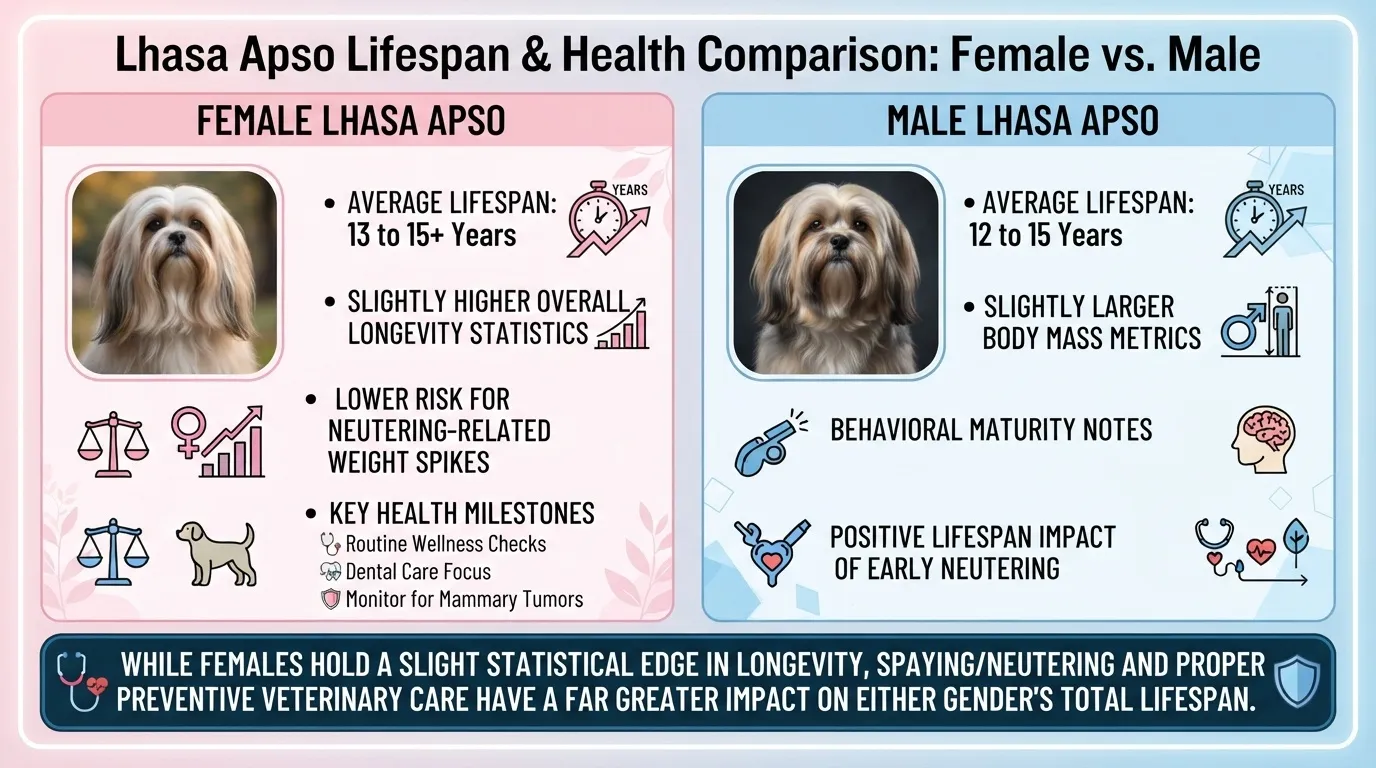
Biological sex plays almost no role in determining how long a Lhasa Apso lives. Veterinary studies analyzing canine longevity across thousands of dogs show that baseline life expectancy between males and females within the same breed is virtually identical.
Instead, spaying or neutering status has a far more significant impact on actual lifespan than whether your Lhasa Apso is male or female:
Spayed Females: Extensive veterinary data indicates that spayed female dogs consistently outlive intact females. Spaying eliminates the risk of pyometra (a life-threatening uterine infection common in senior unspayed females) and drastically reduces the incidence of malignant mammary tumors if performed early.
Neutered Males: Neutered males generally enjoy a longevity boost over intact males. Neutering completely prevents testicular cancer, lowers the risk of non-cancerous prostate disorders, and reduces roaming behaviors that lead to accidental injuries.
Intact Dogs: Both intact males and intact females show lower average lifespans, primarily due to increased susceptibility to reproductive cancers, serious infections, and behavioral hazards like wandering.
Focus less on sex and more on reproductive healthcare, weight management, and routine senior checkups—these are the factors that genuinely move the needle for your Lhasa Apso’s lifespan.
Oldest Lhasa Apso Ever Recorded
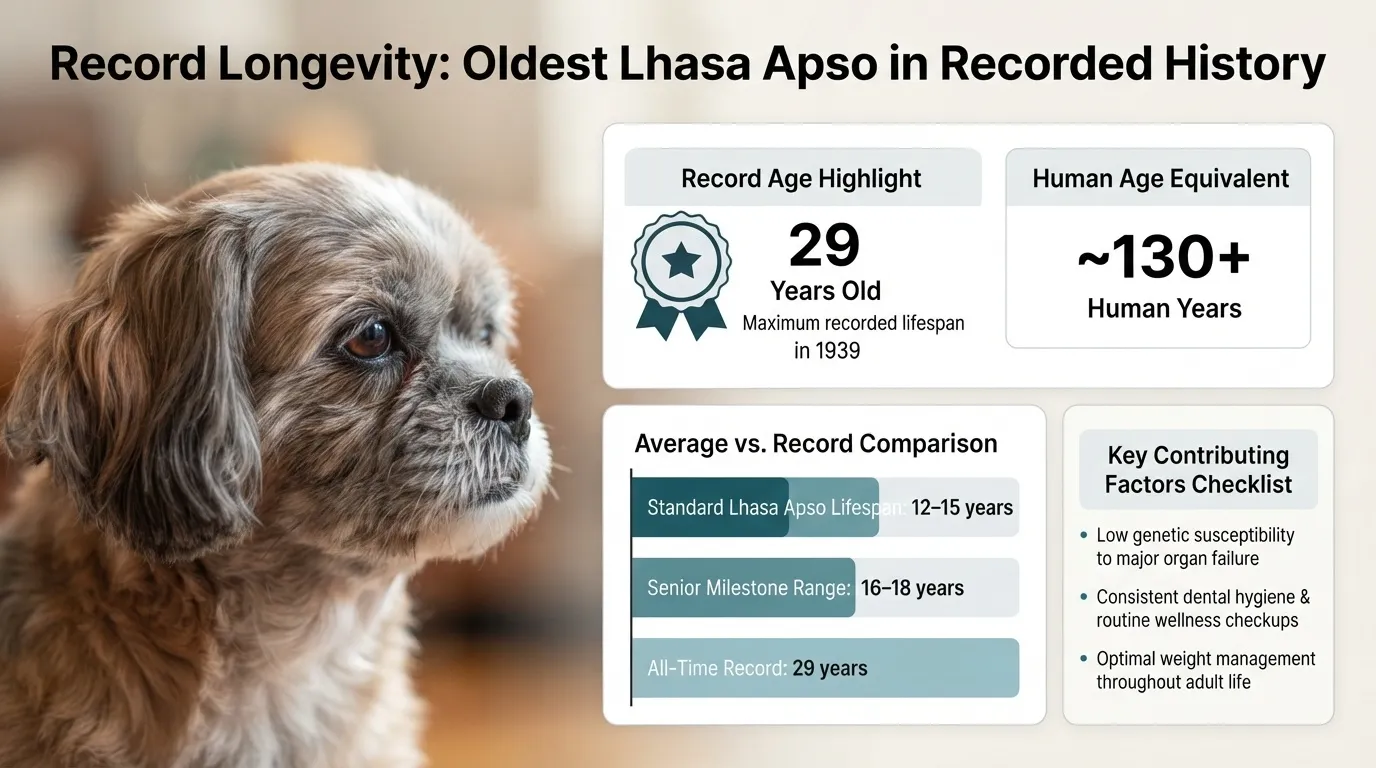
A historical record of 29 years: According to official American Kennel Club (AKC) breed records and historical archives, the oldest known Lhasa Apso reached an astonishing 29 years old before passing away in 1939. This incredible lifespan equates to well over 130 years in human terms, making it one of the longest-living individual dogs ever documented across all breeds.
Lhasa Apso Lifespan vs Other Small Dog Breeds
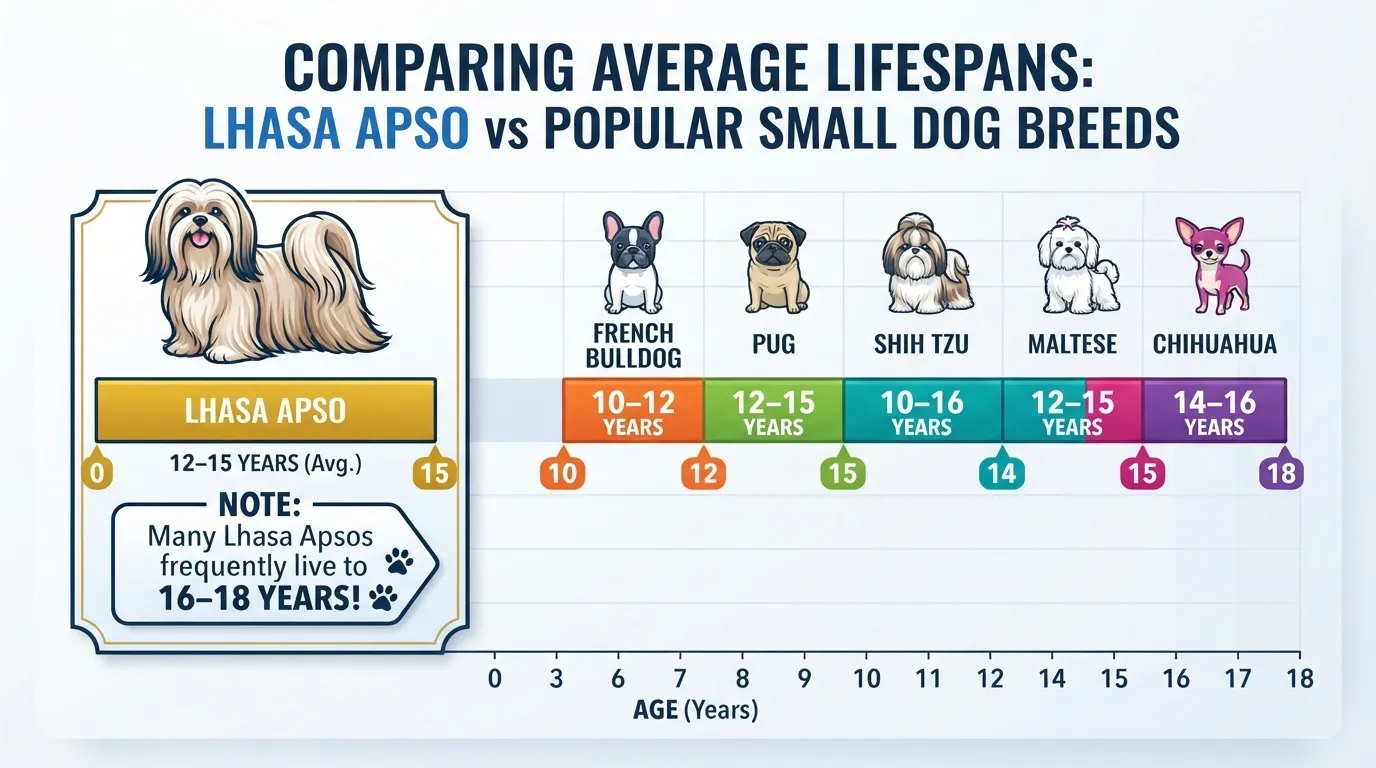
While small dogs generally outlive large and giant breeds, lifespans still vary across popular toy and small companions. The Lhasa Apso’s exceptional longevity stems from its historic background as a hardy Himalayan guard dog, giving it a slight edge over several other popular flat-faced or toy breeds.
Comparison Table
| Dog Breed | Average Lifespan Range | Median Lifespan | Primary Health Factors Affecting Lifespan |
|---|---|---|---|
| Lhasa Apso | 12 – 15+ years | 13.6 years | Renal dysplasia, periodontal disease, mild brachycephalic issues |
| Shih Tzu | 10 – 16 years | 13.4 years | Brachycephalic airway syndrome, eye injuries, spinal disc disease (IVDD) |
| Maltese | 12 – 15 years | 13.5 years | Luxating patellas, dental crowding, microvascular dysplasia (liver shunts) |
| Pekingese | 12 – 14 years | 12.0 years | Severe brachycephalic obstructive airway syndrome (BOAS), eye ulcers, heart failure |
According to canine demographic studies and veterinary records, the Lhasa Apso consistently ranks among the top tier for small-breed life expectancy. While related breeds like the Shih Tzu share similar ancient Tibetan ancestry, the Lhasa Apso’s slightly longer muzzle and robust frame often translate to fewer severe respiratory issues, contributing to more consistent longevity into their late teens.
Signs of Aging & Quality of Life in Senior Lhasa Apsos

Physical Signs to Watch For: As your Lhasa Apso enters their teenage years, subtle physical shifts become more noticeable. You might spot a silvery hue spreading around their muzzle or cloudiness in their lenses—often nuclear sclerosis or cataracts. Hearing loss is common, so they may stop responding to their name or startle easily when approached from behind. You will also notice reduced mobility, like taking longer to stand up after a nap or pausing before hopping onto the sofa.
Behavioral Changes in Golden Years: Aging affects daily routines and temperament just as much as physical health. Senior Lhasa Apsos often experience reversed sleep patterns, snoozing heavily during the day and wandering restless at night. Their appetite may drop due to a naturally slowing metabolism or dental sensitivity, and their famous playful, independent spark will transition into a desire for low-impact activities and quieter companionship.
Supporting Their Quality of Life: Reaching 13, 15, or even 17 years is a testament to great care, but keeping those final years comfortable requires attentive monitoring. Look at your dog’s overall joy—are they still interested in treats, cozying up to you, and exploring the yard? Making simple home adjustments, such as placing orthopaedic beds in warm spots and putting non-slip rugs over hardwood floors, goes a long way in protecting their dignity and comfort as they age.
Frequently Asked Questions
Yes, Lhasa Apsos consistently rank among the longest-living dog breeds. Their ancient genetic lineage, developed in the harsh high-altitude climate of Tibet, left them with a sturdy build and lower overall susceptibility to many heart and skeletal issues common in other small breeds.
During their first year of life, a Lhasa Apso matures rapidly, equivalent to roughly 15 human years. By age two, they are around 24 in human years. After that, their aging slows dramatically to about 4 human years for every 1 calendar year.
According to American Animal Hospital Association (AAHA) canine life stage guidelines, a Lhasa Apso is officially considered a senior around 10 years of age. Because small breeds age more slowly than large dogs, they hit senior milestones later in life.
On average, female Lhasa Apsos tend to live slightly longer than males by a few months to a year, a trend seen across most small dog breeds. However, spaying or neutering early plays a much larger role in extending overall life expectancy by eliminating the risk of reproductive cancers and infections.
The oldest reliably recorded Lhasa Apso lived to be 29 years old in the UK. While reaching nearly three decades is extremely rare, it is fairly common for this robust breed to reach 16 to 18 years when kept at a healthy weight and given routine senior veterinary care.
The average lifespan of a Lhasa Apso is 12 to 15 years. Studies on canine longevity and veterinary health records show that their median age is around 13.6 years. With balanced nutrition, proper preventive care, and regular dental checkups, many live well into their late teens.
🐾 Other Age Guides

Gulfam Haider Mehdi
Founder & Developer
I built Dogagescalculator.com to give dog owners honest, science-backed answers instead of the outdated "×7" myth. Every figure here is checked against AKC, AVMA, and published veterinary research.
More about the author & this site →📌 Featured Guides
how much does a bernese mountain dog weigh
→
difference between a springer spaniel and a cocker spaniel
→
my dog has been bitten by a rat
→
how big does a shiba inu dog get
→
oldest french bulldog
→
how big does a cavapoo get full grown
→
How Big Will My Puppy Get? Growth Chart & Calculator
→
What Is the Lifespan of a Miniature Pinscher?
→
oldest historical picture of the breed shar pei
→
how long do red bone coon hounds live
→
Comments