What Is the Lifespan of a Miniature Pinscher?
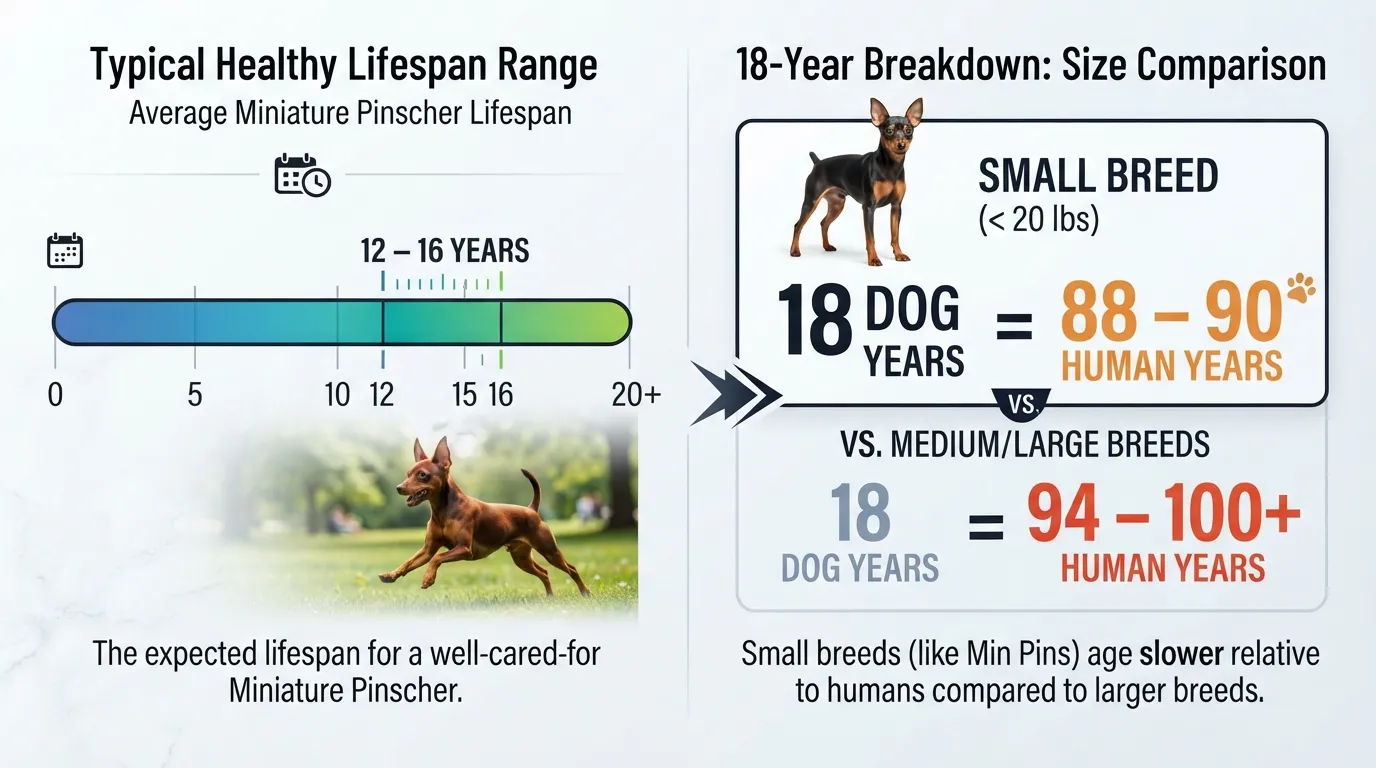
The average Miniature Pinscher lifespan is 12 to 16 years, and many healthy Min Pins can reach the upper end of this range with proper care. Some may even live beyond 16 years, depending on genetics, overall health, nutrition, and lifestyle.
If you’re wondering how long Min Pins live, their small size gives them a natural longevity advantage compared with many larger dog breeds. However, breed-specific health problems, dental disease, obesity, and injuries can affect both lifespan and quality of life.
In this guide, you’ll learn the typical Min Pin life expectancy, how Miniature Pinscher age can vary between males and females, common health conditions that may affect longevity, and practical ways to help your Min Pin stay healthy throughout its senior years.
Miniature Pinscher Lifespan at a Glance
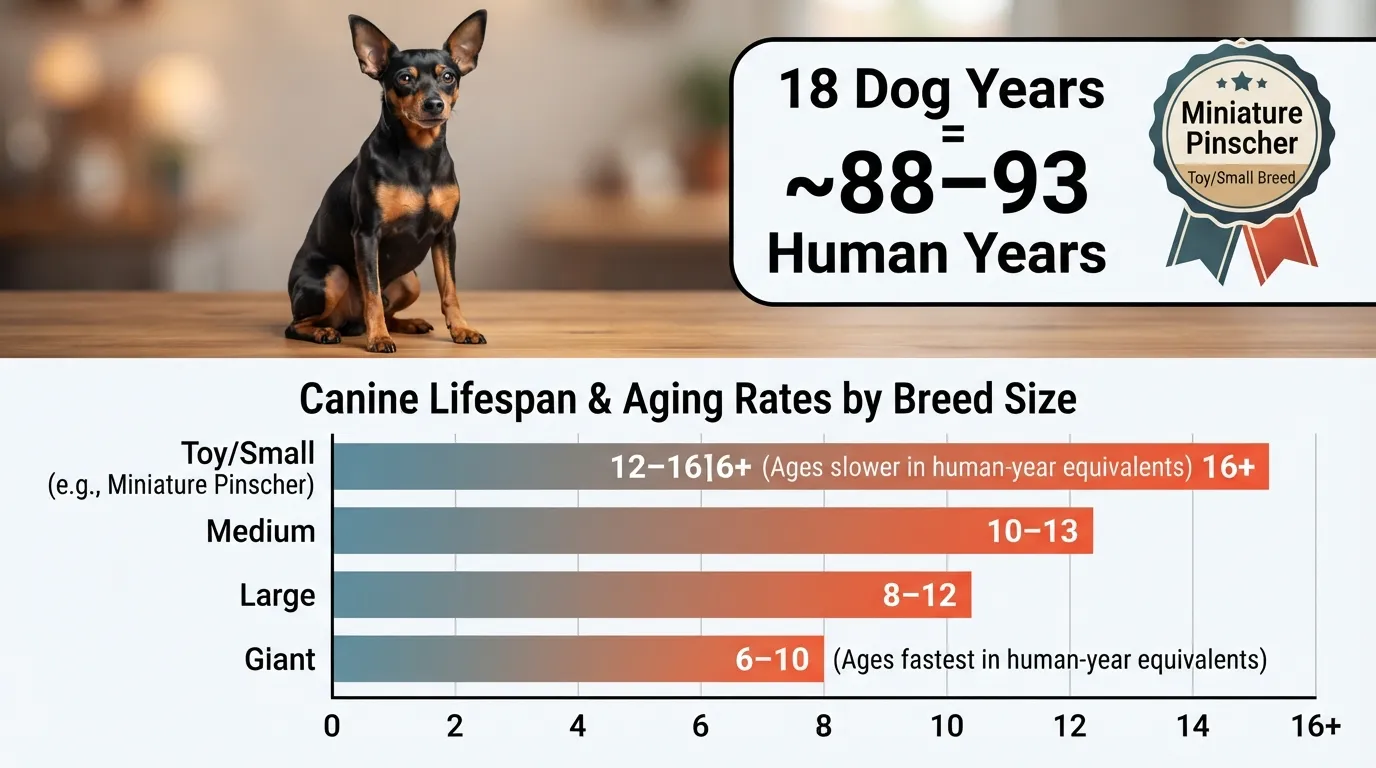
If you are looking for a quick baseline on what to expect from the “King of Toys,” the essential breed statistics show a sturdy, remarkably long-lived companion:
Average Lifespan: 12–16 years
Size: Small/Toy breed
Weight: 8–11 lbs (4–6 kg)
Height: 10–12.5 inches
Common Health Risks: Patellar luxation, dental disease, epilepsy
Longest Recorded Age: While most senior Min Pins thrive into their mid-teens, exceptional cases defy the averages. A Miniature Pinscher named Fanie from Cape Town, South Africa, made headlines when he reached an astonishing 25 years of age before passing away in 2024.
Because small breeds experience biological aging differently than larger dogs, tracking their true developmental stages can be surprising. Find your Min Pin’s exact age in human years — Try our free Dog Age Calculator.
How Long Do Miniature Pinschers Live? Why the Range Varies
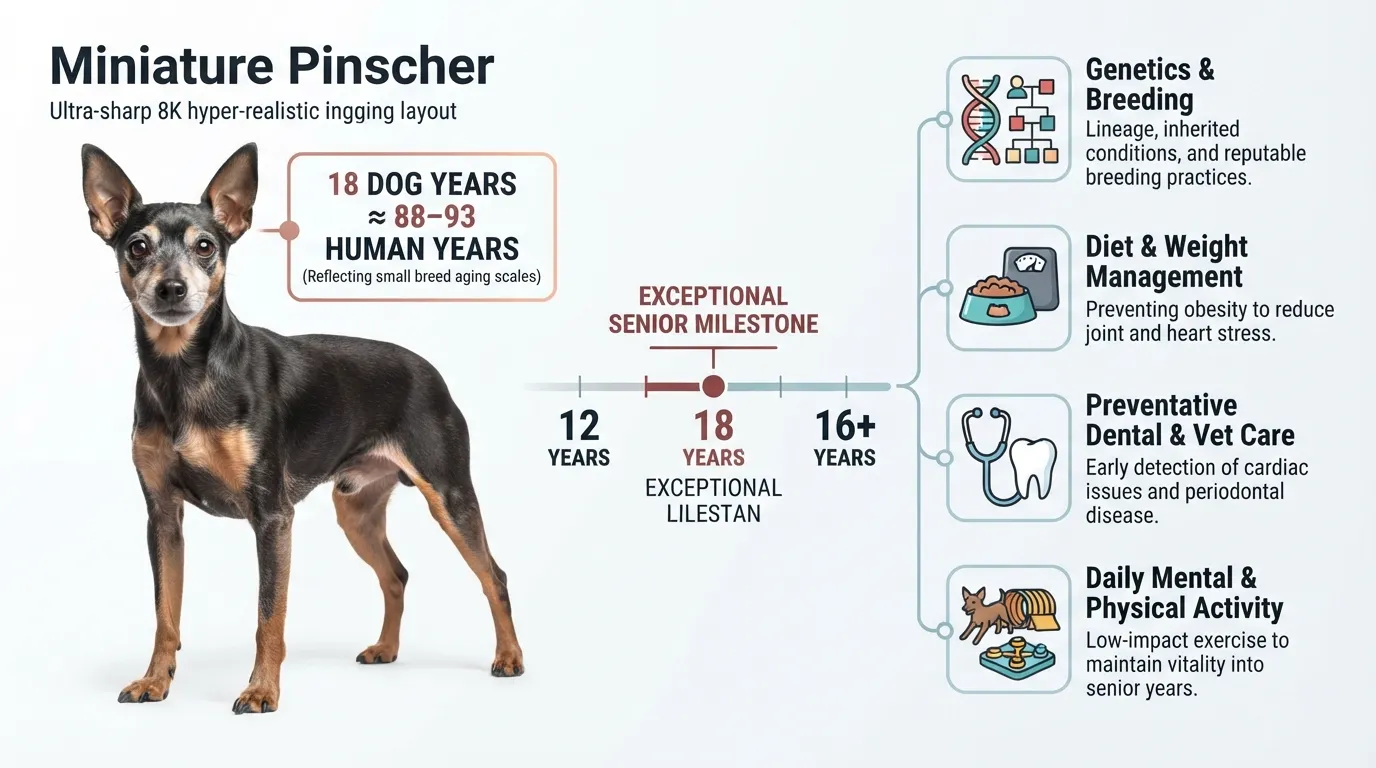
The four-year gap between the lower and upper ends of the Miniature Pinscher lifespan might not look massive on paper, but in dog years, it is an eternity. A Min Pin passing away at 12 has a vastly different life experience than one celebrating their 16th or 17th birthday. This variation rarely comes down to random luck; instead, it is driven by distinct, manageable factors that shape how a dog ages.
Why Some Live Closer to 12 Years vs. 16+ Years
Understanding the dividing line between an average lifespan and an exceptional one helps you make more informed choices for your dog’s daily routine.
Genetics and Breeding Line
The foundation of a Min Pin’s life expectancy is laid before they are even born. Puppies coming from backyard breeders or puppy mills are highly prone to inherited genetic defects because their parents rarely undergo health screening. Reputable breeders, adhering to the Miniature Pinscher Club of America guidelines, rigorously screen their breeding pairs for patellar luxation, congenital heart defects, and eye diseases. A clean genetic bill of health minimizes the sudden onset of chronic illnesses that drain a dog’s vitality mid-life.
Preventive vs. Reactive Healthcare
Dogs that live closer to 16 years or older almost always benefit from proactive, preventive veterinary care rather than reactive treatment. Reactive care means only taking your dog to the clinic when they are visibly sick or injured. By contrast, preventive care involves annual wellness testing, early senior blood screening, and routine vaccines. Spotting early markers of kidney decline or liver stress during a routine checkup allows for dietary changes that can add years to their life.
Weight Management Over a Lifetime
Because this breed stands barely a foot tall, even a minor weight gain dramatically alters their physical trajectory. Min Pins that carry just 2 pounds of extra weight are technically obese, which places immense, continuous strain on their cardiovascular system and joints. Chronic inflammation from excess body fat accelerates cellular aging and drastically increases the risk of type 2 diabetes. Keeping your Min Pin lean—where you can easily feel their ribs but not see them—is the single most effective daily habit for pushing their lifespan past the 15-year mark.
Factors That Affect a Miniature Pinscher's Lifespan & How to Improve It
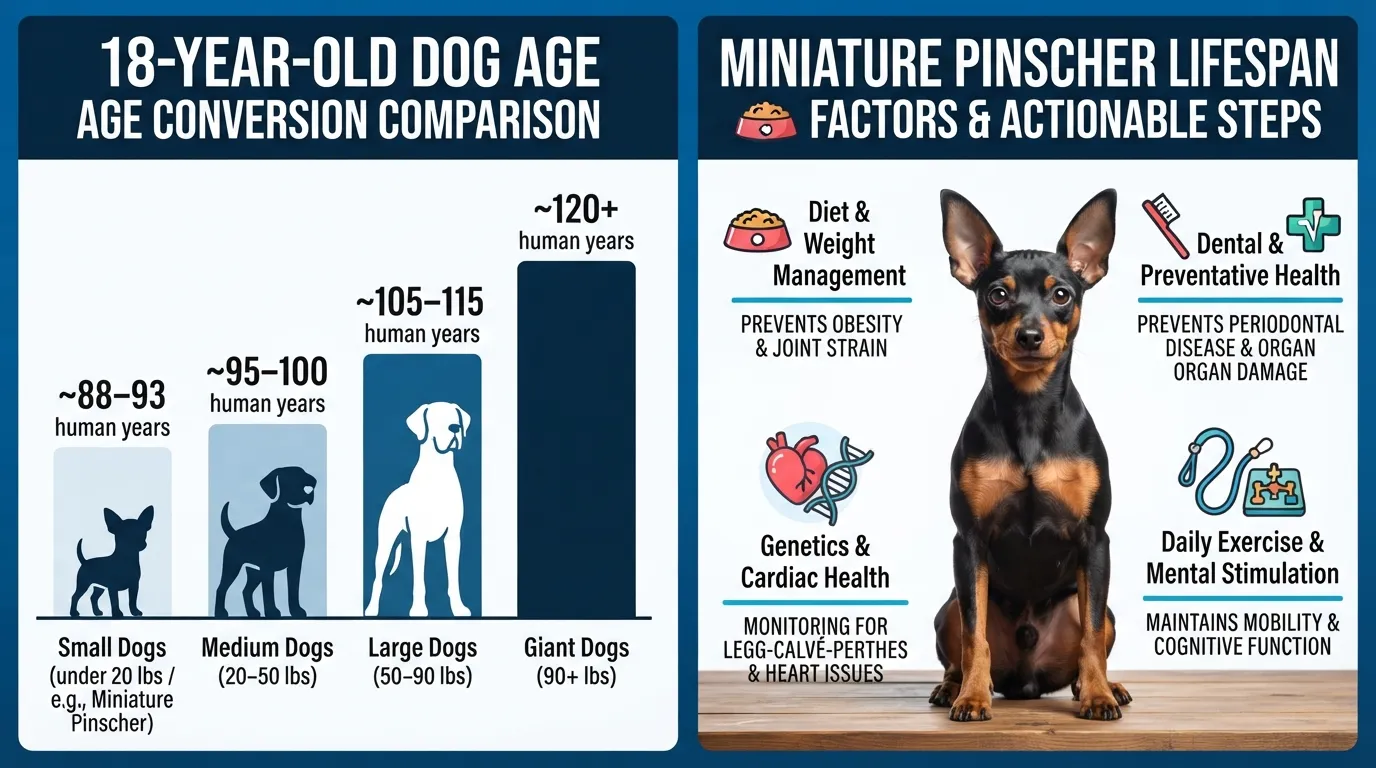
While biology sets the baseline for the Miniature Pinscher lifespan, your day-to-day choices determine whether your dog merely gets by or genuinely thrives into their late teens. By addressing these core pillars of health, you can actively stack the deck in favor of longevity.
Genetics & Breeding
The health of a Min Pin is heavily anchored to their lineage. Inherited issues like Legg-Calve-Perthes disease (which causes the femur head to degenerate) or congenital heart issues can crop up early if a dog comes from unverified lines. While you cannot alter the DNA your dog was born with, knowing their background helps you watch for early symptoms. If you are adopting, always ask for the parents’ health clearances from organizations like the Orthopedic Foundation for Animals (OFA).
Diet & Nutrition
What goes into your Min Pin’s bowl directly dictates their cellular health and weight. Because of their tiny stature, standard commercial kibble can easily lead to overfeeding if you rely on generic bag guidelines. High-quality, nutrient-dense protein helps maintain their lean muscle mass without adding unnecessary fillers that lead to dangerous fat accumulation.
Actionable Tip: Ditch the standard food scoop and use a digital kitchen scale to weigh your Min Pin’s food in grams. A variance of just 5–10 grams a day can be the difference between a healthy weight and canine obesity.
Exercise & Physical Activity
Don’t let their toy size fool you; Miniature Pinschers are high-energy athletes that require consistent physical outlets. Regular exercise keeps their cardiovascular system strong and ensures the muscles surrounding their joints stay robust. Strong musculature acts as a natural brace, which drastically reduces the impact of patellar luxation on their long-term mobility.
Actionable Tip: Aim for two 20-to-30-minute brisk walks daily, paired with mental enrichment like puzzle toys. Avoid letting them jump off high couches or beds, as the repetitive impact can damage their small joints over time.
Preventive Veterinary Care
Waiting until your Min Pin shows signs of illness before visiting the clinic often means missing the window for early intervention. Dogs are naturally adept at hiding pain and discomfort. Routine diagnostic tests—such as annual urinalysis and baseline blood screening—allow your veterinarian to catch subtle shifts in organ function long before physical symptoms appear.
Actionable Tip: Once your Min Pin hits 7 years old, switch from annual exams to bi-annual checkups. Ask your vet for a symmetric dimethylarginine (SDMA) test, which can identify kidney decline far earlier than traditional blood tests.
Dental Hygiene
Periodontal disease is a silent lifespan shortener for toy breeds. Bacteria thriving under the gumline don’t just cause bad breath; they cause chronic inflammation and can migrate into the bloodstream. The Merck Veterinary Manual explicitly notes that this systemic bacteria can cause localized damage to a dog’s vital organs, particularly the heart and kidneys.
Actionable Tip: Establish a nightly tooth-brushing routine using a soft-bristled finger brush and enzymatic toothpaste. If you notice a heavy buildup of hard tartar, schedule a professional veterinary dental cleaning to clear the hidden bacteria below the gumline.
Spaying/Neutering & Its Effect on Lifespan
Deciding when or if to alter your Min Pin plays a measurable role in their overall life expectancy. A comprehensive study by the University of Georgia found that desexed dogs live significantly longer than intact ones. For female Min Pins, spaying entirely eliminates the risk of pyometra (a life-threatening uterine infection) and drastically lowers the risk of mammary tumors. For males, neutering eliminates testicular cancer and reduces roaming behaviors that frequently lead to accidental trauma or injuries.
Miniature Pinscher Life Stages Puppy to Senior
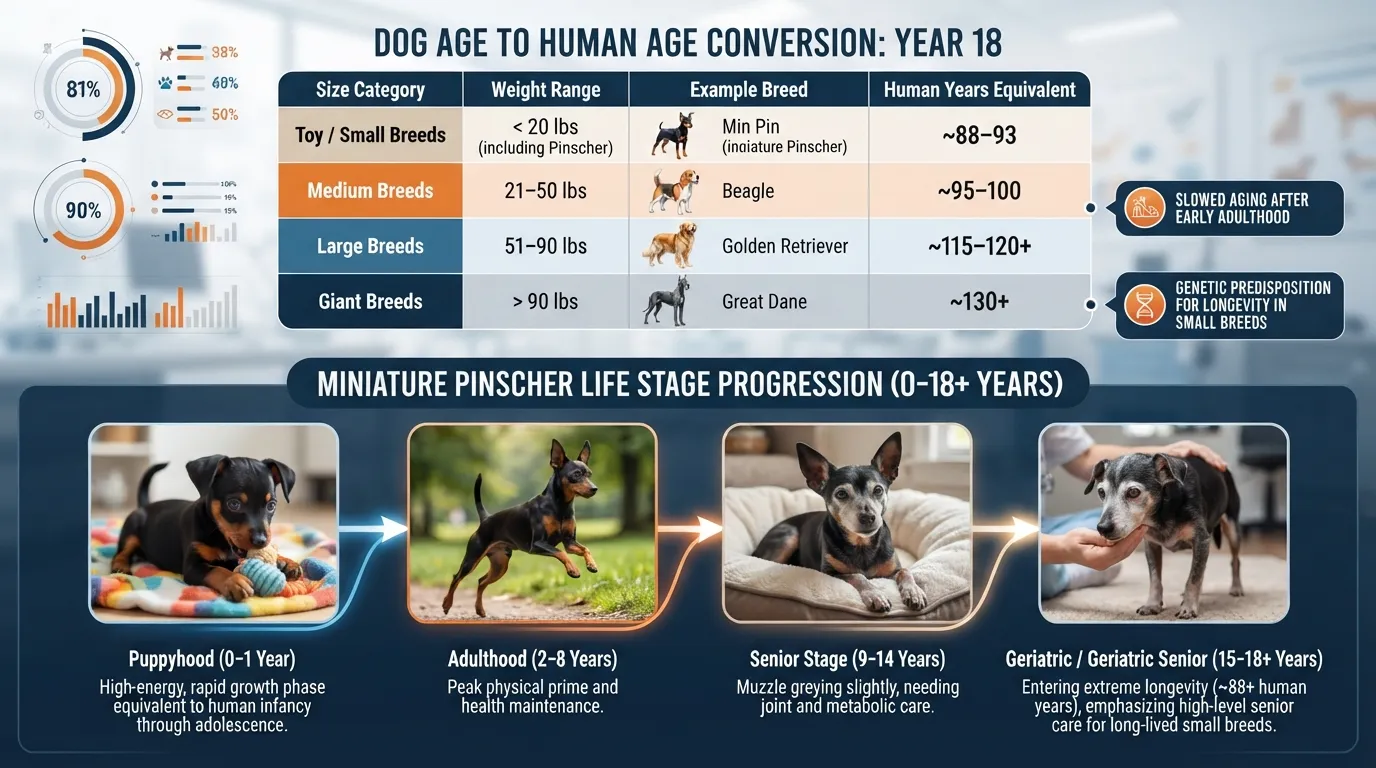
Because small dogs mature rapidly in their first year and then age much slower than large breeds later in life, their developmental milestones don’t map neatly to human years. A seven-year-old Min Pin is not “49 in human years” as the old rule of thumb suggests; their small-breed metabolism alters the timeline entirely.
To see exactly where your dog falls on the developmental spectrum, here is how a Miniature Pinscher’s life stages translate into human terms:
| Age Range | Life Stage | Human Year Equivalent |
|---|---|---|
| 0 – 1 Year | Puppy | 0 – 15 Years |
| 1 – 3 Years | Young Adult | 15 – 28 Years |
| 3 – 7 Years | Adult | 28 – 44 Years |
| 7+ Years | Senior | 44 – 80+ Years |
During the puppy stage, your Min Pin builds the structural foundation for their entire life, requiring specialized nutrition to support rapid bone development. By the time they enter the long adult phase, their nutritional needs stabilize, and weight maintenance becomes the primary focus.
Once your dog crosses the threshold into their senior years at age seven, their immune response slows down, making proactive joint care and dental maintenance absolutely vital. To calculate the exact biological age of your dog based on their specific birth date, check out our [Full Dog Age Calculator tool] to get a precise breakdown.
Common Health Problems That Can Affect Lifespan
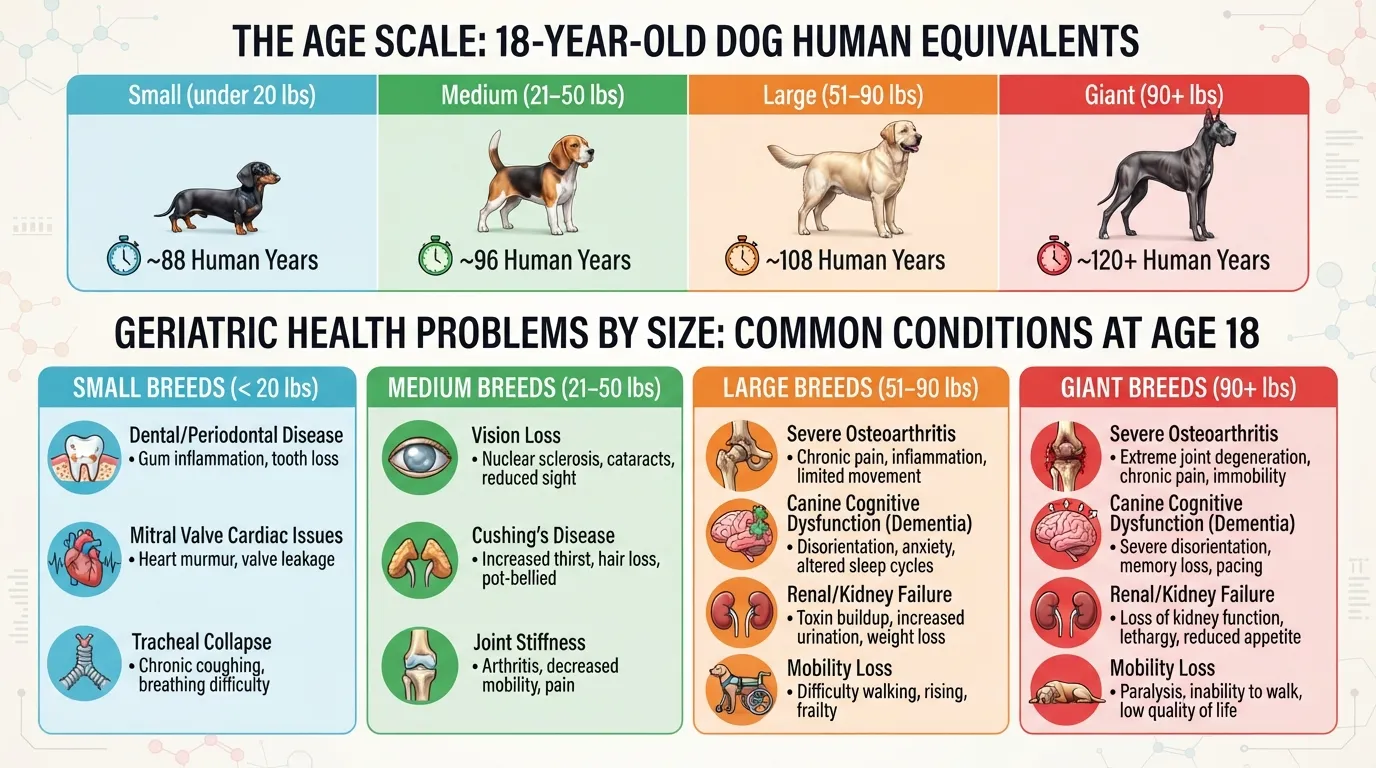
While Miniature Pinschers are structurally tough and incredibly energetic, they are predisposed to a handful of hereditary and acquired conditions. Most of these ailments are not immediately fatal, but they introduce chronic stress, reduce mobility, or cause systemic infections that can chip away at your dog’s longevity if left unmanaged.
Patellar Luxation
This condition occurs when the dog’s kneecap slips out of its natural anatomical groove, typically affecting the hind legs. In mild cases, a Min Pin might simply skip or hop for a few paces before the bone pops back into place. However, severe, chronic luxation leads to early-onset osteoarthritis and drastically limits physical activity. A sedentary lifestyle quickly triggers weight gain, putting secondary stress on the heart and lungs.
Legg-Calvé-Perthes Disease
Primarily affecting toy breeds during their first year of life, this disease causes the head of the femur bone in the hip joint to spontaneously degenerate due to a lack of blood supply. It results in intense pain, limping, and muscle wasting. While it requires surgical correction to restore mobility, the chronic pain prior to surgery can elevate cortisol levels, stressing the immune system early in the dog’s development.
Epilepsy
Idiopathic epilepsy—seizures with no clear underlying structural cause—is an inherited trait observed in some Min Pin lineages. Seizures typically present between one and five years of age. While mild epilepsy can be managed effectively with daily anticonvulsant medications, severe or poorly managed seizures carry a risk of status epilepticus (prolonged, life-threatening seizures) that can cause permanent brain damage or sudden death.
Dental Disease
Because toy dogs have adult-sized teeth crammed into a tiny jaw, food particles and plaque build up rapidly. Periodontal disease progress swiftly from simple bad breath to loose teeth and deep bone infections. The chronic inflammation alone ages the body prematurely, making daily defense against oral bacteria a critical component of lifetime care.
Progressive Retinal Atrophy Eye Problems
Progressive Retinal Atrophy (PRA) is an inherited degenerative eye disorder that causes the photoreceptor cells at the back of the eye to waste away, eventually leading to complete blindness. While losing their sight doesn’t shorten a Min Pin’s life directly, it significantly increases the risk of accidental physical trauma around the home or during outdoor walks.
According to data compiled by veterinary clinics and peer-reviewed canine health studies, the most common cause of death for senior Miniature Pinschers is heart failure (often due to chronic valvular disease), followed closely by cancer and organ failure (specifically kidney or liver decline). For detailed clinical guidelines on tracking these symptoms early, you can consult the Merck Veterinary Manual to understand the precise diagnostic tests your vet uses to monitor senior organ health. Catching these internal changes before they progress is the ultimate secret to giving your little companion a full, happy life.
Miniature Pinscher Lifespan Compared to Other Dogs
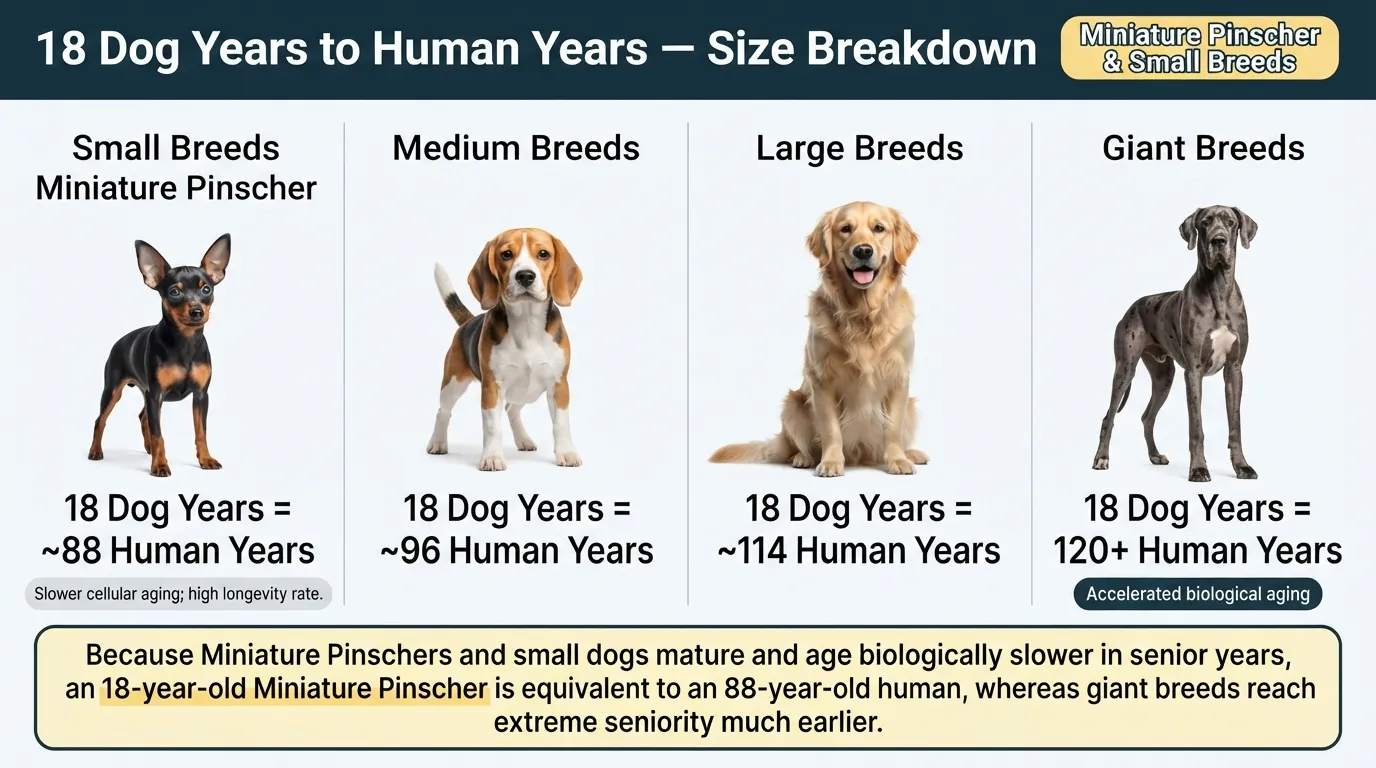
When evaluating longevity, size is one of the most reliable predictors of a canine’s life expectancy. While large dogs face accelerated biological aging due to the immense physical strain of rapid growth, small and toy breeds benefit from a much slower metabolic aging process.
The Miniature Pinscher lifespan reflects this small-breed advantage beautifully. To help you see how their years compare to the general canine population as well as similarly sized companions, we have benchmarked their expected lifespan against a variety of breeds:
Dog Breed Lifespan & Longevity Profiles
A mobile-friendly comparison of lifespans across different dog breeds.
| Dog Breed / Category | Average Lifespan | Longevity Profile |
|---|---|---|
| Chihuahua | 12 – 20 Years | Top-tier longevity; frequently reaches the late teens with proper dental care. |
| Miniature Pinscher | 12 – 16 Years | Exceptionally hardy toy breed; routinely pushes past 15 years when kept lean. |
| Dachshund | 12 – 16 Years | Long-lived, though highly prone to spinal issues that require careful lifestyle management. |
| Yorkshire Terrier | 12 – 15 Years | Typical toy breed lifespan; requires strict attention to crowded dental health. |
| Average Dog (All) | 10 – 13 Years | The global baseline, heavily brought down by the shorter lifespans of giant dogs. |
| Doberman Pinscher | 10 – 13 Years | A much larger working breed prone to cardiac complexities like dilated cardiomyopathy (DCM). |
Swipe left/right on the table if viewing on a smaller screen.
One of the most fascinating comparisons here is between the Miniature Pinscher and the Doberman Pinscher. Despite looking like a micro-sized version of the Doberman, the Min Pin is a entirely separate breed with distinct genetics. Because they lack the deep-chested vulnerabilities of the Doberman—which frequently faces life-threatening bouts of bloat and severe heart conditions—the tiny Min Pin outlives its larger lookalike by an average of three to four years.
Signs of Aging in a Miniature Pinscher
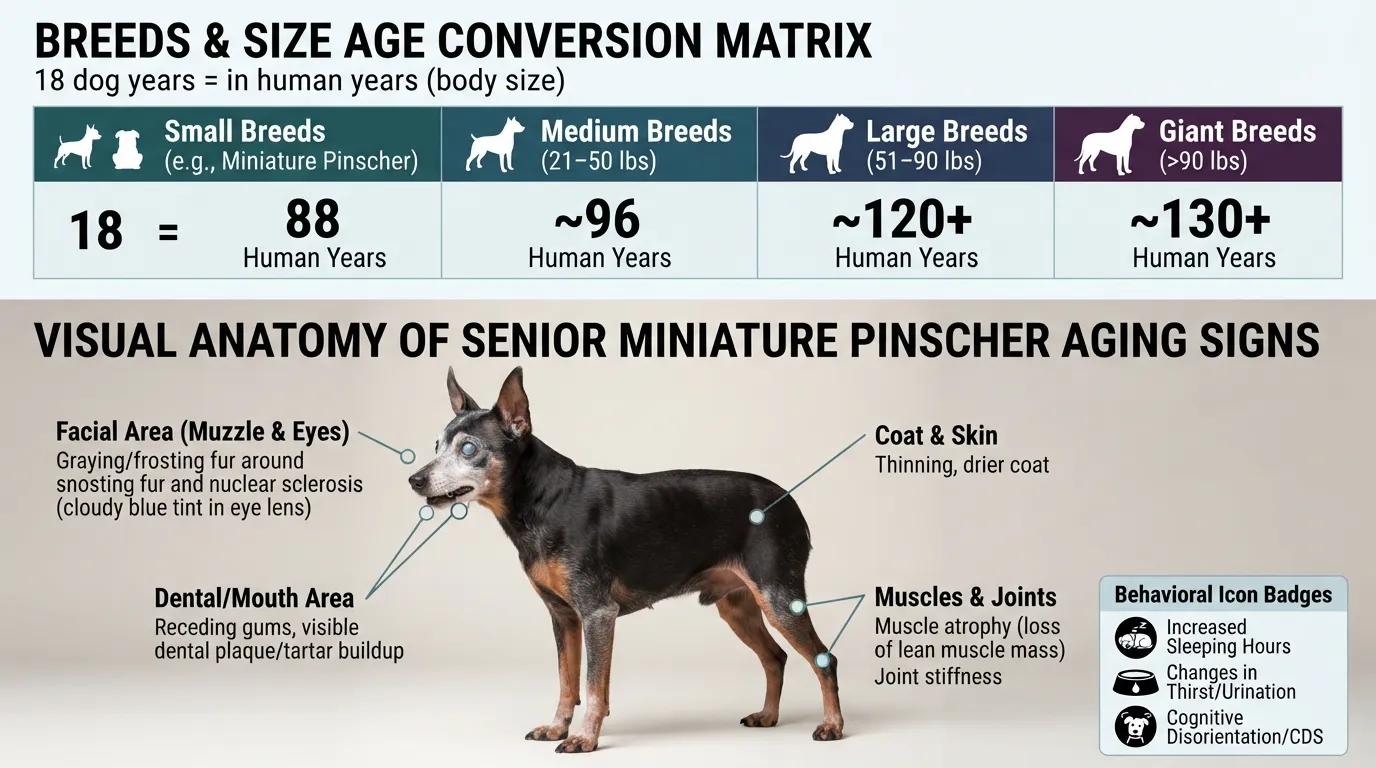
Because Miniature Pinschers maintain a lively, puppy-like attitude well into their senior years, it can be easy to miss the early stages of the aging process. However, as they cross the threshold into their senior life stage, their bodies undergo distinct physical and mental shifts. Recognizing these signs allows you to adjust their care routine before minor vulnerabilities turn into serious health challenges.
Graying Muzzle and Face: One of the most visible indicators of aging is the appearance of gray or white fur around their snout, chin, and eyes. On a black and rust or chocolate Min Pin, this frosted look stands out clearly, though it is purely cosmetic and doesn’t impact their health.
Reduced Energy and Activity Levels: Your “King of Toys” may still have bursts of high-spirited energy, but you will notice they nap more frequently and for longer periods. They might show less enthusiasm for extended games of fetch or choose to curl up on the couch rather than patrol the perimeter of your yard.
Vision or Hearing Decline: Older Min Pins frequently develop lenticular sclerosis—a normal, age-related bluish haze in the lenses of the eyes that owners sometimes mistake for cataracts. You may also notice they don’t respond as quickly to your verbal cues or are easily startled when approached from behind due to minor hearing loss.
Joint Stiffness or Slower Movement: If your dog hesitates before jumping onto the bed, hesitates at the base of the stairs, or moves stiffly during early morning walks, their joints are likely feeling the effects of wear and tear. This stiffness is often aggravated by cool weather and is a common sign of early osteoarthritis.
Changes in Appetite or Weight: A slowing metabolism can cause a senior Min Pin to put on weight easily even if their food portions haven’t changed. Conversely, advanced dental disease or underlying systemic issues can cause them to lose interest in hard kibble, leading to a sudden loss of lean muscle mass.
Oldest Recorded Miniature Pinscher
While the typical breed standard outlines a lifespan of 12 to 16 years, certain extraordinary individuals break the mold entirely. The unofficial record for the oldest known Miniature Pinscher belongs to a resilient dog named Fanie from Cape Town, South Africa. Fanie made headlines within the global pet community by reaching an astonishing 25 years of age before passing away in 2024.
Reaching a quarter of a century is a staggering feat for any canine, representing more than double the life expectancy of most average-sized dogs. Fanie’s remarkable lifespan highlights the incredible genetic durability inherent in small toy breeds when backed by a lifetime of attentive care. While a multi-decade life is an outlier, it serves as a powerful reminder of just how far proactive health management, strict weight control, and regular dental hygiene can extend a Min Pin’s golden years.
Frequently Asked Questions
Yes, 16 years old is considered very old for a Miniature Pinscher. While it sits at the absolute upper limit of the breed's typical 12-to-16-year lifespan, reaching this milestone is highly realistic for a well-cared-for, lean dog. A 16-year-old Min Pin is roughly equivalent to an 80-year-old human—deserving of senior accommodations but entirely capable of enjoying a peaceful, comfortable life.
Yes, Miniature Pinschers live significantly longer than Doberman Pinschers. While they share a similar sleek look, they are entirely different breeds. Min Pins live 12 to 16 years, whereas Dobermans have a much shorter life expectancy of 10 to 13 years. This difference comes down to biological scaling: smaller dogs age much slower and face fewer complex cardiac or deep-chested structural health risks than large breeds.
Yes, Miniature Pinschers are generally very healthy, robust, and structurally sound dogs. Unlike many toy breeds, they do not suffer from respiratory issues or fragile bone structures. However, they are still prone to a few hereditary conditions, such as patellar luxation (slipping kneecaps), early dental decay, and minor eye conditions like progressive retinal atrophy.
Yes, it is entirely possible for a Miniature Pinscher to live past 16 years. While 16 is the standard upper average, many individuals push to 17, 18, or even older with exceptional care. Achieving this requires a combination of pristine genetics from a reputable breeder, strict lifetime weight management, aggressive dental hygiene to protect their organs from bacteria, and regular veterinary screening to catch age-related changes early.
🐾 Other Age Guides

Gulfam Haider Mehdi
Founder & Developer
I built Dogagescalculator.com to give dog owners honest, science-backed answers instead of the outdated "×7" myth. Every figure here is checked against AKC, AVMA, and published veterinary research.
More about the author & this site →📌 Featured Guides
Home
→
my dog has been bitten by a rat
→
greater swiss mountain dog and bernese mountain dog mix
→
Bernese Mountain Dog Newfoundland mix
→
mutt dog breed
→
3/4 great pyrenees 1/4 anatolian shepherd
→
Dog Age in Months to Human Years
→
What Is the Average Age for a Dog
→
is purina dog chow a good dog food
→
How Does Dog Age Work
→
Comments