What Is the Lifespan of a Great Dane? 2026 Complete Guide
The lifespan of a Great Dane is typically 7 to 10 years, making this gentle giant one of the shorter-lived dog breeds. Their enormous size and rapid growth can contribute to age-related health problems, but proper nutrition, regular veterinary care, healthy weight management, and responsible breeding can help support a longer, healthier life.
If you’re wondering how long Great Danes live, most reach their senior years relatively early compared with smaller breeds. Some well-cared-for Great Danes may live beyond the average range, although reaching 12 years is considered exceptional.
In this guide, we’ll look at the Great Dane lifespan, common causes that can shorten it, major health risks such as bloat, senior-age milestones, and practical ways owners can help their Dane make the most of every year.
Great Dane Average Lifespan at a Glance
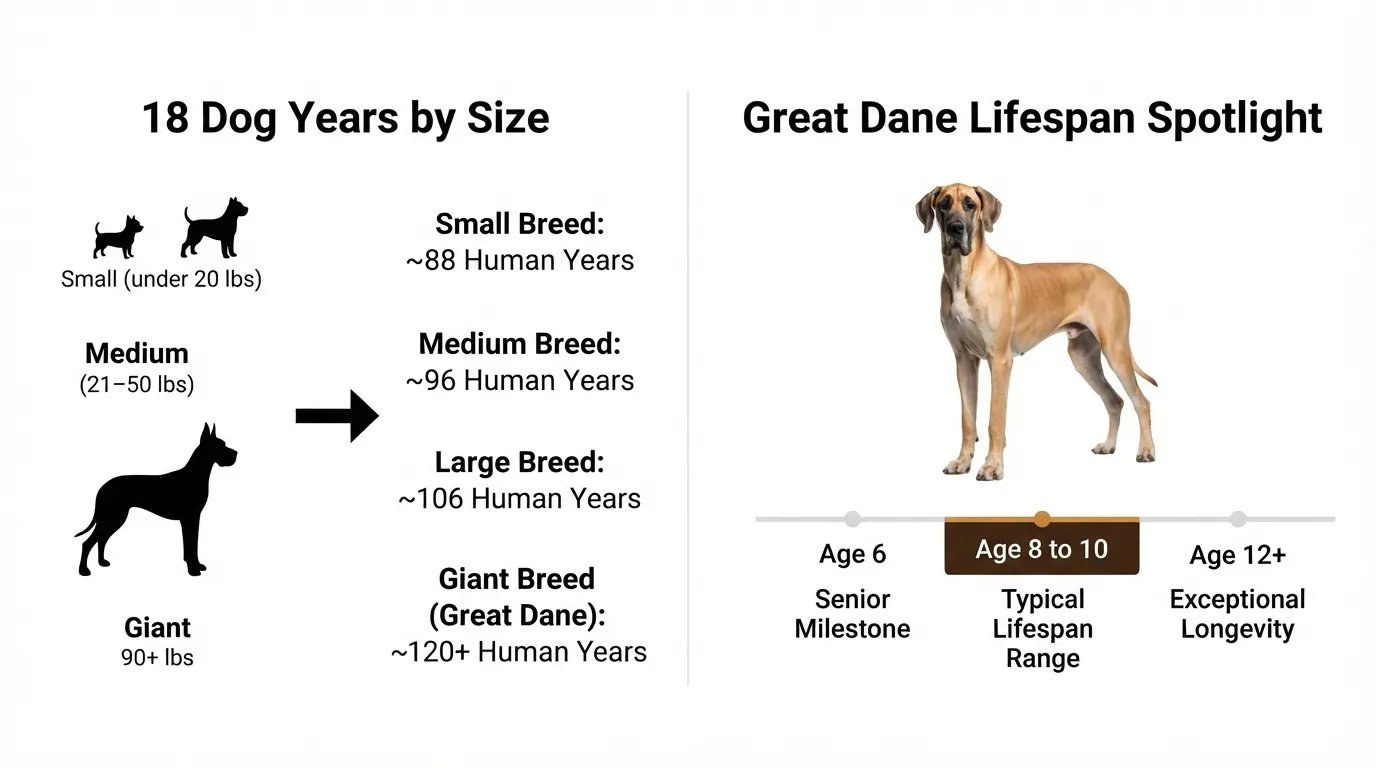
The average lifespan of a Great Dane is 8 to 10 years, according to veterinary data from the American Kennel Club (AKC). While some exceptionally healthy Danes may reach 11 or 12 years, their massive size puts immense strain on their bodies, making their life expectancy significantly shorter than that of smaller breeds.
To help put this into perspective, a 6-year-old Great Dane is already considered a senior dog. Because they age so rapidly, tracking their physical milestones is crucial for keeping them healthy. You can easily convert their developmental stages into human years using our [Dog Ages Calculator] to better understand your dog’s specific biological age.
Understanding this lifespan at a glance requires looking at a few realities unique to giant breeds:
The Giant Breed Tax: Rapid growth during puppyhood and a fast metabolism during adulthood contribute to accelerated cellular aging.
Critical Health Hurdles: Conditions like Gastric Dilatation-Volvulus (GDV or bloat) and dilated cardiomyopathy (DCM) represent the primary threats that can suddenly cut a Dane’s life short.
The “9-Year” Threshold: Most experienced breeders and veterinarians recognize age 9 as a major milestone, past which daily senior-focused care and joint support become absolutely essential.
Quick Stats Table — Minimum / Average / Maximum Lifespan
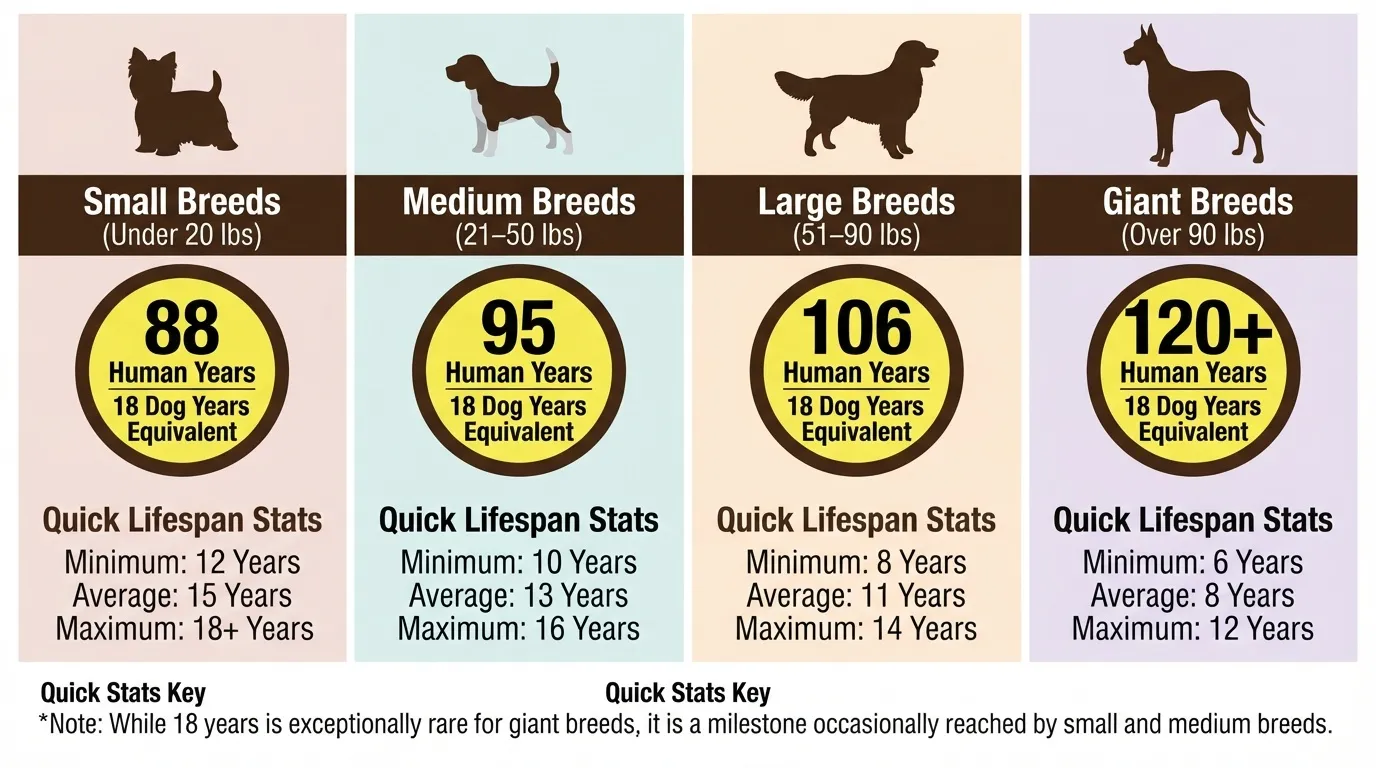
Great Dane Lifespan Quick Guide 🐾
While we wish these gentle giants could stay with us forever, Great Danes have one of the shortest lifespans in the canine world. Here is what you need to know about their life expectancy to help you plan for their care.
| Metric | Lifespan Range | Key Takeaway |
|---|---|---|
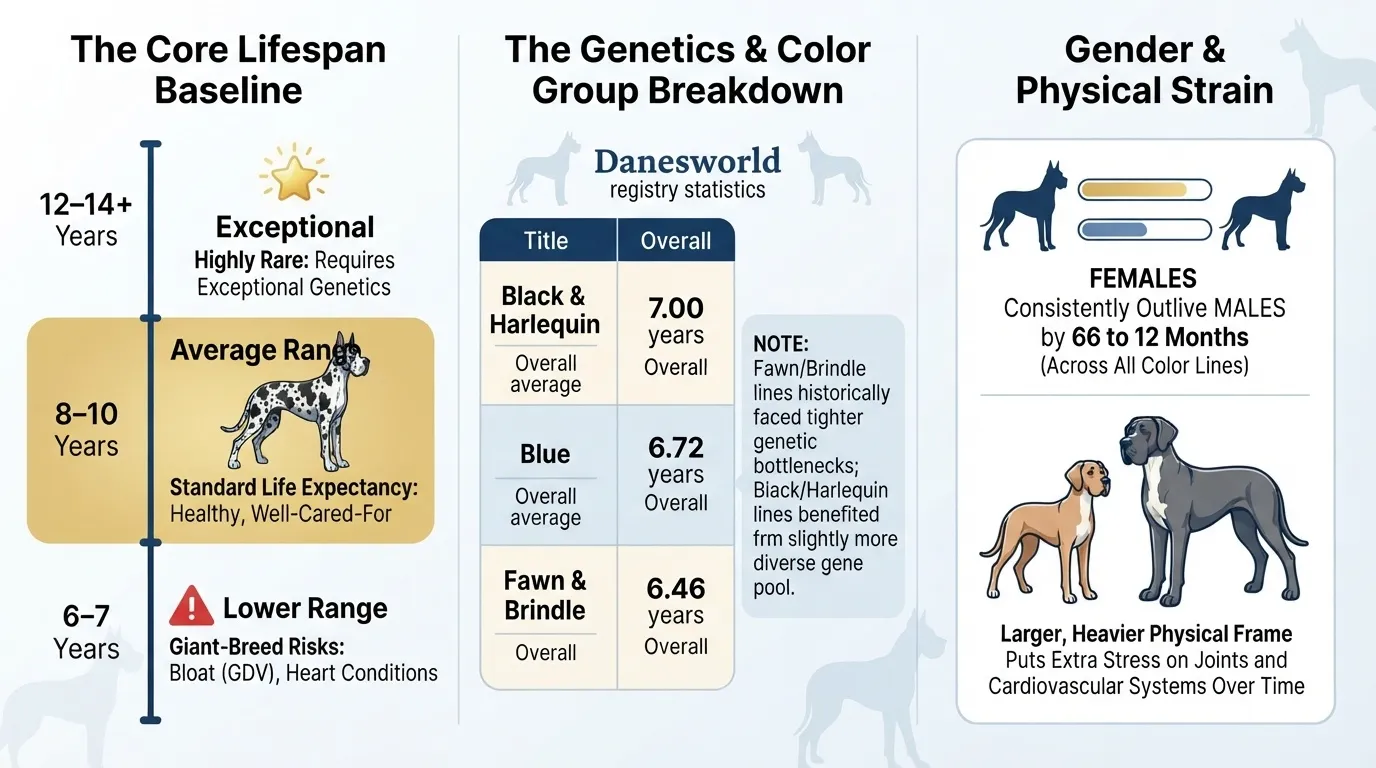
| Lower Range | 6 to 7 years | Often due to giant-breed health issues like bloat or heart conditions. |
| Average Range | 8 to 10 years | The typical life expectancy for a healthy, well-cared-for Dane. |
| Exceptional | 12 to 14+ years | Highly rare; requires exceptional genetics, luck, and meticulous senior care. |
♀️ vs. ♂️ Does Gender Matter?
Yes, gender plays a subtle role in longevity:
- Females: Typically live 6 to 12 months longer than males.
- Males: Physically larger and heavier, putting more strain on their cardiovascular systems and joints over time.
⚠️ The Reality of the Range
- 7 to 10 Years: This is the standard industry consensus (like from the AKC).
- 10+ Years: Reaching double digits is highly rare. A Dane at age 10 is officially considered a senior pet and needs specialized geriatric vet care to manage comfort and mobility.
Why Do Great Danes Have Such a Short Lifespan?
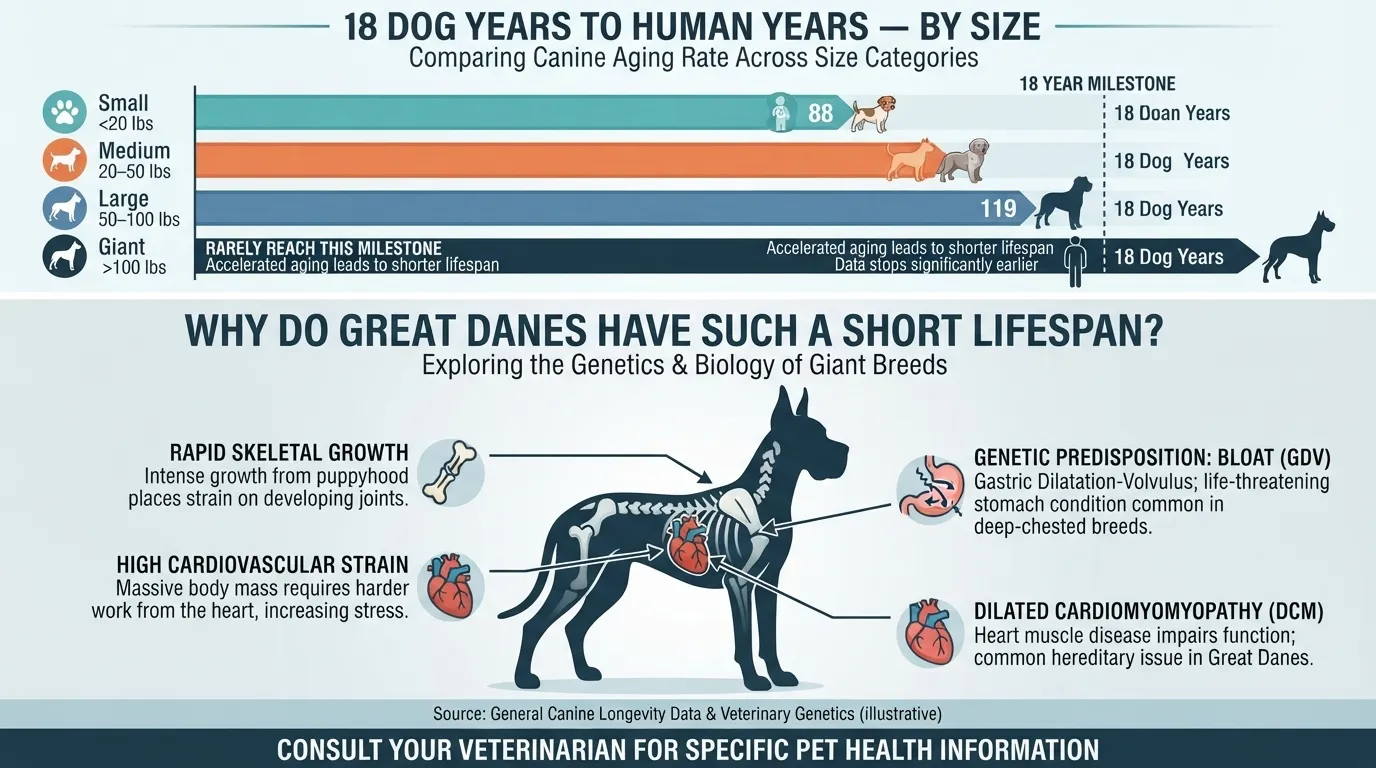
Great Danes have a notoriously short lifespan of just 7 to 10 years because their massive bodies age at an accelerated rate. This rapid biological aging, combined with a genetic predisposition to deadly conditions like bloat and heart disease, means their bodies wear out much faster than smaller dogs.
While it is devastating to lose a beloved companion so early, understanding the biological hurdles your dog faces can help you provide targeted care to maximize their senior years.
The Size-vs-Longevity Paradox
It is a well-documented biological puzzle: while large wild mammals like elephants and whales enjoy the longest lifespans, the exact opposite rule applies within the domestic dog species. Research published in The American Naturalist confirms that giant dog breeds age at a significantly faster rate than smaller ones, with every 4.4 pounds of body mass reducing a dog’s life expectancy by roughly one month.
A Great Dane’s body must work incredibly hard just to function. They grow from a one-pound newborn to a 150-pound giant in less than two years. This explosive growth rate triggers high levels of oxidative stress and rapid cell division, effectively fast-forwarding their physiological clock. Their hearts, joints, and metabolic systems quickly wear out under the constant strain of maintaining such a massive frame. Biologically speaking, a 6-year-old Great Dane is already a senior citizen.
Genetic Factors
Beyond their sheer physical size, the genetic legacy of the modern Great Dane plays a heavy role in their limited lifespan. Decades of breeding for specific physical traits have narrowed their gene pool, making them vulnerable to several hereditary health crises.
Low Genetic Diversity and Inbreeding Depression: A shallow gene pool increases the expression of recessive, harmful mutations. This genetic bottleneck leaves Great Danes highly susceptible to hereditary killers like Dilated Cardiomyopathy (DCM)—a progressive heart muscle failure—and bone cancer (osteosarcoma).
Merle-to-Merle Breeding Risks: Breeding two merle-patterned Great Danes to achieve highly sought-after coat colors carries severe genetic consequences. “Double merle” puppies often suffer from congenital deafness, microphthalmia (abnormally small eyes), blindness, and overall compromised immune health.
Anatomical Risks (Bloat): The breed’s signature deep, narrow chest cavity is a genetic structural trait that makes them the number one breed at risk for Gastric Dilatation-Volvulus (GDV), or bloat. This sudden twisting of the stomach cuts off blood flow and can be fatal within hours without immediate emergency surgery.
Lifespan by Color/Coat Type — data table fawn/brindle, black/harlequin, blue with source citation
Interestingly, historical breeding restrictions for specific coat colors have created distinct sub-pools of genetic diversity within the breed, subtly affecting their average longevity. While coat color itself does not directly shorten a dog’s life, the strictness of the gene pools within certain color lines impacts their overall health and hardiness.
The table below outlines the average life expectancies compiled from international breed registry statistics across different color groups.
Data Source: Compiled from historical breed registry and health database tracking by the international Danesworld database. The slightly lower average for Fawn & Brindle lines historically reflects strict color-purity standards used for show rings, which narrowed their local gene pool more than the more openly crossed Black and Harlequin lines.
Common Health Issues That Affect Great Dane Lifespan
| Color Group | Avg. Lifespan (Overall) | Avg. Lifespan (Males) | Avg. Lifespan (Females) |
|---|---|---|---|
| Black & Harlequin | 7.00 years | 6.52 years | 7.44 years |
| Blue | 6.72 years | 6.34 years | 7.07 years |
| Fawn & Brindle | 6.46 years | 6.20 years | 6.69 years |
Black & Harlequin
Avg. Lifespan:
7.00 years
Males:
6.52 years
Females:
7.44 years
Blue
Avg. Lifespan:
6.72 years
Males:
6.34 years
Females:
7.07 years
Fawn & Brindle
Avg. Lifespan:
6.46 years
Males:
6.20 years
Females:
6.69 years
Because of their immense size, Great Danes are prone to several serious health conditions that can unfortunately cut their lives short. Knowing what to watch for can help you catch symptoms early and potentially save your dog’s life.
According to veterinary data from the American Kennel Club (AKC) and VCA Hospitals, these are the most critical health issues impacting a Great Dane’s life expectancy:
Gastric Dilatation-Volvulus (GDV or Bloat): This is the number one killer of Great Danes. It occurs when the stomach fills with gas and twists on itself, cutting off blood flow. GDV is an absolute emergency that requires immediate veterinary intervention. Many owners opt for a preventative surgery called a gastropexy (stomach tacking) during their dog’s spay or neuter.
Cardiomyopathy (Heart Disease): Great Danes are genetically predisposed to Dilated Cardiomyopathy (DCM), a condition where the heart becomes enlarged and cannot pump blood efficiently. Regular vet checkups with a stethoscope can catch early murmurs or arrhythmias.
Cancer (Osteosarcoma): Bone cancer is sadly common in giant breeds. It typically presents as sudden lameness or swelling in a leg. Early detection through X-rays is vital for managing pain and exploring treatment options.
Joint and Skeletal Disorders: Conditions like hip dysplasia and osteoarthritis do not always shorten life directly, but they can severely impact a senior dog’s quality of life, sometimes leading to difficult euthanasia decisions due to a loss of mobility.
Pro Tip from a Great Dane Owner: Invest in elevated food bowls to prevent air-gulping, and strictly enforce a “no running or heavy exercise” rule for at least one hour before and after meals to help reduce the risk of bloat.
Great Dane Life Stages — When Do They Become Senior?
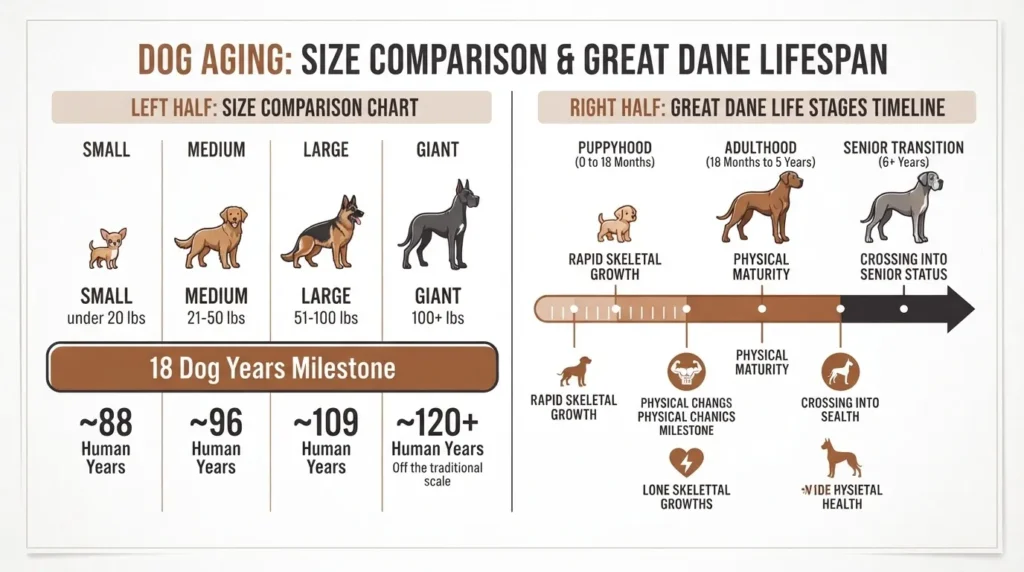
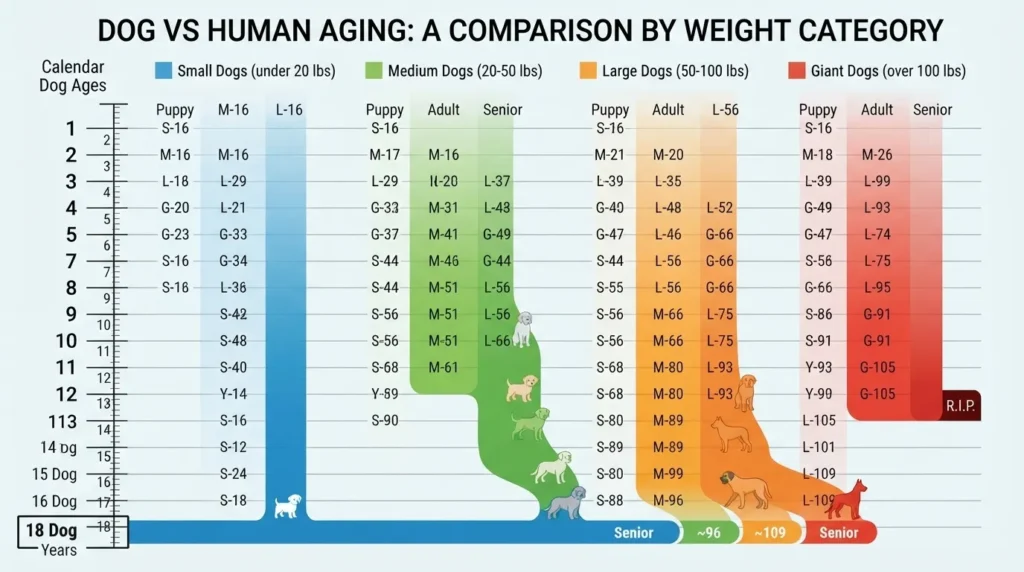
Because giant breeds age at an accelerated rate compared to smaller dogs, a Great Dane enters their golden years far sooner than you might expect. While a toy poodle might not reach senior status until age ten, a Great Dane officially reaches senior dog age by their sixth birthday.
Understanding these rapid transitions helps you tailor their care to match the dramatic physical changes they experience over their relatively short life expectancy.
Puppy (0–1 Year): A phase of explosive physical growth where your Dane shoots from a fragile two-pound newborn to a towering 100-plus-pound puppy, requiring careful nutritional management to protect their rapidly growing bones.
Adolescent (1–2 Years): The gangly “teenage” stage where they reach their final adult height but remain mentally immature, high-energy, and physically uncoordinated as their joints catch up to their size.
Adult (2–5 Years): Your Dane’s physical prime, during which they finally fill out their massive frame, achieve peak muscle mass, and settle into a calmer, more predictable daily routine.
Senior (5–6 Years Onward): The official start of their senior years, marked by a graying muzzle, a natural slowing down on daily walks, and a need for softer bedding to cushion their aging joints.
To see exactly how your giant breed’s current age translates to human years based on their rapid development, you can use our [Great Dane dog age calculator tool] for an instant, customized breakdown.
Signs Your Great Dane Is Aging Quality of Life
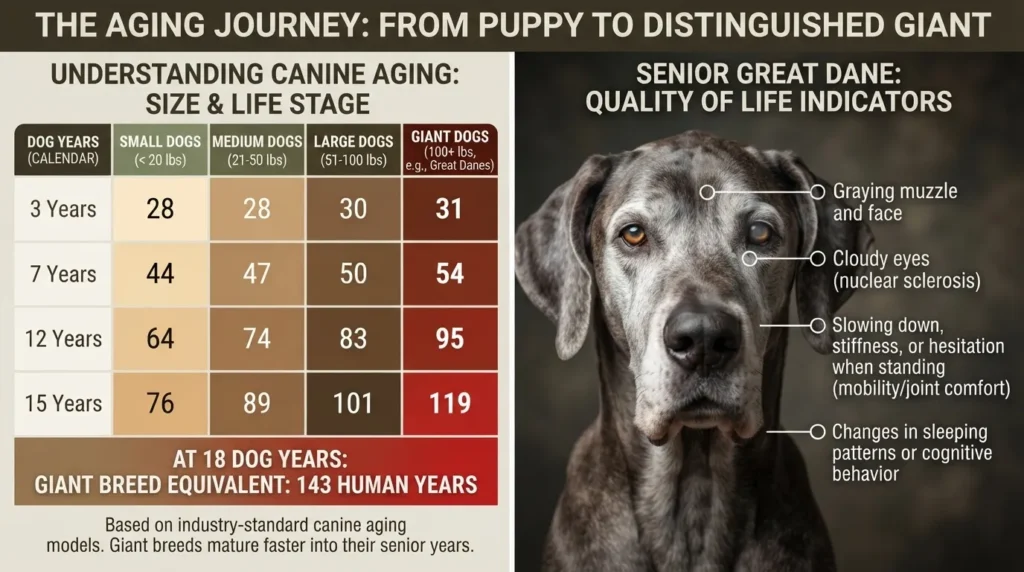
Because Great Danes age on an accelerated timeline, the transition from their energetic “golden years” to their senior phase can happen quickly. Keeping a watchful eye on their physical and behavioral changes is essential to adjusting their environment, diet, and veterinary care in real time.
Normal Aging Signs — grey muzzle, slower movement, mild joint stiffness
Just like humans, Great Danes show physical signs of growing older that do not necessarily indicate a medical emergency. These gradual changes are a natural part of the aging process:
The “Sugar Face” (Grey Muzzle): One of the earliest and most endearing signs of aging is the appearance of white or grey fur starting around the muzzle, chin, and eventually spreading up their face. This transition typically begins around age 4 or 5.
Slower Pace and Longer Naps: Your Dane may take a bit longer to get up from their orthopedic bed, walk rather than trot on paths, and sleep more deeply and frequently throughout the day.
Mild Morning Stiffness: You might notice your Dane is slightly stiff when they first wake up or on colder mornings. This stiffness should generally wear off after a few minutes of gentle movement.
Warning Signs That Need a Vet — sudden weight loss, trouble standing, appetite loss, confusion
While slowing down is normal, certain symptoms indicate underlying pain, organ dysfunction, or cognitive decline. If you observe any of the following signs, schedule a veterinary visit promptly:
Trouble Standing or Hind-End Weakness: If your Great Dane struggles to get their hind legs under them, slips frequently on hardwood floors, or collapses when trying to stand, this indicates severe osteoarthritis, hip issues, or neurological decline.
Sudden or Unexplained Weight Loss: Rapidly losing muscle mass or weight—even if they are eating normally—can be a warning sign of cardiac issues (like Dilated Cardiomyopathy), kidney disease, or cancer.
Appetite Loss: A Great Dane refusing food for more than 24 hours is highly unusual. Persistent lack of interest in meals is a major red flag for systemic illness or severe pain.
Confusion, Pacing, and Nighttime Restlessness: Pacing the house aimlessly, getting stuck behind furniture, or staring blankly at walls are signs of Canine Cognitive Dysfunction (CCD), similar to dementia in humans.
Quality of Life Checklist
To help you objectively assess how your gentle giant is feeling, veterinarians often recommend focusing on their daily comfort and happiness. Use this simple checklist to monitor your Great Dane’s quality of life:
The Senior Great Dane Comfort Scale
Mobility: Can they comfortably walk to their food bowl and go outside to eliminate without falling or showing signs of severe pain?
Hygiene: Are they able to keep themselves clean, or are they experiencing urinary/fecal incontinence that causes skin irritation?
Appetite: Do they still enjoy their meals and accept their favorite treats?
Engagement: Do they still greet you, wag their tail, and show interest in family activities, or are they isolating themselves in a quiet room?
Good Days vs. Bad Days: Are their comfortable, pain-managed days still outnumbering the days where they struggle to move or display visible distress?
How to Extend Your Great Dane's Lifespan
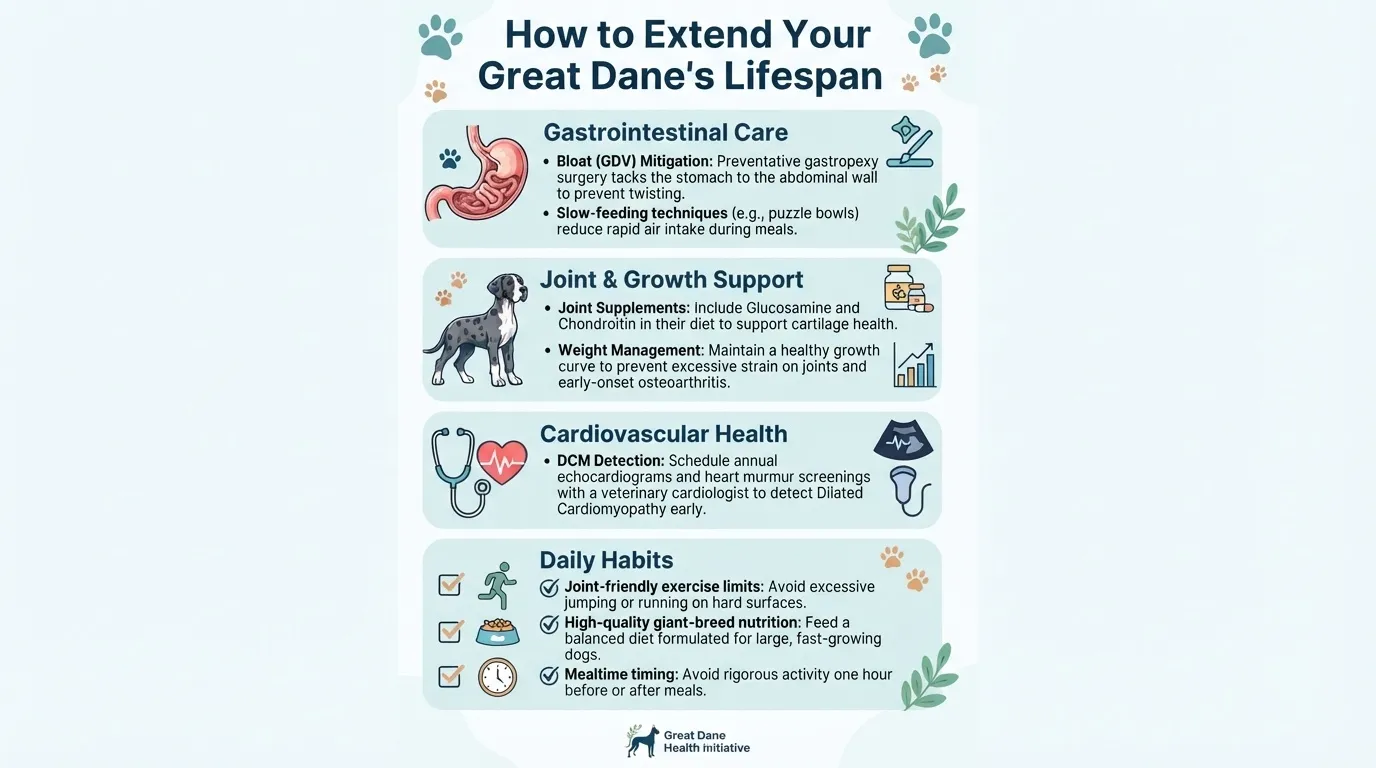
While genetics set the baseline for your Great Dane’s life expectancy, the daily care, medical choices, and lifestyle decisions you make play a massive role in helping them reach their senior years comfortably. Because giant breeds are highly sensitive to developmental and anatomical stresses, targeted preventative care is crucial.
Diet & Nutrition — large-breed puppy formula, controlled growth, portion control
Proper nutrition is the absolute foundation of a Great Dane’s health, starting from the day they come home.
Large-Breed Puppy Formula: Great Dane puppies must never be fed standard puppy kibble. Standard formulas are too high in calcium, phosphorus, and fat, which can trigger explosive, uneven bone growth. They require high-quality, large-breed or giant-breed puppy formulas engineered to support a slow, controlled growth rate.
Controlled Growth Over Maximum Size: It is a dangerous myth that a heavier puppy is a healthier puppy. Keeping your Great Dane lean during their first two years protects their rapidly developing skeleton from structural deformities like hip dysplasia and hypertrophic osteodystrophy (HOD).
Strict Portion Control: Obesity is a major life-shortening factor for giant breeds. Even a few extra pounds put immense pressure on their joints and cardiovascular system. Use a measuring cup for every meal, monitor their body condition score, and ensure you can easily feel (but not see) their ribs, with a clear waistline visible from above.
Preventive Gastropexy Surgery — bloat-prevention procedure
Because Gastric Dilatation-Volvulus (GDV/bloat) is the leading killer of Great Danes, taking preventative surgical action is one of the most effective ways to secure their longevity.
What is a Gastropexy? Often referred to as a “tummy tack,” this is a surgical procedure where the veterinarian physically sutures the stomach wall to the abdominal lining.
How it Saves Lives: While a gastropexy cannot prevent the stomach from filling with gas (bloat), it permanently prevents the stomach from twisting (volvulus). It is the twisting that cuts off blood supply to vital organs, turning bloat into a fatal medical emergency within hours.
Timing: This procedure is most commonly performed at the same time the dog is spayed or neutered (typically between 12 to 18 months of age), saving your dog from undergoing anesthesia twice.
Exercise Guidelines — no running before 2 years, joint-safe activity
Protecting a Great Dane’s joints during their massive growth phase is essential to preventing early-onset, debilitating arthritis.
No Forced Running Before Age 2: You must avoid strenuous, repetitive, or forced high-impact activities (such as running on pavement, agility jumping, or jogging alongside a bicycle) until your Dane is at least 18 to 24 months old. Their growth plates do not fully close until this age, and repetitive high impact can cause permanent skeletal damage.
Joint-Safe Activities: Keep puppy play sessions short and natural. Opt for low-impact exercises like walking on soft surfaces (grass, sand, or dirt), swimming, and controlled mental enrichment games.
Post-Meal Rest: To further reduce the risk of bloat, enforce a strict rule of no vigorous exercise, running, or rough play for 1 hour before and 2 hours after every meal.
Regular Vet Checkups & Bloodwork Schedule
Because giant breeds age rapidly, their medical needs change much faster than smaller dogs. Staying ahead of potential health issues requires a proactive veterinary schedule.
Choosing a Responsible Breeder — health-tested bloodlines
The most critical decision you make for a Great Dane’s lifespan happens before you even bring them home.
Look for Certified Health Clearances: Reputable breeders do not just “vet check” their puppies; they rigorously screen their breeding adult dogs for hereditary diseases before mating. Always ask to see official health clearance certificates from organizations like the Orthopedic Foundation for Animals (OFA) or the Canine Health Information Center (CHIC).
Essential DNA and Physical Screenings: At a minimum, the parents of the litter should be certified clear of hip dysplasia, thyroid disease, eye abnormalities, and cardiac issues (via a veterinary cardiologist).
Avoid “Backyard” Breeders: Avoid breeders who breed solely for fad colors (like crossing two merles) or size extremes without health testing. Investing in a puppy from a responsible, preservationist breeder drastically reduces the odds of your dog suffering from early-onset genetic diseases.
Great Dane vs Other Breeds — Lifespan Comparison
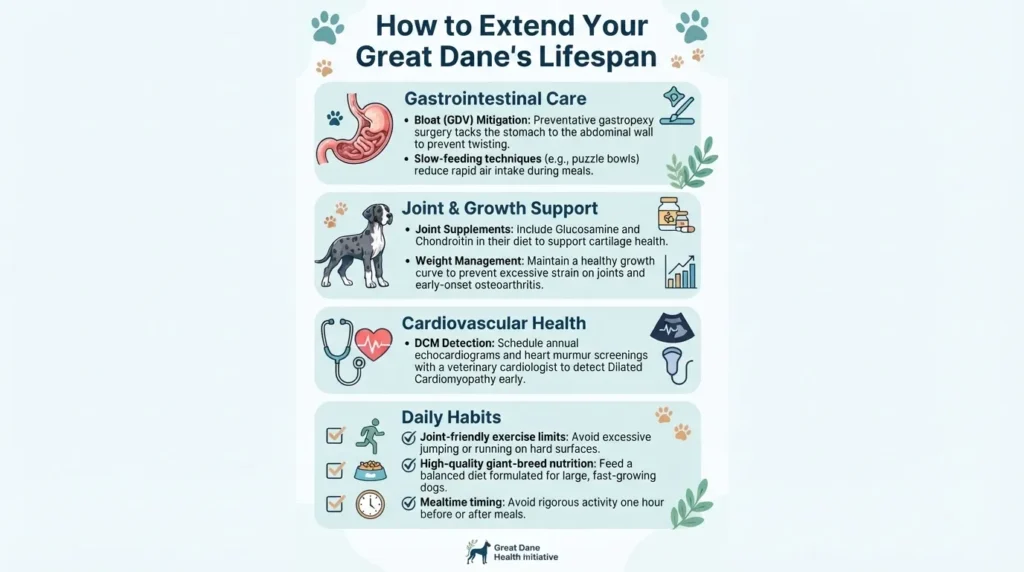
| Life Stage | Frequency | Key Focus Areas |
|---|---|---|
| Puppyhood (0 to 18 Months) | Every 3 to 4 weeks (initially) then semi-annually | Growth tracking, vaccine series, joint development monitoring, and spay/neuter/gastropexy planning. |
| Adulthood (18 Months to 5 Years) | Annual Wellness Exam | Baseline blood panel, heart murmur screening, fecal exam, and heartworm/flea preventative updates. |
| Senior (6+ Years) | Semi-Annual (Every 6 months) | Comprehensive senior blood panels (kidney, liver, thyroid), urinalysis, osteoarthritis mobility checks, and annual cardiac ultrasounds (echocardiograms). |
Puppyhood (0 to 18 Months)
Frequency:
Every 3 to 4 weeks (initially) then semi-annually
Key Focus Areas:
Growth tracking, vaccine series, joint development monitoring, and spay/neuter/gastropexy planning.
Adulthood (18 Months to 5 Years)
Frequency:
Annual Wellness Exam
Key Focus Areas:
Baseline blood panel, heart murmur screening, fecal exam, and heartworm/flea preventative updates.
Senior (6+ Years)
Frequency:
Semi-Annual (Every 6 months)
Key Focus Areas:
Comprehensive senior blood panels (kidney, liver, thyroid), urinalysis, osteoarthritis mobility checks, and annual cardiac ultrasounds (echocardiograms).
What Real Great Dane Owners Experience
| Breed | Size Category | Average Weight | Average Lifespan |
|---|---|---|---|
| Chihuahua | Toy / Small | 2 to 6 lbs | 14 to 16 years |
| Labrador Retriever | Large | 55 to 80 lbs | 10 to 12 years |
| German Shepherd | Large | 50 to 90 lbs | 7 to 10 years |
| Great Dane | Giant | 110 to 175 lbs | 7 to 10 years |
Chihuahua
Size Category:
Toy / Small
Average Weight:
2 to 6 lbs
Average Lifespan:
14 to 16 years
Labrador Retriever
Size Category:
Large
Average Weight:
55 to 80 lbs
Average Lifespan:
10 to 12 years
German Shepherd
Size Category:
Large
Average Weight:
50 to 90 lbs
Average Lifespan:
7 to 10 years
Great Dane
Size Category:
Giant
Average Weight:
110 to 175 lbs
Average Lifespan:
7 to 10 years
Paraphrased insights gathered from long-term giant-breed owner communities.
The Reality of the Lifespan Lottery
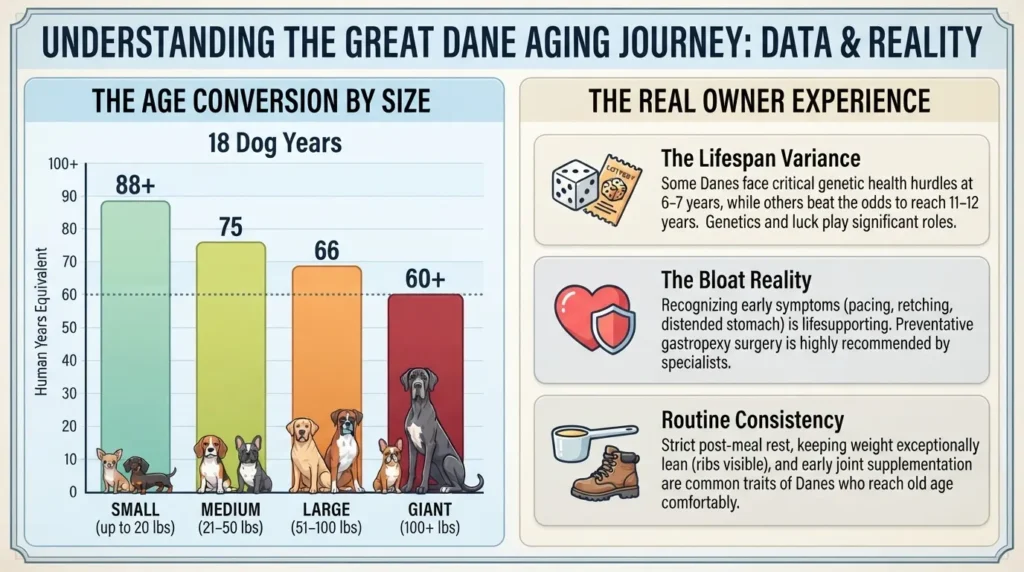
Across forums and breed clubs, owners frequently share highly contrasting timelines. While one family might devastatingly lose their Dane at age 6 or 7 due to sudden cardiac failure or aggressive bone cancer, another owner in the same group might celebrate their dog thriving past age 11. Community consensus heavily emphasizes that while you can control environment and diet, underlying genetics often dictate whether a Dane beats the breed’s statistical averages.
The Reality of Bloat Emergencies
Bloat and stomach twisting (GDV) are incredibly common topics in owner circles. Many experienced handlers share intense stories of rushing their dogs to emergency clinics in the middle of the night, highlighting that knowing the early symptoms—like unproductive retching and pacing—saved their dog’s life. Among owners who chose to get a preventative gastropexy surgery, the prevailing sentiment is one of massive relief, noting it turns a likely fatal crisis into a much more treatable scenario.
The Power of Routine Consistency
If there is one piece of advice echoed continuously by veteran Great Dane owners, it is that absolute consistency in daily habits pays off in their senior years. Owners who strictly enforce post-meal rest periods, keep their dogs at a lean, athletic weight, and start high-quality joint supplements early in adulthood report a visible, positive difference. These disciplined routines are widely credited with keeping these massive dogs mobile, comfortable, and happy well into double digits.
🎲 The Reality of the Lifespan Lottery
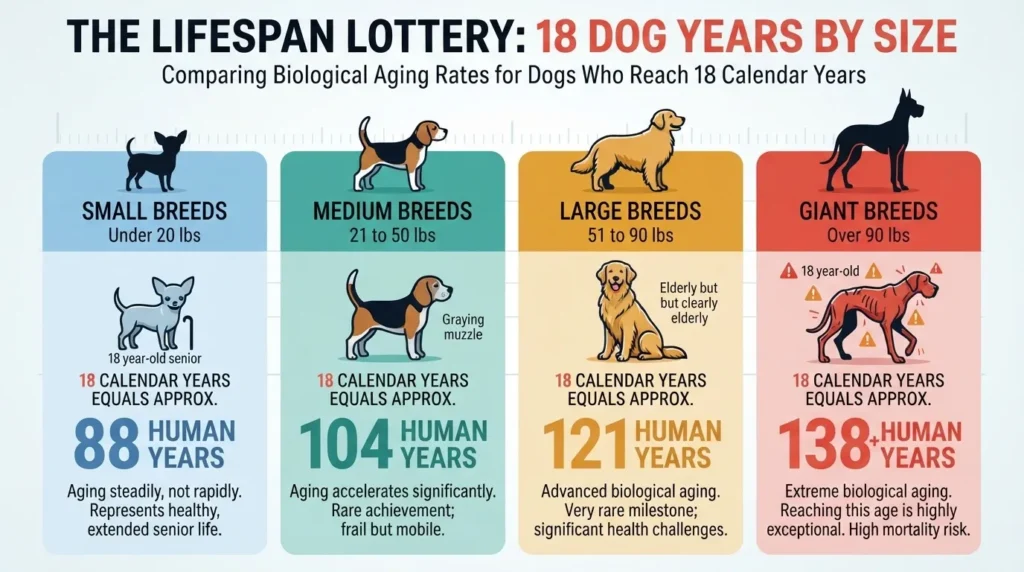
Across forums and breed clubs, owners frequently share highly contrasting timelines. While one family might devastatingly lose their Dane at age 6 or 7 due to sudden cardiac failure or aggressive bone cancer, another owner in the same group might celebrate their dog thriving past age 11. Community consensus heavily emphasizes that while you can control environment and diet, underlying genetics often dictate whether a Dane beats the breed’s statistical averages.
🚨 The Reality of Bloat Emergencies
Bloat and stomach twisting (GDV) are incredibly common topics in owner circles. Many experienced handlers share intense stories of rushing their dogs to emergency clinics in the middle of the night, highlighting that knowing the early symptoms—like unproductive retching and pacing—saved their dog’s life. Among owners who chose to get a preventative gastropexy surgery, the prevailing sentiment is one of massive relief, noting it turns a likely fatal crisis into a much more treatable scenario.
🏃♂️ The Power of Routine Consistency
If there is one piece of advice echoed continuously by veteran Great Dane owners, it is that absolute consistency in daily habits pays off in their senior years. Owners who strictly enforce post-meal rest periods, keep their dogs at a lean, athletic weight, and start high-quality joint supplements early in adulthood report a visible, positive difference. These disciplined routines are widely credited with keeping these massive dogs mobile, comfortable, and happy well into double digits.
Great Dane Age in Human Years — Try Our Free Calculator
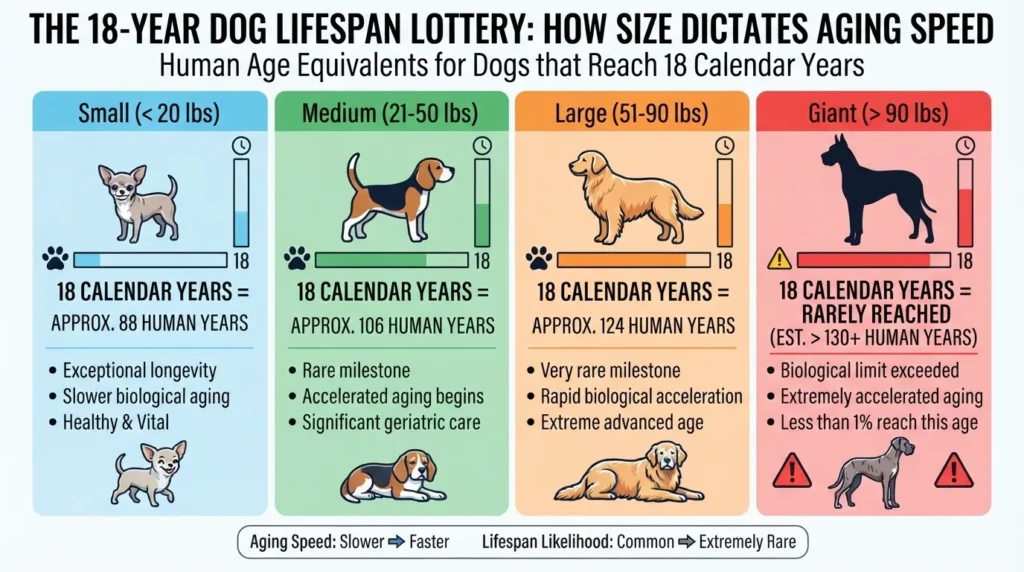
Why the “7-Year Rule” Doesn’t Work for Giant Breeds
For decades, dog owners used the simple rule of thumb that one dog year equals seven human years. However, veterinary science has proven that this math is fundamentally flawed—especially for giant dogs.
Because Great Danes mature rapidly during their first two years and age at an accelerated physiological rate afterward, they age much faster than smaller companions. A 6-year-old Great Dane is not a 42-year-old middle-aged human; biologically, they are closer to a 60-to-65-year-old senior citizen. Using a flat multiplier misses the critical milestones of giant breed development and senior care transitions.
Find Your Companion’s True Biological Age
To accurately track your dog’s aging journey based on modern giant-breed growth metrics, skip the outdated rules and use our specialized calculation tool below.
Frequently Asked Questions
Yes, 8 years old is considered a senior age for a Great Dane. Because giant breeds age much faster than smaller dogs, an 8-year-old Great Dane is in the latter half of their expected lifespan (which typically averages 8 to 10 years). At this stage, they require extra attention regarding joint care, heart health, and overall mobility.
Yes, 10 years old is a very advanced senior age for a Great Dane. Reaching double digits is relatively rare for this breed. A 10-year-old Great Dane is considered a geriatric pet and has beat the typical average lifespan statistics through a combination of excellent genetics, luck, and highly attentive senior care.
Yes, on average, female Great Danes tend to live slightly longer than males, usually by 6 to 12 months. This longevity gap exists primarily because males are physically larger and heavier. Their larger frames put more daily physical stress on their joints, skeleton, and cardiovascular systems over their lifetime.
Yes, on average, female Great Danes tend to live slightly longer than males, usually by 6 to 12 months. This longevity gap exists primarily because males are physically larger and heavier. Their larger frames put more daily physical stress on their joints, skeleton, and cardiovascular systems over their lifetime.
Gastric Dilation-Volvulus (GDV), commonly known as "bloat," is the leading cause of death in Great Danes. Because of their deep, narrow chests, their stomachs can easily trap gas and twist, cutting off blood flow. This is a rapid, life-threatening medical emergency. The second leading cause of death in the breed is cardiac disease, particularly Dilated Cardiomyopathy (DCM).
A Great Dane is officially considered a senior dog by age 6. While smaller breeds don't enter senior status until they are 8 or 9 years old, giant breeds reach their senior years much earlier. By age 6, you should begin discussing a senior wellness plan with your veterinarian, which includes twice-yearly checkups and routine blood work.
🐾 Other Age Guides

Gulfam Haider Mehdi
Founder & Developer
I built Dogagescalculator.com to give dog owners honest, science-backed answers instead of the outdated "×7" myth. Every figure here is checked against AKC, AVMA, and published veterinary research.
More about the author & this site →📌 Featured Guides
how much is a cavalier king charles spaniel
→
how long do red bone coon hounds live
→
what is a border collie australian shepherd mix called
→
can a large dog breed with a small dog
→
Dog Breed Lifespan Chart
→
Home
→
yorkie dog years to human years
→
full grown cane corso size comparison to human
→
How many puppies can an Australian Shepherd have
→
how old should a puppy be to take home
→
Comments