Senior Dog Care: The Complete Vet-Approved Guide to Your Aging Dog's Health & Comfort
The moment your dog officially becomes a “senior” isn’t marked by a single birthday candle. A 70-pound Golden Retriever may start showing subtle joint stiffness and metabolic slowing around age 7, whereas a 12-pound Chihuahua might comfortably maintain middle-aged energy levels well past their 11th year. Because canine aging is fundamentally tied to breed size, genetic predispositions, and cellular metabolic rates, senior care demands a tailored approach rather than a generic calendar date.
This comprehensive guide brings together veterinary standards, breed-specific longevity data, and practical care protocols to support you through every stage of your dog’s golden years. From recognizing early signs of internal aging and tweaking daily nutrition, to managing mobility changes, cognitive shifts, and navigating sensitive end-of-life decisions, you will find clear, actionable answers to keep your dog comfortable, active, and thriving.
When Does a Dog Become a Senior?
Determining when a dog enters their senior years comes down to physiological wear and tear, metabolic shifts, and cellular aging rather than a flat number on a calendar. Larger dogs age faster at a cellular level, burning through their physical baseline years before smaller breeds show any noticeable slowing down. Research into canine epigenetic aging—such as the landmark 2020 UC San Diego DNA methylation study—confirms that a dog’s real biological age scales non-linearly with body weight and breed genetics.
Senior Age by Size — Small, Medium, Large, Giant
Veterinary consensus generally classifies a dog as “senior” when they reach the final 25% to 30% of their estimated breed lifespan. Because a Great Dane’s lifespan differs vastly from a Toy Poodle’s, their transition points into senior health management vary by several years.
Dog Size & Lifespan Chart
Overview of weight ranges, life expectancy, and senior transition ages across dog breed sizes.
| Size Category | Weight Range | Typical Lifespan | Senior Transition Age |
|---|---|---|---|
| Small Breeds (e.g., Chihuahua, Shih Tzu) | Under 20 lbs | 14 – 18 years | 10 – 11 years |
| Medium Breeds (e.g., Beagle, Australian Shepherd) | 21 – 50 lbs | 12 – 15 years | 8 – 9 years |
| Large Breeds (e.g., Labrador Retriever, Boxer) | 51 – 90 lbs | 10 – 12 years | 7 – 8 years |
| Giant Breeds (e.g., Great Dane, Mastiff) | Over 90 lbs | 7 – 10 years | 5 – 6 years |
Calculate Your Dog’s Exact Senior Milestone > Every dog ages at a unique biological rate depending on weight, breed mix, and genetics. To get a precise, vet-reviewed breakdown of your dog’s physiological age and upcoming health care milestones, use our free Dog Age Calculator.
Senior vs. Geriatric Dog: What’s the Difference
While dog owners often use “senior” and “geriatric” interchangeably, veterinary medicine draws a distinct line between these two life stages based on functional independence and overall disease burden.
A senior dog is entering the initial phase of biological aging. They are typically fully capable of maintaining their normal daily routine, but subtle internal changes are already underway—like decreased organ reserve capacity, minor metabolic deceleration, and early cartilage loss. At this stage, care centers on preventive screening, proactive joint support, and baseline lab work to catch organ dysfunction before physical symptoms show up.
A geriatric dog, on the other hand, has reached the final stretch of life where age-related physical or mental declines actively impact daily functioning. Geriatric dogs often manage multiple concurrent conditions, such as stage-2 renal insufficiency coupled with severe osteoarthritis or canine cognitive dysfunction. Care during this stage pivots from long-term prevention to daily management, pain control, mobility assistance, and maintaining dignity and comfort.
Signs of Healthy Aging vs. Signs of Decline
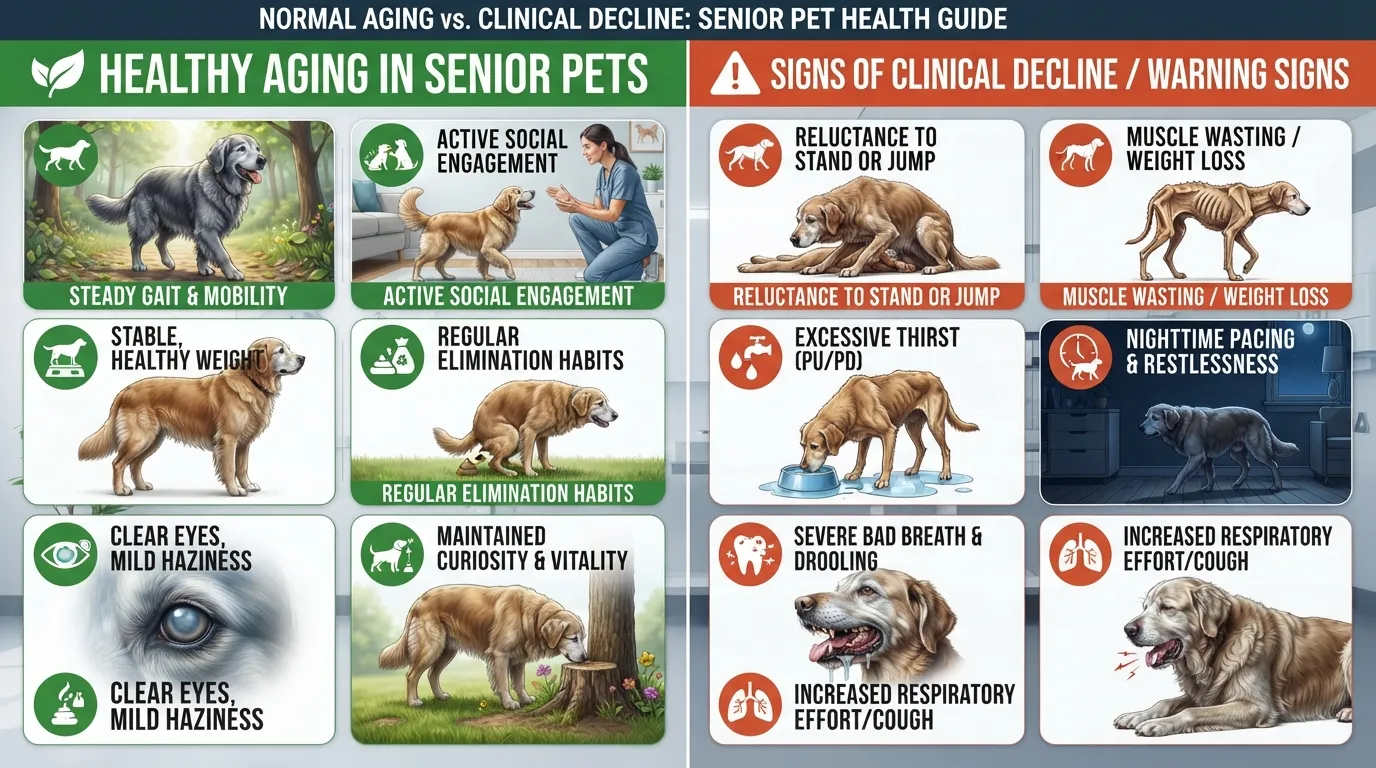
Aging in dogs is inevitable, but suffering and sudden loss of vitality are not. Differentiating between normal, physiological changes and actionable warning signs is key to getting ahead of progressive conditions like osteoarthritis, renal disease, or systemic inflammation.
Signs Your Senior Dog Is Aging Well
A dog that is aging gracefully will naturally slow down, but their basic drive, curiosity, and comfort levels should remain intact. Spotting these positive markers gives you a solid baseline for what “normal” looks like for your aging companion:
Steady, Clear Posture and Gait: While they may take a few extra seconds to stretch out after a long nap, an aging dog who is comfortable moves fluidly without persistent limping, favoring one leg, or showing a roached (arched) back.
Keen Awareness and Social Engagement: Healthy seniors remain attentive to family routines, greet household members with tail wags, and retain their curiosity during outdoor walks, even if those walks are shorter.
Stable Weight and Healthy Appetite: A predictable appetite and consistent body condition score (where you can easily feel, but not prominently see, the ribs without a heavy layer of fat) indicate efficient nutrient absorption and stable metabolic function.
Predictable Elimination Habits: Normal aging does not cause accidents in a previously house-trained dog. Consistent bowel movements and controlled urination show good bladder tone and healthy internal organ performance.
Clear Eyes and Functional Hearing: Cloudiness in the lens (lenticular sclerosis) is a common, non-painful sign of normal eye aging that does not cause blindness. A dog aging well still navigates familiar environments easily and responds reliably to standard visual or vocal cues.
Signs Your Dog May Be Slowing Down (warning signs)
Too often, owners dismiss critical symptoms as “just getting old.” Many of these changes actually stem from manageable pain or early-stage organ disease that demands a targeted veterinary evaluation:
Reluctance to Rise or Jump: Hesitating before climbing stairs, struggling to stand up on slick floors, or avoiding couch jumps often points directly to joint pain or spinal disc degeneration, rather than a lack of energy.
Unexplained Weight Loss or Muscle Wasting: Muscle loss over the hindquarters or along the spine, even if the dog’s overall weight stays stable, can signal protein-losing nephropathies, sarcopenia, or metabolic disorders like Cushing’s disease.
Increased Water Intake and Urination: Drinking significantly more water or filling the water bowl multiple times a day is a classic clinical marker for chronic kidney disease, diabetes mellitus, or uterine infection in unspayed females.
Nighttime Restlessness and Pacing: Wandering aimlessly, panting, vocalizing, or staring at walls during the night frequently signals early Canine Cognitive Dysfunction (CCD) or unmanaged nocturnal pain.
Persistent Bad Breath and Drooling: Severe halitosis, swollen gums, or difficulty chewing food aren’t just cosmetic issues; advanced periodontal disease releases bacteria directly into the bloodstream, putting stress on the heart and kidneys.
Changes in Respiratory Effort: Coughing after exertion, persistent hacking at night, or heavy breathing while resting can be early indicators of mitral valve disease or tracheal collapse.
Common Health Problems in Senior Dogs
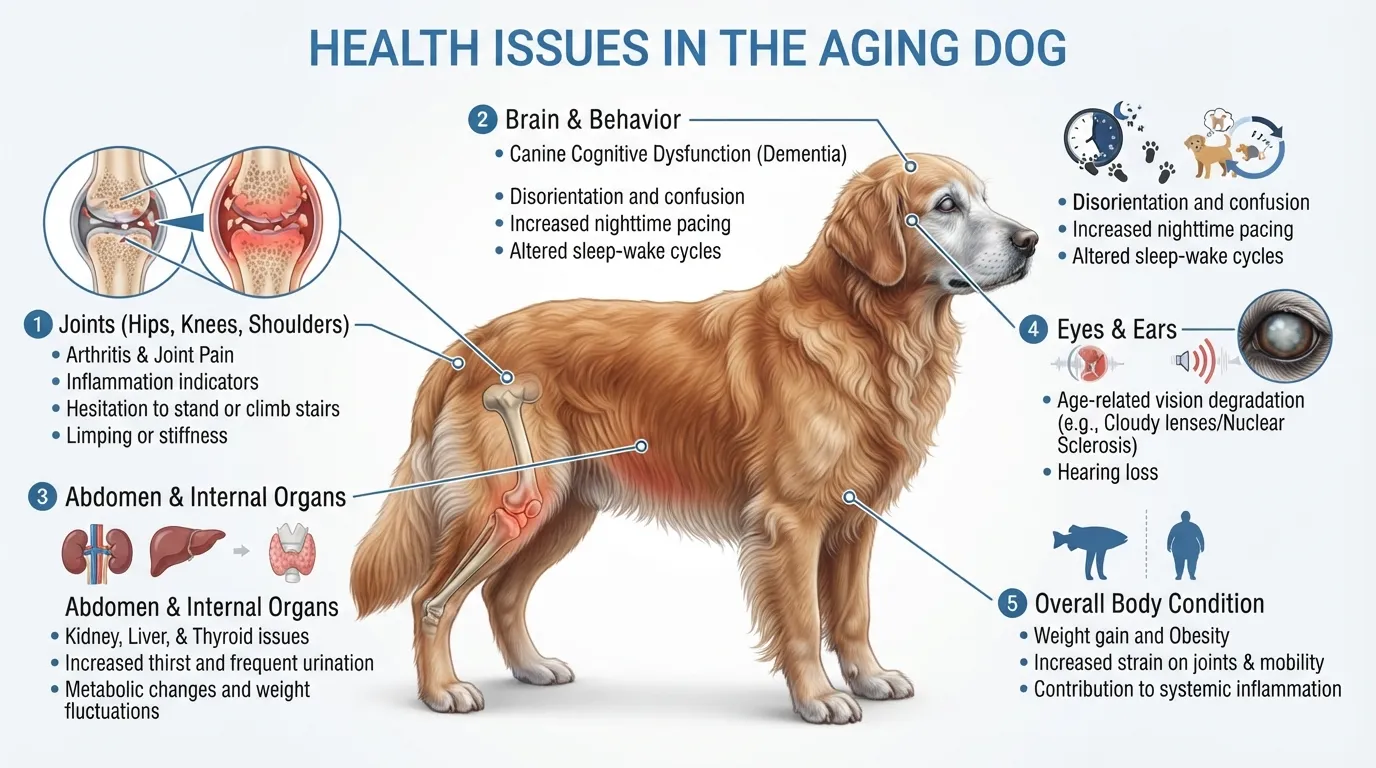
As dogs age, internal physiological wear and structural changes accumulate. While aging itself is not a disease, it drastically lowers a dog’s biological resilience, making them far more susceptible to systemic, neurological, and musculoskeletal health conditions. Catching these common issues during early routine screenings is often the single biggest factor in extending a senior dog’s comfortable lifespan.
Arthritis & Joint Pain
Osteoarthritis affects roughly 80% of dogs over eight years old, making it the leading cause of chronic pain in senior pets. This degenerative condition occurs when the protective articular cartilage within joints—most commonly the hips, knees, shoulders, and elbows—wears down over time, causing painful bone-on-bone friction.
Unlike acute injuries, joint pain in dogs manifests subtly. Early signs include taking longer to stand up after resting, stiffness during cold mornings, hesitation when loading into a car, or licking incessantly over specific joints like the wrists (carpi). Modern multi-modal management combines weight control, non-steroidal anti-inflammatory drugs (NSAIDs) prescribed by a vet, omega-3 fatty acid supplements (specifically EPA and DHA), and injectable disease-modifying osteoarthritis drugs (DMOADs) like polysulfated glycosaminoglycan to slow cartilage breakdown and reduce local inflammation.
Canine Cognitive Dysfunction (Dog Dementia)
Canine Cognitive Dysfunction (CCD) is a progressive neurodegenerative disorder similar to Alzheimer’s disease in humans. Caused by the accumulation of toxic beta-amyloid plaques in brain tissue and reduced cerebral blood flow, CCD affects an estimated 28% of 11- to 12-year-old dogs and up to 68% of dogs by age 15.
Veterinarians use the acronym DISHAA to assess cognitive decline:
Disorientation: Getting trapped behind open doors, staring blankly at walls, or confusing familiar layouts.
Interactions: Becoming unusually clingy, withdrawn, or irritable with family members and other pets.
Sleep-Wake Cycles: Sleeping excessively during the day while pacing, panting, or vocalizing throughout the night.
House-soiling: Forgetting basic house-training and failing to signal when they need to go outside.
Activity Changes: Showing aimless wandering, reduced interest in play, or repetitive pacing patterns.
Anxiety: Developing new phobias, heightened separation anxiety, or general restlessness in normal settings.
While CCD cannot be cured, early intervention using targeted antioxidants, medium-chain triglyceride (MCT) oils, prescription veterinary diets designed for cognitive support, and medications like selegiline can significantly slow its progression.
Kidney, Liver & Thyroid Issues
Internal organ function often degrades as cellular turnover slows down in senior dogs, with metabolic and endocrine conditions becoming much more frequent.
Chronic Kidney Disease (CKD): Functional nephrons within the kidneys gradually lose their filtering ability. By the time elevated blood urea nitrogen (BUN) and creatinine appear on standard blood panels, roughly 75% of kidney function has already been lost. Early detection relies on routine symmetric dimethylarginine (SDMA) blood screening and urine specific gravity tests. Managing CKD requires controlled-phosphorus diets, therapeutic hydration support, and medication to manage blood pressure.
Liver Disease: Chronic hepatitis, hepatic lipidosis, and copper storage conditions are common in older dogs. Symptoms like jaundice, fluid accumulation in the abdomen (ascites), lethargy, and vomiting warrant immediate blood chemistry panels (checking ALT, AST, and ALP liver enzymes) and abdominal ultrasounds.
Endocrine Dysfunction: Hypothyroidism (underactive thyroid) is extremely common in older dogs, causing unexplained weight gain, bilateral hair loss, lethargy, and cold intolerance. Conversely, conditions like Cushing’s disease (hyperadrenocorticism) produce excessive cortisol, leading to a pot-bellied appearance, excessive thirst, and frequent urinary tract infections.
Vision & Hearing Loss
Sensory decline is a predictable part of canine aging, but distinguishing benign age-related changes from painful underlying eye or ear conditions is essential.
Lenticular Sclerosis vs. Cataracts: Many owners mistake lenticular (nuclear) sclerosis for cataracts. Lenticular sclerosis causes a bluish, hazy cloudiness in both lenses as fibers compress with age, but light still penetrates, and vision remains functional. Cataracts, by contrast, appear as opaque, milky-white spots that block light, eventually causing complete blindness and potential secondary intraocular inflammation or glaucoma.
Acquired Hearing Loss: Gradual degeneration of nerve fibers in the inner ear causes age-related deafness (presbycusis). Dogs with hearing loss may sleep through household noise, startle easily when touched from behind, or stop responding to verbal commands. Training hand signals, utilizing gentle vibration collars for recall, and avoiding sudden approaches prevent accidental fear-based responses.
Weight Gain & Obesity
A declining metabolic rate combined with reduced daily physical activity puts senior dogs at elevated risk for middle-aged weight gain. Excess weight creates a destructive feedback loop: carrying extra pounds puts severe mechanical stress on arthritic joints, which causes pain, leading to even less physical movement and further weight gain.
Adipose (fat) tissue is not inert—it secretes pro-inflammatory cytokines that exacerbate systemic inflammation throughout the body. Losing just 6% to 8% of body weight can dramatically improve mobility and reduce pain scores in arthritic dogs. Managing senior weight requires transitioning to high-protein, calorie-controlled senior diets that preserve lean muscle mass while reducing overall caloric density.
Vet Care Checklist for Aging Dogs
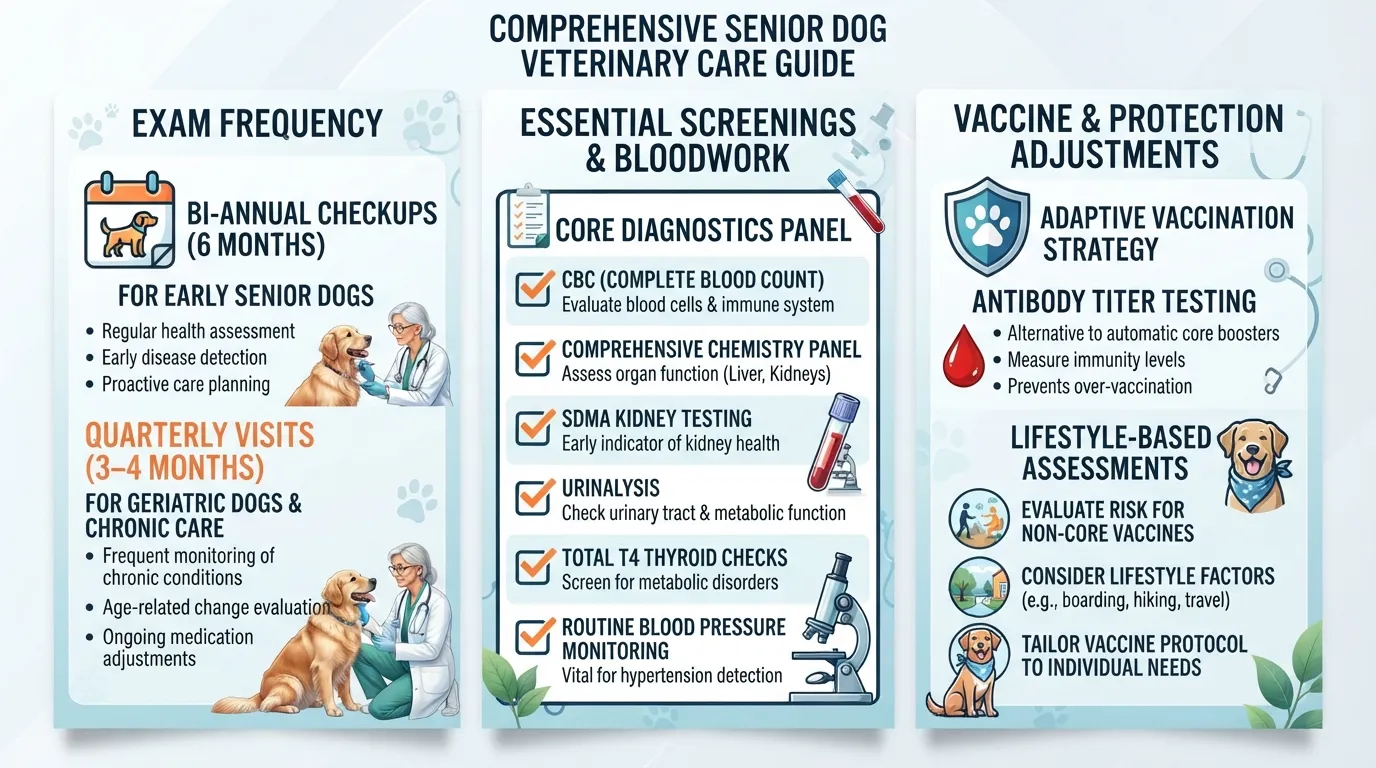
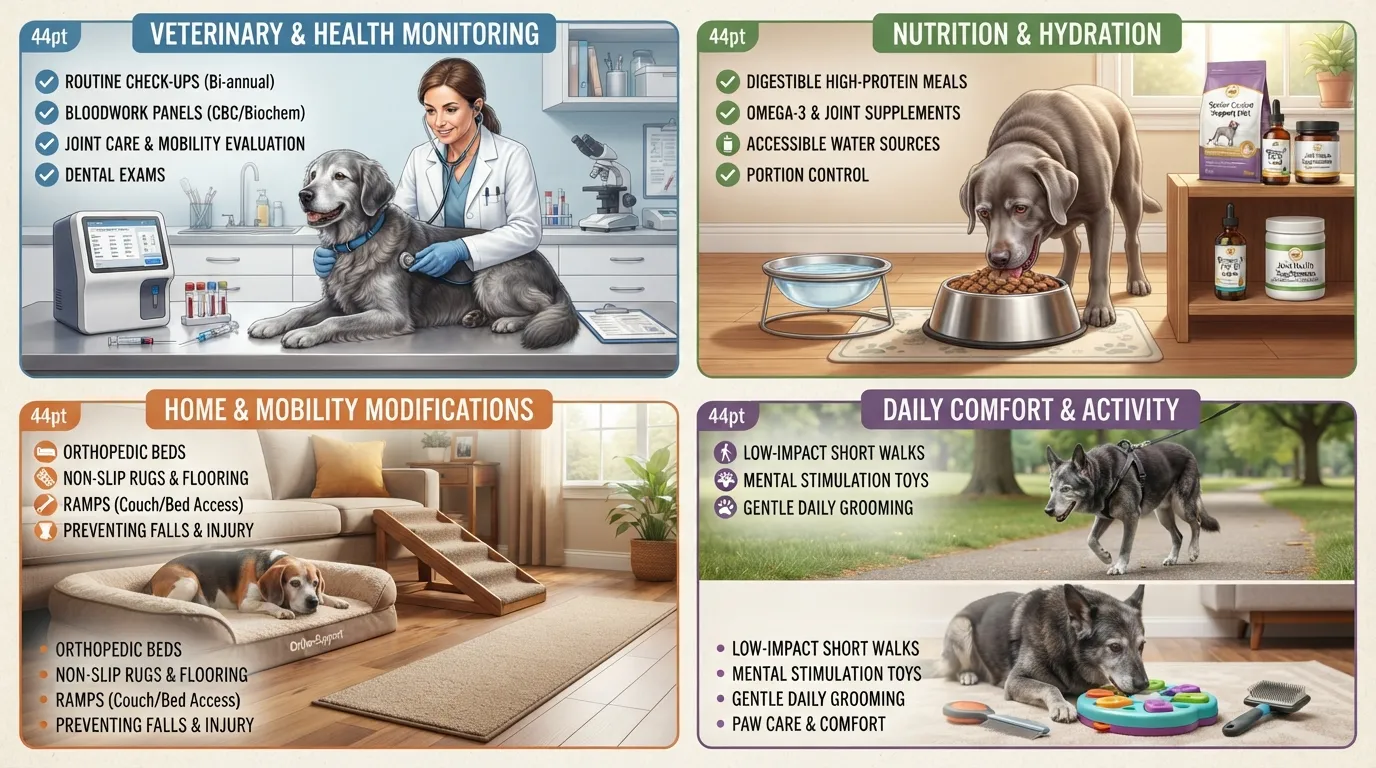
Preventive care becomes the cornerstone of your dog’s health as they enter their senior years. Because dogs age significantly faster than humans, health conditions can develop and progress rapidly over just a few months. Moving from reactive care to proactive, routine screening allows your veterinarian to spot subtle organ changes and joint degradation long before your dog shows outward signs of distress.
How Often to See the Vet (by senior stage)
While young adult dogs typically visit the vet once a year, senior and geriatric dogs require a tighter checkup schedule to catch age-related shifts early.
Early Senior Stage (Every 6 Months): Once your dog reaches their breed’s senior milestone, transition from annual checkups to biannual (twice-yearly) visits. A six-month gap for a senior dog equals roughly two to three years in human biological aging. These visits focus on tracking weight trends, evaluating baseline mobility, listening for heart murmurs, and establishing normal bloodwork baselines.
Geriatric Stage (Every 3 to 4 Months): For dogs dealing with multiple chronic conditions, advanced mobility issues, or stage-2+ organ insufficiency, visits should occur every three to four months. These frequent touchpoints allow your vet to adjust pain medication dosages, evaluate hydration status, fine-tune prescription diets, and proactively manage quality-of-life concerns.
Routine Bloodwork & Screenings
Comprehensive lab work gives your veterinarian an accurate look inside your dog’s organ systems. Establishing a baseline while your dog is still feeling healthy makes it far easier to spot trouble early.
Complete Blood Count (CBC): Measures red blood cells, white blood cells, and platelets to check for hidden anemia, underlying systemic infection, or bone marrow disorders.
Full Biochemistry Panel: Evaluates kidney values (BUN and Creatinine) and liver enzymes (ALT, AST, ALP). It also measures blood glucose levels to screen for diabetes, as well as electrolytes (sodium, potassium, phosphorus) to ensure metabolic balance.
Symmetric Dimethylarginine (SDMA) Test: A critical renal biomarker that detects kidney impairment when as little as 25% to 40% of kidney function has been lost—months or even years before traditional creatinine testing catches it.
Urinalysis with Protein-to-Creatinine Ratio (UPCR): Evaluates urine concentration (specific gravity) to test kidney filtering ability and screens for silent urinary tract infections, microscopic blood, or protein loss in the urine.
Total T4 Thyroid Screening: Measures circulating thyroid hormone levels to detect hypothyroidism early, preventing unnecessary weight gain, lethargy, and skin issues.
Baseline Blood Pressure Monitoring: Essential for older dogs, as hypertension (high blood pressure) is a silent killer that damages kidney function, retinal tissue, and cardiovascular stability.
Vaccine Adjustments for Older Dogs
As dogs age, their immune systems undergo immunosenescence—a natural decline in immune responsiveness. However, this does not mean senior dogs automatically need endless yearly booster shots, nor does it mean they should stop protection entirely.
Veterinary protocol for senior dogs prioritizes individualized risk assessment based on lifestyle, local disease prevalence, and overall health status:
Titer Testing Over Automatic Boosters: Instead of automatically administering core vaccines (Distemper, Parvovirus, Adenovirus) every three years, ask your vet for a vaccine antibody titer test. This simple blood test measures your dog’s existing antibody levels. If titers show strong immune memory, your dog does not need a core vaccine booster at that time.
Mandatory Vaccines: Rabies vaccination remains legally required in most regions regardless of age or health status. If a senior dog has severe, documented end-stage illness, your veterinarian may issue a medical exemption waiver depending on local state or municipal laws.
Lifestyle-Based Non-Core Vaccines: Protection against non-core diseases—such as Bordetella, Lyme disease, and Leptospirosis—should be evaluated based on actual exposure risk. A low-energy senior dog who stays in a private backyard no longer needs the same vaccine coverage as a young dog frequently attending public dog parks or commercial boarding kennels.
Feeding Your Senior Dog

As your dog ages, their cellular metabolism slows down, muscle mass naturally declines, and nutrient absorption efficiency changes. Feeding a senior dog isn’t just about reducing calories—it requires adjusting macronutrient ratios, digestive support, and targeted nutrients to protect vital organ function and maintain lean muscle.
Choosing a Senior Dog Food
The myth that all senior dogs need a low-protein diet has been thoroughly disproven by modern veterinary nutrition research. Unless a dog has advanced, late-stage kidney disease that requires dietary protein restriction, senior dogs actually need higher quality, highly digestible protein (28% to 32% on a dry matter basis) to combat sarcopenia—the natural age-related loss of muscle mass.
When evaluating senior dog food formulations, prioritize these key dietary adjustments:
Controlled Caloric Density: Energy needs drop by roughly 20% in older dogs due to a slower resting metabolic rate and reduced daily activity. Senior foods achieve this by lowering overall fat percentages while maintaining satiety with higher fiber content.
Fiber and Prebiotic Support: Increased soluble and insoluble fiber (such as beet pulp or pumpkin) supports gut motility, helps manage constipation, and feeds beneficial gut microflora to maintain healthy stool quality.
Moderate Phosphorus and Sodium: Lower levels of phosphorus reduce stress on aging nephrons in the kidneys, while controlled sodium protects blood pressure and cardiovascular health.
MCTs for Brain Health: Formulations incorporating medium-chain triglycerides (MCT oils) provide an alternative energy source for aging brain cells, helping to maintain cognitive sharpness.
Hydration & Water Monitoring
Maintaining optimal hydration becomes significantly harder for older dogs. The sensation of thirst naturally declines with age, and aging kidneys lose their ability to concentrate urine efficiently, meaning senior dogs lose water at a faster rate than younger pets.
To keep a senior dog properly hydrated, integrate these practical strategies into their daily routine:
Track Daily Intake: Measure how much water you put into their bowl each morning. A baseline requirement is roughly 1 ounce of water per pound of body weight daily. A sudden spike in water consumption (polydipsia) can be an early sign of renal decline, diabetes, or Cushing’s disease.
Add Moisture to Meals: Mix warm water, bone broth (unsalted, with no onions or garlic), or wet canned food into dry kibble. This increases overall daily fluid intake while making food softer and easier to chew for dogs with dental sensitivity.
Improve Water Accessibility: Place multiple wide, non-slip water bowls around the house so your dog doesn’t have to walk far or navigate stairs on stiff joints to get a drink.
Helpful Supplements (glucosamine, chondroitin, omega-3)
While commercial senior diets contain baseline amounts of joint and organ support, therapeutic levels usually require targeted supplementation. Always introduce one supplement at a time under your vet’s guidance to monitor for gastrointestinal tolerance.
Glucosamine and Chondroitin Sulfate: These building blocks of cartilage work synergistically to support joint fluid lubrication and slow down cartilage degradation in arthritic joints. Look for products using purified glucosamine hydrochloride combined with low-molecular-weight chondroitin for optimal intestinal absorption.
Omega-3 Fatty Acids (EPA and DHA): High-dose Marine-derived Omega-3s (from fish or green-lipped mussel oil) act as potent systemic anti-inflammatories. Eicosapentaenoic acid (EPA) directly inhibits the enzymes that break down cartilage, while docosahexaenoic acid (DHA) supports cognitive cellular membranes. Note: Plant-based sources like flaxseed (ALA) are poorly converted by dogs and offer minimal joint benefit.
Coenzyme Q10 (CoQ10) & Antioxidants: Ubiquinol (the active form of CoQ10), Vitamin E, and Vitamin C neutralize free radicals, mitigating systemic oxidative stress and supporting cardiac cellular energy in aging heart muscle.
Exercise for Senior Dogs
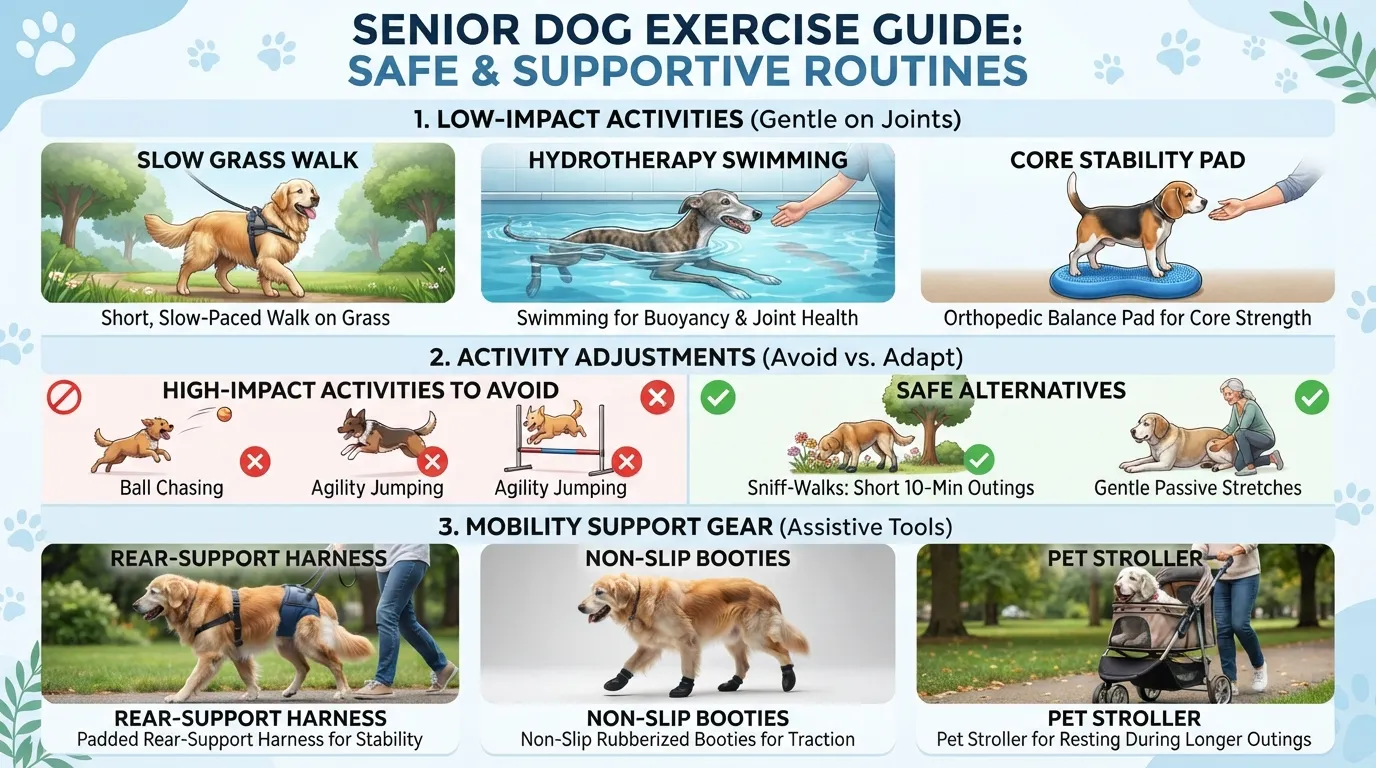
Physical activity remains essential for senior dogs, but the goal shifts from burning off high energy to maintaining joint mobility, preserving lean muscle mass, and supporting cardiovascular health. Inactivity creates a dangerous cycle: as an aging dog moves less, their muscles atrophy and joints stiffen, making future movement even more painful. The key is consistent, low-impact exercise tailored to their current physical capacity.
Safe Low-Impact Activities (short walks, swimming)
High-impact games like frantic fetch, sharp turns, or agility jumping put excessive strain on aging joints, ligaments, and spines. Replacing these with controlled, low-impact activities keeps your dog active without triggering post-exercise inflammation.
Controlled, Frequent Short Walks: Trade one long 45-minute daily trek for two or three 10- to 15-minute sniff-walks on flat, soft terrain (grass or dirt trails rather than hard asphalt). Allowing your senior dog to set the pace and spend time sniffing provides mental enrichment that is just as tiring and satisfying as physical exertion.
Hydrotherapy and Hydro-Walking: Swimming is one of the best exercises for arthritic seniors because water provides buoyancy, taking up to 90% of their body weight off painful joints while providing gentle muscular resistance. Heated underwater treadmills at canine rehabilitation clinics allow precise control over water depth and belt speed, building hind-limb strength in a safe, thermal-supported environment.
Gentle Balance Work: Using low-profile balance pads or soft foam cushions at home helps target core stability and proprioception (your dog’s spatial awareness of where their paws are). Having your dog stand on an unstable surface for 30 to 60 seconds builds micro-muscles around the spine and hips.
Adjusting Exercise as Mobility Declines
Mobility needs change gradually, and a exercise routine that worked six months ago may become too taxing as osteoarthritis or spinal degeneration progresses. Modifying your approach ensures your dog stays mobile without pushing through pain.
Recognize Post-Exercise Soreness: Watch how your dog behaves after activity, not just during it. If your dog willingly walks for 20 minutes but struggles to stand up that evening, hesitates on stairs the next morning, or licks their wrists constantly, the exercise session was too intense and needs to be shortened.
Warm-Up and Cool-Down Routines: Never take a stiff senior dog directly from a deep sleep out on a walk. Spend two minutes doing gentle passive range-of-motion (PROM) stretches on their legs while they are lying down, or apply a warm towel to stiff hips before heading out the door.
Utilize Mobility Assistive Gear: Incorporating supportive gear allows dogs with declining hind-end strength to continue enjoying outdoor outings safely:
Padded Rear-Lifting Harnesses: Provides gentle support under the pelvis to help your dog stand up, navigate steps, or negotiate curbs without straining their back.
Booties with Rubberized Grips: Prevents slipping on slick hardwood or tile floors, giving senior dogs the traction they need to rise confidently without slipping and causing soft-tissue tears.
Pet Strollers or Wagons: Allows you to take your senior on longer neighborhood outings. They can walk for the first 5 minutes, ride comfortably when they get tired, and still enjoy fresh air and mental stimulation.
Home Modifications & Senior Dog Essentials
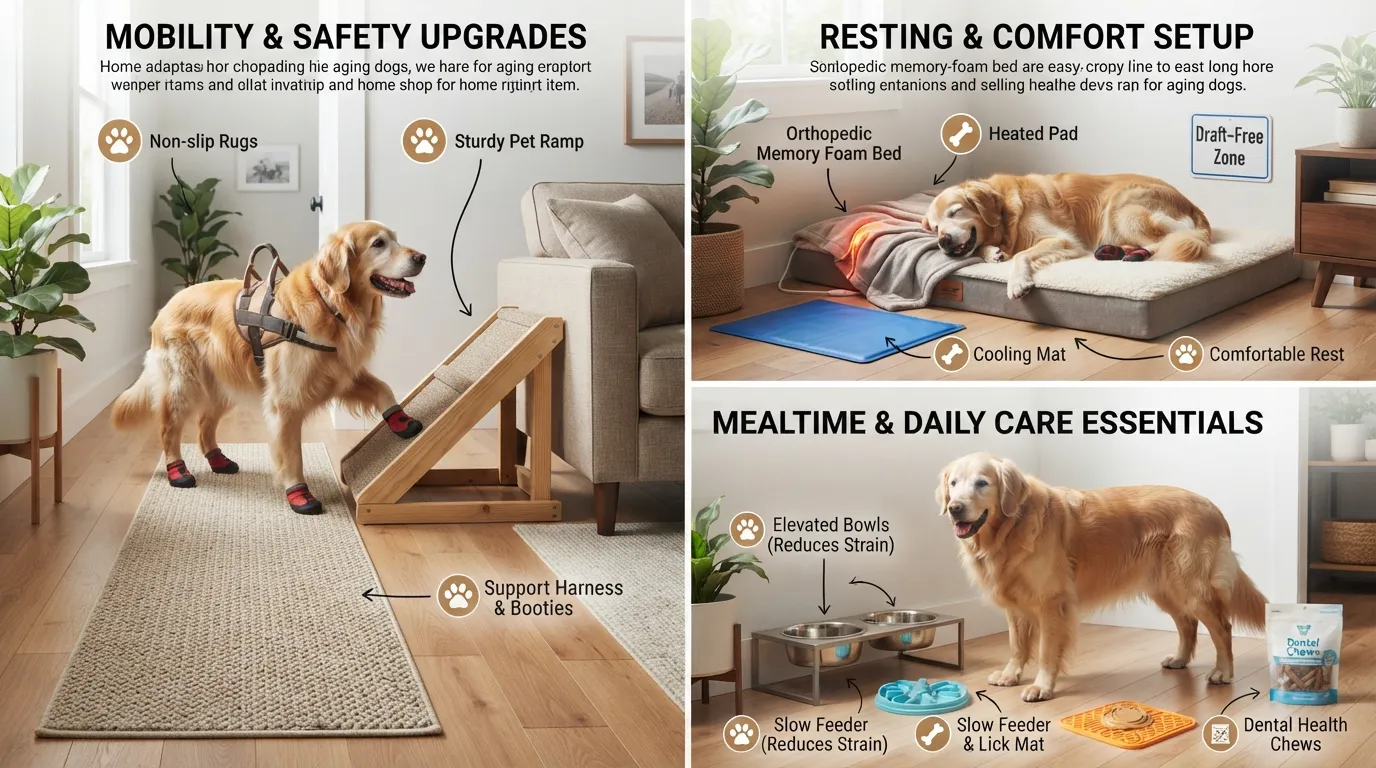
Non-Slip Rugs and Runners: Placing rubber-backed runners or yoga mats along hardwood, laminate, or tile pathways prevents slipping, reduces fear of falling, and takes the physical strain off weakening joints when rising or walking.
Dog Ramps and Steps: Installing gentle-incline ramps or wide, shallow pet stairs near couches, beds, or car entryways eliminates high-impact jumping that can cause spinal compression or joint micro-tears.
Orthopedic Beds: Upgrading to high-density, medical-grade memory foam beds supports sore joints and prevents painful pressure sores over bony prominences like hips and elbows.
Elevated Food and Water Bowls: Raising bowls slightly off the floor—roughly to elbow height—allows your senior dog to eat and drink without straining an arthritic neck or placing excess weight on stiff front limbs.
Temperature Control: Senior dogs lose their ability to efficiently regulate body temperature (thermoregulation). Keep indoor environments stable using orthopedic heated pads or sweaters during cold months, and cooling mats or air conditioning during hot spells to prevent heat stress.
Key Product Categories for Senior Comfort
Mobility Aids: Rear-support harnesses, full-body lift suits, non-skid booties, and specialized dog wheelchairs empower dogs with advanced hind-limb weakness to maintain independence and safely join family activities.
Slow Feeders & Lick Mats: Textured lick mats and puzzle slow-feeders serve a dual purpose for aging dogs—they slow down meal pacing to ease digestion and offer low-impact mental enrichment that releases calming endorphins.
Dental Chews & Oral Care: Soft, senior-formulated dental chews, enzymatic toothpastes, and water additives help reduce plaque buildup and combat periodontal disease without risking fractures on fragile, aging teeth. (Note: Joint and brain-support supplements are detailed in the Feeding Your Senior Dog section above).
Caring for a Senior Dog with Dementia
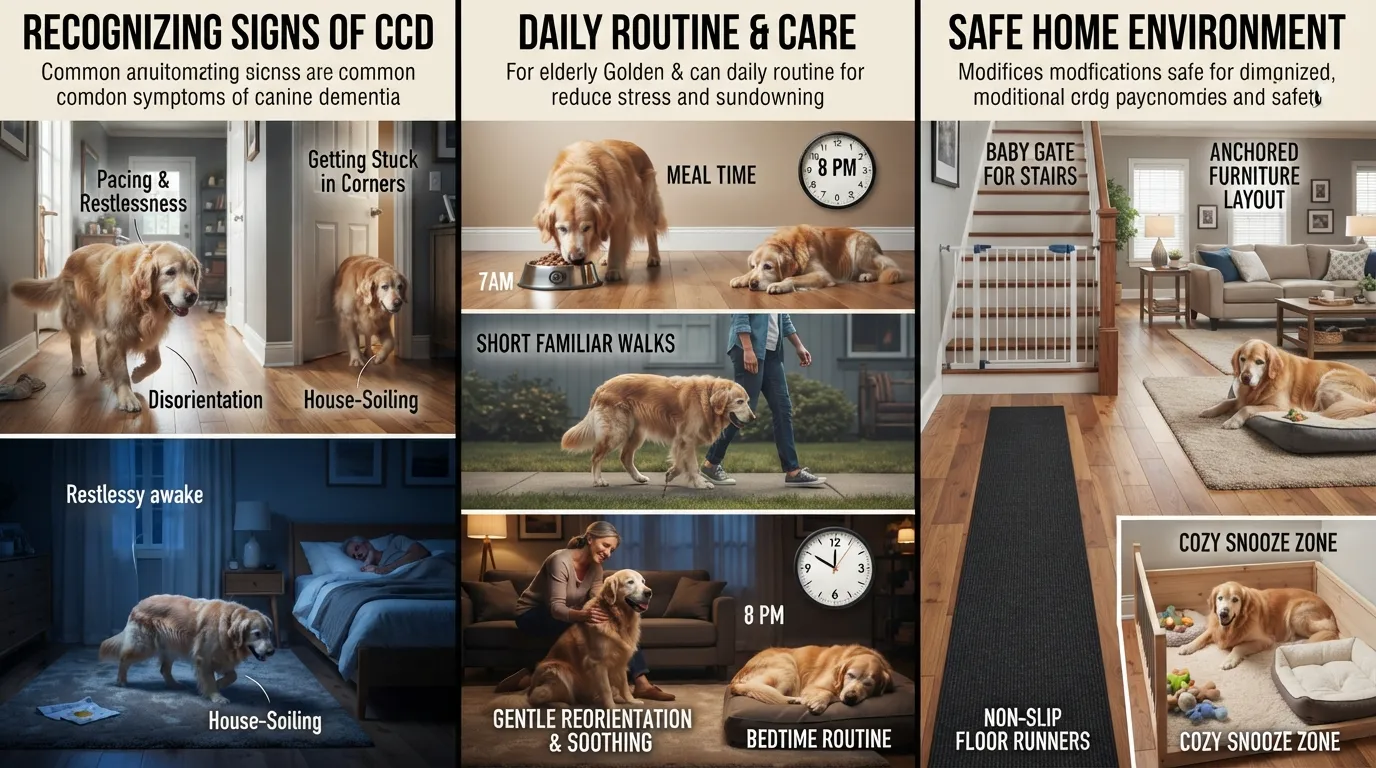
Navigating Canine Cognitive Dysfunction (CCD) requires a shift from traditional training to compassionate management. As neurodegenerative changes alter your dog’s spatial awareness, memory, and perception of time, creating a structured, low-stress environment is the single most effective way to ease their confusion and reduce anxiety.
Spotting the Signs of Canine Dementia
Cognitive decline often starts with subtle behavioral shifts that gradually become more pronounced over time:
Pacing and Aimless Wandering: Walking in repetitive circles, following walls, or pacing back and forth along hallways without a clear destination.
Spatial Disorientation: Getting stuck behind open doors, standing at the hinge side of a door instead of the opening, or staring blankly into corners and walls.
Disrupted Sleep-Wake Cycles: Sleeping deeply during daylight hours but waking up at night to pace, pant, whine, or bark (frequently referred to as “sundowning”).
Loss of House-Training: Accidents in the house without prior signaling, often occurring shortly after coming back inside from an outdoor break.
Changes in Social Engagement: Uncharacteristic withdrawal from family interactions, or conversely, developing intense, sudden separation anxiety and clinginess.
Daily Routine Tips to Reduce Anxiety
Dogs with dementia rely heavily on predictable daily patterns to feel secure when their internal mental map begins to fade.
Strict, Unvarying Schedules: Keep meal times, potty breaks, medication administration, and bedtime at the exact same times every day. Predictability lowers cortisol levels and minimizes confusion.
Calming Nighttime Rituals: Combat sundowning by establishing a relaxing evening routine. Use dim lighting, white noise machines or soft classical music to mask night sounds, and consider vet-approved calming supplements like L-theanine or melatonin before bed.
Keep Outings Short and Familiar: Stick to the same short walking routes around your neighborhood. Introducing new, high-stimulation environments can trigger panic or acute disorientation in a dog with advanced CCD.
Gentle Reorientation: If your dog gets stuck in a corner or starts pacing frantically, avoid shouting or grabbing them suddenly. Approach slowly, speak in a low, soothing tone, and gently guide them back to their bed or a safe space.
Safe Environment & Confusion-Reduction Setup
Adapting your living space prevents physical injury and helps your dog navigate the home with confidence, even as their spatial memory declines.
Maintain Furniture Layouts: Avoid moving couches, dog beds, or food bowls. A dog with dementia relies on muscle memory and environmental cues; shifting furniture can completely disrupt their internal map and cause severe distress.
Block Off Hazard Zones: Secure top and bottom staircase landings with sturdy baby gates. Block narrow gaps between furniture where a disoriented dog could wander in and become trapped.
Use Tactile and Visual Cues: Place distinct textured rugs near doorways, water bowls, or food stations. A change underfoot (e.g., moving from smooth hardwood to a textured runner) alerts a memory-impaired dog that they are approaching an important location.
Create a Safe “Snooze Zone”: Set up an enclosed, padded playpen or padded corner with their favorite orthopedic bed, a soft blanket, and an item of your unwashed clothing. This provides a cozy, secure sanctuary where they can rest without wandering into trouble when unsupervised.
Dental & Grooming Care for Older Dogs
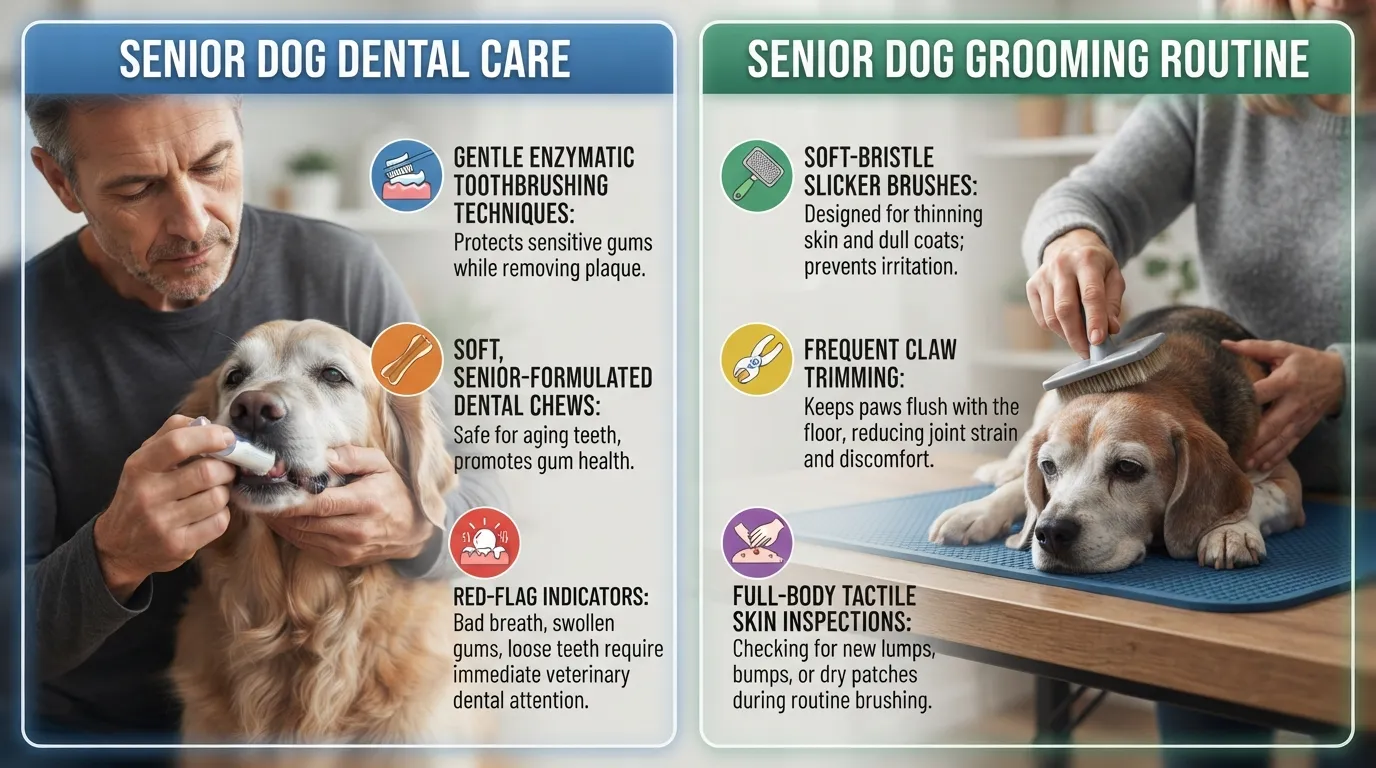
Maintaining dental hygiene and skin health is far more than a cosmetic concern for senior dogs—it is a critical component of systemic health management. As a dog’s immune system naturally wanes with age, infections originating in the mouth or skin can rapidly spread to vital organs, while neglected coats can hide painful underlying conditions.
Dental Disease Risks & Oral Care
Periodontal disease affects up to 80% of dogs over the age of three, but in senior dogs, severe dental disease carries heavy systemic consequences. Years of plaque build-up harden into tartar, creating a breeding ground for anaerobic bacteria under the gumline. This chronic inflammation (gingivitis and periodontitis) erodes bone structure, leading to loose teeth, painful root abscesses, and deep oral discomfort.
Crucially, the bacteria thriving in inflamed gums frequently enter the bloodstream (bacteremia). Over time, this circulating bacteria places chronic inflammatory stress on the heart valves, kidneys, and liver, accelerating organ damage.
Gentle Daily Brushing: Brush your dog’s teeth daily using a soft-bristled finger brush and veterinary-formulated, enzymatic toothpaste (never human toothpaste, which contains toxic ingredients like xylitol or high sodium).
Adapting Dental Chews: Switch to softer, senior-formulated dental chews. Avoid hard bones, antlers, or nylon chews, which can easily fracture brittle, aging teeth.
Veterinary Dental Cleanings: Routine professional dental cleanings under anesthesia remain the gold standard. While owners often worry about anesthesia in older dogs, modern veterinary protocols—including pre-anesthetic blood panels, IV fluids, and tailored monitoring—make procedure risks manageable compared to the constant pain and systemic danger of untreated severe oral infection.
Senior Grooming Routines & Coat Care
A senior dog’s coat and skin undergo noticeable changes: skin becomes thinner, less elastic, and drier, while coats often grow sparse or dull due to metabolic shifts. Adaptation to your grooming routine helps keep your dog comfortable while protecting delicate skin.
Frequent, Low-Pressure Brushing: Use a soft slicker brush or rubber curry brush rather than harsh metal deshedding tools. Gentle daily brushing stimulates natural skin oil production, improves local circulation, and prevents painful mats that drag on sensitive skin.
Moisturizing Bath Protocols: Wash senior dogs with warm water in a tub lined with a non-slip rubber mat. Use soap-free, oatmeal-based, or hypoallergenic moisturizing shampoos to avoid stripping the skin’s protective lipid barrier. Ensure your dog is dried thoroughly in a warm room, as older dogs struggle to regulate body temperature when damp.
Routine Body Inspections: Grooming sessions double as crucial health checks. Slowly run your hands over your dog’s entire body to feel for new lumps, bumps, skin tags, or fatty tumors (lipomas). Any newly discovered mass should be noted and evaluated by your vet via fine-needle aspiration.
Nail Trimming & Paw Care: Senior nails grow fast and wear down slowly due to lower activity levels. Overgrown nails alter the angle at which the paw strikes the floor, shifting weight back onto arthritic joints and worsening mobility pain. Trim or dremel nails every two to three weeks, keeping them flush with the paw pad, and check for dry, cracked pads that require pet-safe balms.
Mental Stimulation & Emotional Wellbeing
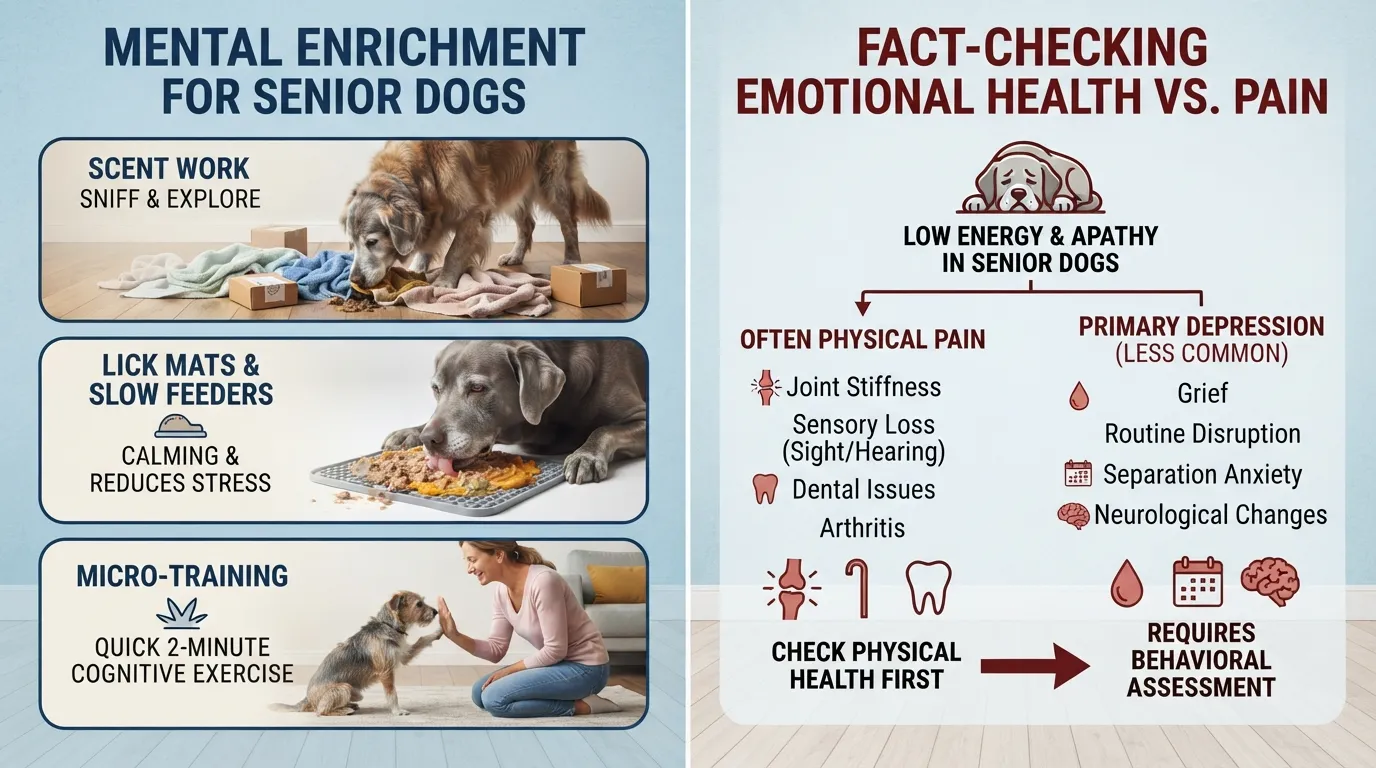
Physical slowing doesn’t mean a dog’s mind stops needing work. In fact, providing structured mental engagement is just as vital as physical care for senior dogs. Cognitive enrichment builds brain resilience, reduces anxiety, helps buffer against age-related cognitive decline, and releases endorphins that keep older dogs emotionally grounded and content.
Concrete Enrichment Ideas for Senior Dogs
When high-intensity fetch or long runs are no longer options, interactive brain games allow senior dogs to tire themselves out safely without placing stress on arthritic joints or fragile backs.
Scent Games and “Sniffaris”: A dog’s sense of smell remains remarkably sharp even as vision and hearing fade. Hide strong-smelling, low-calorie treats around the living room under cardboard boxes or folded towels, encouraging your dog to hunt using their nose. On walks, let your dog set the pace for a “sniffari”—a slow-paced walk where the primary goal is sniffing trees, hydrants, and grass patches rather than covering distance.
Low-Impact Puzzle Feeders and Lick Mats: Ditch standard food bowls and serve meals in soft rubber puzzle toys, snuffle mats, or textured lick mats spread with wet food, plain Greek yogurt, or pumpkin purée. Licking and foraging release soothing neurotransmitters like dopamine, which naturally lowers stress levels and keeps senior dogs calmly occupied.
Short, Adaptive Micro-Training: Old dogs can—and should—learn new things. Keep training sessions brief (2 to 3 minutes max) and entirely low-impact. Teach simple hand-target tricks (touching their nose to your palm), gentle paw shakes, or subtle eye-contact cues. Training provides rich social connection and reinforces their sense of purpose within the household.
Fact-Checking Common Mental Health Statistics
You may occasionally see alarming viral claims online—such as stats asserting that “75% of senior dogs suffer from clinical depression.” It is important to separate internet exaggeration from real veterinary science.
There are no broad, peer-reviewed epidemiology studies or veterinary consensus data supporting the claim that three-quarters of aging dogs are clinically depressed. While senior dogs frequently experience behavioral changes, these are almost always symptoms of underlying, treatable physical conditions rather than primary psychiatric disorders:
Pain Masking as Low Mood: A dog that stops greeting you at the door, sleeps more frequently, or avoids social play is usually experiencing unmanaged joint pain or spinal discomfort, not emotional depression.
Sensory Loss Misinterpreted as Withdrawal: Gradual hearing or vision loss can cause a dog to seem distant or unresponsive simply because they are unaware of activity around them.
Cognitive Changes vs. Depression: Disorientation, nighttime restlessness, or changes in social engagement stem from neurodegenerative shifts (like Canine Cognitive Dysfunction) or systemic metabolic illness (such as chronic kidney disease), both of which require medical diagnostics rather than behavioral assumptions.
If your senior dog seems withdrawn, listless, or unusually quiet, schedule a veterinary workup to check for underlying pain or metabolic shifts before assuming it is purely emotional. Addressing physical discomfort routinely brings back an older dog’s normal spark.
Understanding Quality of Life & End-of-Life Care
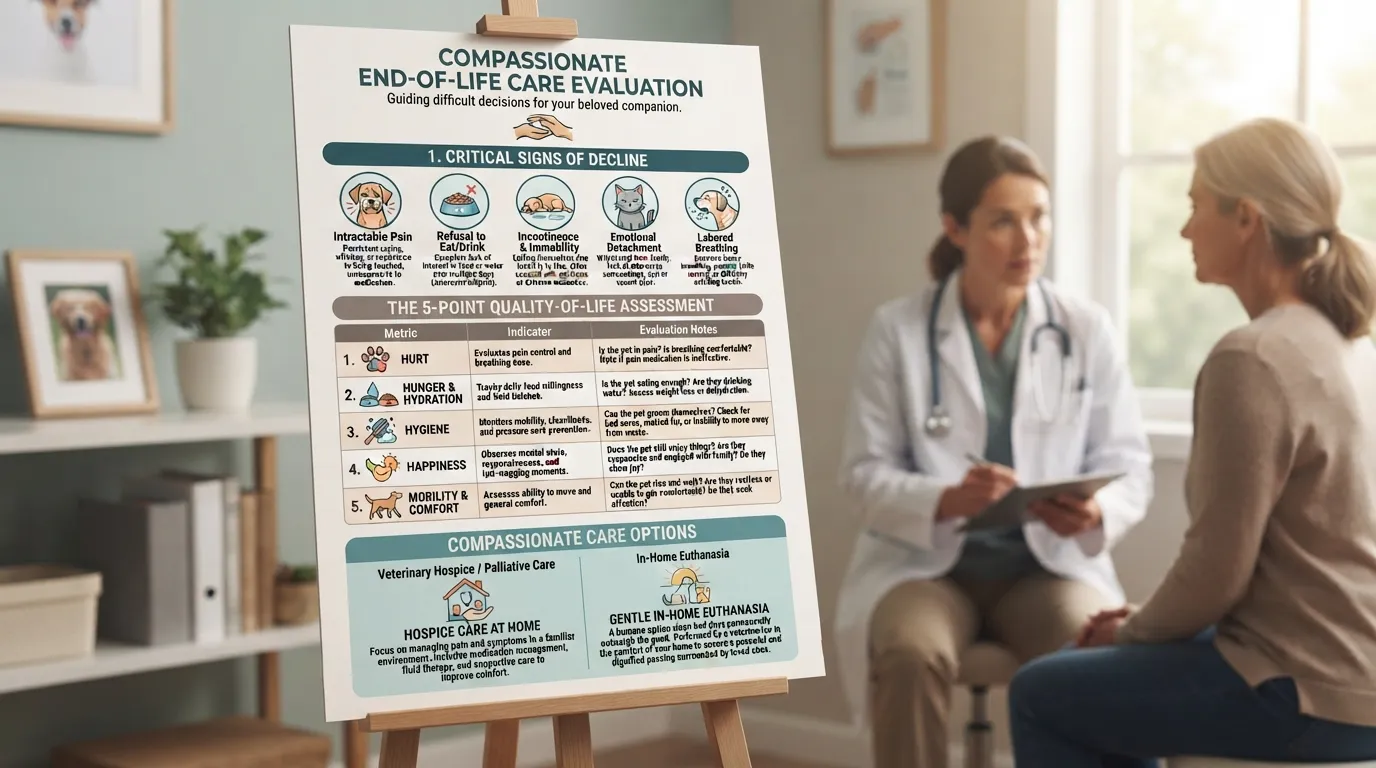
Navigating the final chapter of a beloved dog’s life is one of the most profound and emotionally challenging responsibilities a pet parent faces. As terminal illnesses advance or severe geriatric decline sets in, the medical focus naturally shifts from curative treatments to palliative support and maintaining dignity. Understanding how to assess your dog’s daily comfort gives you the clarity needed to make compassionate, well-timed decisions on their behalf.
Signs Your Dog May Be Nearing the End
While every dog’s decline follows a unique path depending on their specific health conditions, certain physiological and behavioral markers indicate that their body is entering the final stages of life:
Persistent, Intractable Pain: Uncontrolled pain that no longer responds to multimodal pain management (such as prescription NSAIDs, opioids, or nerve-pain medications), often manifested as continuous panting, trembling, vocalizing, or inability to rest in any position.
Complete Appetite Loss and Refusal of Fluids: Prolonged refusal to eat, even when offered high-value options like warm chicken or fresh meat, combined with a total lack of interest in drinking water.
Severe Physical Incontinence and Inability to Stand: Losing the ability to rise without total assistance, coupled with an inability to control urination or defecation, leading to skin scald and distress for the dog.
Profound Apathy and Emotional Detachment: Withdrawing completely from interaction, failing to recognize familiar family members, or showing a lack of response to external touch or voices.
Labored, Irregular Breathing: Rapid, shallow breathing at rest, distinct abdominal effort to pull in air, or sudden changes in breathing patterns (such as Cheyne-Stokes respiration) without prior exertion.
Simple Quality-of-Life Checklist
Veterinary medicine often utilizes structured quality-of-life frameworks, such as the HHHHHMM Scale developed by Dr. Alice Villalobos, to help owners objectively evaluate their dog’s daily well-being. Assessing these five core criteria helps take the guesswork out of measuring bad days versus good days:
Hurt (Pain Control): Is your dog’s pain adequately controlled with current medications? Can they breathe comfortably and easily without distress?
Hunger (Nourishment): Is your dog eating enough nutrients willingly? Are they able to swallow food without distress or frequent nausea?
Hydration (Fluid Balance): Is your dog maintaining sufficient hydration, either through drinking on their own or through subcutaneous fluids provided at home?
Hygiene (Cleanliness & Comfort): Can your dog be kept clean, dry, and free of pressure sores? Are they able to lie comfortably without sitting in their own waste?
Happiness (Mental & Emotional State): Does your dog express joy, wag their tail, or seek out human affection? Do they still enjoy simple pleasures like sitting in the sun or resting near family?
Hospice & Palliative Care Options
End-of-life care for pets has evolved dramatically, offering compassionate alternatives focused entirely on comfort, symptom management, and peaceful transitions.
Veterinary Hospice Care: Similar to human hospice, veterinary end-of-life care provides a specialized, interdisciplinary plan focused on pain relief, body hygiene, mobility assistance, and emotional support. A hospice-trained veterinarian works closely with you to manage symptoms at home while keeping your dog as comfortable as possible.
In-Home Palliative Treatments: Palliative protocols may include multi-agent pain protocols, anti-nausea medications, appetite stimulants, targeted fluid therapy, and specialized bedding setups designed to minimize friction and prevent sores.
Peaceful In-Home Euthanasia: When quality-of-life assessments show that bad days permanently outweigh the good, in-home euthanasia offers a gentle, painless, and stress-free farewell. A veterinarian comes directly to your home, allowing your dog to fall asleep peacefully in their favorite bed, surrounded by familiar sights, smells, and the people who love them.
How Much Does Senior Dog Care Cost?
Caring for an aging dog generally costs more than maintaining a healthy young adult. As dogs enter their golden years, routine wellness exams become more thorough, diagnostic tests are required more frequently, and ongoing daily support—such as joint supplements and mobility aids—becomes a permanent part of the household budget. Planning ahead for these expenses helps ensure your dog receives consistent, uncompromised care without unexpected financial stress.
Real Cost Ranges for Senior Pet Care
While specific prices vary based on your location, dog size, and individual health needs, veterinary and care costs for a senior dog typically fall within the following realistic ranges:
Senior Dog Care Cost Breakdown
Estimated expenses, frequency, and care categories for senior dog health management.
| Care Category | Frequency / Notes | Estimated Cost Range |
|---|---|---|
| Senior Wellness Exam | Recommended every 6 months | $75 – $150 per visit |
| Comprehensive Senior Labwork | Annual or bi-annual (CBC, organ chemistry, SDMA, urinalysis, T4) | $200 – $450 per panel |
| Joint & Health Supplements | Monthly (Glucosamine, Omega-3s, MCT oils depending on dog size) | $30 – $90 per month |
Managing Senior Care Costs Proactively
Set Up a Dedicated Pet Health Fund: Because older dogs are often ineligible for new pet insurance coverage due to pre-existing conditions, putting money aside monthly into a high-yield savings account creates a reliable buffer for diagnostic testing and prescription updates.
Consider Senior Pet Insurance Early: If your dog was enrolled in pet insurance prior to developing chronic conditions, maintain coverage. Many policies cover long-term management of chronic issues like kidney disease or arthritis if they were documented after the policy start date.
Prioritize Early Screening: Investing in bi-annual senior lab work pays off financially in the long run. Catching organ dysfunction or metabolic shifts early allows for low-cost dietary interventions and lifestyle tweaks, often preventing expensive emergency treatments later on.
Frequently Asked Questions
It depends on their size. Small breeds are considered seniors around 10–11 years, medium breeds around 8–9 years, large breeds at 7–8 years, and giant breeds as early as 5–6 years old.
Once reaching senior age, dogs typically live several more years depending on overall health and breed size. Average total lifespans range from 7–10 years for giant breeds up to 14–18 years for small breeds.
Avoid over-exercising them beyond their limits, slipping on smooth floors, ignoring subtle behavioral changes, skipping routine vet checkups, or drastically changing their diet without veterinary advice.
Dogs often hide pain instinctively. Rather than vocalizing or "crying," they may express discomfort through restlessness, panting, loss of appetite, lethargy, or withdrawing from family interactions.
The average overall lifespan across all dog breeds is roughly 10 to 13 years, though individual life expectancy varies greatly based on genetics, care, and size category.
It is generally not recommended. Senior dogs often suffer from weaker bladder control, arthritis, or anxiety, and typically require bathroom breaks every 4 to 6 hours.
Final Thoughts
Caring for a senior dog requires extra attention, patience, and love, but understanding their life stage makes providing the best care much easier. Keep a close eye on their daily comfort, stay consistent with routine vet checkups, and enjoy making every moment special for your loyal companion.
Calculate Your Dog's Age Now →🐾 Other Age Guides

I built Dogagescalculator.com to give dog owners honest, science-backed answers instead of the outdated "×7" myth. Every figure here is checked against AKC, AVMA, and published veterinary research.
More about the author & this site →
Comments