
What Is a Mutt Dog? Complete Breed Guide, Traits, Price & Care
A mutt dog breed—more accurately known as a mixed-breed dog or mongrel—is a canine whose lineage consists of three or more different breeds, often without any intentional or controlled breeding behind it. Unlike purebreds, which follow strict kennel club standards, or designer crossbreeds like Labradoodles (which typically cross just two purebred parents), mutts are nature’s ultimate blend. Every mutt carries a completely unique genetic makeup, meaning no two are ever identical in look, size, or personality.
Key Takeaways About Mutts
Unique Appearance: Expect a one-of-a-kind look that you won’t see anywhere else at the dog park.
Hybrid Vigor: Mixed genetics often lower the risk of inherited, breed-specific genetic health conditions.
Budget-Friendly: Adopting a mutt from a shelter costs significantly less than buying a purebred from a breeder.
Unpredictable Traits: Coat type, final adult size, and temperament can be harder to predict when they are puppies.
What Is a Mutt Dog? Definition, Meaning & Terminology
In simple terms, a mutt dog breed is a dog whose parents and ancestors belong to multiple different breeds, usually without any controlled or intentional breeding involved. You’ll also hear them called mixed-breed dogs or mongrels. While some people used to use “mutt” as a slight, today dog lovers wear it as a badge of honor. A mutt isn’t defined by a kennel club certificate—it’s defined by its one-of-a-kind genetic makeup.
To understand where mutts fit in the canine world, it helps to clear up a few terms that often get mixed up:
Mutt / Mongrel: These terms describe dogs with three or more breeds in their background, often with an unknown or complex lineage. Their genetic mix is completely random and natural.
Mixed-Breed: An umbrella term covering any dog that isn’t purebred. All mutts are mixed-breed dogs, though not all mixed-breeds have the deep, multi-generational mix of a classic mutt.
Designer Breed (Hybrid): A deliberate cross between two specific purebred dogs—like a Poodle and a Golden Retriever to make a Goldendoodle. Breeders intentionally pair these dogs for specific traits, whereas a mutt’s heritage happens entirely by chance.
What Does a Mutt Dog Look Like?
When it comes to physical appearance, the mutt dog breed breaks every rule in the book. Because mutts inherit a random combination of genes from multiple ancestors, their appearance varies more widely than any single breed on the planet. You might see a 15-pound dog with floppy hound ears and a curly spitz tail, or a 70-pound dog with wirehaired fur and striking heterochromia.
Several key factors shape how a mixed-breed dog turns out visually:
- Size and Build: A mutt’s adult weight can range anywhere from 5 pounds to well over 100 pounds depending on which ancestral traits dominate.
- Coat Type and Texture: Their fur can be short and smooth, long and silky, double-coated, or rough and wirehaired.
- Color Patterns: Expect anything from solid black, tan, or brown to complex brindle, merle, piebald, or spotted patterns.
Because genetics blend unpredictably across generations, no two mutts look exactly alike. Even puppies born in the very same litter can look like completely different breeds once they grow up.
How to Tell If a Dog Is a Mutt
Figuring out whether a dog is a purebred or a mutt isn't always obvious just by looking at them. Some mixed-breed dogs closely resemble one specific parent breed, while others look like a completely original creation. Fortunately, you can spot subtle physical clues—or turn to modern genetic science—to uncover your dog's true ancestral background.
Physical Signs to Look For
Without official pedigree papers, visual cues are your first hint that you are looking at a mutt dog breed. Purebred dogs are bred to meet strict physical standards, so any unusual mix of physical traits usually points to a multi-breed lineage:
- Mismatching Physical Features: Look for contrasting body parts, such as a long German Shepherd snout paired with short Corgi legs, or a heavy Pitbull chest on a slim Greyhound frame.
- Blended Coat Patterns: Dual-colored coats, random spot distribution, or mixed fur textures often signal mixed ancestry.
- Ear and Tail Variances: Ears that flop unevenly or a tail shape that doesn't align with standard breed traits frequently appear in mixed-breed dogs.
DNA Testing Kits (Accurate Confirmation)
While physical traits offer fun clues, guessing a mutt's breed blend based on looks alone is notoriously unreliable—even for experienced veterinarians. The only way to get a 100% accurate confirmation is through a canine DNA testing kit (such as Embark or Wisdom Panel).
Using a quick cheek swab at home, these kits analyze thousands of genetic markers against large breed databases. A DNA test breaks down your dog's exact genetic percentages, helping you understand their true background, potential adult size, and breed-specific health risks.
For a quick summary of what defines a mixed-breed dog, check out this short clip below:
How Big Will My Mutt Puppy Get? Estimating Adult Size
Predicting the adult weight of a mixed-breed puppy (a “mutt”) is one of the most common puzzles for new dog owners. Unlike purebred puppies, which follow predictable growth standard charts, mutt puppies possess a unique genetic lottery.
While you may not get an exact weight down to the ounce, combining physical indicators, math formulas, and modern genetics will give you a reliable estimate.
Physical Indicators & Visual Clues
Paw Size: Fact vs. Folklore
The Common Belief: “Look at those giant paws—he’s going to be huge!”
The Reality: Big paws generally indicate that a puppy has significant growth remaining because big-boned, heavy-framed dogs need larger paws to support their ultimate weight.
The Exceptions: Paw size is not foolproof. Some breeds (like Basset Hounds or English Bulldogs) naturally have heavy, oversized paws on a medium frame. Conversely, deep-chested athletic breeds (like Collies or Greyhounds) can have surprisingly compact paws despite their height.
Quick Visual Check: Look at your puppy’s skin and joints. Excess loose skin around the chest and neck, along with visibly knobby “knuckles” on their wrists, often signals that your puppy has plenty of room left to grow into their skin and skeleton.
Parent-Breed Hints
If you were fortunate enough to see the mother or father, parent size provides the single strongest physical anchor:
Both Parents Known: Average the weight of the mother and father. (Female puppies tend to align closer to the mother’s weight, while males often lean toward the father’s or slightly higher).
One Parent Known: If you only know the mother (common in rescue situations), her size establishes a strong baseline, though a larger unknown sire can push the puppy significantly above her weight class.
Growth Patterns & Weight Formulas
Puppies do not grow at a uniform rate across size categories. Small breeds reach 75% to 100% of their adult size much earlier than large or giant breeds, which can keep filling out for up to two years.
Estimated Maturity Timelines by Category
| Dog Category | Final Adult Weight | Rapid Growth Phase | Growth Completion Age |
|---|---|---|---|
| Toy / Small | Under 22 lbs | 0 – 4 months | 8 – 12 months |
| Medium | 22 – 55 lbs | 0 – 5 months | 12 – 15 months |
| Large | 55 – 99 lbs | 0 – 6 months | 15 – 18 months |
| Giant | 100+ lbs | 0 – 8 months | 18 – 24 months |
Quick Rules of Thumb for Math Estimates
If you know your puppy’s current weight and age in weeks, you can use these simple benchmark formulas to estimate their fully grown size:
The 16-Week Rule (Standard Medium/Large Formula): Adult Weight = Weight at 16 Weeks x 2 (Most medium-to-large puppies hit roughly half their adult body weight between 14 and 16 weeks).
The Universal Weekly Formula: Adult Weight = (Current Weight in lbs / Age in Weeks) x 52 (Works best for average-sized dogs between 12 and 20 weeks old).
DNA Testing: The Most Reliable Estimation Method
While physical clues and growth curves offer educated guesses, canine DNA testing is by far the most accurate method for predicting a mutt’s adult size.
Reads Size Genes Directly: At-home DNA kits (such as Embark or Wisdom Panel) look beyond visual appearance to analyze specific genetic loci responsible for body mass, leg length, and skeletal build.
Uncovers Hidden Breeds: A puppy that looks like a Black Lab might actually be a mix of Great Dane, Beagle, and Pit Bull. Knowing the precise breed percentages allows algorithms to calculate adult size based on thousands of genetic reference markers rather than surface appearance.
Accounts for Multi-Generational Mixes: In complex “supermutt” mixes where visual traits are misleading, DNA testing provides a predicted weight range that is typically within 10% to 15% of the dog’s actual adult weight.
Most Common Mutt Dog Breeds & Mixes
The mixes people encounter most often.
Why certain popular breeds show up repeatedly in mutt genetics.
How Long Do Mutts Live? Average Lifespan
On average, mixed-breed dogs (mutts) live 10 to 14 years, though many small-to-medium mutts regularly reach 15 to 18 years with proper care.
Because mutts inherit genes from a diverse pool rather than a closed lineage, their baseline life expectancy is generally higher than that of their purebred counterparts.
Mutt vs. Purebred Lifespan Comparison
Large-scale veterinary studies consistently show that mixed-breed dogs outlive purebred dogs by an average of 1 to 2 years within similar size categories.
Why Do Mutts Live Longer? (Hybrid Vigor)
This longevity advantage comes down to heterosis, commonly known as hybrid vigor:
Lower Inbreeding Depression: Purebred dogs are created by selectively breeding individuals within a closed gene pool, which increases the likelihood of inheriting recessive genetic disorders (such as hip dysplasia, dilated cardiomyopathy, or specific cancers).
Genetic Diversity: Mutts draw from a wider gene pool. Crossing distinct genetic lines masks harmful recessive mutations, resulting in stronger immune systems and better overall biological resilience.
| Dog Type | Average Lifespan Range | Common Health Advantages |
|---|---|---|
| Purebred Dogs | 9 – 11.5 years | Predictable size and behavior, but higher risk for breed-specific genetic diseases. |
| Mixed-Breed Dogs (Mutts) | 11 – 14+ years | Reduced risk of inherited disorders due to genetic diversity (hybrid vigor). |
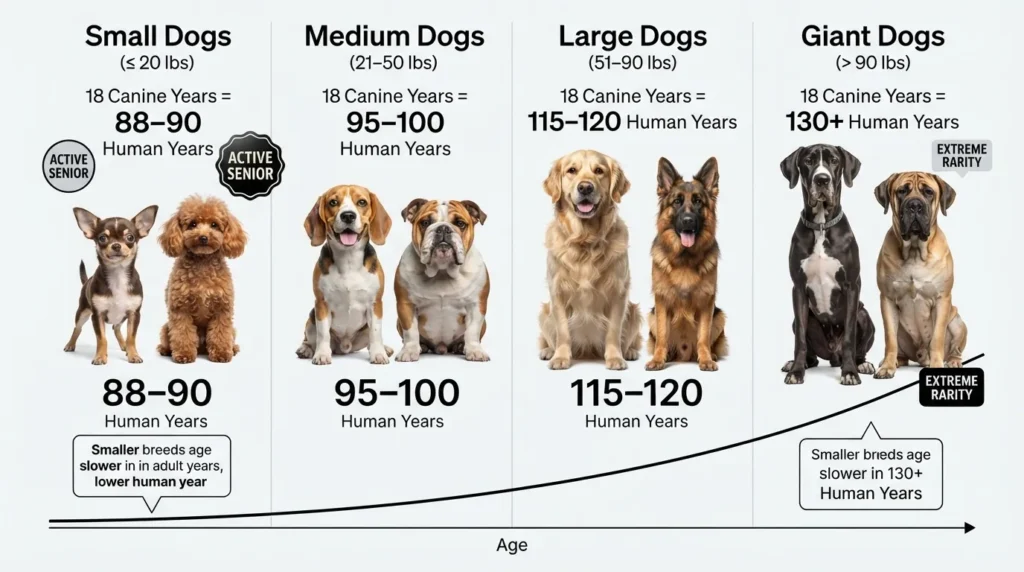
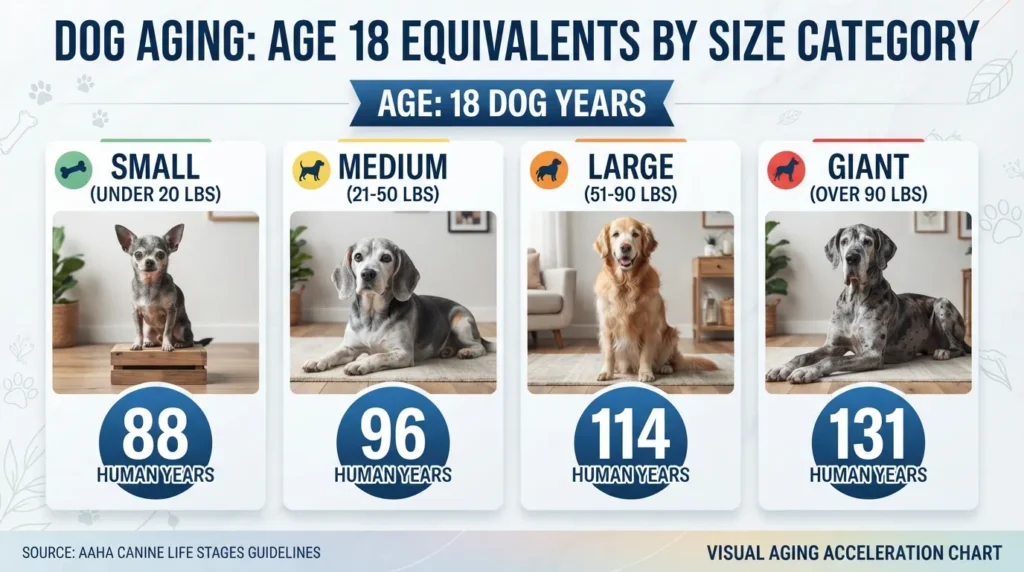
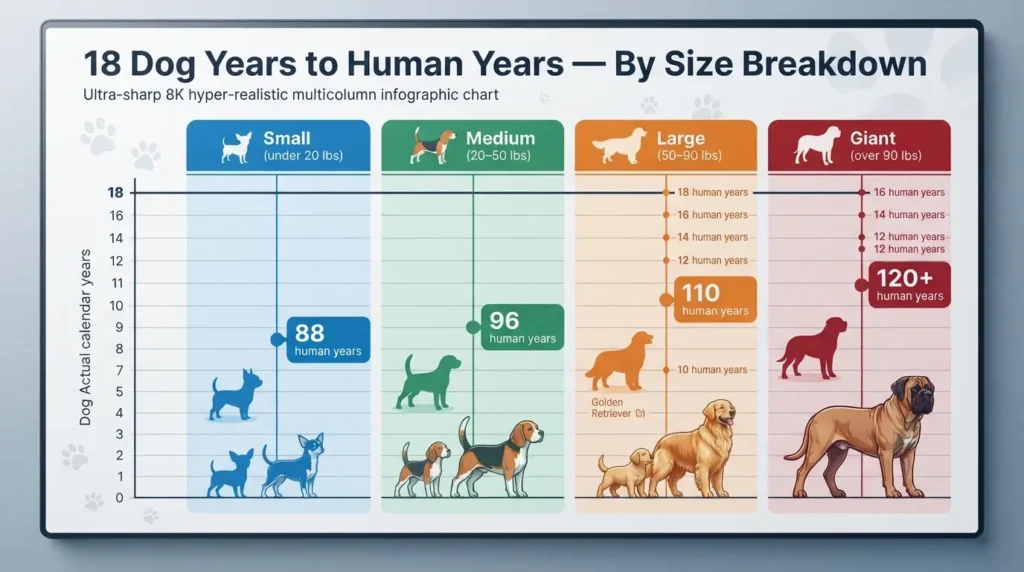
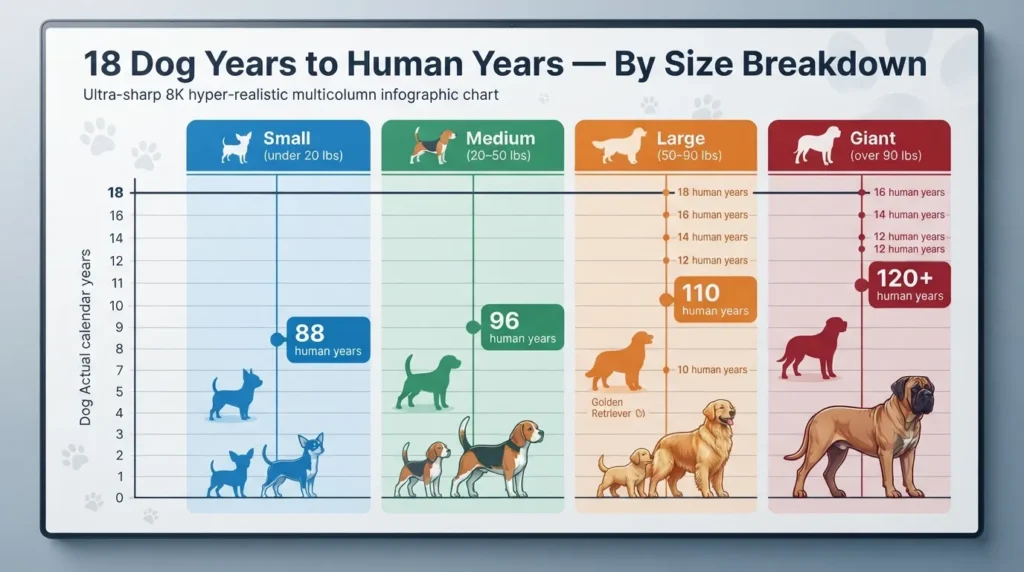
- Small (<20 lbs):
13–18 years - Medium (20–50 lbs):
11–15 years - Large (50–90 lbs):
9–12 years - Giant (>90 lbs):
7–10 years
- Specific breed makeup
- Inherited traits
- Weight & Nutrition
- Dental Hygiene
- Exercise & Vet Care
1. Body Size & Weight The Biggest Factor
Unlike most species where larger animals live longer, smaller dogs live significantly longer than larger dogs. Cell division and growth rates occur much faster in giant breeds, causing them to age at an accelerated rate.
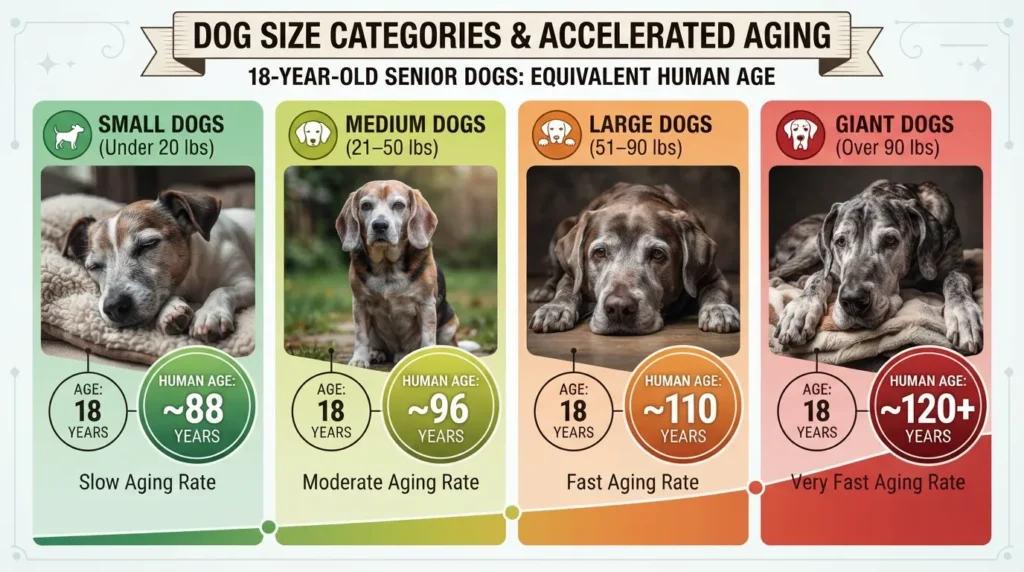
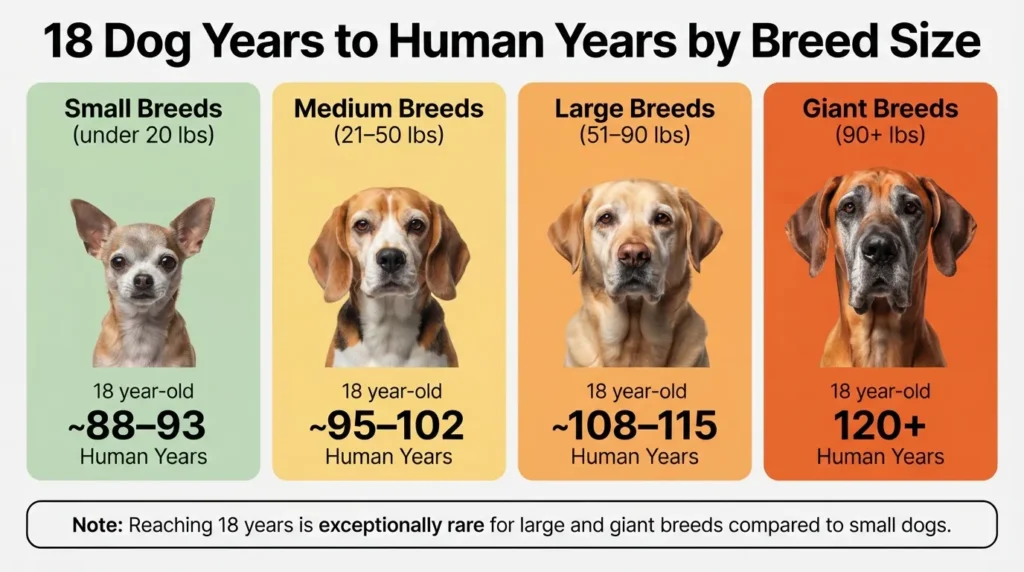
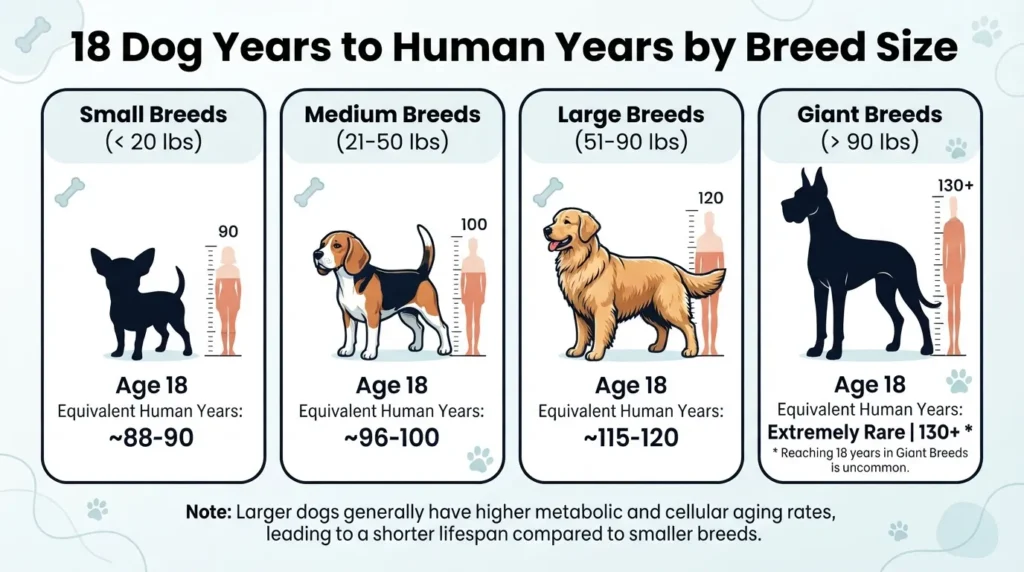
Toy / Small Mutts (<20 lbs): 13 to 18 years
Medium Mutts (20 – 50 lbs): 11 to 15 years
Large Mutts (50 – 90 lbs): 9 to 12 years
Giant Mutts (90+ lbs): 7 to 10 years
2. Specific Genetics & Ancestry
Hybrid vigor is a strong shield, but it isn’t an absolute guarantee. If a mutt is a cross between two breeds that both suffer from the same health issue (for example, a Golden Retriever / Boxer mix, where both breeds have elevated cancer risks), those genetic predispositions can still pass down to the puppy.
3. Preventive Health & Daily Care
Owner care plays just as big a role as genetics in reaching upper lifespan limits:
Weight Management: Obese dogs live up to 2.5 years less on average than those maintained at an ideal body condition. Excess weight puts severe pressure on joints, organs, and the cardiovascular system.
Dental Care: Periodontal disease leads to systemic bacteria entering the bloodstream, which can damage the heart and kidneys over time. Regular brushing and dental cleanings add years to a dog’s life.
Spaying/Neutering Timing: Altering your dog reduces the risk of reproductive cancers (such as testicular or uterine cancer) and fatal infections like pyometra.
Mutt Puppies — Price & Where to Get One
When bringing home a mixed-breed puppy, understanding the true financial investment and choosing a responsible source are essential steps. While mutts are generally far more affordable than purebreds upfront, their overall cost depends heavily on where you adopt or buy them.
Average Cost of a Mutt Puppy
The price of a mutt puppy ranges from $50 to $600+, depending on the source, location, and what veterinary services are included in the adoption or purchase price.
- Includes full vet care
- Vaccines included
- Microchip registration
- High medical prep
- Foster care housing
- Complete core vaccines
- Rarely includes spay/neuter
- Basic or no initial vaccines
- No health guarantee included
What Is Included in the Upfront Fee?
At first glance, a $50 rehoming fee on an online classified site seems cheaper than a $350 shelter adoption fee. However, shelter and rescue fees bundle vital initial veterinary procedures that would cost far more out of pocket:
| Expense | Included in Shelter/Rescue Fee? | Out-of-Pocket Cost (If Bought Privately) |
|---|---|---|
| Spay / Neuter Surgery | Included | $200 – $500 |
| Core Vaccinations (DHPP, Rabies) | Included | $75 – $150 |
| Microchip Registration | Included | $35 – $50 |
| Deworming & Flea Treatment | Included | $30 – $60 |
| Initial Vet Examination | Included | $50 – $100 |
| Total Estimated Value | Covered by adoption fee | $390 – $860 |
Adoption vs. Buying
Choosing where to source a mutt puppy is a decision that impacts shelter overcrowding, unethical breeding practices, and your pocketbook.
1. Adopting from a Shelter or Rescue (Recommended)
Adopting is the primary way mutt puppies are acquired.
Pros: Highly cost-effective; directly saves a life; shelter puppies undergo behavioral evaluations and receive full core veterinary care before heading home.
Slaton Veterinary Hospital+ 1Cons: High demand for young puppies means you may need to apply quickly or spend time on a waitlist.
Key Shelter Statistics (U.S.):
Surplus in Care: Approximately 2.8 million dogs enter U.S. animal shelters and rescue organizations each year.
ASPCALifesaving Progress: Roughly 2 million dogs are adopted annually. However, hundreds of thousands of dogs remain in shelters due to capacity constraints, making adoption a critical life-saving choice.
ASPCA+ 1Mutt Dominance: Over 70% of all dogs in municipal shelter systems are mixed-breed dogs.
2. “Designer Dogs” & Backyard Breeders (Proceed with Caution)
In recent years, intentional mixed breeds—often marketed as “Designer Dogs” or “-Oodles” (e.g., Goldendoodles, Aussiedoodles, Puggle mixes)—have blurred the line between mutts and purebreds.
High Price Tags: Unregistered breeders frequently charge $1,000 to $3,000+ for these mixed-breed puppies.
Lack of Guarantees: Despite high prices, mixed breeds do not carry the predictable physical standards or health testing guarantees of established purebred breeds.
The Backyard Breeder & Puppy Mill Risk: Paying private individuals for “accidental” or unverified mutt litters often supports unethical breeding operations. These operations rarely test parents for inherited genetic conditions, leaving buyers at risk for high future medical costs.
3. Private Rehoming & Stray Rescues
If you acquire a mutt puppy from a friend, neighbor, or rehoming situation:
Always request complete medical records for the mother and puppy.
Factor an immediate $300 to $600 budget for initial veterinary checkups, spay/neuter surgery, and essential puppy vaccinations if they have not already been provided.
Are Mutts Good Dogs? Pros, Cons, Temperament & Health
Mixed-breed dogs make fantastic, loyal companions for millions of households. Their unique blend of genetic traits often gives them a balanced disposition and robust overall health.
However, because mutts inherit traits from multiple lineages without a strict breed standard, they come with a mix of clear advantages and inherent uncertainties.
Pros of Getting a Mutt
1. Hybrid Vigor & Health Benefits
Stronger Immune Systems: As discussed, heterosis (hybrid vigor) occurs when distinct genetic lines cross, masking harmful recessive genes that commonly plague purebred lineages.
Lower Risk of Specific Inherited Diseases: Mutts are significantly less likely to suffer from single-gene inherited disorders (like specific cardiac issues or progressive eye disorders common to purebreds) unless both parents carried the exact same genetic risks.
Longer Lifespan: On average, mixed-breed dogs outlive purebreds of similar size categories by 1 to 2 years, giving you more quality time with your pet.
2. Unique Physicality & One-of-a-Kind Personality
A Truly Unique Dog: Purebreds follow predictable visual molds, but every mutt is a 1-of-1 original. No one else at the dog park will have a dog that looks or acts quite like yours.
Balanced Temperaments: Extreme behavioral tendencies inherent to specific working breeds (such as high-intensity herding drives or heavy prey drives) often get diluted in mixed-breed puppies, creating a more adaptable, middle-of-the-road companion.
3. Great Value & Life-Saving Impact
Cost-Effective Entry: Adoption fees cover essential medical care (spaying/neutering, microchipping, initial vaccines) at a fraction of the cost of buying a dog privately.
Rescuing a Life: Choosing a mutt from a shelter directly alleviates shelter overcrowding and saves a dog in need.
Cons of Getting a Mutt
1. Unpredictable Adult Size & Coat Type
Growth Surprises: Unless both parents are known, predicting an 8-week-old mutt puppy’s adult weight can be tricky. A puppy expected to top out at 30 lbs might end up closer to 60 lbs.
Grooming Uncertainty: Mixing coat types (e.g., a non-shedding Poodle mixed with a heavy-shedding Labrador) creates an unpredictable coat. You won’t know if your puppy will shed heavily, require frequent professional grooming, or be hypoallergenic until their adult coat fully comes in.
2. Unpredictable Temperament & Energy Levels
Trait Roulette: A mutt puppy inherits behavioral traits from all breeds in its heritage. A mix of a high-energy Border Collie and a laid-back Basset Hound might end up with an endless energy drive or a chill couch-potato attitude—or a chaotic mix of both.
Drive Conflicts: Mixed working breeds can display conflicting instincts (such as herding urges combined with hunting drives), requiring thoughtful training and patience.
3. Unknown Genetic & Health History
Mystery Medical Background: Most rescue mutts come with zero health history regarding their biological parents. While hybrid vigor reduces overall genetic risk, it does not make a dog immune to common ailments like hip dysplasia, allergies, or cancer.
Delayed Behavioral Discovery: Traumatic early-life experiences or genetic reactivity in rescue mutts may not manifest until the dog reaches social maturity (around 1.5 to 2 years of age).
Pros vs. Cons Quick Reference
| Factor | Pros | Cons |
|---|---|---|
| Health & Lifespan | Higher genetic diversity; longer average lifespan; less inbreeding risk. | Parental health history is usually completely unknown. |
| Appearance & Size | 100% unique look; distinct physical charm. | Harder to accurately predict adult weight, height, and coat type. |
| Temperament | Extreme behavioral traits are often moderated/diluted. | Harder to predict exact energy levels, prey drive, or working instincts. |
| Financial & Ethics | Lower initial cost; includes core vet care; saves a life. | May require DNA testing or extra training tools to manage unexpected traits. |
Caring for a Mutt Dog
Caring for a mixed-breed dog isn’t one-size-fits-all. Because mutts inherit a mix of physical traits and energy levels from different breeds, their daily care depends heavily on their adult size and coat type.
Understanding these two factors makes it easy to tailor your dog’s diet, exercise, grooming routine, and veterinary care.
1. Diet & Nutrition
Nutritional requirements vary primarily by weight class and life stage (puppy, adult, senior).
Calorie & Kibble Size Needs
Small Mutts (<20 lbs): Have faster metabolisms and smaller jaws. Feed nutrient-dense kibble formulated for small breeds with smaller bite sizes.
Medium Mutts (20 – 50 lbs): Thrive on standard adult maintenance diets. Keep an eye on portion control, as medium mixes can lean toward weight gain if overfed.
Large & Giant Mutts (50+ lbs): Require large-breed formulas with balanced calcium and phosphorus ratios to prevent rapid bone growth during puppyhood. These diets also include joint-supporting nutrients like glucosamine and chondroitin.
Rule of Thumb: Always feed according to your dog’s ideal target weight, not their current weight if they are over- or underweight.
2. Exercise & Mental Stimulation
A dog’s exercise requirements stem more from their breed makeup than their physical size.
High-Energy Mixes (Herding/Working/Sporting lineages):
Needs: 60 to 90+ minutes of active daily exercise.
Activities: Running, fetch, agility courses, and mental enrichment (puzzle toys, scent work) to prevent boredom-based destructive behavior.
Low-to-Moderate Energy Mixes (Hound/Companion lineages):
Needs: 30 to 60 minutes of daily activity.
Activities: Leisurely neighborhood walks, sniffing explorations (“sniffaris”), and light backyard play.
3. Grooming Routine (By Coat Type)
Because mutt coats are a genetic blend, grooming needs fall into four main categories:
| Coat Type | Common Traits | Grooming Frequency | Essential Tools |
|---|---|---|---|
| Short / Smooth | Tight to the body, minimal shedding | Brush 1x week; bath as needed | Rubber curry brush, bristle brush |
| Double Coat | Dense undercoat with guard hairs; heavy seasonal shedding | Brush 2–3x week (daily during shedding season) | Sleeker brush, undercoat rake |
| Long / Silky | Flowing fur susceptible to mats and tangles | Daily brushing; monthly trim | Metal comb, slicker brush |
| Wire / Poodle Mix | Low-shedding to non-shedding; prone to matting | Brush 3–4x week; professional haircut every 6–8 weeks | Slicker brush, stainless steel comb |
4. Veterinary Check Basics
Preventive care ensures your mutt stays healthy across every stage of life:
Annual / Bi-Annual Exams: Adult mutts need an annual wellness exam; seniors (7+ years) benefit from bi-annual checkups to catch age-related conditions early.
Parasite Prevention: Year-round heartworm, flea, and tick preventatives are essential regardless of size or coat type.
Dental Care: Small-to-medium mutts are particularly prone to periodontal disease due to crowded teeth. Aim for daily brushing or dental chews, supplemented by professional cleanings as recommended by your vet.
Weight Monitoring: Track your dog’s weight at every vet visit. Maintaining a healthy Body Condition Score (BCS) is the most effective way to extend your mutt’s lifespan and protect their joints.
Frequently Asked Questions
What is considered a mutt dog?
A mutt (or mixed-breed dog) is any dog whose lineage includes parents, grandparents, or ancestors of two or more different distinct breeds. Unlike purebred dogs, which are selectively bred within a closed ancestral line to maintain strict physical standards, mutts inherit a diverse blend of genetic traits from multiple dog breeds.
Can mutts be good dogs?
Yes, absolutely! Mutts make exceptional companions. Thanks to hybrid vigor (genetic diversity), they often enjoy robust health, lower risks of inherited genetic disorders, and longer average lifespans. Furthermore, mixing different breeds often dilutes extreme working or herding drives, producing a balanced, adaptable temperament that fits wonderfully into family homes.
Why is a dog called a mutt?
The word “mutt” originated in late 19th-century American slang as a shortened version of “muttonhead,” which was used to describe a foolish or awkward person. Over time, animal breeders and the general public began using the term affectionately to describe dogs of mixed or unknown ancestry. Today, while it remains an informal term, it is widely embraced by dog owners and rescue organizations alike.
What does a mutt look like?
Because every mutt inherits a randomized combination of physical traits from its ancestral lineage, there is no single look for a mixed-breed dog. A mutt can feature any combination of ears (floppy, erect, or semi-pricked), coat textures (smooth, wiry, double-coated, or curly), and body frames. Every single mutt is a one-of-a-kind original.
How to tell if a dog is a mutt?
There are three main ways to identify if a dog is a mutt:
Physical Features: A mix of traits from different breed groups—such as a Poodle’s curly coat paired with a Beagle’s floppy ears—is a strong visual clue.
Parent History: If either biological parent is a mixed breed or of unknown origin, the offspring is a mutt.
Canine DNA Testing: The only 100% reliable method is an at-home genetic test (such as Embark or Wisdom Panel), which scans thousands of genetic markers to reveal the precise breed percentages in your dog’s DNA.
What is the most common mutt breed?
In North America and Europe, the most common mixed-breed combinations typically include lineages from the most popular dog breeds:
Labrador Retriever & Golden Retriever Mixes (e.g., Lab/Golden crosses)
German Shepherd Mixes
American Pit Bull Terrier / Staffordshire Terrier Mixes (often categorized together as “Bully Breed mixes” in shelter systems)
Poodle Mixes (often referred to as “Doodles” or intentional designer crosses)
Chihuahua Mixes (extremely common in small-dog rescue networks)
🐾 Other Age Guides

I built Dogagescalculator.com to give dog owners honest, science-backed answers instead of the outdated "×7" myth. Every figure here is checked against AKC, AVMA, and published veterinary research.
More about the author & this site →
Comments