
French Bulldog Feeding Frequency by Age Chart
An alternative perspective on Frenchie feeding comes from breeders who discuss raw feeding and single-meal schedules for adult dogs:
How Much Should I Feed My French Bulldog at Each Meal?
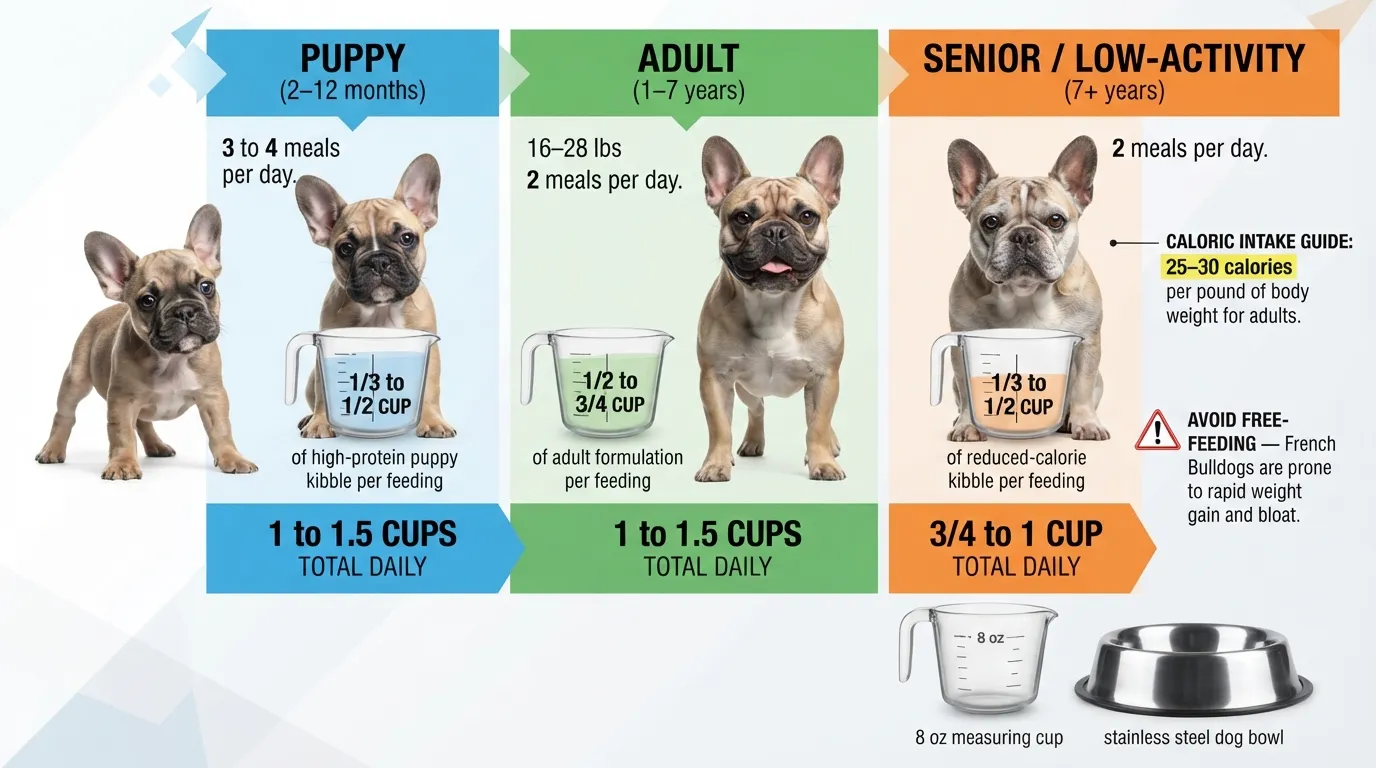
Portion control is the single most vital factor in maintaining your Frenchie’s lifelong mobility, digestive comfort, and spinal health. Because French Bulldogs have heavy muscular frames stacked over short legs, even 2 or 3 extra pounds creates immense strain on their spine (intervertebral disc disease) and exacerbates airway obstruction.
Rather than relying on vague guidelines like “feed 1 cup,” precise feeding requires matching your Frenchie’s exact body weight and activity level to their daily caloric target.
Daily Calorie Needs by Weight
An intact, moderately active adult French Bulldog generally requires between 25 to 30 calories per pound of body weight per day. However, less active house pets, seniors, and spayed/neutered dogs fall closer to 20 to 25 calories per pound.
Here is a breakdown of daily caloric requirements across standard adult French Bulldog weight ranges:
| Weight (lbs) | Weight (kg) | Sedentary / Spayed / Senior (kcal/day) | Moderately Active Intact Adult (kcal/day) | Highly Active / Working (kcal/day) |
|---|---|---|---|---|
| 16 lbs | 7.3 kg | 350 – 400 kcal | 400 – 480 kcal | 480 – 560 kcal |
| 20 lbs | 9.1 kg | 420 – 480 kcal | 500 – 600 kcal | 600 – 700 kcal |
| 24 lbs | 10.9 kg | 480 – 550 kcal | 600 – 720 kcal | 720 – 840 kcal |
| 28 lbs | 12.7 kg | 550 – 630 kcal | 700 – 840 kcal | 840 – 950 kcal |
Note: If your Frenchie weighs over 28 lbs without being visibly lean and muscular, consult your veterinarian before calculating portions to ensure you are feeding for their ideal body target rather than excess fat.
How to Calculate Portion Size
Measuring food by volume (cups) is notorious for causing accidental overfeeding. Kibble density varies drastically between brands—one cup of grain-free food might contain 480 kcal, while a light formula contains only 320 kcal.
To determine the exact portion for each meal, follow this simple 3-step formula:
Step 1: Find Your Frenchie’s Daily Caloric Target
Multiply your dog’s ideal target weight in pounds by their activity factor (e.g., a 22-lb spayed female at 22 calories/lb = 484 total kcal/day).
Step 2: Check Your Dog Food Label for Energy Density
Look at the guaranteed analysis panel on the back of your bag to locate the kcal per cup or kcal per gram rating.
Step 3: Divide by Daily Meal Frequency
Use the portion equation to determine what goes into the bowl:
Real-World Example: If your adult Frenchie requires 500 kcal/day, eats 2 meals per day, and your kibble rates at 400 kcal/cup:
$$\frac{500}{400 \times 2} = \mathbf{0.625\text{ cups (or roughly } \frac{5}{8}\text{ cup per meal)}}$$
Breeder Tip: Invest in a cheap digital kitchen scale and weigh your food in grams. Measuring by weight eliminates scoop volume errors and guarantees 100% consistency across every meal.
How Spaying/Neutering Changes Portion & Frequency
After a spay or neuter procedure, a Frenchie’s metabolic rate drops rapidly—often by 15% to 25% within weeks of surgery. At the same time, hormonal shifts frequently trigger an increased appetite.
Lower Total Calories: Immediately cut your Frenchie’s total daily caloric intake by 15% to 20% following surgery. If an intact 22-lb male was eating 600 calories, lower his post-neuter target to around 480–500 calories.
Maintain 2 Meals Daily: Do not reduce feeding frequency to one meal to make up for lower calories. Frenchies still need two separate eating windows to prevent acid reflux and digestive upset.
Add Low-Calorie Bulk: If your neutered Frenchie seems continuously hungry after portion cuts, add 1–2 tablespoons of plain, unsalted canned pumpkin or steamed green beans to their bowl. This adds bulk and hydration without packing on extra calories.
Treats — Fitting Them Into the Daily Calorie Budget
Treats are essential for positive reinforcement training, but uncounted snacks are the #1 reason French Bulldogs struggle with obesity.
To keep your Frenchie lean while training, stick to the 10% Rule: treats must never account for more than 10% of your dog’s total daily caloric budget.
Example Daily Budget (500 kcal Total)
Smart Treat Choices for Frenchies
Deduct Kibble from Meals: Measure out your Frenchie’s exact daily kibble allowance every morning. Pull a handful directly from that bowl to use as training treats throughout the day.
High-Value Low-Calorie Rewards:
Blueberries (~1 calorie each)
Raw cucumber slices (~1 calorie per slice)
Single-ingredient dehydrated beef liver pieces (broken into fingernail-sized crumbs)
Watch Out for Table Scraps: A single slice of cheddar cheese (approx. 110 calories) accounts for over 20% of an adult Frenchie’s entire daily food budget.
Is It Okay to Feed a French Bulldog Once a Day?
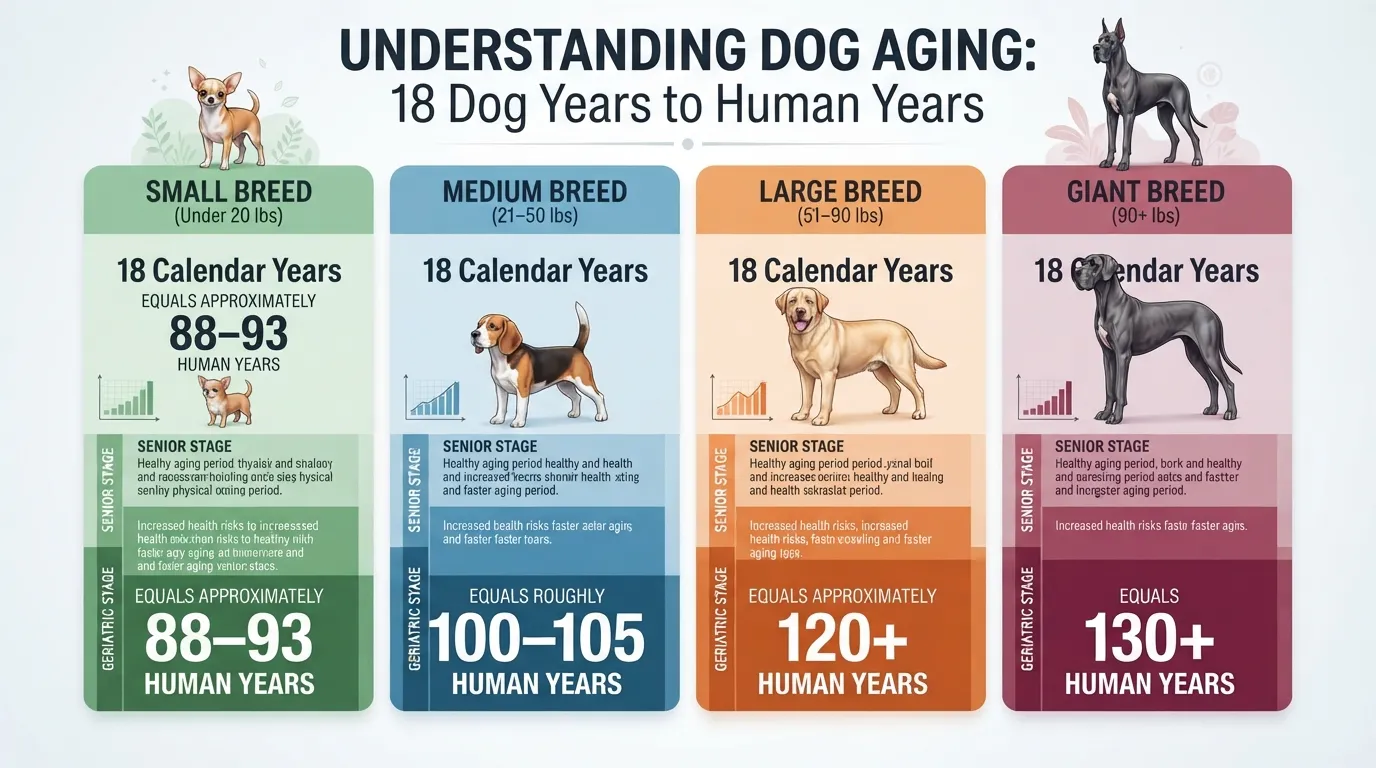
While single-meal feeding (sometimes called intermittent fasting or once-a-day feeding) has gained popularity among owners of larger, working breeds, it is generally not recommended for French Bulldogs.
While an adult Frenchie can technically survive on one meal a day, their unique physiology makes a 24-hour feeding gap risky and uncomfortable.
Why Single-Meal Feeding Is Risky for Frenchies
French Bulldogs have anatomical and metabolic traits that set them apart from longer-muzzled, deep-chested breeds:
Brachycephalic Airway and Swallowed Air: Because of their short muzzles and elongated soft palates, Frenchies tend to inhale significant amounts of air while eating. A large, single daily portion forces them to swallow rapidly, leading to severe bloat, gas, and abdominal discomfort.
Gastric Acid Reflux (Bilious Vomiting Syndrome): When a Frenchie’s stomach sits empty for 18 to 24 hours, digestive acids build up in the stomach lining. This frequently triggers “yellow foam” vomiting in the early morning hours before their scheduled meal.
Higher Risk of Regurgitation: French Bulldogs are prone to hiatal hernias and megaesophagus issues. Loading a full day’s calories into the stomach at once causes heavy distension, making regurgitation immediately after eating far more likely.
Hypoglycemia in Young Dogs: For puppies under 9 months, a single daily meal can cause sharp blood sugar drops, resulting in lethargy, weakness, or disorientation.
When (If Ever) Is Once-a-Day Feeding Acceptable?
There are very limited exceptions where a single feeding schedule might be considered:
Under Direct Veterinary Supervision: If an adult Frenchie is undergoing a specific medical elimination diet or fasting protocol managed by a vet.
Older, Inactive Dogs with Low Appetite: Occasionally, a senior Frenchie over 8 years old may naturally refuse breakfast and maintain healthy blood work and weight on one mid-day meal—though splitting that portion into two micro-meals is still safer for acid management.
The Golden Rule for Frenchies: Splitting their daily caloric allowance into two equal meals spaced 10 to 12 hours apart (e.g., 7:30 AM and 6:00 PM) is the safest, most effective routine for maintaining steady energy, preventing stomach bile buildup, and keeping digestive pressure off their compressed airways.
Why Feeding Schedule Matters More for French Bulldogs Than Other Breeds
For a general overview of French Bulldog puppy nutritional requirements, food selection considerations, and establishing initial routine schedules, watch this helpful breakdown:
Free-Feeding vs. Scheduled Feeding — Which Is Better for a French Bulldog?
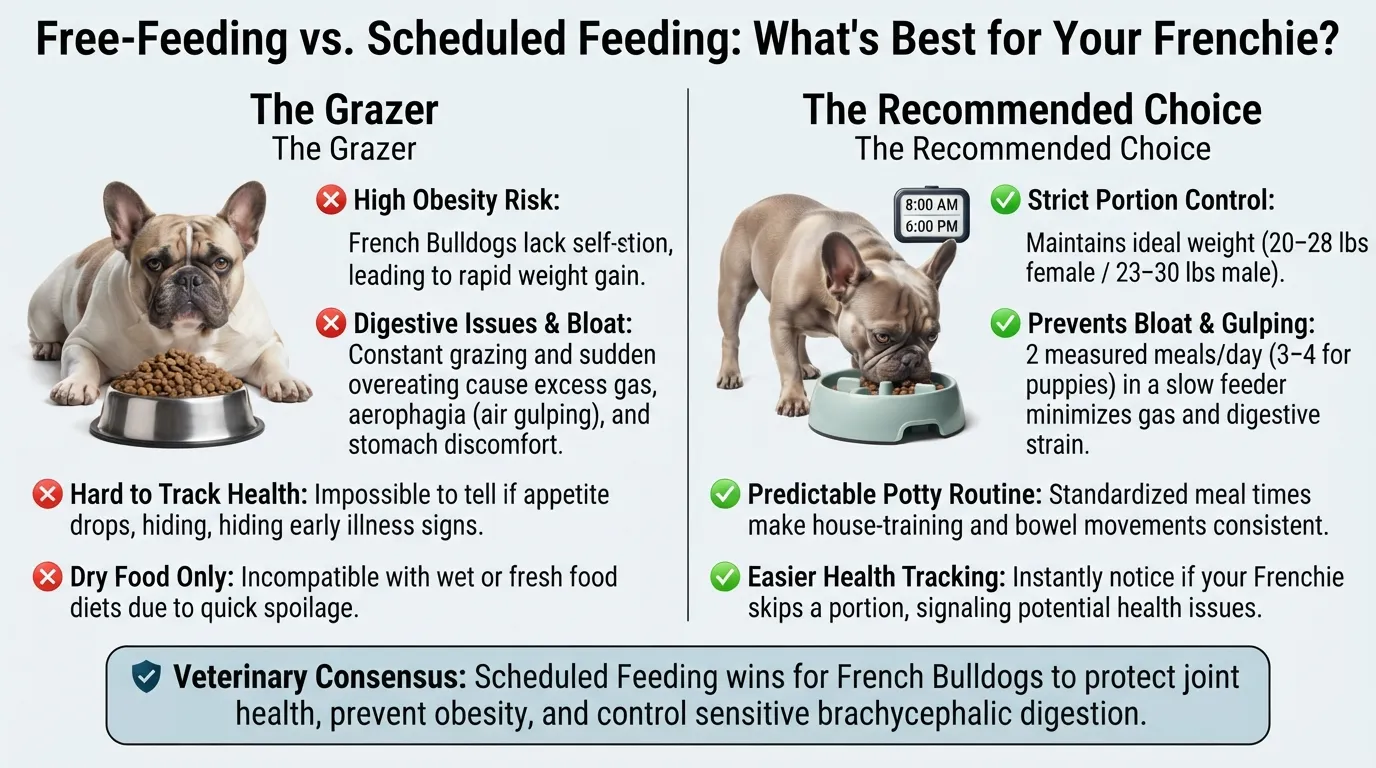
When it comes to deciding between leaving food out all day (free-feeding) or serving meals at set times (scheduled feeding), for a French Bulldog, the debate is clear-cut: scheduled feeding is unequivocally the better choice.
While free-feeding might seem convenient for busy pet parents, it poses several distinct health and behavioral risks specifically tailored to the unique anatomy of Frenchies.
Why Free-Feeding Fails French Bulldogs
Leaving a bowl piled with kibble on the floor all day creates a host of avoidable problems for a brachycephalic breed:
Obesity and Uncontrolled Calorie Intake: French Bulldogs are opportunistic eaters with limited self-regulation. Given constant access to food, most Frenchies will nibble out of boredom, quickly gaining weight that puts severe strain on their spine (IVDD risk) and airways.
Loss of House-Training Predictability: Food going into the body at unpredictable times means waste coming out at unpredictable times. Scheduled meals give you a predictable 20-to-30-minute window for potty breaks, making house-training significantly faster and cleaner.
Food Spoilage and Bacteria: Moisture from a Frenchie’s drool combined with ambient air causes open kibble to oxidize, lose nutritional value, and attract bacteria or pests—especially concerning for a breed prone to sensitive stomachs and food allergies.
Masking Early Illness: One of the earliest warning signs that a French Bulldog is sick, experiencing a digestive blockage, or feeling spinal pain is a sudden loss of appetite. When free-feeding, it can take 24 to 48 hours to notice your dog hasn’t eaten, delaying critical vet care.
The Advantages of Scheduled Feeding
Serving controlled portions at fixed times every day offers substantial benefits:
Benefits of Scheduled Feeding:
Strict Portion Management: You control the exact calorie count down to the gram, ensuring your Frenchie maintains their ideal muscular body condition.
Behavioral Structure and Security: Dogs thrive on routine. Knowing food arrives at specific intervals reduces mealtime anxiety and food-guarding behaviors.
Multi-Dog Harmony: If you own more than one dog, scheduled feeding prevents dominant pets from eating another’s share or picking fights over open bowls.
The Verdict: Scheduled feeding—typically two meals a day spaced 10 to 12 hours apart—is the safest, most effective approach to keeping your French Bulldog healthy, lean, and properly house-trained.
Signs You're Feeding Your Frenchie Too Much or Too Little
For a comprehensive overview of French Bulldog feeding schedules, recommended meal portions, and managing puppy body conditions, watch this helpful breakdown:
Do's and Don'ts of Feeding a French Bulldog
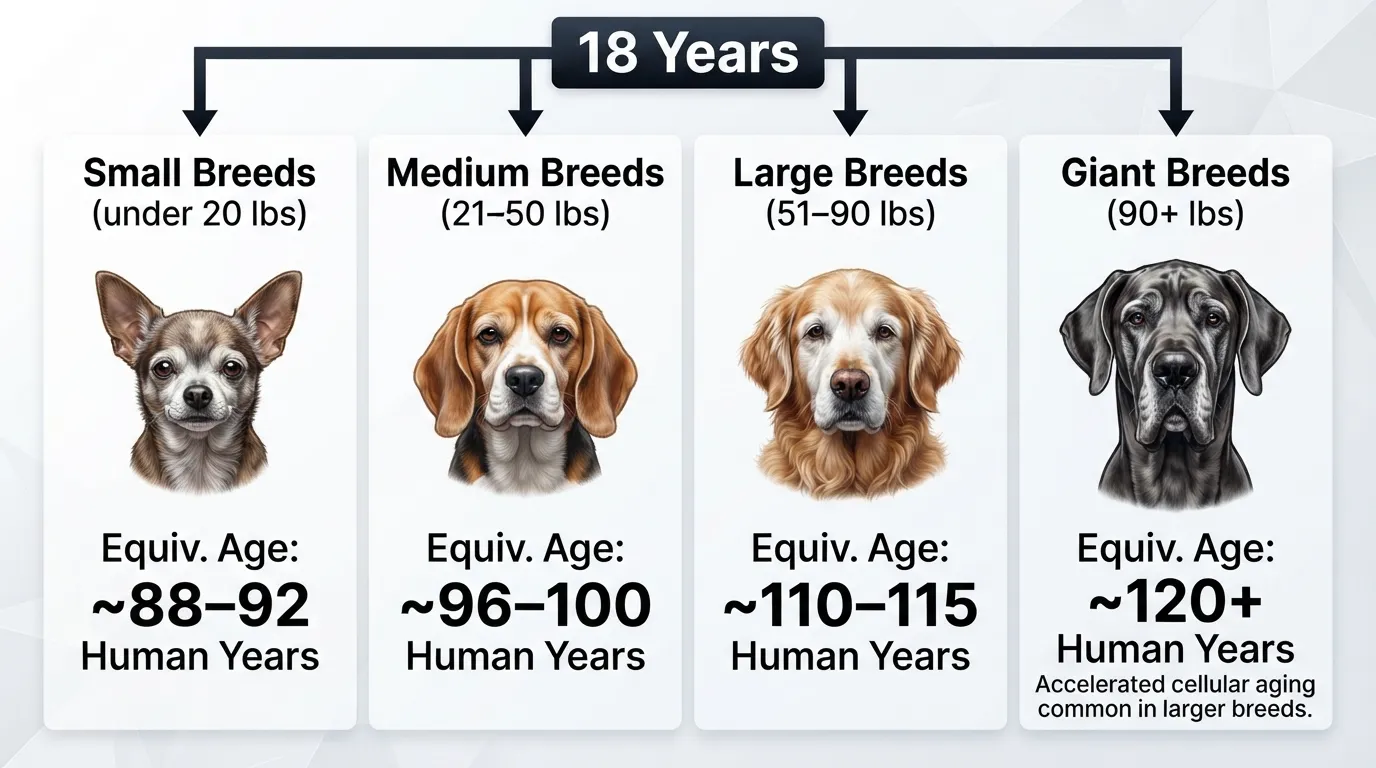
Feeding a French Bulldog involves balancing their strict digestive requirements with their compressed anatomy. Small adjustments to how, when, and what you feed can prevent long-term health complications like chronic flatulence, respiratory distress, joint breakdown, and severe bloat.
Here is a quick-reference summary of essential practices every Frenchie owner should follow:
Do’s
DO measure every meal with a digital scale: Relying on volume cups often leads to accidental overfeeding due to varying kibble shapes and densities. Weighing kibble in grams ensures 100% caloric accuracy for every meal.
DO use a slow-feeder maze bowl: French Bulldogs naturally gulp their food and swallow large amounts of air due to their brachycephalic airway structure. A slow feeder extends mealtimes, drastically reducing gas, regurgitation, and choking.
DO space meals 10 to 12 hours apart: Splitting an adult Frenchie’s total daily calories into two equal, well-spaced servings keeps acid levels balanced and prevents early-morning bilious vomiting syndrome.
DO rehydrate dry kibble with warm water: Adding a few tablespoons of warm water or low-sodium bone broth to dry food enhances aroma, improves digestibility, and aids hydration for a breed prone to kidney stones.
DO enforce a post-meal rest window: Keep your Frenchie calm and rested for at least 30 to 45 minutes after eating to prevent stomach twisting, gas buildup, and painful acid reflux.
Don’ts
DON’T free-feed by leaving kibble out all day: Continuous access to food ruins portion control, leads to rapid weight gain, and makes house-training schedules completely unpredictable.
DON’T feed high-fat table scraps or human junk food: Foods high in fat, seasoned meats, and cooked bones can trigger severe, expensive attacks of pancreatitis and gastrointestinal blockages.
DON’T allow immediate exercise before or after eating: Running, leaping, or heavy play while panting forces excess air into a full stomach, exponentially increasing the risk of bloat.
DON’T ignore early signs of food allergies: Frenchies are exceptionally prone to chicken and wheat allergies. If you notice chronic paw-licking, red ear canals, or loose stools, consult your vet about an elimination diet.
DON’T switch food formulas abruptly: Changing kibble brands without a 7-day gradual transition period almost guarantees severe diarrhea and stomach upset.
Daily Feeding Safety Checklist:
Wet Food, Raw Diet & Homemade Food — Does the Schedule Change?
Switching your French Bulldog from standard dry kibble to wet canned food, a raw diet (BARF), or balanced homemade meals changes the density and moisture content of their food, but the underlying meal timing schedule stays the same.
An adult Frenchie still requires two meals per day spaced 10 to 12 hours apart, regardless of what is in their bowl. However, alternative diets introduce specific digestive, hygienic, and timing rules that every Frenchie owner must follow.
1. Wet / Canned Dog Food
Wet food contains roughly 75% to 80% moisture, compared to only 10% in dry kibble. While this added hydration is excellent for a Frenchie’s urinary tract, wet food behaves differently in the digestive system.
Meal Frequency: Unchanged. Keep to 2 meals per day for adults (3 for puppies under 6 months).
Faster Digestion Rate: Because wet food breaks down faster than dry kibble, your Frenchie may feel hungry slightly sooner. Stick strictly to your schedule to prevent begging between meals.
The 30-Minute Rule: Never leave wet food sitting in the bowl for more than 30 minutes. Bacteria multiplies rapidly in moist room-temperature food, which can trigger severe diarrhea in sensitive Frenchies.
Dental Care Warning: Canned food lacks the mechanical scraping action of hard kibble. If feeding exclusively wet food, maintain a strict toothbrushing routine to prevent rapid tartar buildup and gum disease.
2. Raw Diets (BARF / Prey Model)
Raw diets consist of muscle meat, organ meats, ground bone, and specific dog-safe vegetables. Because raw meat is highly nutrient-dense and bioavailable, a Frenchie’s stomach handles it differently than cooked starch.
Meal Frequency: 2 meals per day. Never attempt a single daily raw feast, as a large chunk of raw bone or meat increases regurgitation risks in brachycephalic dogs.
Empty Stomach Processing: Raw meat digests more rapidly than kibble. However, never mix kibble and raw meat in the same bowl. Kibble and raw food digest at significantly different rates, which can cause fermentation, excess gas, and severe stomach upset in Frenchies.
Thawing and Portioning: Serve raw food at cool room temperature—never straight from the freezer or piping hot. Cold raw meat can cause stomach spasms and immediate regurgitation.
Hygiene & Slow Feeding: Wash stainless steel bowls with hot soapy water immediately after every raw meal to eliminate bacterial risks like Salmonella.
3. Balanced Homemade Diets
Homemade meals (combining cooked lean proteins, dog-safe carbs like sweet potato, and healthy fats) allow full control over ingredients—ideal for French Bulldogs suffering from chronic skin allergies or IBD (Inflammatory Bowel Disease).
Meal Frequency: 2 meals per day (or 3 smaller meals for Frenchies with severe acid reflux).
Caloric Density Caution: Homemade food is often less caloric per cup than dense commercial kibble because of higher moisture content. You may need to feed a slightly larger physical volume to hit your dog’s daily caloric target.
Precise Batch Scheduling: Prep meals in weekly batches and store daily portions in air-tight glass containers in the fridge. Warm the food slightly (to lukewarm, never hot) before serving to enhance scent and digestive acceptance.
Diet Types & Feeding Rules Summary:
Important Note: When transitioning your Frenchie from kibble to raw or homemade diets, consult a board-certified veterinary nutritionist to ensure all micro-nutrients, calcium-to-phosphorus ratios, and essential fatty acids are fully balanced.
French Bulldog Feeding FAQs
How much should a Frenchie eat every day?
The exact amount a French Bulldog should eat depends on their age, weight, activity level, and the caloric density of their specific food. Rather than measuring purely by volume (cups), calories measured in grams provide the most accurate daily intake.
Adult French Bulldogs (Typical Range): Most healthy adult Frenchies weighing between 20 to 28 lbs require roughly 500 to 750 kcal per day, divided into two equal meals.
Frenchie Puppies (8 Weeks to 6 Months): Puppies are rapidly growing and require more energy per pound of body weight—typically 400 to 600 kcal per day, split across 3 to 4 smaller meals.
Seniors or Less Active Adults: Older or spayed/neutered Frenchies often need fewer calories, usually around 400 to 550 kcal per day, to prevent obesity.
Pro Tip: Always calculate daily food amounts based on the kcal content listed on your dog food bag or consult your vet, and weigh portions using a digital kitchen scale rather than a standard measuring cup.
What are the do’s and don’ts of French Bulldogs?
Caring for a French Bulldog requires unique attention due to their brachycephalic (flat-faced) structure and compact anatomy. Here is a quick reference guide:
Quick Do's & Don'ts Summary
Key Do’s
DO feed scheduled meals: Stick to 2 timed meals a day to control weight and avoid morning bile vomiting.
DO monitor temperature: Keep them cool in air conditioning during summer months as their short airways make overheating dangerous.
DO clean facial wrinkles daily: Wipe skin folds with dog-safe wipes to prevent yeast and bacterial infections.
DO use a harness instead of a neck collar: A harness prevents extra pressure on their sensitive trachea during walks.
Key Don’ts
DON’T allow high-impact jumping: Avoid letting them leap off high couches or beds to prevent spinal injuries like IVDD.
DON’T exercise right after meals: Maintain a 45-to-60 minute quiet rest window after eating to avoid stomach twisting or acid reflux.
DON’T feed high-fat table scraps: Fatty foods can rapidly trigger severe attacks of pancreatitis.
DON’T leave them unattended near water: Due to their front-heavy body distribution and short snouts, most Frenchies cannot swim safely.
Want to Know Your Frenchie's Exact Life Stage & Daily Needs?
Use our free tool to convert your dog's age into human years and get custom feeding advice tailored to their exact stage of life.
Try the Dog Age Calculator →🐾 Other Age Guides

I built Dogagescalculator.com to give dog owners honest, science-backed answers instead of the outdated "×7" myth. Every figure here is checked against AKC, AVMA, and published veterinary research.
More about the author & this site →
Comments