What Is 11 Dog in Human Years? Size-by-Size Answer + Years Vet Care Guide
If you are wondering what is 11 dog years in human years, an 11-year-old dog is approximately 60 to 86 human years old, depending on their adult size and breed. Smaller dogs generally fall toward the younger end of the range, while large and giant breeds tend to have a higher human-age equivalent.
The traditional “multiply by seven” rule would make an 11-year-old dog 77 human years old, but this simple calculation does not reflect how dogs actually age. Dogs mature rapidly during their early years, and their aging pattern later varies according to size, breed, genetics, and overall health.
How Old Is an 11-Year-Old Dog by Size?
A size-based estimate provides a more useful comparison than applying the same formula to every dog. At 11 years old, many dogs are in their senior years, but their estimated human-equivalent age can differ considerably depending on their adult body size.
| Dog Size | Typical Weight | Estimated Human Age at 11 |
|---|---|---|
| Small | Under 20 lbs / 9 kg | ~60 years |
| Medium | 21–50 lbs / 10–23 kg | ~65 years |
| Large | 51–90 lbs / 23–41 kg | ~72 years |
| Giant | Over 90 lbs / 41+ kg | ~86 years |
These figures are estimates rather than exact biological ages. Dogs of the same age can age differently because of breed, genetics, body condition, health history, and lifestyle.
If you want a personalized estimate based on your dog’s age and size, use our free dog age calculator.
Is the "1 Dog Year = 7 Human Years" Rule Accurate?
Why It’s a Myth
The old “multiply by seven” rule is a myth because it assumes dogs age at a perfectly steady, linear rate throughout their entire lives. It treats a puppy the same way it treats a senior dog. In reality, dogs mature incredibly fast in their first two years of life and then the aging process slows down. If the rule were true, a one-year-old dog would have the emotional and physical maturity of a seven-year-old child, but anyone who has raised a nine-month-old puppy knows they are already fully capable of having puppies of their own.
What Science Actually Says
Modern veterinary science uses a much more accurate, tiered model to calculate your dog’s true age. Leading organizations like the American Veterinary Medical Association (AVMA) back a formula that reflects how canine bodies actually develop. Think of it as a front-loaded system:
Year 1: Equals roughly 15 human years. Your dog does the bulk of their childhood and teenage growth in these first twelve months.
Year 2: Adds about 9 human years. By the time your dog blows out their second birthday candle, they are physically around 24 human years old.
Year 3 and beyond: Each additional year adds roughly 4 to 5 human years to their age, depending heavily on their breed and body size.
Researchers at UC San Diego even took this a step further by looking at genetics. They studied “epigenetic clocks”—specifically, how chemical markers on canine DNA change over time. By comparing these markers to human DNA, they confirmed that dogs rush through youth at lightning speed but age much more gracefully and slowly as they enter adulthood. You can explore how these specific life stages break down over time on the American Kennel Club website.
How to Calculate 11 Dog Years to Human Years
If you are looking for a quick baseline estimate, the American Veterinary Medical Association (AVMA) provides a reliable, standardized rule of thumb. It breaks away from the old, inaccurate “multiply by 7” rule and gives a much truer picture of canine development.
Here is how you calculate it for an 11-year-old dog:
Step 1: The First Year. Your dog’s first year counts as 15 human years. Dogs do the vast majority of their rapid growth and social development during this initial 12-month window.
Step 2: The Second Year. The second year adds another 9 human years to the total. By age two, your dog is roughly equivalent to a 24-year-old human adult.
Step 3: The Rest of Their Life. For every year after age two, add 5 human years. Because your dog has experienced 9 years of adulthood past that two-year mark, you multiply 9 by 5 to get 45.
Add those pieces together ($24 + 45$), and you get a baseline of 69 human years. This formula works incredibly well as a general starting point, but it doesn’t account for the fact that a Chihuahua ages much differently than a Great Dane.
Size-Adjusted Table (11 years across small/medium/large/giant)
A dog’s adult weight plays a massive role in how their body ages. While a small terrier is just entering its senior years at 11, a giant breed has been a senior for a long time.
The data below shows exactly how 11 dog years translates based on your dog’s specific weight class:
| Dog Size & Weight Class | Examples of Breeds | 11 Dog Years in Human Years |
| Small (Under 20 lbs) | Chihuahua, Pomeranian, Shih Tzu | 60 human years |
| Medium (21 to 50 lbs) | Cocker Spaniel, French Bulldog, Border Collie | 65 human years |
| Large (51 to 90 lbs) | Golden Retriever, German Shepherd, Boxer | 72 human years |
| Giant (Over 90 lbs) | Great Dane, Mastiff, Saint Bernard | 88+ human years |
Free Calculator → dogagescalculator.com
Want the exact pinpoint age for your specific breed?
While tables give you a great ballpark range, our free tool at dogagescalculator.com accounts for precise weight, breed-specific aging curves, and the latest canine longevity data. Head over to get a customized calculation for your pup in seconds.
What Life Stage Is an 11-Year-Old Dog?
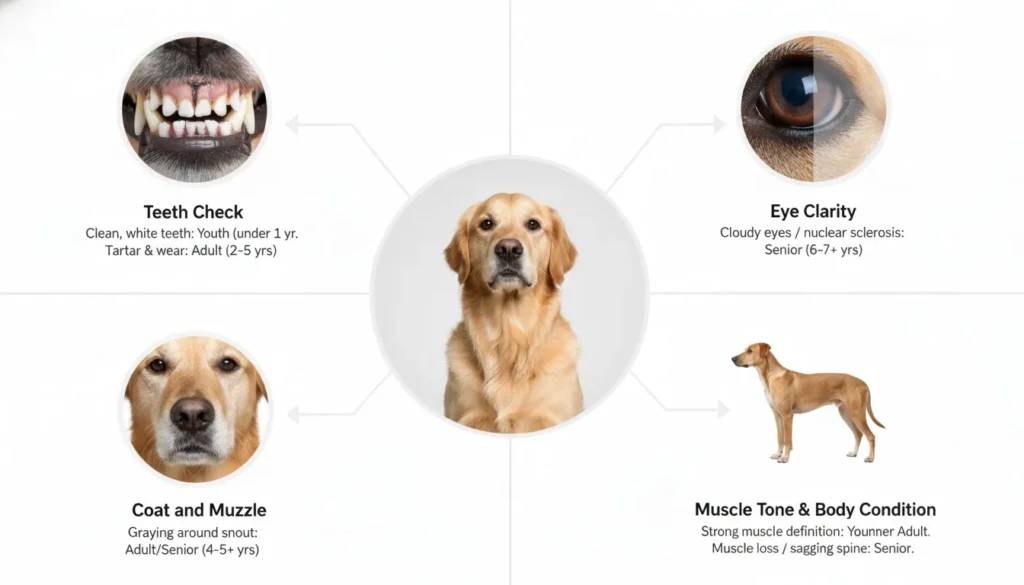
An 11-year-old dog is universally considered to be in the senior or “super senior” life stage, regardless of their breed or size. At this chronological age, your dog has officially crossed the threshold where their metabolic rate slows down, their immune system requires more support, and their daily care routine needs to shift toward comfort and preventative health management.
While every dog experiences aging differently, an 11-year-old dog’s biological body matches that of a human senior citizen, ranging from a person in their early 60s to someone well into their 90s.
Senior Threshold by Size
The exact moment a dog officially becomes a senior depends entirely on how much they weigh. According to guidelines from the American Veterinary Medical Association (avma.org), smaller dogs enjoy longer lifespans and age much slower than larger breeds, meaning they hit the senior milestone much later in life.
Here is how the senior threshold breaks down by body size:
Small dogs (under 20 lbs): Hit the senior threshold around 10 to 12 years old. At 11, a small chihuahua or Maltese is just entering their golden years and often retains plenty of spunk.
Medium dogs (21 to 50 lbs): Cross into senior status between 8 to 10 years old. An 11-year-old medium dog is firmly entrenched in their senior years.
Large dogs (51 to 90 lbs): Become seniors much earlier, usually between 7 to 8 years old. For these dogs, 11 years is an advanced age that borders on the “super senior” category.
Giant dogs (over 90 lbs): Reach senior status by 5 to 6 years old. It is exceptionally rare for a giant breed like a Great Dane or Mastiff to reach 11, making them venerable super seniors if they do.
Life Stage Table Puppy → Adult → Senior → Super Senior
To help visualize where your dog sits on the grand timeline of canine aging, it helps to look at the four primary life stages. Veterinary groups generally classify canine development into distinct phases based on physical maturity and biological decline.
The table below outlines the basic progression of a dog’s life stages, showing exactly when the shift from adulthood to advanced age occurs.
| Life Stage | General Age Range | What is Happening Biologically | Where an 11-Year-Old Dog Sits |
|---|---|---|---|
| Puppy | Birth to 6–12 months | Rapid skeletal growth, high energy, socialization phase. | Past this stage |
| Adult | 1 year to 5–9 years (Size dependent) | Physical and mental maturity; peak athletic condition and metabolic efficiency. | Past this stage |
| Senior | 7 years to 11+ years (Size dependent) | Slowing metabolism, onset of age-related changes like graying fur or mild joint stiffness. | Small and Medium breeds are currently here, navigating their classic senior years. |
| Super Senior | 11+ to 13+ years | Advanced aging; significant changes in mobility, vision, and cognitive function requiring focused comfort care. | Large and Giant breeds have crossed into this final, precious stage. |
Signs Your 11-Year-Old Dog Is Aging
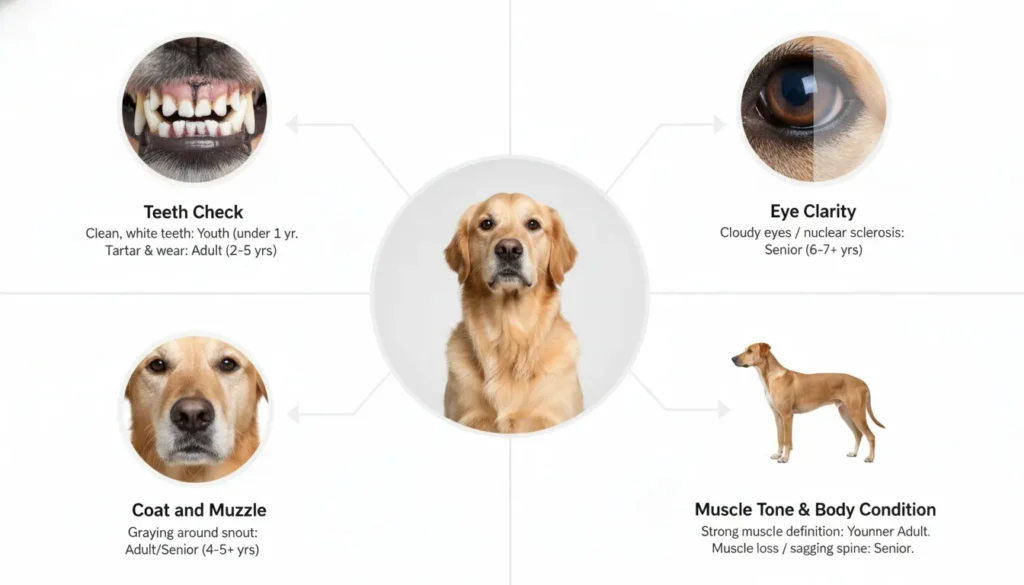
At 11 years old, your dog isn’t just slowing down; their body and daily habits are shifting in very visible ways. You’ve probably already noticed a few of these changes, which are completely normal parts of the canine senior years:
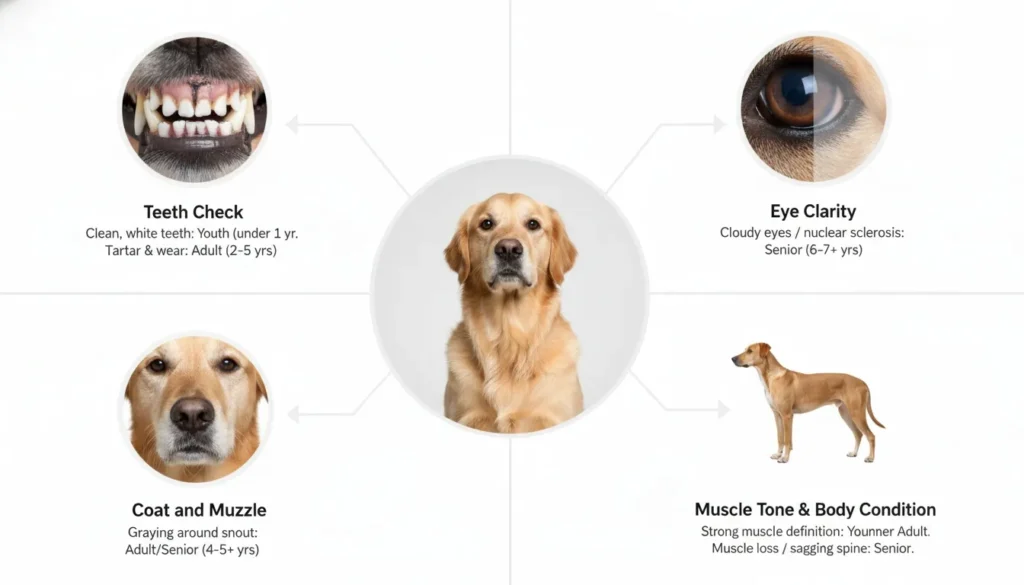
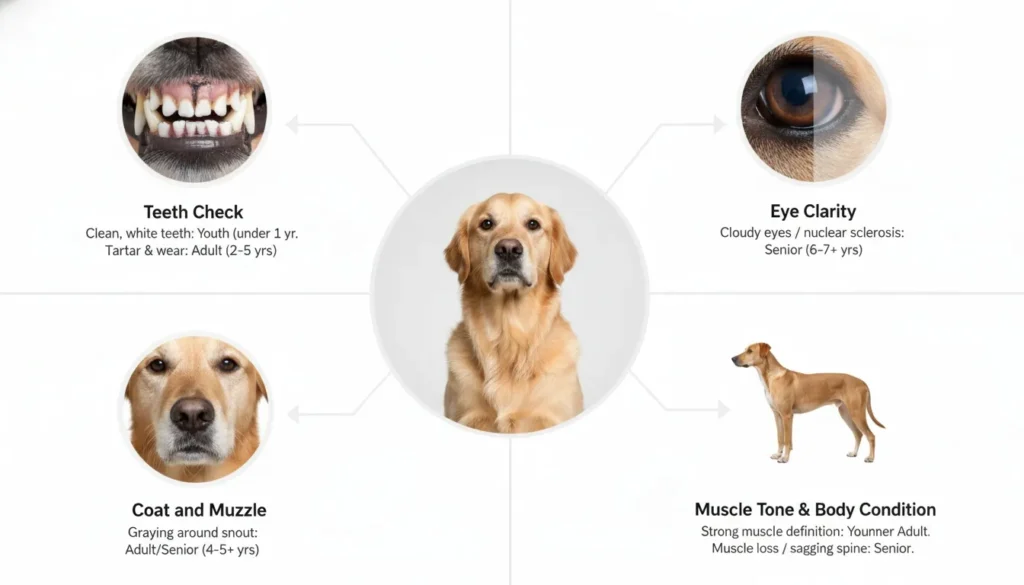
The Grey Muzzle: Silver hairs usually start creeping around the muzzle, eyebrows, and face. It’s a classic badge of honor for a senior pup.
Stiffness and Slowing Down: You might notice your dog hesitates before jumping onto the couch, takes longer to get up from their bed, or walks a bit slower on your morning routes. This is often the first sign of arthritis or joint wear.
Cloudy Eyes: If you notice a bluish, hazy tint in their eyes, it’s usually lenticular sclerosis. It looks a bit like cataracts, but it’s a normal aging change that doesn’t actually blind them, though their focus might be slightly less sharp.
Hearing Loss: If your dog suddenly starts “ignoring” your commands or doesn’t wake up when you open the front door, they aren’t being stubborn. Their hearing is likely fading.
Changes in Weight: Senior metabolisms drop. Some dogs pack on extra pounds because they are less active, while others lose muscle mass and look thinner.
More Sleep, Less Play: An 11-year-old dog needs more recharging time. They will spend more hours snoozing and might lose interest in long games of fetch, preferring a quick sniff around the yard instead.
Canine Cognitive Dysfunction (Dementia)
Just like humans, a dog’s brain ages too. Canine Cognitive Dysfunction (CCD)—essentially dog dementia—becomes much more common right around this milestone. In fact, veterinary studies show that roughly 28% of dogs aged 11 to 12 show signs of cognitive decline.
It can be heartbreaking to watch, but recognizing the signs early helps you manage it. Look out for the “DISHA” symptoms:
Disorientation: Staring blankly at walls, getting stuck behind doors, or failing to recognize familiar people or routines.
Interactions: Becoming unusually clingy, or conversely, withdrawing and ignoring family members.
Sleep-wake cycles:Pacing, whining, or wandering around the house at 3:00 AM while sleeping heavily all day.
Houseproofing: Having accidents indoors despite being fully house-trained for years.
Activity changes: Wandering aimlessly or showing a sudden lack of interest in their environment.
If you notice these shifts, talk to your vet. While CCD can’t be cured, dietary changes, specific supplements, and medications can significantly slow the progression and keep your dog comfortable.
When to Call the Vet Immediately
While many changes at 11 years old are just part of growing old, some symptoms point to urgent medical issues rather than normal aging. Do not take a “wait and see” approach if you notice any of the following:
Sudden Lameness: If your dog abruptly stops putting weight on a leg or can barely stand up, it’s not just “old age stiffness.” It could be a ligament tear, a severe arthritic flare-up, or something more serious that requires immediate pain management.
Excessive Thirst and Urination: If the water bowl is constantly empty and your dog is begging to go out every hour, it’s a classic red flag for underlying conditions like diabetes, kidney disease, or Cushing’s disease.
Sudden Appetite Loss: Senior dogs can be picky, but a dog who refuses food for more than 24 hours needs a vet visit. It’s often a sign of dental pain, gastrointestinal distress, or internal illness.
How to Care for an 11-Year-Old Dog
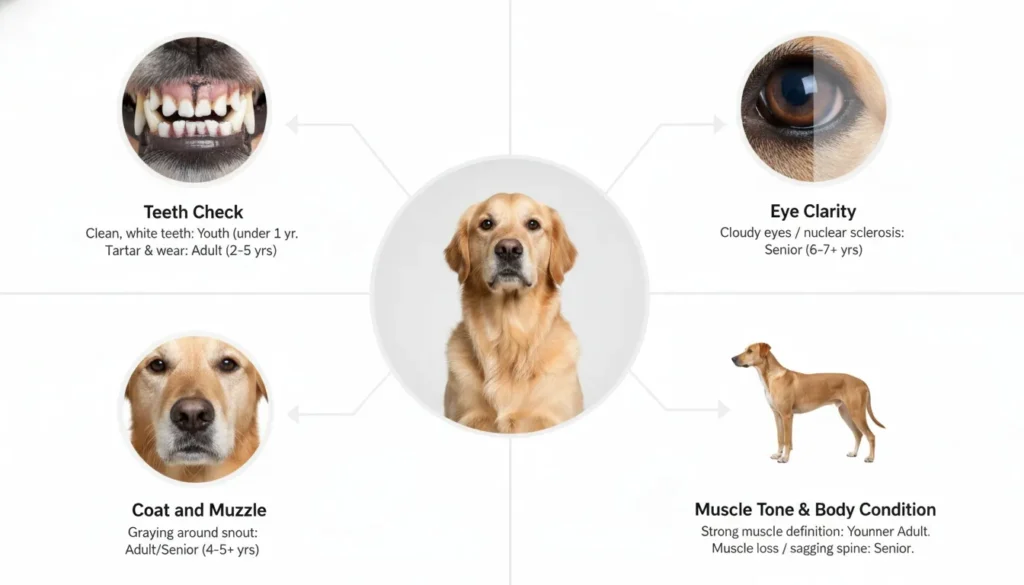
Your dog’s metabolic rate slows down with age, meaning an 11-year-old dog generally requires fewer calories than they did a few years ago. Switching to a high-quality senior formula is one of the easiest ways to prevent obesity, which puts unnecessary stress on aging joints. Look for senior diets that contain high-quality, easily digestible proteins to maintain muscle mass, alongside lower fat content.
According to organizations like the American Veterinary Medical Association (AVMA), keeping your dog at a lean body weight is one of the most effective ways to extend their healthspan. Interestingly, studies also show that spayed or neutered dogs tend to live longer, partially because fixed dogs have a lower risk of certain cancers and reproductive infections, allowing them to thrive well into their double digits.
When updating your dog’s menu, consider adding these targeted supplements:
Glucosamine and Chondroitin: These help protect cartilage and keep stiff joints moving more smoothly.
Omega-3 Fatty Acids (Fish Oil): Highly recommended by VCA Hospitals to combat systemic inflammation and support both brain and joint health.
Green-Lipped Mussel: A potent natural anti-inflammatory that helps manage arthritis symptoms.
Exercise
Slowing down is a normal part of turning 11, but your dog still needs to move to keep their muscles strong and joints lubricated. The key here is consistency over intensity. Swap out long, exhausting fetch sessions for multiple short, low-impact walks throughout the day. A gentle 15-minute stroll twice a day is much easier on an senior dog’s body than a single 45-minute trek.
Watch your dog’s cues closely. If they start lagging behind, panting heavily, or limping, it’s time to head home. Because physical exercise is shorter now, lean heavily into mental stimulation to tire them out. You can keep their mind sharp with:
Sniffari walks: Let them stop and sniff every tree and blade of grass; this mental processing burns a lot of brain energy.
Lick mats: Spreading wet food or plain Greek yogurt on a textured mat calms senior dogs down and keeps them occupied.
Gentle puzzle toys: Use soft treats that are easy to extract without requiring heavy chewing or physical straining.
Home Environment
Minor adjustments around the house can drastically improve your 11-year-old dog’s daily comfort and independence. Just like humans, senior dogs experience stiffness when waking up, and their depth perception can begin to fade. Making your living space more accessible reduces the risk of accidental slips and injuries.
Here are the most impactful changes you can make to your home today:
Orthopedic Bed: Upgrade to a high-density memory foam bed that supports sore joints and prevents painful pressure sores from developing on elbows and hips.
Non-Slip Flooring: Lay down yoga mats, runner rugs, or interlocking foam tiles over hardwood, laminate, or tile floors. This gives your dog the traction they need to stand up and walk without wiping out.
Ramps and Steps: Place sturdy foam stairs or secure ramps next to the couch or your bed if your dog is still allowed up, preventing the jarring impact of landing on hard floors.
Raised Bowls: Elevate their food and water dishes to chest height so they don’t have to strain their neck and spine just to take a drink.
Grooming & Dental Care
Grooming isn’t just about looks anymore; it’s a vital part of health monitoring for an 11-year-old dog. Senior dogs often develop dry skin, brittle coats, or benign lumps and bumps. Regular, gentle brushing sessions double as a hands-on physical exam where you can feel for any new growths or sensitive areas that might warrant a quick call to your vet.
Pay extra attention to their nails. Because senior dogs walk less and tread more softly, their nails don’t wear down naturally anymore. Long nails alter the angle of your dog’s paws, which worsens arthritis pain in their toes and legs. Aim for a trim or a quick dremel grind every few weeks.
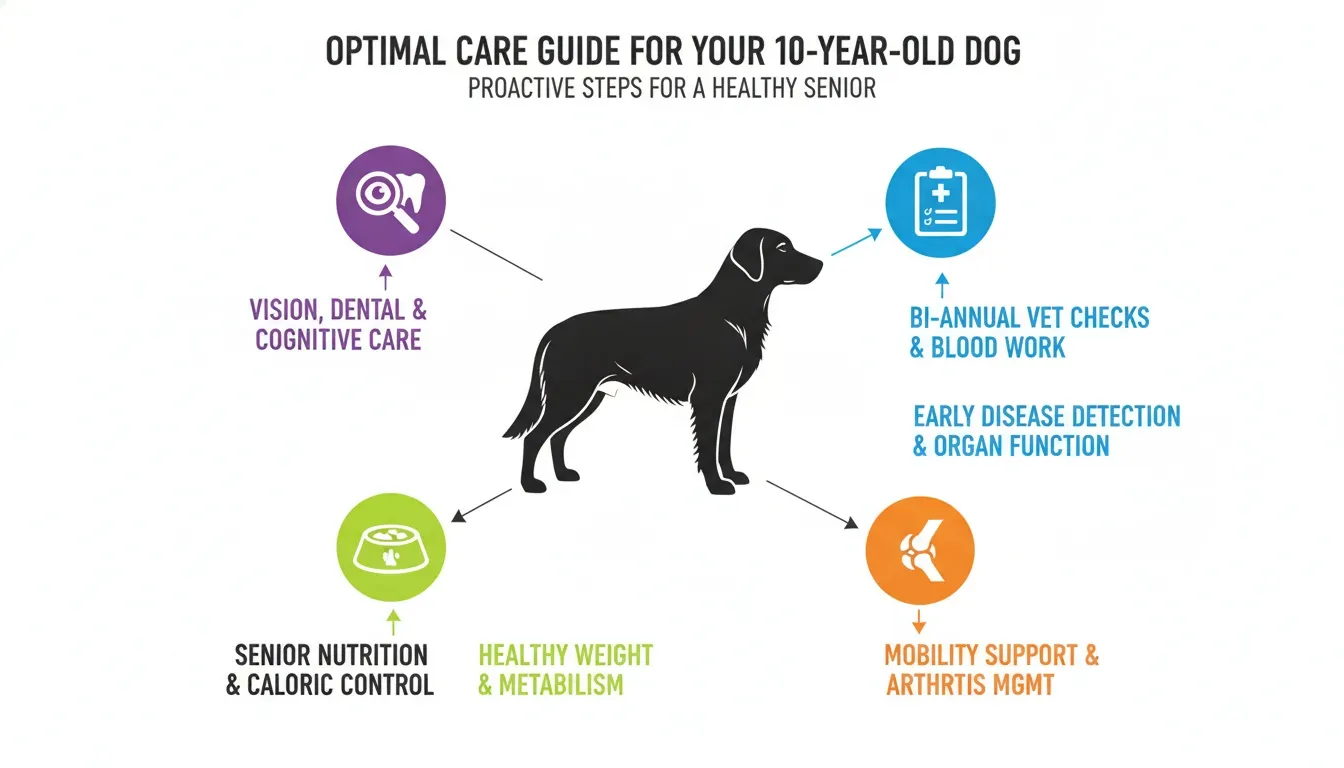
Finally, do not neglect dental care. Periodontal disease is incredibly common in older dogs and does more than just cause bad breath. Bacteria from infected gums can enter the bloodstream, directly damaging your dog’s heart, kidneys, and liver. If brushing their teeth with dog-safe toothpaste is too difficult due to mouth sensitivity, talk to your vet about dental wipes, water additives, or professional cleanings to keep their mouth pain-free.
Vet Visits, Common Health Conditions & Remaining Lifespan Vet Visit Schedule — every 6 months, senior blood panel
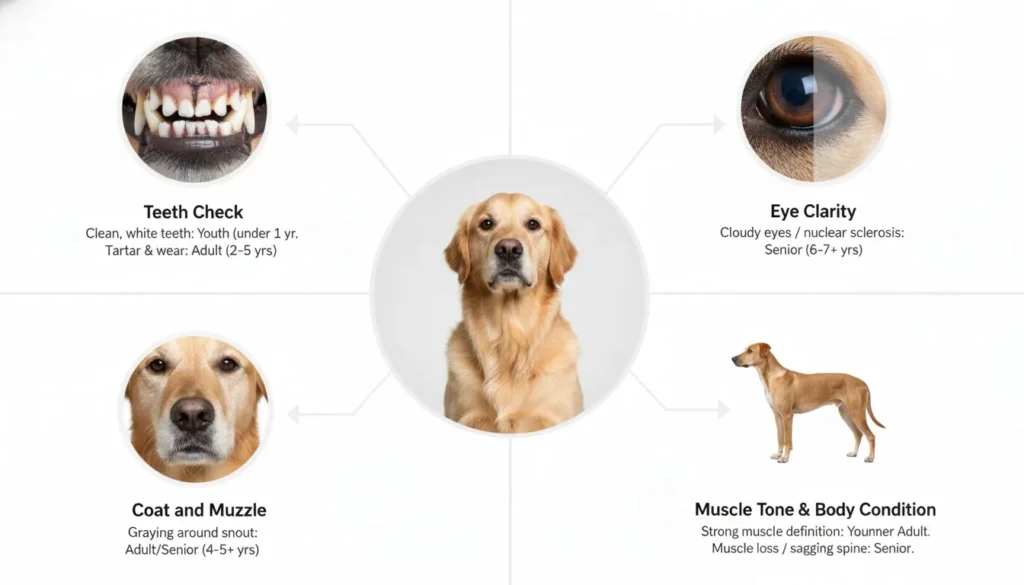
Once your dog turns 11, their health can change rapidly over just a few months. Because of this accelerated aging, the American Veterinary Medical Association (AVMA) recommends switching your 11-year-old dog to a vet checkup every six months instead of once a year. Think of it this way: a year for an older dog is comparable to four or five years for an aging human. A lot can happen in that time.
During these twice-a-year visits, your vet will look for subtle shifts in weight, muscle mass, and joint mobility. The most critical tool they will use is a senior blood panel, alongside a urinalysis. This comprehensive screening serves as an early-warning system. It checks organ function and blood cell counts, often catching underlying issues like early-stage kidney disease or metabolic changes long before your dog shows any outward symptoms. Catching these shifts early gives you far more treatment options to keep them comfortable.
Common Conditions — arthritis, dental disease, kidney disease, cancer, heart disease, diabetes
At 11 dog years, the wear and tear of a long, happy life starts catching up to your dog’s body. While it can be scary to think about, knowing what to look for helps you intervene early.
Arthritis: This is the most common culprit behind an older dog slowing down. You might notice them hesitating before stairs, having trouble rising from their bed on cold mornings, or slipping on hardwood floors.
Dental Disease: Decades of chewing lead to plaque buildup, gum recession, and fractured teeth. Severe dental disease isn’t just about bad breath; bacteria from infected gums can travel through the bloodstream and damage their heart and kidneys.
Kidney Disease: The kidneys become less efficient at filtering waste as dogs age. If you notice your dog drinking significantly more water and filling up the pee pad or asking to go out much more frequently, their kidneys are often the reason.
Cancer: The Risk of tumors increases sharply in senior dogs. Get into the habit of doing a monthly “hands-on” belly rub to check for any new, unusual lumps or bumps under their skin.
Heart Disease: Often presenting as a new heart murmur detected by your vet, or a soft, persistent cough at home—especially after exercise or right when they wake up.
Diabetes: Similar to kidney issues, diabetes often triggers excessive thirst and urination, but it is frequently accompanied by sudden weight loss despite your dog having a ravenous appetite.
Average Remaining Lifespan by Size
How much time do you have left with your 11-year-old companion? The answer depends almost entirely on their biological size. While 11 is exceptionally senior for a giant breed, many small dogs are just entering their late senior years with plenty of life left to live.
Data from veterinary lifespan studies across the major breed groups shows what you can generally expect:The data below outlines what to expect based on typical breed sizes and weights:
| Dog Size | Weight Range | Human Equivalent Age at 11 | Average Remaining Lifespan |
|---|---|---|---|
| Small / Toy | Under 20 lbs | 60 years old | 3 to 5+ years |
| Medium | 21 to 50 lbs | 65 years old | 2 to 4 years |
| Large | 51 to 90 lbs | 72 years old | 1 to 2 years |
| Giant | Over 90 lbs | 86 years old | Less than 1 year |
Quality of Life — Is My Senior Dog Doing Okay?
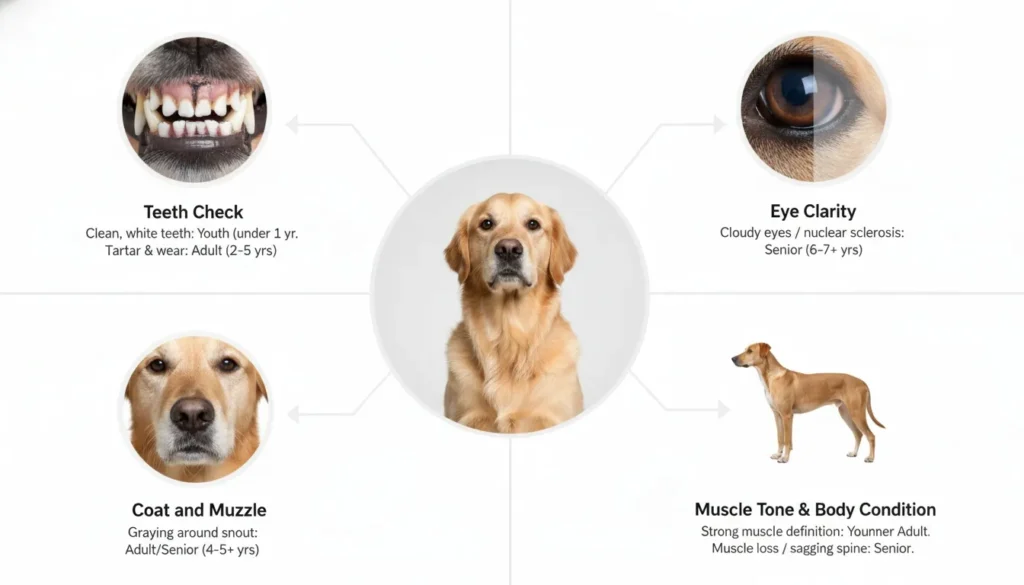
It’s the question that keeps every senior dog owner awake at night. When your dog hits 11, you start watching them a little closer. You wonder if that slow rise from the rug is just normal arthritis or if they’re genuinely hurting. Assessing quality of life isn’t about looking for a single sign; it’s about looking at the big picture of their daily happiness.
Vets use specific frameworks to take the guesswork out of this. Instead of relying purely on a vague gut feeling, you can look at concrete, daily markers to see exactly how your dog is tracking.
Simple Quality of Life Checklist
Dr. Alice Villalobos, a renowned veterinary oncologist, created a famous tool called the HMMM Scale to help owners evaluate senior pets. Translated into plain, everyday language, here is a checklist you can use to grade your 11-year-old dog’s current state. Ask yourself how they are doing in these key areas:
Hurt: Is their pain managed? Thanks to modern veterinary medicine, we have great options for arthritis, but you have to watch for subtle signs. Panting, pacing, or reluctance to be touched can mean they need a medication adjustment.
Hunger: Are they eating enough? At 11, a drop in appetite can signal nausea or dental pain. If you have to coax them to eat every single meal, something is off.
Hydration: Are they drinking enough water? Dehydration is a constant risk for older dogs, especially if they have underlying kidney issues or find it too painful to walk over to the bowl.
Hygiene: Can they keep themselves clean? This means checking if they can eliminate away from their sleeping area, and whether you are able to keep them brushed and comfortable if they have accidents.
Happiness: Do they still find joy in the little things? Look for the tail wag when you come home, the interest in a favorite toy, or their desire to sit near the family action.
Mobility: Can they get up and move around on their own? They don’t need to chase squirrels anymore, but they should be able to walk to their food dish and go outside without severe distress.
More Good Days Than Bad: This is the ultimate metric. When the bad days start outnumbering the ones where they are comfortable and content, their quality of life is declining.
End-of-Life Signs
Facing the reality of an 11-year-old dog’s mortality is incredibly hard, but knowing what to look for keeps you from being caught off guard. As dogs approach the end of their natural lifespan, their bodies begin to wind down in predictable ways.
You might notice a complete loss of interest in food and water, which is a natural part of the body shutting down. Their breathing might change, becoming very shallow or punctuated by long pauses. Many dogs experience profound lethargy where they no longer lift their head to greet you, or they may seek out a quiet, isolated spot in the house to rest.
Body temperature often drops, making their paws and ears feel cool to the touch. You might also notice a loss of bowel or bladder control as their muscles relax. Recognizing these signs isn’t about panicking; it’s about knowing when it’s time to call your vet to discuss hospice care, pain management, or a peaceful, dignified goodbye.
11 Dog Years — Breed Examples
At 11 dog years, the exact human equivalent age and life stage depend entirely on your dog’s breed and physical size. While smaller breeds are still navigate—pardon me—are still navigating their early senior years at 11, giant breeds are considered geriatric and well past their average life expectancy.
The table below breaks down exactly what 11 dog years means across different popular breeds, matching the American Kennel Club (AKC) size categories and standard senior wellness tracking models.
| Breed Example | Size Category | Human Equivalent Age | Current Life Stage |
|---|---|---|---|
| Chihuahua | Toy / Small (Under 20 lbs) | 60 years old | Senior |
| Beagle | Medium (21 to 50 lbs) | 65 years old | Senior |
| Labrador Retriever | Large (51 to 90 lbs) | 72 years old | Geriatric |
| Golden Retriever | Large (51 to 90 lbs) | 72 years old | Geriatric |
| German Shepherd | Large (51 to 90 lbs) | 72 years old | Geriatric |
| Great Dane | Giant (Over 90 lbs) | 86 years old | Geriatric (End of Life) |
Frequently Asked Questions
Yes, 11 is universally considered old for a dog, though the biological reality varies significantly by body size. For a toy breed like a Chihuahua, 11 dog years is roughly equivalent to a 60-year-old human—firmly entering their senior years, but often with several vibrant years left ahead. However, for a giant breed like a Great Dane, 11 is deep into their geriatric phase, matching a human in their mid-80s. Across all breeds, hitting 11 means your dog's organs, joints, and metabolism require specialized senior care.
Absolutely, though your approach must adjust to their physical limitations. Older dogs are highly capable of learning new cues—the old adage about "old dogs and new tricks" is entirely false, and mental stimulation is actually excellent for preventing senior cognitive decline.
When it comes to surgery, age itself is not a disease. Modern veterinary anesthesia is incredibly safe, and vets prioritize blood screenings beforehand to ensure your dog's liver and kidneys can safely handle the medications. If an 11-year-old dog needs surgery to relieve chronic dental pain or remove a dangerous tumor, their age shouldn't automatically disqualify them.
Travel is also perfectly fine, provided you adapt the itinerary. Plan for more frequent potty breaks, bring supportive bedding to protect stiff joints, and avoid intense, heat-heavy outdoor adventures.
An 11-year-old dog should transition to a high-quality, vet-approved senior diet that matches their slowing metabolism and changing body chemistry. Look for formulas that include:
Glucosamine and Chondroitin: Essential nutrients that support cartilage health and soothe arthritic joints.
Controlled Phosphorus Levels: Lower amounts of phosphorus protect aging kidneys from working too hard.
Lean, Highly Digestible Protein: Keeps their muscles strong without packing on excess weight that strains joints.
Omega-3 Fatty Acids: Reduces systemic inflammation and supports cognitive brain health.
If your dog has dental pain or missing teeth, consider mixing in warm water or switching to high-quality wet food to make chewing painless.
Yes, it is completely normal for an 11-year-old senior dog to sleep between 14 to 18 hours a day. Just like aging humans, older dogs have lower energy reserves and require more downtime to recuperate from basic daily activities.
However, there is a distinct line between restful aging and true lethargy. If your dog is difficult to wake up, refuses to get up for food or favorite activities, or appears completely disoriented when they do wake up, it may point to a medical issue like a sluggish thyroid, heart disease, or canine cognitive dysfunction rather than normal aging.
Dogs are instinctively programmed to hide physical weakness, meaning they rarely cry out or whine unless pain is sudden and severe. Instead, chronic pain at 11 dog years shows up as subtle behavioral shifts:
Mobility changes: Hesitating before climbing into the car, using stairs slowly, or lagging behind on walks.
Postural changes: A hunched back, a tucked tail, or standing with their weight shifted awkwardly to one side.
Behavioral shifts: Sudden irritability when touched, restlessness, or pacing and circling before lying down.
Physical signs: Heavy panting while resting, frequent licking of a specific joint, or a sudden loss of appetite.
While an 11-year-old dog feels like a human in their mid-60s to mid-70s, an 11-year-old cat is roughly equivalent to a 60-year-old human, as felines generally enjoy a longer lifespan and age at a slightly slower, more consistent rate than dogs. To see exactly how your feline friends stack up, check out our companion Cat Age Calculator.
🐾 Other Age Guides

Gulfam Haider Mehdi
Founder & Developer
I built Dogagescalculator.com to give dog owners honest, science-backed answers instead of the outdated "×7" myth. Every figure here is checked against AKC, AVMA, and published veterinary research.
More about the author & this site →📌 Featured Guides
golden retriever puppy feeding guide
→
what is 5 human years in dog years
→
27 years in dog years
→
can you change a dog’s name after 2 years
→
What Is 29 Dog Years in Human Years
→
How Long Do Cavalier King Charles Spaniels Live?
→
26 in dog years
→
dog years by breed
→
What Is 18 Dog Years in Human Years
→
What Is 18 Dog Years in Human Years
→
Comments