How Much to Feed a Siberian Husky Puppy Age & Weight Feeding Chart
A Siberian Husky puppy generally needs 1 to 2.5 cups of a high-quality puppy food per day, divided into 3 to 4 meals depending on their age and target adult weight. Between 8 and 12 weeks, most Husky pups require roughly $\text{1 to 1.5}$ cups daily, scaling up to $\text{2 to 2.5}$ cups by 6 months of age before gradually tapering down.
These striking working dogs hit fast growth spurts early on, yet they’re notoriously fussy eaters with surprisingly efficient metabolisms that confuse first-time owners.
This guide breaks down exact daily portion sizes, an easy-to-read feeding chart by age and weight, meal schedules, and expert feeding tips tailored specifically to your Siberian Husky puppy’s unique metabolic needs.
How Often Should You Feed a Husky Puppy?
A Siberian Husky puppy should eat 3 to 4 times per day depending on their exact age, transitioning down to twice-daily feedings by 6 months. Spreading their daily portion across multiple structured meals keeps their digestion smooth and prevents metabolic crashes during rapid growth.
Feeding Frequency by Age
Rather than offering one large portion, divide your puppy’s total daily intake (measured using our [INTERNAL LINK: puppy feeding calculator]) into equal meals throughout the day based on their developmental stage:
8–12 weeks: 4 meals per day (spaced roughly 3 to 4 hours apart)
3–5 months: 3 meals per day (morning, noon, and early evening)
6+ months: 2 meals per day (morning and evening)
Adult (12+ months): 1–2 meals per day (twice daily is ideal for preventing hunger stress)
Why Frequent Small Meals Matter for Huskies
Young Husky puppies have tiny stomach capacities despite their high demand for growth energy. Loading their stomach with a large amount of kibble in a single sitting stretches the gastric lining, which frequently triggers soft stools, gas, or vomiting.
Smaller, well-timed feedings also maintain steady blood sugar levels throughout the day. Because young puppies burn energy rapidly during playtime, multi-meal schedules prevent hypoglycemia (sudden drops in blood sugar) and keep their energy levels balanced without overwhelming their sensitive digestive systems.
What Should You Feed a Siberian Husky Puppy?
Siberian Husky puppies require a diet specifically formulated for growing medium-to-large breeds to support rapid bone growth and lean muscle development. Feeding an adult formula or an unbalanced diet during this critical window can lead to structural growth issues or severe nutrient deficiencies.
Best Food Type — Dry, Wet, or Raw?
High-quality commercial dry kibble remains the most reliable foundation for a Husky puppy’s diet because it delivers concentrated calories and precise micronutrients in every bite. While wet food can be mixed in to entice picky eaters and raw diets are popular among working-breed enthusiasts, kibble ensures consistent daily nutrient intake.
Whatever format you choose, verify that the food meets or exceeds the nutrition standards established by the Association of American Feed Control Officials (AAFCO). Additionally, the World Small Animal Veterinary Association (WSAVA) Global Nutrition Guidelines recommend choosing manufacturers that employ full-time veterinary nutritionists and conduct rigorous quality control testing on their formulas.
When selecting a commercial diet, look for a medium-breed puppy formula. Huskies are light-framed, highly athletic dogs; they need controlled energy and precise mineral levels rather than the high-fat concentration found in giant-breed diets.
Use this quick label checklist before buying any food for your puppy:
Named animal protein first: Look for real meat (such as chicken, lamb, or salmon) as the primary ingredient—not generic “meat meal.”
Added DHA: Docosahexaenoic acid (an omega-3 fatty acid) supports cognitive development and visual acuity during early growth.
Controlled calcium-to-phosphorus ratio: The ratio must stay tightly controlled between 1.1:1 and 1.3:1 to ensure steady, healthy skeleton formation.
What to Feed a 2-Month-Old Husky Puppy
At 8 weeks (2 months) old, a Husky puppy has just transitioned away from its mother’s milk and still has small, developing baby teeth. Hard kibble can be tough on their gums and difficult to digest if swallowed whole.
Soften their kibble by soaking it in warm water or plain, unseasoned bone broth for 10 to 15 minutes before serving until it reaches a oatmeal-like consistency. Serve this softened mash across 4 equally spaced meals per day to keep their energy steady and prevent digestive upset.
Grain-Free Warning
While grain-free diets are often marketed as a healthier alternative, exercise caution before skipping grains entirely. The U.S. Food and Drug Administration (FDA) has flagged a potential link between grain-free dog foods—specifically those heavily relying on legumes, lentils, or potatoes as primary ingredients—and non-hereditary Canine Dilated Cardiomyopathy (DCM), a serious heart condition.
How Much Water Should a Husky Puppy Drink?
A healthy Siberian Husky puppy needs roughly 0.5 to 1 ounce of fresh water per pound of body weight each day. For example, a 15-pound puppy will naturally drink between 1 cup and 2 cups (8 to 16 fluid ounces) of water over a 24-hour period to stay properly hydrated.
On active days or during warm weather, their intake will naturally jump toward the higher end of that range.
Always ensure your puppy has free access to a clean bowl of fresh, cool water throughout the day. The only routine exception is during night-time crate training: removing the water bowl about 2 hours before bedtime helps prevent overnight accidents while their bladder control is still developing.
How to Tell If You're Feeding the Right Amount
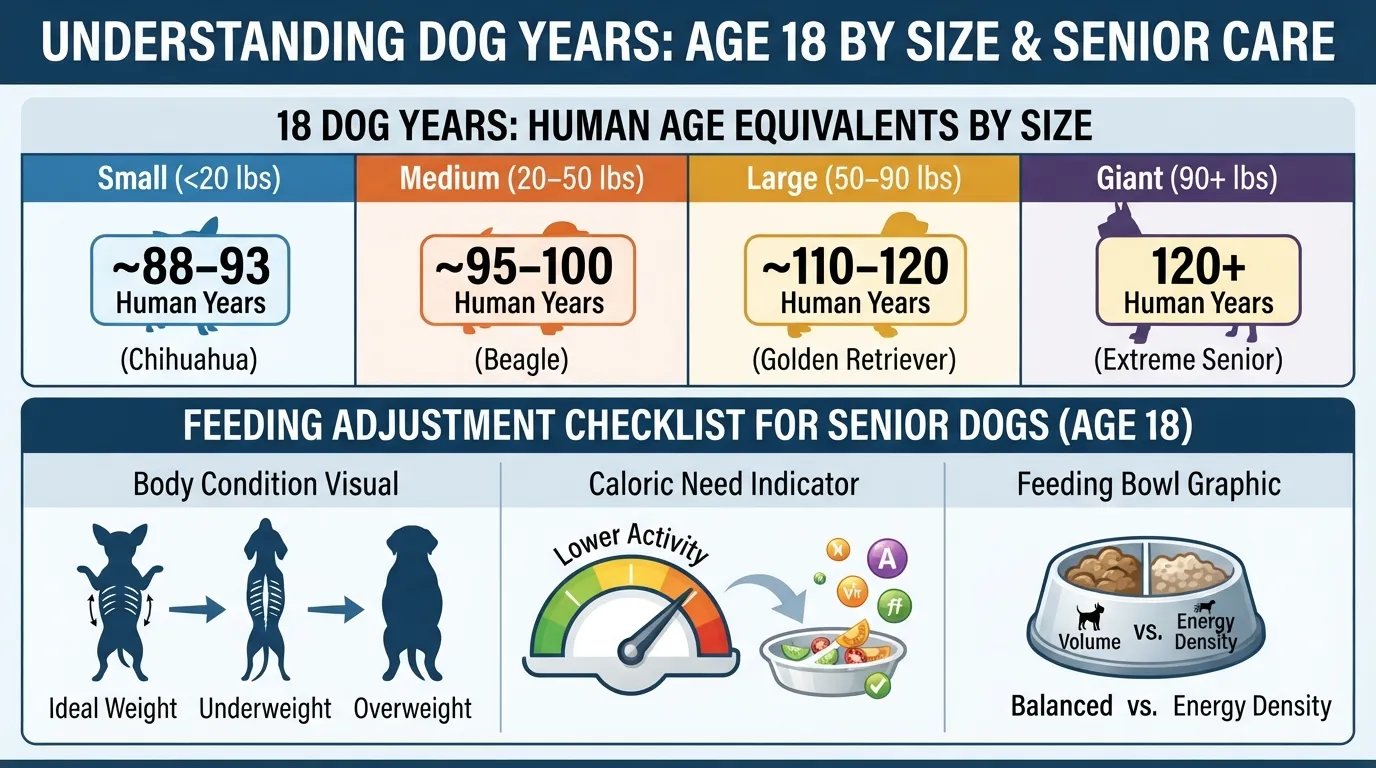
Measuring kibble with a cup is just a starting point. Because every puppy’s activity level and metabolism differ, the most reliable way to judge their portion size is by monitoring their physical body condition and daily digestion.
Body Condition Score (Visual + Rib Check)
Veterinary nutritionists use a Body Condition Score (BCS) system to evaluate a dog’s weight. You can easily perform a two-step check at home every week:
The Hands-On Rib Check: Place your thumbs on your puppy’s spine and spread your fingers across their ribcage. You should easily feel their ribs under a thin layer of coat and skin without having to press hard—similar to how the back of your hand feels. If their ribs feel like a prominent knuckle, they are underfed; if they feel like a thick mattress, they are carrying too much fat.
The Visual Waist Check: Look down at your puppy from above. You should see a clear, visible waistline narrowing behind the ribs before reaching the hips. From the side, their abdomen should tuck upward behind the ribcage rather than sagging straight across.
The Husky Coat Illusion: A Husky’s plush double coat frequently masks weight loss or gain. Never judge their body shape by eye alone—you must run your hands through their fur to feel their actual structure.
Signs of Overfeeding
It is remarkably easy to overfeed a Husky puppy because owners misinterpret their active nature as constant hunger. Feeding too much leads to distinct warning signs:
Soft, Unformed Stools: Chronic soft stools or diarrhea (often occurring toward the end of the day) is the classic indicator that a puppy’s digestive tract is overloaded with more nutrients than it can absorb.
Rapid Weight Gain: Excessive calories strain developing joints, laying the foundation for hip dysplasia later in life.
Loss of the Abdominal Tuck: The waistline disappears, giving the puppy a cylindrical or rounded appearance when viewed from above.
While a chubby puppy might look cute, extra weight during growth is a silent health hazard. Excess weight places unnecessary stress on growing growth plates and skeletal structures, permanently altering joint alignment before bones fully mature.
Signs of Underfeeding
Underfeeding is less common but requires immediate adjustments to prevent stunted growth:
Visible Ribs and Spine: Ribs, spine, and hip bones stick out prominently through the coat without needing to feel for them.
Lethargy and Low Energy: The puppy lacks enthusiasm for play, sleeps excessively, or seems weak during routine activities.
Dull Coat and Poor Skin Health: The coat appears dry, brittle, or thin, often accompanied by flaky skin due to insufficient essential fatty acids.
Obsessive Food-Seeking: Constant scavenging, eating non-food items, or extreme agitation around meal times well beyond typical puppy curiosity.
Foods Huskies Should NOT Eat
Siberian Huskies are curious scavengers with surprisingly sensitive stomachs. Beyond standard table scraps that trigger digestive upset, several common human foods contain compounds toxic to dogs—even in tiny amounts.
Keep these items far out of your puppy’s reach:
Chocolate, Coffee, & Caffeine: Contains theobromine and caffeine, which dogs process very slowly. Even small doses cause panting, severe vomiting, rapid heart rate, and potential seizures.
Grapes & Raisins: Highly toxic to dogs. Ingestion leads to sudden, acute kidney failure—even a single raisin can be fatal to a young puppy depending on their individual sensitivity.
Onions, Garlic, Chives, & Leeks: Members of the Allium family contain disulfides and thiosulfates that damage red blood cells, causing severe oxidative anemia and organ damage over time.
Xylitol (Birch Sugar): An artificial sweetener frequently found in sugar-free peanut butter, gums, baked goods, and toothpaste. It triggers a massive, rapid release of insulin in dogs, leading to severe hypoglycemia (low blood sugar) and acute liver failure within hours.
Cooked Bones: While raw, soft bones are sometimes fed under supervision, cooked bones dry out and become brittle. They easily splinter into sharp shards that pierce the mouth, throat, or stomach lining, causing life-threatening internal perforations.
High-Lactose Dairy: Huskies lack significant amounts of the lactase enzyme needed to break down lactose after weaning. Whole milk, heavy cream, and rich cheeses frequently cause severe gas, bloating, and explosive diarrhea.
Foods Huskies Love Healthy Treats
Healthy treats are fantastic for reward-based training and adding variety to your puppy’s routine without unbalancing their complete nutrition. However, treats—even single-ingredient human foods—should never account for more than 10% of your puppy’s total daily caloric intake. The remaining 90% must come from their complete and balanced puppy food.
Here are nutrient-rich options that work exceptionally well for Siberian Huskies:
Cooked Salmon: Rich in omega-3 fatty acids (EPA and DHA), which promote a dense, shiny double coat and support joint health. Always serve it fully cooked, unseasoned, and completely deboned.
Plain Canned Pumpkin: 100% pure pumpkin puree (not spiced pie mix) is packed with soluble fiber. Adding 1 teaspoon to their bowl works wonders for firming up mild loose stools or soothing an upset digestive tract.
Blueberries: Low-calorie, bite-sized rewards loaded with antioxidants, vitamin C, and fiber. They make ideal high-value rewards for outdoor recall training.
Plain Boiled Chicken: Simple, highly digestible lean protein. Plain, unseasoned chicken breast chopped into tiny cubes is the ultimate incentive for obedience work.
Raw or Steamed Carrots: Low-calorie snacks high in beta-carotene. Raw carrot sticks give teething puppies a safe, satisfying crunch that naturally helps scrape away soft plaque.
How to Calculate Portion by Your Puppy's Exact Weight
Watch these helpful video guides to see how portion sizes scale by weight and age:
Fussy Eating — Why Huskies Refuse Food & What to Do
If your Husky puppy eats too fast, using a slow-feeder bowl can prevent bloat and digestion issues. Watch this video for practical tips:
When to Switch from Puppy Food to Adult Food
Male vs Female Husky — Does Gender Change Feeding Amount?
Yes, gender directly impacts daily portion sizes because male Siberian Huskies carry significantly more lean body mass than females. On average, adult male Huskies weigh 45 to 60 pounds, while females weigh 35 to 50 pounds—a weight difference that begins to manifest during early growth spurts.
Because male puppies build a larger skeletal frame and muscle mass, they burn through more daily calories during development. A 6-month-old male Husky typically requires 2.5 to 3.5 cups of kibble per day, whereas a female of the same age usually thrives on 2 to 2.5 cups per day of the same puppy formula.
Rather than relying strictly on general age guidelines, adjust your puppy’s daily intake based on their individual target weight and rate of growth. Calculate exact calorie targets using our [INTERNAL LINK: puppy feeding calculator] to ensure you aren’t underfeeding a growing male or overfeeding a smaller-framed female.
When Should You Talk to a Vet About Feeding?
While minor appetite fluctuations are common in Siberian Huskies, persistent changes in eating habits or digestion require prompt professional evaluation. You should consult your veterinarian if your puppy shows any of the following warning signs:
Complete Appetite Loss (Anorexia): Skipping a single meal isn’t unusual for a Husky, but refusing food entirely for more than 24 hours—or skipping two consecutive meals as a young puppy under 4 months—warrants an immediate vet visit.
Rapid or Unexplained Weight Changes: A sudden loss of weight, visible rib prominence overnight, or failure to gain weight during an active growth spurt can signal internal parasites, nutrient malabsorption, or underlying metabolic issues.
Persistent Digestive Upset: Chronic diarrhea, soft stools lasting more than 48 hours, frequent vomiting, or straining to defecate indicates gastrointestinal inflammation or a food intolerance that needs medical diagnosis.
Extreme Lethargy or Weakness: If your puppy refuses food and appears unusually sluggish, unresponsive, or weak, seek emergency veterinary care, as young puppies can quickly develop low blood sugar (hypoglycemia) or dehydration.
FAQs
FAQs
How much should a Husky puppy eat per day?
An 8-week-old Siberian Husky puppy typically eats 1 to 2 cups of high-quality puppy food per day. Portion sizes scale up during growth spurts, peaking around 2.5 to 3.5 cups per day by 6 months, split across multiple daily meals.
What to feed a 2-month-old Husky?
At 2 months (8 weeks) old, feed your Husky puppy a high-protein, medium-breed puppy kibble softened with warm water or plain bone broth into a porridge consistency. Serve this mash divided across 4 small meals per day.
What can Huskies not eat?
Huskies must never eat toxic human foods including chocolate, grapes, raisins, onions, garlic, xylitol-sweetened products, cooked bones, or rich dairy. These items trigger severe medical emergencies ranging from kidney failure to digestive perforations.
What foods do Huskies love?
Huskies love healthy, high-value rewards like plain boiled chicken breast, cooked deboned salmon, raw carrots, blueberries, and pure canned pumpkin. Ensure these extras do not exceed 10% of their daily caloric intake.
What is a silent killer for dogs?
Obesity and overfeeding during puppyhood serve as silent health destroyers. Carrying excess weight during rapid growth spurts causes hidden, permanent damage to developing joints and growth plates, paving the way for hip dysplasia and metabolic illness later in life.
Which gender Husky eats more / grows bigger?
Male Huskies grow larger and eat more than females. Adult males average 45 to 60 pounds and need larger portions during development, while adult females weigh between 35 and 50 pounds and require lower daily caloric intake.
Comments